Latest Articles

Splash Zone Spectacle: The Thrill and Controversy of SeaWorld’s Orca Show

Elmo

シーワルド・サンディエゴ
期待しないで行ったのですがとても良かったです。1日で周らないといけないので、乗り物を二の次で、ショーを中心に周ろうと決定。
ショーの時間は、パーキング入り口で貰った地図の紙に書いてありました。
各ショー開演30分前から会場入りなので、良い座席確保の為に早めに席取りが基本。でも待ってる客を飽きさせない工夫がされてるのがgood!
ポップコーンや食べ物を食べながら映画鑑賞のノリでみんな着席。

ORCA(シャチ)ショー
前へ行くほど水が掛かります。この席まで濡れますと表示されてます。ちょっとかかるぐらいじゃありません。全身ずぶ濡れです。
前席に座るなら、最初から水着を着るかレインコートを持っていくか着替えを持つか防御が必要です。会場でもポンチョやタオルを売り子が売り歩いています。
初めて生で見るシャチの大きさにど肝を抜かれ、ザッパザッパ高波を作り飛び跳ねる巨体。尾ひれで遠慮なく客に洗礼の如く水しぶきを掛けていきます。子供達は浴槽近くでスタンバイ。オオハシャギでそれを待ちかねます。
観客の中から選ばれた1人が特別席に座り、水しぶきを間近で思いっきり浴びると観客のボルテージはMAX!
シャチの種類や生体についてスクリーンで説明してくれるのが嬉しかったです。
前に事故があったせいで飼育員が浴槽に入ってのパフォーマンスは禁止されたそうで、浴槽外からの指示でしたがとてもよく連携が取れていて、技を決める度に、シャチの顔が笑っているように見え可愛かったです。

パークへの入場チケットと駐車場料金は公式ページで前もって購入するのがお得です。米軍関係者は特別料金があるので、お近くのMWR Ticket officeへ行くことをおススメします。
Sea World San Diego

Related Posts

A Man of Many Controversies: Henry Kissinger and the Art of Diplomacy

Elias Rowen

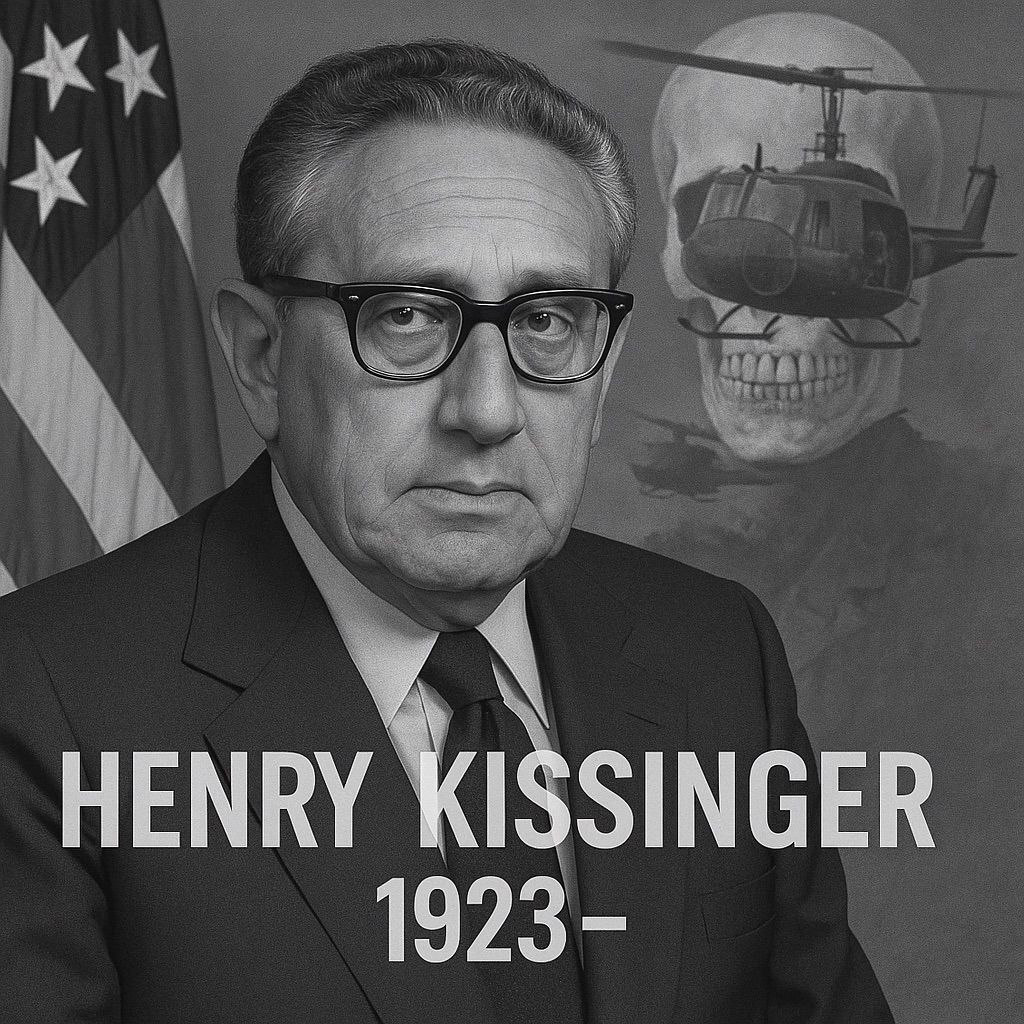
Henry Kissinger, born on May 27, 1923, is a figure whose name conjures a mixture of admiration, scorn, and heated debate. A key architect of U.S. foreign policy during the Cold War, Kissinger’s career spanned presidential administrations and continents, from Vietnam to China. But for all his successes in diplomacy, his legacy is complicated—marked by bold strategies, difficult decisions, and deep controversy.

As National Security Advisor and Secretary of State under Presidents Nixon and Ford, Kissinger played a pivotal role in the most significant geopolitical shifts of the 20th century. His policy of “realpolitik” emphasized pragmatic, often hard-nosed diplomacy, favoring national interest over ideological purity. The opening of diplomatic relations with China in 1972, culminating in President Nixon’s visit to Beijing, is one of his most celebrated accomplishments, shifting the balance of the Cold War.

However, Kissinger’s tenure was also marked by decisions that remain deeply controversial. His role in the secret bombing of Cambodia, the support for military dictatorships in Latin America, and his involvement in the coup that overthrew Chile’s democratically elected government in 1973 have led to accusations of complicity in human rights abuses. Critics argue that Kissinger’s actions prioritized geopolitical stability over the well-being of people, leading to devastating consequences for millions.

Kissinger’s legacy is a reminder that the world of international diplomacy is often fraught with moral ambiguity. While his strategies were effective in achieving certain U.S. objectives, they also left deep scars. His influence continues to shape discussions on foreign policy, ethics, and the use of power in global affairs.

Related Posts

Breaking the Record, Breaking the Limits: The Four-Minute Mile

Elias Rowen

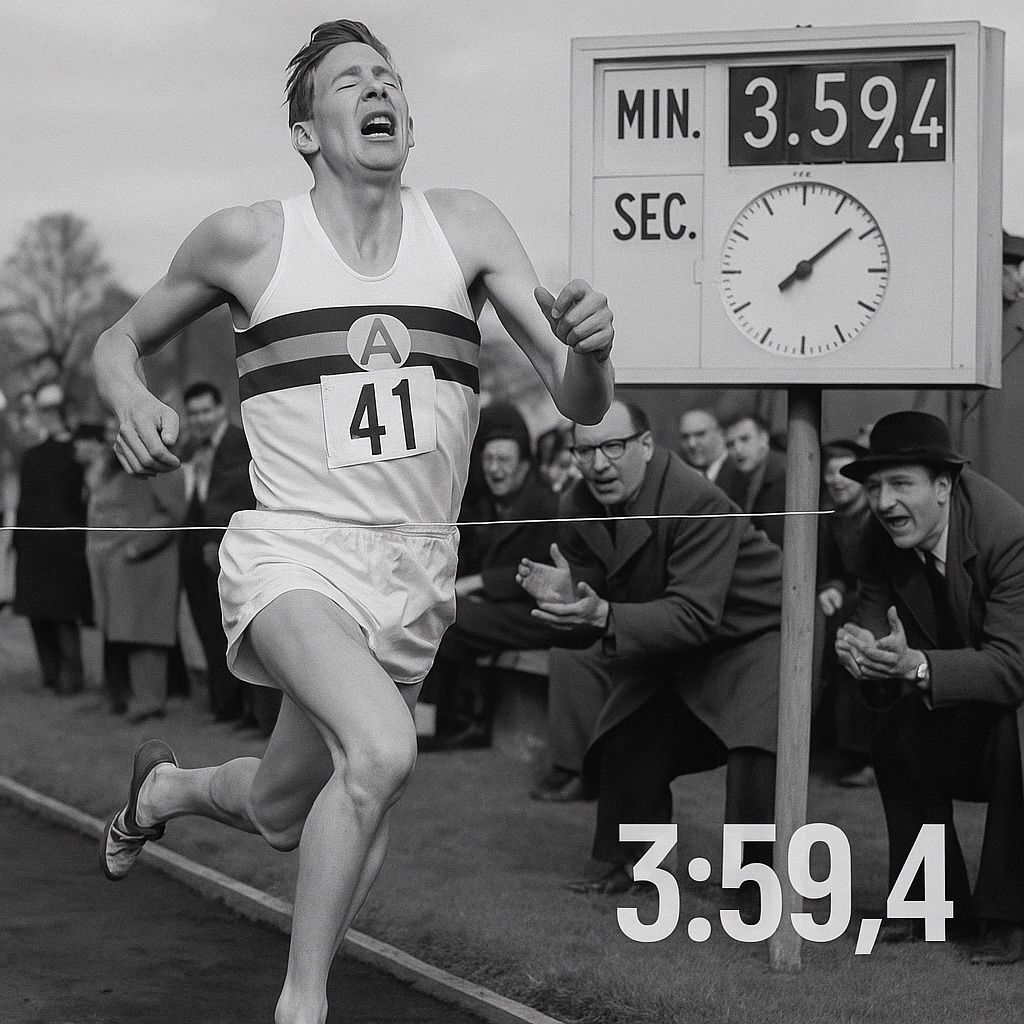
On May 6, 1954, Roger Bannister did the unthinkable: he became the first person to run a mile in under four minutes. A feat that many thought was physically impossible, Bannister’s achievement not only shattered a record but also demolished preconceived limits about the human body and mind.

At the time, experts believed that running a mile in under four minutes was beyond the capabilities of any human being. The mental and physical barriers were seen as insurmountable. But Bannister, a medical student with a love for running, didn’t buy into this pessimism. He trained rigorously, and on that fateful day at Iffley Road Track in Oxford, England, he ran the mile in 3 minutes 59.4 seconds.

His achievement was more than just a sporting milestone. It was a moment that encapsulated the power of human potential. Bannister’s victory was a testament to the idea that limits are often self-imposed, and once one person breaks through, others will follow. Within just six weeks of Bannister’s record, another runner, John Landy, broke the four-minute barrier as well.

The four-minute mile became a symbol of pushing beyond what was thought possible, not only in athletics but in all areas of life. Bannister’s accomplishment is now a part of sporting history, but its legacy extends beyond sports: it is a reminder that boundaries are meant to be challenged, and human potential is often far greater than we realize.

Related Posts

Africa Rising: The Birth of Unity on the Continent

Elias Rowen

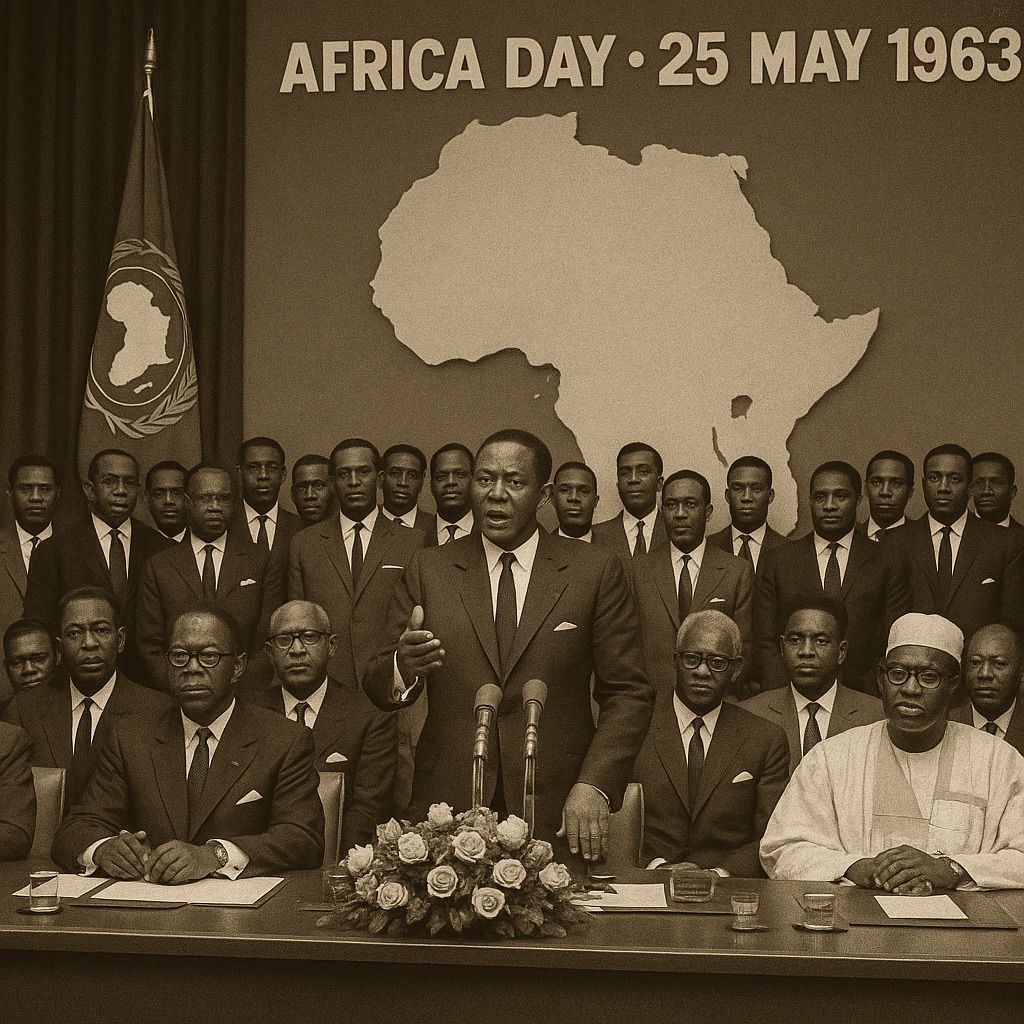
On May 25, 1963, thirty-two newly independent African nations came together to form the Organization of African Unity (OAU), marking a pivotal moment in the history of the continent. Africa Day, as it became known, symbolized not just political unity, but the promise of a future in which African countries would stand together against the challenges of post-colonialism.

The OAU’s goals were ambitious: to promote unity and solidarity, defend sovereignty, and tackle issues such as colonialism and apartheid. The spirit of Pan-Africanism, which had gained momentum during the earlier part of the century, was a driving force behind the creation of this organization. The idea was simple, yet profound: if Africa could unite, it could become a stronger, more influential force on the world stage.

For many African nations, independence had been hard-won but was often followed by internal strife, economic challenges, and political instability. The OAU offered a platform for collaboration and cooperation, an idea that transcended borders. In a time when Western powers still had economic and political influence over the continent, the OAU represented a chance for Africa to assert its independence in a unified voice.

Though the OAU ultimately faced challenges—disputes among members, differing political ideologies, and the rise of civil wars—it laid the foundation for later initiatives aimed at greater cooperation, like the African Union (AU), founded in 2002. Africa Day remains a time to reflect on the progress made, the challenges that still exist, and the importance of unity in shaping the continent’s future.

Related Posts

Stone and Steel: The Brooklyn Bridge and the Architecture of Ambition

Elias Rowen

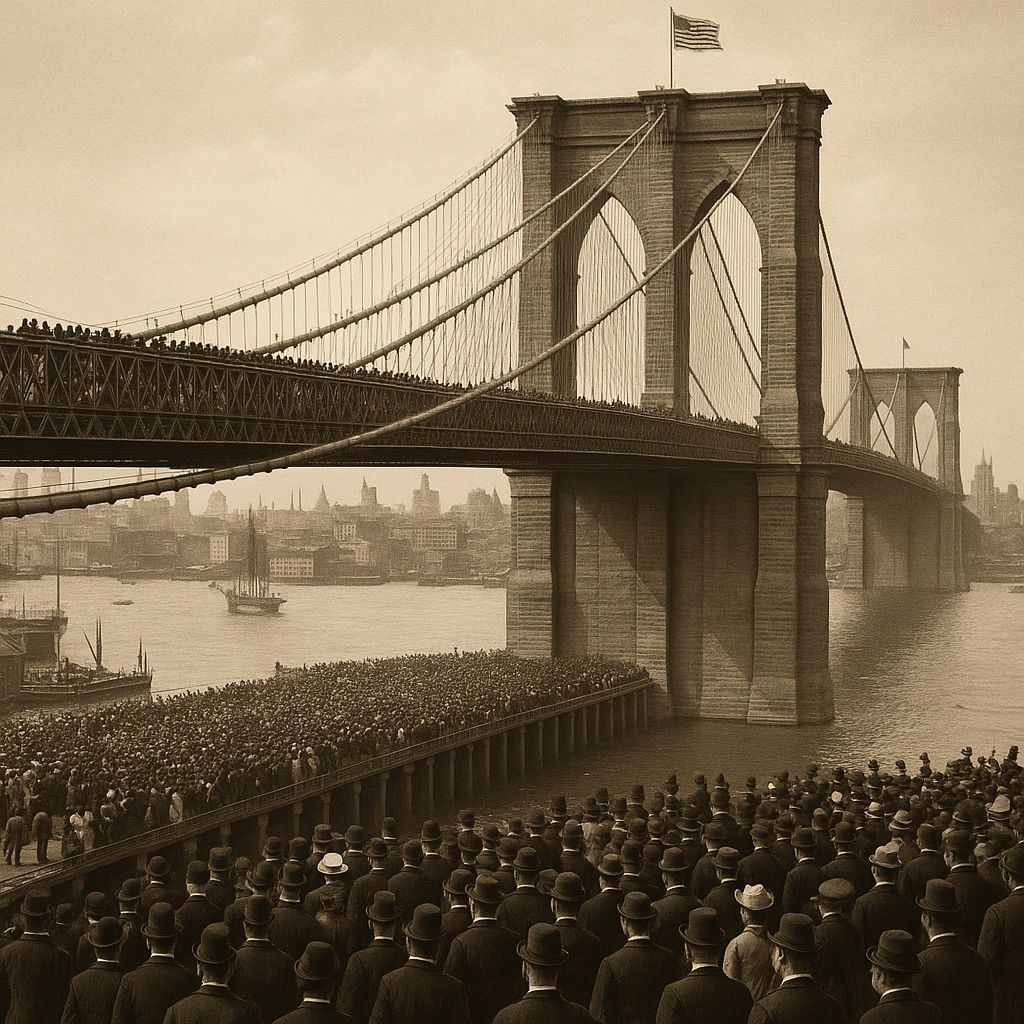
On May 24, 1883, thousands gathered to witness the opening of the Brooklyn Bridge—a structure so daring, so ambitious, that it redefined what human beings could build. Spanning the East River, it connected Brooklyn and Manhattan in a way never before imagined.

The bridge’s story is as much about people as it is about steel. It began with John Roebling, a visionary engineer who died before construction began. His son, Washington Roebling, took over but was paralyzed early in the project by caisson disease. From his sickbed, he oversaw construction, sending instructions through his wife, Emily Roebling—who became a vital, if unofficial, chief engineer.

The bridge took 14 years to build. Workers toiled in dangerous conditions. Some died. But when it opened, it wasn’t just a crossing—it was a declaration. America was entering a new era, one in which technology and imagination could stretch across rivers and rise into the sky.

The Brooklyn Bridge was the longest suspension bridge in the world at the time. But it was more than a feat of engineering. It became a cultural icon, a backdrop to lives and stories, a symbol of New York itself.

Today, we take bridges for granted. But in 1883, this one proved that no distance—physical or metaphorical—was too wide to cross. The Brooklyn Bridge endures as a monument to the belief that, with vision and will, we can connect what was once divided.

Related Posts