Latest Articles

The Voice of the People: Why a Free Press is Democracy’s Lifeline

Elias Rowen

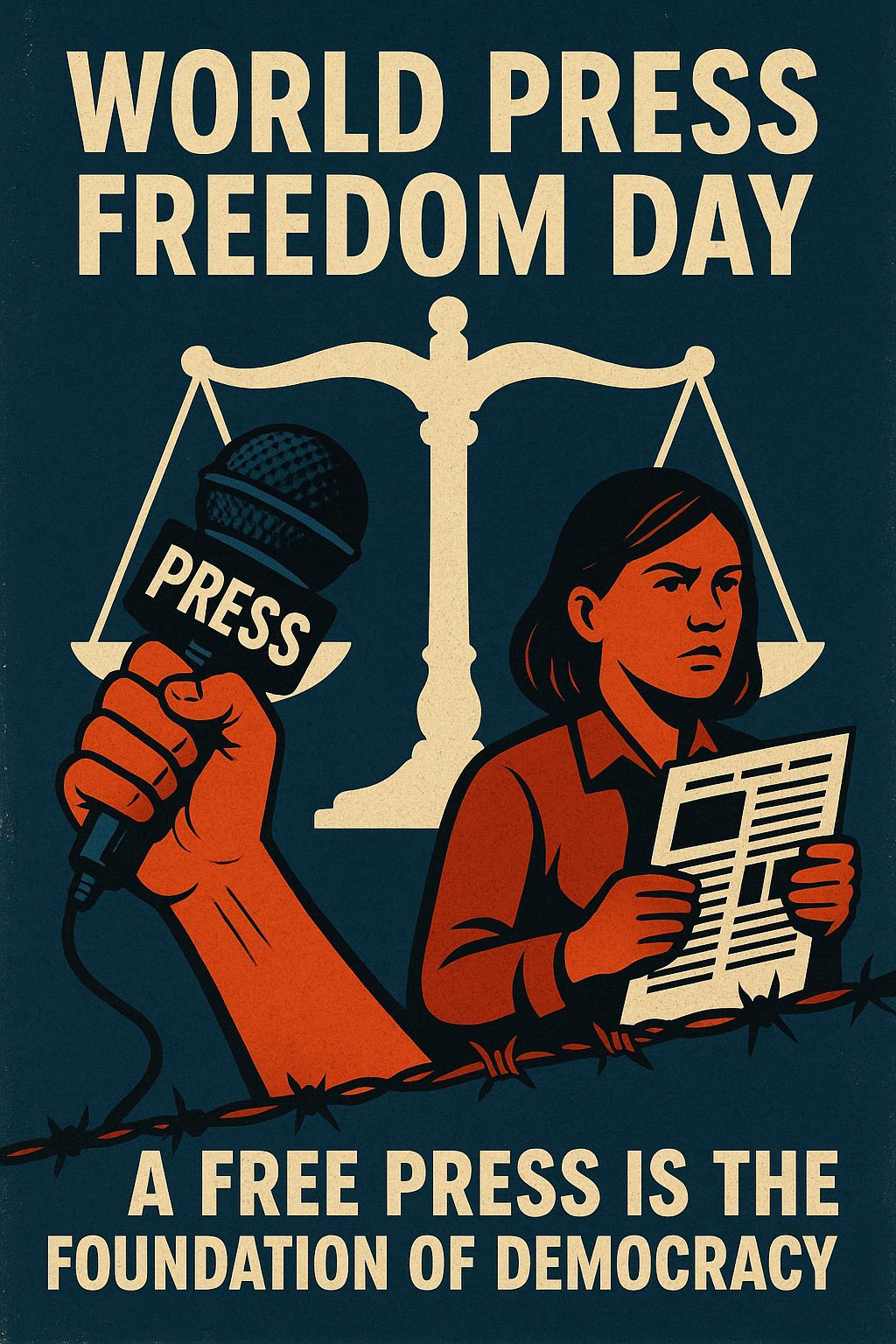
A free press is not just a luxury of democracy—it is its very foundation. On World Press Freedom Day, we are reminded that the ability to speak truth to power, to uncover injustice, and to hold leaders accountable is what keeps democracies vibrant and alive. Without journalists asking hard questions, corruption festers. Without storytellers giving a voice to the marginalized, injustices are swept under the rug. In a world where misinformation spreads at the speed of a click, a strong, independent press acts as a lighthouse, guiding societies through storms of confusion and deceit.

However, the fight for press freedom is far from over. Around the globe, journalists are imprisoned, censored, or even killed simply for doing their jobs. Governments increasingly brand legitimate reporting as “fake news” when it challenges their narratives. Meanwhile, media outlets battle corporate consolidation, which threatens to turn information into mere entertainment. True democracy demands more—it requires fearless reporting, diverse voices, and spaces where truth, not convenience, reigns supreme.

The faces behind the headlines—the local reporter exposing city hall corruption, the foreign correspondent risking their life to cover a war zone, the independent journalist battling online harassment—are the quiet heroes of democracy. Their work ensures that power remains in the hands of the people, not behind closed doors. On this day, and every day, supporting press freedom means defending our right to know, to question, and ultimately, to shape our own futures.
Related Posts

The End of a Hunt: Bin Laden’s Death and the New Face of Global Security

Elias Rowen

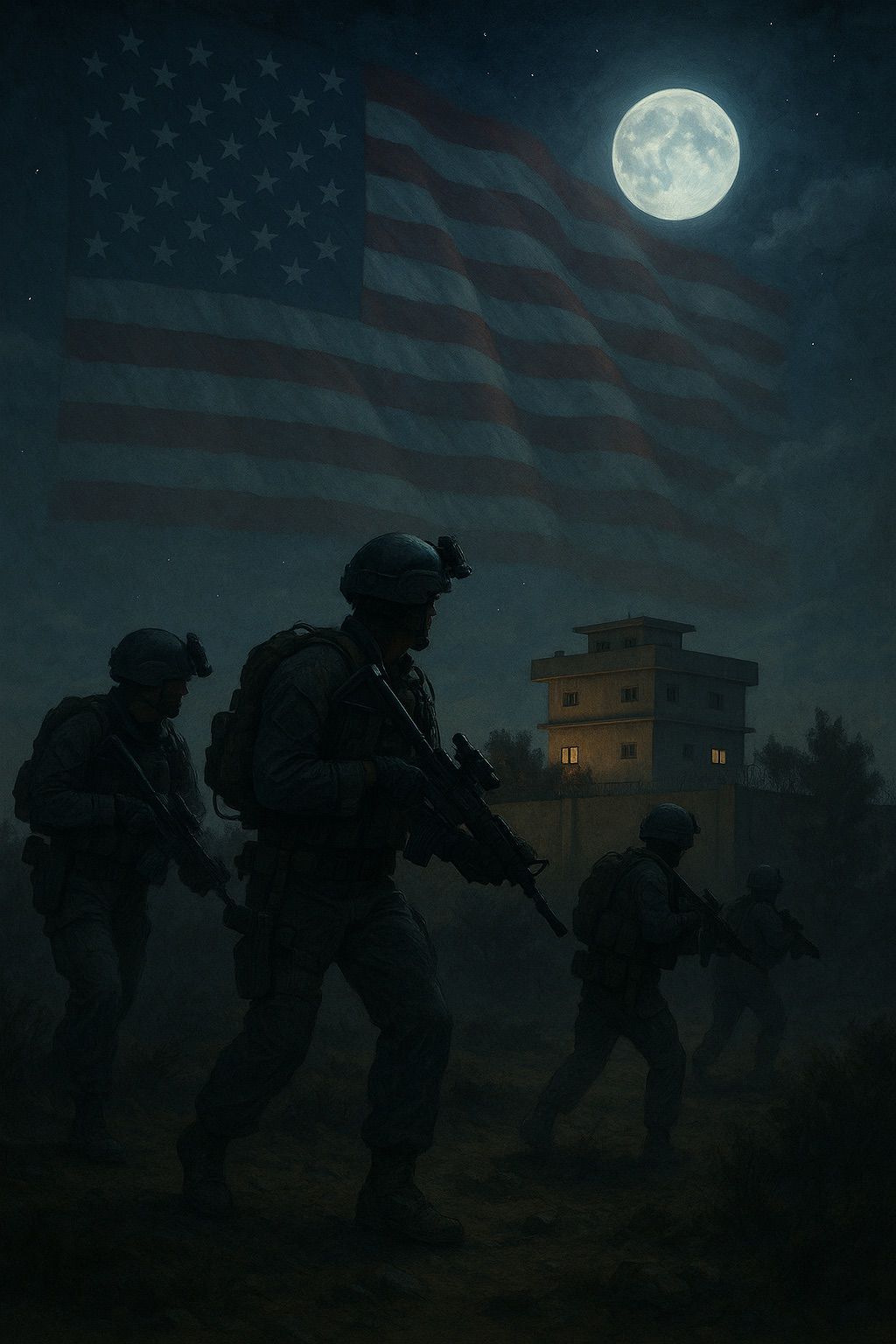
On May 2, 2011, the world woke up to news that seemed almost surreal: Osama bin Laden, the mastermind behind the 9/11 attacks, had been killed by U.S. Navy SEALs in Pakistan. For nearly a decade, bin Laden had been the most wanted man on the planet, a ghostly symbol of terror and fear. His death marked a pivotal moment in the War on Terror—a symbolic victory for the United States and its allies, and a piece of long-awaited closure for the families of 9/11 victims. Crowds gathered outside the White House waving flags, cheering a rare and profound moment of national unity. Yet, while the man was gone, the world he had changed remained more complicated than ever.

Bin Laden’s death did not mark the end of terrorism or even the War on Terror. Instead, it revealed how much the battlefield had evolved. New groups like ISIS soon emerged, thriving in the instability left behind by long wars. Global security efforts had to shift from hunting one man to countering decentralized, digital threats that could strike from anywhere. Mass surveillance programs expanded, drone warfare grew, and cybersecurity became a frontline issue. While bin Laden’s removal was a major psychological blow to extremists, it also forced governments to realize that terrorism was no longer something with a face—it was a constantly shifting, global phenomenon.

The mission that killed bin Laden taught us that victory in the War on Terror isn’t always clear-cut. It’s a marathon, not a sprint, demanding resilience, adaptability, and constant vigilance. It reminds us that while singular figures can be brought down, the deeper issues—extremism, inequality, injustice—must be addressed if real peace is ever to take hold.

Related Posts

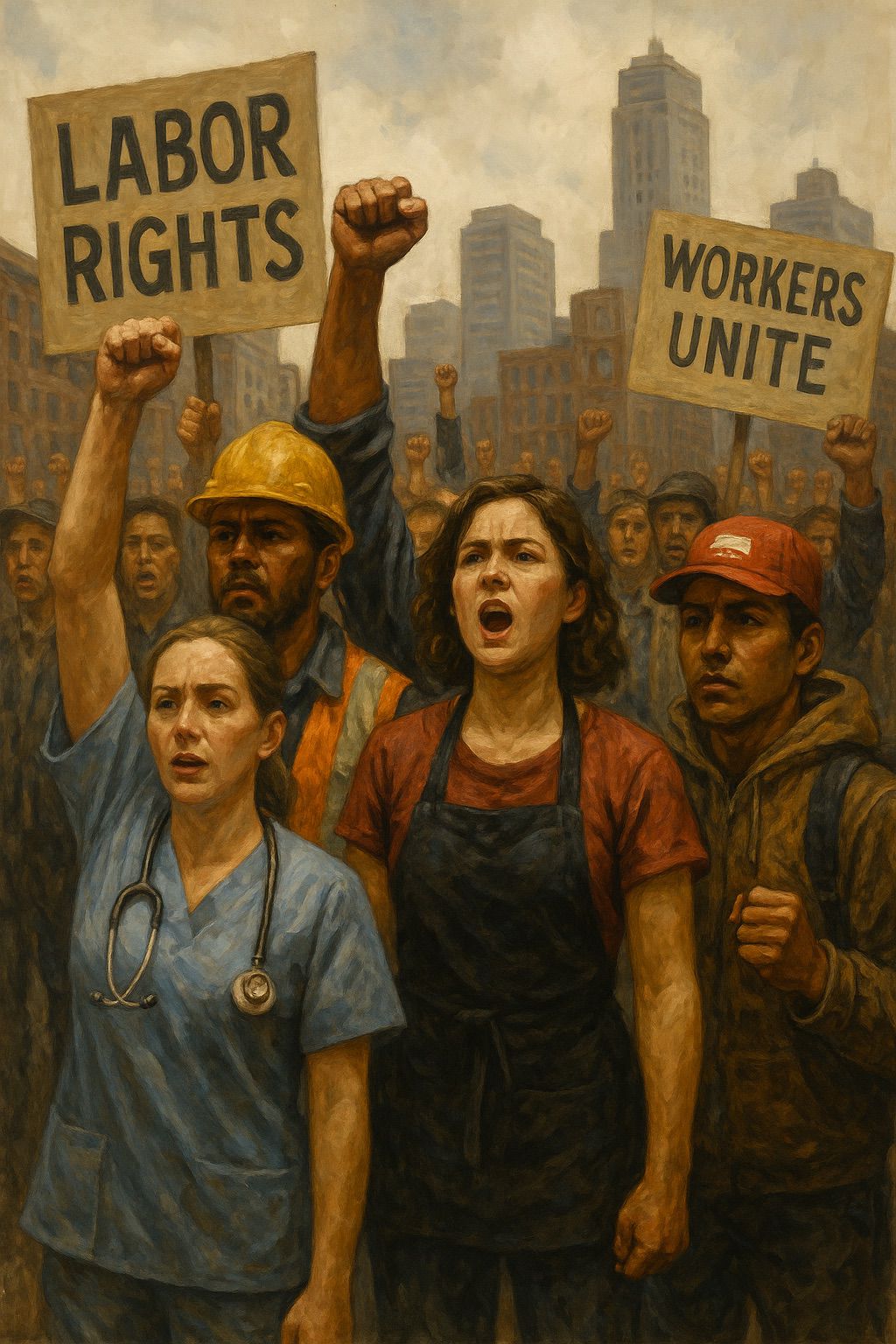
Power to the People: The Ongoing Fight for Workers’ Rights

Elias Rowen

For centuries, workers have stood shoulder to shoulder, demanding dignity, fair pay, and safe conditions—principles that form the backbone of any just society. From the early factory strikes of the Industrial Revolution to the global observance of International Workers’ Day on May 1st, labor movements have been a force of transformation. These collective efforts have reshaped laws, redefined norms, and reminded the world that the engine of every economy runs on the labor of everyday people. Despite the progress, the fight is far from over.

Today, the challenges may look different—gig work without benefits, stagnant wages despite inflation, unsafe working conditions in developing countries—but the underlying battle remains the same: the right to be treated fairly. The rise of union-busting tactics, automation threatening jobs, and an ever-growing wealth gap shows how much is still at stake. Workers from Amazon warehouses to Starbucks counters have reignited the fire of unionization, proving that solidarity is not outdated—it’s essential.

Human stories fuel this movement. The nurse pulling double shifts without adequate protection. The delivery driver navigating city streets for sub-minimum wages. The teacher crowdfunding for classroom supplies. These are not isolated incidents—they’re signals of a system under strain. Labor rights aren’t just about better pay; they’re about respect, equity, and giving workers a voice in the systems that profit from their sweat.

The labor movement is not a relic of the past—it’s a call to action today. As long as injustice exists in the workplace, so too will the courage of those who stand up against it. Because when workers unite, history listens.

Related Posts

The Final Choice: Adolf Hitler and Eva Braun’s Tragic End

Elias Rowen

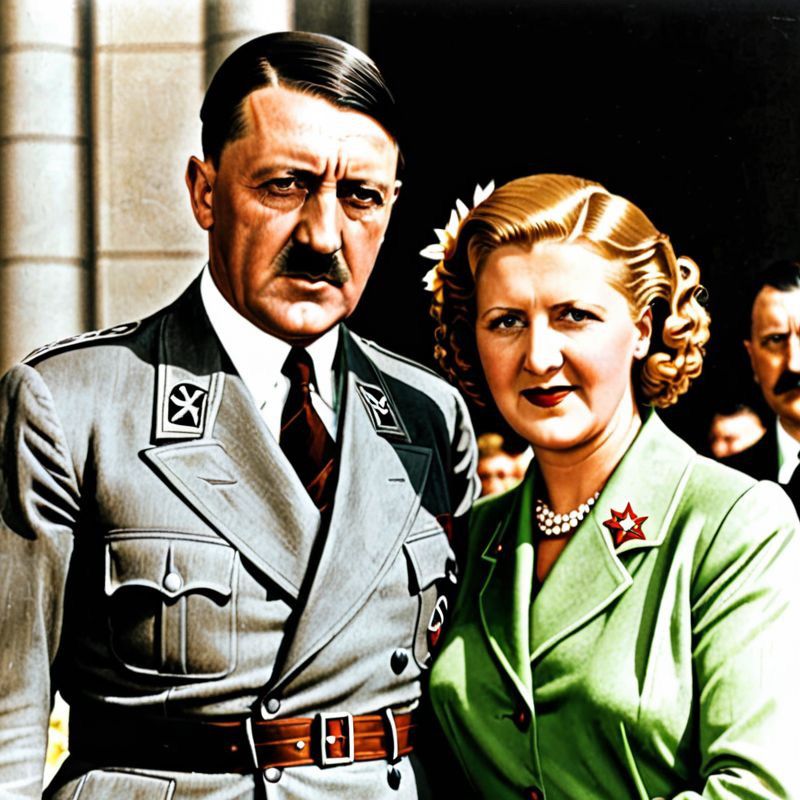
As the Soviet forces closed in on Berlin in April 1945, Adolf Hitler and Eva Braun made the ultimate decision to take their own lives in the face of defeat. The once-powerful dictator, who had ruled Nazi Germany with an iron fist, was now cornered in his underground bunker, with the end of the war in sight. Hitler, whose ambitions had led to the devastation of much of Europe, faced the collapse of his empire. Eva Braun, who had been by his side for over a decade, followed him into this tragic end, forever bound to the Führer in both life and death.

The two chose suicide as the only way to avoid capture by the advancing Soviet forces. Hitler, knowing the inevitability of his downfall, ingested cyanide and shot himself in the head. Eva Braun, his loyal companion throughout the war, consumed cyanide, ending her life beside him. Their deaths occurred on April 30, 1945, marking the symbolic end of Nazi Germany. The couple’s decision to die together in the final moments of their lives reflects the despair of a regime that had once been the epitome of power but had crumbled under the weight of its own atrocities.

Their suicides were not just the deaths of two individuals, but the end of an era that had brought untold suffering to millions. As the war neared its end, many saw Hitler’s death as a necessary step toward peace, though it came at a staggering human cost. For Eva Braun, her relationship with Hitler had been marked by a desire for recognition and an enduring loyalty to a man whose very name would forever be associated with hate and destruction. The tragic final act of their lives left a dark mark on history, reminding the world of the dangers of unchecked power and the human toll of war.

Related Posts

A Final Act of Defiance: The Last Moments of Adolf Hitler and Eva Braun

Elias Rowen

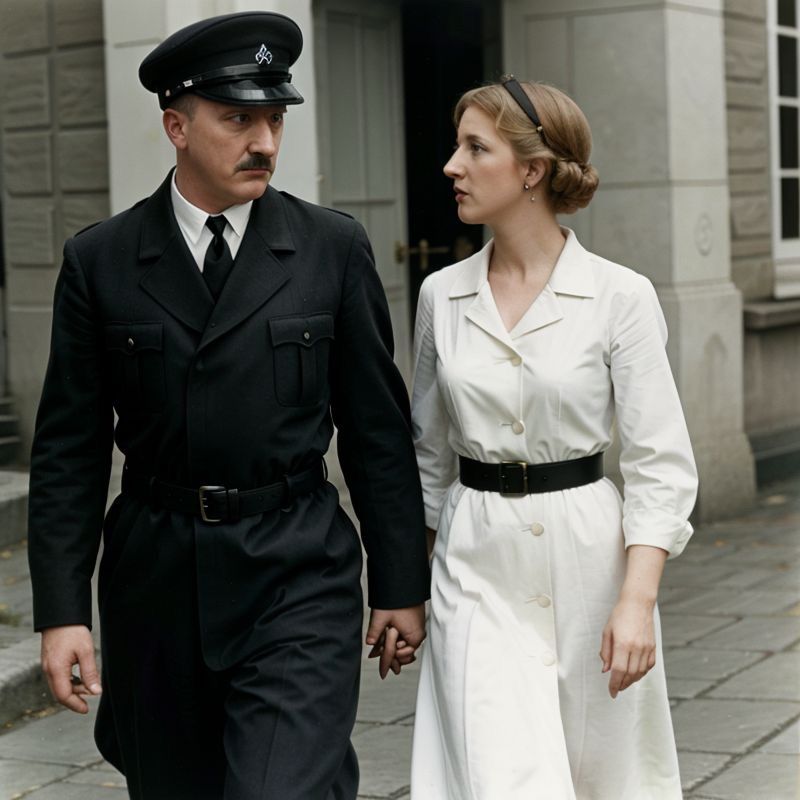
On April 29, 1945, in the depths of the Berlin bunker, Adolf Hitler, the Führer of Nazi Germany, married his long-time companion, Eva Braun, in a fleeting and tragic moment. This was just one day before their deaths, as the crumbling Third Reich faced its inevitable defeat. Hitler, who had spent years avoiding personal commitments and keeping his relationship with Eva a carefully guarded secret, chose this final act of marriage as a defiance against the looming end of his empire. For Eva Braun, this was the culmination of a decades-long devotion to a man who had consistently kept her at arm’s length, despite her unrelenting loyalty.

Their marriage was not a grand affair; it took place in the bunker, where the couple was holed up, surrounded by the growing chaos of a city under siege. Hitler, having long acknowledged that his regime was collapsing, seemed to have finally let go of the grandiose ambitions that had once defined him. For Eva, the marriage represented a tragic, final acknowledgment of her devotion, yet it was steeped in the knowledge that the end was near. The very next day, the two would take their own lives—Hitler by cyanide and a gunshot, Braun by cyanide—choosing death over capture by the advancing Soviet forces. Their deaths marked the symbolic end of the Nazi regime and the conclusion of a tyrannical era that had wreaked havoc on the world.

In these final moments, the couple’s marriage was not just a personal gesture but a tragic symbol of the collapse of a regime and the fleeting nature of human life. Hitler and Braun’s decision to marry before their deaths echoes the ultimate futility of their lives and the desolation of their choices. The Berlin bunker, once a stronghold of power, became the stage for a dark and eerie conclusion to one of history’s most destructive figures. The fleeting, tragic marriage remains a potent reminder of the human capacity for loyalty, the desire for recognition, and the devastating effects of unchecked power.

Related Posts