Latest Articles

Beyond the Known: William Herschel’s Discovery of Uranus

Elias Rowen

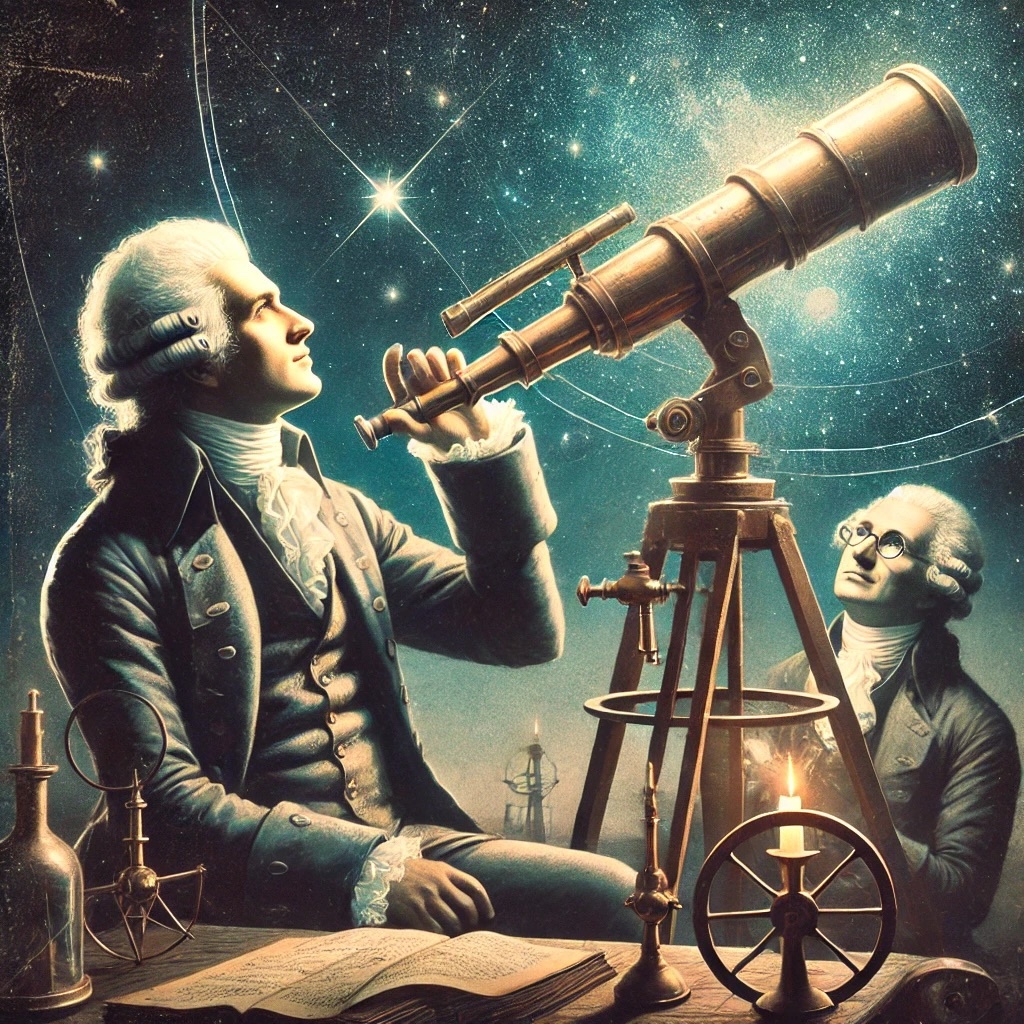
On the night of March 13, 1781, German-born astronomer William Herschel made a discovery that would forever change humanity’s understanding of the solar system. With his homemade telescope, Herschel spotted an object that appeared to be a comet, but after further observations, he realized it was something far more significant—a new planet. This celestial body, later named Uranus, became the first planet discovered with a telescope, expanding the known boundaries of the solar system for the first time in recorded history.

Before Herschel’s discovery, the solar system was thought to end with Saturn. For millennia, ancient astronomers had mapped the five visible planets—Mercury, Venus, Mars, Jupiter, and Saturn—believing the universe to be a fixed and unchanging entity. Herschel’s groundbreaking find shattered this assumption, proving that the cosmos held more secrets yet to be uncovered. At first, he believed the object might be a comet, but as astronomers across Europe studied its slow, steady orbit, they confirmed that it was, in fact, a new planet—the first discovered since antiquity.

Naming the new planet was a matter of debate. Herschel initially proposed “Georgium Sidus” in honor of King George III, but the scientific community ultimately settled on Uranus, following the tradition of naming planets after mythological deities. Uranus, the Greek god of the sky, was a fitting name for this distant and mysterious world. Unlike the other planets, Uranus rotates on its side, giving it one of the most unusual axial tilts in the solar system. This strange behavior only added to the intrigue surrounding Herschel’s monumental find.

Herschel’s discovery was more than just a new dot in the night sky—it was a turning point in astronomy. It proved that the universe was far more vast and dynamic than previously believed. His work inspired generations of astronomers to search beyond the visible, leading to future discoveries of Neptune, Pluto, and countless celestial wonders. Uranus may not be the most famous planet in our solar system, but its discovery opened a new era of space exploration and deepened our curiosity about what lies beyond.

More than two centuries later, William Herschel’s legacy endures. His discovery of Uranus reminds us that the universe is full of surprises, and with patience, curiosity, and the right tools, there’s always more to uncover.

Related Posts

Breaking Barriers: How Juliette Gordon Low Built the Girl Scouts of the USA

Elias Rowen

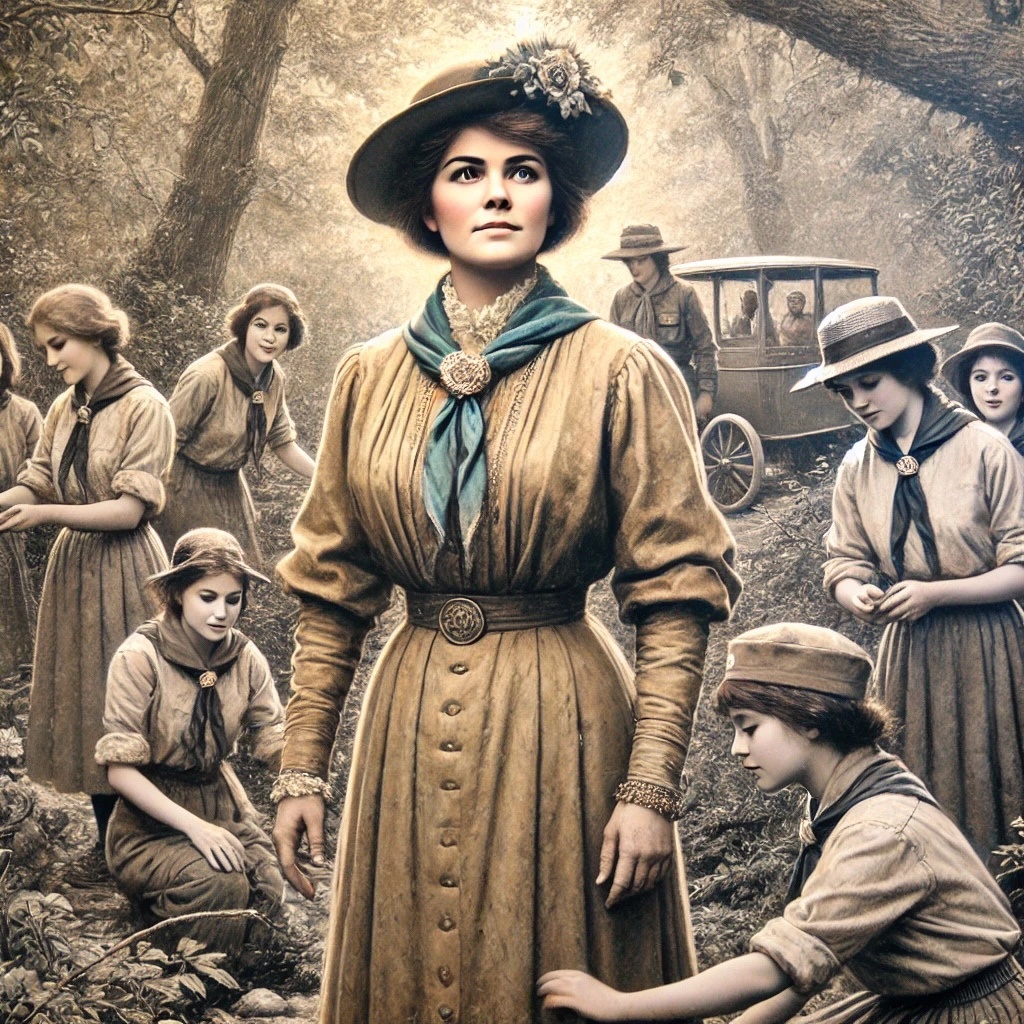
In the spring of 1912, a visionary woman named Juliette Gordon Low ignited a movement that would forever change the landscape of youth leadership and female empowerment. With an unwavering belief in the potential of young girls, Low founded the Girl Scouts of the USA in Savannah, Georgia, determined to provide girls with opportunities for adventure, education, and personal growth. At a time when women were still fighting for basic rights, she championed the idea that girls could be strong, resourceful, and independent leaders of the future.

Juliette Gordon Low was no stranger to adversity. She had faced personal struggles, including partial hearing loss, yet she refused to let obstacles define her. Inspired by the Boy Scouts movement in England, she saw the need for a similar organization tailored to young girls. She gathered 18 eager participants for the first Girl Scout meeting, laying the foundation for a program that emphasized outdoor skills, community service, and self-reliance. What started as a small group quickly grew into a nationwide phenomenon, with troops sprouting up across the country.

The Girl Scouts movement was revolutionary in its inclusivity and progressive approach. Unlike many organizations of the time, Low ensured that girls from all walks of life—regardless of race, class, or background—had the chance to participate. She believed that girls should learn skills traditionally reserved for boys, such as camping, first aid, and citizenship training. Through these activities, she instilled confidence and resilience in generations of young women.

Over a century later, the legacy of Juliette Gordon Low lives on. The Girl Scouts of the USA has grown into an organization with millions of members, continuing to inspire girls to embrace leadership, innovation, and service. From selling cookies to funding their goals to earning badges that celebrate STEM, arts, and entrepreneurship, Girl Scouts have evolved while staying true to their founder’s vision. Juliette Gordon Low’s dedication to empowering young women remains a testament to the power of one determined individual to spark lasting change.

Now, Girl Scouts across the world carry on her mission, proving that with courage, confidence, and character, anything is possible.

Related Posts

The Day the Ocean Roared: Japan’s 2011 Earthquake and Tsunami

Elias Rowen

March 11, 2011, is a day forever etched in Japan’s history—a day when the Earth shook with unimaginable force, and the ocean rose with devastating fury. At 2:46 PM local time, a massive 9.0-magnitude earthquake struck off the northeastern coast of Japan, making it one of the strongest quakes ever recorded. The shaking alone was catastrophic, toppling buildings and causing widespread panic. But what followed was even more devastating—a towering tsunami, with waves reaching over 40 meters (131 feet) high, crashing onto the shores of cities like Sendai and Miyako, swallowing entire towns in a matter of minutes.

The tsunami’s impact was swift and unforgiving. Coastal communities were wiped out as the relentless surge of water carried away cars, homes, and even entire neighborhoods. More than 15,000 people lost their lives, while thousands more were injured or went missing. Survivors were left to sift through the wreckage, searching for loved ones amid a landscape that had been completely reshaped. Infrastructure crumbled, leaving millions without power, clean water, or shelter. Roads, bridges, and railways were obliterated, making rescue and relief efforts even more challenging.

Among the most alarming consequences of the disaster was the crisis at the Fukushima Daiichi Nuclear Power Plant. The earthquake and tsunami triggered meltdowns at multiple reactors, releasing radiation into the air and forcing the evacuation of thousands. It was the worst nuclear disaster since Chernobyl in 1986 and left lasting scars on Japan’s energy policies and environmental landscape. Even today, the cleanup and containment efforts continue, reminding the world of the lingering dangers of nuclear energy in disaster-prone regions.

In the aftermath, Japan demonstrated remarkable resilience. Communities came together to rebuild, supported by both domestic and international aid. Engineers developed advanced tsunami warning systems, and stricter building codes were enforced to mitigate future disasters. The tragedy of 3/11, as it came to be known, reshaped the nation’s approach to disaster preparedness and response.

The 2011 earthquake and tsunami were not just a Japanese tragedy but a global wake-up call about the unpredictable power of nature. It served as a reminder of how fragile life can be and how crucial it is to respect and prepare for the forces of the Earth. More than a decade later, the memories of that fateful day still linger, but so does the enduring spirit of the Japanese people—a testament to their strength, unity, and ability to rise from the depths of despair.

Related Posts

The Madrid Train Bombings: A Tragedy that Shook the World

Elias Rowen

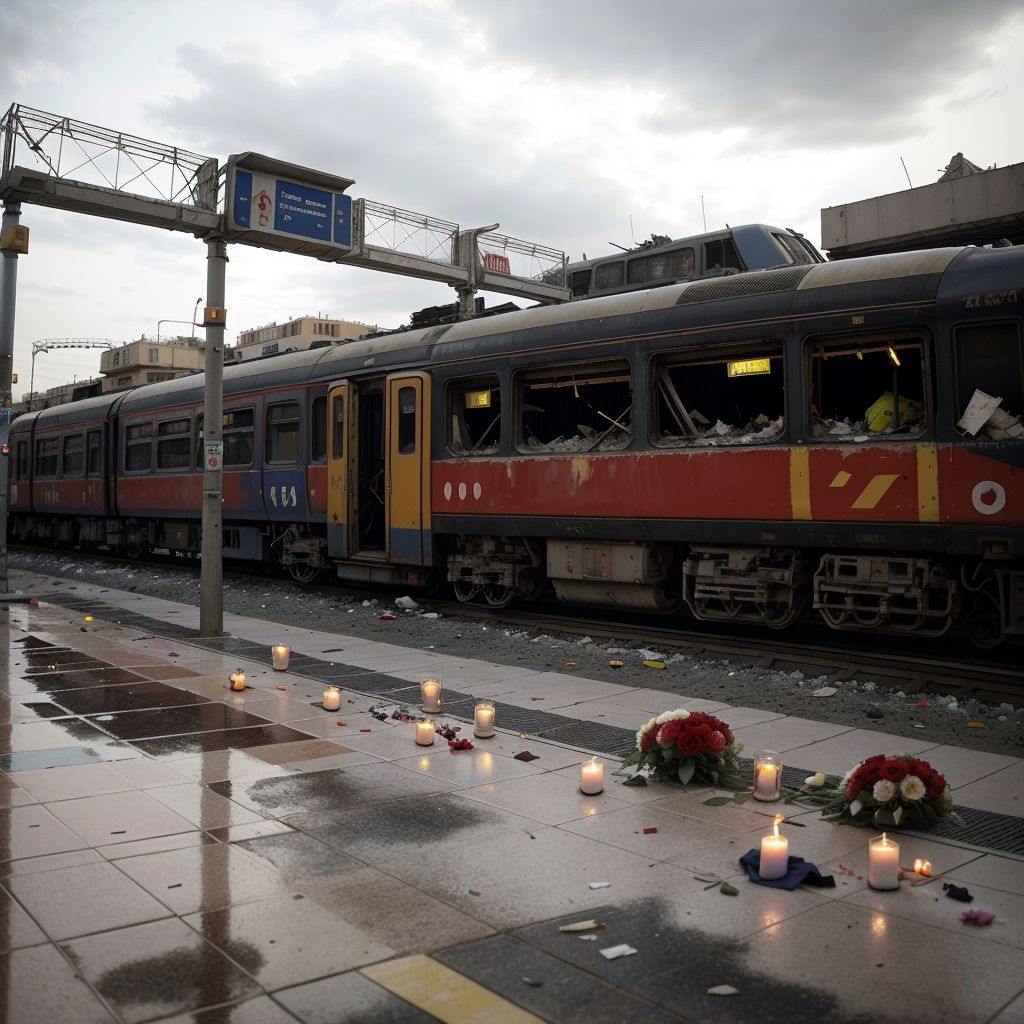
On the morning of March 11, 2004, a coordinated series of bombings struck Madrid, Spain, during the height of rush hour, killing 193 people and injuring over 2,000. The bombings, which targeted four commuter trains, were one of the deadliest terrorist attacks in Europe. The perpetrators, a group of Islamist extremists, used backpacks filled with explosives to carry out the attack. The shockwaves from the bombings reverberated not only throughout Spain but across the globe, as the world watched in horror at the scale of the tragedy and the profound loss of innocent lives.

In the wake of the bombings, Madrid’s streets were flooded with grief-stricken citizens, emergency responders, and volunteers, all coming together in a collective show of solidarity and support for the victims. The attack was a stark reminder of the vulnerability of modern society to acts of terror, and it led to an outpouring of international condemnation. In the hours that followed, the world reacted with a unified voice, expressing condolences and offering support to the Spanish people. The bombing also had a significant impact on Spain’s political landscape, as the nation was in the midst of a general election, and the tragedy influenced the outcome of the vote.

The Madrid train bombings left an indelible mark on Spain and the world. In the aftermath, a renewed focus was placed on counterterrorism efforts, with Spain strengthening its security measures and deepening its cooperation with international allies. The attack also led to an increased awareness of the global threat of terrorism and the need for international collaboration to combat extremism.

Despite the devastation and loss of life, the Madrid bombings also highlighted the resilience of the Spanish people. The tragedy galvanized citizens and prompted them to come together in solidarity, showing that even in the darkest of times, humanity’s ability to unite and support one another remains unbroken. The events of March 11, 2004, will forever be remembered as a symbol of both the devastating power of terrorism and the strength of the human spirit.

Related Posts

The Moment that Connected the World: The First Telephone Call

Elias Rowen

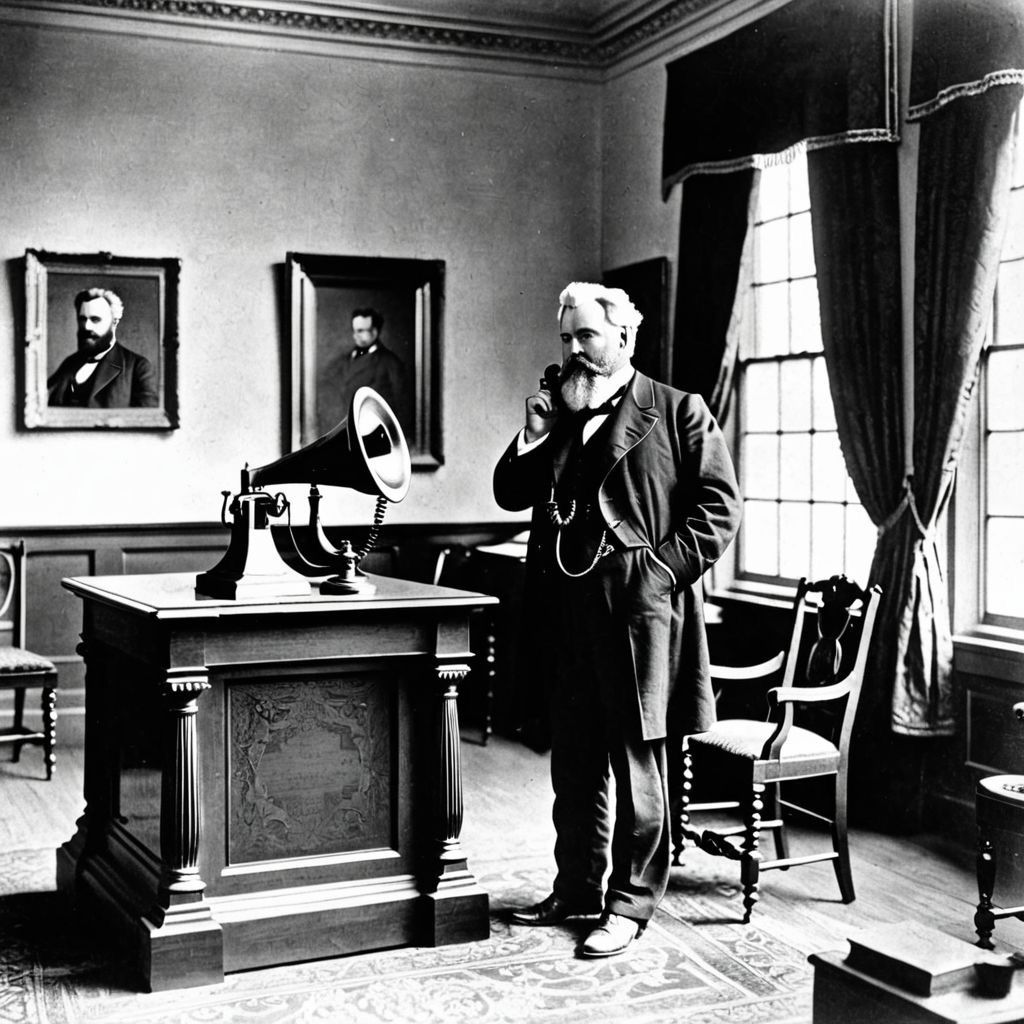
On March 10, 1876, history was made when Alexander Graham Bell made the first successful telephone call to his assistant, Thomas Watson, forever altering the way humans communicate. Bell, who had been tirelessly working on developing a device to transmit voice over wires, had been conducting experiments for years. His breakthrough came when he successfully sent the words, “Mr. Watson, come here, I want to see you,” through a wire from one room to another. This simple request was more than just an ordinary message—it was a revolutionary moment that laid the foundation for modern telecommunication.

The telephone, as Bell envisioned it, was the key to bridging distances and allowing people to communicate in real-time, no matter how far apart they were. While Bell’s invention was not the only one of its kind at the time—other inventors were experimenting with similar technology—his version was the first to successfully transmit clear, intelligible speech. This achievement would change the course of history, influencing not only the way people stayed in touch but also how industries would evolve in the coming years.

The first telephone call was a monumental moment, but it was just the beginning. Bell’s invention quickly gained attention, and soon the telephone was being used in homes and businesses across the United States and beyond. What followed was a wave of innovation that gave birth to global networks, eventually leading to the connected world we live in today. From that first conversation between Bell and Watson, technology evolved rapidly, creating a world where communication can happen instantly, across vast distances.

This first successful telephone call marked the dawn of a new era in communication. Bell’s creation bridged the gap between people and places, shaping the future of technology and connecting humanity in ways that were once unimaginable. The telephone became more than just a device; it became a symbol of progress and a glimpse into the boundless possibilities of human ingenuity.

Related Posts