Latest Articles

The My Lai Massacre: A Dark Day in American History

Elias Rowen

War often reveals both the best and worst of humanity, but few events in modern military history compare to the horror of the My Lai Massacre. On March 16, 1968, during the Vietnam War, a company of U.S. soldiers from Charlie Company, 1st Battalion, 20th Infantry Regiment, committed one of the most infamous war crimes in American history. Hundreds of unarmed Vietnamese civilians, including women, children, and the elderly, were brutally murdered in the village of My Lai. This tragic event exposed the devastating consequences of unchecked military aggression and the ethical failings of war.

The soldiers had been sent to My Lai on a search-and-destroy mission, acting on faulty intelligence that suggested the village harbored Viet Cong fighters. However, instead of engaging in combat, the troops encountered defenseless civilians. What followed was an atrocity—innocent villagers were gunned down, women were assaulted, and homes were burned to the ground. In a matter of hours, between 300 and 500 people lay dead. The massacre might have remained hidden if not for the courage of helicopter pilot Hugh Thompson Jr., who, upon witnessing the horror, landed his aircraft between the soldiers and the villagers, ordering his crew to fire on American troops if they continued their killing spree. His brave intervention saved lives and later played a role in exposing the crime.

The My Lai Massacre sent shockwaves throughout the world, especially after journalist Seymour Hersh broke the story in 1969. The American public, already divided over the Vietnam War, was outraged. Investigations followed, leading to the court-martial of Lieutenant William Calley, the officer in charge. He was convicted of murder but served only three and a half years under house arrest, a sentence that many considered a miscarriage of justice. The massacre became a defining moment in the anti-war movement, fueling protests and increasing demands for an end to U.S. involvement in Vietnam.

The legacy of My Lai remains a sobering reminder of the moral dilemmas of war. It underscored the importance of ethical conduct in combat and the responsibility of soldiers to uphold humanity even in the darkest circumstances. Decades later, My Lai is a case study in military ethics and a symbol of the devastating cost of war on innocent lives. While history cannot undo the suffering inflicted that day, remembering My Lai serves as a call to ensure that such atrocities are never repeated.
Related Posts

The Ides of March: The Fall of Julius Caesar

Elias Rowen

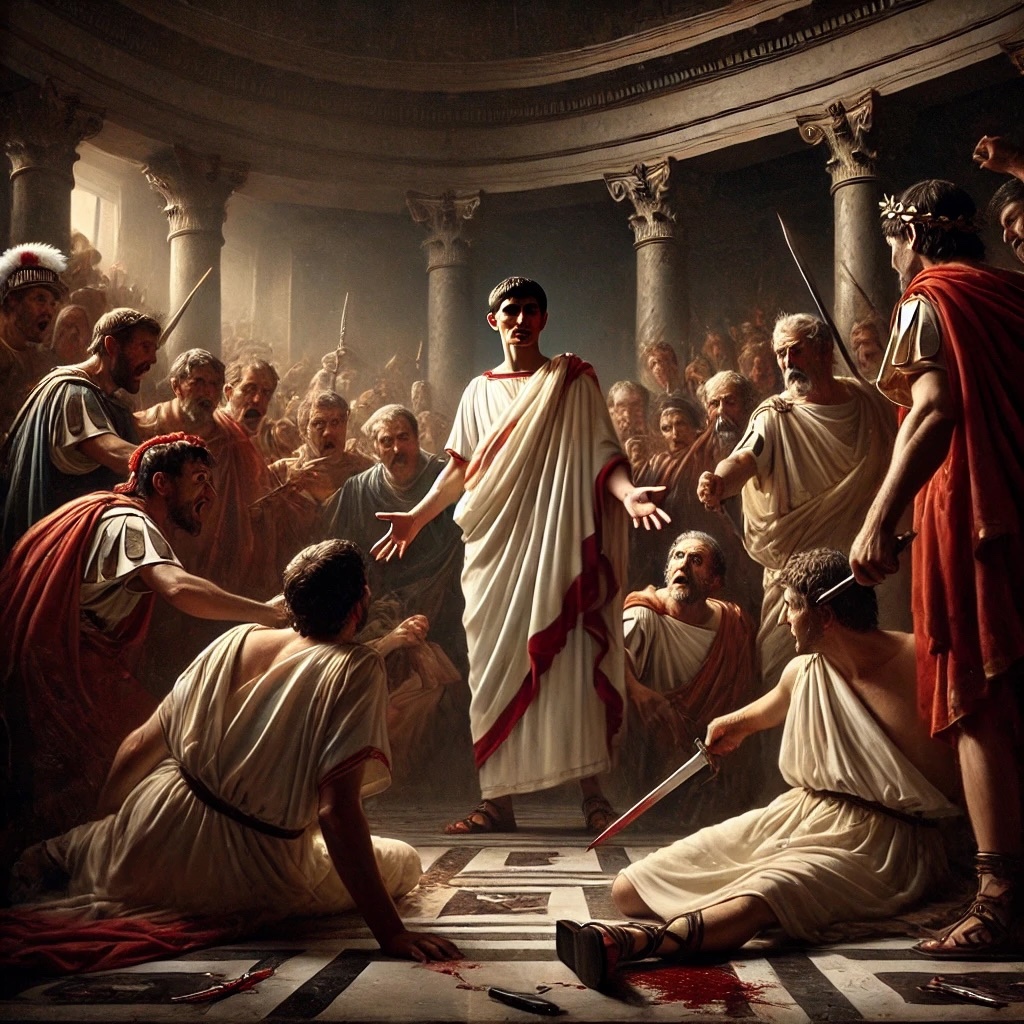
On March 15, 44 BC, a date forever marked in history as the Ides of March, the mighty Julius Caesar met his tragic end at the hands of those he once trusted. The Roman leader, who had risen from a skilled general to the most powerful man in Rome, was assassinated by a group of senators who feared his growing influence. What was meant to be a routine day at the Senate turned into one of the most infamous betrayals in history—a moment that would change the course of the Roman Republic forever.

Caesar had long been a controversial figure in Rome. A brilliant military strategist, he expanded the republic’s territories through conquests in Gaul and beyond. His victories made him immensely popular with the people, but his power also made the Senate uneasy. In 49 BC, he crossed the Rubicon River with his army, defying the Senate’s authority and plunging Rome into civil war. After emerging victorious, he declared himself “dictator for life,” a move that alarmed many senators who believed he was dismantling the republic in favor of a monarchy.

Among those conspiring against him were some of his closest allies, including Brutus and Cassius. The assassins convinced themselves that killing Caesar was the only way to restore the republic. On that fateful day, as Caesar entered the Senate, he was surrounded and stabbed 23 times. According to legend, his final words were “Et tu, Brute?”—a heartbreaking expression of betrayal as he saw his trusted friend among the attackers.

The assassination, however, did not save the republic as the conspirators had hoped. Instead, it plunged Rome into further chaos, leading to more civil wars. Eventually, Caesar’s great-nephew and adopted heir, Octavian, emerged as Rome’s first emperor, taking the title Augustus. The republic was gone, and the Roman Empire was born—a direct consequence of Caesar’s fall.

The Ides of March serves as a lasting reminder of the dangers of power, ambition, and betrayal. Julius Caesar’s death was not just the end of a leader; it was the turning point that reshaped Rome and, ultimately, the world. His legacy endures, a symbol of both greatness and the perils of unchecked ambition.

Related Posts

The Birth of Genius: Albert Einstein’s Arrival

Elias Rowen

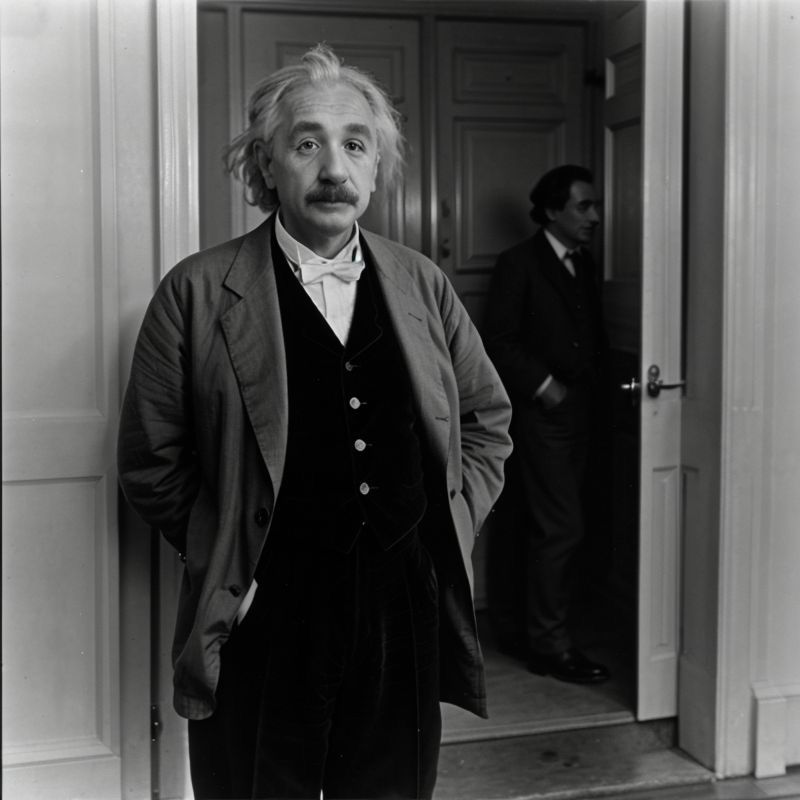
On March 14, 1879, in the quiet town of Ulm, Germany, a child was born who would one day revolutionize our understanding of the universe. Albert Einstein entered the world as an unassuming infant, but his mind would later unlock mysteries of time, space, and energy in ways no one had ever imagined. His journey from a curious child to one of the most brilliant scientific minds in history was anything but ordinary, proving that genius often begins with a simple spark of curiosity.

As a young boy, Einstein was deeply fascinated by the workings of the natural world. A simple compass given to him by his father sparked a lifelong obsession with understanding the invisible forces of nature. Despite his eventual brilliance, his early years in school were not marked by exceptional performance—he found the rigid, rote memorization style of education uninspiring. But beneath his quiet demeanor, his mind was always questioning, always exploring. His love of mathematics and physics grew, and by the time he reached his teenage years, he was already tackling complex theories that many adults struggled to comprehend.

Einstein’s greatest contributions to science came with his development of the theory of relativity, particularly his famous equation, E=mc², which revealed the relationship between energy and mass. His groundbreaking work redefined physics and had profound implications for everything from space travel to nuclear energy. In 1921, he was awarded the Nobel Prize in Physics, not for relativity but for his work on the photoelectric effect—an achievement that paved the way for quantum mechanics.

Beyond his scientific brilliance, Einstein was a man of deep humanity. He spoke out against war, advocated for civil rights, and championed intellectual freedom. His opposition to fascism and his warnings about nuclear weapons showed that his genius extended far beyond equations—he understood the responsibility that came with knowledge. Even today, his name is synonymous with intelligence, and his theories continue to shape our understanding of the universe.

Albert Einstein’s birth was not just the arrival of a man but the beginning of a legacy that would inspire generations of scientists, dreamers, and thinkers. His story reminds us that curiosity and imagination have the power to change the world.

Related Posts

Pierre Le Grand: The Phantom Corsair of the Caribbean

Dave

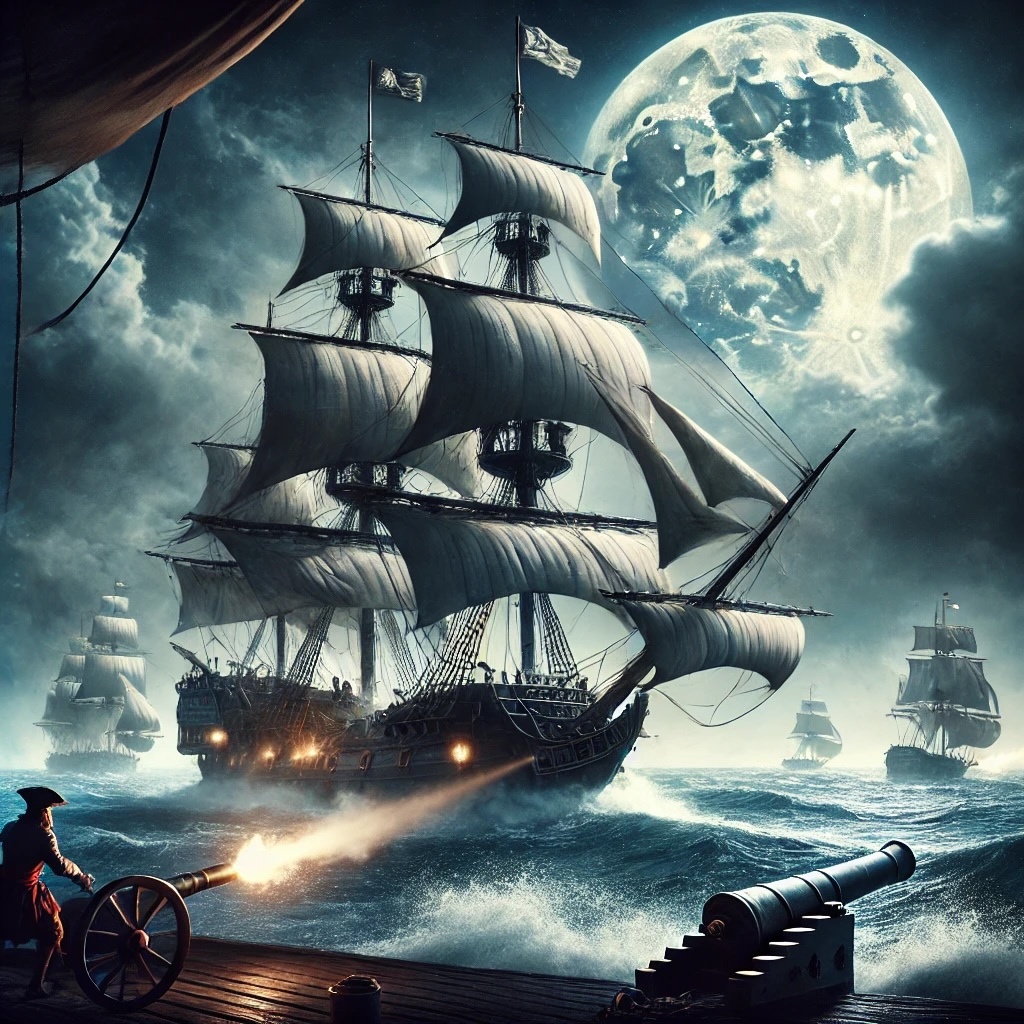
Pierre Le Grand, a name whispered in fear across the Caribbean, was a French corsair whose daring exploits against English ships made him a legend of the high seas. Operating in the late 17th century, he thrived in an era where European empires vied for control over lucrative trade routes. Though little is known about his early life, his impact on maritime warfare remains undeniable.

Unlike the more infamous pirates of his time, Pierre Le Grand specialized in swift, ruthless strikes. He and his crew—an elite band of outlaws—sailed aboard a nimble vessel designed for speed and ambush. They became notorious for their ability to outmaneuver larger, heavily armed English ships. One of his most audacious feats involved capturing a Spanish galleon near the coast of Hispaniola, a move that sent shockwaves through the colonial world.

As tensions between France and England escalated, Pierre Le Grand’s raids became a focal point of their naval conflict. His relentless attacks on English supply routes weakened their stronghold in the Caribbean, leading to a climactic confrontation that would be remembered in history. The battle saw French and English forces clash in open waters, with cannon fire illuminating the night sky. Despite being outnumbered, Pierre Le Grand’s tactical brilliance allowed him to outfight the English in a victory that solidified France’s dominance in the region.

After the battle, Pierre Le Grand vanished from historical records, leaving behind a legacy shrouded in mystery. Some say he retired with his spoils, while others believe he met his fate in another daring raid. Regardless of his final days, his legend continues to inspire tales of adventure, strategy, and the relentless pursuit of freedom on the high seas.

Related Posts

The Tsar Liberator Falls: The Ripple Effect of Alexander II’s Assassination

Elias Rowen

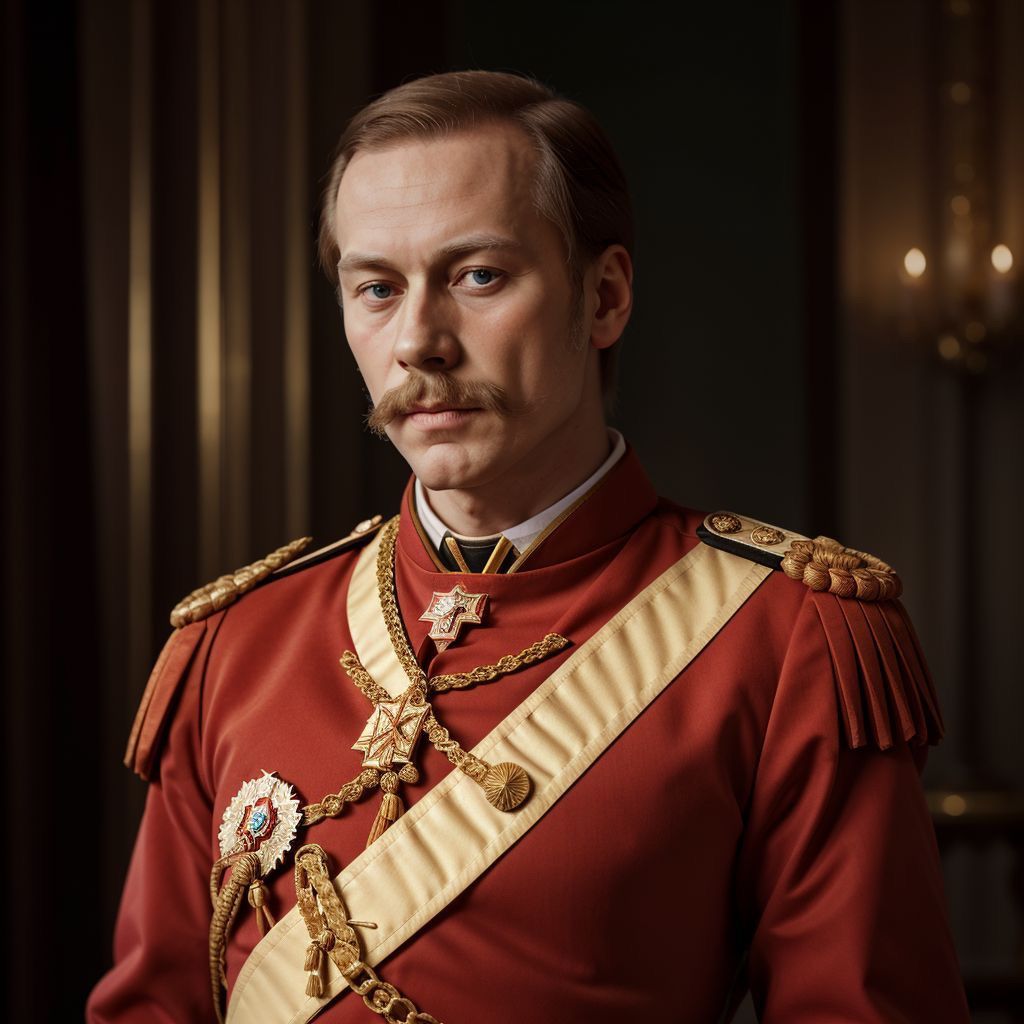
On March 13, 1881, a deafening explosion shattered the streets of St. Petersburg, forever altering the course of Russian history. Tsar Alexander II, often called the “Tsar Liberator” for his progressive reforms, was assassinated by members of the revolutionary group Narodnaya Volya (People’s Will). His death marked a grim turning point, not only ending a reign characterized by modernization and reform but also plunging Russia into an era of heightened repression, unrest, and radicalization. The assassination of Alexander II was more than an act of violence; it was a pivotal event that catalyzed profound political changes, both immediate and long-term.

Alexander II ascended the throne in 1855 during the turbulent aftermath of the Crimean War. Recognizing the need for reform, he embarked on a series of transformative measures to modernize Russia. His most notable achievement was the 1861 emancipation of the serfs, granting freedom to millions and laying the groundwork for economic and social change. However, his progressive agenda—which also included judicial reform, expansion of local self-government, and military modernization—was met with resistance from both conservatives and radical revolutionaries. While conservatives feared the erosion of autocracy, radicals demanded faster, more sweeping changes.

By the late 1870s, Alexander II found himself caught in a tightening web of discontent. Revolutionary groups, frustrated with the slow pace of change, turned to violence as a means of political expression. Despite surviving several assassination attempts, the Tsar was fatally wounded in 1881 when a bomb thrown by a member of Narodnaya Volya struck his carriage. Ironically, Alexander II had been on the verge of announcing a new set of liberal reforms, including the establishment of a national assembly, when he was killed.

The assassination had immediate and far-reaching consequences. Alexander’s successor, Alexander III, responded with a reactionary agenda, rolling back many of his father’s reforms and instituting policies of censorship, surveillance, and repression. These measures stifled political dissent but also fueled the growth of underground revolutionary movements, setting the stage for the eventual overthrow of the Romanov dynasty in 1917. The event also served as a stark reminder of the fragile balance between reform and stability in autocratic regimes, highlighting the dangers of alienating both progressives and conservatives.

Alexander II’s assassination remains a powerful symbol of the tensions that define periods of societal transformation. It underscores the complexities of balancing tradition and change, authority and liberty. While his death extinguished a bright moment of reform, it also illuminated the enduring struggles that accompany efforts to reshape a nation. The “Tsar Liberator” may have fallen, but the questions his reign and death raised about governance, progress, and justice continue to echo through history.

Related Posts