Latest Articles

The Birth of Barbie: A Cultural Icon is Born

Elias Rowen

In 1959, at the American Toy Fair in New York, a doll named Barbie was introduced to the world, forever changing the landscape of children’s toys and popular culture. Created by Ruth Handler, the co-founder of Mattel, Barbie was designed as a three-dimensional, adult-like figure in contrast to the baby dolls that had dominated the market up until that point. Ruth envisioned a toy that could inspire young girls to imagine their future possibilities and roles beyond traditional norms. Barbie, with her blonde hair, fashionable wardrobe, and limitless potential, quickly became a symbol of freedom and empowerment.

Barbie’s introduction was groundbreaking in multiple ways. Her adult appearance was a stark departure from the traditional child-like dolls of the time, providing young girls with a new form of imaginative play. Rather than merely caring for a baby doll, Barbie encouraged young girls to envision careers, relationships, and adventures. She could be a doctor, an astronaut, or a fashion model—the possibilities were endless. This opened up a broader dialogue about gender roles and societal expectations, prompting conversations that have continued to evolve for decades.

Though Barbie faced her fair share of controversy over the years, particularly regarding her unrealistic body image and limited diversity, she became a cultural icon. She was featured in TV commercials, movies, and countless merchandise items, always adapting to the changing times. Over the years, Barbie has evolved to reflect a more diverse and inclusive world, becoming a symbol of empowerment, independence, and ambition for generations of young girls.

Barbie’s debut at the 1959 American Toy Fair marked the beginning of a cultural revolution that would leave an indelible mark on toys, media, and gender norms. From her humble beginnings as a fashion doll to her current status as an enduring figure in pop culture, Barbie’s legacy continues to shape how society views women and girls, offering them a glimpse of the limitless possibilities ahead.

Related Posts

Breaking Barriers: The Global Celebration of International Women’s Day

Elias Rowen

Every year on March 8th, people around the world come together to celebrate International Women’s Day, a day dedicated to honoring the achievements of women and advocating for gender equality. What began in the early 20th century as a movement for women’s labor rights has grown into a global celebration of progress and a reminder of the work still ahead. From political activism to corporate boardrooms, from scientific breakthroughs to artistic achievements, women have continuously shaped history despite facing systemic barriers. International Women’s Day serves as both a tribute to those who have fought for change and a rallying cry for future generations to continue the fight.

Different cultures recognize this day in unique ways. In some countries, it is a national holiday where women are given flowers and gifts as a token of appreciation. In others, it is marked by marches, rallies, and speeches calling for policy changes that support women’s rights, equal pay, and protections against gender-based violence. Social media also plays a major role, amplifying voices and bringing attention to issues affecting women worldwide. Hashtags, campaigns, and global initiatives spark conversations and encourage individuals to take action, whether it be in their workplaces, communities, or governments.

Despite the progress made, International Women’s Day reminds the world that true equality is still a work in progress. Women continue to fight for their rights in many parts of the world, whether it’s access to education, reproductive freedom, or workplace equity. The day is not just about celebration—it’s about recognizing the struggles that remain and standing in solidarity with those pushing for a more just and inclusive future. By acknowledging the past, raising awareness in the present, and inspiring action for the future, International Women’s Day continues to be a powerful force in the fight for gender equality.

Related Posts

Rolling the Dice: How Monopoly Took Over the World

Elias Rowen

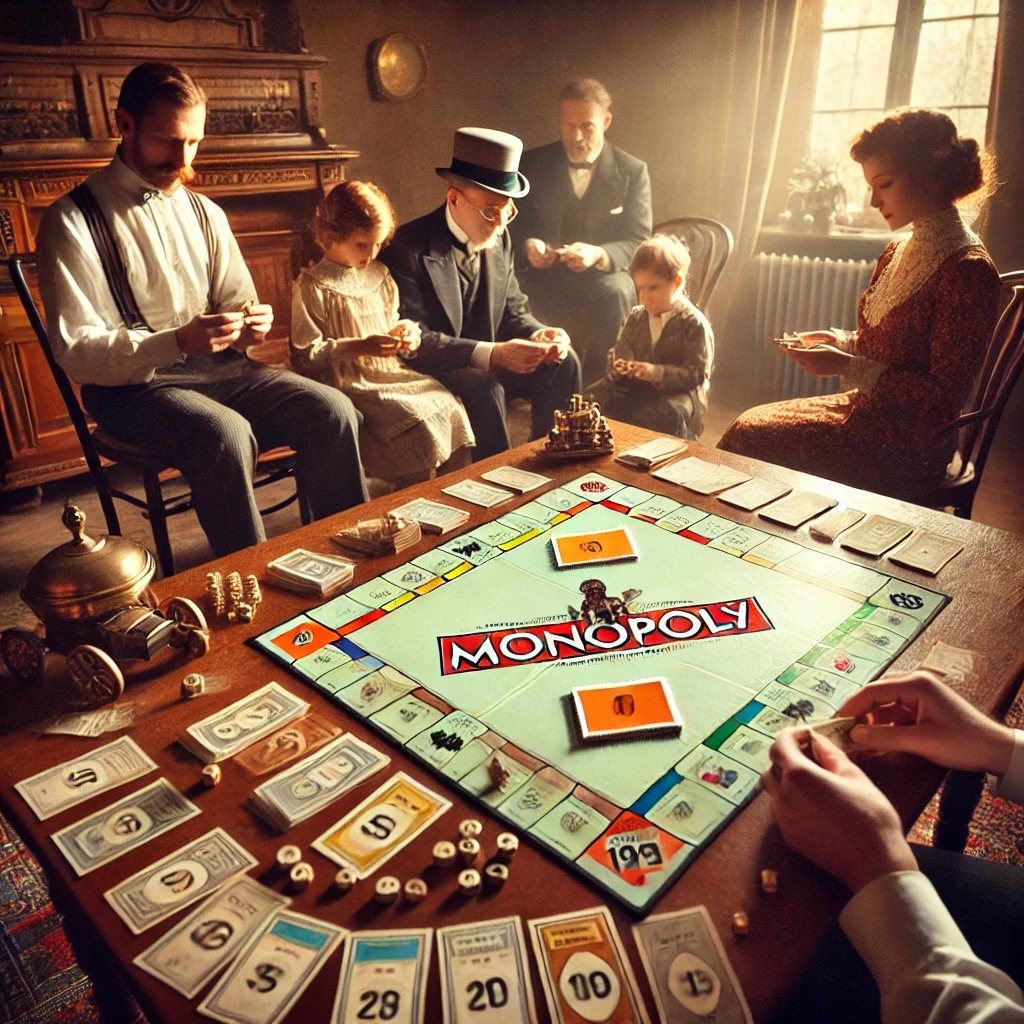
In 1933, during the depths of the Great Depression, Parker Brothers took a gamble on a new board game that would go on to become one of the most iconic in history—Monopoly. Originally designed by Charles Darrow, the game was based on an earlier concept called “The Landlord’s Game,” which aimed to teach economic principles. Darrow refined the mechanics, added colorful properties, and introduced the now-famous play money, turning it into an engaging game of strategy, luck, and financial domination. Despite initial skepticism, Parker Brothers saw the potential and purchased the rights, setting the stage for Monopoly’s rise to global fame.

The timing of Monopoly’s release couldn’t have been better. At a time when real-world financial struggles plagued millions, people found a strange comfort in the fantasy of acquiring vast wealth, controlling entire neighborhoods, and crushing opponents in friendly competition. The game provided an escape—players could dream of riches even as they struggled to make ends meet in reality. Over the decades, Monopoly evolved with countless themed editions, electronic versions, and international adaptations, yet its core mechanics remained the same: buy properties, build houses and hotels, collect rent, and drive your rivals into bankruptcy.

More than just a board game, Monopoly became a cultural phenomenon. Families gathered around the table for hours-long battles, friendships were tested over ruthless trades, and everyone had their own strategy—whether it was hoarding railroads, buying up Boardwalk and Park Place, or always insisting on being the top hat. Even in the modern era of digital entertainment, Monopoly has endured, proving that its mix of strategy, competition, and luck has a timeless appeal. What started as a simple game born from economic hardship has become a lasting symbol of ambition, risk-taking, and the thrill of rolling the dice.

Related Posts

William Kidd: The Pirate Who Defied an Empire

Dave

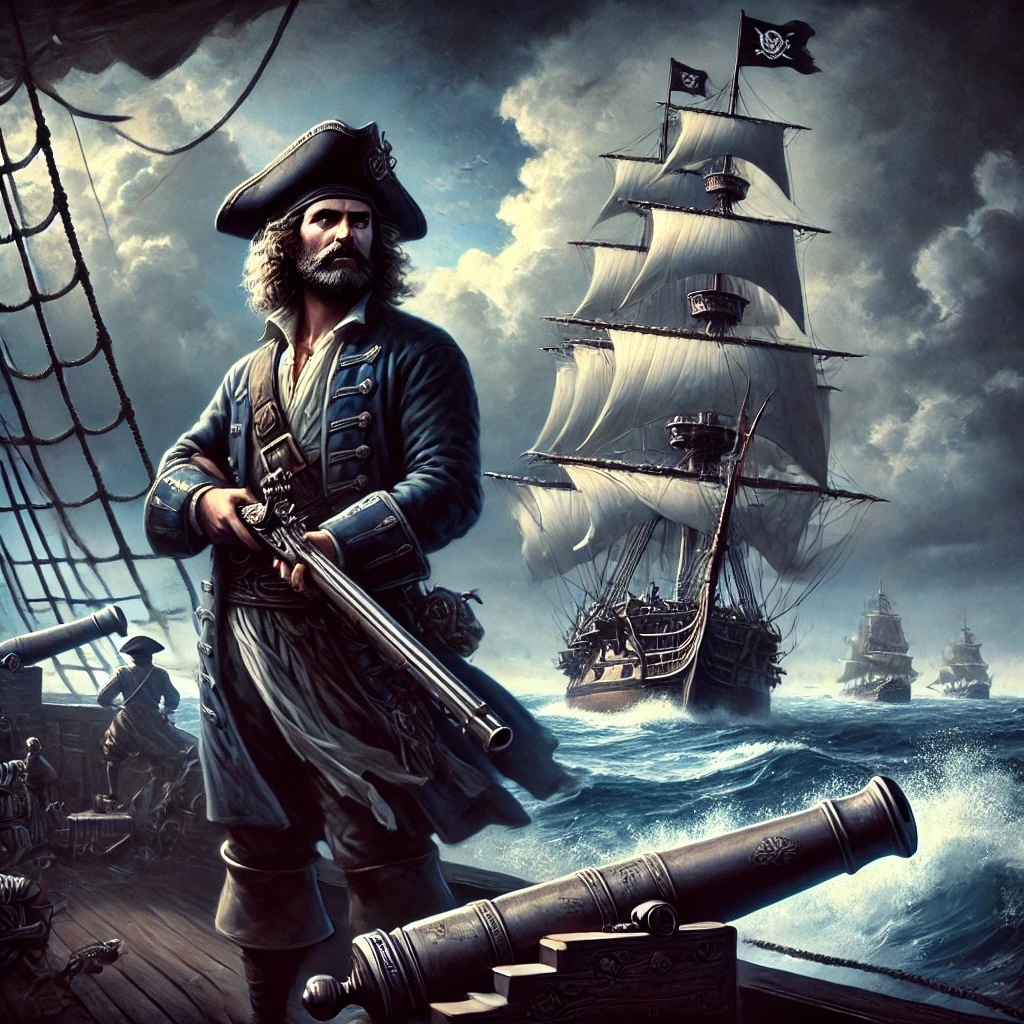
William Kidd, often remembered as one of history’s most notorious pirates, was a complex figure whose life straddled the fine line between privateer and outlaw. Born in Scotland around 1654, Kidd originally set sail under the English flag, commissioned as a privateer to protect British interests against French vessels and rogue pirates. However, his story took a dramatic turn, leading him to become one of the most infamous figures in maritime history.

Initially, Kidd operated legally, attacking enemy ships under the authority of the English crown. But as his voyages continued, suspicion grew that he had abandoned his mission and turned to piracy. His crew, restless and hungry for riches, pressured him into seizing valuable merchant ships, including the famous Quedagh Merchant, a heavily laden treasure ship. This act sealed his fate, as the British government branded him a pirate.

Kidd’s downfall was swift. As the political climate in England shifted, authorities sought to crack down on piracy, and Kidd became a convenient scapegoat. Captured and sent to England, he faced a highly publicized trial. Despite his insistence that he had only attacked ships deemed enemies of the crown, he was found guilty of piracy and murder. In 1701, he was hanged at Execution Dock, his body left to rot in chains as a grim warning to others.

Though his life ended in disgrace, Kidd’s legend endured. Tales of hidden treasure and lost maps have fueled imaginations for centuries, inspiring countless books, films, and treasure hunts. Whether he was a ruthless pirate or a betrayed privateer remains a topic of debate, but one thing is certain—William Kidd’s name is forever etched in the annals of maritime history.

Related Posts

Balancing Act: The Missouri Compromise and America’s Struggle with Slavery

Elias Rowen

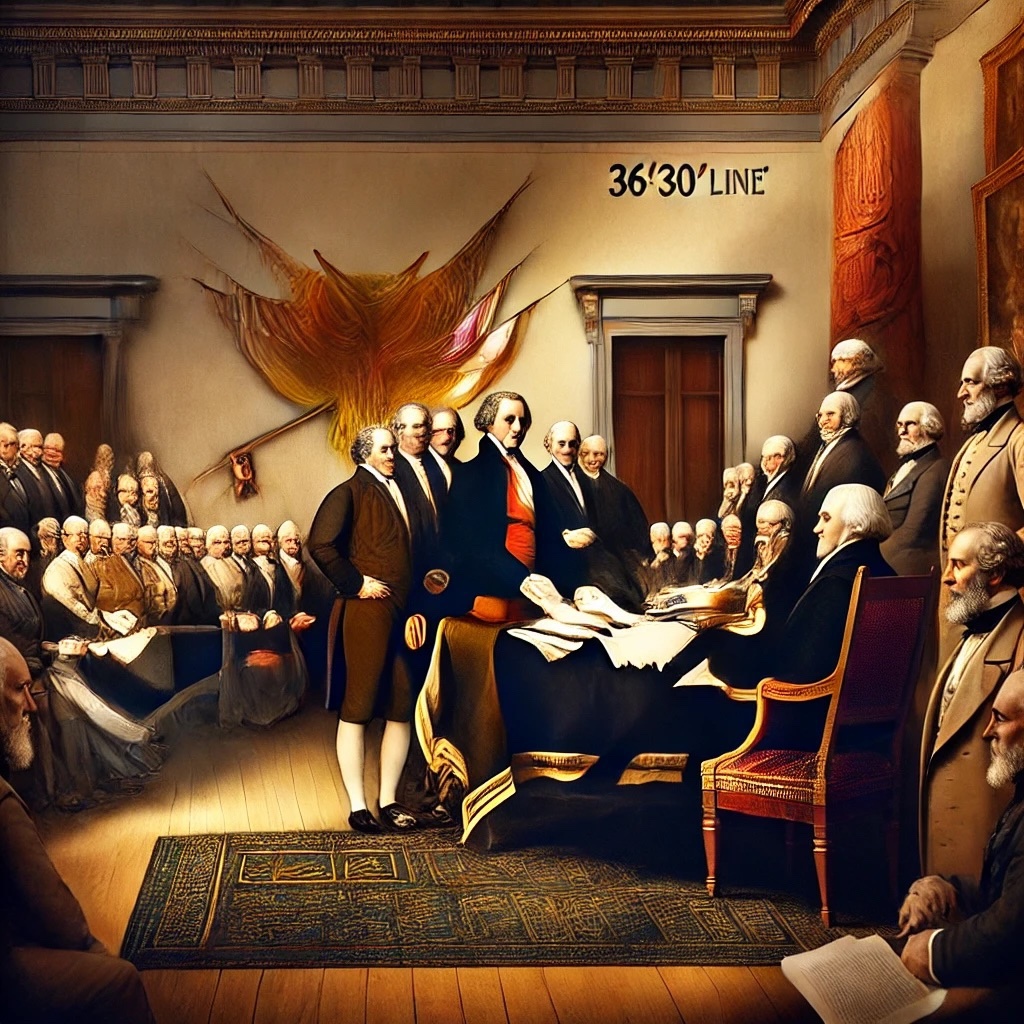
In 1820, the United States faced one of its earliest and most intense debates over slavery, leading to the signing of the Missouri Compromise. This landmark legislation was an attempt to maintain a fragile balance between free and slave states, preventing sectional tensions from spiraling out of control. At the heart of the conflict was Missouri’s request for statehood as a slave state, a move that would have disrupted the delicate equilibrium between pro- and anti-slavery factions in Congress. To resolve the impasse, a compromise was brokered: Missouri would be admitted as a slave state, while Maine—previously part of Massachusetts—would enter the Union as a free state. Additionally, slavery would be prohibited in territories north of the 36°30′ latitude, except for Missouri itself.

The Missouri Compromise temporarily quelled disputes, but it was far from a permanent solution. The agreement revealed deep-seated divisions within the country, with both sides growing increasingly suspicious of each other’s motives. While some hailed the compromise as a necessary step to preserve the Union, others saw it as merely delaying an inevitable clash over slavery. Enslaved people in the South continued to suffer under an institution that was only being further entrenched by political maneuvering, while abolitionists in the North viewed the compromise as a moral failure.

Despite its short-term success in maintaining political stability, the Missouri Compromise was ultimately a band-aid on a festering wound. Over the following decades, tensions continued to rise, leading to further conflicts like the Kansas-Nebraska Act and the Dred Scott decision, which nullified the compromise altogether. The growing discord over slavery would eventually culminate in the Civil War, proving that no legislative fix could permanently suppress the moral and economic conflicts at the heart of America’s identity. The Missouri Compromise may have delayed the inevitable, but it also foreshadowed the deep divisions that would define the nation’s path to war and eventual abolition.

Related Posts