Latest Articles

Balancing Act: The Missouri Compromise and America’s Struggle with Slavery

Elias Rowen

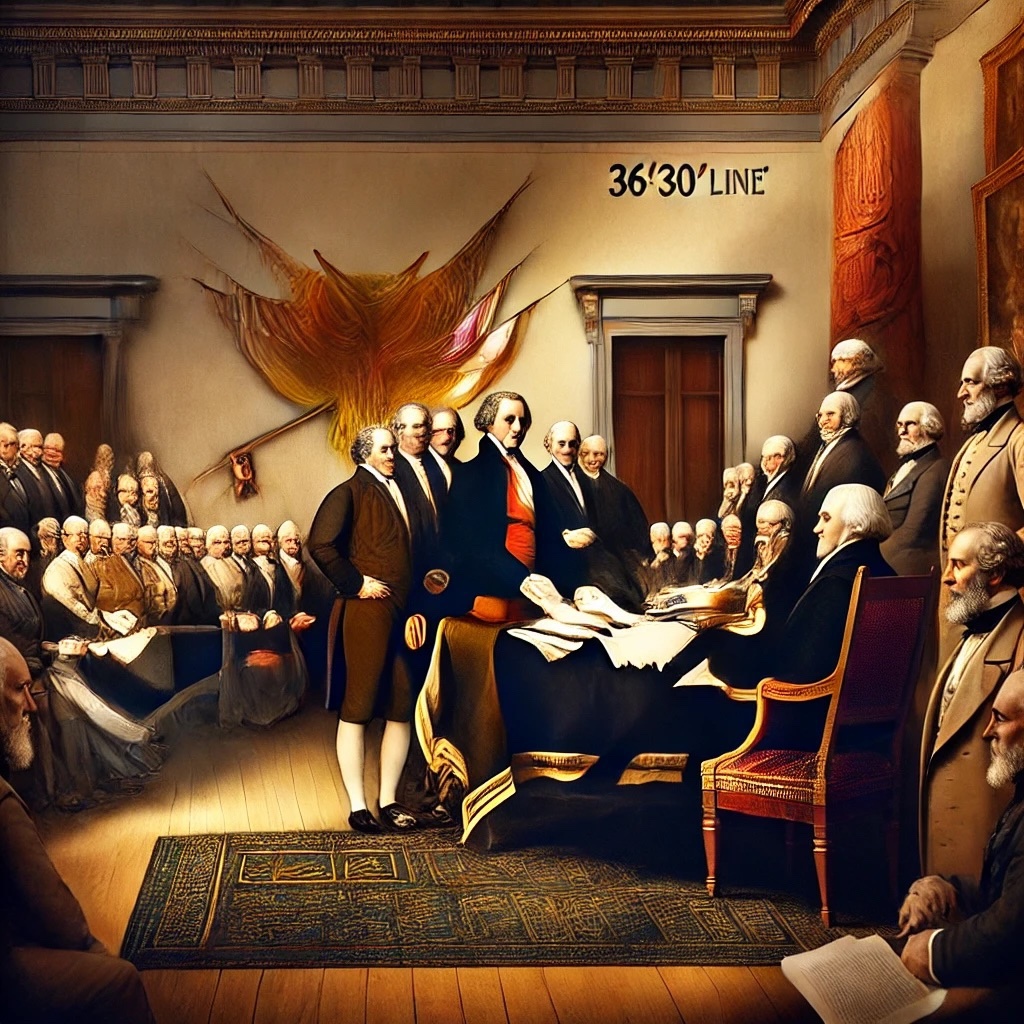
In 1820, the United States faced one of its earliest and most intense debates over slavery, leading to the signing of the Missouri Compromise. This landmark legislation was an attempt to maintain a fragile balance between free and slave states, preventing sectional tensions from spiraling out of control. At the heart of the conflict was Missouri’s request for statehood as a slave state, a move that would have disrupted the delicate equilibrium between pro- and anti-slavery factions in Congress. To resolve the impasse, a compromise was brokered: Missouri would be admitted as a slave state, while Maine—previously part of Massachusetts—would enter the Union as a free state. Additionally, slavery would be prohibited in territories north of the 36°30′ latitude, except for Missouri itself.

The Missouri Compromise temporarily quelled disputes, but it was far from a permanent solution. The agreement revealed deep-seated divisions within the country, with both sides growing increasingly suspicious of each other’s motives. While some hailed the compromise as a necessary step to preserve the Union, others saw it as merely delaying an inevitable clash over slavery. Enslaved people in the South continued to suffer under an institution that was only being further entrenched by political maneuvering, while abolitionists in the North viewed the compromise as a moral failure.

Despite its short-term success in maintaining political stability, the Missouri Compromise was ultimately a band-aid on a festering wound. Over the following decades, tensions continued to rise, leading to further conflicts like the Kansas-Nebraska Act and the Dred Scott decision, which nullified the compromise altogether. The growing discord over slavery would eventually culminate in the Civil War, proving that no legislative fix could permanently suppress the moral and economic conflicts at the heart of America’s identity. The Missouri Compromise may have delayed the inevitable, but it also foreshadowed the deep divisions that would define the nation’s path to war and eventual abolition.
Related Posts

The Spark of Rebellion: How the Boston Massacre Ignited a Revolution

Elias Rowen

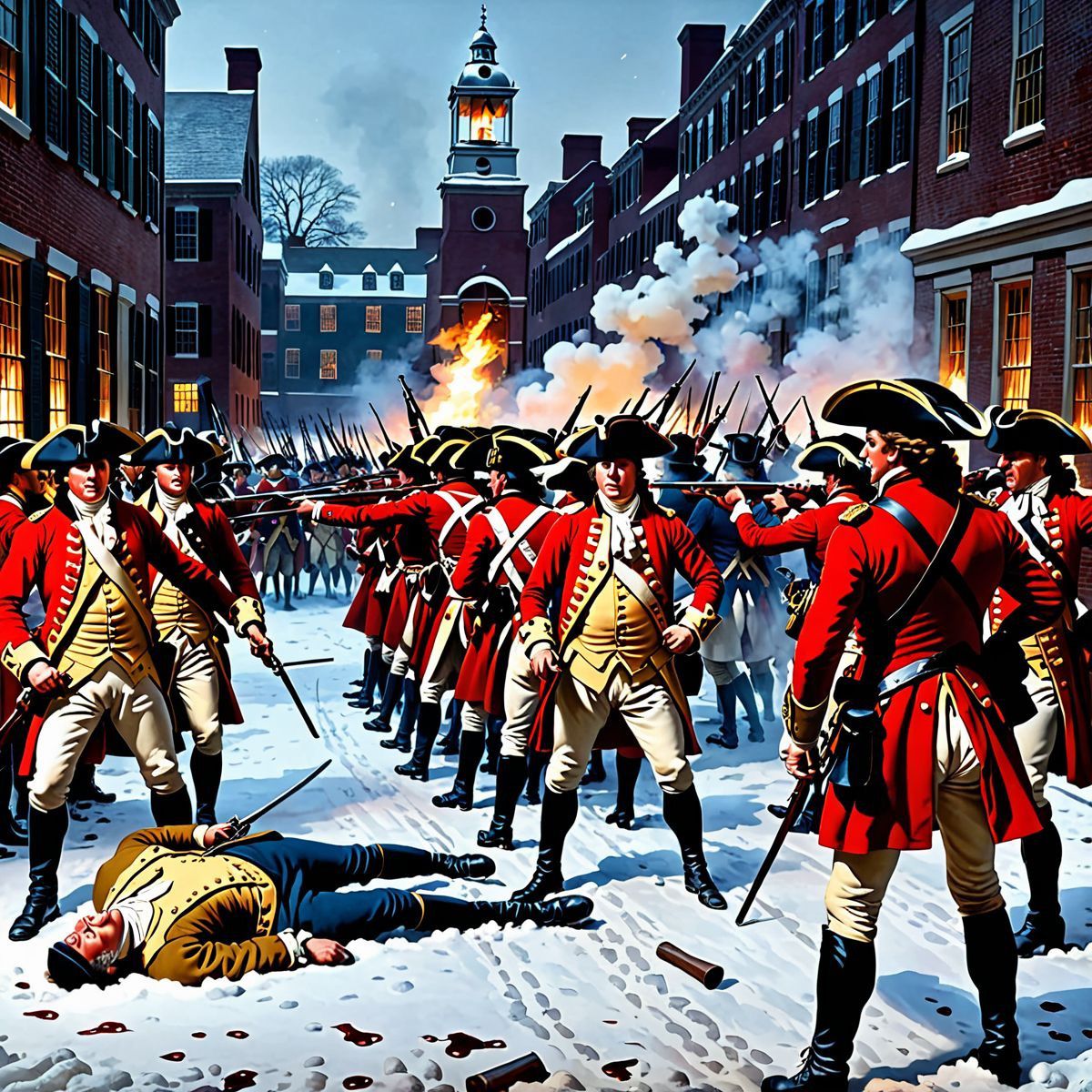
On the night of March 5, 1770, the streets of Boston erupted in chaos as British soldiers opened fire on an unarmed crowd of American colonists. What began as a tense confrontation between angry civilians and armed troops quickly escalated into a deadly skirmish that left five colonists dead and several others wounded. The Boston Massacre, as it came to be known, sent shockwaves through the American colonies, fueling outrage against British rule and setting the stage for the Revolutionary War.

Tensions between the British and the American colonists had been rising for years, driven by heavy taxation, military occupation, and a growing sense of oppression. On that fateful evening, a group of Bostonians confronted British soldiers near the Customs House, throwing snowballs, rocks, and insults. In the confusion, the soldiers fired into the crowd, killing Crispus Attucks, Samuel Gray, James Caldwell, Samuel Maverick, and Patrick Carr. Though the British government called it an unfortunate incident, colonial leaders like Samuel Adams and Paul Revere seized on the event as propaganda, painting it as an unprovoked slaughter of innocent patriots.

News of the massacre spread quickly through newspapers and pamphlets, uniting the colonies in their resentment toward British rule. Paul Revere’s famous engraving of the event exaggerated the brutality, depicting the soldiers firing in formation on defenseless citizens. The trial of the British soldiers, in which John Adams defended them in court, demonstrated the deep divisions between colonists and the British Crown. Though Adams secured acquittals for most of the soldiers, the damage had been done—the Boston Massacre became a rallying cry for revolution, proving that the fight for American independence was inevitable.

Related Posts

A New Deal for America: FDR’s Inspiring Inauguration

Elias Rowen

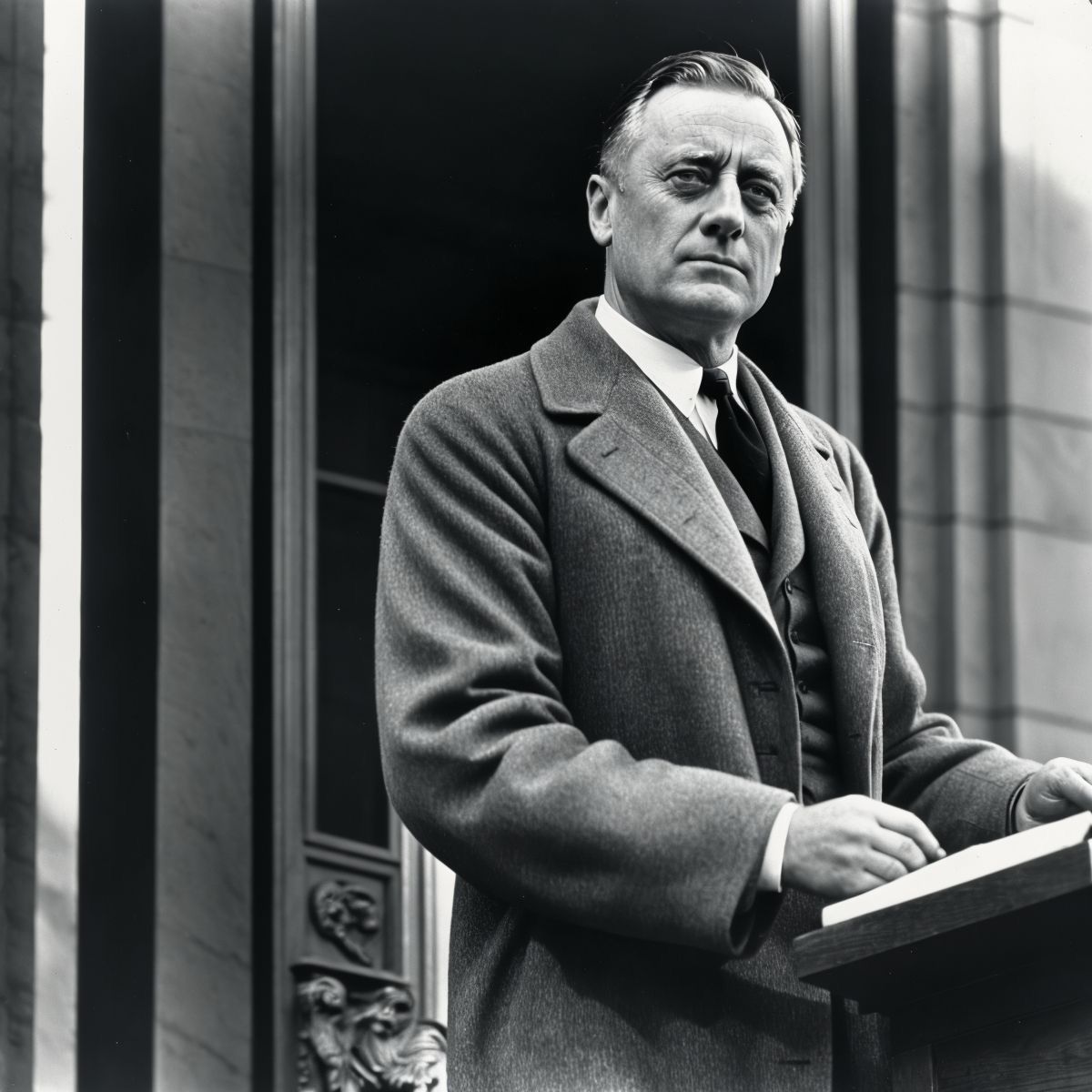
On March 4, 1933, Franklin D. Roosevelt stood before a weary nation as he was sworn in as the 32nd president of the United States. The country was in the grip of the Great Depression, with soaring unemployment, failing banks, and a general sense of hopelessness. But on that cold and uncertain day, Roosevelt’s voice rang out with a message of courage and resilience. In his inaugural address, he delivered the now-famous words: “The only thing we have to fear is fear itself.” With that simple yet powerful statement, he reassured the American people that fear and panic were the greatest obstacles to recovery—and that together, they would overcome them.

FDR’s speech was more than just words; it was a rallying cry for action. He promised bold and decisive government intervention to lift the country out of economic despair. His New Deal programs, which followed in the coming months, would reshape the American economy, providing jobs, stabilizing banks, and restoring faith in the government. Roosevelt’s leadership style was direct and empathetic—he connected with people through his fireside chats, speaking to Americans as if he were sitting in their living rooms. His ability to inspire confidence turned the tide, giving people hope when they needed it most.

Roosevelt’s first inauguration is remembered not only for his famous words but also for the way he redefined the presidency in a time of crisis. His leadership during the Great Depression set the stage for decades of economic and social reform, proving that strong, decisive action could help a nation rise from its darkest moments. FDR’s message still resonates today, reminding us that even in the face of uncertainty, courage and unity can lead to a brighter future.

Related Posts

The Invention That Changed the World: Alexander Graham Bell’s Telephone Patent

Elias Rowen

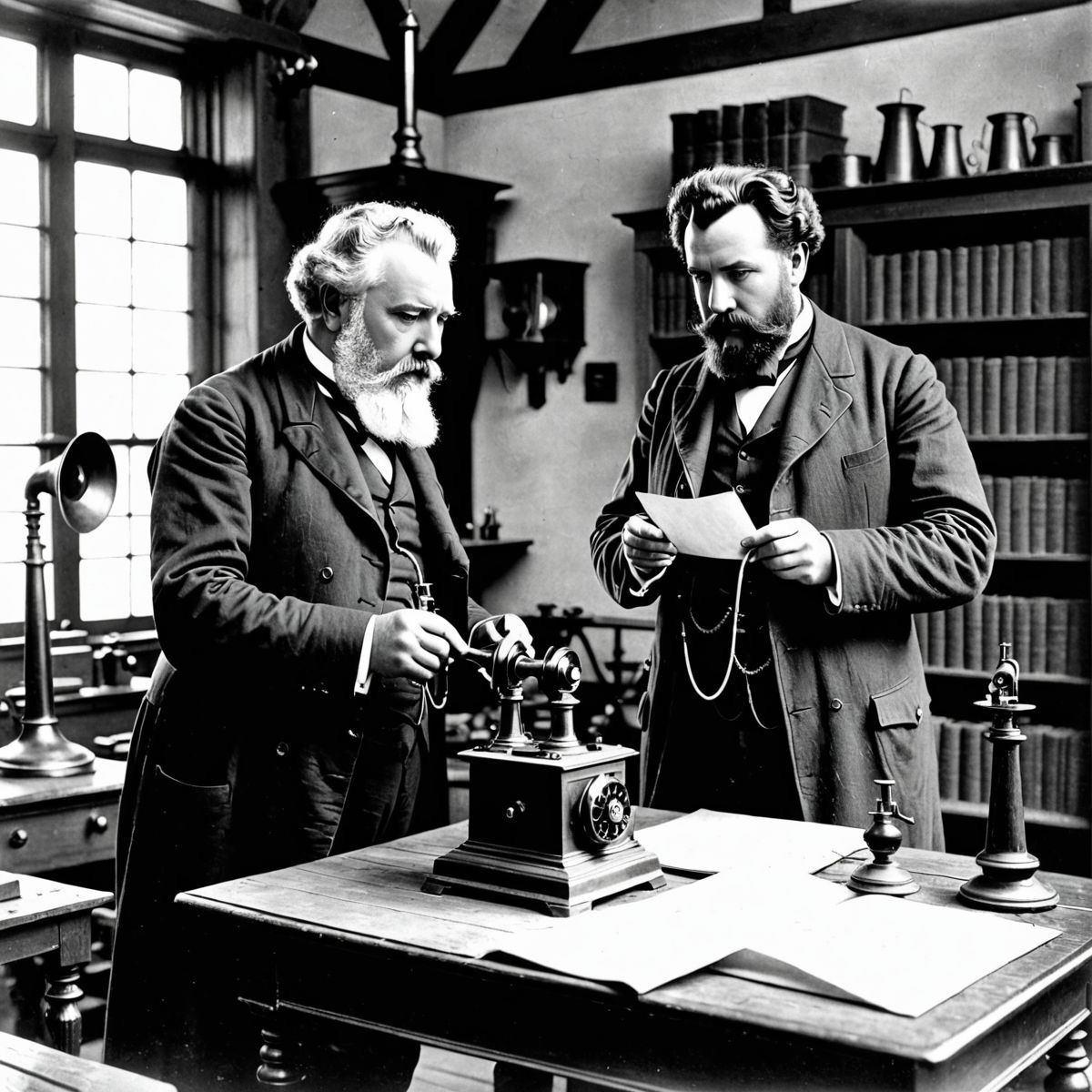
On March 7, 1876, Alexander Graham Bell was granted a patent for one of the most groundbreaking inventions in history—the telephone. This moment marked the dawn of a new era in communication, forever altering the way people connected with one another. Before Bell’s invention, communication over long distances was slow and relied on written letters or telegraphs. The telephone introduced the ability to instantly transmit sound, making real-time conversation possible, and it laid the foundation for the interconnected world we live in today.

Bell’s journey toward the invention of the telephone was filled with relentless experimentation and fierce competition. He and his rival, Elisha Gray, had both been working on voice transmission technology, but Bell managed to secure the patent first. Just days later, he made the first successful telephone call to his assistant, Thomas Watson, with the famous words, “Mr. Watson, come here, I want to see you.” That single sentence became the birth cry of a technology that would eventually shrink the world and make communication across continents effortless.

The impact of Bell’s invention cannot be overstated. The telephone revolutionized business, personal communication, and even emergency response systems. Over time, it evolved from bulky wired devices to sleek, wireless smartphones that now serve as lifelines for billions of people worldwide. Alexander Graham Bell’s vision set humanity on a path toward an ever-connected future, proving that a single idea could reshape society in ways once thought impossible.

Related Posts

A New Republic: When the U.S. Recognized Texas Independence

Elias Rowen

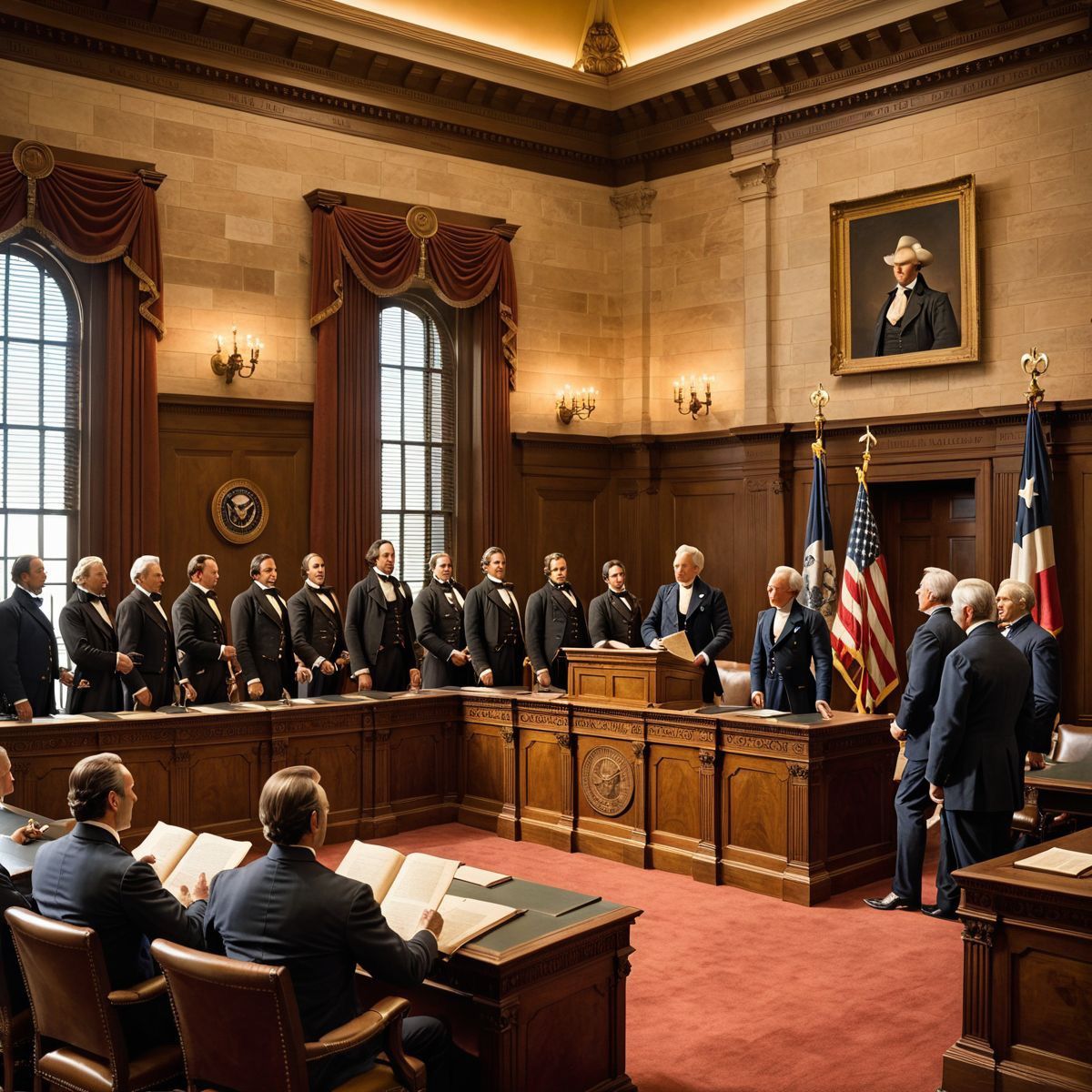
On March 1, 1837, the U.S. Congress passed a resolution recognizing Texas as an independent republic, a pivotal moment in North American history. The move came nearly a year after Texas had declared independence from Mexico on March 2, 1836, following the legendary battles of the Texas Revolution, including the famous stand at the Alamo. The resolution was a major step in legitimizing the fledgling Republic of Texas on the world stage and paved the way for its eventual annexation into the United States in 1845.

The struggle for Texas independence had been hard-fought, with leaders like Sam Houston guiding Texan forces to victory at the Battle of San Jacinto. Although Mexico refused to recognize Texas’ sovereignty, the U.S. saw strategic and economic advantages in backing the new republic. However, the decision was not without controversy—many in Congress feared that recognizing Texas would inflame tensions with Mexico and deepen sectional divides over slavery, as Texas was a slave-holding region.

Despite these concerns, the recognition of Texas opened the door to diplomatic relations, trade agreements, and the growing American expansionist sentiment known as Manifest Destiny. Texans saw the recognition as validation of their sacrifices, and for many settlers, it reinforced the belief that their future was tied to the United States. Though Texas would remain an independent nation for nearly a decade, U.S. support played a crucial role in its survival and eventual statehood.

The Texas Independence Resolution remains a landmark moment in American and Texan history. It symbolizes the perseverance of those who fought for freedom and highlights the complex geopolitical struggles that shaped the expansion of the United States. Even today, the Lone Star State prides itself on its independent spirit, a legacy that can be traced back to the moment Congress affirmed its place among the free nations of the world.

Related Posts