Latest Articles

The Impeachment of Andrew Johnson: A Nation Tested

Elias Rowen

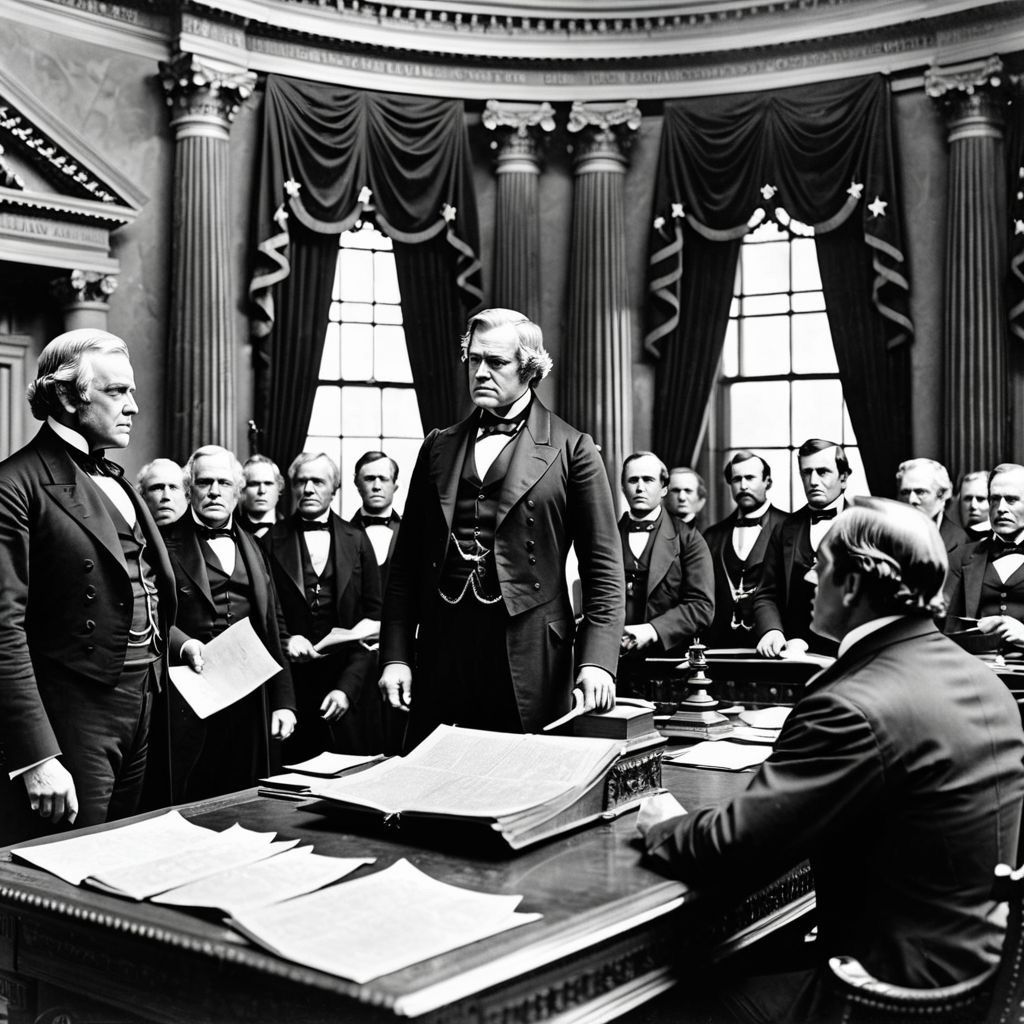
On February 24, 1868, the United States witnessed a historic political showdown as President Andrew Johnson became the first president to be impeached by the House of Representatives. This dramatic event was the result of a deep and bitter struggle between Johnson and the Radical Republicans in Congress, who were determined to reshape the South following the Civil War and secure rights for newly freed African Americans. Johnson, a Southern Democrat who had remained loyal to the Union, took office after Abraham Lincoln’s assassination in 1865. However, his lenient approach to Reconstruction and frequent clashes with Congress created a volatile political climate that ultimately led to his impeachment.

The central issue leading to Johnson’s impeachment was his violation of the Tenure of Office Act, a controversial law passed by Congress to limit his authority. The act required Senate approval before the president could remove certain officeholders, particularly those appointed by a previous administration. When Johnson attempted to dismiss Secretary of War Edwin Stanton—a staunch ally of the Radical Republicans—without Senate consent, Congress saw it as a direct challenge to their authority. The House quickly moved to impeach him, filing 11 articles of impeachment that accused him of abuse of power and defying congressional legislation.

Johnson’s impeachment trial in the Senate was a spectacle that captivated the nation. The proceedings were highly contentious, with emotions running high on both sides. While the Radical Republicans sought to remove him from office and assert congressional supremacy, Johnson’s defenders argued that the impeachment was politically motivated and lacked constitutional merit. Ultimately, Johnson survived removal by a razor-thin margin. In a dramatic vote, the Senate fell just one vote short of the two-thirds majority required for conviction, as seven Republican senators broke ranks and voted against his removal.

Although Johnson remained in office, his presidency was severely weakened, and he spent the remainder of his term politically isolated. His impeachment set a critical precedent, underscoring that the process should not be used as a tool for mere political disputes but rather reserved for genuine abuses of power. The event also highlighted the fragile nature of Reconstruction and the intense political divisions that defined post-Civil War America.

More than a century later, the impeachment of Andrew Johnson remains a defining moment in American history. It serves as a reminder of the delicate balance of power between the branches of government and the challenges of leading a nation through turbulent times. His trial tested the resilience of the U.S. Constitution and shaped the evolving role of the presidency in the face of congressional opposition.
Related Posts

A Royal Romance: The Engagement of Prince Charles and Lady Diana Spencer

Elias Rowen

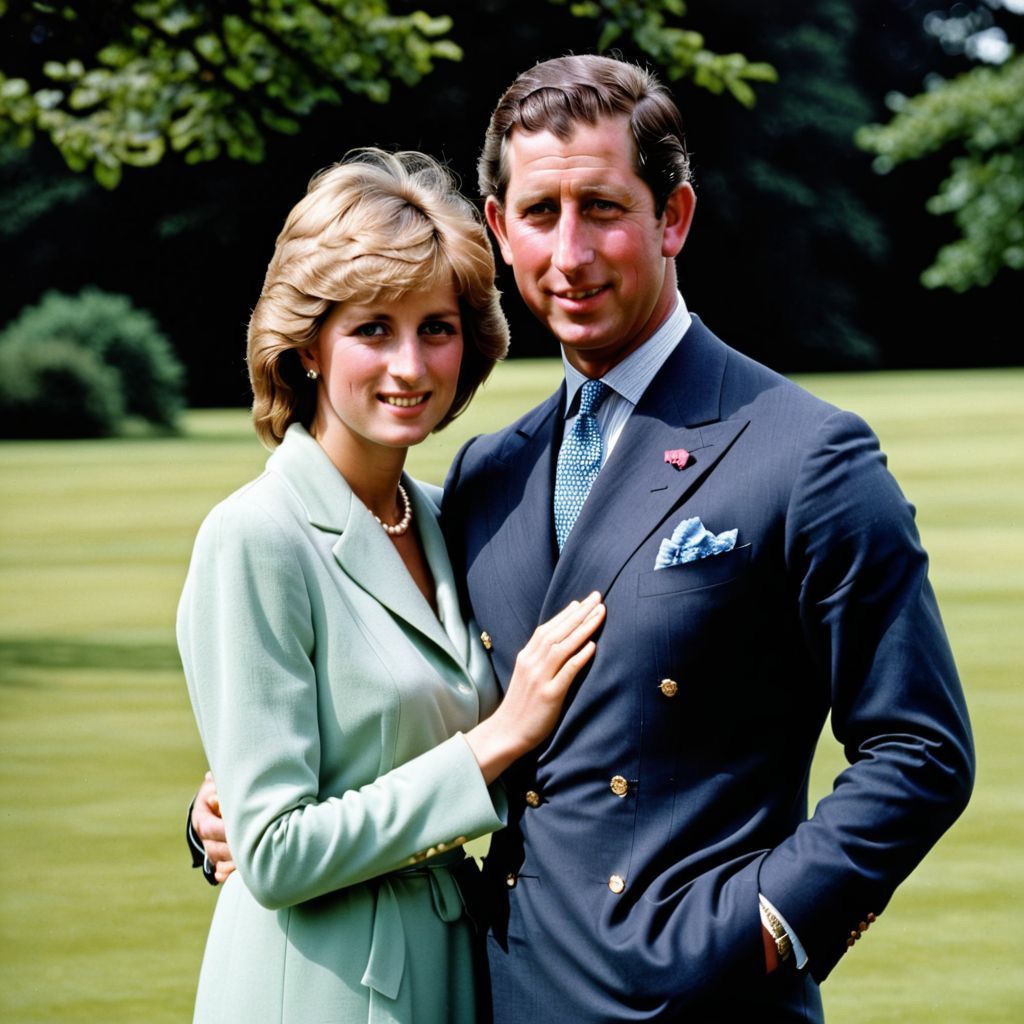
1981 marked a momentous occasion in British history when Buckingham Palace officially announced the engagement of Prince Charles, the heir to the throne, and Lady Diana Spencer. This news captivated the world, sparking a media frenzy and igniting excitement among royal watchers. Their engagement, which was confirmed on February 24, 1981, symbolized a fairytale beginning that would later become one of the most widely documented relationships in modern history.

The romance between Charles and Diana had been the subject of speculation for months, but the official announcement solidified their status as the future King and Queen in waiting. Diana, a 19-year-old nursery school assistant from an aristocratic lineage, quickly became a beloved public figure. Her natural charm, beauty, and kindness won over the British public and international admirers alike. When the couple posed for their official engagement photos, Diana’s sapphire and diamond engagement ring—now famous in its own right—became an enduring symbol of royal love and legacy.

At the heart of their engagement was a sense of optimism and tradition. The match was seen as beneficial to the monarchy, with Diana embodying grace and poise fitting for a future queen. However, behind the grandeur and public adoration, their relationship would soon be tested by the pressures of royal life, intense media scrutiny, and personal differences. The engagement was just the beginning of a journey that would capture global attention for decades to come.

While their union ultimately ended in heartbreak, the announcement of their engagement remains a significant milestone in royal history. It was a moment filled with hope, a reflection of the timeless allure of royalty, and a reminder of the complexities of love under the public eye. The world watched as Diana transformed into the ‘People’s Princess,’ leaving behind a lasting legacy that continues to inspire generations.

Related Posts

The Alamo: A Stand for Freedom That Echoed Through History

Elias Rowen

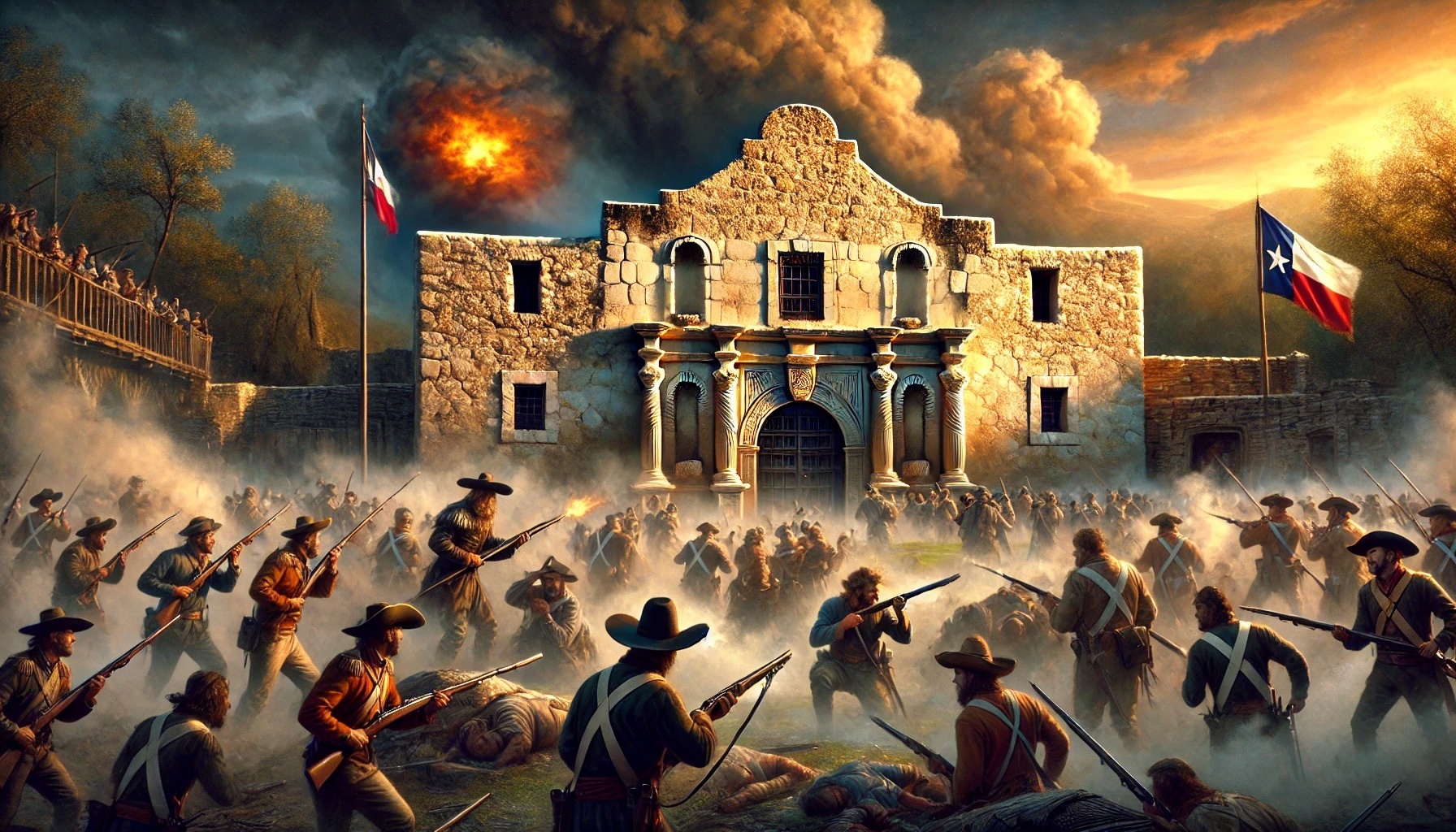
On February 23, 1836, the Mexican army, led by General Antonio López de Santa Anna, arrived at the gates of the Alamo in San Antonio, Texas. What followed was a legendary 13-day siege that would forever be etched into the annals of history. The Texian defenders, numbering fewer than 200, were vastly outnumbered by Santa Anna’s forces, which swelled to nearly 1,800 men. Despite the overwhelming odds, the defenders, including famous figures such as James Bowie, William B. Travis, and Davy Crockett, refused to surrender. They knew that holding the Alamo meant delaying the Mexican army and buying crucial time for the Texas Revolution.

For nearly two weeks, the defenders endured relentless bombardment and attacks. Travis, just 26 years old, famously drew a line in the sand, asking only those willing to die for Texas’ freedom to cross it. Every man stepped forward, demonstrating a commitment to liberty that would inspire generations to come. On the morning of March 6, the final assault began. Mexican troops breached the walls, and the battle turned into brutal hand-to-hand combat. By sunrise, the Alamo had fallen, and every defender had been killed. The loss was devastating, but the sacrifice was not in vain. “Remember the Alamo!” became the rallying cry of the Texian army, and just weeks later, at the Battle of San Jacinto, the Texans avenged their fallen comrades, securing independence for Texas.

The Battle of the Alamo stands as a testament to the resilience and determination of those who fight for freedom. Though they knew they faced almost certain death, the defenders of the Alamo chose to make a stand, igniting a fire that would lead to Texas’ independence. Their courage, immortalized in history, serves as a reminder that the fight for liberty often comes at the highest cost. Today, the Alamo remains a symbol of sacrifice and defiance, a place where history speaks to all who visit, ensuring that the bravery of those who fell there will never be forgotten.

Related Posts

The Flag That Inspired a Nation: The Raising of the Colors on Iwo Jima

Elias Rowen

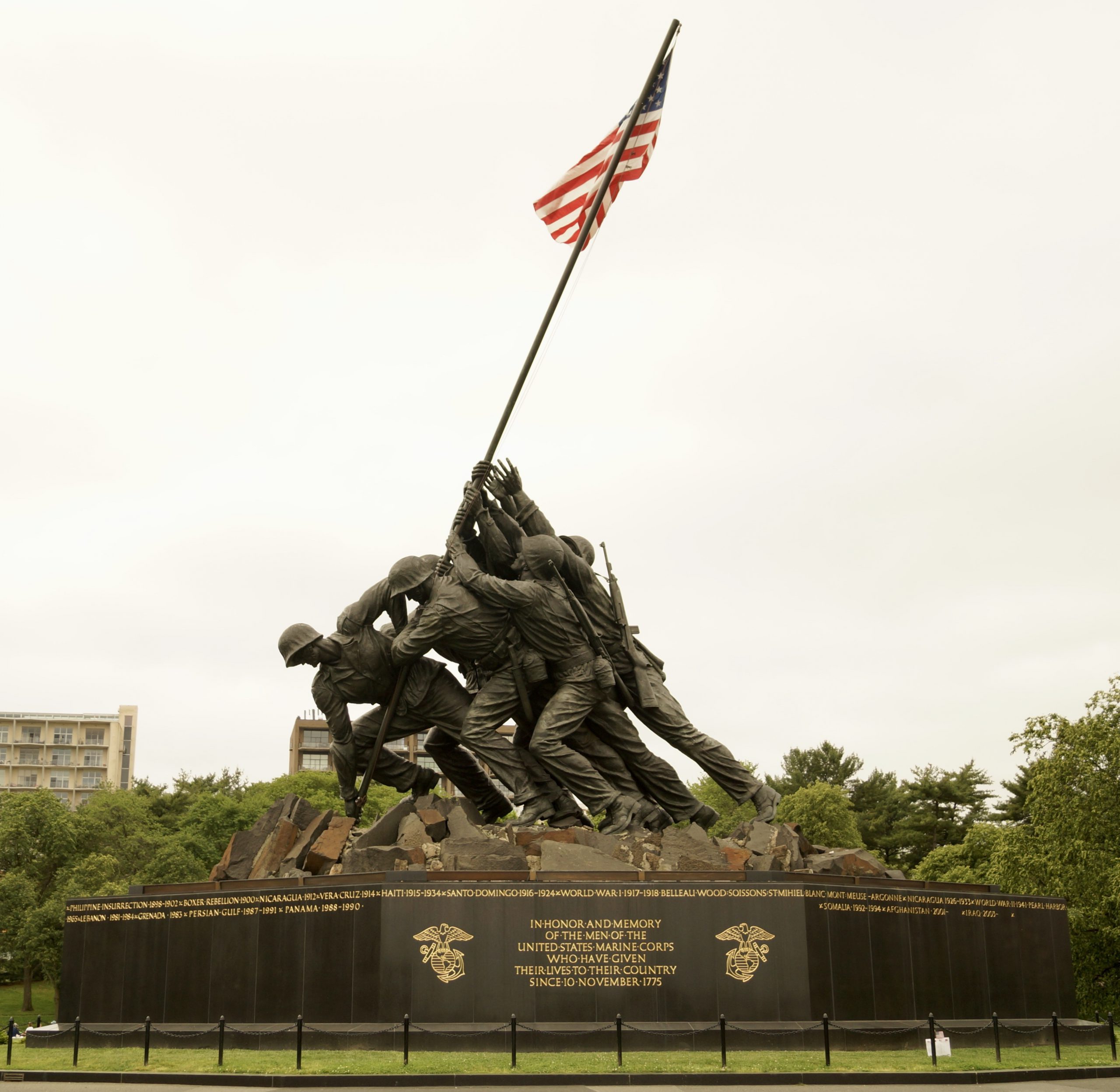
On February 23, 1945, amid the brutal battle for Iwo Jima, a moment of triumph was captured in a single photograph that would become one of the most iconic images in American history. After days of relentless fighting against entrenched Japanese forces, a group of six U.S. Marines reached the summit of Mount Suribachi, the island’s highest point. There, they raised the American flag, a powerful symbol of resilience and sacrifice. The image, taken by Associated Press photographer Joe Rosenthal, embodied the courage of the Marines and the unyielding determination of American forces in one of the fiercest battles of World War II.

The battle for Iwo Jima had begun on February 19, 1945, as thousands of Marines stormed the black volcanic beaches under relentless enemy fire. The Japanese defenders, deeply entrenched in a complex network of tunnels and bunkers, made every inch of progress costly. Over 26,000 American casualties, including nearly 7,000 killed, underscored the brutal nature of the fight. The capture of Mount Suribachi was a crucial turning point, offering a strategic vantage point over the island, but the battle raged on for weeks afterward. Despite the hardships, the Marines pressed forward, determined to secure victory.

The flag-raising on Iwo Jima became more than just a battlefield event; it became a symbol of perseverance and unity. The photograph was widely circulated in newspapers and later served as the inspiration for the Marine Corps War Memorial in Arlington, Virginia. It reminded Americans of the sacrifices made by those who served and the price of freedom. Today, the memory of Iwo Jima lives on, not just in history books but in the hearts of those who honor the bravery of the men who fought there. Their legacy is a testament to the resilience of the human spirit in the face of unimaginable adversity.

Related Posts

The Miracle on Ice: When David Beat Goliath on Ice

Elias Rowen

In one of the greatest upsets in sports history, the United States hockey team stunned the world on February 22, 1980, by defeating the heavily favored Soviet Union at the Winter Olympics in Lake Placid, New York. Dubbed the “Miracle on Ice,” this victory was more than just a game—it was a moment of national pride, a symbol of perseverance, and a reminder that anything is possible with determination and teamwork.

The Soviet hockey team was a powerhouse, dominating international competition for years. They had won four consecutive Olympic gold medals and had crushed the U.S. team 10-3 in an exhibition game just weeks before the Olympics. In contrast, the American team was made up of young college players, many of whom had never played together before. They weren’t expected to stand a chance, let alone win. But what they lacked in experience, they made up for with heart and an unbreakable spirit.

Led by head coach Herb Brooks, the U.S. team fought relentlessly. Their game against the Soviets was intense, filled with fast-paced action and incredible goaltending by Jim Craig. When team captain Mike Eruzione scored the go-ahead goal in the third period, the crowd erupted. As the final seconds ticked down, legendary broadcaster Al Michaels delivered his now-famous call: “Do you believe in miracles? Yes!” The U.S. had pulled off the impossible.

This victory wasn’t just about hockey—it was about unity and resilience during a tense period in American history. The Cold War had created a fierce rivalry between the U.S. and the Soviet Union, and this game felt like a symbolic triumph of democracy and determination over a seemingly unbeatable force. Two days later, the U.S. team defeated Finland to win the gold medal, solidifying their place in history.

The Miracle on Ice remains one of the most inspiring moments in sports. It proved that passion and teamwork can overcome any obstacle, and it continues to be a testament to the power of belief. Decades later, it still stands as a shining example of the unbreakable American spirit.

Related Posts