Latest Articles

A Cultural Beacon: The Legacy of the Royal Ontario Museum

Dave

Since its founding in 1914, the Royal Ontario Museum (ROM) has stood as a symbol of human curiosity and cultural preservation. Located in Toronto, Canada, this world-renowned institution has played a pivotal role in safeguarding history, inspiring innovation, and fostering a sense of global community. The story of the ROM is not just about the establishment of a museum—it is a testament to the transformative power of cultural institutions in shaping our collective identity.

The vision for the ROM was born out of a collaboration between the University of Toronto and the provincial government of Ontario, reflecting a shared commitment to education and the arts. When its doors first opened, the museum’s collection was modest but ambitious, featuring artifacts ranging from ancient civilizations to natural history specimens. Over the decades, the ROM expanded its scope, becoming one of the largest museums in North America and a cornerstone of Canadian culture.

What sets the Royal Ontario Museum apart is its ability to bridge the past, present, and future. Its galleries transport visitors to ancient Egypt, the Ming dynasty, and Indigenous Canada, offering a window into civilizations that shaped our world. Simultaneously, the museum fosters dialogue on pressing contemporary issues like biodiversity, climate change, and cultural preservation. This dual focus ensures that the ROM remains not just a repository of objects but a living, evolving space for learning and exploration.

Beyond its exhibits, the ROM has become a gathering place for communities. Its programs—ranging from family-friendly workshops to scholarly lectures—make art, science, and history accessible to people of all ages and backgrounds. By connecting visitors with diverse stories and perspectives, the museum fosters empathy and mutual understanding, critical ingredients for a more inclusive world.

As we reflect on the importance of cultural institutions like the ROM, we are reminded of their role in preserving the richness of human experience. Museums serve as bridges across time and space, connecting us with our shared heritage and inspiring future generations to dream bigger. The Royal Ontario Museum’s century-long journey is a celebration of these ideals, cementing its place as a beacon of knowledge and inspiration.
Related Posts

Bridging Divides: The Week of Prayer for Christian Unity

Dave

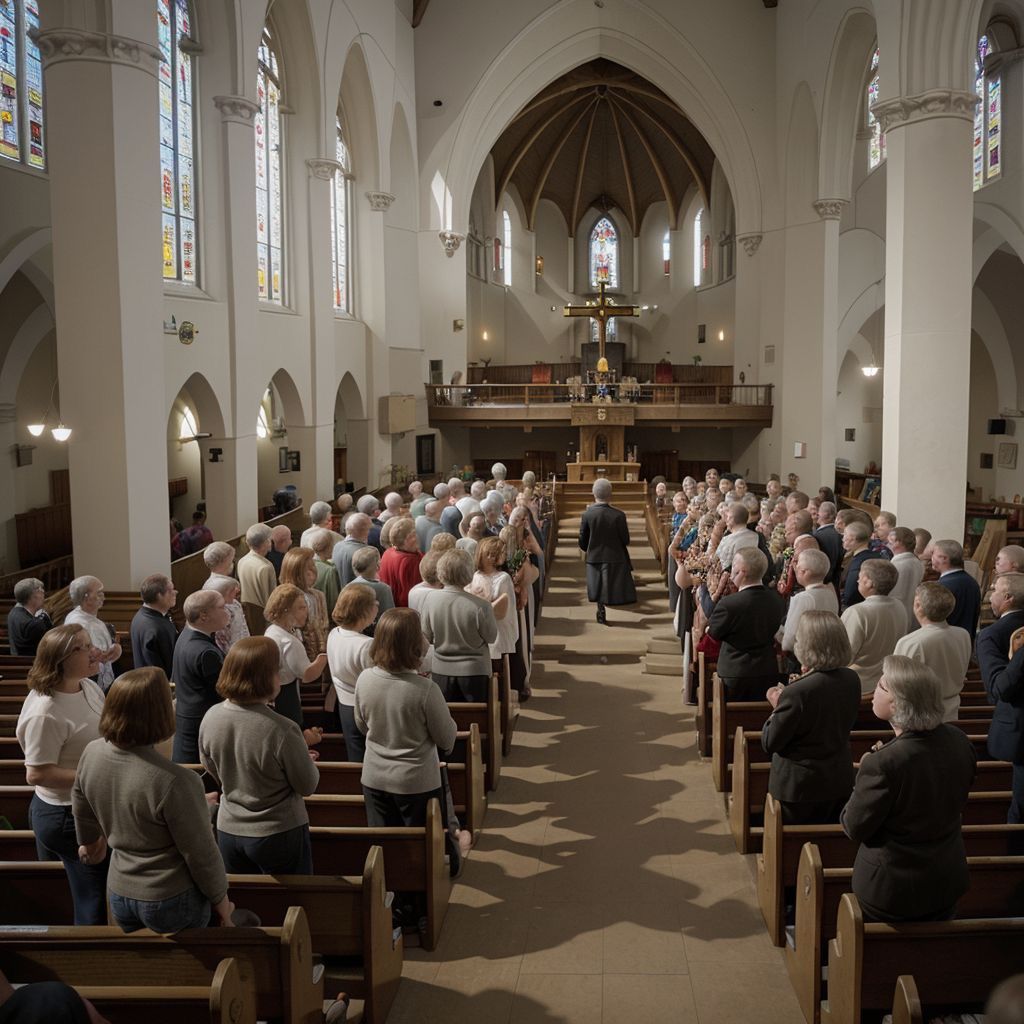
Every January, Christians around the world come together for the Week of Prayer for Christian Unity, a profound and hopeful observance dedicated to fostering unity among diverse denominations. Rooted in the belief that followers of Christ are called to be one, this global initiative transcends doctrinal differences to focus on shared faith and mutual respect. It is a week marked by reflection, dialogue, and collaborative worship, reminding believers of their common mission in a fragmented world.

The Week of Prayer for Christian Unity began in 1908 as the Octave of Christian Unity, founded by the Reverend Paul Wattson, an Episcopal priest who later joined the Catholic Church. His vision was simple yet ambitious: to encourage Christians to pray and work for the unity that Jesus himself prayed for in John 17:21, “that they may all be one.” Over time, the observance expanded beyond its Catholic origins, becoming an ecumenical effort embraced by Protestant, Orthodox, and Anglican traditions, among others.

The week’s significance lies not in erasing theological differences but in celebrating the shared beliefs that unite Christians. Each year, a theme is chosen by an international ecumenical group, often focusing on scripture passages that highlight reconciliation, peace, and love. Through joint prayer services, Bible studies, and acts of service, the event fosters a sense of solidarity and shared purpose among denominations that might otherwise remain divided.

In an increasingly polarized world, the Week of Prayer for Christian Unity offers a countercultural message. It encourages believers to look beyond denominational labels and political ideologies, focusing instead on the love of Christ as a unifying force. By coming together in prayer and action, Christians demonstrate that unity does not require uniformity but rather a commitment to dialogue, understanding, and mutual respect.

The observance also serves as a reminder that unity is not just a theological ideal but a lived reality with tangible benefits. Collaborative efforts among denominations often lead to initiatives addressing social justice, poverty, and environmental stewardship, demonstrating the power of collective action rooted in faith. These partnerships not only strengthen communities but also bear witness to a world hungry for hope and healing.

As the Week of Prayer for Christian Unity continues to grow in scope and participation, it challenges Christians to reimagine what it means to be united in faith. It is a call to build bridges, celebrate diversity, and embody the love that lies at the heart of the Christian message. In doing so, it offers a glimpse of the unity that many believe reflects the very kingdom of God.

Related Posts

A Tale of Two Verdicts: The Legacy and Overturning of Roe v. Wade

Dave

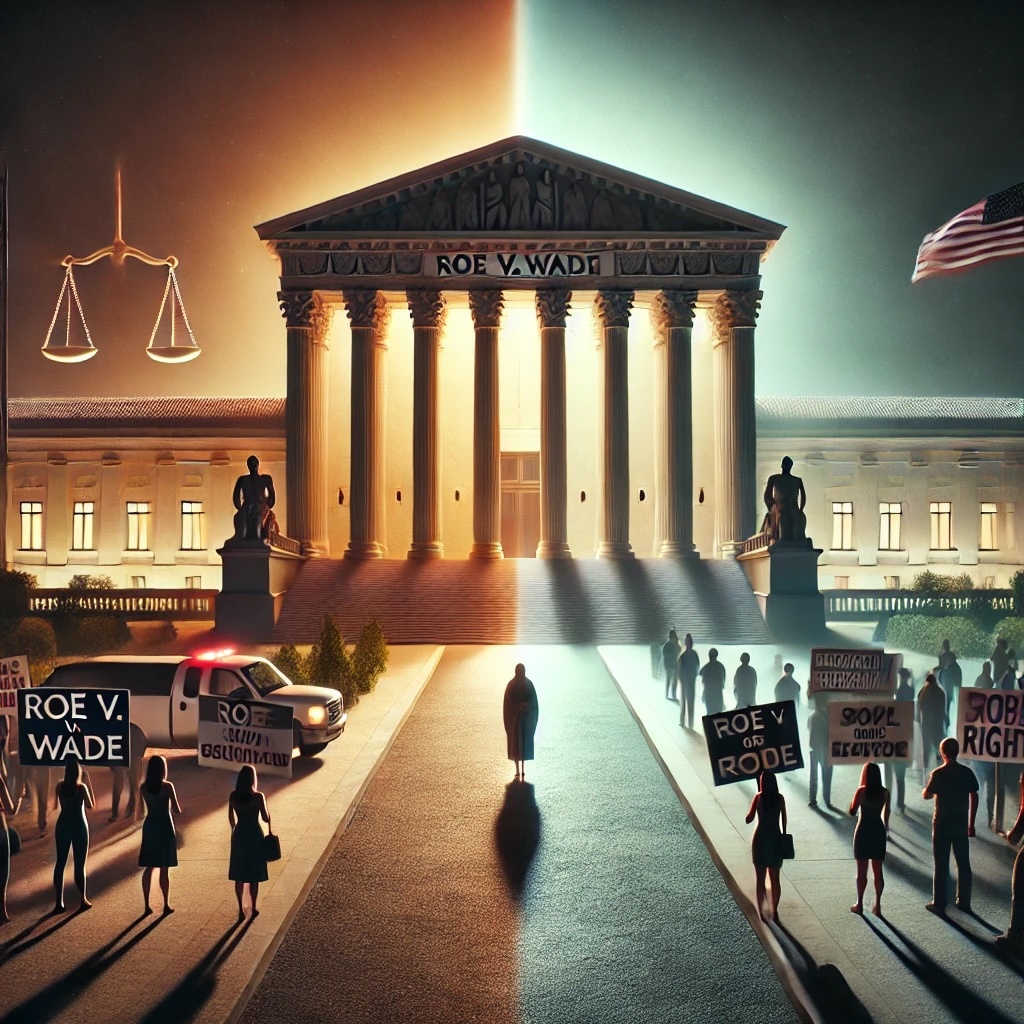
Few judicial decisions in American history have sparked as much passion, debate, and societal change as Roe v. Wade. In 1973, the U.S. Supreme Court ruled that the Constitution of the United States protects a woman’s right to choose to have an abortion, effectively legalizing the procedure nationwide. For nearly five decades, Roe v. Wade stood as a symbol of reproductive freedom, empowering individuals with autonomy over their own bodies. However, in 2022, the Supreme Court overturned this landmark ruling, reigniting fierce debates over personal liberties, state authority, and moral values. The ripple effects of these decisions continue to shape American society, highlighting the ever-evolving balance between rights and restrictions.

The 1973 Roe v. Wade ruling emerged from a lawsuit filed by “Jane Roe,” a pseudonym for Norma McCorvey, against Henry Wade, the district attorney of Dallas County, Texas. McCorvey challenged Texas laws that criminalized most abortions, arguing that they violated her constitutional rights. In a 7-2 decision, the Court concluded that the right to privacy, implied by the Fourteenth Amendment, extended to a woman’s decision to terminate a pregnancy, particularly within the first trimester. This decision not only protected reproductive rights but also established a framework for balancing the interests of the pregnant individual and the state.

For decades, Roe v. Wade faced relentless challenges from opponents who viewed it as an overreach of judicial authority. Advocacy groups, religious organizations, and conservative politicians argued that abortion was a moral issue best decided by individual states rather than federal courts. In 2022, this persistent opposition culminated in the Supreme Court’s ruling in Dobbs v. Jackson Women’s Health Organization. The Court, now with a conservative majority, overturned Roe v. Wade, declaring that the Constitution does not confer a right to abortion. This decision effectively returned the power to regulate abortion to individual states, creating a patchwork of laws across the nation.

The impact of overturning Roe v. Wade was immediate and profound. States with “trigger laws” quickly enacted stringent abortion bans, leaving millions without access to safe and legal procedures. At the same time, other states doubled down on their commitment to protecting reproductive rights, becoming safe havens for those seeking care. The reversal has amplified societal divisions, with debates raging over women’s health, economic equity, and the broader implications for privacy rights.

Roe v. Wade and its subsequent overturning underscore the dynamic and contentious nature of constitutional interpretation. While some celebrate the return of decision-making power to states, others mourn the loss of federally protected reproductive autonomy. This ongoing saga is a testament to the enduring tension between individual freedoms and collective values, and its resolution will likely continue to shape the United States for generations to come.

Related Posts

A Dream That Changed the World: Honoring Dr. Martin Luther King Jr.

Dave

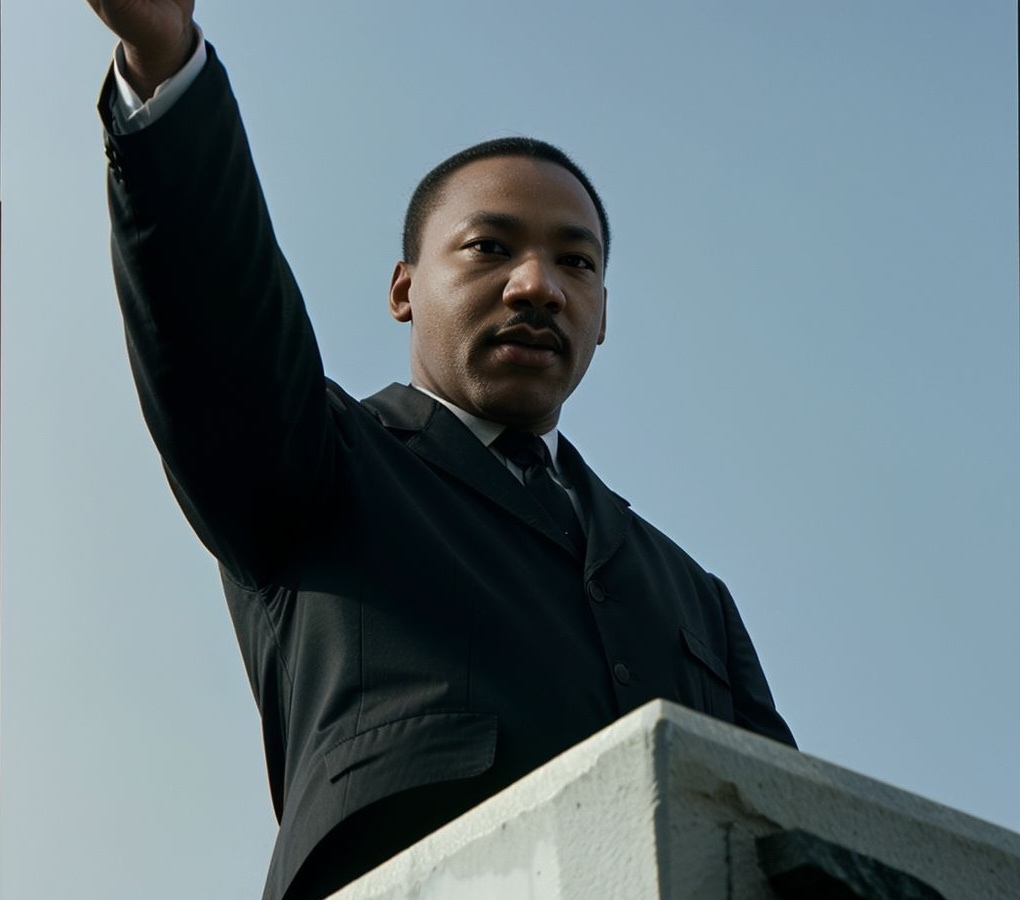
Every third Monday of January, the United States pauses to honor the life and legacy of Dr. Martin Luther King Jr., one of the most transformative figures in the fight for civil rights and social justice. Dr. King’s vision of a world where people are judged “not by the color of their skin but by the content of their character” continues to inspire generations. His tireless dedication to equality, his eloquent calls for justice, and his commitment to nonviolent resistance forever changed the course of American history and the global fight for human rights.

Dr. King’s leadership during the Civil Rights Movement of the 1950s and 1960s challenged systemic racism and segregation in profound ways. From leading the Montgomery Bus Boycott to delivering his iconic “I Have a Dream” speech at the March on Washington, his work highlighted the power of collective action and the importance of moral courage. His efforts were instrumental in the passage of landmark legislation such as the Civil Rights Act of 1964 and the Voting Rights Act of 1965, which dismantled legal barriers to equality. Dr. King’s legacy is a testament to the enduring impact of courage, hope, and unshakable faith in the potential for positive change.

As we commemorate Dr. King’s life, we are reminded that his dream is not yet fully realized. Inequality and injustice persist, calling on us to continue the work he began. Martin Luther King Jr. Day is not just a time to reflect on the past but also a call to action. It urges each of us to stand against injustice, advocate for equality, and build communities rooted in compassion and respect. Dr. King’s dream lives on through our efforts to create a world that values justice, freedom, and dignity for all.

Related Posts

A Peaceful Transfer of Power: The Significance of Presidential Inaugurations

Dave

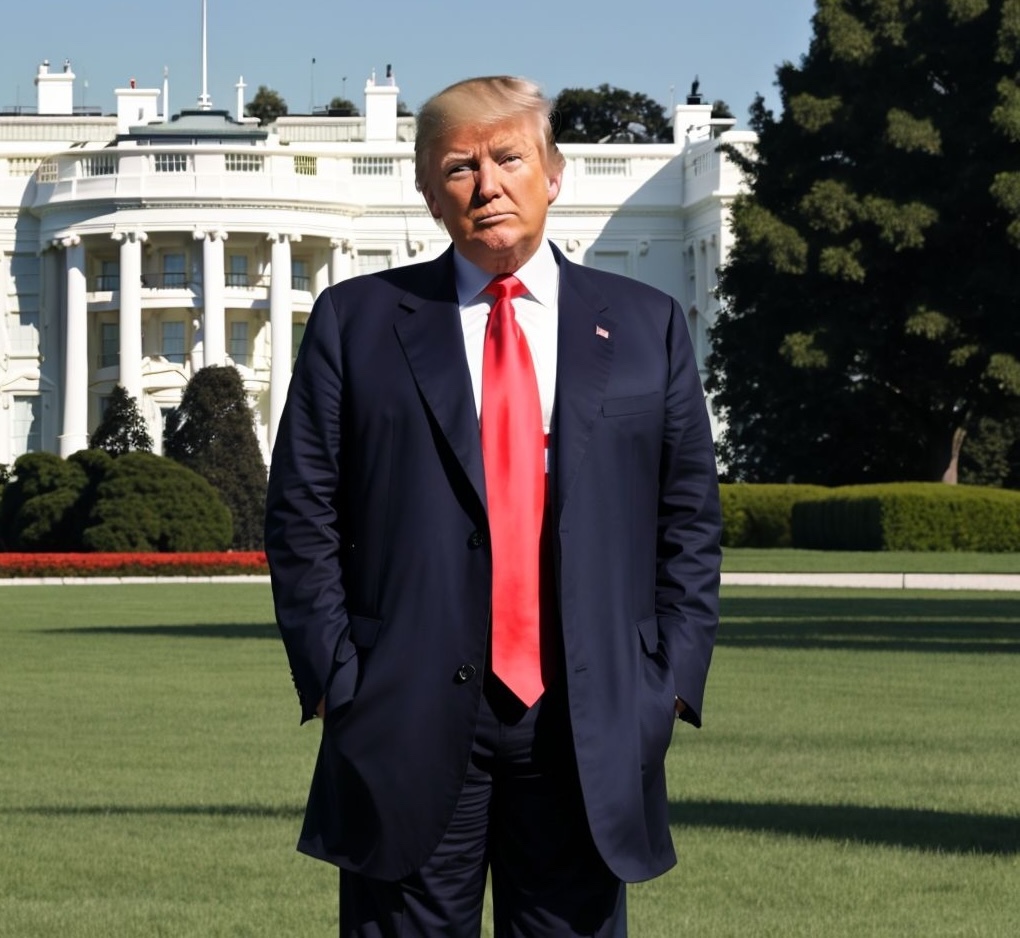
Presidential inaugurations are much more than ceremonial events; they are a cornerstone of American democracy, symbolizing the peaceful transfer of power and the resilience of the nation’s political system. Held every four years, these inaugurations mark a new chapter in the country’s history, offering a moment for reflection, unity, and hope for the future. Whether it is the first swearing-in of a newly elected president or the re-inauguration of an incumbent, the event reaffirms the values of democracy, continuity, and leadership.

The inaugural ceremony itself is steeped in tradition, beginning with the president-elect taking the oath of office, as outlined in the U.S. Constitution. Often held on the steps of the U.S. Capitol, this moment signifies the president’s commitment to uphold and defend the Constitution. Inaugural addresses often become defining speeches, laying out the administration’s vision and setting the tone for the next four years. Famous examples include Abraham Lincoln’s plea for unity during the Civil War, John F. Kennedy’s call to “ask what you can do for your country,” and Barack Obama’s message of hope and change.

Presidential inaugurations also serve as a platform for celebrating the diversity and dynamism of American culture. Performances by renowned artists, the presence of leaders from all walks of life, and the gathering of citizens from across the nation highlight the collective spirit of the United States. Even in moments of political division, inaugurations remind the nation of the shared principles that bind it together.

Ultimately, presidential inaugurations are more than rituals; they are a testament to the enduring strength of democracy. They reflect the nation’s ability to move forward, embrace change, and renew its commitment to the ideals of liberty, justice, and equality. As a nation watches its leader take office, the ceremony becomes a powerful reminder of the people’s role in shaping their government and their future.

Related Posts