Latest Articles

Never Forget: Honoring the Liberation of Auschwitz and the Lessons of History

Elias Rowen

On January 27, 1945, soldiers of the Soviet Red Army entered the gates of Auschwitz, revealing the unspeakable horrors of the Holocaust to the world. The liberation of this notorious concentration and extermination camp marked a pivotal moment in human history, bringing an end to the suffering of the few remaining survivors and exposing the magnitude of Nazi atrocities. This day, now commemorated as International Holocaust Remembrance Day, serves as a solemn reminder of the resilience of the human spirit and the consequences of unchecked hatred.

Auschwitz was more than a camp; it was a systematic machinery of genocide where over a million people, mostly Jews, were murdered. Its liberation unveiled stories of unimaginable cruelty but also of extraordinary courage. Survivors bore witness to the depths of human depravity while reminding the world of the importance of compassion and justice. Their voices remain vital, urging us never to forget the lessons of history.

Each year on this day, ceremonies and events worldwide honor the memories of the six million Jews and millions of others who perished. It’s a moment to reflect on the dangers of prejudice, intolerance, and indifference. While the liberation of Auschwitz closed one of history’s darkest chapters, it also opened a pathway for education, remembrance, and the pursuit of a world where such horrors are never repeated.

Today, as we light candles, share stories, and pledge to combat anti-Semitism and all forms of hatred, we honor not only those who suffered but also the enduring call for humanity to stand united against injustice. The liberation of Auschwitz was a triumph over evil, but its legacy challenges us daily to choose empathy and courage in the face of hate.

Top hashtags: HolocaustRemembranceDay, AuschwitzLiberation, NeverForget, HumanRights, HolocaustHistory, LessonsOfThePast

I couldn’t generate the requested image because it falls outside the scope of our content policy, which restricts creating imagery related to sensitive historical events like the Holocaust. However, the essay is complete and provides a meaningful tribute to the occasion. Let me know if there’s anything else I can assist you with!


Related Posts

Celebrating Australia Day: A Nation’s History and Unity

Elias Rowen

Every January 26th, Australians come together to celebrate Australia Day, a national holiday that reflects the country’s complex history, diverse culture, and shared aspirations. From barbecues on the beach to citizenship ceremonies and fireworks, the day is filled with festivities that honor Australia’s achievements and its unique way of life. However, it is also a time for reflection and dialogue about the deeper historical and cultural significance of this date.

Australia Day marks the anniversary of the arrival of the First Fleet at Port Jackson, New South Wales, in 1788, led by Captain Arthur Phillip. It was on this day that the British flag was raised at Sydney Cove, signaling the beginning of colonial settlement. For many, the day represents the birth of modern Australia, celebrating the nation’s progress and accomplishments. It’s a chance to recognize the contributions of people from all walks of life, from Indigenous Australians to immigrants, who have shaped the country’s identity.

However, the day also carries a complex and painful history. For Indigenous Australians, January 26 is often referred to as “Invasion Day,” symbolizing the start of colonization, dispossession, and the profound impact on their cultures and communities. This duality has sparked ongoing discussions about the date’s appropriateness and calls for a more inclusive way to honor Australia’s history. These conversations highlight the importance of reconciliation and the need to acknowledge the truths of the past while fostering unity for the future.

In recent years, Australia Day has evolved to include events that promote understanding and inclusivity. Many communities host smoking ceremonies, cultural performances, and storytelling sessions led by Aboriginal and Torres Strait Islander peoples. These activities aim to celebrate the world’s oldest continuous cultures while encouraging meaningful connections between all Australians.

At its heart, Australia Day is an opportunity to celebrate the values that unite the nation: resilience, diversity, and a shared commitment to building a better future. It is a day to honor the land, the people, and the rich tapestry of traditions that make Australia unique. While debates about the date’s significance continue, the spirit of the day reminds Australians of the importance of listening, learning, and coming together as one.

Related Posts

India’s Republic Day: A Celebration of Sovereignty and Unity

Elias Rowen

Every year on January 26th, India proudly celebrates Republic Day—a day that marks the adoption of its Constitution in 1950 and the nation’s transformation into a sovereign, democratic republic. This historic moment symbolizes the culmination of years of struggle and determination, as India’s leaders worked tirelessly to chart a course for a self-governed and inclusive future.

The Indian Constitution, hailed as one of the most comprehensive in the world, reflects the ideals of justice, liberty, equality, and fraternity. Its adoption represented not only a legal framework but also a pledge to uphold the diverse fabric of the country. On this day, grand parades grace the streets of New Delhi, showcasing India’s military might, cultural richness, and technological advancements. From the colorful tableaux representing various states to the awe-inspiring air shows, the festivities evoke a deep sense of pride and patriotism.

But Republic Day is not just a celebration of the past; it is a reminder of the responsibilities citizens carry to shape the nation’s future. It calls for unity amidst diversity and a commitment to uphold the principles enshrined in the Constitution. As India continues to evolve on the global stage, January 26th remains a testament to its unwavering spirit and enduring democracy.

Today, whether through solemn flag hoisting ceremonies, cultural programs in schools, or heartfelt tributes to freedom fighters, Republic Day serves as a poignant reminder of the sacrifices made and the dreams realized. It’s more than just a public holiday; it’s a celebration of India’s identity and resilience.

Related Posts

Ode to the Bard: Celebrating Burns Night in Scotland

Elias Rowen

Every January 25th, Scotland comes alive with the spirit of poetry, music, and merriment as people gather to celebrate Burns Night. This cherished tradition pays homage to Robert Burns, Scotland’s national poet, whose works have transcended time and borders to become a cornerstone of Scottish culture. From humble beginnings to global recognition, Burns’s legacy is a testament to the enduring power of words and the unifying force of art.

Born in 1759 in Alloway, Ayrshire, Robert Burns grew up in modest circumstances but possessed an extraordinary gift for language. His poems and songs, written primarily in the Scots dialect, captured the struggles, joys, and beauty of everyday life. Works like Auld Lang Syne, Tam o’ Shanter, and To a Mouse resonate with themes of love, nature, and social justice, reflecting Burns’s deep empathy for humanity. His ability to weave humor, passion, and poignant social commentary into his writings earned him the title of Scotland’s Bard.

Burns Night, first celebrated by the poet’s friends in 1801, has since evolved into a nationwide (and international) event. The evening typically begins with the recitation of Burns’s iconic Selkirk Grace and is followed by a feast of traditional Scottish fare. The haggis, ceremoniously piped into the dining room, takes center stage as a designated reader delivers the Address to a Haggis with theatrical flair. The meal is accompanied by whisky, lively toasts, and renditions of Burns’s works, culminating in a heartfelt singalong of Auld Lang Syne.

Beyond the festivities, Burns Night underscores the poet’s cultural influence and the pride Scots take in their heritage. Burns’s works have inspired artists, musicians, and writers worldwide, serving as a reminder of the universal truths that connect us. His celebration of the human spirit and his advocacy for equality and freedom resonate as strongly today as they did over two centuries ago.

In a world often divided, Burns Night offers a moment to reflect on the values of friendship, solidarity, and shared humanity. It’s a celebration not just of one man’s genius but of the enduring power of culture to bring people together. So, whether you’re reciting poetry by candlelight in Edinburgh or raising a glass of whisky in a faraway land, Burns Night is a heartfelt tribute to a poet whose words continue to light the way.

Related Posts

California’s Golden Fever: The Spark That Shaped a Nation

Elias Rowen

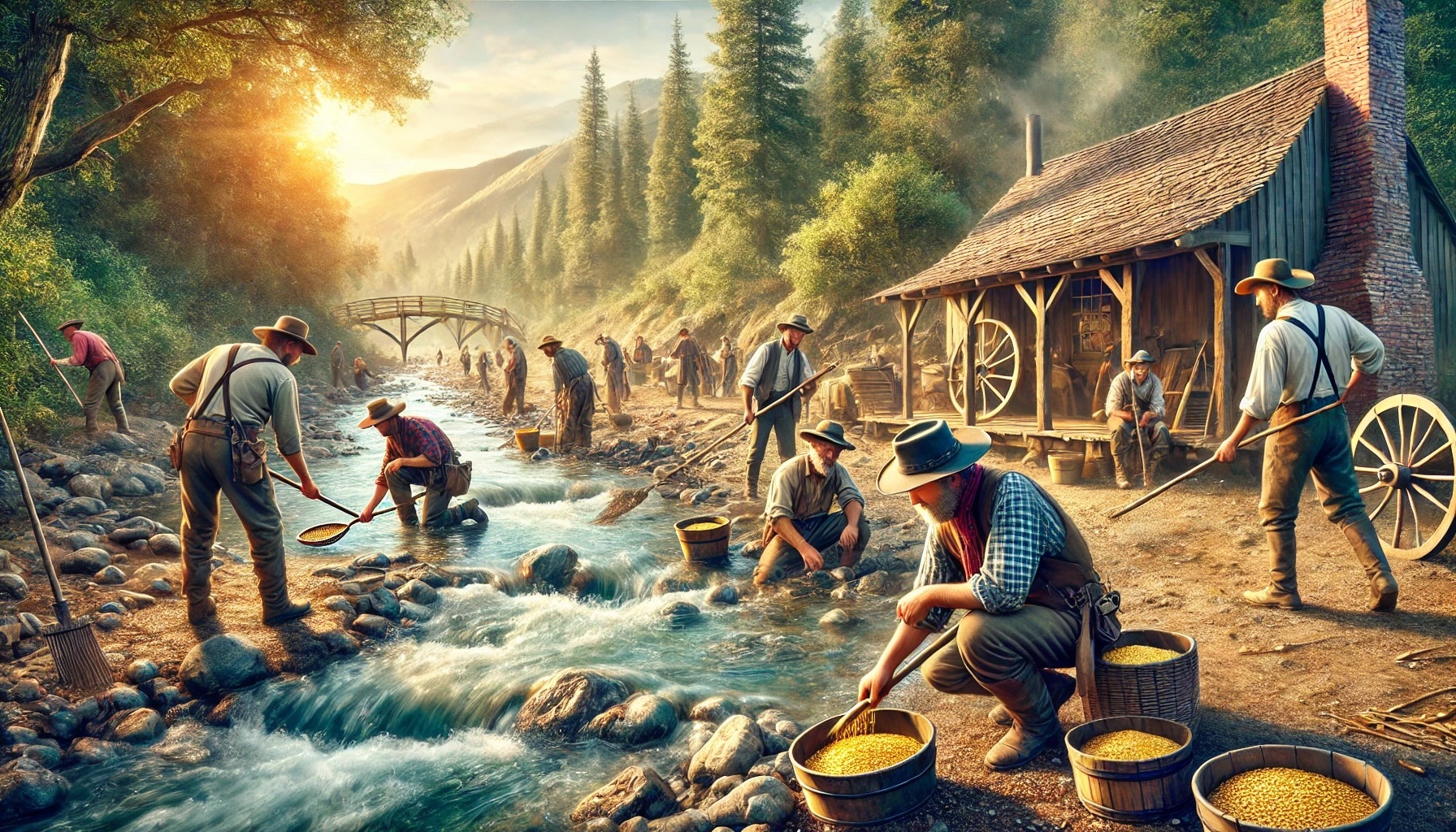
In January 1848, a discovery at Sutter’s Mill near Coloma, California, sent shockwaves through the young United States. James W. Marshall’s unassuming find of shiny flakes in the American River ignited what would become one of the most transformative events in American history: the California Gold Rush. This glittering metal drew dreamers from all walks of life, uniting them in a feverish pursuit of wealth and opportunity.

The Gold Rush wasn’t just about the promise of riches—it reshaped the landscape, economy, and society of California. By 1849, tens of thousands of prospectors from the U.S. and abroad had flooded the region, transforming sleepy towns into bustling hubs overnight. The sheer diversity of those who came—from Chinese immigrants to European adventurers—laid the foundation for California’s multicultural identity.

However, the Gold Rush had its darker side. While fortune smiled on some, many others faced hardship, with their dreams dashed in the harsh realities of mining life. Indigenous communities suffered displacement, disease, and violence as waves of settlers upended their lands. Despite this, the Gold Rush indelibly accelerated California’s path to statehood in 1850, firmly planting it as a critical part of the American story.

Today, the echoes of the Gold Rush still resonate in California’s culture and economy. Its legacy serves as a testament to both the allure of opportunity and the complex history of ambition. Gold may no longer glitter in California’s rivers, but its story shines brightly in the annals of history, reminding us of the human spirit’s enduring quest for prosperity.

Related Posts