Latest Articles

Bound Together in Faith: Celebrating Christian Unity Week

Dave

Every year, from January 18 to January 25, Christians around the world observe Christian Unity Week, a time dedicated to prayer, reflection, and action toward greater unity among the many branches of the Christian faith. This week stems from the ecumenical movement, which seeks to heal the divisions within Christianity and promote cooperation among Catholic, Orthodox, Protestant, and other Christian traditions. While doctrinal differences have historically separated denominations, Christian Unity Week is a reminder of the shared faith in Christ that binds believers together, regardless of their traditions.

The ecumenical movement began in earnest in the early 20th century, as Christians recognized the need for solidarity in addressing global challenges such as poverty, war, and social injustice. Christian Unity Week, originally initiated by the World Council of Churches and supported by the Vatican, embodies this spirit of reconciliation. It encourages churches to look beyond theological disagreements and focus on their common mission to spread love, serve the marginalized, and work toward justice. The week is marked by joint prayer services, community projects, and discussions, creating opportunities for dialogue and mutual understanding.

Christian Unity Week reminds us of the beauty of diversity within the Christian faith. Each tradition brings its own unique perspectives, liturgies, and practices, enriching the global Christian community. While differences remain, the ecumenical movement emphasizes that unity does not mean uniformity but rather a shared commitment to Christ’s message of love and hope. In a world often divided by conflict and misunderstanding, Christian Unity Week stands as a powerful testament to the potential for healing and cooperation when believers come together in faith.
Related Posts

Benjamin Franklin: A Legacy of Ingenuity and Wisdom

Dave

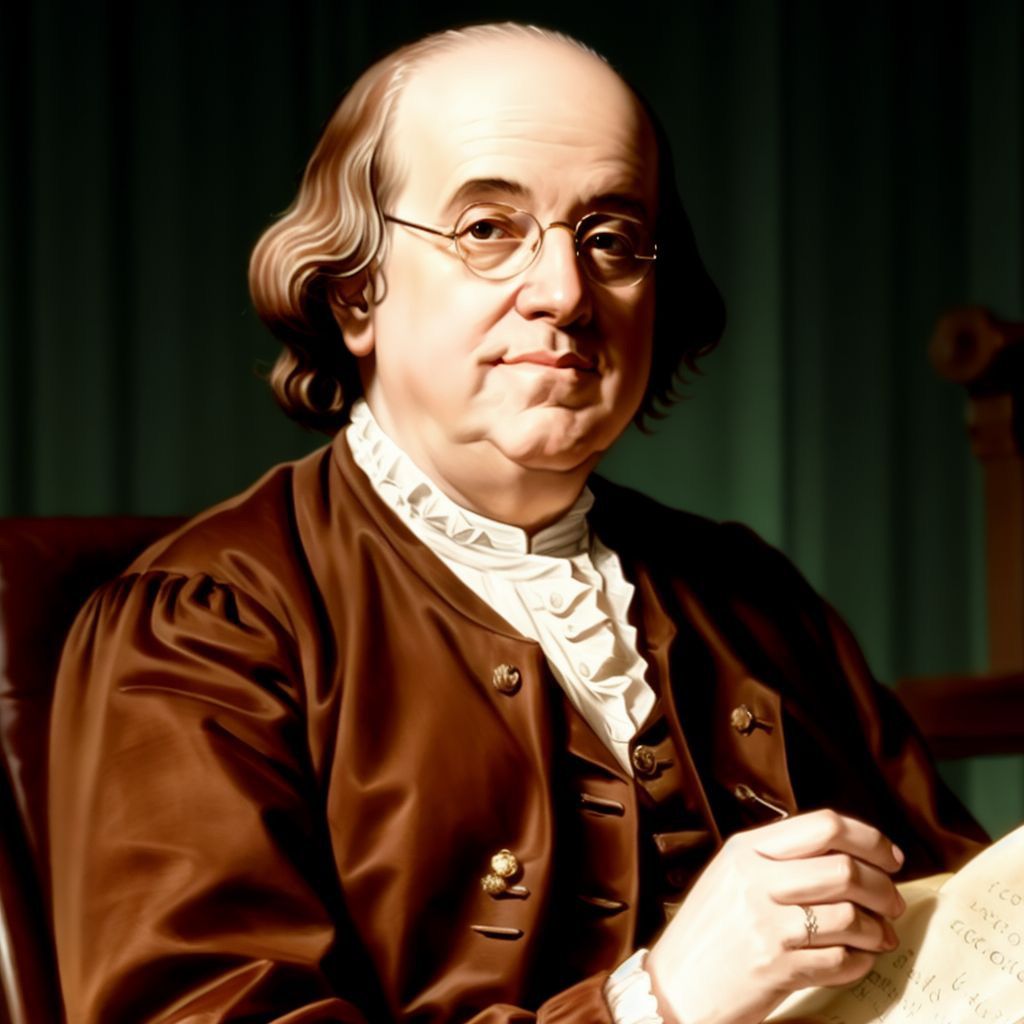
Benjamin Franklin, one of the most influential figures in American history, left an indelible mark on the world through his boundless curiosity, wit, and dedication to progress. Born on January 17, 1706, Franklin was a polymath whose contributions spanned science, politics, literature, and community service. From inventing the lightning rod to shaping the foundational principles of the United States, Franklin’s life epitomized the power of innovation and public service.

Franklin’s scientific achievements were groundbreaking. His experiments with electricity, particularly the famous kite and key experiment, not only advanced human understanding of natural phenomena but also led to practical innovations like the lightning rod, which protected buildings from fires. His inventions, including bifocal glasses and the Franklin stove, showcased his ability to solve everyday problems with creative solutions. Yet, Franklin’s impact was not limited to science.

As a statesman, Franklin played a pivotal role in the American Revolution, using his diplomatic skills to secure France’s crucial support. He was also a key figure in drafting the Declaration of Independence and the U.S. Constitution, embedding principles of liberty and democracy that continue to shape governance worldwide. Beyond politics, Franklin was a champion of education and community development. He founded institutions such as the University of Pennsylvania and the first public library, believing knowledge should be accessible to all.

Franklin’s legacy serves as a reminder of the power of curiosity, adaptability, and dedication to the common good. His life inspires us to explore, innovate, and work toward a brighter future for humanity. As we celebrate his contributions, we honor a man whose ideas and values continue to resonate centuries later.

Related Posts

The 1919 Boston Police Strike: A Turning Point in American Labor Movements

Dave

The 1919 Boston Police Strike was a pivotal moment in American labor history, highlighting the tensions between workers’ rights and the demands of a rapidly industrializing society. It was a bold act of defiance by the men and women who risked their livelihoods to demand better working conditions, fair wages, and a greater sense of dignity. The strike began in September 1919 when the Boston Police Department, underpaid and overworked, voted to strike for better wages and the right to unionize. As the strike escalated, it soon became a flashpoint for broader debates about labor movements, social justice, and the role of government in managing conflicts between employers and workers.

The backdrop of the strike was a post-World War I America, where returning soldiers flooded the job market, and workers across various industries, from steel to textiles, were organizing for better conditions. In Boston, police officers, who were responsible for maintaining order in an increasingly chaotic and volatile city, found themselves in dire straits. Despite their essential role, they were poorly paid and had little protection under the law. When they took action, they were met with resistance from city officials and Governor Calvin Coolidge, who famously declared, “There is no right to strike against the public safety by anybody, anywhere, any time.” The dismissal of over 1,000 police officers in response to their strike led to a temporary breakdown in law and order, including widespread looting and violence.

The strike’s aftermath reverberated far beyond Boston. While the police officers were not reinstated, their action became a symbol of the growing power of labor movements in America. The Boston Police Strike also signified the increasing awareness of class struggles and labor rights, setting the stage for future union movements and legislation aimed at improving working conditions. In the end, the strike demonstrated the lengths to which workers were willing to go to fight for justice, and it forced American society to reckon with the treatment of its labor force.

The 1919 Boston Police Strike remains a key moment in the history of labor movements, reminding us of the struggles workers face in their pursuit of dignity and fair treatment. Though the strike may not have achieved immediate success, it ignited important conversations that would shape the labor landscape for decades to come.

Related Posts

Unraveling the Blueprint of Life: The Discovery of DNA Structure

Dave

In 1953, the scientific world witnessed one of its most groundbreaking moments with the discovery of the double-helix structure of DNA. This monumental achievement by James Watson and Francis Crick, with critical contributions from Rosalind Franklin and Maurice Wilkins, revolutionized our understanding of biology and laid the foundation for modern genetics. The discovery not only answered fundamental questions about heredity but also paved the way for advancements in medicine, agriculture, and biotechnology.

At the heart of the discovery was Rosalind Franklin’s work with X-ray crystallography, which provided a crucial image, famously known as “Photo 51.” This image revealed the helical shape of DNA, a structure Watson and Crick described as resembling a twisted ladder. The “rungs” of the ladder were formed by base pairs—adenine pairing with thymine and guanine with cytosine—held together by hydrogen bonds. This elegant design explained how genetic information is stored and replicated, a key to life itself.

The implications of this discovery were profound. It unlocked the secrets of genetic inheritance, enabling scientists to decipher how traits are passed down through generations. It also spurred the development of technologies like DNA sequencing and genetic engineering, which have transformed fields ranging from medicine to forensics. Despite its groundbreaking nature, the discovery also highlighted issues of collaboration and recognition in science, with Franklin’s vital contributions only receiving widespread acknowledgment years later.

The discovery of DNA’s structure serves as a testament to the power of curiosity, collaboration, and perseverance in unraveling nature’s mysteries. Today, as we explore the vast possibilities of genomics, we stand on the shoulders of those who first revealed the blueprint of life, continuing their quest to understand and improve the world around us.

Related Posts

Across the Ocean: The First Public Transatlantic Telegraph

Dave

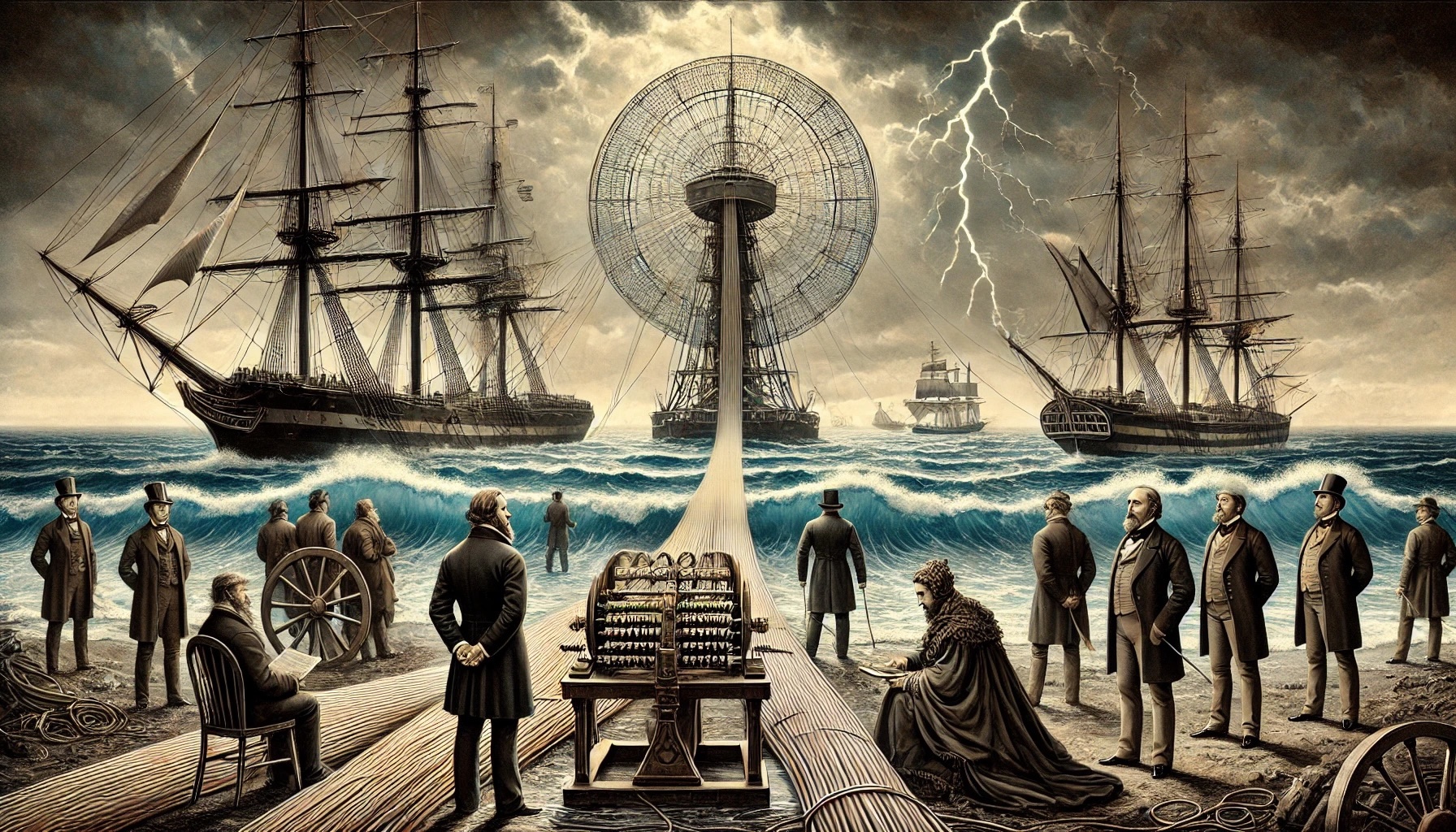
In 1858, a monumental achievement revolutionized global communication—the successful transmission of the first public transatlantic telegraph message. This technological marvel connected Europe and North America with a single cable laid across the Atlantic Ocean, reducing the time it took to send a message from weeks to mere minutes. The event marked the beginning of a new era, shrinking the vast distances that once separated nations and laying the groundwork for the interconnected world we know today.

Before the transatlantic telegraph, communication across continents relied on ships carrying handwritten letters, a process fraught with delays and uncertainty. The idea of a telegraph cable beneath the ocean seemed like an impossible dream, requiring advances in both engineering and perseverance. The project, spearheaded by entrepreneur Cyrus West Field, involved multiple failed attempts, harsh weather conditions, and technological setbacks. But in August 1858, the cable successfully linked Ireland and Newfoundland, transmitting Queen Victoria’s congratulatory message to U.S. President James Buchanan—a moment heralded as a triumph for science and diplomacy.

The transatlantic telegraph transformed society, accelerating the exchange of ideas, news, and commerce. Governments could coordinate efforts more efficiently, businesses thrived with faster trade communication, and ordinary people marveled at the idea of near-instant connection across the globe. Though the original cable failed after a few weeks, subsequent improvements led to the establishment of a reliable transatlantic connection by 1866, solidifying the telegraph’s role as the forerunner of global communication networks.

Today, as we enjoy instantaneous digital communication, the story of the first transatlantic telegraph reminds us of the human drive to connect and innovate. It symbolizes the power of technology to bridge distances, foster collaboration, and build a more interconnected world—a vision that continues to inspire the progress of modern communication.

Related Posts