Latest Articles

Elvis Presley’s Birthday: A look at the legacy of the King of Rock ‘n’ Roll

Dave

Elvis Presley, born on January 8, 1935, in Tupelo, Mississippi, is one of the most iconic and influential figures in the history of music. Known as the “King of Rock ‘n’ Roll,” his unique blend of rock, country, blues, and gospel reshaped the landscape of popular music in the 1950s and beyond. His raw talent, charisma, and groundbreaking performances set him apart from his peers, propelling him into superstardom and making him a household name. Elvis’s career was marked by an extraordinary mix of cultural influence, unforgettable music, and a larger-than-life presence, leaving a lasting impact that continues to resonate with audiences today.

Elvis’s legacy is far-reaching, influencing not just music but fashion, film, and even social movements. His energetic performances and stage presence changed the way artists interacted with their audiences, bringing a new level of passion and expression to live shows. Songs like “Heartbreak Hotel,” “Jailhouse Rock,” and “Hound Dog” became anthems of rebellion, youth culture, and freedom, solidifying Elvis as a symbol of the era’s evolving societal values. Beyond his musical achievements, Elvis also became a cultural icon, blending his personal style with a new sense of American identity in the post-war period.

On his birthday, we celebrate not just the man, but the profound influence he had on shaping modern music and entertainment. Elvis’s ability to cross racial boundaries with his music helped to integrate popular culture, and his influence can still be felt in a wide range of genres, from rock and pop to hip-hop. His timeless appeal speaks to generations of fans who continue to admire his innovative sound and electrifying persona. Elvis Presley remains a symbol of artistic freedom, individuality, and the transformative power of music, ensuring that his place in history is secure as one of the greatest artists of all time.

Related Posts

Religious Reflection: The Deep Significance of Epiphany in Christian Faith

Dave

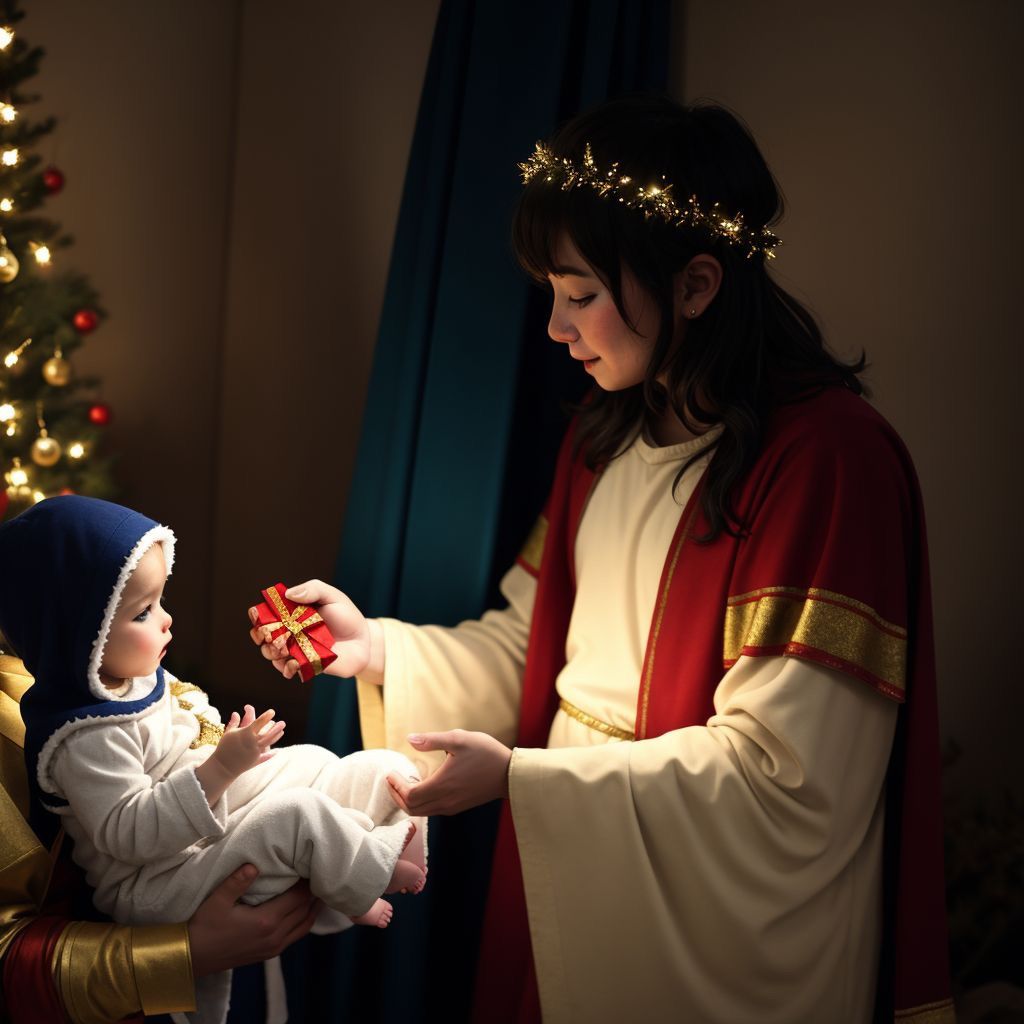
Epiphany, celebrated on January 6, holds profound meaning in the Christian calendar. It marks the moment when the divinity of Jesus Christ was revealed to the Gentiles through the visit of the Magi, or Wise Men. This revelation signifies that Christ came not only for the Jewish people but for all of humanity. The importance of Epiphany lies in its reminder that God’s love is universal and inclusive, extending far beyond any boundaries of race, culture, or background. It is a day for Christians to reflect on the broader mission of Christ, whose life and message were meant for every person, regardless of their heritage or status.

Epiphany also serves as a celebration of the light that Christ brought into the world, symbolized by the star that guided the Magi to Bethlehem. This light represents divine wisdom, hope, and guidance, shining through the darkness of sin and ignorance. In many Christian traditions, Epiphany is a time for worship and prayer, with readings from the Bible that emphasize Christ’s universal kingship and the significance of the gifts brought by the Magi: gold, frankincense, and myrrh. These gifts are symbolic of Christ’s kingship, divinity, and future sacrifice, further underscoring the importance of the revelation.

For Christians, Epiphany serves not only as a historical event but also as a spiritual invitation to embrace Christ’s teachings with an open heart. It is a day to renew one’s faith in the universality of God’s love, to reflect on the call to spread that love, and to embrace diversity in the community of believers. The importance of Epiphany in the Christian faith is a reminder that Christ’s message transcends borders and that all people, regardless of their origins, are invited into the light of his love.

Related Posts

Epiphany: A Celebration of Christ’s Revelation to the Gentiles

Dave

On January 6, Christians around the world celebrate the Epiphany, a holiday that marks the revelation of Jesus Christ to the Gentiles, symbolized by the visit of the Magi. The term “epiphany” means “manifestation” or “appearance,” and the day commemorates the moment when the wise men, guided by a star, traveled from the East to honor the newborn Christ. This moment signifies the inclusion of the Gentiles in the salvation brought by Jesus, highlighting the universal nature of Christ’s mission. The Epiphany is more than just a religious observance; it’s a reminder of the widening of God’s covenant, reaching out to all people, regardless of their heritage or background.

The celebration of Epiphany varies widely across different Christian traditions, but it is often marked by church services, processions, and the sharing of meals. In some cultures, it is considered the end of the Christmas season, a time to reflect on the journey of the Magi and the significance of their gifts: gold, frankincense, and myrrh. These gifts symbolize Christ’s kingship, divinity, and future suffering. The day also holds particular importance in liturgical calendars, with special prayers and readings that center on the manifestation of Christ as the savior of all people.

For many, the Epiphany serves as a reminder of the inclusivity of Christ’s message. It underscores the importance of spreading love, grace, and understanding beyond borders, as the arrival of the Magi represents the first recognition of Christ’s significance beyond the Jewish people. The day encourages reflection on the universal appeal of Christ’s teachings and invites believers to embrace the diversity of the world while sharing in the joy of the Savior’s revelation.

Related Posts

Chilling Traditions: A Global Journey Through Winter Celebrations

Elias Rowen

Winter, with its cold embrace and quiet stillness, has long been a season of reflection, renewal, and celebration. Across the globe, cultures have developed unique ways to mark this time of year, weaving together ancient customs, religious practices, and a shared sense of community. The arrival of winter is not only a natural phenomenon but a moment when people come together to embrace the darkness and cold, celebrating hope, family, and the promise of new beginnings.

In Western cultures, the Christmas season is perhaps the most recognized winter celebration. For many, it represents a time of spiritual reflection, celebrating the birth of Jesus Christ, while also embracing secular traditions like gift-giving, feasts, and festive lights. The holiday brings warmth to the coldest of months, and in countries like the United States and the UK, people gather with loved ones around the Christmas tree, sharing meals and creating memories. Similarly, New Year’s Eve, a time for looking forward, is marked by countdowns, fireworks, and the promise of a fresh start.

In Eastern cultures, winter traditions vary greatly, but a common theme is the importance of family and ancestral worship. In China, the Lunar New Year, which falls in late January or early February, is a grand celebration of family bonds, fortune, and good health. The vibrant red decorations, dragon dances, and lavish feasts are accompanied by prayers for prosperity and happiness in the coming year. The Winter Solstice Festival, also known as Dongzhi, is another key event in China, where families come together to eat tangyuan (sweet rice balls) and honor their ancestors, marking the longest night of the year with warmth and togetherness.

Further to the north, in Scandinavian countries like Sweden, Finland, and Norway, the winter months are rich with traditions that honor the darkness while celebrating the return of light. Swedish festivities during Christmas, like the celebration of St. Lucia’s Day on December 13, bring light into the dark days with processions of children wearing candles in their hair, singing carols and spreading warmth through the community. In Finland, the Christmas season is a quiet time focused on family and rest, where many head to their summer cottages for a peaceful retreat, enjoying saunas and hearty meals.

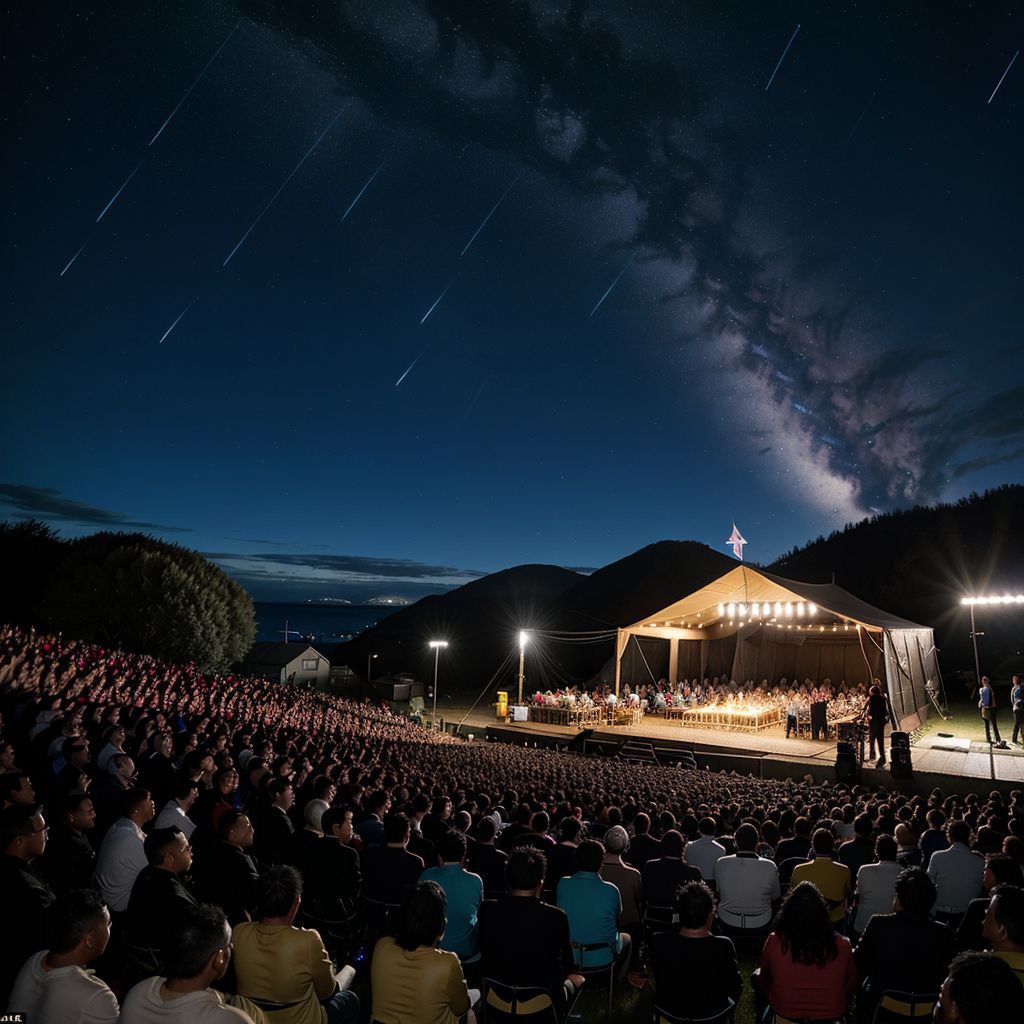
In the Southern Hemisphere, where the winter months are reversed, countries like Australia and New Zealand embrace the winter solstice with festivals that celebrate the coming of longer days. The Māori people, for example, celebrate Matariki, the rise of the Pleiades star cluster, which signals the Māori New Year. This festival is marked by feasts, performances, and reflection on the past year, with a focus on community and environmental harmony.

The common thread running through these diverse celebrations is the emphasis on togetherness, whether it’s through religious rituals, family gatherings, or cultural practices. The cold winter months, often seen as a time of darkness and retreat, are transformed into opportunities for connection, renewal, and gratitude. Each culture’s unique customs offer a window into how humanity has long used winter as a time to reflect on the past and look forward to new beginnings, no matter where in the world they may be.

Related Posts

Celebrating Genius: A Tribute to Isaac Newton on His Birthday

Dave

Isaac Newton, born on January 4, 1643, is widely regarded as one of the most influential figures in the history of science. His contributions to mathematics, physics, and astronomy laid the groundwork for much of modern science, making his birthday a moment to celebrate not just his life but the revolutionary changes he brought to the way we understand the universe. Newton’s most famous work, the Principia Mathematica, introduced the laws of motion and universal gravitation, concepts that remain the foundation of classical mechanics. His work on calculus, though disputed with Leibniz, also revolutionized mathematics, offering a tool that would become essential for scientific progress.

Newton’s insights went far beyond just theoretical work. His laws of motion and gravity explained how planets move in orbits and how objects on Earth behave under various forces. This was a monumental shift in thinking, replacing the centuries-old ideas of the ancient Greeks. Beyond physics, Newton’s work on optics, including his theory of light and color, paved the way for future discoveries in both physics and chemistry. His curiosity, drive, and ability to combine observation with mathematical rigor made him a pioneering figure whose influence can still be felt today.

On Newton’s birthday, we celebrate not only the scientific advancements he made but also the intellectual curiosity that defined his character. He spent much of his life questioning and observing the world around him, seeking to uncover truths that had long eluded humanity. His work set the stage for countless breakthroughs in the fields of engineering, technology, and space exploration. The legacy of Isaac Newton lives on in the very systems that allow us to explore the stars and understand the workings of the natural world. His contributions to science remind us of the power of inquiry and the endless potential for discovery that lies in the pursuit of knowledge.

Related Posts