Latest Articles

Stick It: The Fun and Fascination of National Sticker Day

Dave

Every year on January 13, we celebrate National Sticker Day—a quirky, fun occasion that highlights the colorful and creative world of stickers. From childhood collections to marketing campaigns and even modern digital emojis, stickers have cemented their place in our lives as symbols of expression, creativity, and nostalgia. Originating as simple labels for practical purposes, stickers have evolved into a cultural phenomenon, representing everything from personal identity to political movements. This day honors their journey from utility to art, reminding us of the joy and connection they bring to our everyday lives.

The history of stickers can be traced back to the 1800s, with merchants using adhesive labels to price goods. R. Stanton Avery revolutionized the industry in 1935 by inventing the first self-adhesive label, making stickers accessible and easy to use. Over time, stickers grew beyond their practical roots to become canvases for creativity. From scratch-and-sniff stickers in the 1980s to today’s holographic designs, stickers have become a beloved way to personalize everything from laptops to water bottles. Social movements and political campaigns have also used stickers as tools to spread awareness, showcasing their ability to make powerful statements in small, adhesive form.

In the digital age, stickers have transcended the physical world, becoming essential in our online interactions. Messaging apps like WhatsApp and Instagram feature digital stickers that let us express emotions and ideas in playful and visually engaging ways. Whether physical or virtual, stickers offer a unique blend of fun and function, allowing us to communicate, decorate, and connect with others. National Sticker Day is a celebration of this versatility, encouraging us to embrace the charm of these little adhesive wonders that stick with us in so many ways.

Related Posts

Public Domain Day: Unlocking Creativity for All

Dave

Every year on January 1, we celebrate Public Domain Day, a momentous occasion when a treasure trove of creative works enters the public domain, becoming freely available for everyone to enjoy, share, and build upon. These works—ranging from literature and art to music and film—are no longer restricted by copyright laws, allowing them to inspire new generations of creators and enthusiasts alike. Public Domain Day is not just about accessing cultural heritage; it’s a celebration of creativity and collaboration, where the past fuels the future.

For 2025, works published in 1929 join the public domain in countries with a 95-year copyright term. This includes books like Ernest Hemingway’s A Farewell to Arms, Virginia Woolf’s A Room of One’s Own, and classic films like Buster Keaton’s Spite Marriage. Musical compositions from that year, such as Cole Porter’s songs, also become available for adaptation and reinterpretation. Public Domain Day is a reminder of how creativity thrives when barriers to access are removed. It allows these timeless works to be reimagined in new formats—whether in modern performances, fresh adaptations, or digital remixes—breathing new life into cultural history.

The public domain is a vital resource for educators, artists, and innovators, providing an open platform for learning and expression. By making these works available to all, it ensures that knowledge and creativity are not limited to the privileged few but shared across society. Public Domain Day highlights the importance of preserving and expanding this cultural commons, fostering a spirit of inclusivity and innovation. As we celebrate the works that enter the public domain, we’re reminded of the enduring power of art and knowledge to connect and inspire us across generations.

Related Posts

Courage Amid Chaos: Humanitarian Work in War Zones

Dave

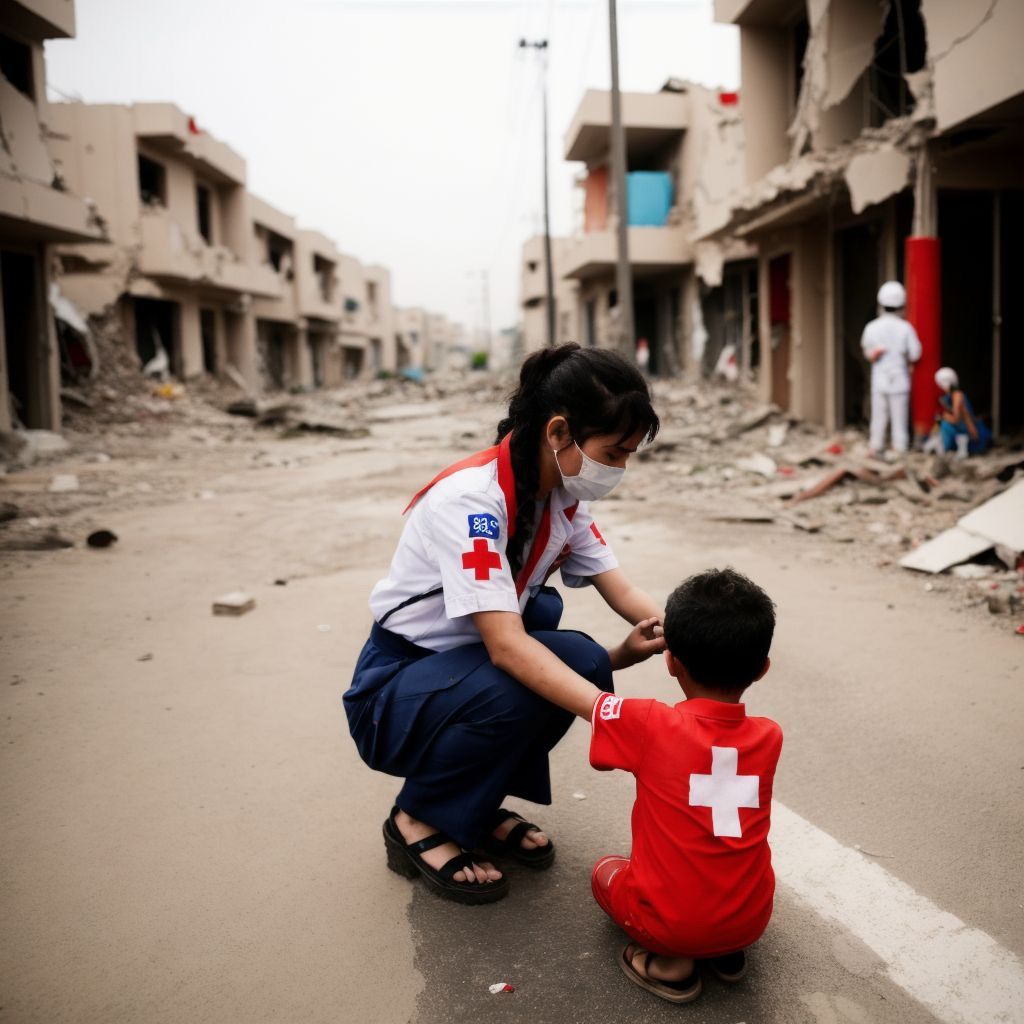
In the heart of conflict, where danger is an everyday reality, humanitarian workers stand as symbols of hope and resilience. These brave individuals and organizations operate under perilous conditions in war zones, bringing life-saving aid to those most in need. Whether delivering food, medicine, or shelter to displaced families or ensuring access to clean water, their efforts often come at great personal risk. War zones are fraught with challenges—bombings, armed conflict, and political instability make even basic logistics a monumental task. Yet, humanitarian workers persist, driven by a deep commitment to alleviating suffering and upholding human dignity.

Humanitarian organizations like the International Red Cross, Médecins Sans Frontières (Doctors Without Borders), and the United Nations agencies work tirelessly in these hostile environments. They navigate blockades, secure access through negotiations with warring parties, and often risk their lives to protect vulnerable populations. Their work goes beyond physical aid; it also includes providing psychological support to victims of war and advocating for peace and justice on the global stage. However, the dangers are undeniable—many humanitarian workers have been injured or killed while fulfilling their missions. Yet, they continue, undeterred, because they understand the life-changing impact of their work.

The challenges of operating in war zones also highlight the need for global support and solidarity. Governments, international organizations, and individuals play a vital role in funding and supporting humanitarian efforts. These missions underscore the importance of unity, empathy, and humanity during times of unimaginable hardship. The perseverance of humanitarian workers reminds the world that even in the darkest times, compassion can shine through, offering a lifeline to those caught in the horrors of war.

Related Posts

The Birth of the Panama Canal: A Monument to Human Ingenuity and Global Connectivity

Elias Rowen

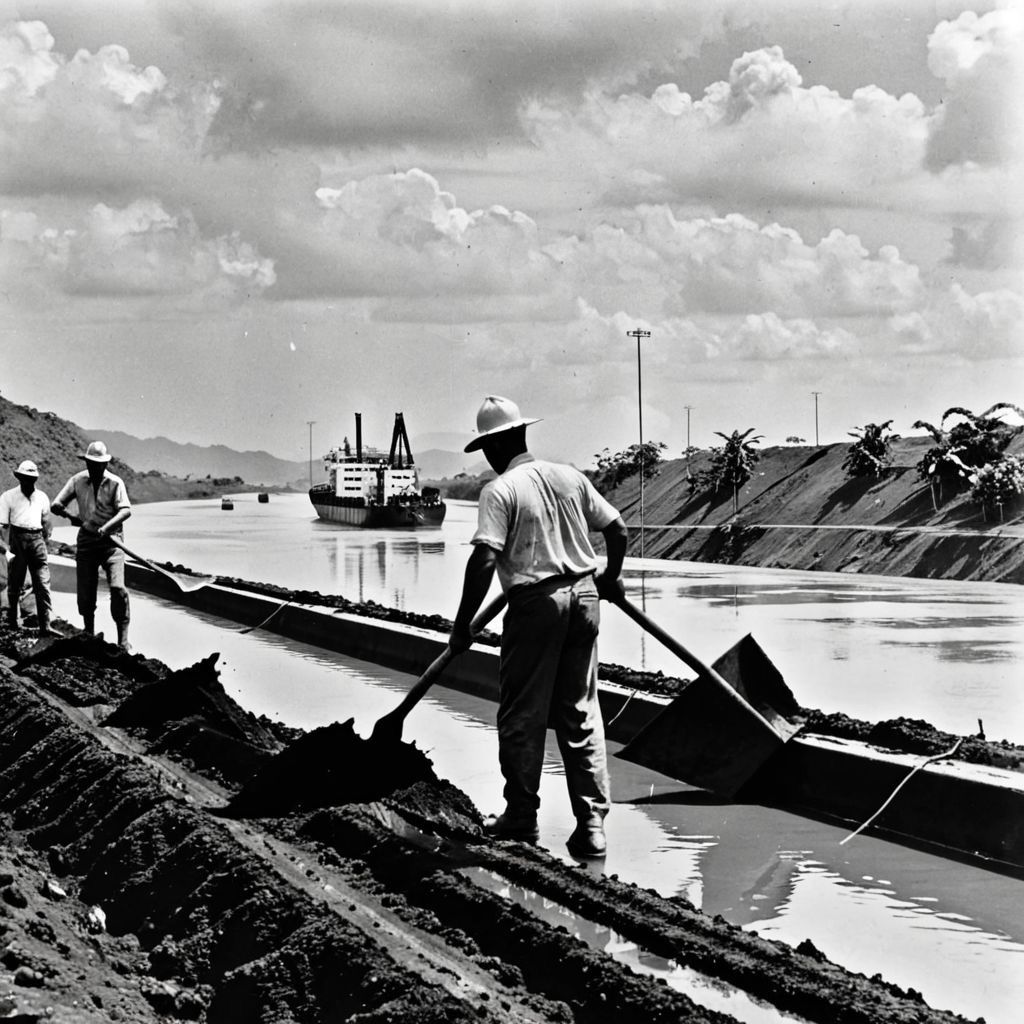
The construction of the Panama Canal stands as one of the greatest engineering feats in human history, forever altering the way goods, people, and ideas move across the globe. Spanning the narrow isthmus of Panama, the canal connects the Atlantic and Pacific Oceans, reducing travel time for ships by thousands of miles. Before its completion in 1914, ships were forced to take the long and perilous journey around the southern tip of South America, the treacherous Cape Horn. The vision for a shortcut through the continent was dreamt up by several generations, but it wasn’t until the late 19th century that the project gained serious momentum under French engineer Ferdinand de Lesseps. His initial attempt to build the canal, however, was marred by technical failures and a devastating loss of life due to tropical diseases such as malaria and yellow fever.

In 1904, the United States took over the project, under the leadership of President Theodore Roosevelt, recognizing the canal’s immense strategic and economic importance. The American effort, led by John Stevens and later George Washington Goethals, overcame countless challenges, from the engineering complexity of digging through mountains to the management of widespread health crises. The U.S. invested heavily in controlling the spread of disease by implementing revolutionary public health measures, including the work of Dr. William Gorgas, whose efforts in eradicating mosquitoes helped make the canal project feasible. By 1914, the Panama Canal was completed, a monumental achievement that reshaped international trade routes and global politics.

The canal’s impact was immediate and profound. It not only facilitated a boom in international commerce, particularly for shipping industries, but also enhanced the U.S. military’s ability to project power across both oceans. Economically, it opened up new markets and drastically reduced the cost of transporting goods, particularly between the East and West coasts of the United States. The canal also had geopolitical ramifications, cementing the U.S. as a dominant force in the Western Hemisphere. In 1999, control of the canal was handed over to Panama, marking a new chapter in the region’s history, yet the canal’s influence on global trade and political relations remains as potent as ever.

Today, the Panama Canal is not just an engineering wonder; it is a symbol of human determination, innovation, and collaboration. It reminds us of the ability to overcome adversity and the far-reaching consequences of ambitious projects that challenge the status quo. As global trade continues to grow, the canal stands as a testament to how one man’s vision can ripple across the world and change the course of history forever.

Related Posts

The Great Blizzard of 1888: A historic snowstorm that affected the northeastern United States

Elias Rowen

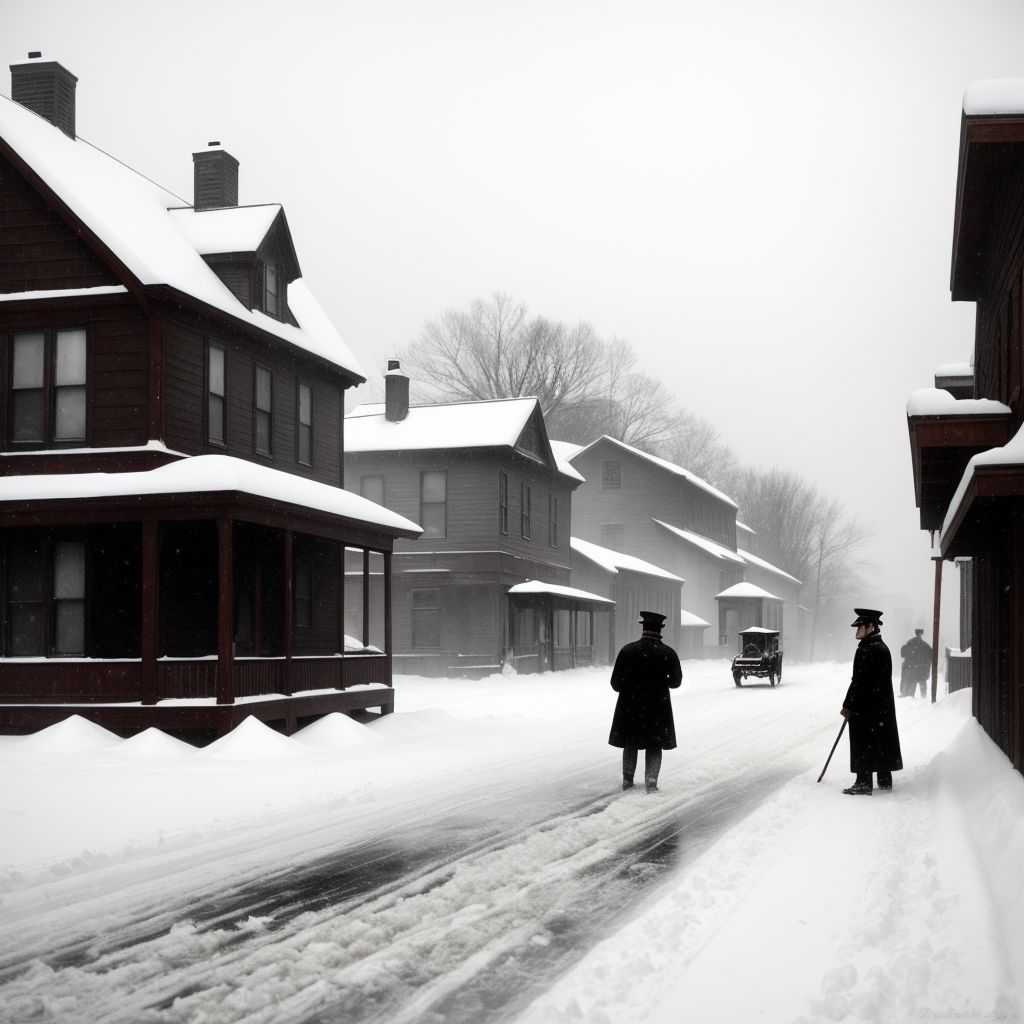
The Great Blizzard of 1888, which struck the northeastern United States in March of that year, remains one of the most powerful and devastating snowstorms in American history. Lasting from March 11 to March 14, the blizzard unleashed massive snowfall, reaching up to 50 inches in some areas, and was accompanied by fierce winds that created snowdrifts as high as 30 feet. It affected an area stretching from the Great Lakes to the East Coast, including major cities like New York, Boston, and Philadelphia. The storm paralyzed transportation systems, disrupted telecommunication lines, and caused widespread power outages. Thousands of people were trapped in their homes, and the loss of life from the storm and its aftermath was tragic, with at least 400 fatalities recorded.

The impact of the Great Blizzard was felt immediately, but its long-term effects were equally significant. The storm exposed the vulnerabilities of urban infrastructure and led to major improvements in snow removal and emergency response systems in cities across the Northeast. The severity of the blizzard also prompted advancements in weather forecasting and the establishment of better communication networks, including the expansion of telegraph lines. In the years following the storm, the event became a powerful symbol of nature’s might and the need for better preparedness in the face of extreme weather.

The Great Blizzard of 1888 serves as a reminder of the unpredictability of nature and the resilience of communities in the face of disaster. It also marks a pivotal moment in the history of meteorology and urban development in the United States, showcasing how even the most powerful storms can lead to progress and innovation. Today, the legacy of the blizzard is remembered not just for its devastation but for the lessons it taught about adapting to the forces of nature and the importance of preparedness.

Related Posts