Latest Articles

Truth on the Line: Battling Misinformation to Protect Our Elections

Dave

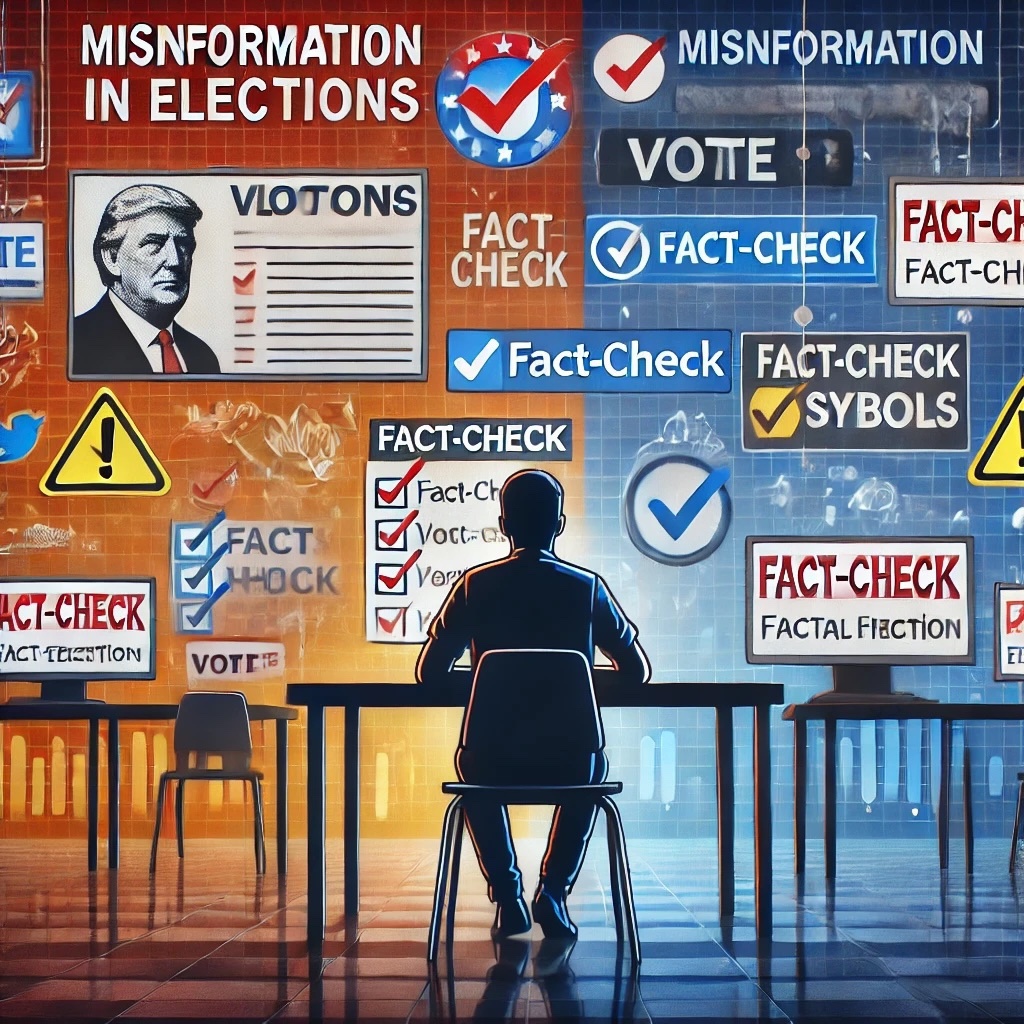
Elections are the cornerstone of democracy, a time when citizens decide the direction of their communities and countries. But in recent years, the rise of misinformation has put this vital process at risk, creating confusion, sowing doubt, and even changing how people vote. From wild conspiracy theories to fabricated news stories, misinformation has evolved into a serious threat to electoral integrity, and understanding how to combat it is more urgent than ever.

Misinformation spreads fast, often faster than the truth. In our age of instant communication, a simple tweet or post with misleading content can go viral in minutes, reaching thousands or even millions before the facts catch up. Social media platforms like Facebook, Twitter, and YouTube have become central to this issue, acting as both catalysts and battlegrounds for misinformation during election seasons.

Conspiracy theories, for instance, are designed to stir suspicion and often thrive in echo chambers where people seek information that confirms their beliefs. This type of misinformation plays directly on human psychology: we are more likely to share things that evoke strong emotions, like anger or fear, than dry facts. This dynamic has opened the door to bad actors who deliberately create false content to manipulate voters or disrupt the democratic process.

Misinformation doesn’t just exist in the digital sphere; it has real-life consequences. When voters are misled, their decisions at the polls are impacted, sometimes irreversibly. False information about voting locations or eligibility requirements can discourage people from voting or prevent them from casting a ballot altogether. Additionally, when people lose trust in the fairness of elections due to misinformation, it can undermine confidence in the entire democratic process.

In some cases, misinformation has even led to real-world confrontations, where people act on false beliefs. From protesting election results based on baseless claims to mistrusting election officials, the spread of misinformation is having a profound and potentially long-lasting effect on the way we experience and value democracy.

The fight against misinformation requires a multi-layered approach. Fact-checking initiatives have grown tremendously, with news organizations and independent groups verifying claims and sharing corrected information. But fact-checking alone is often not enough, as corrections rarely spread as quickly as the original misinformation.

Tech companies have stepped up with new tools to flag false content, though finding a balance between open expression and responsible moderation is challenging. For instance, some platforms now add warning labels to potentially misleading content, reducing its spread. However, the rapid pace of technology means that misinformation tactics are always evolving, pushing tech firms to remain vigilant and adaptive.

Educating the public is another vital solution. When people are equipped with critical thinking skills and know how to spot unreliable sources, they’re less likely to fall for misleading content. Schools, governments, and media organizations can work together to promote media literacy, helping citizens navigate information more wisely and make informed voting decisions.

Maintaining electoral integrity in an era of misinformation is a daunting task, but it’s one that must be pursued to protect the foundations of democracy. Each election cycle offers a chance to refine our approaches, whether through improved technology, broader education, or stronger collaboration across sectors. As misinformation continues to evolve, so too must our strategies for combating it, ensuring that when we vote, we are guided by facts, not fabrications.

The stakes are high, but the effort is worth it. When voters can trust that they’re participating in a fair and informed election, democracy becomes stronger, and society benefits as a whole. By working together to push back against misinformation, we can ensure that truth remains at the heart of our democratic process.
Related Posts

Honoring Our Heroes: The Legacy and Meaning of Veterans Day

Dave

Every November 11th, Americans come together to honor and celebrate the bravery and sacrifices of those who served in the United States Armed Forces. Veterans Day isn’t just a holiday; it’s a heartfelt tribute to millions of Americans who answered the call to serve their country. Originally celebrated as Armistice Day to mark the end of World War I, the day has evolved into a recognition of all veterans, past and present, who have contributed to the nation’s peace and freedom. Let’s take a look at the rich history, traditions, and the deeper meaning of Veterans Day and explore the ways we can all show our appreciation.

Veterans Day was originally known as Armistice Day, marking the anniversary of the end of World War I on November 11, 1918. In 1919, President Woodrow Wilson commemorated the day as a national holiday to honor those who had fought in what was, at the time, known as “the war to end all wars.” However, after the end of World War II and the Korean War, Americans felt the need for a holiday that would honor all U.S. veterans, not only those who had fought in WWI. In 1954, President Dwight D. Eisenhower signed legislation officially renaming the holiday to Veterans Day.

The spirit of Armistice Day—honoring peace and those who sacrificed for it—remains a central part of Veterans Day, but the holiday now recognizes the broader legacy of all service members. Each branch of the military—Army, Navy, Air Force, Marine Corps, Space Force, and Coast Guard—is honored, and Americans come together to pay tribute to those who dedicated themselves to protect their country and uphold democratic values.

Veterans Day is observed with a variety of ceremonies, parades, and gatherings that bring communities together. One of the most iconic traditions is the wreath-laying ceremony at the Tomb of the Unknown Soldier in Arlington National Cemetery. This solemn event honors the unidentified service members who died in defense of the country, serving as a powerful symbol of respect for the unknown but never forgotten.

Across the nation, parades fill the streets, schools hold assemblies, and veterans are often given the chance to share their stories. Many communities organize events where veterans and civilians can come together, allowing younger generations to hear firsthand about the experiences and sacrifices of those who served. Schools may also invite veterans to speak, helping children understand the value of service and the importance of honoring those who contribute to the nation’s security and values.

While honoring veterans on November 11th is meaningful, many people want to find ways to support veterans year-round. Veterans often face unique challenges as they transition to civilian life, including finding employment, accessing healthcare, and coping with mental health concerns. Volunteering at organizations that provide job placement assistance, therapy, housing, and social support can be a powerful way to give back to those who have given so much.

Many also choose to support businesses owned by veterans or to donate to charities like the Wounded Warrior Project, Veterans of Foreign Wars (VFW), and Fisher House Foundation. These organizations provide critical support, from medical assistance to scholarships and career resources. Every gesture, whether large or small, is a way of saying “thank you” to those who sacrificed so much for the nation’s freedom.

Veterans Day is more than a day on the calendar; it’s a reminder of the courage, dedication, and resilience that shape the nation’s character. As Americans, taking time to reflect on and appreciate the sacrifices made by veterans is an opportunity to recognize the liberties we sometimes take for granted. Their bravery, endurance, and willingness to serve inspire us to do our part in creating a society that values freedom, justice, and unity.

This Veterans Day, let’s honor not only the service members of the past but also those who continue to serve today. Let us remember that their sacrifices are not merely history—they are the foundation of our present and future freedoms. With every gesture of gratitude, we can show veterans and their families that we will always honor their service and cherish their commitment to the ideals of our nation.

Related Posts

Tweets, Trends, and Tactics: How Social Media Shapes Today’s Campaigns

Dave

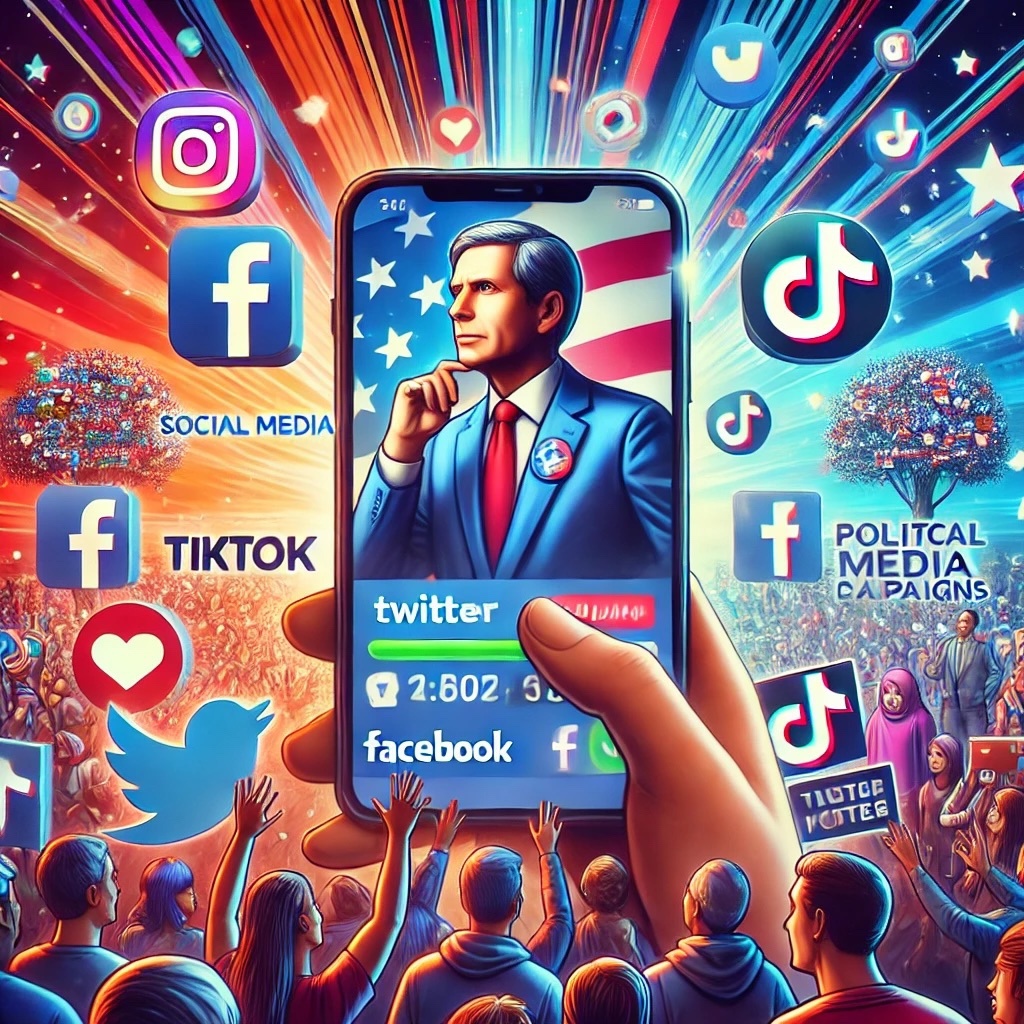
Gone are the days when political campaigns relied solely on TV ads and public speeches. Today, social media platforms like Twitter, Facebook, and TikTok are where much of the political action happens. Campaigns have turned to these platforms not just as tools for connecting with voters but as powerful forces capable of swaying public opinion, driving engagement, and even changing the course of elections. But how exactly do these platforms shape the electoral landscape? Let’s take a closer look at the dynamic role of social media in modern political campaigns.

Social media allows politicians to connect with voters instantly, bypassing traditional media filters. Whether it’s a tweet from a candidate or a Facebook post from a campaign manager, information reaches voters in real time, giving candidates unprecedented control over their messaging. This immediate access means campaigns can quickly respond to events, issue clarifications, or reinforce their positions. However, the 24/7 nature of social media also makes campaigns vulnerable to missteps, where a single tweet or post can spark controversy.

One of the biggest advantages of social media is its ability to target specific audiences through ads. Platforms like Facebook and Instagram collect extensive data on users, allowing campaigns to segment voters based on demographics, interests, and even previous voting behavior. This data-driven approach lets campaigns tailor messages to resonate with specific groups, whether young voters on TikTok or suburban parents on Facebook. While effective, this level of targeting has raised questions about privacy and transparency, as well as concerns about echo chambers where voters see only content that aligns with their views.

TikTok dances, memes, and viral challenges might seem trivial, but they have become powerful tools for campaigns to engage young voters. Social media trends can rapidly amplify campaign messages, making politics more accessible and relatable to audiences who may not engage with traditional news. Memes, in particular, allow campaigns to express complex issues in simple, often humorous ways that are easy to share. However, these trends can be unpredictable, and what works for one candidate may backfire on another, as younger audiences are often quick to detect and reject inauthenticity.

Social media has also become a home for grassroots movements, where everyday people can organize, advocate, and fundraise for causes they care about. Platforms like Twitter and Instagram have helped drive movements around social justice, climate action, and healthcare reform. These movements can boost campaign visibility and even pressure candidates to address specific issues. For example, hashtags like #BlackLivesMatter and #MeToo started as grassroots campaigns on social media but grew into national conversations that have influenced political agendas and candidate platforms.

While social media offers new ways to reach voters, it also poses challenges, especially around misinformation. Fake news stories, manipulated images, and deepfake videos can quickly spread, influencing voter perceptions before fact-checkers can intervene. Campaigns must not only navigate these risks but also work to build trust and counter misinformation. In response, platforms have introduced fact-checking features, but the sheer volume of content makes it difficult to monitor everything effectively.

As social media continues to evolve, so will its role in elections. The platforms we rely on today may look completely different in the next election cycle, but one thing is clear: digital engagement is here to stay. Candidates who understand and harness the power of social media will continue to have an edge, as they can reach voters where they already are—scrolling, posting, and sharing online.

In the world of modern campaigns, social media is not just a tool; it’s a battleground, a megaphone, and a digital handshake. For better or worse, it has forever changed the way we experience politics.

Related Posts

Electoral Systems Around the Globe: How Different Methods Shape Democracies

Dave

The way votes are counted can drastically change the outcome of an election, but how much do we really understand about these methods? Around the world, countries use various electoral systems to select leaders, each with its own set of strengths and weaknesses. Let’s dive into three major systems—proportional representation, first-past-the-post, and ranked-choice voting—and explore how they influence political landscapes, voter satisfaction, and even social cohesion.

In a proportional representation (PR) system, the number of seats a party wins is directly proportional to the number of votes it receives. This system is popular in many European countries, such as Germany and Sweden. PR is known for producing diverse, multi-party legislatures because it encourages smaller parties to compete. Voters here feel their voices are more accurately represented since even a minority of votes can lead to a party gaining seats. However, PR systems sometimes lead to coalition governments, which can make decision-making a more collaborative but potentially slower process.

The first-past-the-post (FPTP) system, used in countries like the United States, United Kingdom, and India, is known for its simplicity. In each electoral district, the candidate who receives the most votes wins, regardless of whether they achieve an absolute majority. While this method is straightforward and often leads to stable, majority governments, it tends to favor larger parties, making it difficult for smaller parties to gain traction. Critics argue that FPTP can lead to “wasted” votes, where many people feel their voices aren’t heard if they vote for a losing candidate.

Ranked-choice voting (RCV) allows voters to rank candidates in order of preference. If no candidate receives an outright majority, the candidate with the fewest votes is eliminated, and their votes are redistributed according to voters’ next preferences. This process repeats until a candidate reaches a majority. RCV, used in places like Australia and certain U.S. cities, promotes greater voter satisfaction by ensuring that winners have broader support. It also encourages candidates to appeal to a wider audience, potentially reducing divisive campaigning. However, RCV is complex to administer, which can sometimes confuse voters.

These different systems are more than just methods of counting votes; they shape the entire political culture of a country. Proportional representation tends to foster multi-party systems and encourage compromise, while first-past-the-post often creates a two-party landscape with clearer, though sometimes polarized, policy positions. Ranked-choice voting offers a middle ground by allowing voters to express more nuanced preferences, which can reduce polarization and lead to candidates with broader appeal.

Ultimately, the choice of electoral system reflects the values and priorities of each society. As more people become aware of these differences, discussions about reform and the adaptability of these systems to their own communities grow. Each method carries the potential to reflect democracy in unique ways.

Related Posts

The People’s Voice: How Voting Rights Have Evolved to Reflect a True Democracy

Dave

From exclusion to empowerment, the story of voting rights in the United States is one of resilience, courage, and a continuous push toward fairness. At the heart of this journey is a fundamental principle: everyone deserves a voice in the decisions that shape their lives. But the road to universal suffrage has been long and winding, marked by key milestones and fierce battles for equality. Let’s take a look at how voting rights have evolved over the years, focusing on landmark moments like the 19th Amendment, the Voting Rights Act, and recent efforts to ensure all voices are heard.

When the United States was founded, voting was far from universal. In the late 18th century, the right to vote was largely restricted to white, land-owning men. This limited concept of who “deserved” to vote left out entire populations—women, people of color, and individuals who didn’t meet property qualifications. As the nation grew, so did the belief that more citizens should have a say in governance. However, it would take well over a century for substantial changes to emerge.

The fight for women’s suffrage was a turning point in American history, marked by the passionate activism of women like Susan B. Anthony, Elizabeth Cady Stanton, and countless others. For decades, women organized, marched, and protested for the right to vote. Their efforts culminated in the ratification of the 19th Amendment in 1920, a landmark achievement that granted women the right to vote. This amendment was monumental, not just because it expanded the electorate but because it empowered half of the population to have a say in laws that affected them.

While the 19th Amendment was a significant step, racial discrimination continued to disenfranchise Black voters and other minority groups, especially in the South. Practices like literacy tests, poll taxes, and outright intimidation were used to prevent people of color from voting. The Civil Rights Movement, led by figures like Dr. Martin Luther King Jr., highlighted these injustices, bringing national attention to the need for change. The result was the Voting Rights Act of 1965, a sweeping piece of legislation that aimed to eliminate racial discrimination in voting. By banning literacy tests and authorizing federal oversight in areas with a history of discrimination, the act opened the door for millions of Americans to exercise their rights freely.

Today, voting rights remain a dynamic issue, as activists work to expand access in the face of new challenges. Recent years have seen an increase in state-level voter ID laws and restrictions on mail-in voting, which some argue create barriers to voting. However, technology and advocacy groups have stepped up to bridge these gaps. Initiatives like early voting, same-day registration, and online voter registration aim to make voting easier and more inclusive, especially for young people, low-income individuals, and communities of color.

The fight for voting rights is ongoing. Every generation faces new challenges to ensuring that democracy truly reflects the will of the people. Through continued efforts to secure fair and equal access, America can move closer to fulfilling its promise of a government by and for all.

This journey reminds us that voting is not just a right; it’s a symbol of equality, power, and freedom.

Related Posts