Latest Articles

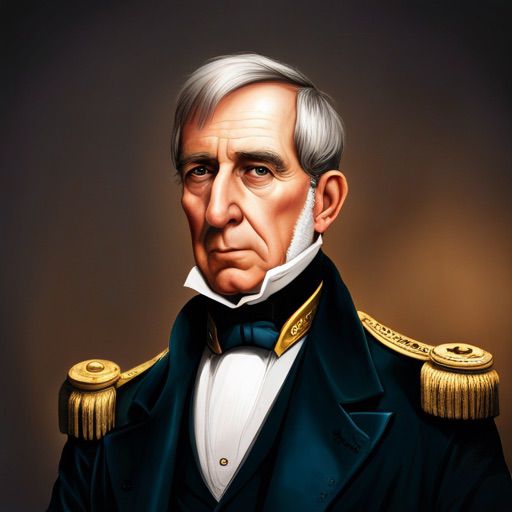
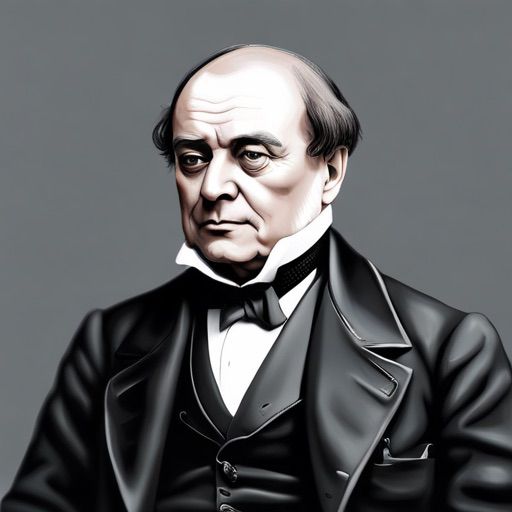
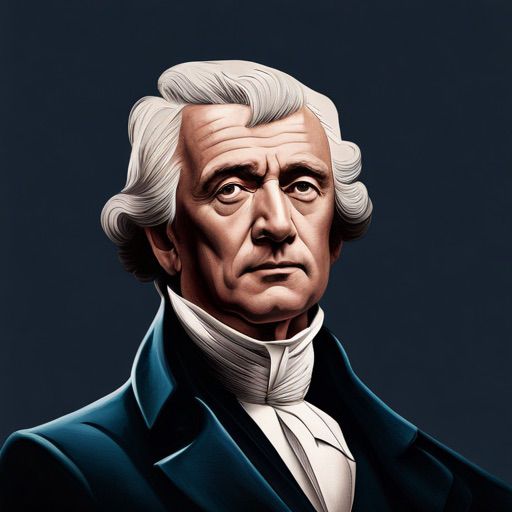
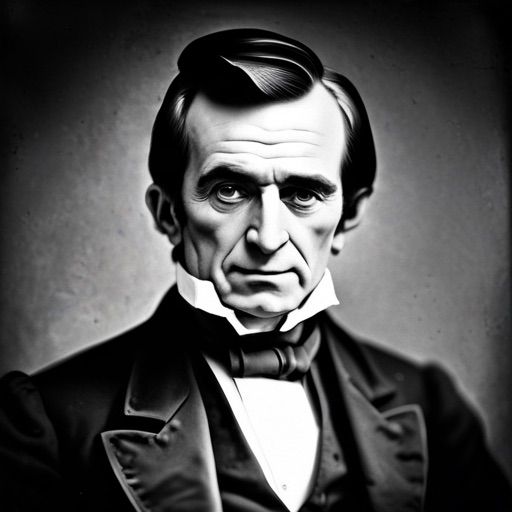
James K. Polk, the 11th President of the United States

Dave
a man wearing a suit and tie

James K. Polk

James K. Polk, the 11th President of the United States, was a man of many accomplishments and controversies. Born on November 2, 1795, in Mecklenburg County, North Carolina, Polk’s family relocated to Tennessee when he was young. He grew up to become a lawyer and later a politician, serving for 14 years in the United States House of Representatives, where he was a strong supporter of Andrew Jackson’s policies, especially with regard to Indian removal.

During his presidency from 1845 to 1849, Polk achieved significant domestic and international accomplishments. He lowered tariffs, established an independent treasury system, and oversaw the construction of the Smithsonian Institution. He was also an advocate for the annexation of Texas, which happened during his presidency. However, the most notable event of his presidency was initiating the Mexican-American War, which led to the acquisition of California and other western territories. Despite the controversies surrounding the war, Polk is still widely regarded as one of the most effective presidents in American history.

However, Polk’s presidency also had lasting effects on American politics and society. His policies on westward expansion and the treatment of Native Americans played a significant role in shaping the country’s future. The war with Mexico also raised concerns about the morality of the conflict and the motives behind it.

In conclusion, James K. Polk was a complex figure in American history, with both notable achievements and controversies. His contributions to the country’s development and his impact on American politics and society continue to be studied and debated by scholars and historians today.

Related Posts

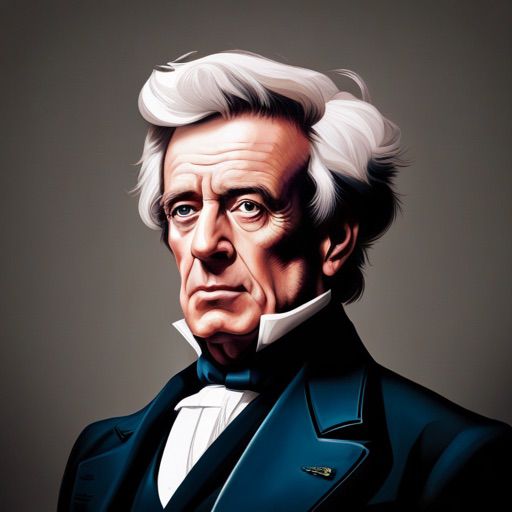
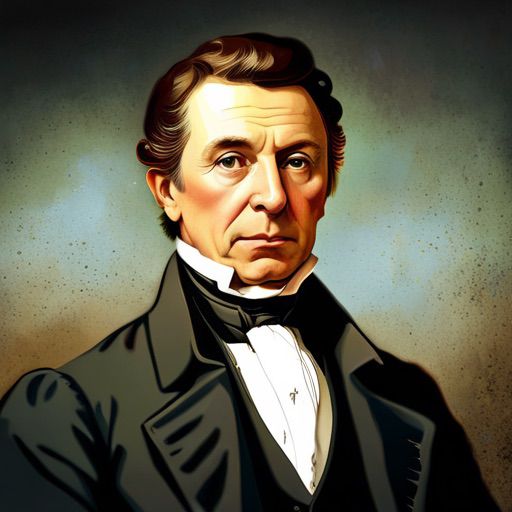
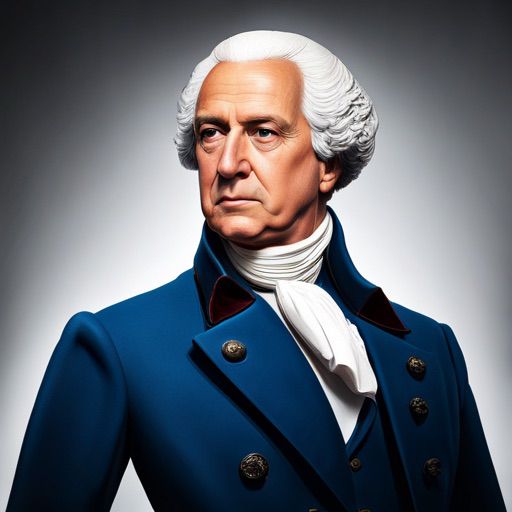
John Tyler was the Tenth President of the United States and a Man of Many Firsts

Dave
a man wearing a suit and tie

John Tyler

John Tyler, the tenth President of the United States, was a man of many firsts. He was the first Vice President to ascend to the presidency after the sudden death of his predecessor, William Henry Harrison. Tyler’s ascent to power was marked by controversy and conflict, as he faced opposition from different factions of his own party while trying to navigate the complex issues of the time.

Tyler was a strong believer in states’ rights and limited government, which often put him at odds with members of his own party and with Congress. Despite these challenges, Tyler was able to achieve some notable accomplishments during his time in office. He signed the Webster-Ashburton Treaty with Great Britain, which helped to resolve boundary disputes between the two nations. Additionally, he established a permanent U.S. naval presence in the Pacific, which helped to assert American influence in the region.

However, Tyler’s presidency was not without its challenges. He faced impeachment proceedings, although they were ultimately dropped. Tyler also had to navigate the annexation of Texas and the question of slavery in the newly acquired territories. These issues proved to be divisive and controversial, and Tyler struggled to balance the interests of different factions within his own party.

Despite these challenges, Tyler remained committed to his principles and beliefs, even in the face of opposition and adversity. After leaving office, he remained active in politics and was a vocal advocate for secession leading up to the Civil War.

Related Posts

William Henry Harrison was an American Statesman and Military Officer who Served as the Ninth President of the United States

Dave
a man wearing a suit and tie

William Henry Harrison

William Henry Harrison was not only a military officer but also a remarkable American statesman who served as the ninth President of the United States in 1841. Born and raised in Virginia in 1773, Harrison was a scholar at Hampden-Sydney College before joining the army. He rapidly climbed through the ranks and earned the nickname “Old Tippecanoe” for his triumph at the Battle of Tippecanoe in 1811 against Native American tribes in the Northwest Territory. He was also the governor of the Indiana Territory from 1801 to 1812, and during his tenure, he helped to negotiate several treaties with Native American tribes, a significant feat for the time.

In 1812, Harrison resigned from his governorship and went back to the army to fight in the War of 1812. He was instrumental in leading American forces to triumph at the Battle of the Thames in 1813, which effectively ended the British threat in the Northwest Territory. After the war, Harrison continued to be a public servant in various government positions, including as a representative and senator from Ohio.

In 1840, he ran for president as the Whig Party candidate and won a landslide victory over the incumbent, Martin Van Buren, thanks to his popularity as a military hero and statesman. However, Harrison’s presidency was short-lived. He delivered a lengthy inaugural address on a cold and rainy day in March 1841, and as a result, he caught a cold that soon turned into pneumonia. Sadly, he passed away just 31 days after taking office, making him the shortest-serving president in American history.

Despite his brief tenure, Harrison’s legacy as a military hero and statesman has endured, and it’s worth noting that his grandson, Benjamin Harrison, later became the 23rd President of the United States.

Related Posts

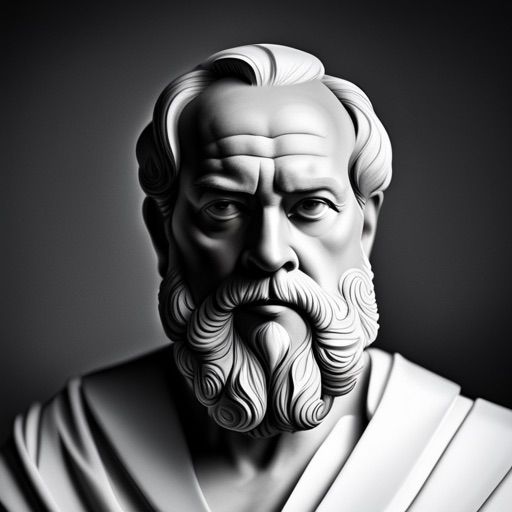
Unraveling the Timeless Wisdom of Socrates

Dave


Socrates was a Greek philosopher who lived in Athens during the 5th century BCE. He is widely regarded as one of the most prominent figures in Western philosophy, and his ideas have had a profound impact on the development of the field. Socrates is perhaps most famous for his belief in the importance of questioning and inquiry, which he demonstrated through his use of the Socratic method. This method involved asking a series of questions to arrive at a deeper understanding of a particular topic or idea. Socrates believed that questioning and critical thinking were essential to gaining knowledge and understanding the world around us.

Another notable idea from Socrates was his belief in the importance of living a virtuous life. He argued that the pursuit of wealth, power, and pleasure was ultimately unfulfilling, and that true happiness could only be achieved through living a life of moral excellence. Socrates believed that everyone had the potential to be virtuous, and that by examining one’s own beliefs and behaviors, one could strive to become a better person.

In addition to his ideas about questioning, inquiry, and virtue, Socrates also had strong opinions about the nature of knowledge and wisdom. He famously claimed that he was wiser than anyone else because he was aware of his own ignorance. Socrates believed that true wisdom came from acknowledging one’s own limitations and being open to learning from others.

Finally, Socrates was known for his belief in the immortality of the soul. He argued that the body was mortal and subject to decay, but that the soul was eternal and would continue to exist after death. Socrates believed that the pursuit of knowledge and virtue was not only important for living a fulfilling life, but also for preparing oneself for the afterlife.

Overall, Socrates’ ideas have had a lasting impact on philosophy and continue to be studied and debated today. His emphasis on questioning, inquiry, virtue, wisdom, and the immortality of the soul remain relevant and influential in the modern world.

Related Posts

China’s Interest in Taiwan’s Technology is a Significant Threat

Dave


For decades, the relationship between China and Taiwan has been a constant source of tension and complexity. While political motives have been at the forefront of this relationship, recent speculation highlights a new concern for Taiwan. It appears that China’s interest in Taiwan has moved beyond mere politics and has extended to its advanced technology industry.

The stakes are high, as Taiwan is home to some of the world’s most significant tech companies, including TSMC, a major producer of semiconductors used in smartphones and other electronics. In contrast, China has struggled to develop its own advanced technology industry, relying on technology transfers and intellectual property theft to catch up.

China’s interest in Taiwan’s technology is not novel. In the past, China lured Taiwanese companies to relocate to the mainland by offering subsidies and incentives, but it was not successful. The reason is simple – Taiwan has robust intellectual property protections and a skilled workforce. However, China’s new approach of taking over Taiwan’s tech industry is more aggressive, yet it could be more effective.

China’s interest in Taiwan’s technology goes beyond catching up with the rest of the world. It’s about gaining strategic dominance. China views technology as a critical component of its plan to become a dominant global power. By taking over Taiwan’s tech industry, China would have significant leverage over the global technology supply chain, providing it with an edge in geopolitical conflicts and trade negotiations.

But taking over Taiwan’s technology industry is easier said than done. Taiwan takes pride in its democracy and nationalism, and its people are unlikely to accept an authoritarian regime from mainland China. Furthermore, the United States has a substantial interest in preserving Taiwan’s independence and has vowed to defend Taiwan against any aggression from China.

In conclusion, China’s interest in taking over Taiwan’s technology industry is a significant threat to Taiwan and the rest of the world. It remains unclear if China will take more aggressive measures to achieve this goal, but it’s crucial for Taiwan to safeguard its intellectual property, and for the international community to support Taiwan’s independence.

Related Posts

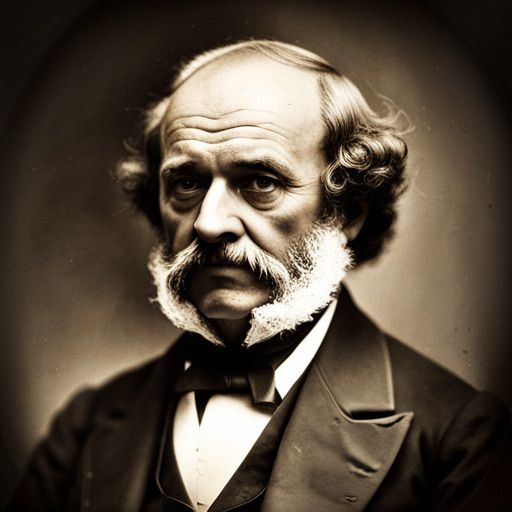
Martin Van Buren was the Eighth President of the United States

Dave
a man wearing a suit and tie

Martin Van Buren

Martin Van Buren, the eighth president of the United States, was a remarkable figure in American politics. Born in Kinderhook, New York in 1782, Van Buren hailed from a family of Dutch descent. He was a brilliant lawyer and an accomplished politician, who rose to fame in the Democratic-Republican Party during the early 19th century.

Van Buren played a pivotal role in establishing the modern political party system in America. He was instrumental in founding the Democratic Party and served as its first leader. His presidency, which lasted from 1837 to 1841, was marked by significant events, including the Panic of 1837, a severe economic depression that lasted for years. He also faced challenges concerning the annexation of Texas, which stirred controversy at the time. However, Van Buren’s diplomatic skills and political acumen helped him navigate these complex situations.

Van Buren believed that political parties were essential for democracy to function properly. He championed the idea that they provided citizens with a way to organize and express their views, ensuring that elected officials were accountable to the people they served. His advocacy for the two-party system remains one of his most enduring legacies.

Despite his many accomplishments, Van Buren faced criticism during his presidency. He was accused of mishandling the economy during the Panic of 1837 and of failing to address the issue of slavery. Nonetheless, he remained active in politics after his presidency, serving as a crucial figure within the Democratic Party. He supported his successor, James K. Polk, and worked tirelessly to promote the party’s interests throughout the country.

Van Buren passed away in 1862 at the age of 79. He will always be remembered as a skilled politician, a brilliant thinker, and a key figure in the development of American democracy.

Related Posts

Andrew Jackson was the Seventh President of the United States

Dave
a man wearing a suit and tie

Andrew Jackson

Andrew Jackson, the seventh president of the United States, was a man of many faces. He was a military hero, a controversial figure, and a passionate advocate for the common man. Jackson’s presidency was marked by his bold and often divisive policies, which left a lasting impact on American history.

Before he ascended to the presidency, Jackson was a celebrated general who had earned his stripes on the battlefield. He had led American troops to victory during the War of 1812 and had defeated Native American tribes in a series of hard-fought battles. His military prowess made him a hero to many Americans.

However, Jackson’s legacy is also marked by controversy. His Indian Removal Act of 1830 was a dark stain on his presidency, as it forced thousands of Native Americans from their ancestral lands and led to the infamous Trail of Tears. The suffering and death that resulted from this policy are a sobering reminder of the price of power.

Despite this, Jackson is still remembered as a strong and charismatic leader who fought for the interests of ordinary Americans. He was a champion of states’ rights and a fierce opponent of the national bank. His populist policies resonated with many Americans, and his presidency marked the beginning of a new era in American politics.

Today, Andrew Jackson’s legacy is still felt in many ways. His presidency set the stage for the rise of the Democratic Party and the decline of the Whigs. His policies on Native American removal and states’ rights continue to be debated and scrutinized. Andrew Jackson was a complex and multifaceted figure, whose impact on American history cannot be denied.

Related Posts

John Quincy Adams was the Sixth President of the United States

Dave
a man wearing a suit and tie

John Quincy Adams

John Quincy Adams, the sixth president of the United States, was a man of many achievements and principles, whose legacy continues to inspire us today. Born in 1767 to John Adams, the second president of the United States, and Abigail Adams, John Quincy Adams had a distinguished career in public service, which included serving as a diplomat, senator, secretary of state, and president.

Adams was a strong advocate for the abolition of slavery and believed in the principles of free speech and the right to petition the government. He was a skilled diplomat, who played a key role in negotiating the Treaty of Ghent, which ended the War of 1812, and the Adams-Onis Treaty, which established the border between the United States and Spain. As the secretary of state, Adams was instrumental in developing the Monroe Doctrine, which declared that the United States would not tolerate any further European colonization in the Western Hemisphere.

Despite his many accomplishments, Adams faced significant challenges during his presidency. He was often at odds with Congress, and his efforts to modernize the government and promote economic growth were met with resistance. But Adams remained committed to his principles and continued to fight for the causes he believed in.

After leaving the presidency, Adams was elected to the House of Representatives, where he served from 1831 until his death in 1848. He was a powerful voice for abolition and civil rights, and he fought against the spread of slavery in the United States. In 1841, Adams successfully defended a group of African slaves who had staged a mutiny on the Amistad, arguing before the Supreme Court that they were free men who had been kidnapped and sold into slavery.

John Quincy Adams was a brilliant and dedicated public servant who spent his life fighting for the principles of freedom, justice, and equality. His legacy inspires us to stand up for what we believe in and work tirelessly to make the world a better place.

Related Posts

James Monroe was the fifth president of the United States

Dave
a person wearing a suit and tie

James Monroe

James Monroe, the fifth president of the United States, was a true American hero. Born in Virginia in 1758, he fought alongside the legendary George Washington in the Revolutionary War. But his accomplishments didn’t stop there. Monroe served as a diplomat in France, Spain, and Great Britain, honing his diplomatic skills and gaining invaluable experience in international affairs.

Monroe’s foreign policy, famously known as the Monroe Doctrine, was a game-changer. It was a bold stance that warned European powers not to interfere in the affairs of the Western Hemisphere. This policy not only protected American interests but also signaled a new era of autonomy for the countries of Central and South America.

During his time in office, Monroe oversaw a period of economic growth and expansion that included the acquisition of Florida from Spain. He was also instrumental in the construction of the Erie Canal, a monumental feat of engineering that opened up new trade and transportation routes between the East Coast and the Midwest.

Despite these successes, Monroe faced significant challenges during his presidency. The Panic of 1819 plunged the country into an economic recession, and sectional tensions over the issue of slavery threatened to tear the nation apart.

Overall, James Monroe’s legacy is one of tremendous accomplishment and service to his country. He was a skilled diplomat and a visionary leader who left an indelible mark on American history.

Related Posts

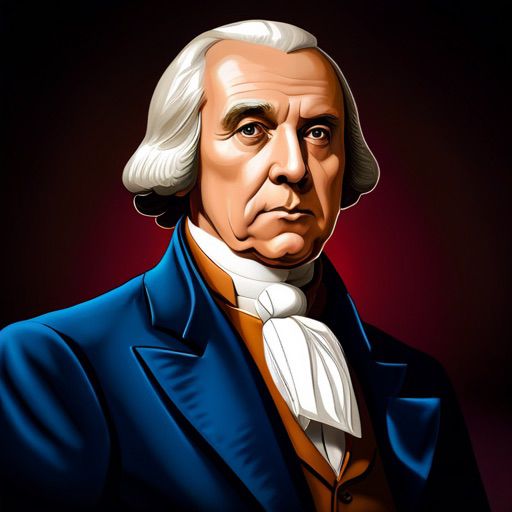
James Madison the Fourth President of the United States

Dave
a man wearing a suit and tie

James Madison

James Madison, a man of great intellect, was one of the key architects of the United States of America. Born in 1751 in Virginia, Madison received his education from the prestigious College of New Jersey, which is now known as Princeton University. He was a master politician and played a pivotal role in crafting the U.S. Constitution, which is the backbone of American democracy. Madison’s contribution to the Constitution was so significant that he is often referred to as the “Father of the Constitution.”

Madison’s brilliance and political acumen were evident when he served as the fourth President of the United States. During his two-term presidency from 1809 to 1817, Madison navigated the country through the War of 1812, a conflict with Great Britain. He championed individual rights and worked tirelessly to establish a strong federal government to protect them. Madison firmly believed that the separation of powers and checks and balances were crucial to ensuring that no branch of government became too powerful.

Despite his enormous contributions, Madison was a humble man who preferred to work behind the scenes. He was known for his ability to grasp complex political issues and his unwavering commitment to individual liberty. Madison’s ideas continue to shape the nation today, and his legacy is a testament to his enduring impact on American history.

Related Posts

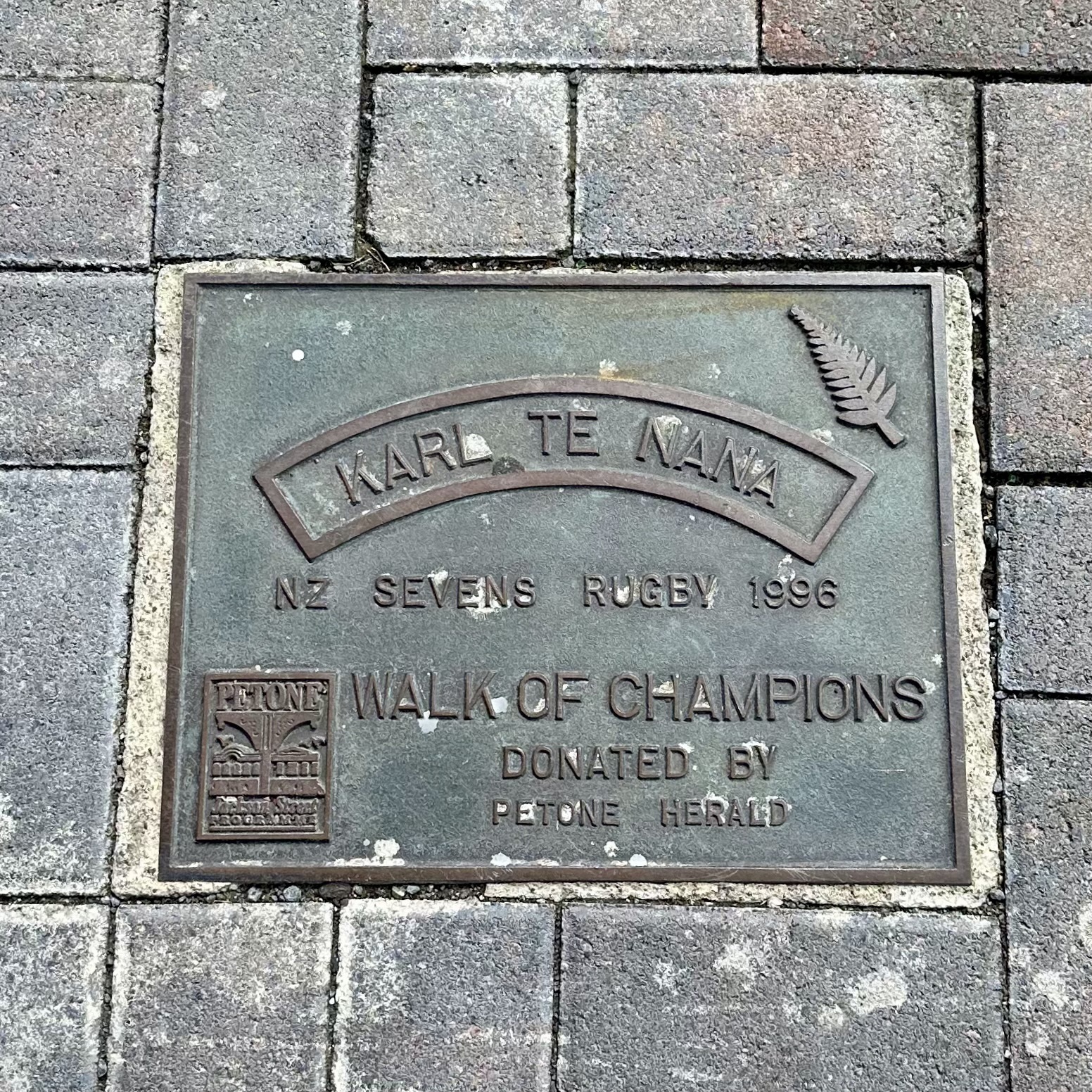
Karl Te Nana and the Legendary New Zealand Sevens Rugby 1996 Walk of Champions

Dave


The New Zealand Sevens Rugby 1996 Walk of Champions is a legendary event that holds a significant place in the history of New Zealand rugby – a sport that’s almost like a religion for the Kiwis. While I couldn’t find specific details about Karl Te Nana’s participation in the Walk of Champions that year, I can provide you with some fascinating insights into the event and its importance.

The Walk of Champions is a revered tradition in rugby circles where players, past and present, are celebrated for their contributions to the sport. It’s a momentous occasion that’s often held before major rugby tournaments or as part of special events. The purpose of the Walk of Champions is to pay homage to the players’ achievements, showcase the rich history of the sport, and get fans pumped up with excitement.

The New Zealand Sevens Rugby team is a force to be reckoned with in the world of rugby sevens, a breathtakingly fast variant of the game. The team’s legacy is one of dominance, having clinched numerous victories and championships over the years. The 1996 edition of the New Zealand Sevens Rugby tournament was undoubtedly a momentous event, but specific details of Karl Te Nan’s involvement in the Walk of Champions during that year are somewhat elusive.

Karl Te Nana is a former New Zealand rugby union player who played as a winger and represented his country in both fifteens and sevens rugby during his illustrious career. Although I couldn’t find any specific information about his role in the 1996 Walk of Champions, it’s safe to say that his contributions to New Zealand rugby would undoubtedly be recognized and celebrated.

If you’re interested in delving deeper into the New Zealand Sevens Rugby 1996 Walk of Champions or Karl Te Nana’s involvement, I recommend scouring through official rugby archives, news articles, or reaching out to relevant rugby associations or organizations that may have documented records of the event. Who knows what fascinating tidbits of information you may uncover!

Related Posts

Communism Consistently Fails

Dave

a flag on a pole

Communism is a political ideology that advocates for the communal ownership of resources and the elimination of social classes. While this may sound ideal in theory, history has shown that communism consistently fails in practice. One of the main reasons for this failure is the lack of incentives for individuals to work hard and be productive. In a communist society, everyone is supposed to contribute to the common good, but without the promise of personal gain, many people become unmotivated and lazy. This results in a lack of productivity and economic growth, which ultimately leads to poverty and a lower standard of living for the general population. Additionally, the central planning of the economy by the government often results in inefficiencies and a lack of innovation. Without competition and the profit motive, there is little incentive for businesses to improve their products or services, and the economy becomes stagnant. Furthermore, communism requires a strong central government to enforce its policies, which often leads to authoritarianism and the suppression of individual freedoms and human rights. This can create a society where dissent and free speech are not tolerated, and citizens are punished for expressing their opinions. Finally, corruption and inequality often arise in communist societies, as those in power have access to resources and privileges that are not available to the general population. In conclusion, while communism may seem like an appealing ideology in theory, history has shown that it consistently fails in practice due to the lack of incentives, inefficiencies in central planning, authoritarianism, and corruption.

Related Posts

Thomas Jefferson the Third President of the United States

Dave
a man wearing a suit and tie

Thomas Jefferson

Thomas Jefferson was a true American trailblazer, who left an indelible mark on the fabric of American history. Born in Virginia in 1743, Jefferson was more than just the third President of the United States, he was an accomplished planter, lawyer, and revolutionary. His involvement in the American Revolution and his role as the principal author of the Declaration of Independence, which boldly declared the colonies’ independence from Great Britain in 1776, firmly cemented his status as a founding father of the nation.

Jefferson’s political career continued to soar after the Revolution, and he served in various positions, including as the Governor of Virginia, a member of the Continental Congress, and even as the United States Minister to France. In 1801, Jefferson was elected to the highest office in the land, and he served as President of the United States for two terms. During his presidency, Jefferson implemented a slew of significant policies that have shaped America’s past and present, including the Louisiana Purchase, the Lewis and Clark Expedition, and the establishment of the United States Military Academy at West Point.

Jefferson’s remarkable contributions to American history go beyond politics. He was also a prolific writer and thinker, who espoused democracy, republicanism, and individual rights. Despite the fact that his legacy is marred by his ownership of slaves and his views on race, his ideas and ideals continue to influence American politics and society to this day. Jefferson’s life and work embody the very essence of the American Dream – the relentless pursuit of freedom, justice, and equality for all.

Related Posts

John Adams the Second President of the United States

Dave
a man wearing a suit and tie

John Quincy Adams

John Adams, a name that echoes through the halls of American history, played a pivotal role in the country’s quest for independence from Great Britain. He was a man of many talents, serving as the second President of the United States, a lawyer, and a politician. Born in 1735 in Massachusetts, Adams attended Harvard University and graduated with a degree in law. He quickly rose to prominence in the political arena due to his fearless opposition to British policies.

In 1774, Adams became a member of the First Continental Congress, where he played a significant role in the drafting of the Declaration of Independence. His unwavering commitment to liberty and democracy earned him the respect of his peers and the admiration of his fellow citizens. Following the war, Adams was elected as the first Vice President under George Washington, and later, in 1796, he was elected as President.

Adams faced many challenges during his tenure, including strained relations with France and the controversial Alien and Sedition Acts. Despite these obstacles, his unwavering commitment to democracy and individual rights remains an inspiration to Americans to this day. He was a man of great conviction, never afraid to speak his mind, and always willing to stand up for what he believed in.

John Adams may have passed on, but his legacy lives on, serving as a reminder of the importance of standing up for what is right, even in the face of adversity. His contributions to the early history of the United States will never be forgotten, and his passion for democracy and individual rights will continue to inspire generations to come.

Related Posts

George Washington the First President of the United States

Dave
a man wearing a suit and tie

George Washington

George Washington, a true visionary and leader, is widely known as one of the Founding Fathers of the United States and the country’s very first president. Born in Virginia in 1732, Washington’s unwavering dedication to the American cause played a significant role in securing American independence from Great Britain during the American Revolution.

His leadership and military strategy were remarkable and helped him earn a prominent position in the hearts of the American people. After the war, his role as president of the Constitutional Convention and his critical contribution to the drafting of the United States Constitution further cemented his legacy.

Washington’s vision and leadership were integral in establishing the United States as a democratic republic. Even today, his legacy continues to shape American politics and society.

Apart from his political achievements, Washington was also a successful businessman, and his exceptional skills were evident in the management of his several large estates, including Mount Vernon. Throughout his life, he was known for his integrity, honesty, and commitment to public service.

It is no wonder that he remains one of the most revered figures in American history. His image appears on the one-dollar bill, and his birthday on February 22 is celebrated as Presidents’ Day in the United States. George Washington’s contributions to American history and his unwavering commitment to the American people will never be forgotten.

Related Posts

Happy Treason Day

Dave


The American Revolution, a monumental event that forever altered the course of history, stands as a testament to the indomitable spirit of the American people. It was a riveting journey towards independence, born out of the mounting tensions between the American colonies and the British crown. As oppressive policies like the Stamp Act and the Townshend Acts tightened their grip on the colonists, a fiery resistance ignited within their hearts.

The colonists, burdened by unjust taxes imposed without their consent, refused to bow down. They took to the streets in passionate protests, vowing to boycott British goods in a powerful display of unity. In 1774, representatives from twelve colonies assembled for the historic First Continental Congress, their fervent voices demanding justice and a peaceful resolution to their grievances.

Yet, the winds of change brought a tempestuous turn. The clash between British troops and colonial militiamen in the hallowed grounds of Lexington and Concord in 1775 marked the fateful beginning of the American Revolutionary War. The Second Continental Congress, convened in May 1775, recognized the call for action and appointed the indomitable George Washington as the revered commander-in-chief of the Continental Army.

Amidst the smoke and chaos of battle, the flames of liberty burned brighter. On July 4, 1776, the colonies decisively declared their independence from Britain with the adoption of the Declaration of Independence, a defiant proclamation that sent shockwaves across the world. The war raged on for years, with pivotal clashes like Saratoga and Yorktown shifting the tides in favor of the American forces.

Finally, in 1783, the Treaty of Paris was signed, etching into history the official recognition of the United States as an independent nation. The American Revolution not only birthed a sovereign country but also laid the groundwork for the principles that define American society to this day — democracy, individual rights, and the cherished concept of freedom.

The echoes of the American Revolution still resound in the hearts and minds of every American citizen, a reminder of the unwavering courage and sacrifice that shaped a nation destined for greatness.

Related Posts

What Does Independence Day Mean to You? Reflections on the Importance of this National Holiday

Dave


The 4th of July, also known as Independence Day, is a monumental federal holiday in the United States. It commemorates the adoption of the Declaration of Independence on July 4, 1776. This document was a game-changer for America as it declared its independence from Great Britain, the ruling power over the American colonies.

Today, Americans come together to celebrate Independence Day with vibrant festivities that take place across the nation. Parades, fireworks, and barbecues are just some of the many ways that people celebrate. It’s a time to reflect on the sacrifices made by the founding fathers and the brave soldiers who fought for America’s freedom.

Furthermore, this holiday serves as a reminder of the values and principles that America was founded upon – liberty, equality, and democracy. It’s a day to honor the nation’s past, present, and future and to pay tribute to the individuals who have contributed to its success.

The 4th of July is a time for unity and togetherness as we celebrate the freedom and independence that we cherish as Americans. So, get your sparklers ready and let’s come together as a nation to revel in the spirit of this patriotic holiday!

This year starting today July 4th, 2023 I will recognize the founding fathers of the United States until all Presidents past until present, in order, have been covered. Patriotism is not dead in the United States.

Related Posts