A woman stands in front of her closet, surrounded by a jumble of sweaters, jackets, and scarves. The morning light casts a glow on the cluttered space, revealing the chaos that lies within. As she begins to select outfits for the day, it becomes apparent that her intention to look polished is at odds with the visible evidence of mismatched clothing. This scene is all too familiar, as many of us struggle to create a cohesive outfit, often relying on the misguided approach of throwing on multiple pieces without much thought. The art of layering, in particular, requires a nuanced understanding of how different elements interact with each other, taking into account factors such as texture, color, and volume. It’s not just about combining multiple pieces, but about creating a harmonious balance that elevates the overall look.
The key to mastering layering in fall fashion lies not in following generic rules, but in understanding how different textures, colors, and weights interact with each other to create a cohesive and balanced look. A thoughtful approach to layering prioritizes proportion, restraint, and attention to detail, recognizing that true style emerges from the careful consideration of how each piece contributes to the overall ensemble. By adopting this mindset, individuals can elevate their fall fashion style and create a look that is truly refined and elegant.
The importance of texture in layering cannot be overstated, as different fabrics interact with the skin and environment in unique ways. For instance, natural fibers like wool and cotton breathe well and regulate body temperature, making them ideal for base layers. In contrast, synthetic fibers like polyester and nylon can trap heat and moisture, but their smooth texture makes them suitable for outer layers that require a bit of structure and wind resistance. Understanding these properties allows individuals to make informed decisions when selecting pieces for their layered outfits, ensuring that each element works in harmony with the others.
Furthermore, garment construction techniques also play a crucial role in determining the success of a layered outfit. A well-constructed piece can elevate the entire ensemble, while a poorly made one can throw off the balance. For example, a tailored blazer with a fitted silhouette and high-quality fabric can add polish to a casual outfit, whereas a boxy, ill-fitting jacket can make the overall look appear sloppy. By considering factors like seam quality, fabric choice, and attention to detail, individuals can build a wardrobe of versatile pieces that can be mixed and matched to create a wide range of outfits, each with its own unique character and flair.
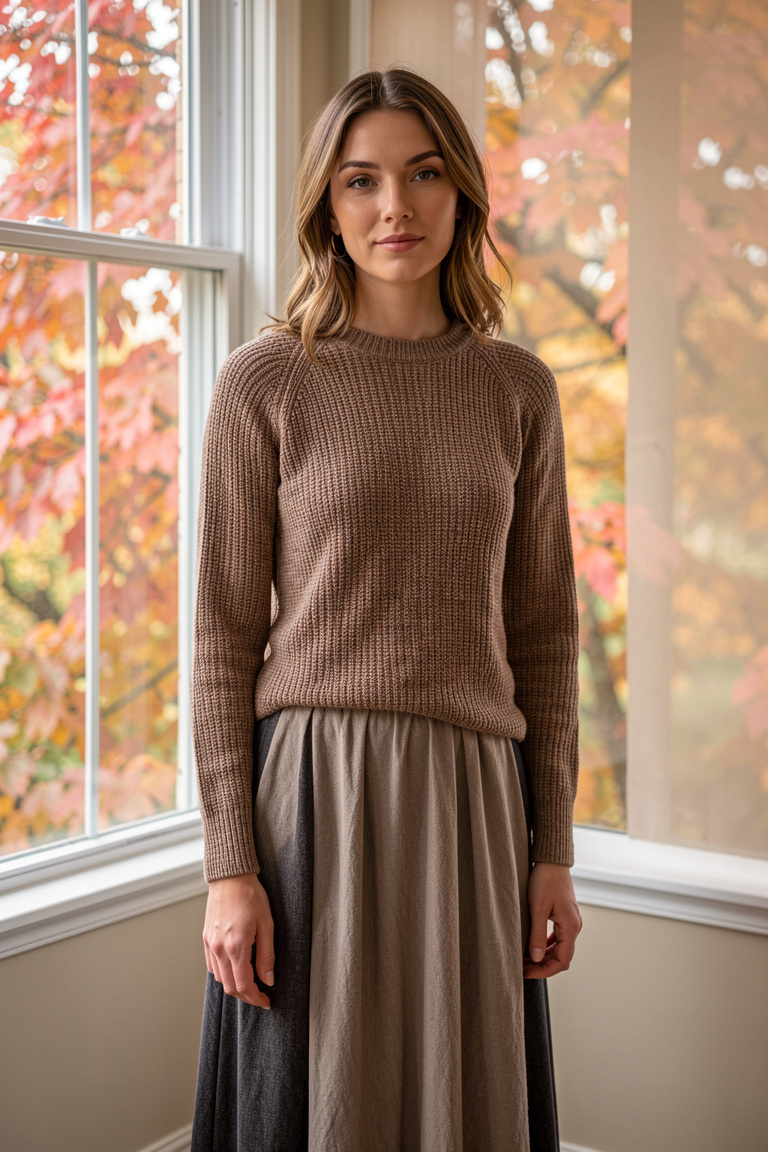
To discern genuine quality in layering from the nearest convincing imitation, it’s essential to examine how different layering strategies can flatter or overwhelm various physiques. For instance, pairing a dense, chunky knit sweater with a flowy, lightweight skirt can create a balanced look on someone with an hourglass figure, as the contrasting volumes and textures interact harmoniously. On the other hand, a petite individual may find that too many layers or overly voluminous pieces can overwhelm their silhouette, while a person with a taller, more athletic build may be able to carry off more dramatic contrasts in texture and volume. By considering these factors and carefully selecting pieces that balance contrast and harmony, individuals can create layered outfits that not only reflect their personal style but also flatter their physique, resulting in a look that is both refined and confident.
The distinction between genuine quality and its imitation in layering also lies in the attention to detail in garment construction and the choice of materials. A well-crafted piece, such as a tailored coat with a fitted silhouette and high-quality lining, can significantly elevate the sophistication of an outfit by providing a polished finish that is both aesthetically pleasing and durable. In contrast, a hastily constructed or poorly designed piece can detract from the overall quality of the ensemble, regardless of how many layers are added. Thus, when evaluating layering choices, it’s crucial to consider not just the number of pieces but their individual quality, how they interact with each other, and how they contribute to the overall harmony and proportion of the outfit.
To apply the standard of proportion and restraint in layering across different conditions, consider the role of contrast and harmony in creating a visually appealing outfit. When combining pieces with varying textures, colors, and volumes, it’s essential to balance contrasting elements to avoid visual overload. For example, pairing a smooth, matte-finish top with a chunky, cable-knit sweater can create an interesting contrast that adds depth to the outfit. However, to maintain harmony, the colors and overall silhouette of the pieces should be considered, ensuring that the look remains cohesive and polished.
In applying this standard, individuals should also consider their personal style and body type, as these factors can significantly impact the success of a layered outfit. For instance, someone with a petite frame may find that too many layers or overly voluminous pieces can overwhelm their silhouette, while a person with a taller, more athletic build may be able to carry off more dramatic contrasts in texture and volume. By taking these factors into account and carefully selecting pieces that balance contrast and harmony, individuals can create layered outfits that not only reflect their personal style but also flatter their physique, resulting in a look that is both refined and confident.
In evaluating layering choices, the interaction between fabric density and garment silhouette plays a crucial role in achieving a polished look. For instance, a dense, thick wool sweater can create a bulky silhouette when paired with a flowy skirt, whereas a lighter-weight merino wool top can provide a more streamlined appearance. The key to successful layering lies in balancing these contrasting elements, taking into account the specific properties of each fabric, such as its weight, texture, and drape. By considering these factors, individuals can create layered outfits that not only reflect their personal style but also showcase a thoughtful understanding of textile properties and garment construction, resulting in a refined and harmonious appearance.
Ultimately, the art of layering is about creating a harmonious balance between different elements, where each piece complements the others to form a cohesive whole. By adopting a thoughtful approach to layering, individuals can elevate their fall fashion style and create a look that is truly refined and elegant. It’s not just about combining multiple pieces, but about understanding how they interact with each other and with the individual’s personal style and body type. With attention to detail, a focus on quality, and a consideration of texture, color, and volume, anyone can master the art of layering and create outfits that are both polished and uniquely reflective of their personal aesthetic.