Month: September 2023

The Lasting Impact of September 11th: A Wake-up Call to Unite Against Terrorism

Dave

World Trade Center building
The haunting echoes of September 11th, 2001, continue to reverberate through the annals of history. This cataclysmic event sent shockwaves across the globe, leaving an everlasting imprint on our collective consciousness. In that pivotal moment, the world bore witness to a merciless onslaught as terror gripped the very heart of New York City’s World Trade Center and Washington, D.C.’s Pentagon. The indelible images of the Twin Towers toppling, the ominous plumes of smoke billowing, and the ensuing bedlam are forever etched in our minds.

Beyond the unfathomable loss of innocent lives, the September 11th attacks shattered the illusion of invulnerability that had lulled many into complacency. It was a wake-up call that altered the trajectory of history, prompting a resolute global battle against terrorism and reshaping the dynamics of international relations. In the aftermath of this tragedy, the world stood shoulder to shoulder in unwavering solidarity with the United States, a powerful testament to the indomitable spirit of humanity in the face of adversity.

The memories of that fateful day serve as a poignant reminder of life’s fragility and the imperative of unity amidst the darkest of times. September 11th, 2001, will forever occupy a sacred place in our hearts, a somber reminder to cherish our loved ones and stand united against the forces of hatred and violence.

Related Posts

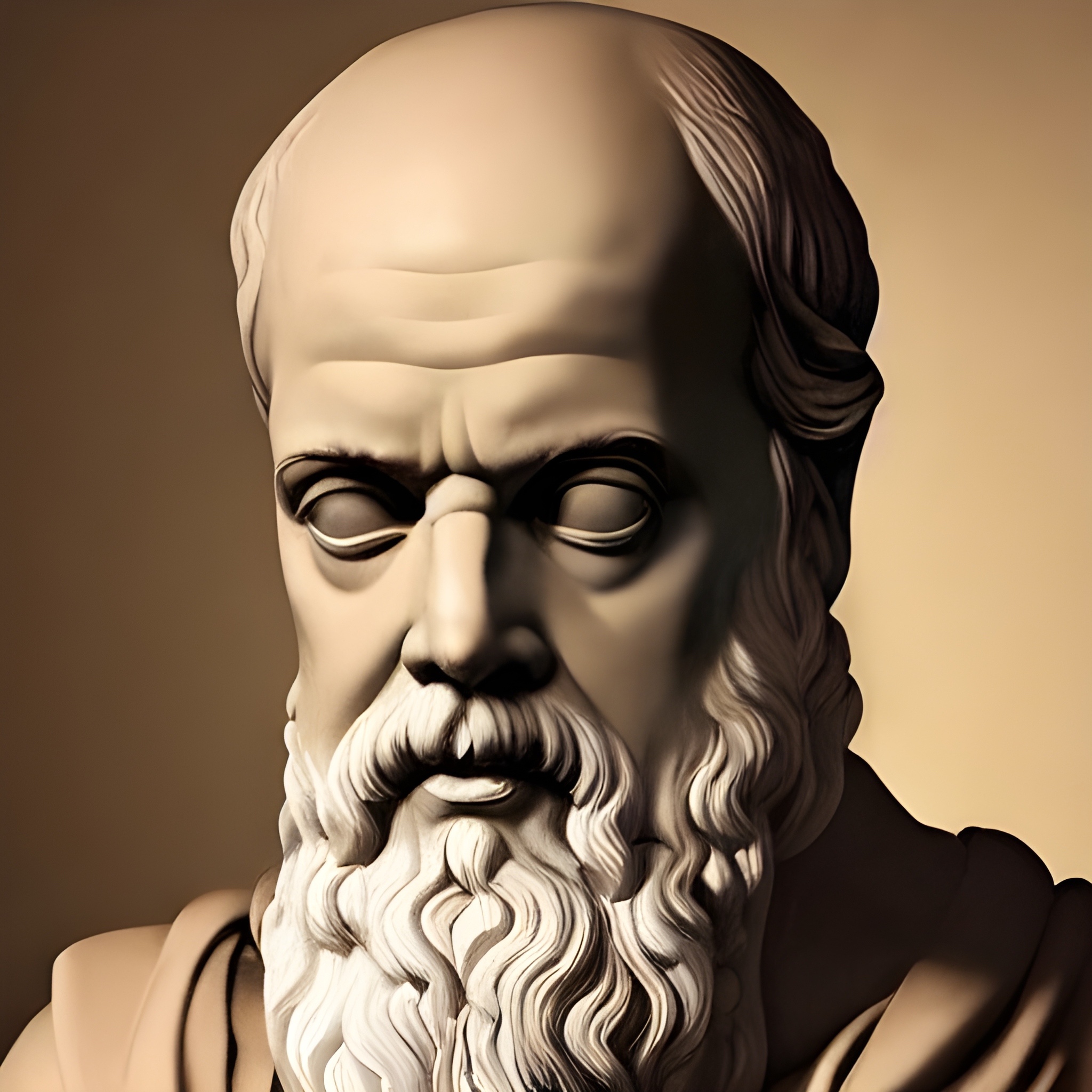
Plato’s Paradigm: Unraveling the Wisdom of Ancient Greece

Dave

a person posing for the camera

Plato, the legendary ancient Greek philosopher, stands tall as one of the most profound and influential thinkers in the history of Western philosophy. Hailing from Athens, he emerged in 427 BCE, immersing himself in the teachings of Socrates while later shaping the brilliant mind of Aristotle. This academic lineage solidified Plato’s pivotal role in the evolution of philosophical thought.

The breadth of Plato’s works, presented in the form of captivating dialogues, spans a vast spectrum of subjects that ignite the imagination. From probing ethics and politics to delving into metaphysics, epistemology, and aesthetics, his intellectual prowess knows no bounds. Among his illustrious creations, “The Republic” reigns supreme, unveiling the very essence of justice and the utopian concept of an ideal state.

Plato’s philosophy stands as a testament to his unique theory of Forms, a radical notion that challenges our perception of the material world. According to him, our senses merely offer a distorted reflection of an immaculate realm filled with eternal and unchanging ideas. This groundbreaking concept would reverberate through the corridors of time, profoundly influencing subsequent philosophers and leaving an indelible mark on diverse academic disciplines, including theology, mathematics, and psychology.

However, Plato’s philosophical musings transcend the realm of abstract ideas. He fervently emphasized the vital significance of virtue and moral education, seeking to nurture individuals who would have a positive impact on society as a whole. His profound insights on education and the pivotal role of philosophers as guardians of the state continue to shape political and social theories, leaving an enduring legacy that spans centuries.

Remarkably, Plato’s intellectual brilliance remains as relevant today as it did over two millennia ago. His philosophical concepts continue to captivate the minds of contemporary thinkers, ensuring his place as a timeless figure in the expanse of human intellect.

Related Posts

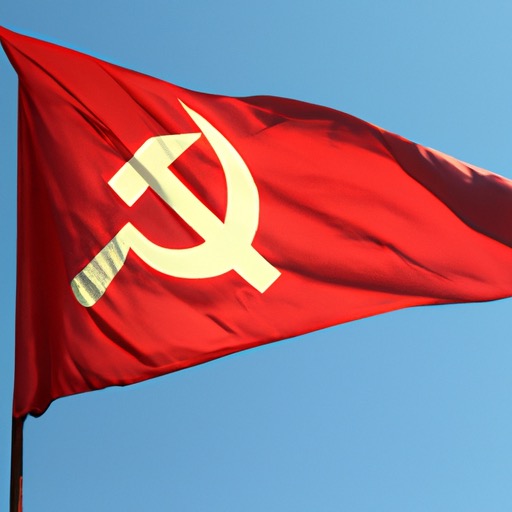
Exploring the Pros and Cons of Communism: Theory, Practice, and Controversy

Dave

a close up of a flag
Communism is an ideology and socio-economic system that aims for a classless society where the means of production are owned and controlled by the community as a whole. It is based on the principle of common ownership and the absence of private property. The goal of communism is to create a society where wealth and resources are distributed equitably, and everyone’s needs are met. However, the practical implementation of communism has yielded mixed results throughout history.

Proponents argue that communism, in theory, can create a fairer and more equal society. They believe that by eliminating private ownership and profit-driven motivations, communism can minimize social and economic inequalities. Supporters also claim that communism can lead to the collective advancement of society, where the needs of the community take precedence over individual desires. The emphasis on common ownership and shared responsibility is seen as a way to foster cooperation and solidarity among people.

However, detractors argue that communism, in practice, often leads to authoritarianism, lack of individual freedoms, and economic inefficiency. History has shown that many communist regimes have been characterized by centralized power, limited political freedoms, and suppression of dissent. Critics also point out that the absence of private property can discourage innovation and productivity, as there is no individual incentive to excel or take risks. Additionally, the centralized planning often associated with communism can result in inefficient allocation of resources and lack of consumer choice.

The effectiveness of communism as a system largely depends on its implementation and the specific context in which it is applied. The Soviet Union, for example, experienced economic stagnation and widespread poverty under its communist regime. On the other hand, countries like China and Vietnam have adopted a mix of communism and market-oriented policies, leading to significant economic growth and poverty reduction.

In conclusion, the question of whether communism works is a complex and debated topic. While the principles of communism have the potential to address social and economic inequalities, the practical implementation has often fallen short. The success or failure of communism depends on various factors, including the balance between central planning and individual freedoms, the level of political repression, and the ability to adapt to changing economic conditions. Ultimately, the effectiveness of communism as a socio-economic system remains a subject of ongoing discussion and analysis.

Related Posts

Revolutionizing Democracy: AI’s Redemption for Voter Trust in the US Voting System

Dave

a close up of a box
Artificial Intelligence (AI) possesses immense potential to revolutionize the election process in the United States, effectively curbing instances of cheating. Picture this: a future where the electoral journey is fortified by AI’s unwavering presence. Let’s delve into the captivating ways AI can reshape the landscape.

To begin, AI can seamlessly streamline the voter registration and identification process, ensuring a flawless verification system. Gone are the days of cumbersome paperwork and long queues. With cutting-edge biometric identification techniques and data pattern analysis, AI guarantees accurate identification, leaving no room for doubt. Each voter’s eligibility is swiftly established, granting them the power to cast their ballot with confidence.

But that’s just the tip of the iceberg. The role of AI in securing electronic voting systems is nothing short of extraordinary. Imagine an ever-vigilant guardian, dedicated to preserving the sanctity of the electoral process. AI tirelessly monitors for any signs of suspicious activity or cyber threats that dare to compromise the integrity of the vote. Armed with powerful machine learning algorithms, AI swiftly identifies patterns of abnormal behavior and detects potential hacking attempts, nipping them in the bud. Unauthorized access? Not on AI’s watch.

But there’s more. AI’s prowess extends to the analysis of colossal amounts of data, including campaign finance records and social media trends. Its mission? To expose any illegal campaign funding or influence lurking in the shadows. With AI-driven predictive analytics, cheating becomes a thing of the past. By scrutinizing data patterns and uncovering anomalies, AI uncovers the truth, leaving no stone unturned.

And what about transparency and auditability? Fear not, for AI has the perfect solution: blockchain technology. Every vote cast is securely recorded, etched into the immutable fabric of the blockchain. Tampering becomes a futile endeavor, rendering cheating an impossibility. Trust is restored, and the voice of the people resonates with unwavering authenticity.

In conclusion, the integration of AI into the election process in the United States promises a future where voter identification is enhanced, electronic voting systems are impervious to threats, fraud is detected and prevented, and transparency reigns supreme. With AI as our ally, the integrity of elections is safeguarded, leaving no room for cheating to stain the democratic fabric of our nation.

Related Posts

The Department of Homeland Insecurity: A Closer Look at its Failed Promises

Dave

a man walking across a bridge
The Department of Homeland Security (DHS) was established in 2002 to protect the nation from various threats, including terrorism, natural disasters, and cyberattacks. However, the DHS has been heavily criticized for failing to secure the US-Mexico border, which is considered one of the most porous borders in the world. Despite spending billions of dollars on border security, there are still thousands of undocumented immigrants and drugs that make their way into the country every year.

So, why has the DHS failed in its primary responsibility of securing the border? One of the main reasons is a lack of effective policies. The agency has implemented a plethora of policies, but many of them have been ineffective. The construction of a border wall has been a controversial policy that has faced numerous legal challenges. Even if the wall were to be completed, it would not address the root causes of illegal immigration, such as poverty and violence in Central America. Moreover, the DHS has not invested enough in technology and personnel to monitor the border effectively.

Another significant reason for the DHS’s failure is a lack of cooperation with other agencies. Border security requires a coordinated effort from various agencies, and the DHS has not always worked together effectively with Customs and Border Protection (CBP), Immigration and Customs Enforcement (ICE), and the Drug Enforcement Administration (DEA). For example, ICE has been criticized for separating families at the border, which has led to public outcry and legal challenges. This kind of controversy distracts from the agency’s main mission and undermines public trust in the DHS.

In conclusion, the DHS must develop comprehensive policies that address the root causes of illegal immigration and drug trafficking. The agency must invest in technology and personnel to monitor the border effectively and work closely with other agencies to ensure a coordinated effort in securing the border. Only then can the DHS fulfill its mission of keeping the nation safe from harm.

Related Posts

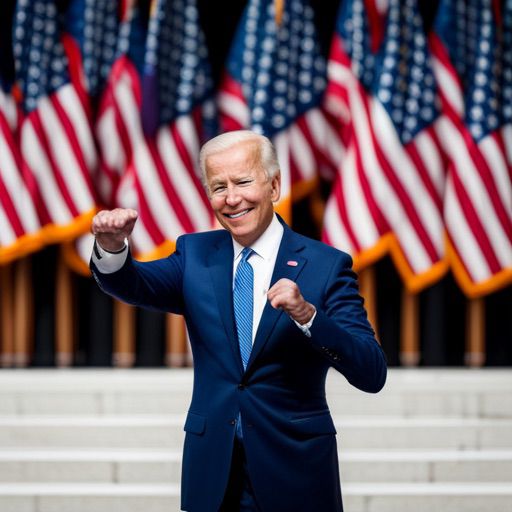
Building Back Better: The Biden Presidency Unveiled

Dave

a person sitting on a bench
Joe Biden’s presidency marks a historic moment in the United States’ political landscape. As the 46th President, he was inaugurated on January 20, 2021, after an impressive career of public service. Prior to his presidency, he served as Vice President under Barack Obama from 2009 to 2017 and as a senator representing the state of Delaware from 1973 to 2009.

Throughout his political career, Biden has been a vocal advocate for important causes such as civil rights, gun control, and healthcare. His expertise in foreign policy is also noteworthy, having played a key role in shaping U.S. policy towards Iraq, Afghanistan, and Russia while serving as the chairman of the Senate Foreign Relations Committee.

In the 2020 presidential election, Biden emerged victorious against the incumbent Donald Trump, making history as the oldest person ever elected to the presidency at the age of 78. Since taking office, Biden has made it his top priority to address the COVID-19 pandemic. He implemented several measures such as mandating mask-wearing on federal property and increasing vaccine distribution to combat the spread of the virus.

Furthermore, Biden has proposed several policy initiatives, including a $1.9 trillion COVID relief package, a $2 trillion infrastructure plan, and a plan for comprehensive immigration reform. His presidency has been characterized by a focus on unity and bipartisanship, with the president often calling for an end to the divisiveness that has plagued American politics in recent years.

Overall, Biden’s long political career and experience in government make him a capable and well-suited leader for the United States during a time of significant challenges and change. His administration will undoubtedly leave a lasting impact on the country, and it will be exciting to see what the future holds under his leadership.

Related Posts

Trumped Nation: Exploring the Impact of President Donald Trump

Dave

a man wearing a suit and tie
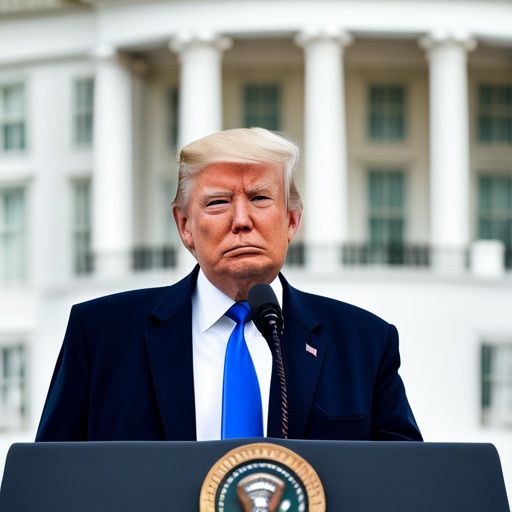
President Donald Trump was not your typical politician. Born on June 14, 1946, in the bustling borough of Queens, New York City, Trump was a businessman, television personality, and author before serving as the 45th president of the United States of America from 2017 to 2021. He was the man behind The Trump Organization, a US-based real estate developer, and the host of the wildly popular reality television show, The Apprentice, which kept viewers glued to their screens from 2004 to 2015.

Trump’s unconventional approach to politics shook up the establishment and won him a loyal following, but it also sparked controversy and criticism from the public and the media. He was known for his frequent use of social media to communicate with the public, often making headlines with his unfiltered tweets and posts. During his presidency, Trump implemented several policies, including tax cuts, immigration reform, and the repeal of the Affordable Care Act. However, his administration was also plagued by several high-profile scandals, including the Russia investigation and the impeachment proceedings launched against him in 2019.

Despite the controversies that surrounded his presidency, Trump remained a divisive figure in American politics. His supporters credit him with revitalizing the economy and placing America’s interests first, while his detractors view him as a danger to democracy and a threat to the country’s values and ideals. Trump’s presidency came to a dramatic end in January 2021, amid a contentious election that saw him refuse to accept the results and launch several legal challenges.

Whether you loved him or loathed him, there’s no denying that President Donald Trump’s time in office was one of the most tumultuous in American history. His legacy will continue to be debated for years to come, as the nation grapples with the aftermath of his presidency and charts a course for the future.

Related Posts

Exploring the Journey of Barack Obama’s Presidency

Dave

a person wearing a suit and tie walking down the street
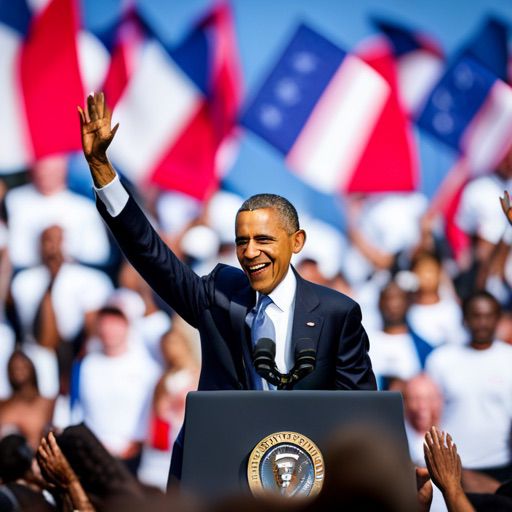
Barack Obama, a name that is synonymous with hope and change, served as the 44th President of the United States of America. Born in Hawaii in 1961, Obama shattered the glass ceiling by becoming the first African-American to hold the position of the President of the United States. His journey to the presidency is nothing short of remarkable.

Obama’s academic career is impressive, to say the least. He graduated from Columbia University with a degree in Political Science and went on to attend Harvard Law School, where he became the first African-American President of the Harvard Law Review. Before his presidency, Obama served as a community organizer in Chicago, Illinois, and worked as a civil rights attorney.

In 2004, Obama was elected to the United States Senate, representing Illinois. It was during his time in the Senate that Obama gained national recognition for his inspiring speeches and his work on issues related to healthcare and immigration. His message of hope and unity resonated with millions of Americans.

In 2008, Obama announced his candidacy for the presidency of the United States, running on a platform of hope and change. His campaign focused on issues such as healthcare reform, climate change, and income inequality. Obama’s message of hope and unity resonated with millions of Americans, and he went on to win the presidency in a landslide victory.

During his presidency, Obama achieved several notable accomplishments. He signed into law the Affordable Care Act, also known as Obamacare, which extended healthcare coverage to millions of Americans. Obama also signed the Dodd-Frank Wall Street Reform and Consumer Protection Act, which aimed to prevent future financial crises. Additionally, Obama signed the Paris Agreement, an international treaty aimed at combatting climate change.

Despite facing intense opposition from Republicans in Congress, who often blocked his legislative agenda, and criticism for his handling of foreign policy issues, including the Syrian Civil War and the Russian annexation of Crimea, Obama remained committed to his vision of a more just and equitable society.

Today, Obama’s legacy continues to inspire millions of people around the world to work towards a better future for all. His inspiring story serves as a reminder that with hard work and dedication, anything is possible.

Related Posts

Religion’s Response to Modernity in the United States

Killman856

a statue of a person
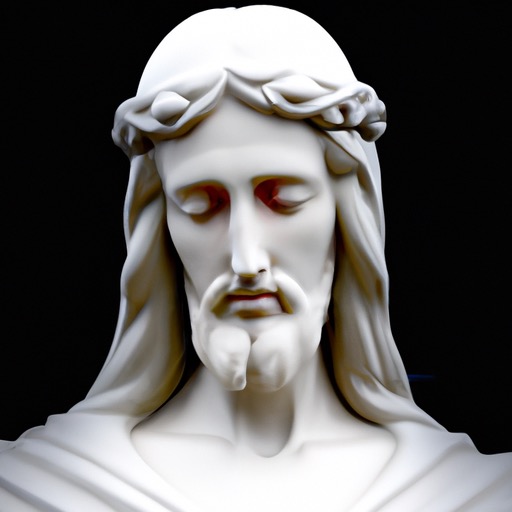
In the 19th and 20th centuries, religious groups in the United States underwent significant transformations in response to the challenges posed by modernity. Protestants, Catholics, and Jews all experienced shifts in their beliefs and actions, embracing more progressive ideas and adapting to the changing world.

Protestants played a crucial role in advocating for social change during the early 20th century. One notable movement, known as the Social Gospel, aimed to improve society and was deeply influenced by a new Protestant perspective. This movement interpreted biblical prophecies as a gradual process, believing that Jesus’ return would usher in an era of peace and prosperity (“The Social Gospel Movement”). By placing Jesus as a role model, evangelic liberals envisioned the potential for positive change in individuals (“The Social Gospel Movement”). These beliefs arose in response to the social issues of the time, such as worker’s rights, immigrant exploitation, and government corruption. Protestants united in their pursuit of meaningful social transformation.

Catholicism, often perceived as a conservative religion, also underwent significant changes to adapt to the modern world. One notable example is the increasing acceptance of gay marriage within Catholicism. While the Catholic Church does not officially support same-sex marriage, there has been a growing vocal support within the Catholic laity. Organizations like Catholics for Marriage Equality have emerged to advocate for this cause (“Stances of Faiths on LGBTQ Issues: Roman Catholic Church”). Pope Francis himself made headlines with his famous quote, “If a person is gay and seeks God and has good will, who am I to judge?” (“Pope Francis: Who am I to judge gay people?”). These progressive steps reflect a shift in Catholic views, as the Church strives to be more inclusive and compassionate.

Moreover, Catholicism has also embraced aspects of modern consumer culture. The commercialization of holy items associated with the Catholic faith has become more prevalent. For instance, the sale and utilization of Lourdes water among American Catholics has been examined as a manifestation of “material Christianity” (“Religion ‘In the Street’ and ‘Material’ Christianity”). Although the selling of indulgences in the past tarnished the Church’s reputation, the acceptance of consumer culture in the West has led to the acceptance of practices like selling Lourdes water. This divergence from orthodox beliefs demonstrates how Catholicism has adapted to the modern world while navigating the complexities of capitalism and materialism.

Similarly, Jewish culture has also experienced shifts in response to modernity. Orthodox Jews, traditionally known for their adherence to religious traditions, have embraced more progressive worldviews compared to Hasidic Jews. One such worldview is the establishment of a Zionist nation. The Holocaust acted as a catalyst, sparking renewed enthusiasm for Zionism and the creation of a Jewish state in Palestine. Orthodox Jews, believing in God’s plan to restore Jews to Israel, sometimes view human intervention in establishing a Jewish state as interfering with divine providence (“The Holocaust”). This perspective is not shared by Hasidic Jews, an ultra-Orthodox sect, who hold different beliefs regarding the Messiah and the establishment of a Jewish state.

In conclusion, the reactions of religions to modernity in the United States have been diverse and dynamic. Protestants have championed social change, Catholics have adapted their views on issues like same-sex marriage and materialism, and Jews have experienced divergent interpretations of Judaism. These responses reflect the complex and evolving relationship between religion and the challenges posed by modernity.

Related Posts

Unleashing Hell: Unraveling the Horrors of the Ramree Massacre

Dave

Japanese soldier being eaten by saltwater crocodile
Prepare to be transported back in time to the haunting Battle of Ramree Island, a chilling chapter in World War II that reveals the terrifying intersection of war and nature. On that fateful day, February 19, 1945, the British Indian Army, joined by the Royal Navy, embarked on a daring mission to retake Ramree Island from Japanese occupation. Little did they know that their enemy’s retreat into the nearby mangrove swamps would unleash an unimaginable nightmare.

As the British forces pressed forward, the Japanese soldiers sought refuge in the dense, labyrinthine swamplands. Unbeknownst to them, these murky waters were home to a silent predator – the saltwater crocodile. With lightning speed and stealth, these formidable creatures turned the tables on the exhausted Japanese soldiers, launching a ferocious assault beneath the cover of darkness. The air was filled with the soldiers’ cries for help, mingling with the sounds of jaws snapping shut and water splashing ominously.

The Ramree massacre, a tale of terror, stands as a grim testament to the horrors of war. Out of the approximately 1,000 Japanese soldiers who sought sanctuary in the swamps, a mere 20 survived the nightmarish ordeal. The relentless onslaught of the crocodiles spared no one, leaving a trail of devastation in their wake. The brutality of this animal-inflicted tragedy serves as a chilling reminder that even amidst the chaos of battle, nature can unleash its own unforgiving forces.

In the aftermath of the Battle of Ramree Island, the Ramree massacre captured the world’s attention, fueling fascination and curiosity. Countless accounts and stories emerged, each more spine-tingling than the last. Some tales were undoubtedly embellished, weaving a web of mystery and legend around the massacre. However, due to the tumultuous nature of war and the scarcity of concrete records, the exact details and numbers remain shrouded in controversy and uncertainty.

Nevertheless, the Ramree massacre serves as a stark reminder that armed conflicts yield unforeseen and brutal consequences. It serves as a chilling testament to the fact that war not only inflicts human suffering but also unleashes the raw power of nature. This haunting tale of survival, horror, and the unforgiving forces of nature will forever be etched in history, reminding us of the unpredictable and terrifying realities of war.

Related Posts

George W. Bush and the Unyielding Fight Against Terror

Dave

a man wearing a suit and tie
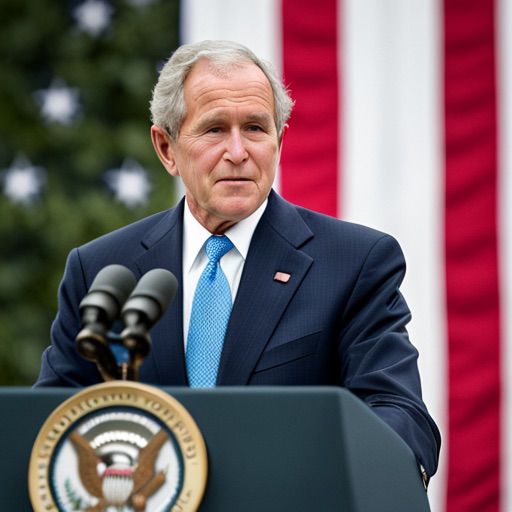
Get ready to learn about the life and times of George W. Bush, one of the most influential presidents in the history of the United States. Born in New Haven, Connecticut in 1946, Bush spent most of his childhood in Texas before attending Yale University, where he earned a degree in history. He then went on to earn an MBA from Harvard University and worked in the oil and gas industry before entering politics.

Bush’s political career took off when he became the governor of Texas from 1995 to 2000. During his presidency from 2001 to 2009, Bush faced numerous challenges, including the September 11 terrorist attacks in 2001. His leadership in the aftermath of the attacks was widely praised, but his decision to invade Iraq in 2003 remains a topic of debate to this day.

Despite this controversy, Bush signed into law several significant acts during his presidency, including the No Child Left Behind Act and the Medicare Prescription Drug, Improvement, and Modernization Act. These aimed to improve education and healthcare access for Americans.

Apart from his political legacy, Bush’s philanthropy and advocacy work have been significant in shaping his legacy. He has worked tirelessly to improve education, fight HIV/AIDS, and support veterans and their families through the George W. Bush Presidential Center.

While his presidency was marked by both significant accomplishments and controversies, there is no denying that George W. Bush is a leader who cared deeply about his country and its people. His dedication to improving education and supporting veterans has cemented his legacy as a transformative figure in American history.

Related Posts