Month: May 2024

Campaign Cash: The Strategic Chess Game of Presidential Spending

Dave

Presidential campaigns are like a high-stakes game of chess, with candidates vying for the ultimate prize – the presidency. To outmaneuver their opponents, campaigns must strategically allocate their funds to maximize voter outreach, mobilize supporters, and ultimately compete in the electoral process.

So, where do these campaigns spend their money? Let’s take a look at some of the most common ways in which presidential campaigns allocate their funds:

1. Advertising and Media: A significant portion of campaign funds is typically spent on advertising, including television, radio, digital, and print ads. These ads aim to reach a wide audience and convey the candidate’s platform, policies, and messaging.

2. Campaign Staff and Consultants: Behind every successful campaign is a team of dedicated staff members. From campaign managers to communications directors to digital specialists, these professionals are essential to a campaign’s success. In addition, campaigns may engage external consultants for polling, media buying, and other specialized services.

3. Travel and Events: It’s no secret that presidential candidates spend a lot of time on the road. They hold rallies, town hall meetings, fundraisers, and other campaign events across the country. Campaign funds cover travel expenses, venue rentals, staging, and other event-related costs.

4. Campaign Materials: From buttons to bumper stickers, campaign materials are an essential part of any presidential campaign. These items are used to raise awareness and mobilize supporters.

5. Data and Technology: In today’s digital age, campaigns must have a strong online presence. That’s why they invest in data analytics, voter targeting tools, and digital platforms to manage supporter databases, conduct voter outreach, and optimize their digital advertising efforts.

6. Fundraising Expenses: Running a campaign is expensive, and fundraising is a crucial part of the process. There are costs associated with organizing fundraising events, donor outreach, and compliance with campaign finance regulations.

7. Legal and Compliance: Campaigns need to ensure compliance with complex campaign finance laws and regulations. They may hire legal counsel and compliance experts to navigate these requirements.

8. Polling and Research: To understand voter sentiment, track electoral trends, and refine campaign strategies, campaigns conduct internal polling and research.

9. Field Operations: Building grassroots support is essential for any presidential campaign. That’s why campaigns invest in field offices, volunteer recruitment, voter registration drives, and get-out-the-vote efforts.

10. Security: With the intense media coverage and public appearances, presidential campaigns often require security services to protect the candidate and campaign staff.

11. Debates and Primary Elections: Participating in primary elections and debates is a significant part of the campaign process. Funds may be allocated for debate preparation and logistics.

Overall, presidential campaigns strategically allocate their funds to maximize voter outreach, mobilize supporters, and manage operations efficiently. The allocation of campaign funds can vary based on the campaign’s priorities, fundraising capabilities, and the dynamics of the election cycle.

However, the use of campaign funds is heavily regulated by campaign finance laws in the United States. These laws aim to ensure transparency, accountability, and fairness in the electoral process. Here are key aspects of the laws governing the use of campaign funds:

Prohibited Uses of Campaign Funds:
– Personal Use: Campaign funds cannot be used for personal expenses or enrichment of candidates. This includes using funds for mortgage payments, groceries, clothing, vacations, or any other personal expenses unrelated to the campaign.
– Excessive Contributions: Campaign funds cannot be used to make excessive contributions to political parties or other candidates’ campaigns beyond the legal limits set by the Federal Election Commission (FEC).
– Unauthorized Expenditures: Campaign funds must be spent only on lawful campaign-related expenses. Any unauthorized expenditures not directly related to the campaign’s purpose are prohibited.

Permissible Uses of Campaign Funds:
– Campaign Expenses: Funds can be used for legitimate campaign expenses, including advertising, travel, staff salaries, polling, fundraising expenses, and other activities directly related to promoting the candidate and their platform.
– Compliance and Legal Services: Campaign funds can be used to hire legal counsel and compliance experts to ensure adherence to campaign finance laws and regulations.
– Office Space and Equipment: Funds can be used to rent office space, purchase equipment (e.g., computers, phones), and pay utilities for campaign operations.
– Campaign Materials: Funds can be spent on producing campaign materials such as signs, literature, buttons, and other promotional items.
– Event Expenses: Funds can cover expenses related to hosting campaign events, rallies, fundraisers, and town hall meetings.

Reporting and Disclosure Requirements:
– Disclosure of Expenditures: Campaigns are required to report all expenditures accurately and in a timely manner to the FEC. This includes itemizing expenses to provide transparency on how campaign funds are being used.
– Contributor Information: Campaigns must disclose information about their contributors, including their names, addresses, and occupations. This ensures that the source of campaign funds is transparent.

In conclusion, presidential campaigns are complex and expensive operations. Candidates must carefully strategize and allocate their funds to effectively communicate their message, mobilize supporters, and compete in the electoral process. While there are strict regulations governing the use of campaign funds, these laws ultimately aim to promote fairness and transparency in our democracy.

Related Posts

Sentinels of Cyber Resilience: Unleashing AI in the New Era of Threat Intelligence

Dave

Dive into the fascinating world of Artificial Intelligence (AI) as it merges with Computer Threat Intelligence, revolutionizing the way we identify, analyze, and combat cyber threats. In today’s fast-paced cyber landscape, organizations are bombarded with intricate dangers that traditional approaches struggle to keep up with. Enter AI-driven Threat Intelligence, a game-changing tool that harnesses the power of machine learning and data analytics to supercharge threat detection, accuracy, and adaptability.

Imagine a world where AI empowers Threat Intelligence systems to sift through vast amounts of data, spotting patterns that could indicate potential threats. This incredible capability boosts the speed and precision of threat detection, empowering organizations to swiftly respond to emerging risks and vulnerabilities.

But that’s not all. AI also enables predictive modeling in Threat Intelligence, giving organizations the ability to anticipate and prepare for future threats. By analyzing historical data and identifying trends, AI-driven models provide invaluable insights into upcoming cyber dangers, allowing proactive measures to mitigate risks and strengthen overall cybersecurity.

In the realm of Threat Intelligence, AI takes charge of analyzing and categorizing threats, automating processes that used to demand significant human effort. Machine learning algorithms autonomously prioritize and classify threats, freeing up security analysts to focus on the more complex aspects of threat mitigation.

AI goes beyond mere analysis – it contextualizes threat data by correlating information from diverse sources. By understanding the bigger picture surrounding a threat, AI-driven systems offer valuable insights, empowering organizations to make informed decisions and allocate resources effectively for threat mitigation.

The adaptability of Threat Intelligence is further enhanced by AI’s ability to continuously learn from new data and adapt to changes in the threat landscape. This ensures that threat intelligence processes remain effective in identifying novel attack vectors and evolving tactics employed by cyber adversaries.

While AI plays a pivotal role in Threat Intelligence, it thrives in synergy with human expertise. Human analysts bring their contextual understanding, domain knowledge, and ethical considerations to the table, creating a holistic and well-informed approach to cybersecurity.

However, the integration of AI into Threat Intelligence does present challenges. Issues like explainability, interpretability, and ethical use of AI in security must be carefully addressed to establish trust in AI-driven threat intelligence processes and ensure responsible and transparent practices.

AI-driven Threat Intelligence propels us forward in fortifying cybersecurity against the ever-evolving threat landscape. By leveraging the capabilities of machine learning and data analytics, organizations can proactively identify, analyze, and mitigate cyber threats. The collaboration between human expertise and AI-driven technologies is the key to building a comprehensive and adaptive threat intelligence framework that keeps us one step ahead of malicious actors.

Related Posts

The Beehive: New Zealand’s Icon of Governance and Innovation

Dave

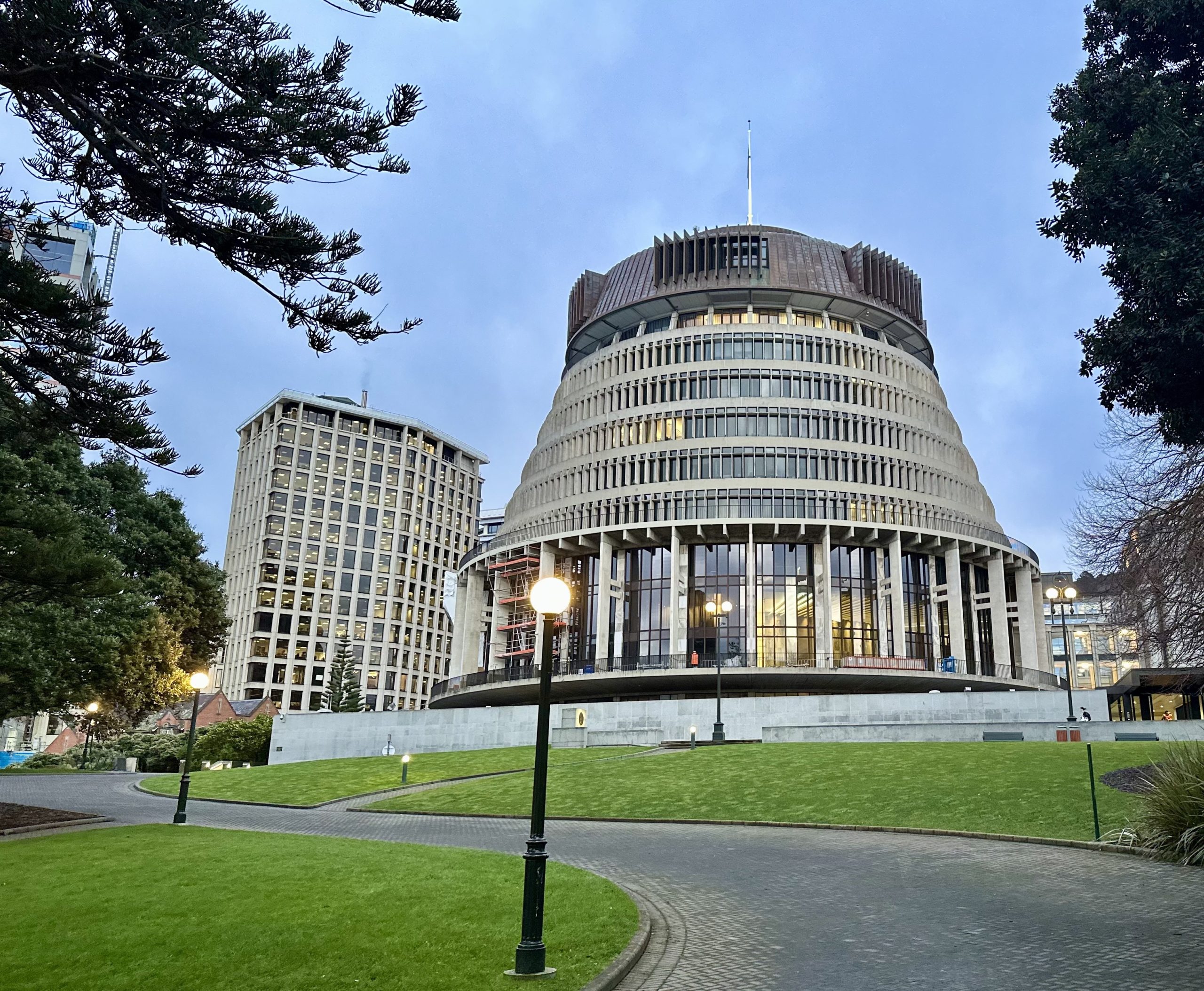
The Beehive, an architectural and symbolic cornerstone of New Zealand’s governance, not only houses the nation’s key political figures but also embodies the democratic ethos that permeates its society. Designed by Sir Basil Spence and constructed over a span of twelve years, from 1969 to 1981, this unique structure with its rounded, hive-like façade made predominantly from copper and concrete reflects innovation and openness. The interior architecture furthers these themes; it boasts a circular layout that naturally enhances communication and teamwork among government officials, mirroring the collaborative spirit intended in democratic governance (Spence). Serving as the primary office for the Prime Minister and various senior cabinet ministers, every corner of the Beehive buzzes with pivotal policy decisions and discussions shaping New Zealand’s future. Its design deliberately facilitates a flow of ideas amongst departments enhancing governmental efficiency. Besides being a bustling nexus of administration, the Beehive stands as a proud emblem of New Zealand’s political stability and commitment to transparent governance. To locals and tourists alike, it offers guided tours that provide deeper insight into its historical context, structural intricacies, and operational dynamics which all underscore the country’s dedication to upholding democracy through accessible governance. Thus, The Beehive is more than just a building; it is a robust medium through which New Zealand continually expresses its core values of democracy, transparency, inclusivity—fundamentals immortalized in both its physical presence in Wellington’s skyline and in the everyday workings within its walls.

Related Posts

Inside New Zealand’s Democratic Hub: Unveiling the Power of Parliament

Dave

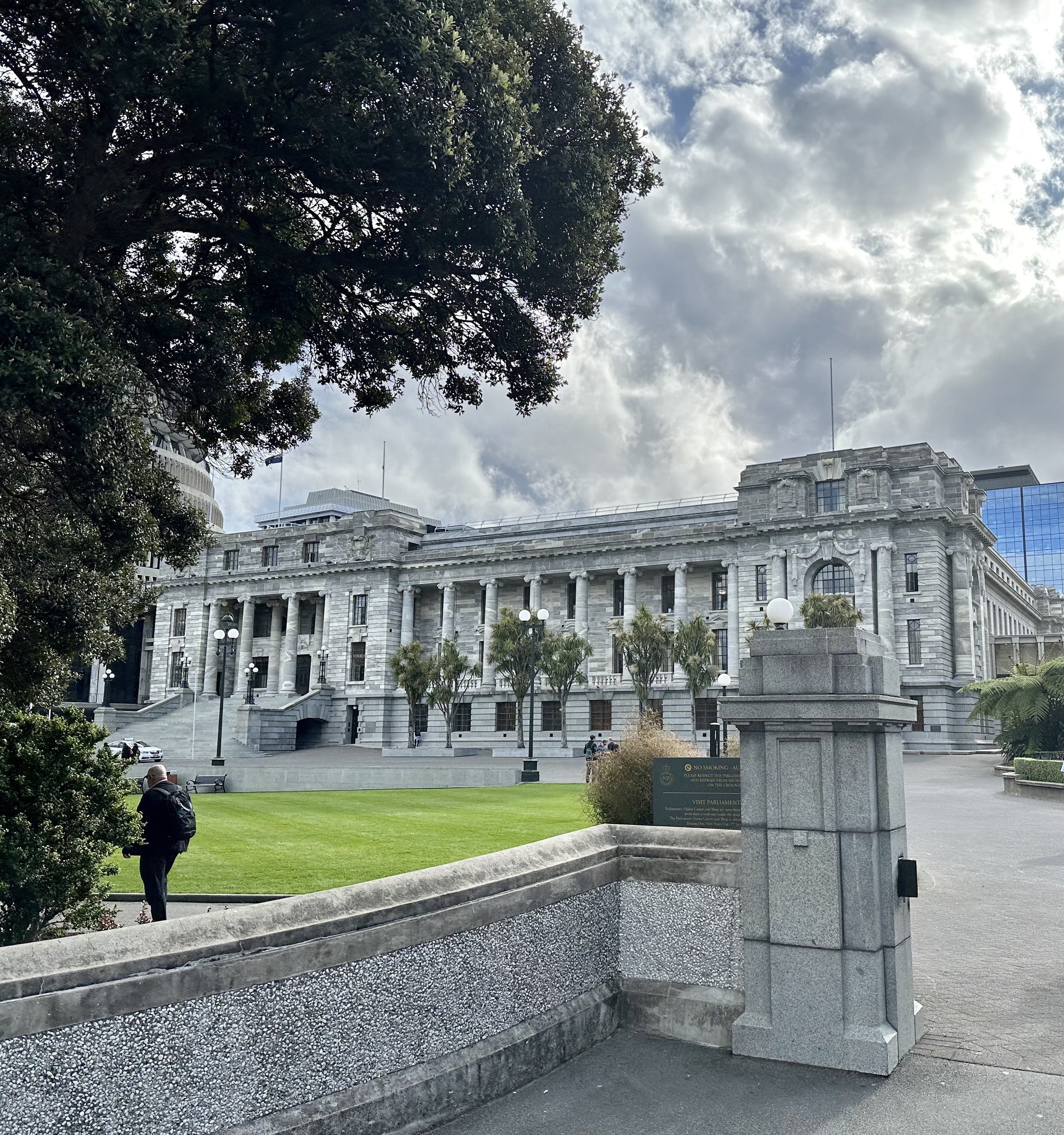
The New Zealand Parliament, as a pivotal institution in the country’s governance, embodies democratic principles while adapting unique features reflective of its national context. Situated in Wellington, this unicameral legislature is vested with significant responsibilities across legislative creation and government oversight. The singular chamber, known as the House of Representatives, consists of 120 elected Members of Parliament (MPs), who serve three-year terms and are pivotal in both representing public interests and enacting legislation. The operational head of this body, the Speaker of the House, plays a crucial role not only in facilitating orderly parliamentary debates but also acts as an intermediary between the Sovereign’s representative—the Governor-General—and the Parliament itself.

In fulfilling its legislative functions, the New Zealand Parliament scrutinizes and passes bills through comprehensive debate stages—initiated either as government or members’ bills—ensuring thorough public representation and legal examination before these become law. This meticulous process underpins the transparency and accountability expected in democratic governance. Beyond legislation, MPs actively engage in oversight mechanisms such as Question Time and select committees to interrogate governmental policies and expenditure—a critical component ensuring executive accountability to legislative scrutiny.

Moreover, annual budget reviews stand out as a fundamental function where MPs evaluate and approve state financial plans, reflecting priorities that resonate with national needs and public aspirations. Debates within the House serve not just as procedural necessities but are instrumental in shaping policy outcomes that directly impact citizens’ lives. These interactions often extend beyond mere policy adjustments to influence broader national discussions reflecting contemporary socio-political climates.

Conclusively, New Zealand’s parliamentary system champions democratic ideals by integrating rigorous legislative processes with effective governmental oversight. Its structure supports a dynamic platform for advocacy and decision-making that mirrors modern democratic values interwoven with distinctive local nuances—an essential beacon guiding New Zealand’s political landscape towards informed citizen-centric governance.

Related Posts

Blossoming Bonds: The Dynamic U.S.-Japan Alliance in the Asia-Pacific

Dave

a person in a car posing for the camera

The bond between the United States and Japan has blossomed into a dynamic alliance, shaped by a common vision for peace and prosperity. Emerging from the ashes of World War II, this partnership has evolved into a vital pillar for security in the Asia-Pacific region. The 1951 U.S.-Japan Security Treaty, later revised in 1960, laid the foundation for this enduring friendship, solidifying shared strategic interests, robust economic ties, and vibrant cultural exchanges. The presence of American military bases in Japan serves as a tangible symbol of this crucial alliance, enabling seamless joint military operations and promoting cooperation between the armed forces of both nations. On the economic front, the two countries enjoy a thriving trade relationship that not only fuels their own economies, but also fosters cutting-edge advancements in fields such as robotics and biotechnology through joint ventures. In addition, the rich exchange of ideas and traditions between Japan and the U.S. through academic collaborations and tourism further enriches this bilateral relationship. Educational programs featuring student exchanges have played a significant role in deepening mutual understanding and appreciation for each other’s societal values and customs. While trade disputes and differing political perspectives may cause occasional tensions, the unwavering commitment to shared democratic values and collaborative diplomacy continues to strengthen the U.S.-Japan alliance. This strategic partnership not only promotes stability in the region, but also addresses global challenges, underscoring its importance on both a regional and international scale.

Related Posts

Whakarewarewa: Embracing Maori Tradition in a Geothermal Wonderland

Dave

Whakarewarewa, a Maori village located near Rotorua in New Zealand, is a unique and culturally significant place that offers visitors a deep insight into Maori traditions, lifestyle, and geothermal practices. This village, also known as Whakarewarewa Thermal Village, is home to the Tūhourangi Ngāti Wāhiao people who have lived here for centuries, harnessing the natural geothermal resources for cooking, bathing, and warmth.

Whakarewarewa has a rich history that dates back over 700 years. The village sits on a geothermal hotspot, which has shaped the daily life and culture of its inhabitants. The Tūhourangi Ngāti Wāhiao people have a strong connection to the land and geothermal springs, viewing them as both a source of sustenance and spiritual significance.

One of the most fascinating aspects of Whakarewarewa is its geothermal landscape. The village is dotted with bubbling mud pools, steaming vents, and natural hot springs. The Maori people have ingeniously used these geothermal features for cooking and bathing. Traditional hangi meals, where food is cooked in earth ovens using natural steam and heat from the earth, are a highlight of the cultural experience in Whakarewarewa.

Visitors to Whakarewarewa have the opportunity to engage in cultural performances and demonstrations that showcase Maori traditions and arts. The residents of the village perform traditional songs, dances (including the world-famous haka), and share stories about their history and way of life. There are also demonstrations of weaving, carving, and other crafts that have been passed down through generations.

Whakarewarewa serves as a living testament to the resilience and adaptability of the Maori people. Despite the challenges posed by living in a geothermally active area, the community has maintained its cultural practices and traditions. The village also plays a crucial role in preserving and transmitting Maori knowledge and customs to younger generations.

For visitors, Whakarewarewa offers a unique educational and immersive experience. Guided tours provide insights into Maori culture, the significance of geothermal features, and the daily life of the village residents. Visitors can participate in cultural workshops, taste traditional Maori cuisine cooked in the earth ovens, and interact with the welcoming community members.

Whakarewarewa is not just a tourist attraction; it is a living, breathing testament to the enduring spirit of the Maori people and their harmonious relationship with nature. The village offers a profound opportunity to learn, appreciate, and connect with Maori culture, heritage, and traditions in a setting shaped by the earth’s natural forces. A visit to Whakarewarewa is a journey into the heart of Maori identity and a celebration of their vibrant living culture.

Related Posts

The Road to Statesmanship: Traits of a Visionary Leader

Dave

A statesman epitomizes the fusion of wisdom, integrity, and exceptional leadership, utilizing these attributes to serve and represent their country or community. They transcend mere politics, embodying a profound comprehension of societal needs and values, dedicated to advancing the well-being of their nation holistically. At the core of a good statesman lies a selfless commitment to prioritizing the interests of their people over personal gain, striving tirelessly to foster a fair and equitable society. Their moral compass is steadfast, anchored by principles of fairness, honesty, and compassion.

Effective communication and negotiation skills are hallmarks of a statesman’s toolkit, vital for forging relationships and resolving conflicts, whether on the domestic or international stage. They possess the resolve to make tough decisions and undertake bold actions, undeterred by adversity, always cognizant of the enduring impact on their nation and its populace. A statesman epitomizes servant leadership, ceaselessly advancing the common good and advocating for the welfare of their fellow citizens. Fearless in challenging the status quo, they champion progress and change responsibly and ethically.

In essence, a statesman is a visionary leader, embodying the values and aspirations of their nation, leaving behind a legacy that inspires and guides future generations.

The journey to becoming a statesman is no ordinary path. It demands dedication, diligence, and a profound understanding of politics and diplomacy. A statesman wields not just political power but profound influence, capable of shaping the trajectory of a nation and its people. How does one transform from an ordinary citizen into a statesman?

Firstly, it requires a genuine passion for public service and a commitment to effecting positive societal change. This passion distinguishes a statesman from a mere politician. Education is fundamental—a deep dive into government processes, national history, and prevailing socio-economic issues equips aspiring statesmen with the insights needed to navigate political complexities and devise impactful solutions.

Furthermore, impeccable communication skills are essential—being a receptive listener, empathetic communicator, and articulate advocate. Integrity and moral rectitude are paramount, fostering trust and respect among the public and peers alike.

Ultimately, the journey to statesmanship is a lifelong pursuit, marked by perseverance, continuous growth, and an unwavering dedication to serving the greater good. It’s not a destination but an ongoing odyssey of learning, evolving, and striving to leave an indelible positive mark on society.

Related Posts