Month: August 2024

The State Department: Navigating Diplomacy with a Liberal Touch

Dave

The U.S. State Department is often perceived as a liberal institution within the federal government, a perception shaped by its global mission and cultural orientation. As the arm of the government responsible for international relations, the State Department is inherently focused on diplomacy and global engagement, which often align with liberal values emphasizing cooperation, dialogue, and multilateralism. Diplomacy requires building bridges and seeking common ground with countries worldwide, which fosters an approach that values understanding and compromise. This emphasis on collaboration can be seen as reflecting more liberal ideologies.

Furthermore, the State Department frequently tackles issues like human rights, cultural exchange, and international development. These are areas traditionally associated with liberal values, focusing on diversity, equality, and humanitarian concerns. Many of the department’s initiatives aim to promote democracy and human rights, reinforce the perception of its liberal orientation, and highlight the U.S.’s commitment to fostering global peace and prosperity.

The professional backgrounds of many State Department employees also contribute to this perception. Diplomats and foreign service officers often come from diverse academic and international backgrounds that encourage a global outlook. This experience fosters an appreciation for cultural diversity and a more liberal approach to policy-making that values inclusion and openness.

Geopolitical realities necessitate a flexible and often progressive approach to international challenges. The State Department must engage with a wide array of cultures and governments, encouraging policies that prioritize understanding and cooperation over confrontation. Historical initiatives, such as arms control agreements and climate change accords, further illustrate the department’s role in advancing liberal policies on the global stage.

The State Department’s institutional culture, shaped over decades, also contributes to its liberal reputation. Large organizations like the State Department often develop a culture that embraces diverse perspectives and innovative solutions, aligning with liberal ideologies. While the State Department operates under both Republican and Democratic administrations and is tasked with implementing the policies of the current government, its foundational role in fostering international collaboration and addressing global issues often reflects a more liberal ethos. This perception, however, can be influenced by political rhetoric and the broader ideological divides within U.S. politics, highlighting the complexities of its mission in a dynamic global landscape.

Related Posts

The Impact of Tourism on Local Communities: A Double-Edged Sword

Dave

Tourism is a powerful engine for economic growth and cultural exchange, bringing people from around the globe to explore new destinations. However, its effects on local communities can be both beneficial and detrimental. Understanding these impacts is essential to ensure that tourism development is sustainable and enriching for everyone involved.

Tourism significantly contributes to the economy of many regions. It creates jobs in various sectors such as hospitality, transportation, and retail, providing income for local residents. Small businesses like restaurants, shops, and tour operators benefit from increased foot traffic, boosting their profits and stimulating local economies. Additionally, tourism can lead to infrastructure improvements, such as better roads, public transportation, and healthcare facilities, benefiting both tourists and residents.

Despite these economic benefits, tourism can also bring challenges. The influx of visitors can lead to increased living costs, making it difficult for locals to afford housing and basic necessities. In some cases, tourism revenue is concentrated in the hands of a few large businesses, leaving small local enterprises struggling to compete.

Culturally, tourism offers opportunities for cross-cultural exchange and understanding. It allows visitors to learn about different traditions, cuisines, and ways of life, fostering mutual respect and appreciation. For local communities, tourism can be a source of pride, as they showcase their heritage and customs to a global audience. It also encourages the preservation of cultural sites and practices that might otherwise be neglected.

However, the cultural impact of tourism can also have negative effects. The demand for authentic experiences can lead to the commercialization and commodification of local traditions, diluting their original meaning and significance. This phenomenon, sometimes called “cultural erosion,” can result in communities losing their unique identity as they cater to tourists’ expectations.

Environmental concerns are another critical aspect of tourism’s impact. Popular destinations often face the strain of over-tourism, leading to environmental degradation. Natural landscapes can suffer from pollution, habitat destruction, and resource depletion as the demand for tourist facilities grows. Local wildlife may be disrupted, and ecosystems can become unbalanced due to increased human activity.

On the positive side, tourism can promote environmental conservation. When managed responsibly, tourism can provide funding and incentives for preserving natural areas and wildlife. Eco-tourism, for instance, focuses on sustainable practices that minimize environmental impact and raise awareness about conservation efforts.

Balancing the benefits and drawbacks of tourism requires thoughtful planning and collaboration between governments, businesses, and local communities. Strategies such as promoting sustainable tourism, supporting local businesses, and implementing regulations to protect cultural and environmental resources can help mitigate the negative impacts while enhancing the positive ones.

Ultimately, tourism has the potential to be a force for good, bringing economic prosperity, cultural exchange, and environmental awareness. By working together to address the challenges and maximize the benefits, we can ensure that tourism contributes to the well-being of local communities and the world at large.

Related Posts

The Rise of Virtual Reality Entertainment: A New Era of Immersive Experiences

Dave

Virtual reality (VR) is no longer just a futuristic dream depicted in science fiction movies. It has become a vibrant and rapidly growing part of the entertainment industry. As technology advances, VR is transforming how we experience games, films, concerts, and even social interactions. Let’s dive into the world of virtual reality entertainment and explore how it’s revolutionizing our experiences.

Virtual reality has come a long way since its inception. Early VR systems in the 1960s and 1970s were cumbersome and expensive, limiting their use to specialized fields like aviation and military training. However, with the advent of powerful smartphones and affordable headsets like the Oculus Rift, HTC Vive, and PlayStation VR, VR has become accessible to a broader audience.

This democratization of VR technology has spurred a wave of innovation, allowing developers and content creators to push the boundaries of what’s possible in entertainment.

One of the most significant impacts of VR has been on the gaming industry. VR games offer players an unprecedented level of immersion, transporting them to fantastical worlds where they can interact with their surroundings in ways that traditional gaming simply can’t match.

Imagine stepping into the shoes of a superhero, flying through a cityscape, or exploring ancient ruins in search of hidden treasures. VR gaming provides a sense of presence and interactivity that enhances the overall experience, making it more engaging and memorable.

Virtual reality is also reshaping the film industry. Filmmakers are experimenting with 360-degree videos and VR storytelling to create immersive narratives that place viewers at the center of the action. Instead of passively watching a movie, audiences can become active participants, exploring scenes and interacting with characters.

This new form of storytelling opens up endless creative possibilities, allowing filmmakers to craft experiences that are more personal and impactful. From documentaries that take you to remote corners of the world to interactive mysteries where you solve the crime, VR is adding a new dimension to cinematic storytelling.

VR technology is transforming how we experience live events like concerts, sports, and theater performances. With VR headsets, fans can enjoy a front-row seat from the comfort of their homes. Whether it’s watching your favorite band perform on stage or experiencing the thrill of a live sports match, VR brings the excitement and atmosphere of live events right to your living room.

This accessibility not only broadens the audience reach but also creates opportunities for artists and performers to engage with fans in innovative ways. Virtual meet-and-greets, interactive performances, and exclusive behind-the-scenes content are just a few examples of how VR is enhancing the live event experience.

Virtual reality is not just about individual experiences; it’s also transforming how we connect with others. Social VR platforms like VRChat, AltspaceVR, and Facebook Horizon allow users to meet and interact in virtual spaces, creating a new form of social interaction.

These virtual environments provide a sense of presence and community, enabling people to hang out, play games, attend events, and collaborate on projects in a shared digital space. As VR technology continues to evolve, it has the potential to redefine how we build relationships and connect with others.

As VR technology continues to advance, its impact on the entertainment industry will only grow stronger. The integration of augmented reality (AR) and mixed reality (MR) will further blur the lines between the physical and digital worlds, offering even more immersive and interactive experiences.

Looking ahead, we can expect to see VR becoming an integral part of everyday life, with applications beyond entertainment, such as education, healthcare, and virtual tourism. The possibilities are endless, and the journey is just beginning.

Virtual reality is not just a technological trend; it’s a revolution in the way we experience entertainment. From gaming and movies to live events and social interaction, VR is reshaping our world and opening up new frontiers of creativity and connection. As we continue to explore the potential of this immersive technology, the future of entertainment looks incredibly exciting.

Related Posts

Windows vs. macOS: The Ultimate Showdown of Features, Performance, and User Experience

Dave

When it comes to choosing between Windows and macOS, the debate is often as passionate as a friendly sports rivalry. Both operating systems have their dedicated fan bases, each swearing by the unique advantages their platform offers. But what really sets them apart? Let’s dive into a comparison of features, performance, and user experience to help you decide which one might be the right fit for you.

Windows, known for its versatility and widespread compatibility, offers a broad range of customization options. It’s the go-to choice for gamers, developers, and businesses alike due to its extensive software library and compatibility with various hardware. The latest versions of Windows have also made significant strides in terms of security and user interface, bringing a more polished and modern look.

On the other hand, macOS is celebrated for its sleek design and seamless integration with other Apple products. The user experience on macOS is often described as intuitive and elegant, making it a favorite among creatives and those who prioritize aesthetics and simplicity. The performance of macOS on Apple’s own hardware, particularly the newer M1 and M2 chips, is exceptional, offering impressive speed and efficiency.

Performance-wise, both operating systems have their strengths. Windows machines can be tailored to various performance needs, from high-end gaming rigs to powerful workstations. macOS, while running exclusively on Apple hardware, is optimized for that environment, resulting in a smooth and reliable performance that is hard to beat.

User experience is another critical aspect. Windows offers a familiar and flexible environment that many users find comforting, with extensive support for third-party applications. macOS, however, provides a cohesive and integrated ecosystem that works flawlessly with other Apple devices, creating a unified and efficient user experience.

In conclusion, the choice between Windows and macOS ultimately comes down to personal preference and specific needs. Whether you value customization and compatibility or prefer a sleek design and integrated ecosystem, both operating systems offer something unique and valuable.

Related Posts

The Treaty of Paris (1783): The Diplomatic Masterpiece that Ended the American Revolutionary War

Dave

The Treaty of Paris, signed in 1783, stands as a monumental achievement in the annals of history, marking the end of the American Revolutionary War and the birth of the United States as an independent nation. This landmark agreement not only brought peace after years of conflict but also showcased the power of effective communication and diplomacy in resolving international disputes.

Negotiating the Treaty of Paris was no small feat. The American delegation, consisting of Benjamin Franklin, John Adams, and John Jay, had to navigate a complex web of interests and demands. Their ability to communicate clearly and persuasively was crucial. These diplomats demonstrated remarkable skill in presenting their case, understanding the perspectives of their British counterparts, and finding common ground. Their success lay in their ability to blend firmness with flexibility, a balance that is key in any negotiation.

One of the most notable aspects of the negotiations was the unity displayed by the American representatives. Despite their differing opinions and backgrounds, Franklin, Adams, and Jay worked together towards a common goal: securing favorable terms for their fledgling nation. This unity was communicated not only through their words but through their collective determination and shared vision. It’s a powerful reminder of the strength that comes from cohesive teamwork and aligned objectives.

The treaty’s content itself was a triumph of clear and precise communication. It outlined the boundaries of the newly independent United States, addressed fishing rights, and resolved issues related to debts and property. The language was unambiguous, reducing the risk of future misunderstandings. This clarity is a testament to the importance of precise language in any agreement, whether it be international treaties or everyday contracts.

Nonverbal communication also played a significant role in these negotiations. The demeanor and comportment of the American diplomats conveyed confidence and respect, setting a tone that facilitated constructive dialogue. Their ability to read the nonverbal cues of the British negotiators and respond appropriately helped create an atmosphere of mutual respect and cooperation. This aspect of communication, often overlooked, remains crucial in all forms of negotiation and conflict resolution today.

The Treaty of Paris ultimately acknowledged American independence and established the framework for peaceful relations between the United States and Great Britain. It was a remarkable diplomatic achievement that underscored the power of effective communication. The skills exhibited by the American negotiators—listening, empathizing, articulating clear positions, and working as a cohesive team—were instrumental in ending the war and securing a lasting peace.

In summary, the Treaty of Paris in 1783 is a shining example of how effective communication can resolve conflicts and change the course of history. The dedication, unity, and communication prowess of the American diplomats not only ended a brutal war but also laid the foundation for a new nation. Their legacy continues to inspire and inform diplomatic efforts and negotiations around the world.

Related Posts

Unlocking the Secrets to Effective Communication: Leveraging Psychological Insights in the Workplace

Dave

Effective communication is the lifeblood of any successful organization. Whether it’s collaborating on projects, providing feedback, or simply engaging in daily interactions, the ability to convey ideas clearly and empathetically can make or break a team’s dynamics. By understanding and utilizing psychological insights, we can significantly enhance our communication skills and foster a more productive and harmonious workplace.

One of the fundamental principles of effective communication is active listening. This goes beyond merely hearing words; it’s about fully engaging with the speaker, showing empathy, and providing thoughtful feedback. Active listening can make colleagues feel valued and understood, which in turn can reduce misunderstandings and conflicts. Psychologically, this approach taps into the human need for validation and connection, creating a more inclusive and supportive environment.

Another key aspect is the art of nonverbal communication. Our body language, facial expressions, and tone of voice often convey more than our words. Being mindful of these cues can help us better interpret others’ feelings and intentions, and adjust our own signals to align with our verbal messages. For instance, maintaining eye contact and an open posture can convey confidence and approachability, while a warm tone can make interactions more personable and engaging.

Emotional intelligence (EQ) is another crucial element. High EQ enables individuals to recognize and manage their own emotions, as well as understand and influence the emotions of others. This skill is particularly valuable in leadership roles, where the ability to navigate complex interpersonal dynamics can drive team cohesion and motivation. By practicing self-awareness, empathy, and social skills, leaders can create a more emotionally intelligent workplace culture.

Clarity and conciseness in communication are equally important. In the fast-paced work environment, clear and concise messages help prevent information overload and ensure that key points are understood. Psychological insights suggest that people are more likely to remember and act on information that is straightforward and to the point. Therefore, stripping away unnecessary jargon and focusing on the essence of the message can greatly improve communication effectiveness.

Understanding individual communication styles is also beneficial. Everyone has a preferred way of receiving and processing information, influenced by their personality and experiences. By recognizing these differences, we can tailor our communication strategies to better suit each individual, whether they prefer detailed explanations, visual aids, or brief summaries. This personalized approach not only enhances comprehension but also demonstrates respect and consideration for colleagues’ preferences.

Finally, fostering an environment of open and honest communication is essential. Encouraging team members to express their ideas, concerns, and feedback without fear of judgment can lead to greater innovation and problem-solving. Psychological safety, where individuals feel secure to take risks and be vulnerable, is a cornerstone of effective communication. Building this culture requires consistent effort and a commitment to transparency and trust.

In summary, effective communication in the workplace is a multifaceted skill that can be significantly enhanced through psychological insights. By practicing active listening, being mindful of nonverbal cues, developing emotional intelligence, ensuring clarity, recognizing individual communication styles, and fostering open communication, we can create a more connected and efficient work environment.

Related Posts

The Automation Revolution: Transforming Manufacturing and Jobs

Dave

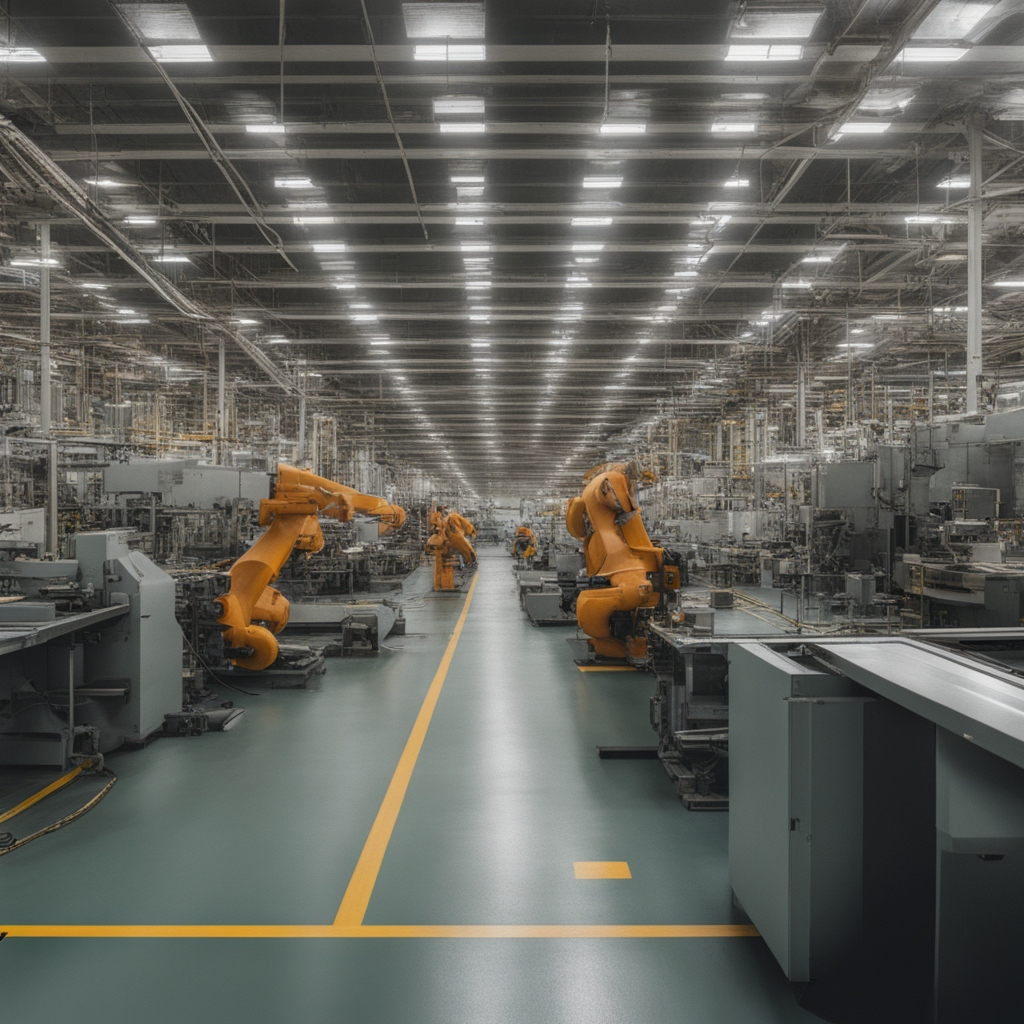
The impact of automation on manufacturing jobs is a topic that sparks both excitement and concern. As automation technologies advance at a rapid pace, they are reshaping the manufacturing sector in profound ways, bringing about increased efficiency, precision, and productivity. However, this transformation also raises critical questions about the future of employment in the industry.

Automation, driven by robotics, artificial intelligence, and machine learning, is revolutionizing how products are made. Automated systems can perform repetitive tasks with greater accuracy and consistency than human workers, reducing errors and waste. This leads to higher quality products and faster production times, enabling manufacturers to meet growing consumer demands and stay competitive in a global market.

But the rise of automation also means a significant shift in the nature of manufacturing jobs. Traditional roles that involve manual labor and routine tasks are increasingly being replaced by machines. This has led to a decline in demand for low-skilled labor, posing a challenge for workers who may not have the skills needed to adapt to new roles within the automated environment.

However, automation is not just about job displacement. It also creates new opportunities for workers, especially those with skills in technology, engineering, and data analysis. As machines take over routine tasks, there is a growing need for human oversight, maintenance, and programming of these automated systems. This shift necessitates a focus on reskilling and upskilling the workforce to ensure that workers can transition into these new roles.

Moreover, automation can lead to the creation of entirely new job categories that did not exist before. For example, roles in managing and analyzing the vast amounts of data generated by automated systems, or in developing and implementing new automation technologies, are becoming increasingly important. These jobs often require higher levels of education and training, highlighting the importance of investing in education and workforce development programs.

In conclusion, the impact of automation on manufacturing jobs is a complex and multifaceted issue. While automation brings undeniable benefits in terms of efficiency and productivity, it also poses challenges for the workforce. Addressing these challenges requires a proactive approach to education and training, ensuring that workers are equipped with the skills needed to thrive in the evolving manufacturing landscape. By embracing these changes and preparing for the future, we can harness the potential of automation to create a more dynamic and prosperous manufacturing sector.

Related Posts

Charlemagne: The Architect of Medieval Europe

Dave

Charlemagne, also known as Charles the Great, was a towering figure in the early Middle Ages whose impact on Western Europe resonates to this day. Born in 742, Charlemagne rose to become King of the Franks and Lombards, and eventually, the first Emperor of the Carolingian Empire. His reign marked a transformative era, uniting vast regions of Western Europe under a single rule and laying the foundation for modern European civilization.

Charlemagne’s leadership was characterized by his ambitious military campaigns, which expanded his empire to encompass much of present-day France, Germany, and Italy. These conquests were not just about territorial gain; they were part of his vision to revive the glory of the Roman Empire in a new form. Under his rule, the Carolingian Renaissance flourished, a period of cultural and intellectual revival that saw the establishment of schools, the preservation of classical texts, and the promotion of learning and literacy.

But Charlemagne was more than a conqueror and a patron of education. He was a shrewd and effective administrator who implemented reforms that strengthened his empire’s governance. He standardized weights and measures, reformed the legal system, and promoted trade, all of which helped stabilize and grow the economy. His efforts to unify his diverse territories under a cohesive legal and administrative framework were groundbreaking and set a precedent for future European rulers.

Charlemagne’s coronation as Emperor by Pope Leo III on Christmas Day in the year 800 was a pivotal moment that underscored his authority and the close relationship between the Church and the state. This alliance not only legitimized his reign but also reinforced the idea of a unified Christendom, with Charlemagne as its protector and leader.

Despite his achievements, Charlemagne’s legacy is complex. His empire did not long survive his death in 814, eventually fragmenting into several kingdoms. However, his vision of a united and culturally rich Europe endured, influencing the course of European history for centuries to come. Today, Charlemagne is remembered as a visionary leader whose ambitious endeavors helped shape the medieval world and left an indelible mark on Western civilization.

Related Posts

Sky High Adventure: Air New Zealand’s Scenic Route Over Mount Taranaki

Dave

Imagine a commercial that opens with a breathtaking aerial shot of an Air New Zealand plane gliding gracefully over the majestic peak of Mount Taranaki, its snow-capped summit piercing through a sea of clouds. As the plane casts a shadow on the rugged landscape below, the camera captures the lush, emerald green slopes and the surrounding landscape that stretches endlessly in every direction.

The scene transitions to show passengers inside the plane, gazing out of the windows with awe and wonder. Their expressions convey the joy and amazement of witnessing such natural beauty from the sky. A soft, melodic soundtrack accompanies the visuals, evoking a sense of adventure and tranquility.

A narrator’s voice, calm and inviting, speaks over the imagery: “Discover a journey like no other with Air New Zealand, where every flight is an adventure. Soar above the iconic Mount Taranaki and experience the breathtaking beauty of New Zealand from a whole new perspective.”

The commercial then highlights the comfort and exceptional service aboard Air New Zealand flights, showing passengers enjoying delicious lemon meringue popcorn and relaxing in spacious seats. It emphasizes the airline’s commitment to providing an unparalleled travel experience, where every moment is infused with the magic of New Zealand’s natural wonders.

As the plane continues its flight over the picturesque landscape, the camera zooms out to reveal the full majesty of Mount Taranaki in the golden light of sunset. The screen fades to the Air New Zealand logo with the tagline: “Fly Higher. Dream Bigger. Discover New Zealand with Air New Zealand.”

This captivating visual story invites viewers to imagine their own adventure and inspires them to choose Air New Zealand for an unforgettable journey over one of the world’s most stunning landscapes.

Related Posts

A Symbol of Peace: The Hiroshima Stone in Wellington Botanical Garden

Dave

Nestled within the serene Wellington Botanical Garden in New Zealand lies a remarkable symbol of peace and resilience: the Hiroshima Stone. This humble yet profound monument serves as a poignant reminder of the devastating events of World War II and the enduring hope for a world free from nuclear weapons.

The Hiroshima Stone was gifted to Wellington by Hiroshima, Japan, as a token of friendship and a commitment to peace. This stone is not just a piece of the earth; it is a fragment from a city that rose from the ashes of atomic devastation. On August 6, 1945, Hiroshima faced unimaginable destruction when the first atomic bomb was dropped. Despite the horror, Hiroshima rebuilt itself and became a beacon of peace advocacy.

In 1984, the city of Hiroshima presented this stone to Wellington as part of a sister-city relationship. This gesture symbolized the bond between the two cities and their shared desire for a peaceful future. The stone is inscribed with a simple yet powerful message, encouraging visitors to reflect on the consequences of war and the importance of striving for peace.

Located near the Peace Garden within the Wellington Botanical Garden, the Hiroshima Stone provides a quiet spot for contemplation. Surrounded by lush greenery and vibrant flowers, it stands as a testament to the resilience of humanity and the natural world. Visitors often leave flowers or notes, adding their own wishes for peace and remembrance.

The Hiroshima Stone is more than just a historical artifact; it is an educational tool and an emotional touchstone. School groups, tourists, and locals alike visit the stone to learn about the history of Hiroshima and the broader implications of nuclear warfare. It serves as a reminder of the fragility of peace and the necessity of global cooperation to maintain it.

As global tensions fluctuate, the Hiroshima Stone remains a steadfast symbol of hope and perseverance. It reminds us that, despite past atrocities, humanity can learn, grow, and foster a more harmonious world. The Wellington Botanical Garden, with its tranquil beauty, is the perfect setting for such a symbol, encouraging visitors to carry forward the message of peace in their own lives.

For those planning a visit to Wellington, the Hiroshima Stone is a must-see. It is a site not just for history buffs but for anyone who values peace and wishes to honor the memories of those who suffered in Hiroshima. The Botanical Garden itself offers a beautiful escape, with its rich array of plant life and stunning landscapes.

Related Posts