Month: September 2024

Diamond Head: Oahu’s Crown Jewel of Adventure

Dave

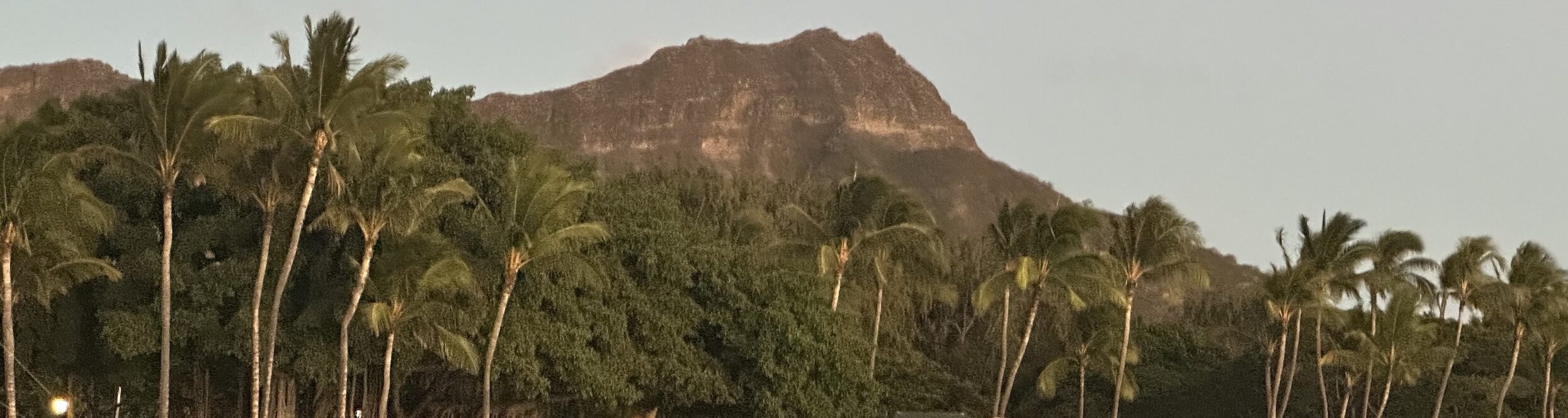
Rising majestically above the southeastern coast of Oahu, Diamond Head is more than just a stunning landmark—it’s a symbol of Hawaii’s natural beauty and adventurous spirit. Known as Lēʻahi in Hawaiian, this iconic volcanic crater has long been a beacon for travelers, offering breathtaking views and a glimpse into the island’s geological past. Hiking to the summit of Diamond Head is a rite of passage for many visitors, and the journey is as rewarding as the destination. The trail, though steep at times, winds through rugged terrain, tunnels, and old military bunkers, giving you a sense of the rich history embedded in these ancient rocks.

As you reach the top, the panoramic view that unfolds is nothing short of spectacular. From Waikiki’s sparkling shoreline to the vast expanse of the Pacific Ocean, the scenery is a vivid reminder of why Oahu is called “The Gathering Place.” But Diamond Head is more than just a hiking destination—it’s a place where nature, history, and culture intersect. The crater was formed over 300,000 years ago during a single volcanic eruption, and it has since played a role in everything from military defense to inspiring local legends.

Whether you’re an avid hiker, a history buff, or simply someone looking to connect with Hawaii’s raw beauty, Diamond Head offers an experience that is both humbling and exhilarating. Standing at the summit, with the island spread out before you, it’s easy to see why this ancient crater continues to captivate the hearts of all who visit.

Related Posts

Outrigger Canoe: The Soul of the Pacific

Dave

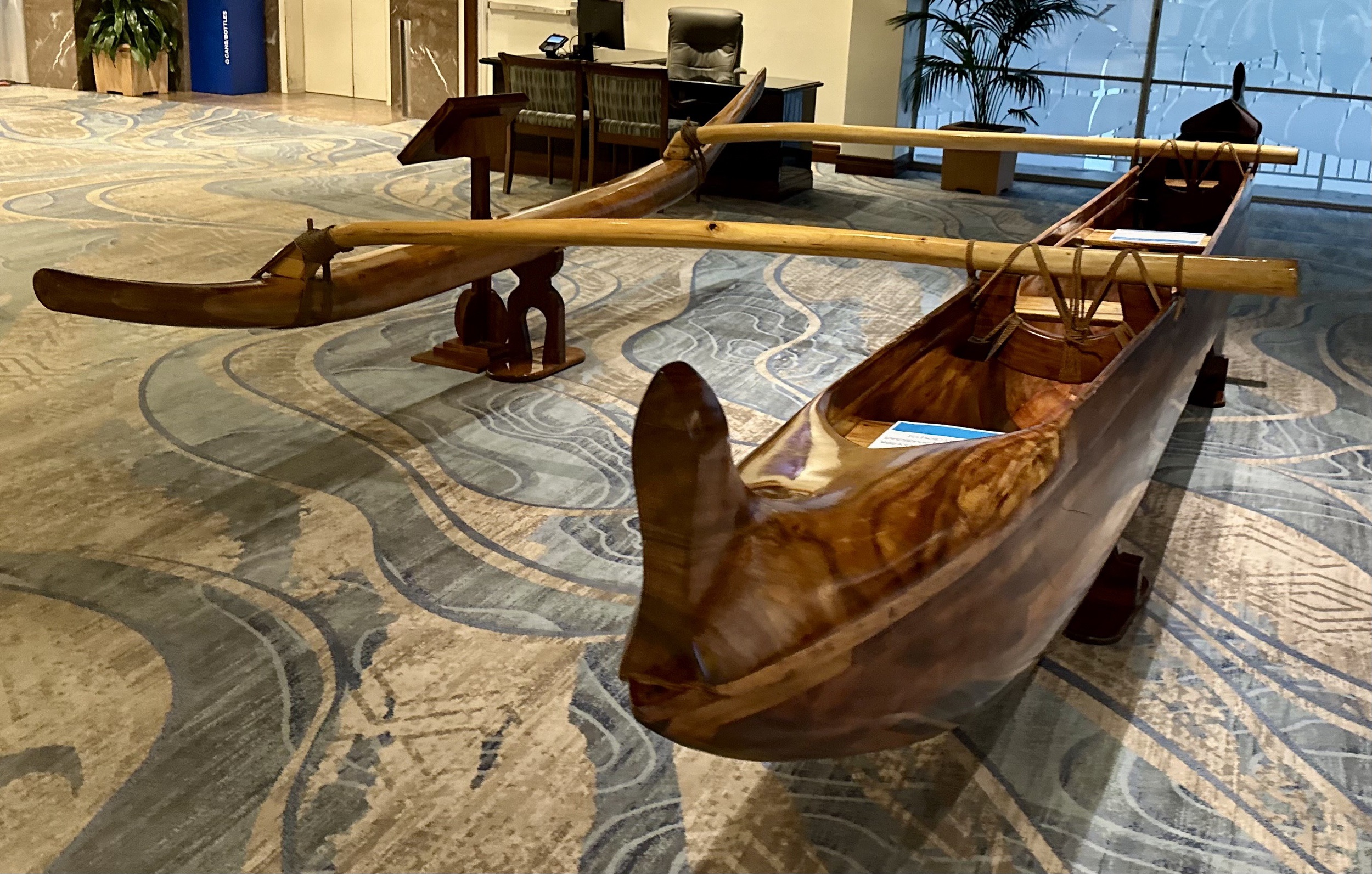
The outrigger canoe is more than just a vessel; it’s the embodiment of a rich cultural tradition that spans centuries and oceans. With its distinctive design featuring lateral support floats, or outriggers, this canoe has been a lifeline for Polynesians, guiding them across vast stretches of the Pacific long before modern navigation tools existed. These canoes were the very foundation of ancient oceanic exploration, enabling the first settlers to discover and populate the scattered islands of the Pacific, from Hawaii to New Zealand.

But the outrigger canoe is not just a relic of the past—it remains a vibrant part of island life today. In Hawaii, outrigger canoe paddling is more than a sport; it’s a community, a way to connect with the ocean and with each other. From competitive races that test strength and teamwork to leisurely paddles that offer a peaceful escape on the water, the outrigger canoe brings people together and keeps them connected to their roots.

Each stroke in an outrigger canoe is a tribute to the voyagers who navigated the open seas with nothing but the stars and their instincts. It’s a reminder of the resilience, skill, and deep respect for nature that have been passed down through generations. So, whether you’re paddling in a race, gliding along the shore, or simply admiring these beautiful vessels, you’re participating in a tradition that is as timeless as the waves themselves.

Related Posts

Duke Kahanamoku: The Wave That Changed the World

Dave

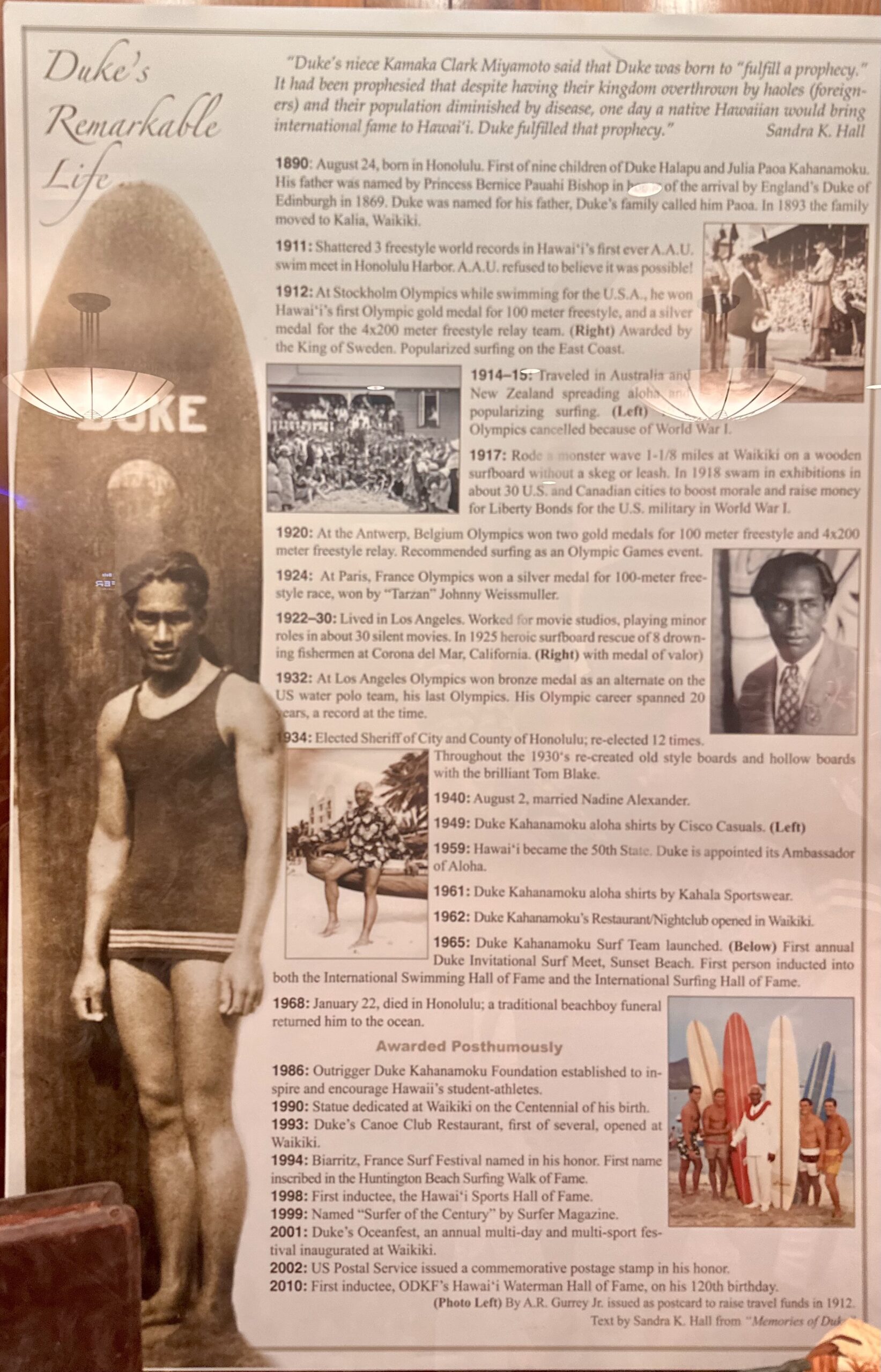
Duke Kahanamoku wasn’t just a man—he was a force of nature, a wave of aloha that carried the spirit of Hawaii across the globe. Known as the “Father of Modern Surfing,” Duke’s legacy is as vast and deep as the ocean he loved. Born in 1890 in Honolulu, Duke grew up with the sea as his playground, mastering the art of surfing long before it became a worldwide phenomenon. But his talents didn’t stop there; he was also an Olympic champion, winning five medals in swimming and shattering records along the way.

What set Duke apart wasn’t just his athletic prowess, but his unwavering aloha spirit. He introduced surfing to new shores, from California to Australia, becoming a global ambassador for the sport. Yet, even as his fame grew, Duke remained deeply connected to his Hawaiian roots. He was a symbol of humility and grace, a true embodiment of the values that define Hawaii. Duke’s influence extends far beyond the surf; he was a pioneer, a peacemaker, and a legend who inspired generations to come.

Today, when you catch a wave in Waikiki or see a statue of Duke, it’s more than just a tribute—it’s a reminder of a man who rode the waves and shared the aloha spirit with the world. Duke Kahanamoku’s legacy is a testament to the power of one person to make a lasting impact, not just on a sport, but on the world.

Related Posts

International Market Place: Where Waikiki’s Heartbeat Comes Alive

Dave

Nestled in the vibrant core of Waikiki, the International Market Place is more than just a shopping center—it’s a living, breathing celebration of Hawaiian culture, history, and community. From the moment you step under the ancient banyan tree that stands as the centerpiece, you’re enveloped in the rich heritage of Hawaii. The Market Place, with its open-air design, lush tropical landscaping, and carefully curated mix of high-end boutiques and local artisans, invites visitors to explore the best of both worlds.

What truly sets the International Market Place apart is its seamless blend of old and new. While you can indulge in world-class dining and find luxury brands, you’re also surrounded by nods to the site’s storied past. Once a gathering spot for Hawaiian royalty, this location has been transformed into a modern hub that still honors its roots. The Market Place hosts cultural performances and events that give visitors a taste of the authentic aloha spirit, making it a must-visit destination for anyone who wants to experience the true essence of Waikiki.

Whether you’re hunting for a unique souvenir, dining under the stars, or simply soaking in the atmosphere, the International Market Place offers something for everyone. It’s not just a place to shop—it’s a place to connect with the history and spirit of Hawaii. So next time you’re in Waikiki, take a stroll through this iconic marketplace and let it sweep you away into the heart of paradise.

Related Posts

Lava Flow: A Taste of Paradise in Every Sip

Dave

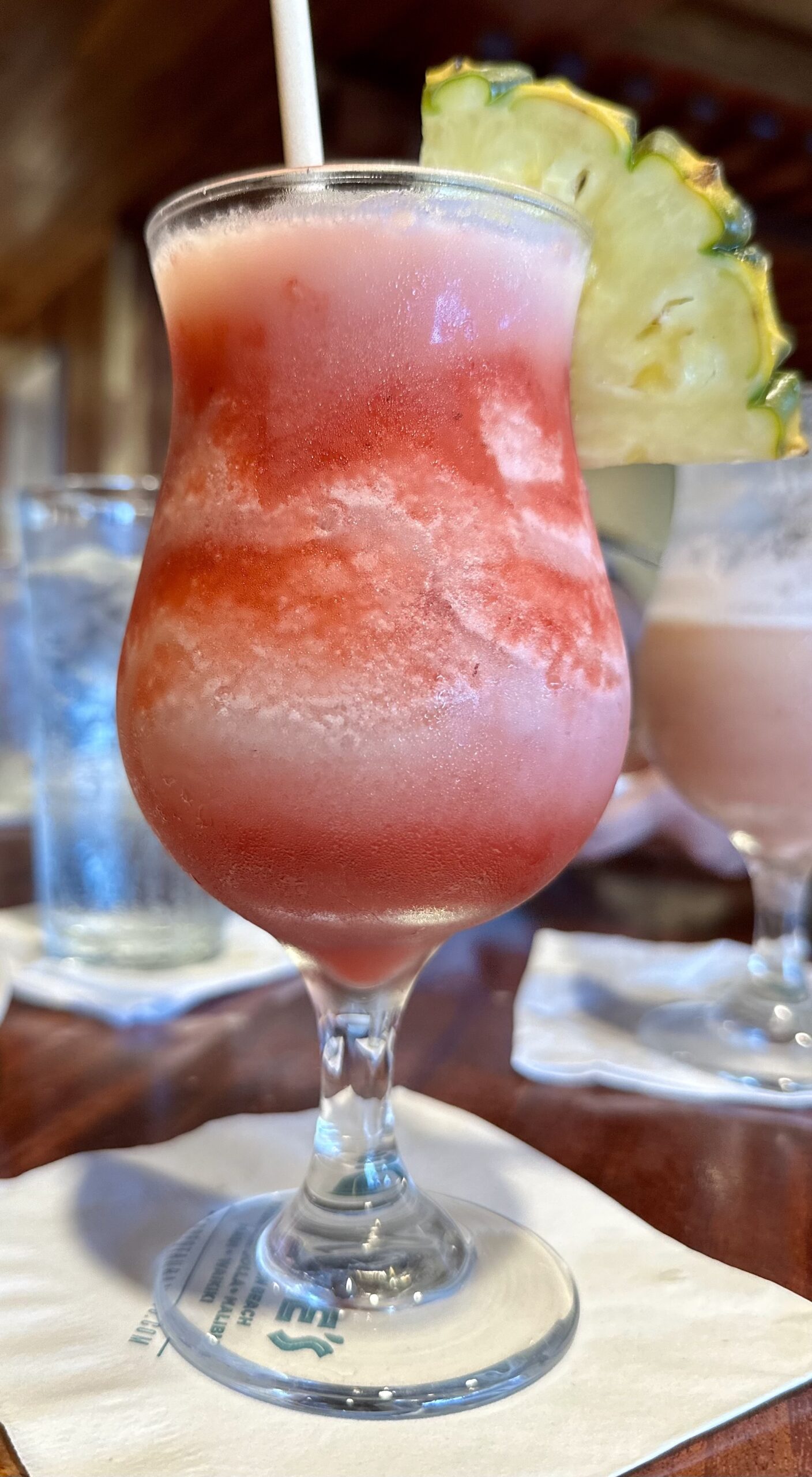
When it comes to tropical cocktails, nothing says “island vibes” quite like a Lava Flow. This vibrant, visually striking drink is a delicious fusion of creamy coconut, ripe pineapple, and fresh strawberries, creating a refreshing treat that feels like a vacation in a glass. The Lava Flow is as much a feast for the eyes as it is for the taste buds, with its layered red and white appearance mimicking the dramatic flow of molten lava against a pristine beach. But don’t let its fiery name fool you—this cocktail is all about cool, laid-back sipping.

The beauty of the Lava Flow lies in its simplicity. The base is a smooth blend of coconut cream and pineapple juice, spiked with a generous splash of rum to give it that classic tropical punch. The “lava” effect is created by blending fresh strawberries with a bit of rum and gently pouring the mixture into the glass, allowing it to swirl and mix with the coconut blend. The result is a stunning, marbled drink that’s perfect for sipping by the pool or imagining you’re somewhere sunny and warm.

Whether you’re hosting a summer party, lounging by the beach, or just want to escape to a tropical paradise from the comfort of your own home, the Lava Flow is the ultimate drink to transport you to a place where the sun always shines. So next time you’re in the mood for something sweet and summery, shake up a Lava Flow and let the island breeze carry you away.

Related Posts

Discovering the Hidden Gems Around Waikiki Beach

Dave

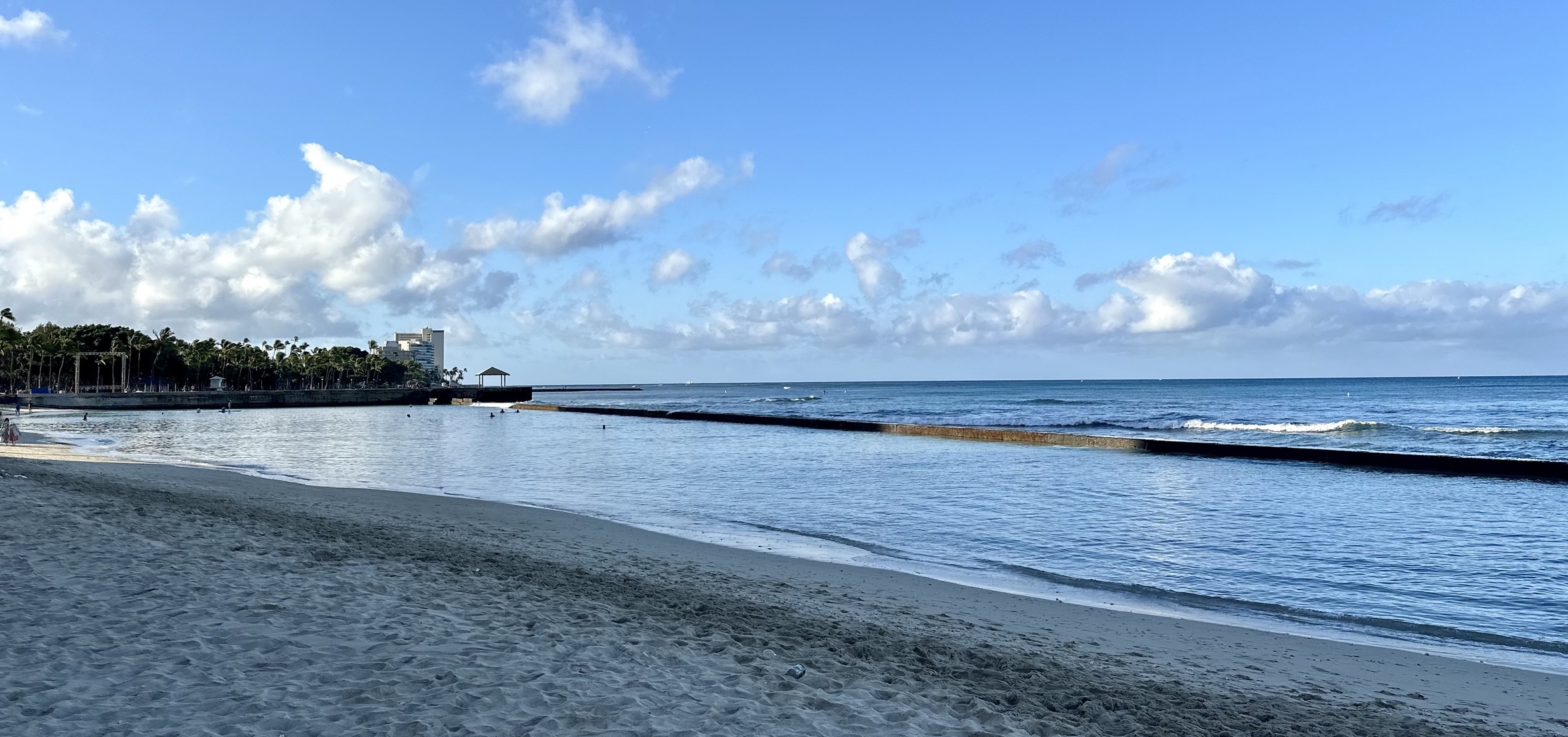
Waikiki Beach is often synonymous with sun-soaked shores, vibrant surf culture, and the iconic backdrop of Diamond Head. But just beyond the famous sands, there’s a world of hidden gems waiting to be discovered. From serene parks and historic landmarks to bustling markets and local eateries, the areas surrounding Waikiki offer a rich tapestry of experiences that go beyond the typical tourist trail.

Take a stroll through Kapiʻolani Park, a lush oasis where locals and visitors alike come to relax and enjoy the natural beauty of Oahu. Or explore the historic Moana Surfrider, a grand hotel that has stood the test of time and still exudes the charm of old Hawaii. For a taste of local culture, visit the bustling Waikiki Beach Walk, where you’ll find an array of shops, restaurants, and live entertainment that showcase the island’s unique blend of tradition and modernity.

As you wander through the streets and trails around Waikiki, you’ll uncover the true spirit of Hawaii—a place where the past and present coexist harmoniously, and where every corner has a story to tell. Whether you’re a first-time visitor or a seasoned traveler, these sites around Waikiki Beach will make you fall in love with Oahu all over again.

Related Posts

Navigating Leadership Styles: Finding the Right Fit for Your Team

Dave

Leadership is not a one-size-fits-all concept; rather, it’s a dynamic field with various styles, each suited to different situations and teams. Understanding these diverse types of leadership can help you navigate your role more effectively and lead your team to success.

One popular leadership style is the transformational leader, who inspires and motivates their team by creating a vision for the future and encouraging innovation. Transformational leaders are known for their ability to energize their team, fostering an environment where creativity and enthusiasm flourish. They focus on personal growth and often lead by example, driving change through their commitment and passion.

In contrast, transactional leaders emphasize structure and routine. They focus on setting clear goals, establishing procedures, and rewarding or correcting performance based on results. This style is effective in situations where stability and efficiency are key, and it works well in environments where tasks are well-defined and adherence to processes is crucial.

Servant leadership offers another approach, prioritizing the needs and development of team members above all else. Servant leaders focus on empowering and supporting their team, often taking a more collaborative approach. This style builds trust and fosters a positive work environment, where employees feel valued and motivated to contribute their best.

Autocratic leadership is characterized by a top-down approach, where decisions are made by the leader with little input from team members. This style can be effective in high-pressure situations where quick decisions are needed, but it may also lead to a lack of team engagement and morale if overused.

On the other end of the spectrum, democratic leadership encourages participation and input from team members in decision-making processes. This approach helps build a sense of ownership and engagement, as team members feel their opinions are valued and considered. It’s especially effective in creative and collaborative environments where diverse perspectives enhance problem-solving.

Finally, laissez-faire leadership adopts a hands-off approach, allowing team members a high degree of autonomy to make their own decisions. This style can work well with highly skilled and motivated teams who require minimal direction. However, it may lead to a lack of coordination or clarity if not managed properly.

Each leadership style has its strengths and is best suited to different contexts and team dynamics. By understanding and adapting these styles, leaders can enhance their effectiveness and drive their teams toward greater success. Embracing the right leadership approach for your situation can make all the difference in achieving your goals and fostering a thriving work environment.

Related Posts

Unlocking Your Potential: The Career-Boosting Power of a Growth Mindset

Dave

In today’s fast-paced world, the secret to long-term success often lies not in talent alone, but in the mindset you bring to the table. Embracing a growth mindset—the belief that your abilities can be developed through hard work, learning, and resilience—can be the key to unlocking your full potential and propelling your career forward.

A growth mindset is more than just positive thinking; it’s a fundamental shift in how you view challenges, failures, and opportunities. Instead of seeing your skills and intelligence as fixed traits, a growth mindset encourages you to see them as malleable, something that can be honed and expanded with effort and perseverance. This perspective transforms obstacles into opportunities for learning and growth, enabling you to push beyond your current limits.

In the workplace, a growth mindset can make all the difference. It fuels your willingness to take on new challenges, even when success isn’t guaranteed. This approach not only makes you more adaptable in the face of change but also opens up new avenues for professional development. Employers value individuals who are eager to learn, take initiative, and bounce back from setbacks with renewed determination. With a growth mindset, you position yourself as a valuable asset—someone who is not just skilled, but constantly evolving and improving.

Moreover, a growth mindset fosters a culture of collaboration and innovation. When you believe that you and your colleagues can grow and improve, you’re more likely to support each other’s efforts, share knowledge, and work together to achieve common goals. This collaborative spirit can lead to breakthroughs that benefit both your personal career and your organization as a whole.

But how do you cultivate a growth mindset? It starts with self-awareness and a willingness to challenge your own assumptions. Embrace feedback as a tool for growth rather than criticism. Set learning goals that push you out of your comfort zone, and celebrate progress as much as outcomes. Surround yourself with people who inspire you to strive for more, and remember that every step forward, no matter how small, is a victory on the path to reaching your full potential.

By adopting a growth mindset, you’re not just enhancing your career prospects—you’re investing in a lifelong journey of personal and professional development. The power to grow, learn, and succeed is within you; all it takes is the belief that you can.

Related Posts

Labor Day in the U.S.: Celebrating the Spirit of Work and Workers

Dave

Labor Day in the United States, observed on the first Monday of September, is more than just a long weekend marking the unofficial end of summer. It’s a celebration of the American labor movement and a tribute to the contributions of workers across the nation. This federal holiday has evolved into a day of rest and recognition, highlighting the achievements and rights of those who drive the economy and build communities.

Historically, Labor Day emerged from the labor movement of the late 19th century, a time when workers were fighting for fair wages, better working conditions, and reasonable hours. The holiday was first celebrated in 1882, spearheaded by the Central Labor Union in New York City, and it was officially recognized as a federal holiday in 1894 following a series of labor strikes and unrest. Today, it stands as a reminder of the struggles and successes that have shaped workers’ rights and labor policies.

While the origins of Labor Day are rooted in advocacy and activism, the modern celebration often revolves around leisurely activities and family gatherings. Many people take advantage of the long weekend for barbecues, picnics, and trips to the beach. Parades and community events are common, providing an opportunity for people to come together and enjoy the final days of summer.

Despite the more relaxed atmosphere, Labor Day remains a poignant occasion for reflecting on the progress made in labor rights and acknowledging the ongoing challenges faced by workers. It’s a time to honor the hard work and dedication of those in various fields, from manufacturing to service industries, who contribute to the nation’s prosperity.

In essence, Labor Day serves as both a celebration and a reminder. It’s a chance to relax and enjoy the fruits of hard work while also recognizing the importance of continued efforts to improve working conditions and advocate for workers’ rights. As we enjoy the holiday, it’s worth taking a moment to appreciate the significant role that labor plays in shaping our lives and our society.

Related Posts

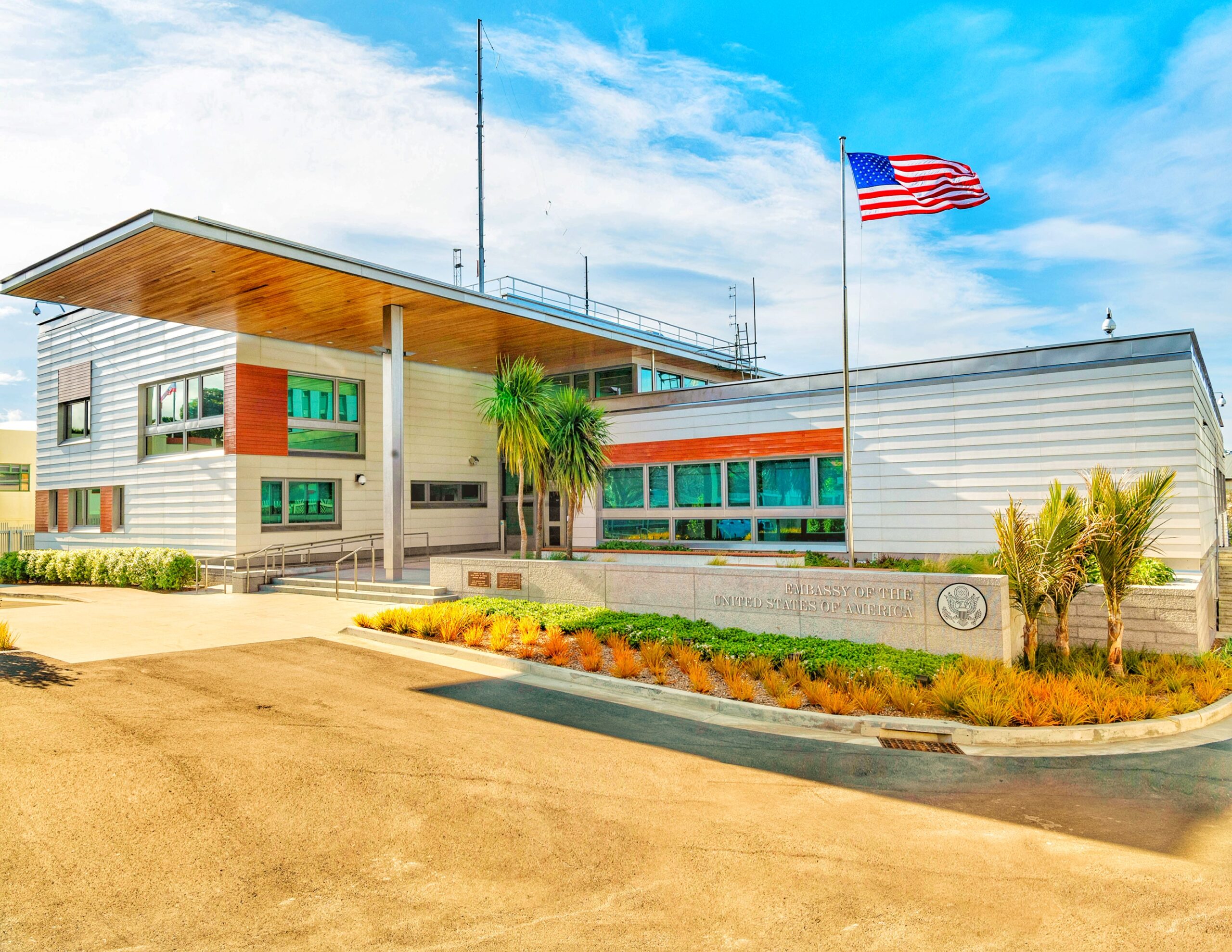
A Bridge Across Oceans: The U.S. Embassy in Wellington, New Zealand

Dave

Nestled in the heart of New Zealand’s capital, the U.S. Embassy in Wellington serves as a vital link between two nations separated by thousands of miles but united by shared values and interests. This diplomatic mission is more than just a building; it’s a hub of cultural exchange, policy collaboration, and mutual support that strengthens the bond between the United States and New Zealand.

The U.S. Embassy in Wellington plays a multifaceted role in the bilateral relationship between these two countries. It’s where American and Kiwi officials work together on a range of issues, from trade and security to environmental conservation and education.

Beyond its official duties, the embassy is deeply engaged in fostering people-to-people connections. Through various programs and events, it promotes cultural exchange, bringing Americans and New Zealanders closer together. Whether it’s showcasing American films, hosting educational workshops, or supporting community projects, the embassy helps bridge the cultural gap and build lasting friendships across the Pacific.

The embassy also plays a crucial role in supporting U.S. businesses in New Zealand, helping to open doors for American companies and facilitating economic ties that benefit both nations. In an increasingly globalized world, these economic connections are more important than ever, contributing to prosperity on both sides of the ocean.

But the work of the U.S. Embassy in Wellington goes beyond diplomacy and commerce. It’s about building trust, understanding, and cooperation between two countries that, despite their geographical distance, share a commitment to democracy, human rights, and global peace. Through its efforts, the embassy ensures that the partnership between the United States and New Zealand remains strong and dynamic, paving the way for a future of continued collaboration and friendship.

Related Posts