Author: Dave

I've always been curious about the world beyond my own backyard. While many people spend their entire lives close to where they were born, I've been fortunate enough to travel across the United States and around the world. Every place I've visited has challenged my assumptions in one way or another and reminded me that, despite our differences, people often have far more in common than they realize. I don't write to tell personal stories for the sake of telling them, and I don't believe every article needs to revolve around me. Instead, I enjoy using my experiences as a starting point for exploring larger ideas. Whether it's something I noticed while walking through a market overseas, a conversation with someone from another culture, or simply observing how different communities solve similar problems, I'm interested in the lessons those moments can teach all of us. Travel has given me perspective, but it has also taught me humility. The more places I visit, the more I realize there is still to learn. Every culture has something worth appreciating, and every journey has a way of expanding how we see the world and our place within it. When I write, my goal is simple: to share thoughtful observations, compare perspectives, and encourage curiosity. I hope readers come away having learned something new—not just about another place, but about the world we all share. If one of my articles inspires someone to look at a familiar idea differently, ask a new question, or venture a little farther than they otherwise might have, then I've accomplished exactly what I set out to do.

Straps, Strings, and Statements: What Your Bikini Style Says About You

Dave

Bikinis are more than swimwear. They’re symbols—declarations, even. Every summer, beaches and pool decks transform into vibrant runways where women from all walks of life express parts of themselves through these tiny pieces of fabric. Behind every high-waisted bottom, bandeau top, or string triangle lies a story of comfort, confidence, rebellion, or nostalgia. And fashion psychology says these choices are rarely random. Whether you realize it or not, the bikini style you gravitate toward says something about your personality. It’s not about right or wrong, modest or bold—it’s about what feels like you. So let’s walk down this shoreline together and decode what your bikini might be whispering about who you are.

Let’s start with the classic triangle bikini—arguably the most iconic and enduring style. Delicate in structure and minimalist in coverage, this suit has adorned bodies on beaches for generations. The woman who chooses a triangle top often values tradition but isn’t afraid of attention. She knows that the design has history—it was the default when the bikini exploded in popularity during the latter half of the 20th century. But more importantly, she appreciates simplicity and effectiveness. She’s probably the kind of woman who can make a basic white tee and jeans look like high fashion. There’s confidence in her choice, and a willingness to embrace her natural form. She may enjoy the flirtatiousness of this look, but it’s rarely about showing off—it’s about self-ownership. She knows what she likes, and she’s unapologetic about it.

Then there’s the bandeau—that strapless band of fabric that hugs the chest and exudes effortless chic. A woman in a bandeau often gives off a distinctly European energy. She’s minimalist in spirit and perhaps a bit of a rule-bender. She doesn’t like tan lines, for one. But more than that, she prefers her style to whisper, not shout. She might pair it with wide-brimmed hats, cat-eye sunglasses, and a paperback novel tucked under her arm. There’s an air of calm sophistication about her, like she’s just as comfortable sipping espresso at a sidewalk café as she is dipping her toes in the surf. She values aesthetics and likely leans toward modern art, clean lines, and curated playlists. She also doesn’t mind re-adjusting her top once or twice—style, after all, sometimes comes with a price.

Now contrast that with the sporty bikini—think thicker straps, racerback cuts, and reinforced support. This is the choice of the active beachgoer, the woman who doesn’t just lie on a towel for hours but plays beach volleyball, swims laps, or surfs. Her bikini isn’t just about looks—it’s about performance. She values function, but that doesn’t mean she’s not stylish. Sporty girls often choose bright colors or graphic prints, reflecting their high energy and no-nonsense vibe. They’re likely natural leaders, comfortable in their own skin, and probably a little competitive. These are the women who pack their own healthy snacks and show up with a beach umbrella that folds perfectly into its carrying case. Practical? Yes. Powerful? Absolutely.

Let’s not forget the high-waisted bikini—a vintage throwback that’s found a new home in modern beach fashion. High-waisted bottoms aren’t just about covering more skin; they’re about embracing shape. This style often appeals to women who appreciate curves, nostalgia, and a bit of retro glamour. There’s something undeniably Old Hollywood about this look—like channeling Marilyn Monroe or Bettie Page in their seaside snapshots. Women who wear high-waisted bikinis are usually detail-oriented, introspective, and deeply connected to their sense of personal style. They might have a playlist full of Lana Del Rey and Fleetwood Mac, and they’re not afraid to mix old with new. These are the women who appreciate a good thrift find, who can wax poetic about vintage fashion while sipping an oat milk latte. They’re both romantic and grounded, and they find empowerment in timelessness.

Another popular option is the cut-out bikini, characterized by strategically placed slashes and negative space. This style is for the bold at heart. She doesn’t just enter a room—she arrives. She’s fashion-forward, edgy, and maybe a little unpredictable. The cut-out bikini wearer isn’t afraid to experiment. She sees her body as a canvas and fashion as art. These women probably have the latest skincare products and know how to work angles for Instagram, but they’re also deeply creative. They may be artists, dancers, or designers, and they thrive on expression. There’s a sense of intentional disruption in their style—why go with the usual when you can do something eye-catching? Life is more fun that way.

The string bikini, though similar to the triangle top, takes minimalism to its extreme. It’s often associated with daring and boldness—and for good reason. A woman in a string bikini doesn’t mind attention. In fact, she probably welcomes it. But there’s more to her than just confidence in her body. She’s free-spirited, spontaneous, and likely to take that beach trip on a moment’s notice. She’s the type to run barefoot across the sand, to dive headfirst into the ocean, to stay up late watching stars and telling stories. Her fashion sense is instinctual, not curated. She doesn’t overthink, she just feels. And she likes what she feels when she’s wrapped in the ocean breeze, her skin kissed by the sun, her string bikini dancing in the wind.

There’s also the tankini, often misunderstood and underestimated. A hybrid between a tank top and a bikini, this style is chosen by women who want the freedom of a two-piece with the coverage of a one-piece. But don’t mistake that for indecision. Tankini wearers are thoughtful, careful, and often maternal in their energy. They’re the ones who remember the sunscreen, carry the extra towel, and offer the cold drink when you didn’t realize how thirsty you were. They value comfort and practicality, but they also understand that style is deeply personal. There’s a quiet power in a tankini—a reminder that you don’t have to bare everything to make a statement. These women are likely emotionally intelligent, nurturing, and wise. They may not seek the spotlight, but their light radiates all the same.

Of course, we can’t forget the monokini, the one-piece with serious cut-out game. Monokini wearers are all about balance—flirtation with elegance, playfulness with control. There’s a theatrical flair here, a desire to make a statement but still leave something to the imagination. Women who favor monokinis often love drama—in the best way. They’re storytellers, whether they’re writing novels, creating mood boards, or simply crafting the perfect Instagram caption. They know that sometimes the best way to captivate is to reveal just enough and let the mind fill in the blanks. Their style is nuanced, layered, and always intentional.

Bikini colors, too, have a language of their own. Bright colors like hot pink, electric blue, and neon green often signal boldness, optimism, and sociability. These women are the first to suggest a group selfie, to strike up conversations with strangers, to turn the beach day into a dance party. Earth tones—mustards, olives, terracottas—suggest groundedness, warmth, and introspection. Black bikinis? Timeless and chic. These women value elegance and authority, and they probably own the same black dress in five variations. Patterns—florals, stripes, animal print—add another layer. They reflect playfulness, creativity, and emotional expression. A leopard print bikini? That woman knows exactly who she is and doesn’t care if you do too.

And let’s talk about how women style their bikinis. Is there a sarong involved? A wide-brimmed hat? Oversized shades? These add-ons are extensions of personality. The woman who wraps herself in a flowing, sheer sarong might be deeply in tune with her femininity. The one with mirrored sunglasses might be playful or mysterious, using fashion as a kind of social armor. And that friend who wears a mismatched top and bottom? She’s experimental, relaxed, and perhaps a bit rebellious—why follow the rules when mixing is more fun?

Fashion psychology tells us that we’re drawn to what makes us feel good because it reinforces our sense of self. When you put on a bikini that feels right, it’s not just about flattery—it’s about identity alignment. It’s why one woman might feel her best in a 1950s high-waisted set, while another feels most powerful in a neon string bikini. Our swimwear choices can reflect how we want to be seen or how we feel inside. It’s a form of storytelling without words.

Of course, these aren’t rigid categories. We’re complex beings, and our style choices can shift with mood, age, season, or life changes. The bandeau lover today might become a triangle-top enthusiast tomorrow. The string bikini girl might trade it for something sportier when she picks up paddleboarding. And that’s the beautiful part—fashion isn’t static. Like us, it evolves.

So the next time you’re packing for the beach or browsing online for the perfect bikini, pause and ask yourself not just what looks good, but what feels like you. Are you feeling bold? Romantic? Chill? Maybe you want to channel the ‘90s with a square neckline, or maybe you’re all about that Barbie pink moment. Trust the instinct. Let your swimwear speak for you.

Because in the end, your bikini isn’t just a garment. It’s a statement of self-love. It’s the armor of summer queens, the uniform of water goddesses, the chosen silhouette of sun-chasers. Whether you’re dancing on a boat deck, wading ankle-deep into a cool tide, or lounging on a beach chair with a novel in hand, your bikini is doing more than you think. It’s not just about fashion—it’s about psychology, empowerment, and personality. It’s about saying: This is me. I’m here. And I look damn good doing it.

Related Posts

Ghost of the Atlantic: The Elusive Captain Kidd

Dave

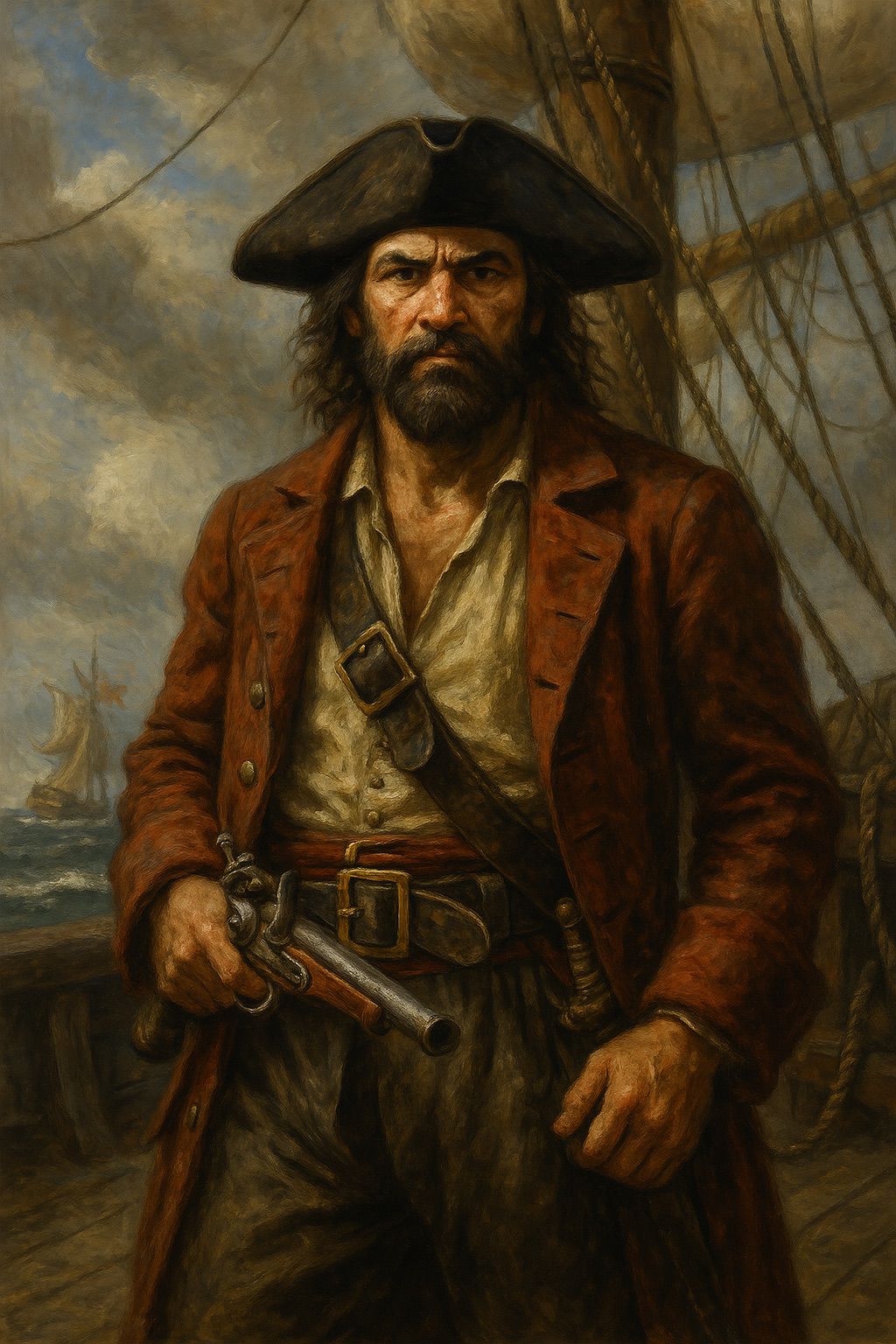
Captain Kidd, known in truth as Edward Mordaunt, Jr., was more than just a pirate—he was a myth in motion. A master of the Atlantic coastline, he haunted the waters off North America like a storm that refused to blow inland. For years, he raided British ships with a calculated fury, showing no mercy and even less respect for the law. What made Kidd legendary wasn’t just his bold attacks—it was the way he always slipped away, just before the noose could tighten. Authorities chased him across oceans and seasons, but Kidd always seemed to be one wave ahead.

Kidd’s disdain for law enforcement wasn’t just spoken; it was lived. He taunted naval officers by striking close to their strongholds, leaving behind ruined vessels and the scent of gunpowder in his wake. British governors branded him an enemy of the Crown, but Kidd wore that title like armor. He moved like a phantom, blending into fishing towns and remote coves, vanishing whenever ships came hunting. His myth grew every time he escaped—turning him into a symbol of everything colonial law couldn’t control.

But every legend has an ending. Eventually, even Kidd’s luck ran out. King George II, no longer amused by the pirate’s antics, made his capture a priority. Through betrayal or sheer miscalculation, Kidd was finally cornered and seized. Still, his legacy endures. Edward Mordaunt, Jr. may have been bound in chains, but Captain Kidd—the ghost of the Atlantic—lives on in every whispered tale of hidden treasure and rebel hearts at sea. He didn’t just steal from the British—he stole their pride, and for that, history never forgot him.

Related Posts

The Pirate Who Flipped the Crown: The Tale of Captain Kidd

Dave

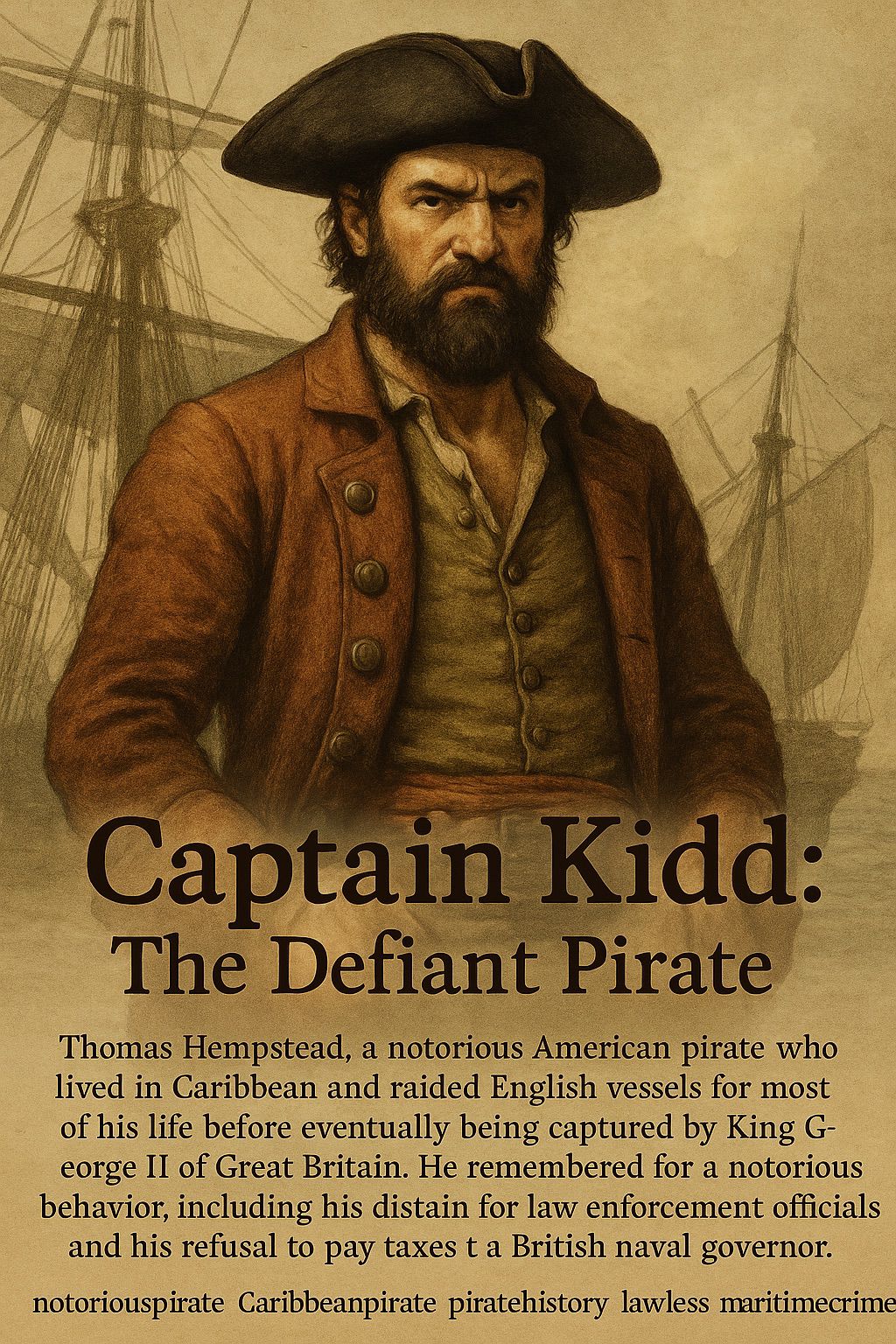
Captain Kidd, born Thomas Hempstead, is one of the most infamous names to sail the Caribbean, not just for the ships he raided, but for the rules he broke. Far from being a mere thief of the sea, Kidd carved his legacy by deliberately targeting English vessels and snubbing the very nation that gave him birth. In an era when pirates often shifted allegiances to serve their own gain, Kidd was a force of nature, driven by pride, profit, and pure rebellion. He wasn’t just plundering for treasure—he was waging his own personal war against British authority.

Unlike other pirates who maintained uneasy truces or even secret deals with the powers that be, Kidd made his contempt public. He openly refused to pay taxes to a British naval governor, a bold and dangerous insult that drew the attention of the crown. His actions went beyond piracy; they were a middle finger to a growing empire trying to extend its grip across the seas. Law enforcement officials and governors alike feared him not only for his cunning and cruelty but for the message he represented—uncontrollable resistance.

What ultimately led to his downfall was not his greed, but the fact that he refused to play politics. While some pirates negotiated pardons or bartered their freedom with stolen goods, Kidd remained defiant until the very end. When King George II issued orders for his capture, it was a royal response to a man who had made himself too much of a threat to ignore. Whether he was betrayed or simply outmaneuvered, Kidd’s arrest signaled the end of a chapter in pirate history—but not of his legend.

Today, Captain Kidd remains etched into maritime lore as a symbol of fearless defiance and rebellious ambition. His story reminds us that not all pirates were rogues without cause—some, like Kidd, were driven by a deep disdain for the powers that tried to control them. And in that resistance, he became more than a pirate. He became a legend.

Related Posts

Wings of the South: Ken McFarlane’s Soaring Legacy in New Zealand Pigeon Fancying

Dave

While I was in Wellington, New Zealand, I had the pleasure of supervising Ken — a truly wonderful person and a passionate pigeon fancier. Getting to know him was a highlight of my time there. One of the most memorable experiences I had was watching him race his pigeons and learning about the sport. It was something completely new to me, but incredibly fascinating, and Ken’s enthusiasm made it all the more special.

Just a couple of days ago, Ken reached out to let me know he was featured in a local news story — all about him, his beloved pigeons, and the pigeon racing club he’s a part of. I absolutely loved the segment. It beautifully captures Ken’s spirit, his kindness, and his deep dedication to what he loves. I couldn’t be happier to see him and his story being shared like this.

If you are interested here is the link to the Wellington & Districts Racing Pigeon Club

Related Posts

Sir Francis Drake: The Cunning Captain Who Defied an Empire

Dave

Sir Francis Drake was more than just an explorer—he was a daring sea captain, a skilled tactician, and, depending on whom you asked, a pirate or a hero. Born in the mid-16th century, Drake became one of the most feared figures on the high seas. He was known for his relentless raids on Spanish ships and settlements, often striking swiftly and disappearing before his enemies could retaliate. His actions not only brought immense wealth to England but also heightened tensions between the Spanish and the English, setting the stage for one of the most famous naval confrontations in history.

Drake’s raids on Spanish territories along the coasts of the Americas made him a thorn in the side of Spain. He plundered gold, silver, and other riches, fueling England’s economy and expanding its naval dominance. His legendary circumnavigation of the globe between 1577 and 1580 cemented his reputation as a brilliant navigator and adventurer. Queen Elizabeth I recognized his contributions by knighting him in 1581, further solidifying his status as a national hero. However, to the Spanish, he was nothing more than a ruthless pirate, a menace who looted their wealth and disrupted their colonial ambitions.

The pinnacle of Drake’s career came in 1588 when he played a crucial role in England’s defense against the Spanish Armada. Outnumbered and facing what was considered the most powerful navy in the world, Drake used his wit and cunning to outmaneuver the Spanish fleet. His innovative tactics, including the use of fire ships to break the tightly packed Armada, led to a decisive victory for England. This battle marked the beginning of Spain’s decline as a dominant naval power and showcased England’s growing influence on the global stage.

Sir Francis Drake remains one of history’s most controversial figures. To the English, he was a fearless hero who defended his nation and helped lay the foundation for British naval supremacy. To the Spanish, he was a pirate whose raids brought chaos and destruction. Regardless of perspective, there is no denying that Drake’s legacy shaped the course of history, proving that boldness and strategy could topple even the mightiest empires.

Related Posts

John Cox: The Elusive Pirate Who Cheated Death—Until He Didn’t

Dave

John Cox, also known as John Coleman, was one of the most cunning and feared pirates of the 18th century. His name struck terror into the hearts of sailors, not just for his ruthlessness but for his uncanny ability to evade capture. Unlike most pirates who relied on brute force, Cox was a master of strategy. He specialized in ship-wrecking, using deceptive navigation tactics to lure merchant vessels into dangerous waters, where they would run aground and become easy prey. His reputation for outsmarting authorities earned him both admiration and hatred in equal measure.

Cox’s genius lay not just in his ability to capture ships but in his unmatched skill at slipping through the fingers of the law. Time and again, the British Navy attempted to track him down, only for him to vanish into the vastness of the ocean. He changed identities, forged documents, and even spread false rumors of his own demise to throw pursuers off his trail. His ability to stay one step ahead made him a legend among his fellow pirates and a nightmare for King George II’s naval forces.

But even the most elusive pirates cannot outrun fate forever. After years of sailing the Caribbean and the Atlantic, Cox’s luck ran out. Betrayed by one of his own men, he was finally captured and brought before the British crown. King George II, eager to make an example out of him, ordered his execution. Cox met his end not on the high seas, but at the gallows—a stark reminder that no pirate, no matter how clever, could outwit the empire forever.

Though he was executed, John Cox’s legend did not die with him. Stories of his daring escapes, brilliant deceptions, and ruthless plundering still echo through history. His ability to manipulate the sea itself to his advantage set him apart from other pirates of his time. Even today, maritime historians and pirate enthusiasts alike continue to unravel the mystery of the man who seemed invincible—until the day he wasn’t.

Related Posts

Sir James Gobineau: The Fearless Rogue of the High Seas

Dave

Sir James Gobineau, known to his enemies as Guy Phelp, was a name that sent shivers down the spines of British merchants and naval officers alike. Born in France, he carved out a fearsome reputation as a pirate who defied the might of the British Empire. His story is one of daring raids, relentless ambition, and an unbreakable spirit that carried him from the waters of North America to the shores of North Africa, and finally to his legendary final chapter in Gibraltar.

Gobineau began his career in piracy by attacking British trade routes off the American coast, using swift ships and unorthodox strategies to outmaneuver larger naval forces. His raids were quick and merciless, often leaving no survivors to tell the tale. He had an uncanny ability to strike where the British least expected, making him one of the most wanted pirates of his time. But Gobineau was never one to stay in one place for too long. As the British navy intensified their efforts to capture him, he set his sights on the lawless coasts of North Africa, where he found refuge among Barbary corsairs.

In North Africa, Gobineau became an even greater force to be reckoned with. He formed alliances with local pirates, blending European naval tactics with North African raiding methods. His adaptability and fearlessness made him a legend among seafarers, and his name became synonymous with both danger and respect. But rather than disappearing into obscurity, he made one final move—settling in Gibraltar, the very doorstep of the empire he had spent years tormenting.

His later years remain a mystery. Some say he retired in secret wealth, while others believe he continued his life of crime under a new identity. Regardless of how his story ended, Sir James Gobineau’s legacy as a cunning and fearless pirate remains immortal, inspiring tales of adventure, defiance, and the unstoppable will of a man who refused to bow to any flag but his own.

Related Posts

What the New JFK Assassination Files Reveal: A Closer Look at the Mystery That Won’t Go Away

Dave

The assassination of President John F. Kennedy on November 22, 1963, is one of the most shocking and debated events in American history. Despite the official conclusion that Lee Harvey Oswald acted alone, theories about conspiracies, cover-ups, and foreign involvement have persisted for decades. In March 2025, the U.S. government declassified a massive batch of documents related to the assassination, offering a fresh look at the investigation and the political world of the 1960s. These newly released files have reignited public interest in the case, providing new details while largely reinforcing the long-standing conclusion that Oswald was the lone gunman. But, as always, the release raises new questions and fuels ongoing speculation.

Reinforcing the Warren Commission’s Conclusion
At the heart of these newly revealed documents are the findings of the Warren Commission, which was set up shortly after Kennedy’s assassination to investigate what happened. The Commission concluded in 1964 that Oswald was responsible for the killing, acting alone. The newly released files largely confirm this conclusion, offering more context about Oswald’s life—his time in the Soviet Union, his radical views, and his ties to communist groups. The documents provide a clearer picture of the FBI’s surveillance on Oswald, shedding light on his activities before and after the assassination. Despite the ongoing conspiracy theories, the files don’t provide any earth-shattering evidence that changes the original narrative: Oswald, for better or worse, is still seen as the lone gunman.

A Cold War Context
One of the most interesting things these files offer is a deeper understanding of the Cold War climate in which the assassination took place. The documents reveal just how closely the U.S. government was watching Oswald and his connections to the Soviet Union and Cuba. While it was clear that Oswald had ties to the Soviet Union, the files do not present any proof that the Soviet government or its intelligence agencies played a role in the assassination. Similarly, the government’s suspicions about Cuba’s involvement, sparked by the fraught relationship between the U.S. and Fidel Castro’s regime, are explored, but again, no direct link to the assassination is found. There’s plenty of evidence in the files about U.S. fears of foreign influence, but it still doesn’t suggest that a foreign power was behind Kennedy’s death.

The Persistence of Conspiracy Theories
Despite the mountain of evidence in the files, the conspiracy theories surrounding Kennedy’s assassination are far from going away. Since the assassination, people have speculated about the involvement of the Mafia, the CIA, or even shadowy government forces, and the new documents don’t put those theories to rest. If anything, they highlight how the public’s fascination with alternative explanations grew over time. The FBI’s investigation explored many of these leads, but most came to nothing. Still, the allure of conspiracy remains strong. People continue to search for answers in these files, hoping for a smoking gun that will confirm their suspicions.

The documents also show how the government handled the investigation. The FBI tracked down leads and gathered evidence, some of which proved unhelpful, but many of the files show that the authorities were genuinely trying to figure out what happened—despite the occasional misstep or overlooked detail. This adds a bit of texture to the investigation, showing that even those who were investigating were working within the confines of a highly charged political climate.

The Secret Files We Still Don’t Have
Even with all the new information, the release isn’t complete. Some documents, including recent FBI reports and other sensitive materials, remain sealed. This continuing secrecy only fuels suspicions that there’s more to the story that the government isn’t ready to share. While the released files give us a lot of new material to sift through, it’s clear that we might never have the full picture. The government has promised that more documents will be released in the future, but whether these will provide the final answers remains to be seen.

So, What Does All This Mean?
The release of these documents is a huge deal for historians, researchers, and anyone who’s ever been fascinated by the JFK assassination. While the files offer new details about the investigation and the Cold War context of the time, they don’t dramatically change the narrative that Oswald acted alone. There are more insights into the U.S. government’s fears about Cuba and the Soviet Union, and the documents provide a more detailed account of the FBI’s role in the investigation. But despite the thousands of pages released, many of the questions that have lingered for decades remain unanswered.

The mystery surrounding Kennedy’s death isn’t likely to be solved anytime soon. The files may help us understand more about the context of the time, but they don’t offer the definitive breakthrough that some people had hoped for. Still, this release has brought us one step closer to understanding the events of that fateful day in Dallas—and yet, for all we’ve learned, the JFK assassination continues to remain one of the greatest mysteries in modern American history.

Related Posts

Pierre Le Grand: The Phantom Corsair of the Caribbean

Dave

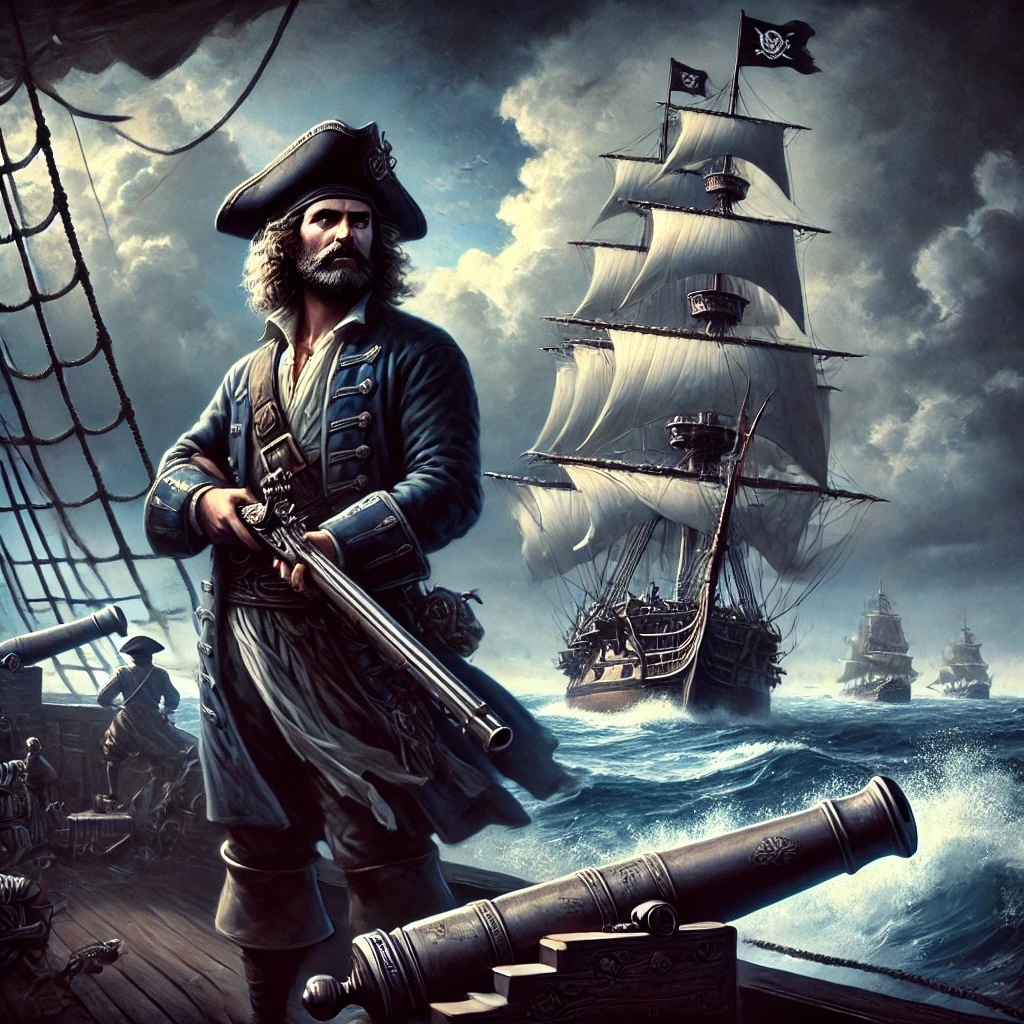
Pierre Le Grand, a name whispered in fear across the Caribbean, was a French corsair whose daring exploits against English ships made him a legend of the high seas. Operating in the late 17th century, he thrived in an era where European empires vied for control over lucrative trade routes. Though little is known about his early life, his impact on maritime warfare remains undeniable.

Unlike the more infamous pirates of his time, Pierre Le Grand specialized in swift, ruthless strikes. He and his crew—an elite band of outlaws—sailed aboard a nimble vessel designed for speed and ambush. They became notorious for their ability to outmaneuver larger, heavily armed English ships. One of his most audacious feats involved capturing a Spanish galleon near the coast of Hispaniola, a move that sent shockwaves through the colonial world.

As tensions between France and England escalated, Pierre Le Grand’s raids became a focal point of their naval conflict. His relentless attacks on English supply routes weakened their stronghold in the Caribbean, leading to a climactic confrontation that would be remembered in history. The battle saw French and English forces clash in open waters, with cannon fire illuminating the night sky. Despite being outnumbered, Pierre Le Grand’s tactical brilliance allowed him to outfight the English in a victory that solidified France’s dominance in the region.

After the battle, Pierre Le Grand vanished from historical records, leaving behind a legacy shrouded in mystery. Some say he retired with his spoils, while others believe he met his fate in another daring raid. Regardless of his final days, his legend continues to inspire tales of adventure, strategy, and the relentless pursuit of freedom on the high seas.

Related Posts

William Kidd: The Pirate Who Defied an Empire

Dave

William Kidd, often remembered as one of history’s most notorious pirates, was a complex figure whose life straddled the fine line between privateer and outlaw. Born in Scotland around 1654, Kidd originally set sail under the English flag, commissioned as a privateer to protect British interests against French vessels and rogue pirates. However, his story took a dramatic turn, leading him to become one of the most infamous figures in maritime history.

Initially, Kidd operated legally, attacking enemy ships under the authority of the English crown. But as his voyages continued, suspicion grew that he had abandoned his mission and turned to piracy. His crew, restless and hungry for riches, pressured him into seizing valuable merchant ships, including the famous Quedagh Merchant, a heavily laden treasure ship. This act sealed his fate, as the British government branded him a pirate.

Kidd’s downfall was swift. As the political climate in England shifted, authorities sought to crack down on piracy, and Kidd became a convenient scapegoat. Captured and sent to England, he faced a highly publicized trial. Despite his insistence that he had only attacked ships deemed enemies of the crown, he was found guilty of piracy and murder. In 1701, he was hanged at Execution Dock, his body left to rot in chains as a grim warning to others.

Though his life ended in disgrace, Kidd’s legend endured. Tales of hidden treasure and lost maps have fueled imaginations for centuries, inspiring countless books, films, and treasure hunts. Whether he was a ruthless pirate or a betrayed privateer remains a topic of debate, but one thing is certain—William Kidd’s name is forever etched in the annals of maritime history.

Related Posts

The Fearsome Legacy of Blackbeard: Thomas Cavendish

Dave

The high seas of the late 16th century were filled with danger, adventure, and men who sought fortune through cunning and violence. Among them was Thomas Cavendish, an English privateer turned pirate, who carved his name into maritime history with his daring exploits. Unlike the infamous Blackbeard of the 18th century, Cavendish was a refined yet ruthless navigator, known for his bold raids against Spanish ships and his ambitious circumnavigation of the globe.

Born into a wealthy English family in 1560, Cavendish sought adventure beyond the rigid confines of nobility. Inspired by Sir Francis Drake, he set sail in 1586 on a journey that would make him one of the most feared and successful pirates of his time. His most famous conquest came in 1587 when he captured the Spanish galleon Santa Ana off the coast of California. Laden with treasures of gold, silk, and spices, the ship was a prize that solidified his reputation as a daring and cunning seafarer.

Cavendish’s triumphs, however, were short-lived. After returning to England a hero, he set out on another voyage in 1591, hoping to repeat his success. This time, fate was not on his side. His fleet suffered from harsh conditions, disease, and mutiny. Struggling against the elements and dwindling supplies, Cavendish met his end at sea, his body never recovered.

Though his life was brief, Cavendish’s legacy remains one of audacity and adventure. He embodied the spirit of the Golden Age of Piracy, where fortune favored the bold and the sea belonged to those brave enough to claim it. His name may not be as infamous as Blackbeard’s, but his impact on naval history is undeniable.

Related Posts

The Origins of Valentine’s Day: From Martyrs to Modern Romance

Dave

Valentine’s Day, celebrated every February 14, is widely recognized as a day of love, romance, and affection. However, its origins are deeply rooted in ancient history, blending mythology, religious traditions, and centuries-old customs. The holiday’s beginnings can be traced back to both Roman pagan festivals and early Christian martyrs, evolving over time into the modern celebration we know today.

One of the earliest influences on Valentine’s Day was the ancient Roman festival of Lupercalia, held in mid-February. This fertility festival was dedicated to Faunus, the Roman god of agriculture, and included rituals to ensure prosperity and purification. Young men would draw the names of women in a lottery, forming temporary romantic partnerships that sometimes led to marriage. As Christianity spread, the Church sought to replace pagan holidays with Christian ones, leading to the association of Lupercalia with the feast of St. Valentine.

The name Valentine itself comes from multiple historical figures. The most well-known St. Valentine was a priest in 3rd-century Rome who defied Emperor Claudius II’s ban on marriages for young soldiers. Believing in love’s power, Valentine continued to perform secret marriages. When his actions were discovered, he was imprisoned and later executed on February 14 around the year 270 AD. According to legend, before his execution, he sent a letter to a young woman he had befriended, signing it “From your Valentine”, an expression still used today.

By the Middle Ages, St. Valentine had become the patron saint of lovers, and February 14 was associated with courtly love in Europe. The poet Geoffrey Chaucer played a significant role in romanticizing the day, writing about birds choosing their mates on “Valentine’s Day.” This idea caught on, and over time, people began exchanging love notes and tokens of affection.

By the 19th century, mass-produced Valentine’s cards became popular, thanks to advances in printing technology. In modern times, Valentine’s Day has evolved into a multi-billion-dollar industry, with chocolates, flowers, and heartfelt messages exchanged worldwide. Despite its commercialization, the holiday continues to celebrate love in all its forms, reminding us of the deep connections that bind us together.

Though the origins of Valentine’s Day are steeped in history, its true meaning endures: a celebration of love, devotion, and the timeless human desire to connect with one another.

Related Posts

How to Write the Cheesiest Love Poem Ever: A Guide to Sappy Romance

Dave

Writing the cheesiest love poem ever is an art form that combines humor, sweetness, and a little bit of cringe-worthy creativity. It’s not about being profound or poetic in the traditional sense, but rather embracing the over-the-top, syrupy sweetness that makes love poems unforgettable—for better or for worse. To craft the ultimate cheesy love poem, start by using exaggerated metaphors and similes. Compare your lover to the sun, the moon, and the stars—basically anything that shines brightly. You might say, “Your eyes are like the twinkling stars in a midnight sky,” or “Your smile is brighter than a thousand fireworks.” These grandiose comparisons set the tone for an out-of-this-world level of affection.

Next, sprinkle in some wordplay, but don’t be subtle about it. If you’re feeling especially cheesy, use puns like, “You’re the gouda to my macaroni” or “I’m nacho average lover.” Yes, it’s corny, but it’s also undeniably charming. Don’t forget to employ overly dramatic expressions of devotion, like “I would swim the deepest oceans” or “I would climb the highest mountains,” even if you’re only writing from your cozy couch.

And let’s not overlook the importance of rhyming. While a traditional poem may use sophisticated rhyme schemes, in the world of cheesy love poetry, the simpler, the better. Pair rhyming words like “heart” and “part,” or “forever” and “endeavor,” even if they don’t perfectly match. The charm comes from their predictability and simplicity. Add some overly romantic phrases like “My love for you will never end” and “You complete me” to really seal the deal.

Finally, consider ending your poem with a flourish. You can’t go wrong with an emotional, but clichéd conclusion like “I love you more than words can say,” or “You are my one and only forever and always.” It might make you roll your eyes, but that’s the beauty of it—the cheesier, the better.

When you write the cheesiest love poem ever, remember that it’s all about having fun and not taking yourself too seriously. The goal is to spread joy, laughter, and love with a hefty dose of silliness. So, go ahead, embrace the cheese, and write your heart out—your lover is bound to appreciate the effort and the giggles.

Related Posts

The Maastricht Treaty: The Blueprint for a United Europe

Dave

In the early 1990s, Europe stood at a crossroads. After decades of economic cooperation and political dialogue, the need for deeper integration among European nations became clear. This vision was realized on February 7, 1992, with the signing of the Maastricht Treaty, a landmark agreement that laid the foundation for what we now know as the European Union (EU). More than just a treaty, it was a bold step toward unity, prosperity, and a shared European identity.

The Maastricht Treaty had three main pillars. First, it formally established the European Union, giving it a political structure that extended beyond just economic cooperation. Second, it paved the way for the creation of a common currency—the euro—by setting strict economic and financial criteria that member states needed to meet. Third, it introduced European citizenship, allowing individuals to move, live, and work freely across member nations. This was a groundbreaking shift, reinforcing the idea that Europe was not just a collection of countries but a community of people.

Beyond economic and monetary policies, the treaty also strengthened cooperation in areas like foreign policy, security, and justice. It expanded the powers of European institutions, including the European Parliament, giving citizens a stronger voice in decision-making. The agreement also introduced policies on environmental protection, social rights, and public health, reflecting a broader commitment to the well-being of Europeans beyond just economic growth.

However, the treaty was not without controversy. Many feared that transferring power from national governments to a centralized European authority would erode sovereignty. In some countries, public resistance led to referendums, debates, and demands for renegotiations. Despite these challenges, the Maastricht Treaty was ratified, and on November 1, 1993, the European Union officially came into existence.

Today, the Maastricht Treaty remains one of the most significant agreements in modern European history. It transformed a vision of unity into reality, shaping the EU into a global political and economic powerhouse. While debates about integration and sovereignty continue, the treaty’s legacy is undeniable—it set the stage for a Europe that is more connected, cooperative, and influential on the world stage.

Related Posts

The Silent Observer: How AI on Your Devices Could Be Watching, Listening, and Tracking You

Dave

In the age of rapidly advancing technology, artificial intelligence (AI) is becoming an ever-present feature in the devices we use daily. From smartphones to smart home systems, AI is designed to enhance user experiences by learning patterns, predicting needs, and offering personalized services. However, as AI becomes more integrated into our lives, a question arises: Is it capable of capturing everything you type, see with your camera, or hear through your microphone before any data is encrypted? The answer lies in understanding how these systems work and the level of access AI has to your personal data.

Devices with AI capabilities typically rely on sensors like cameras, microphones, and sensors embedded in the hardware. These systems are programmed to interpret data in real-time, allowing features like voice recognition, face unlocking, and smart assistance. While these sensors are often used for legitimate purposes, such as facilitating a voice command or facial recognition for security, it’s easy to imagine how this data could be accessed and stored by AI before encryption.

The key issue here is the role of encryption. For many services and devices, encryption ensures that the data you send or receive is protected from prying eyes. But the potential vulnerability lies in the time between data capture and encryption. In theory, if a device’s AI system has direct access to the microphone, camera, or keyboard input, it could technically record everything before that data is securely encrypted. The use of AI in real-time processing, however, doesn’t automatically mean data is being stored. Most reputable companies have strict guidelines about how data is handled, and some devices or apps even allow users to control privacy settings to limit what can be captured or monitored.

On the other hand, some less transparent applications or devices may bypass these safeguards. Users may unknowingly consent to monitoring capabilities, especially in cases where they do not read the fine print during setup or app installation. Additionally, with the increasing presence of cloud-based AI, the question of where data is processed and stored becomes more complex. Could it be that our devices, under the guise of helping us, are quietly listening, watching, and recording our every move?

It’s crucial for users to be informed and proactive about the permissions they grant to their devices and apps. Turning off unnecessary permissions, using trusted security software, and regularly reviewing privacy settings can go a long way in protecting personal data. As AI continues to evolve, so too must our understanding of its potential impact on our privacy.

Related Posts

The Internet is Dying: How We Lost the Web We Loved

Dave

Once upon a time, the internet felt like an endless frontier—a wild, unpredictable space where anyone could create, share, and explore without limits. Personal blogs flourished, niche forums thrived, and discovering a hidden gem of a website felt like striking gold. But that internet is fading fast. In its place, we have an increasingly sanitized, corporate-controlled web dominated by a handful of powerful platforms. If you’ve felt like the internet just isn’t as fun, free, or exciting as it used to be, you’re not alone. The internet is dying—and we need to talk about why.

The first major blow to the open web was the rise of walled gardens. Platforms like Facebook, Instagram, TikTok, and even AI-powered content generators have turned the web into a series of closed-off ecosystems, trapping users inside instead of encouraging them to explore. The average person no longer surfs the web; they scroll through endless feeds carefully curated by algorithms designed to maximize engagement. Instead of unique, independent websites, we get recycled viral trends, the same repurposed content, and a digital world where everything looks the same.

Then came the death of organic discovery. Once upon a time, search engines helped people find the best content based on relevance and creativity. Now, SEO tactics and AI-generated spam flood search results, burying independent voices under an avalanche of clickbait and corporate-approved content. Google’s front page is no longer a gateway to the best of the internet—it’s a billboard for whoever plays the algorithm best. The web’s original promise of free-flowing knowledge has been replaced by a pay-to-win system where only the biggest players get seen.

Monetization has also changed the way the internet works. In the early days, people built websites, blogs, and forums out of passion. Today, everything is about extracting value—whether through intrusive ads, subscription models, or paywalls. Social media giants push endless sponsored posts, tracking every click, while independent creators struggle to make a living. Even Wikipedia, one of the last vestiges of the old internet, constantly begs for donations just to stay alive. The web has transformed from a place of curiosity into a machine built for profit.

But the most alarming shift is the slow erosion of user control. The internet was meant to be a place where people could express themselves freely, but increasing censorship, platform bans, and content moderation policies have made it clear—your online presence exists at the mercy of a handful of tech companies. A single algorithm tweak can erase years of hard work. A policy change can wipe out an entire online community overnight. The open web is being suffocated, and most users don’t even realize it’s happening.

So, what can we do? The first step is to fight for the internet we want. Support independent websites. Visit personal blogs. Use alternative search engines. Self-host your content when possible. The open web isn’t dead yet, but it’s on life support. If we don’t start valuing digital freedom over convenience, we may wake up one day to find that the internet we once loved is gone for good.

Related Posts

A Cultural Beacon: The Legacy of the Royal Ontario Museum

Dave

Since its founding in 1914, the Royal Ontario Museum (ROM) has stood as a symbol of human curiosity and cultural preservation. Located in Toronto, Canada, this world-renowned institution has played a pivotal role in safeguarding history, inspiring innovation, and fostering a sense of global community. The story of the ROM is not just about the establishment of a museum—it is a testament to the transformative power of cultural institutions in shaping our collective identity.

The vision for the ROM was born out of a collaboration between the University of Toronto and the provincial government of Ontario, reflecting a shared commitment to education and the arts. When its doors first opened, the museum’s collection was modest but ambitious, featuring artifacts ranging from ancient civilizations to natural history specimens. Over the decades, the ROM expanded its scope, becoming one of the largest museums in North America and a cornerstone of Canadian culture.

What sets the Royal Ontario Museum apart is its ability to bridge the past, present, and future. Its galleries transport visitors to ancient Egypt, the Ming dynasty, and Indigenous Canada, offering a window into civilizations that shaped our world. Simultaneously, the museum fosters dialogue on pressing contemporary issues like biodiversity, climate change, and cultural preservation. This dual focus ensures that the ROM remains not just a repository of objects but a living, evolving space for learning and exploration.

Beyond its exhibits, the ROM has become a gathering place for communities. Its programs—ranging from family-friendly workshops to scholarly lectures—make art, science, and history accessible to people of all ages and backgrounds. By connecting visitors with diverse stories and perspectives, the museum fosters empathy and mutual understanding, critical ingredients for a more inclusive world.

As we reflect on the importance of cultural institutions like the ROM, we are reminded of their role in preserving the richness of human experience. Museums serve as bridges across time and space, connecting us with our shared heritage and inspiring future generations to dream bigger. The Royal Ontario Museum’s century-long journey is a celebration of these ideals, cementing its place as a beacon of knowledge and inspiration.

Related Posts

Bridging Divides: The Week of Prayer for Christian Unity

Dave

Every January, Christians around the world come together for the Week of Prayer for Christian Unity, a profound and hopeful observance dedicated to fostering unity among diverse denominations. Rooted in the belief that followers of Christ are called to be one, this global initiative transcends doctrinal differences to focus on shared faith and mutual respect. It is a week marked by reflection, dialogue, and collaborative worship, reminding believers of their common mission in a fragmented world.

The Week of Prayer for Christian Unity began in 1908 as the Octave of Christian Unity, founded by the Reverend Paul Wattson, an Episcopal priest who later joined the Catholic Church. His vision was simple yet ambitious: to encourage Christians to pray and work for the unity that Jesus himself prayed for in John 17:21, “that they may all be one.” Over time, the observance expanded beyond its Catholic origins, becoming an ecumenical effort embraced by Protestant, Orthodox, and Anglican traditions, among others.

The week’s significance lies not in erasing theological differences but in celebrating the shared beliefs that unite Christians. Each year, a theme is chosen by an international ecumenical group, often focusing on scripture passages that highlight reconciliation, peace, and love. Through joint prayer services, Bible studies, and acts of service, the event fosters a sense of solidarity and shared purpose among denominations that might otherwise remain divided.

In an increasingly polarized world, the Week of Prayer for Christian Unity offers a countercultural message. It encourages believers to look beyond denominational labels and political ideologies, focusing instead on the love of Christ as a unifying force. By coming together in prayer and action, Christians demonstrate that unity does not require uniformity but rather a commitment to dialogue, understanding, and mutual respect.

The observance also serves as a reminder that unity is not just a theological ideal but a lived reality with tangible benefits. Collaborative efforts among denominations often lead to initiatives addressing social justice, poverty, and environmental stewardship, demonstrating the power of collective action rooted in faith. These partnerships not only strengthen communities but also bear witness to a world hungry for hope and healing.

As the Week of Prayer for Christian Unity continues to grow in scope and participation, it challenges Christians to reimagine what it means to be united in faith. It is a call to build bridges, celebrate diversity, and embody the love that lies at the heart of the Christian message. In doing so, it offers a glimpse of the unity that many believe reflects the very kingdom of God.

Related Posts

A Tale of Two Verdicts: The Legacy and Overturning of Roe v. Wade

Dave

Few judicial decisions in American history have sparked as much passion, debate, and societal change as Roe v. Wade. In 1973, the U.S. Supreme Court ruled that the Constitution of the United States protects a woman’s right to choose to have an abortion, effectively legalizing the procedure nationwide. For nearly five decades, Roe v. Wade stood as a symbol of reproductive freedom, empowering individuals with autonomy over their own bodies. However, in 2022, the Supreme Court overturned this landmark ruling, reigniting fierce debates over personal liberties, state authority, and moral values. The ripple effects of these decisions continue to shape American society, highlighting the ever-evolving balance between rights and restrictions.

The 1973 Roe v. Wade ruling emerged from a lawsuit filed by “Jane Roe,” a pseudonym for Norma McCorvey, against Henry Wade, the district attorney of Dallas County, Texas. McCorvey challenged Texas laws that criminalized most abortions, arguing that they violated her constitutional rights. In a 7-2 decision, the Court concluded that the right to privacy, implied by the Fourteenth Amendment, extended to a woman’s decision to terminate a pregnancy, particularly within the first trimester. This decision not only protected reproductive rights but also established a framework for balancing the interests of the pregnant individual and the state.

For decades, Roe v. Wade faced relentless challenges from opponents who viewed it as an overreach of judicial authority. Advocacy groups, religious organizations, and conservative politicians argued that abortion was a moral issue best decided by individual states rather than federal courts. In 2022, this persistent opposition culminated in the Supreme Court’s ruling in Dobbs v. Jackson Women’s Health Organization. The Court, now with a conservative majority, overturned Roe v. Wade, declaring that the Constitution does not confer a right to abortion. This decision effectively returned the power to regulate abortion to individual states, creating a patchwork of laws across the nation.

The impact of overturning Roe v. Wade was immediate and profound. States with “trigger laws” quickly enacted stringent abortion bans, leaving millions without access to safe and legal procedures. At the same time, other states doubled down on their commitment to protecting reproductive rights, becoming safe havens for those seeking care. The reversal has amplified societal divisions, with debates raging over women’s health, economic equity, and the broader implications for privacy rights.

Roe v. Wade and its subsequent overturning underscore the dynamic and contentious nature of constitutional interpretation. While some celebrate the return of decision-making power to states, others mourn the loss of federally protected reproductive autonomy. This ongoing saga is a testament to the enduring tension between individual freedoms and collective values, and its resolution will likely continue to shape the United States for generations to come.

Related Posts

A Dream That Changed the World: Honoring Dr. Martin Luther King Jr.

Dave

Every third Monday of January, the United States pauses to honor the life and legacy of Dr. Martin Luther King Jr., one of the most transformative figures in the fight for civil rights and social justice. Dr. King’s vision of a world where people are judged “not by the color of their skin but by the content of their character” continues to inspire generations. His tireless dedication to equality, his eloquent calls for justice, and his commitment to nonviolent resistance forever changed the course of American history and the global fight for human rights.

Dr. King’s leadership during the Civil Rights Movement of the 1950s and 1960s challenged systemic racism and segregation in profound ways. From leading the Montgomery Bus Boycott to delivering his iconic “I Have a Dream” speech at the March on Washington, his work highlighted the power of collective action and the importance of moral courage. His efforts were instrumental in the passage of landmark legislation such as the Civil Rights Act of 1964 and the Voting Rights Act of 1965, which dismantled legal barriers to equality. Dr. King’s legacy is a testament to the enduring impact of courage, hope, and unshakable faith in the potential for positive change.

As we commemorate Dr. King’s life, we are reminded that his dream is not yet fully realized. Inequality and injustice persist, calling on us to continue the work he began. Martin Luther King Jr. Day is not just a time to reflect on the past but also a call to action. It urges each of us to stand against injustice, advocate for equality, and build communities rooted in compassion and respect. Dr. King’s dream lives on through our efforts to create a world that values justice, freedom, and dignity for all.

Related Posts