Author: Elias Rowen
I enjoy writing about events that happened on specific days of the year. There’s something fascinating to me about the idea that every date carries its own story—moments when history quietly turned a corner or suddenly exploded into something unforgettable.
I don’t focus on famous people as much as I focus on the moments themselves. I like digging into what was happening on that particular day, what led up to it, and what followed after. When I write, I try to bring readers into the moment, to capture what it might have felt like as events were unfolding in real time, before anyone knew how things would turn out.
For me, history isn’t just a list of dates and facts. It’s a collection of lived moments that still ripple into the present. My goal is to turn calendar dates into stories that feel real, relatable, and worth remembering.
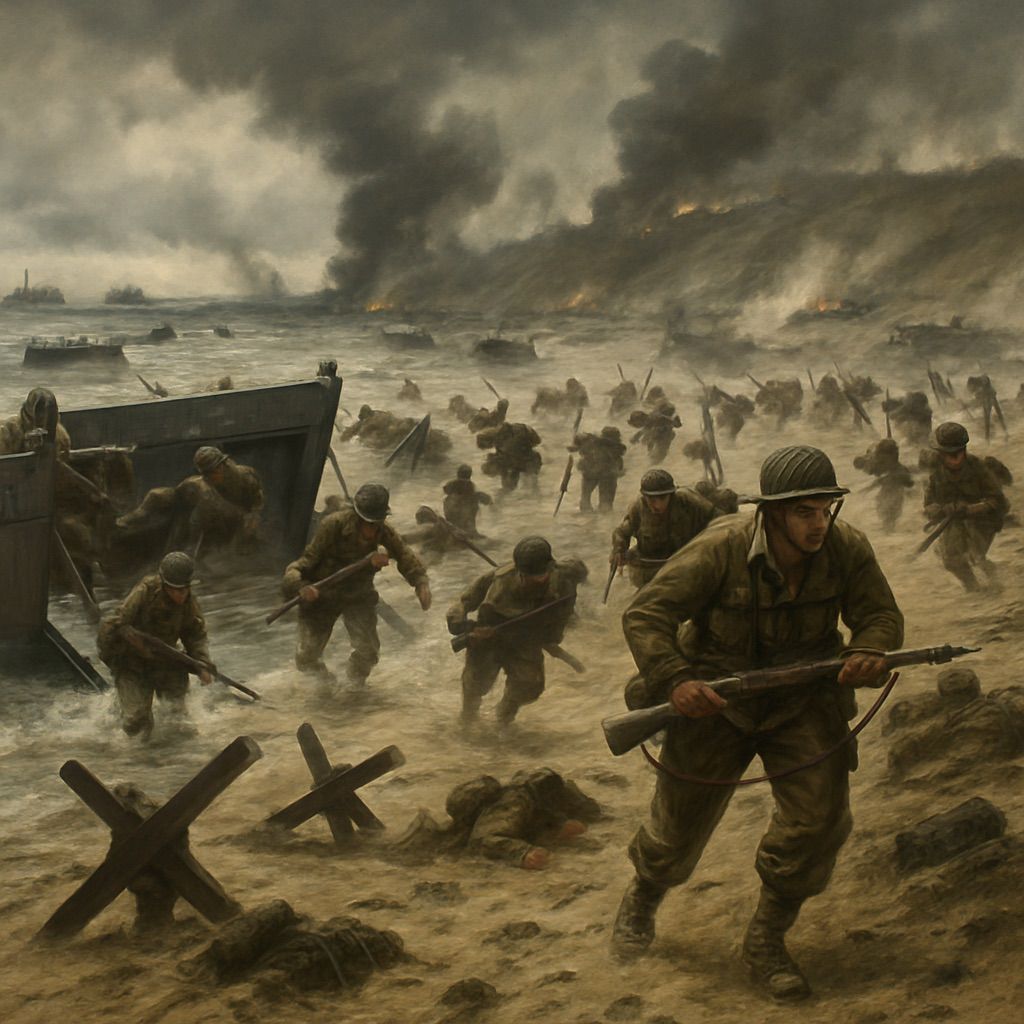
On June 6, 1944, the shores of Normandy, France, became the stage for one of the most consequential military operations in modern history: the Allied invasion of Western Europe during World War II, known as D-Day. This operation, codenamed Operation…
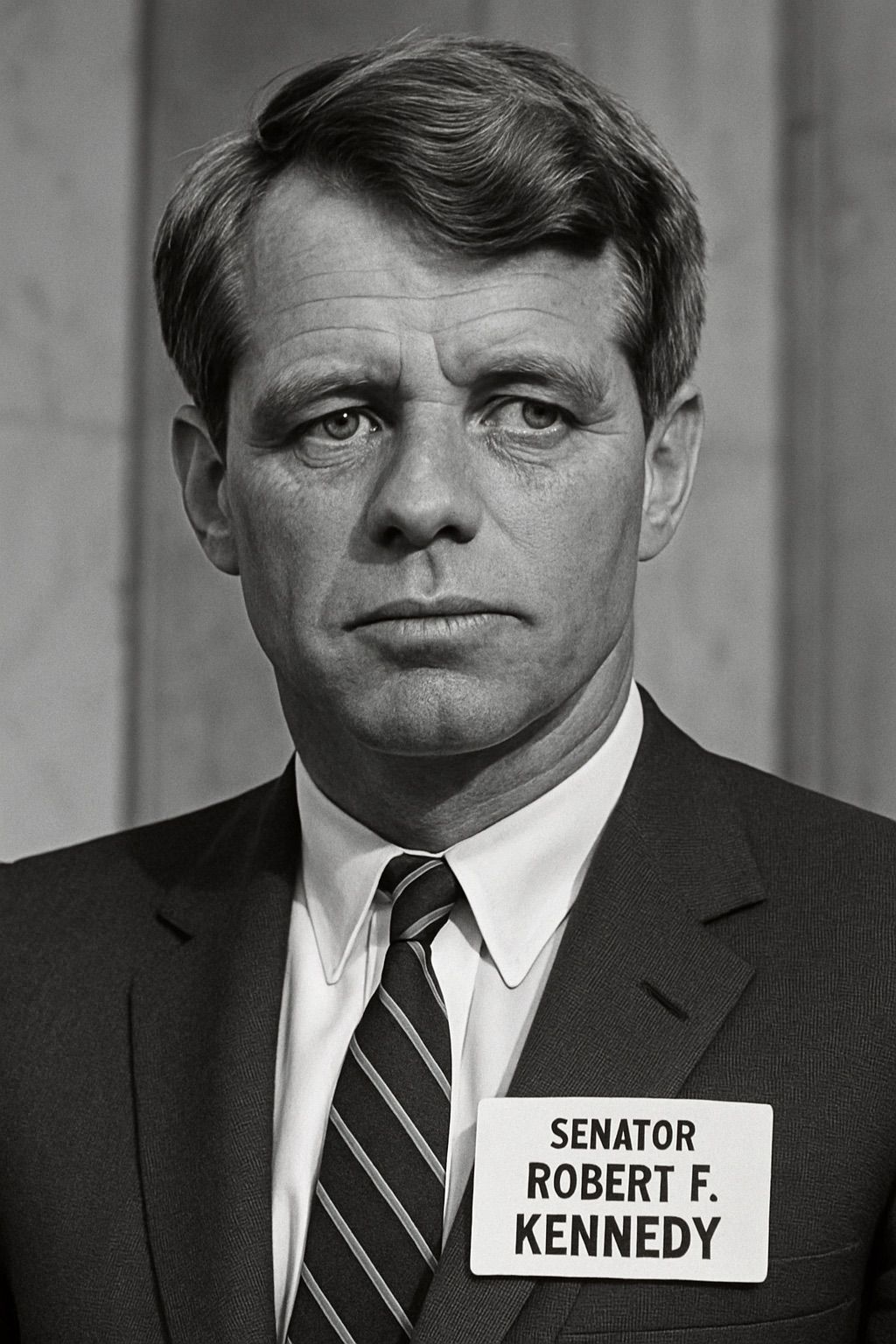
On June 5, 1968, just after midnight, the voice of hope for a divided America was abruptly silenced. Senator Robert F. Kennedy, younger brother of the late President John F. Kennedy, had just delivered a victory speech at the Ambassador…
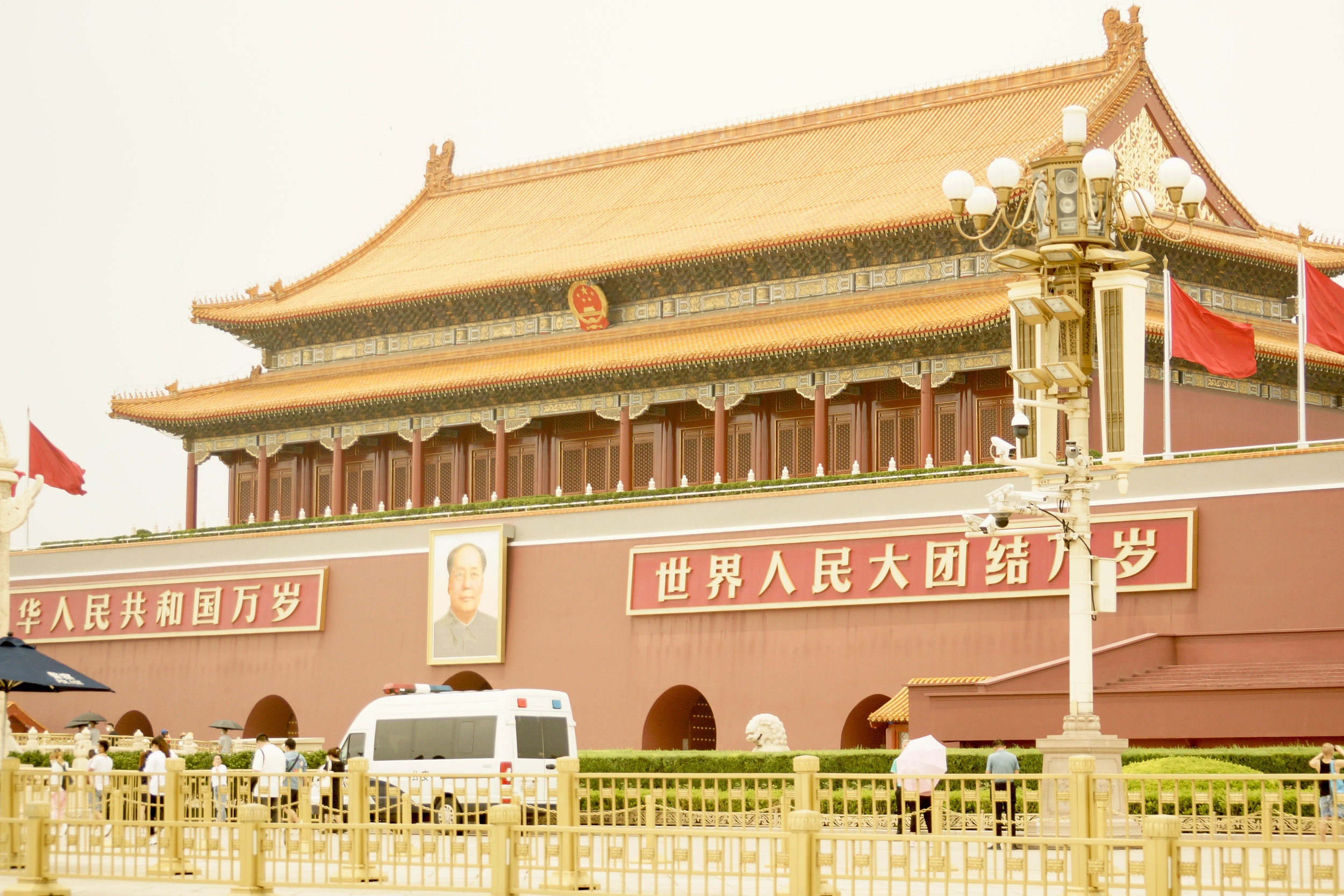
In the dark, humid early hours of June 4, 1989, the sky above Beijing was ominously quiet, a strange calm hanging over a city bracing for something unspeakable. Beneath that sky, in Tiananmen Square—once a symbol of national pride and…
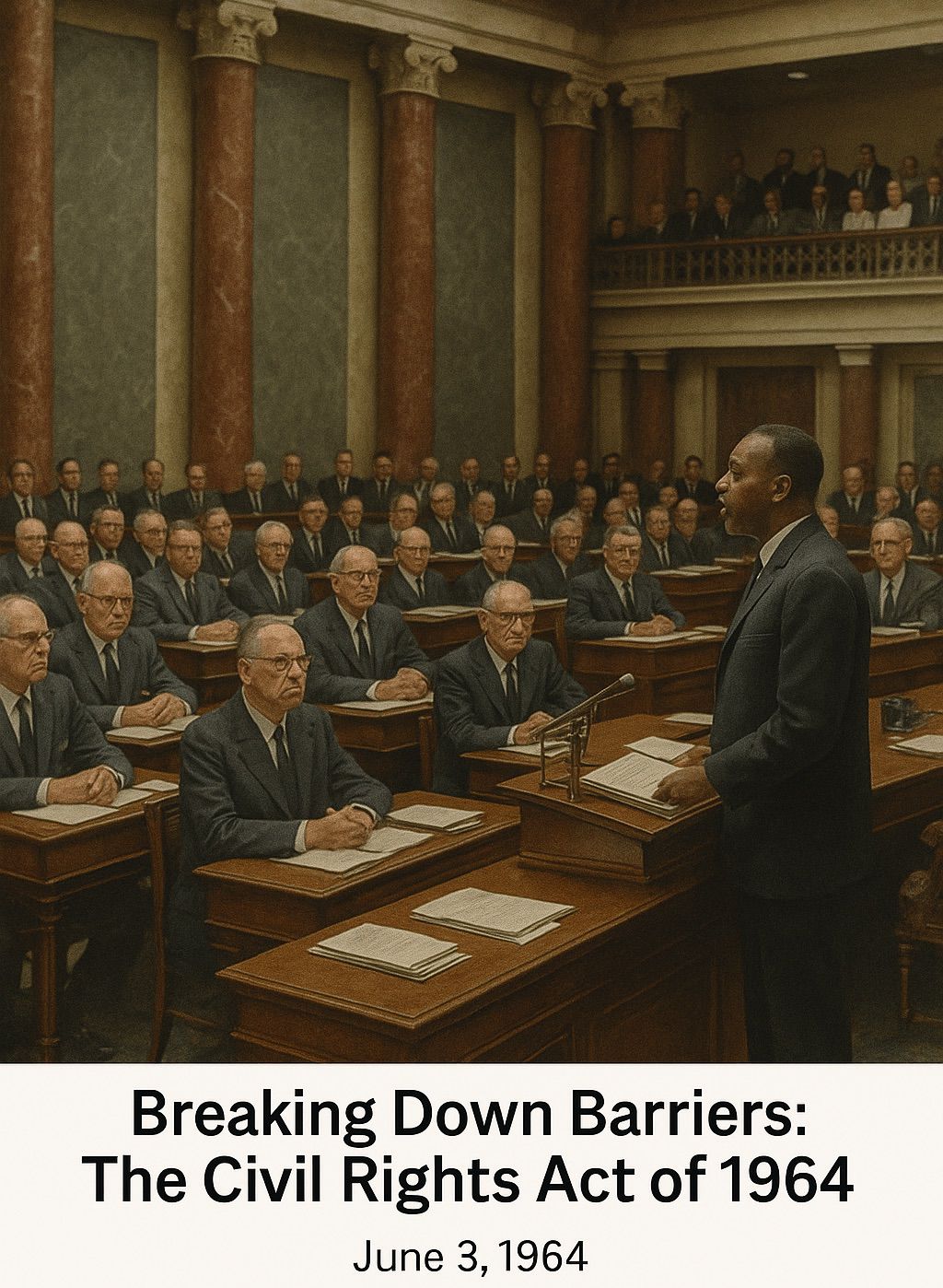
It’s difficult to imagine the weight of a moment like June 3, 1964, without stepping back and understanding the long, painful journey that led up to it. That day, the United States Senate, after months of brutal political wrangling and…
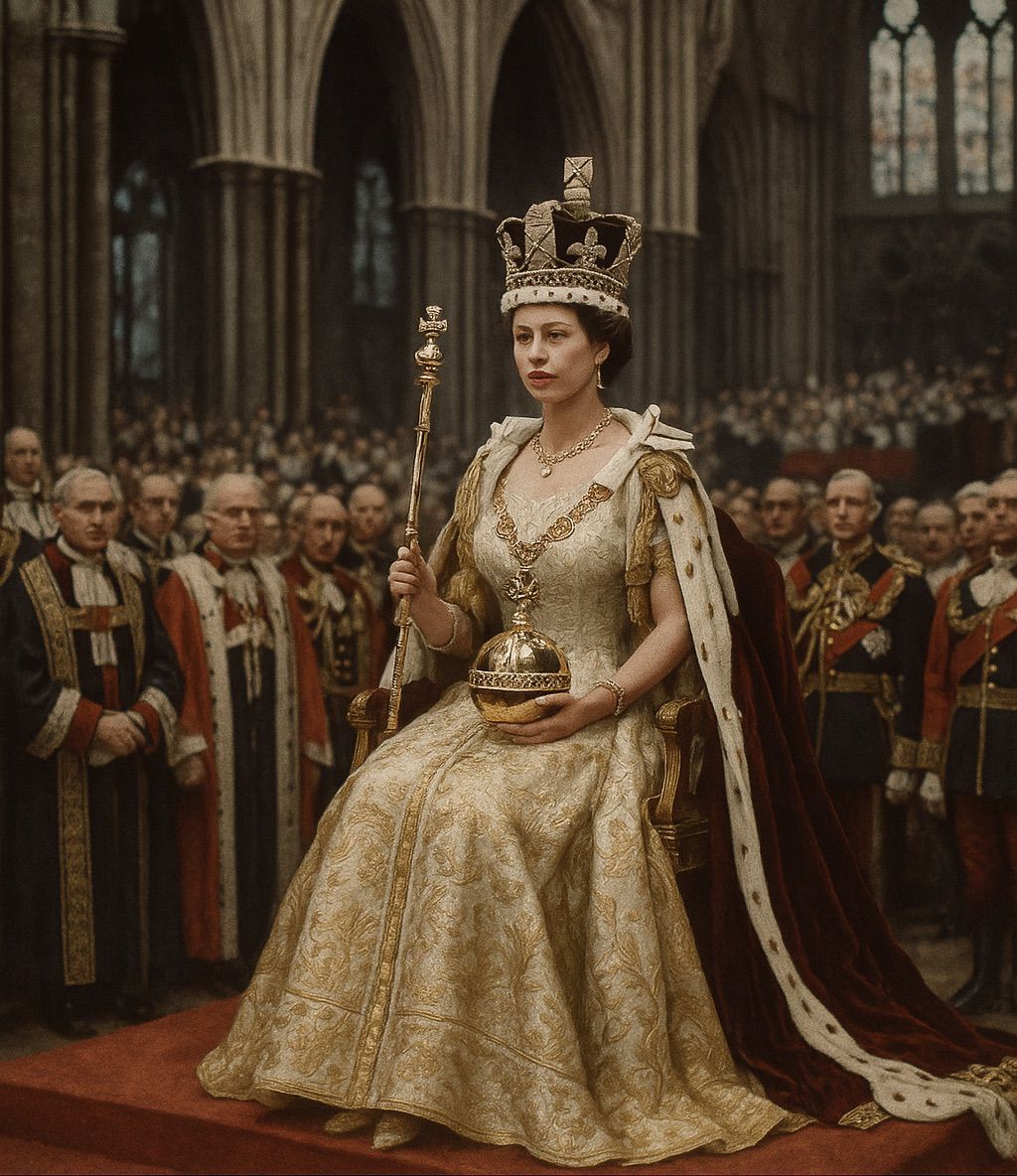
It was a crisp summer morning on June 2, 1953, as the world watched in awe as Elizabeth Alexandra Mary Windsor, a 27-year-old woman with a bright smile and piercing gaze, stepped into her new role as Queen Elizabeth II.…

The concept of home is a complex and multifaceted one, and James Joyce’s Dubliners offers a nuanced exploration of this theme through its portrayal of characters struggling to navigate their relationships with the places they call home. As the stories…
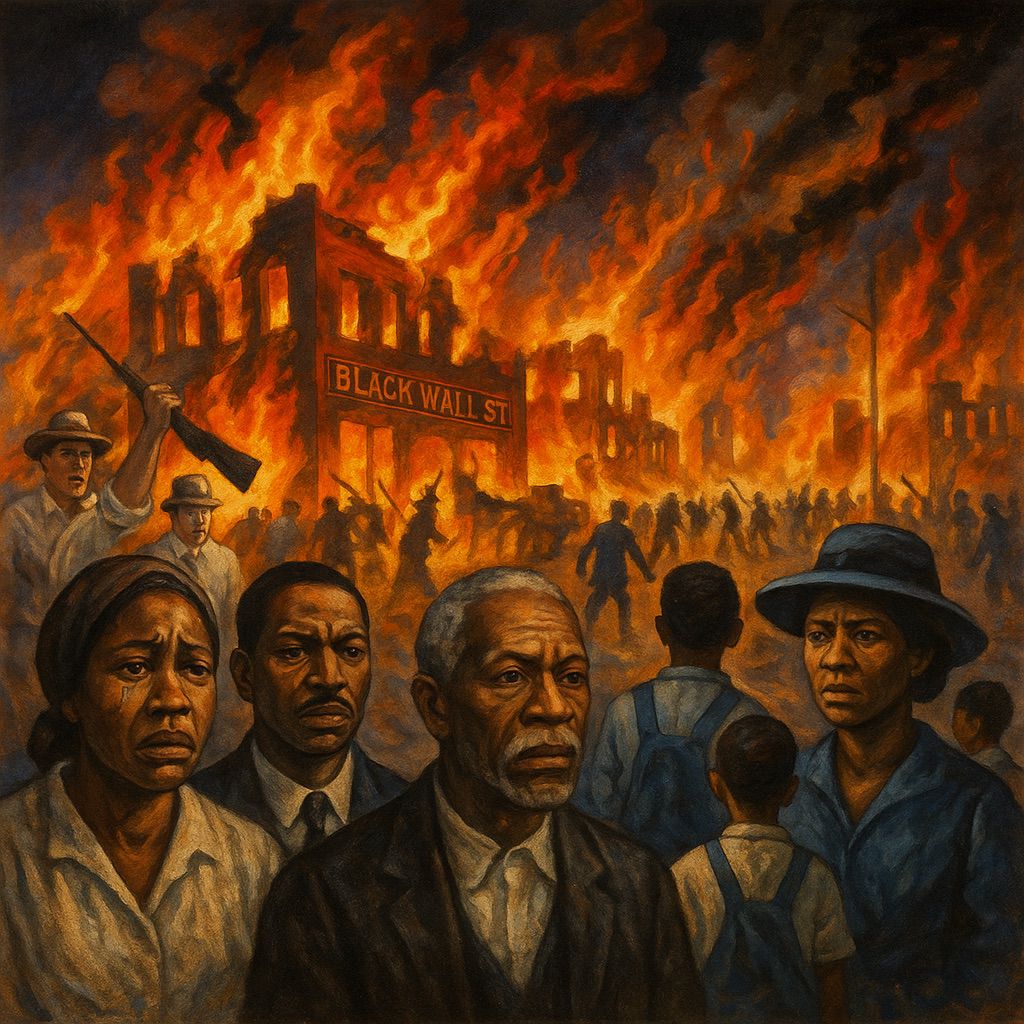
The night of May 31, 1921, should have been like any other for the residents of Greenwood, a bustling and proud neighborhood in Tulsa, Oklahoma. Children would have been finishing their homework by gaslight, shopkeepers closing their businesses with the…
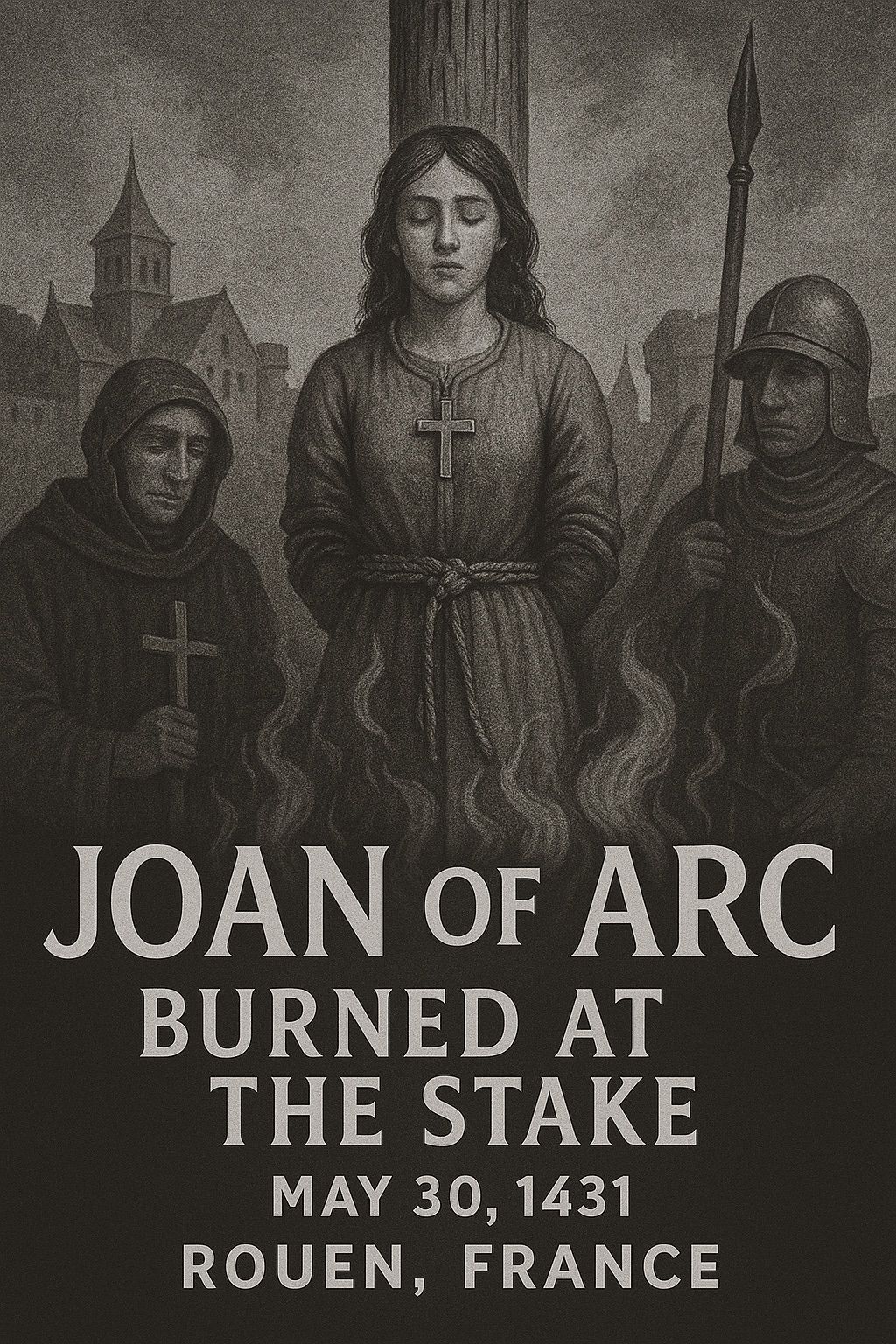
The wind carried the scent of burning wood and the murmurs of a restless crowd through the medieval streets of Rouen on May 30, 1431. In the town square, a nineteen-year-old girl stood shackled to a wooden stake, her clothes…
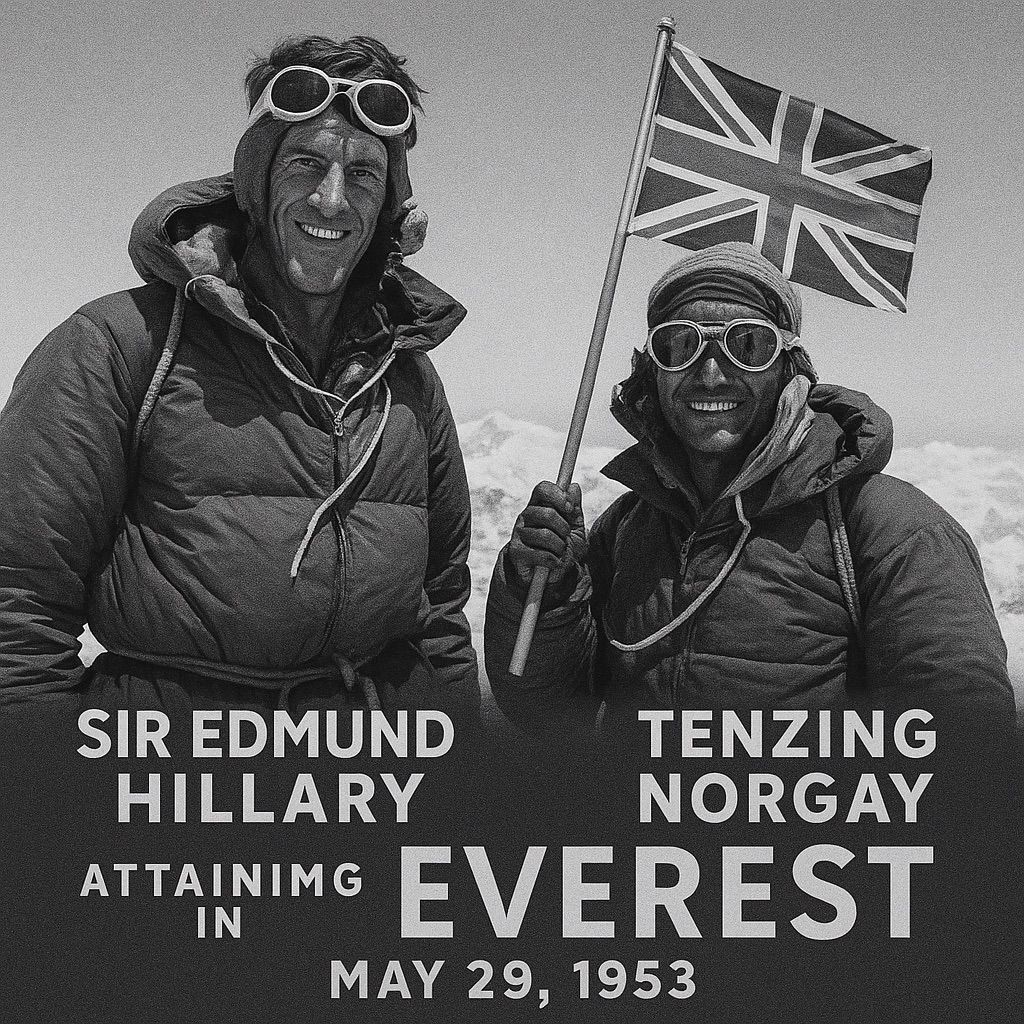
On May 29, 1953, two men from very different worlds stood together at the summit of human achievement. Sir Edmund Hillary, a beekeeper and mountaineer from New Zealand, and Tenzing Norgay, a Sherpa climber from Nepal, had just reached the…
On May 28, 1961, Peter Benenson, a British lawyer, published an article in The Observer calling for action on behalf of two Portuguese students who had been imprisoned for raising a toast to freedom. That article gave birth to Amnesty…
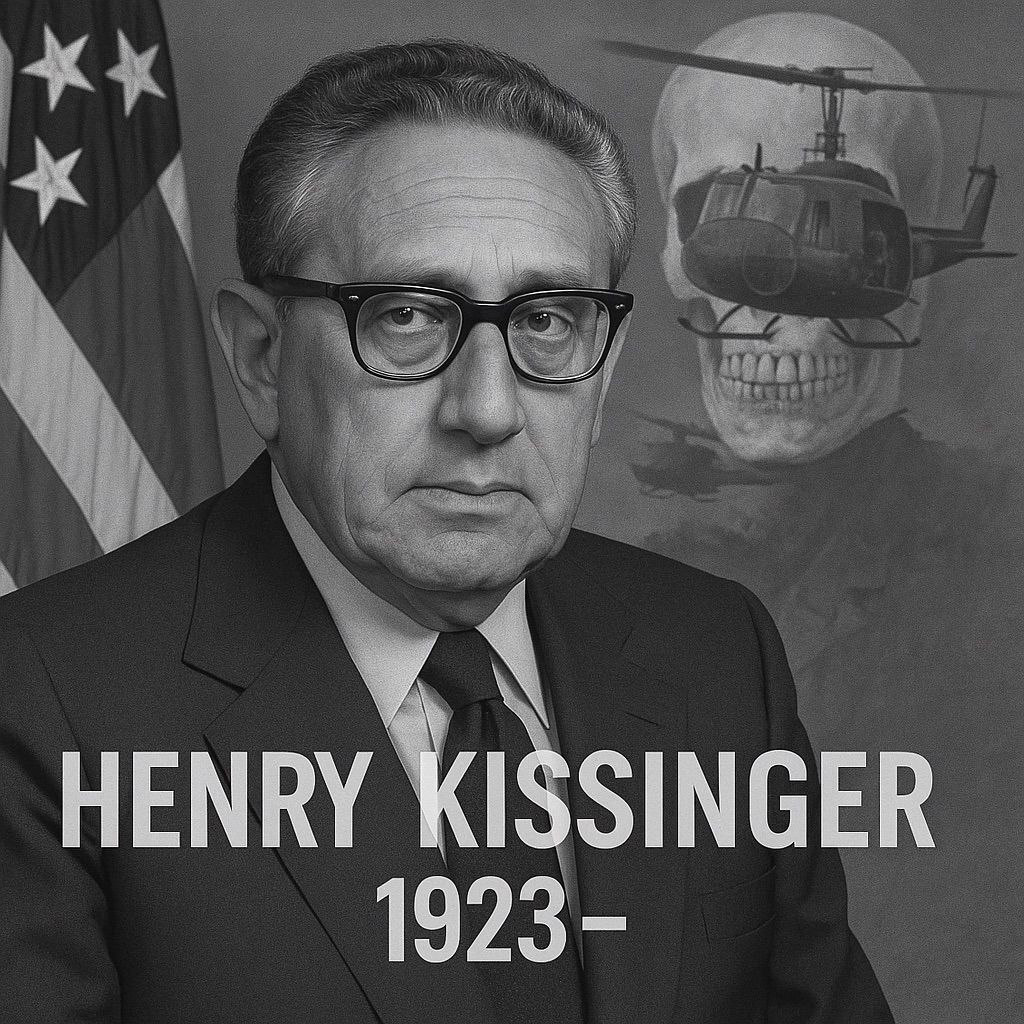
Henry Kissinger, born on May 27, 1923, is a figure whose name conjures a mixture of admiration, scorn, and heated debate. A key architect of U.S. foreign policy during the Cold War, Kissinger’s career spanned presidential administrations and continents, from…
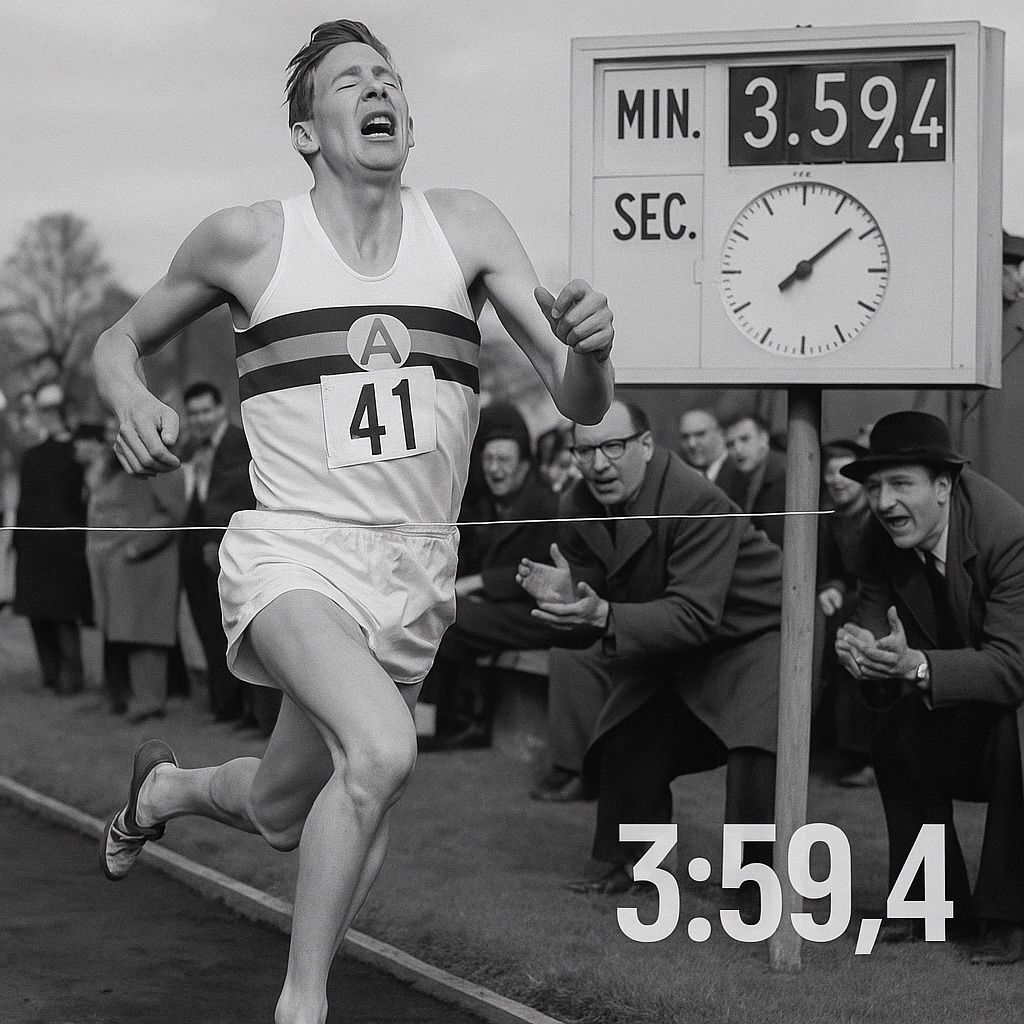
On May 6, 1954, Roger Bannister did the unthinkable: he became the first person to run a mile in under four minutes. A feat that many thought was physically impossible, Bannister’s achievement not only shattered a record but also demolished…
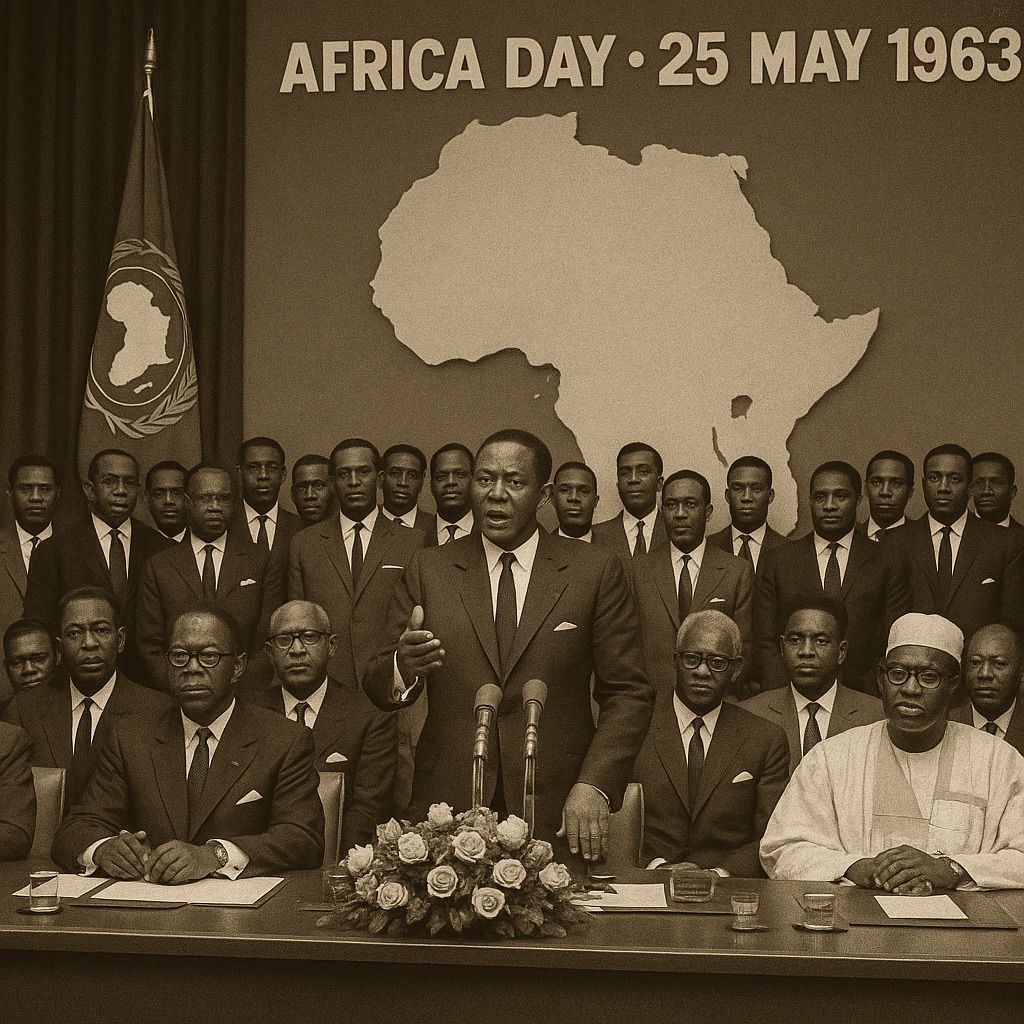
On May 25, 1963, thirty-two newly independent African nations came together to form the Organization of African Unity (OAU), marking a pivotal moment in the history of the continent. Africa Day, as it became known, symbolized not just political unity,…
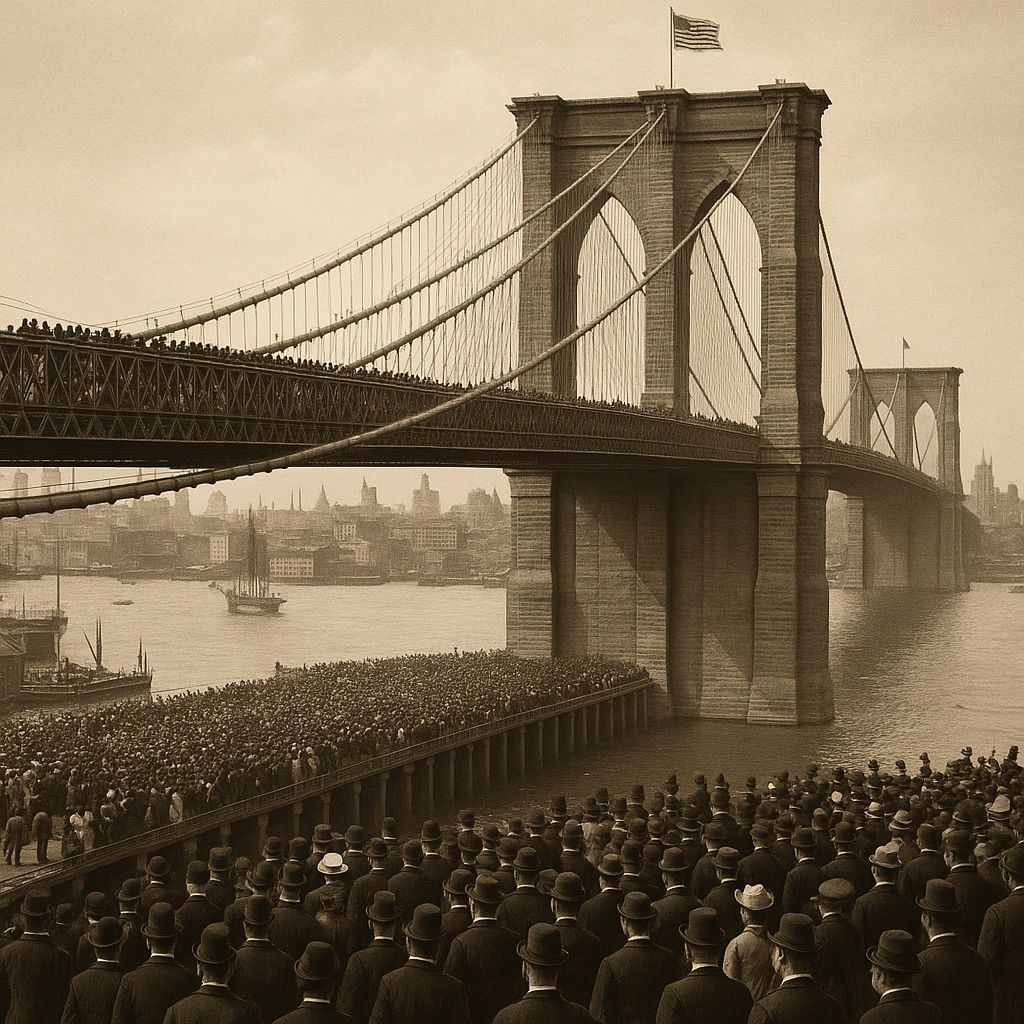
On May 24, 1883, thousands gathered to witness the opening of the Brooklyn Bridge—a structure so daring, so ambitious, that it redefined what human beings could build. Spanning the East River, it connected Brooklyn and Manhattan in a way never…
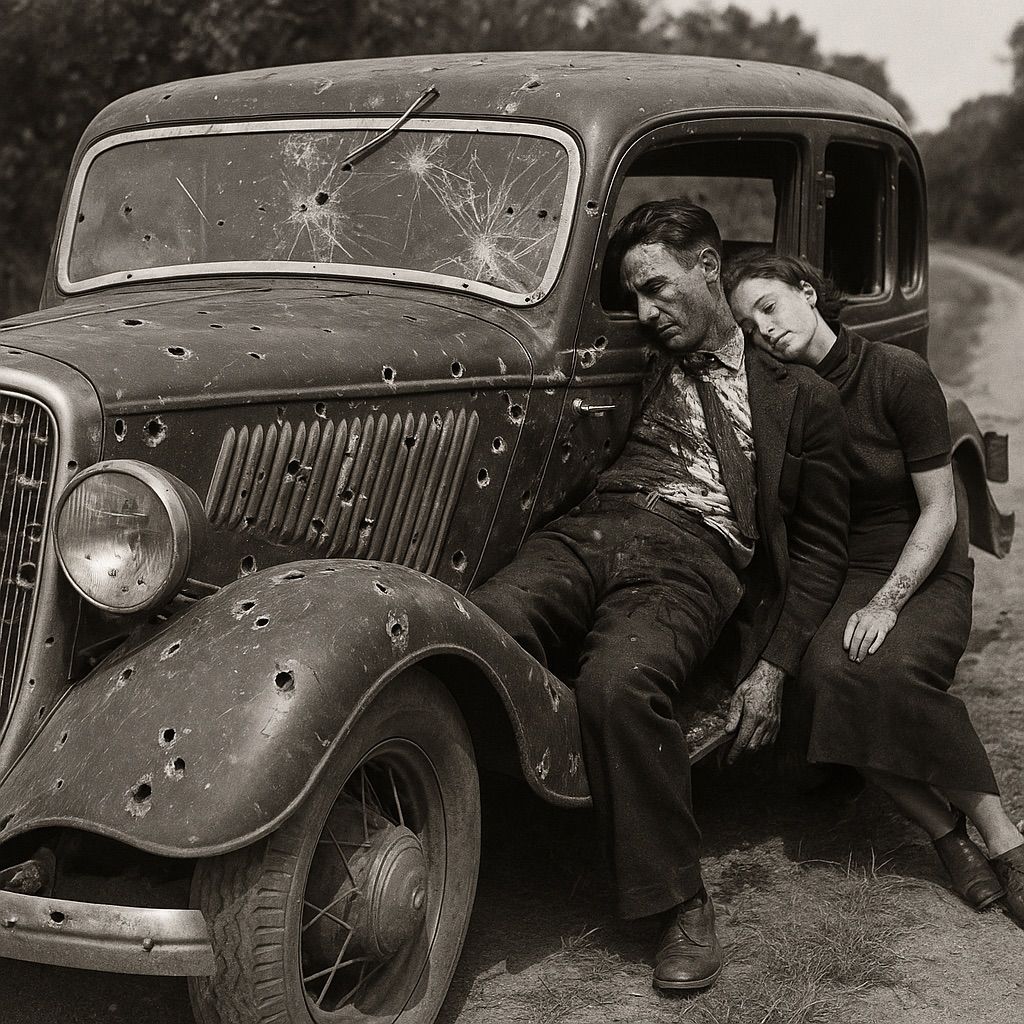
Early on May 23, 1934, a barrage of bullets tore through a Ford V8 on a Louisiana backroad. Inside were Bonnie Parker and Clyde Barrow—outlaws, lovers, and the most infamous fugitives of the Great Depression. They died instantly. America, meanwhile,…
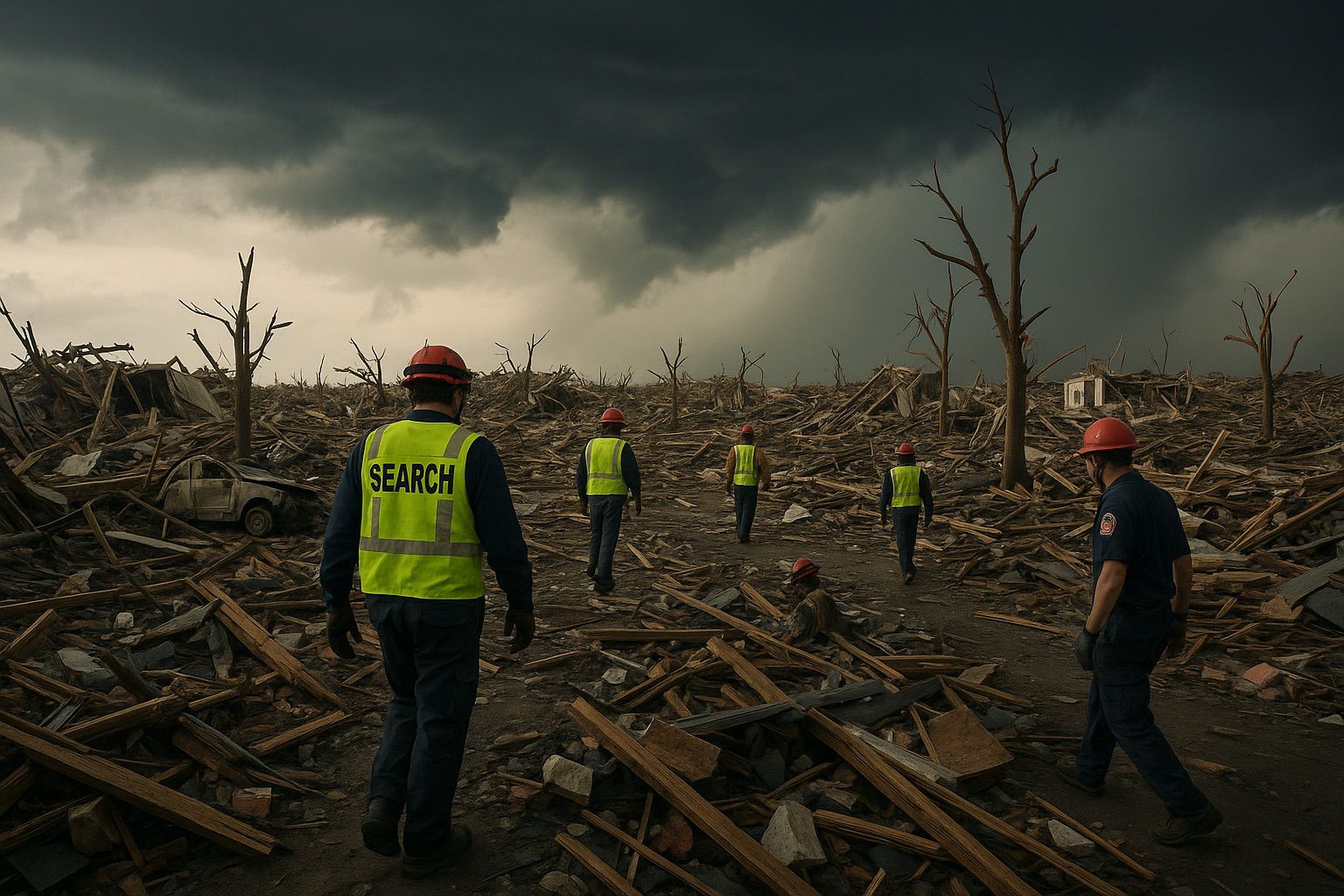
May 22, 2011. At 5:41 p.m., a monstrous EF5 tornado touched down in Joplin, Missouri. Within minutes, it carved a mile-wide scar across the town. Entire neighborhoods were flattened. Hospitals destroyed. Schools crushed. 161 people were killed. Thousands more were…

On May 21, 1932, after flying for over 14 hours through storms, icy winds, and instrument failures, Amelia Earhart landed her red Lockheed Vega in a pasture in Northern Ireland. She had just become the first woman to fly solo…
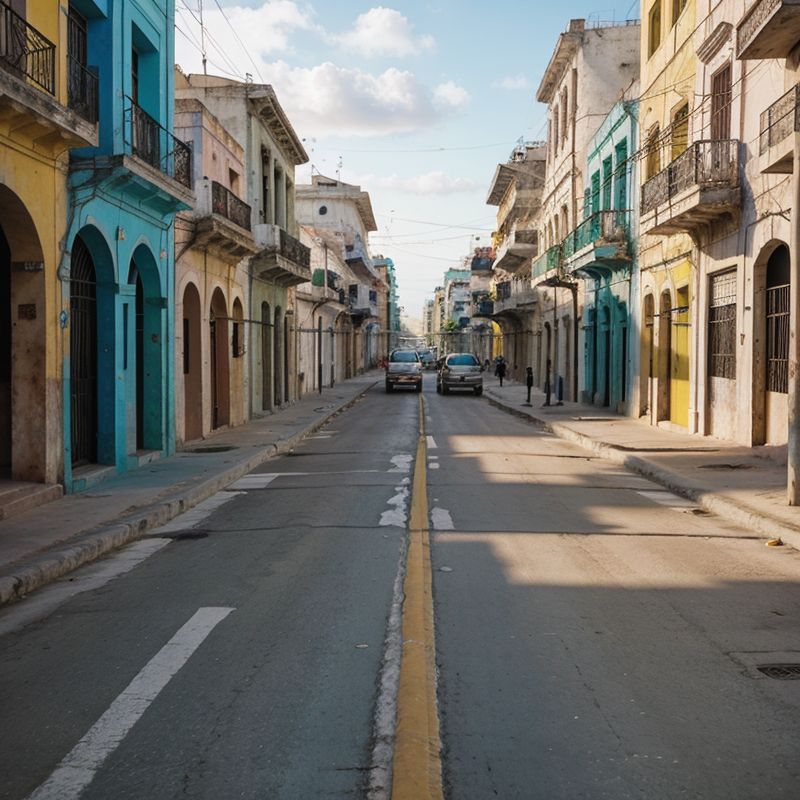
On May 20, 1902, the Cuban flag was raised over Havana, and the island officially became independent from U.S. military occupation. It should have been a moment of unambiguous freedom. After centuries of Spanish colonial rule and a costly war…
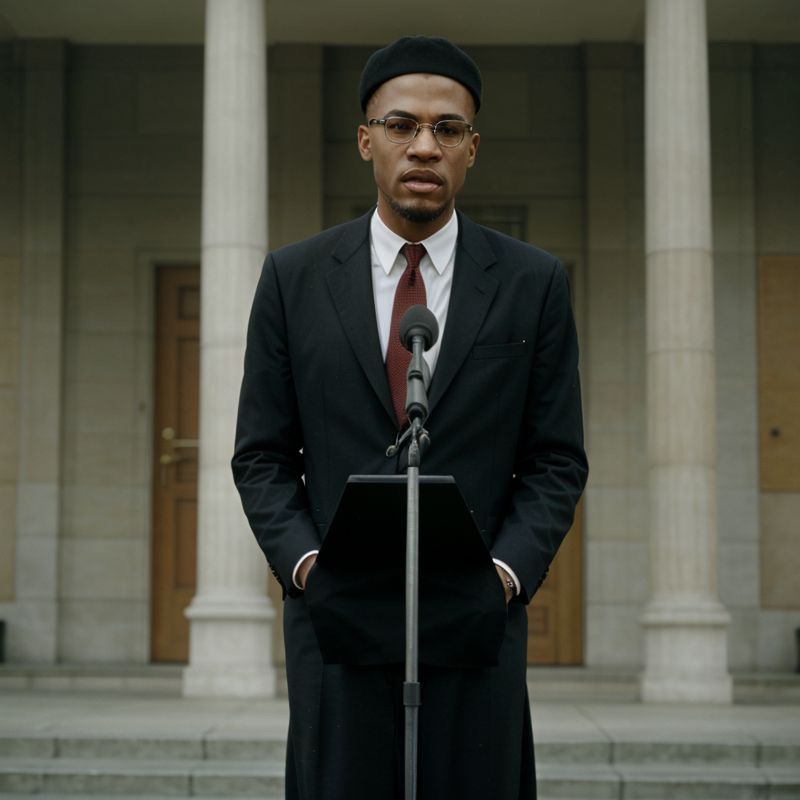
Born Malcolm Little on May 19, 1925, he would later become Malcolm X—a name and a voice that pierced through America’s conscience with unapologetic clarity. Where others sought gradualism, Malcolm demanded justice now. Where others asked, he declared. And in…
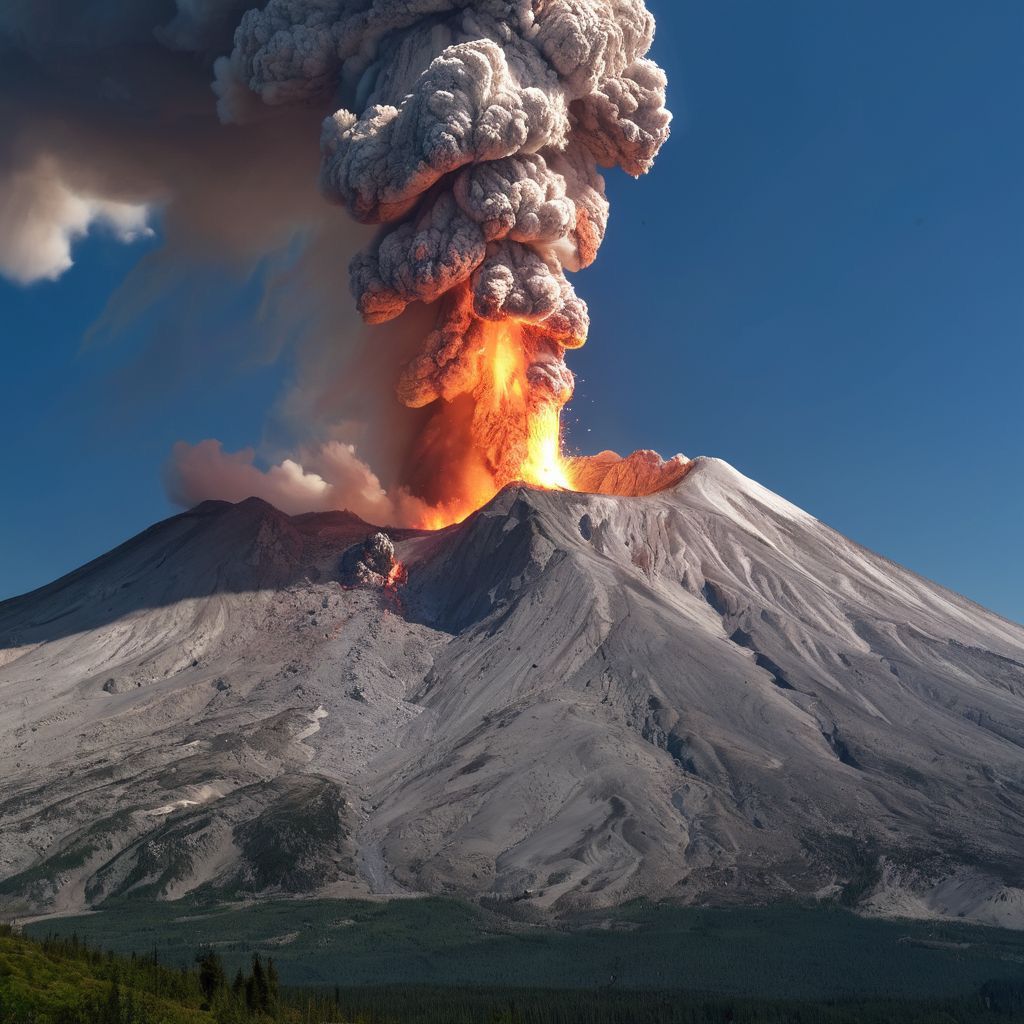
At 8:32 a.m. on May 18, 1980, the north face of Mount St. Helens exploded with the force of 500 atomic bombs. What had begun as a series of small earthquakes and venting plumes became the deadliest and most economically…