Author: Elias Rowen

I enjoy writing about events that happened on specific days of the year. There’s something fascinating to me about the idea that every date carries its own story—moments when history quietly turned a corner or suddenly exploded into something unforgettable. I don’t focus on famous people as much as I focus on the moments themselves. I like digging into what was happening on that particular day, what led up to it, and what followed after. When I write, I try to bring readers into the moment, to capture what it might have felt like as events were unfolding in real time, before anyone knew how things would turn out. For me, history isn’t just a list of dates and facts. It’s a collection of lived moments that still ripple into the present. My goal is to turn calendar dates into stories that feel real, relatable, and worth remembering.
Unanimous Justice: The Day the Wall Began to Crack

Elias Rowen

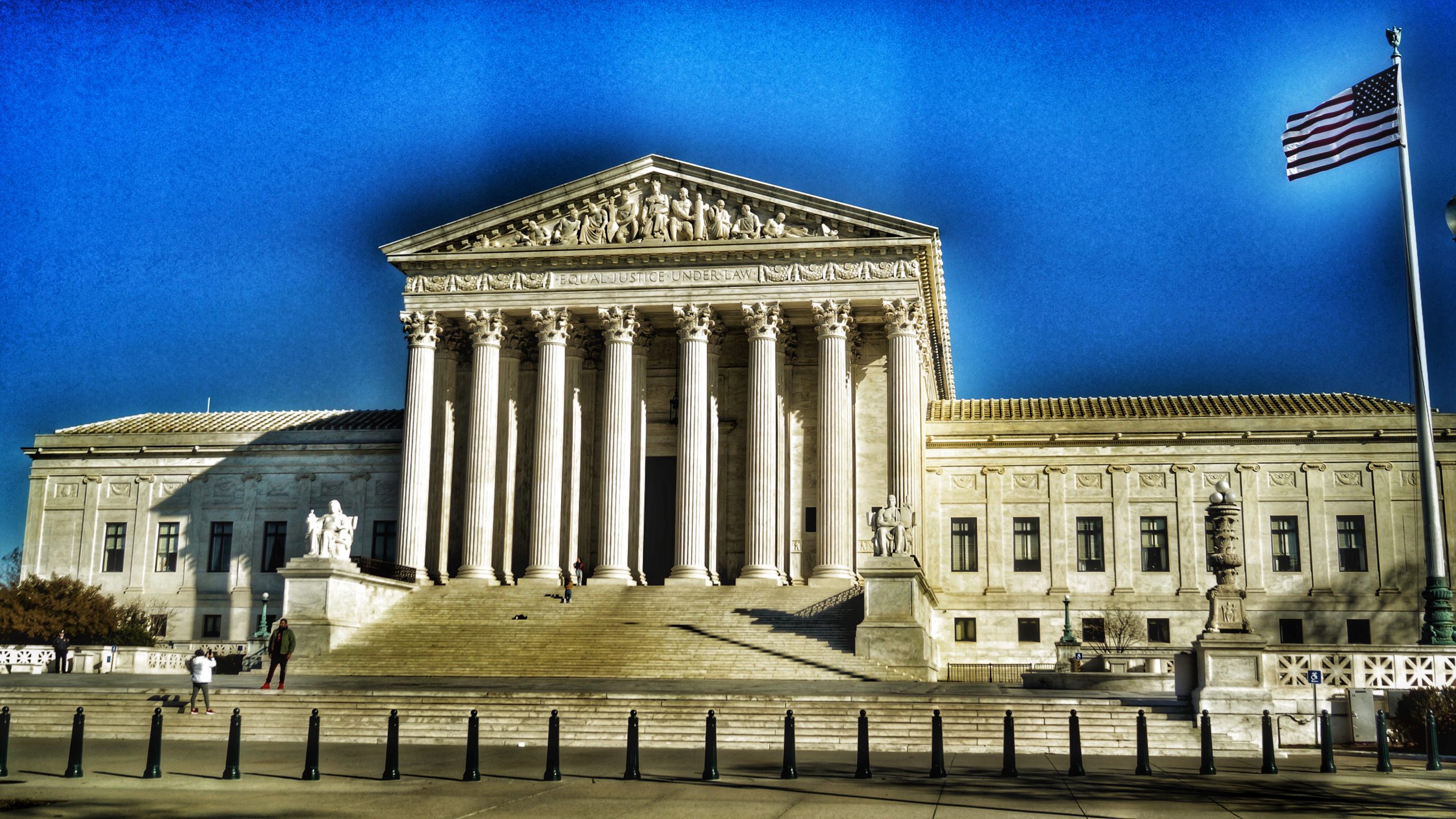
On May 17, 1954, the United States Supreme Court did something monumental: it unanimously declared that racial segregation in public schools was unconstitutional. The case—Brown v. Board of Education—didn’t just overturn a legal precedent. It cracked the very foundation of institutional racism in America.

For decades, Plessy v. Ferguson (1896) had held that “separate but equal” was acceptable. But in reality, nothing about segregation was equal. Black children were often educated in crumbling schools with outdated books and underpaid teachers, while white students enjoyed vastly better conditions. The message was clear: some children mattered more than others.

Thurgood Marshall, the lead attorney for the plaintiffs (and future Supreme Court Justice), knew this case had the power to reshape the country. And Chief Justice Earl Warren, in his eloquent opinion, stated plainly that separate educational facilities are “inherently unequal.” Those words reverberated far beyond the courtroom.

But the ruling, though transformative, was not magic. Resistance followed swiftly. In many Southern states, desegregation was delayed, defied, or violently opposed. Black students—like the Little Rock Nine—would need federal troops to escort them into classrooms. The law had changed, but hearts and systems lagged behind.

Brown v. Board lit the torch for the modern civil rights movement. It inspired generations to march, sit in, speak out, and demand the promise of equality. It told Black Americans that the Constitution was supposed to include them, too.

Even today, the echoes of this decision are heard in debates about education, opportunity, and justice. Brown v. Board was more than a legal victory—it was a moral one.

Related Posts

The Gilded Cage: Marie Antoinette, Marriage, and the Machinery of Revolution

Elias Rowen

On May 16, 1770, a 14-year-old Austrian archduchess named Maria Antonia walked into a gilded future. Her marriage to the Dauphin of France, the future Louis XVI, was a diplomatic union meant to solidify peace between Austria and France. It was a wedding not of love, but of strategy. And though her crown would glitter, the path ahead would be anything but golden.

Marie Antoinette was never just a queen—she was a symbol. To the French elite, she represented elegance and opulence; to the starving masses, she came to embody everything wrong with the monarchy. Her reputation, fair or not, was shaped by whispers, pamphlets, and propaganda. The famous phrase “Let them eat cake”—likely never uttered by her—became shorthand for aristocratic indifference.

The marriage itself was strained by youth, inexperience, and political expectation. As queen, Antoinette struggled to adapt to Versailles, a place obsessed with appearances and rituals. She sought escape in fashion, theatre, and the quiet of Petit Trianon. But public perception hardened. In a nation boiling with inequality and debt, her every move—every jewel, every party—seemed like an insult.

By the time the French Revolution erupted, Marie Antoinette was more than a woman—she was a lightning rod. Her fall was inevitable, but it was also tragic. Executed in 1793, she met her end with dignity, leaving behind a legacy more complex than caricature.

Marie Antoinette’s marriage wasn’t just a royal affair; it was the beginning of a chain of events that would shake the thrones of Europe. Her life invites us to ask: when a symbol of power is hated more than understood, who pays the price?

Related Posts

The Nakba: When Home Became Memory

Elias Rowen

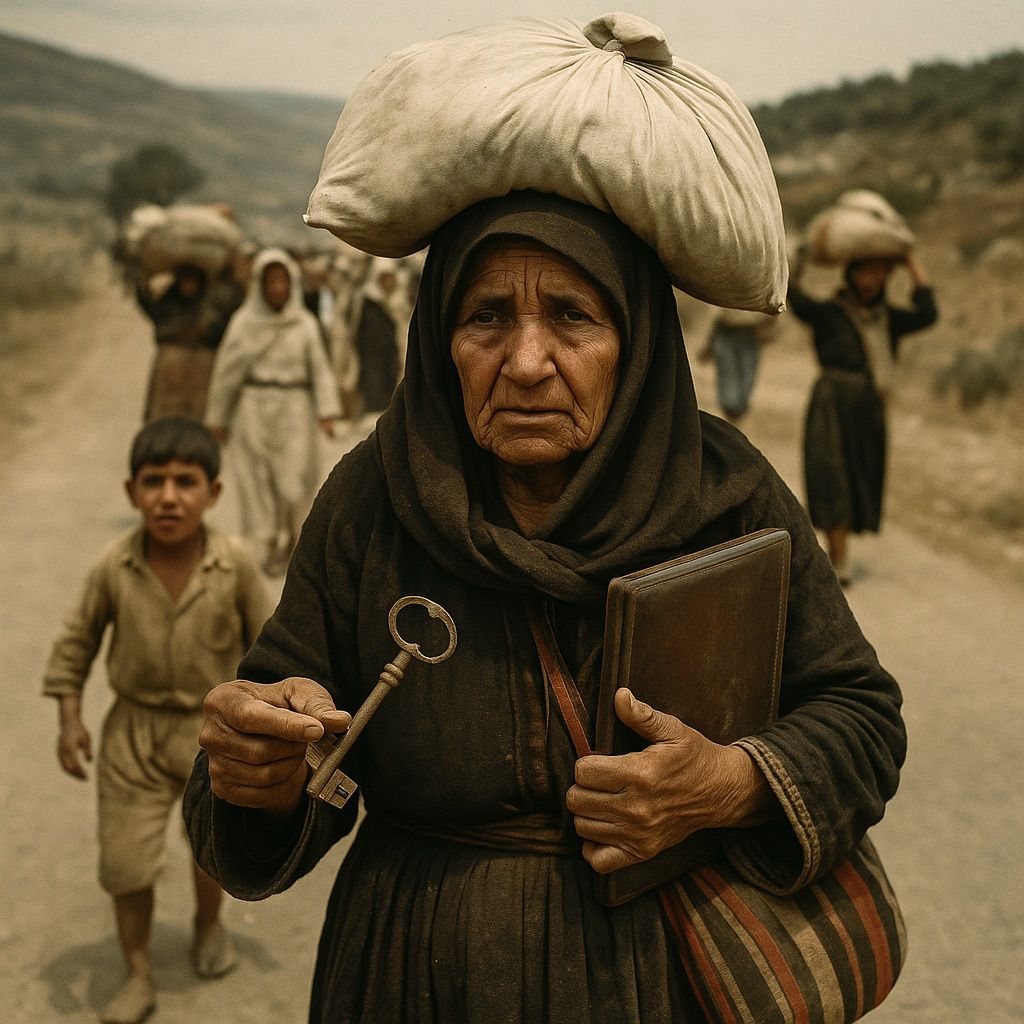
On May 15, 1948, as Israel celebrated its birth, hundreds of thousands of Palestinians began a long, painful journey into exile. What for some marked a new beginning, for others became the end of home as they knew it. They call it al-Nakba—”the catastrophe.”

By the time the guns quieted, over 700,000 Palestinians had fled or been expelled from their towns and villages. Some left amid chaos and fear. Others were forced out at gunpoint. In their hands, they carried house keys, deeds, and family heirlooms—symbols of a life they believed they would soon return to. Decades later, many of those keys remain, passed down like sacred relics, though the doors they once opened no longer stand.

The Nakba was not just a singular event—it was the beginning of one of the most enduring refugee crises in modern history. Families were scattered across Lebanon, Jordan, Syria, the West Bank, Gaza. Refugee camps meant for temporary shelter became permanent cities of limbo. And with every passing generation, identity hardened around loss, resistance, and longing.

The global community has often viewed the Palestinian displacement as a geopolitical issue. But at its heart, the Nakba is a human story. It is about grandmothers still speaking of the olive trees in their lost villages, children learning about a land they’ve never seen, and entire communities built around the fragile hope of return.

The Nakba reminds us that behind every refugee statistic is a home that vanished, a story interrupted, and a future reshaped by forces beyond one’s control. It challenges the world not only to acknowledge historical trauma but to reckon with the enduring wounds of unresolved injustice.

Related Posts

A Homeland Born in Fire: The Founding of Israel and Its Unfinished Story

Elias Rowen

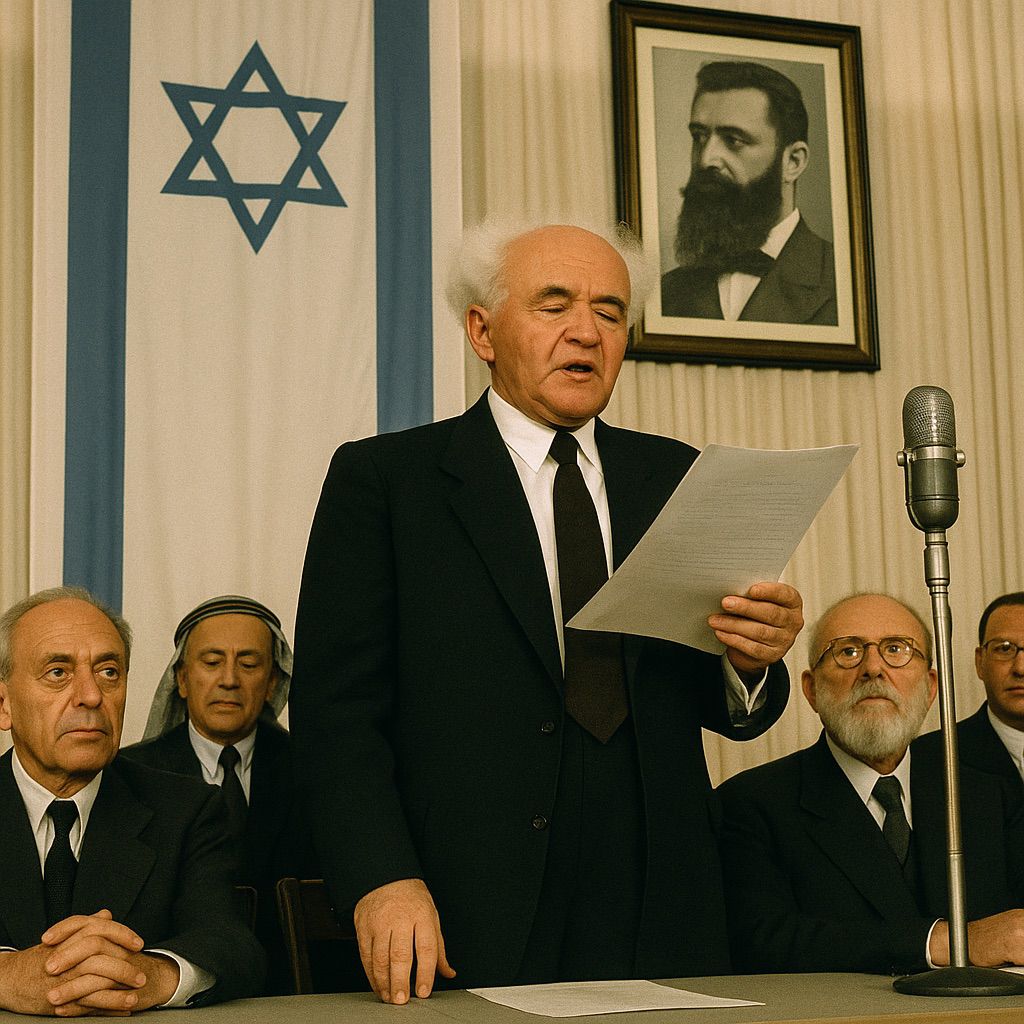
On May 14, 1948, David Ben-Gurion stood in Tel Aviv and declared the establishment of the State of Israel. For many Jewish people around the world—especially Holocaust survivors—it was a moment of hope, a long-awaited return to a homeland. Yet for others, particularly the Palestinians who lived there, it marked the beginning of displacement, dispossession, and decades of conflict.

The birth of Israel was not a clean line drawn on a map—it was a rupture. Arab nations rejected the UN partition plan, and war erupted within hours of the declaration. By the time the fighting ended, over 700,000 Palestinians had become refugees. To Israelis, it was a war of independence. To Palestinians, it was the Nakba—the catastrophe.

The conflict that began in 1948 has echoed through generations. Borders shifted, treaties were signed and broken, uprisings flared, peace processes faltered. The land itself—sacred to Jews, Christians, and Muslims alike—remains contested ground. It is a place where history is not just remembered but relived, where every stone and settlement carries centuries of meaning and pain.

And yet, amid the tragedy, there is humanity. There are Israelis and Palestinians who work side by side for peace, who dream of a future beyond fences and fire. There are children growing up who deserve a story different from their parents’—one of shared dignity rather than separation.

The founding of Israel is not just an Israeli story. It is a global one, wrapped in questions of identity, justice, trauma, and belonging. Seventy-seven years later, the world still watches, still hopes, and still struggles to help write a chapter that might finally bring resolution.

Related Posts

Faith Under Fire: The Day the Pope Was Shot

Elias Rowen

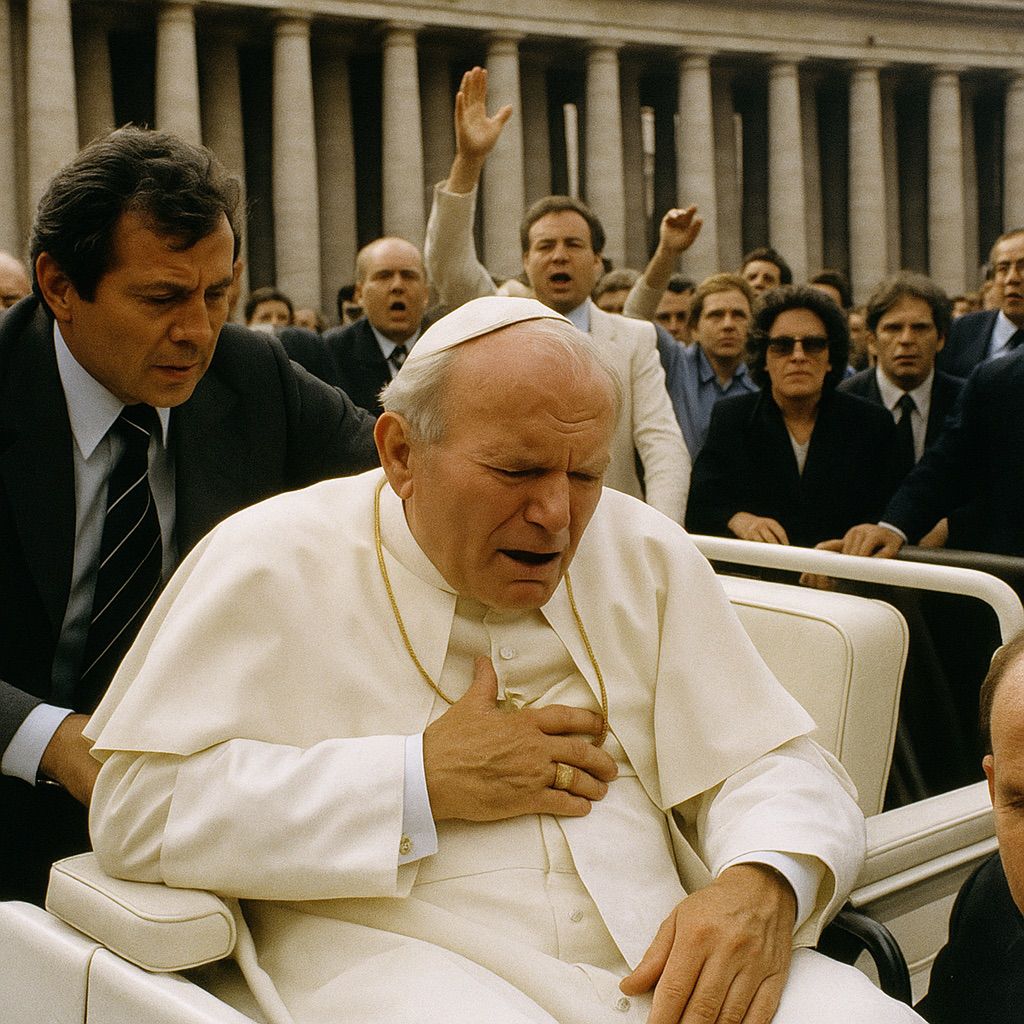
May 13, 1981. St. Peter’s Square in Vatican City was bathed in light, the air buzzing with anticipation as Pope John Paul II moved through the crowd in his open vehicle, smiling and blessing. Then—gunshots. In an instant, the serenity shattered. The Pope slumped into his seat, wounded by four bullets fired at close range. Shock rippled across the world. The shepherd of over a billion Catholics had been struck down in broad daylight.

But he survived.

And in surviving, he transcended the role of spiritual leader—becoming a symbol of human resilience, forgiveness, and political complexity.

The attempt on Pope John Paul II’s life was more than an act of violence; it was a mirror reflecting the turbulence of a divided world. The early 1980s were thick with Cold War tensions. The Pope, born in Poland and openly critical of Soviet totalitarianism, was seen by many as a geopolitical threat cloaked in white robes. His support of the Solidarity movement in Poland was particularly provocative to the Eastern Bloc. Though the motives of the would-be assassin, Mehmet Ali Ağca, remain murky, theories of foreign involvement—from Bulgarian intelligence to the KGB—have endured.

Yet, what followed was perhaps even more powerful than the crime itself. In 1983, the Pope visited Ağca in prison and forgave him. Not through a press release, but face to face, with clasped hands and soft words. It was an act of radical grace—an echo of the gospel he lived by.

The assassination attempt tested not only the Pope’s body, but the Church’s place in a volatile world. And through his pain and mercy, John Paul II reminded us that power need not come from weapons or ideologies—it can come from faith, compassion, and the simple act of not returning hate with hate.

Related Posts

The Lady with the Lamp: How Florence Nightingale Revolutionized Care

Elias Rowen

When Florence Nightingale was born on May 12, 1820, few could have imagined that a woman of her social class would one day be synonymous with the transformation of modern healthcare. Yet Nightingale—armed not with weapons, but with notebooks and a fierce will—marched into battlefields and hospital wards to change the very way we care for the sick.

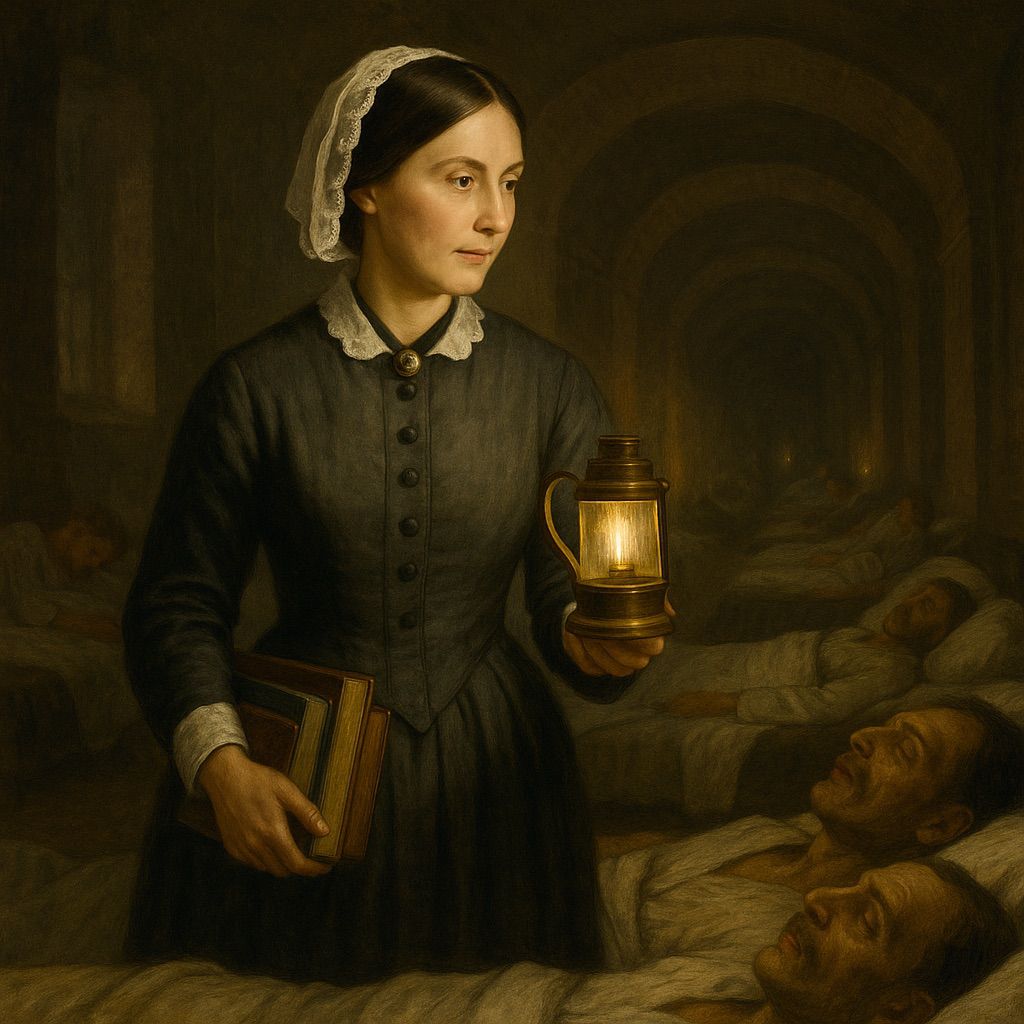
During the Crimean War, Nightingale famously walked the halls of military hospitals at night, tending to wounded soldiers with such devotion that she became known simply as “The Lady with the Lamp.” But her greatest legacy wasn’t in compassion alone—it was in calculation. She collected data, identified systemic failures, and used statistics to fight for reforms. Cleanliness, proper ventilation, and trained nursing staff became her weapons against disease.

Her work laid the foundation for nursing as a profession—not merely an act of charity, but a vital, skilled discipline. In the 19th century, when women’s roles were restricted and their voices often dismissed, Nightingale’s insistence on professional standards and evidence-based practices broke through the barriers of patriarchy and tradition.

Beyond nursing, Nightingale championed public health reforms across British colonies and urban centers. She understood that illness didn’t just live in the body—it thrived in poverty, in poor sanitation, in ignorance. Her impact reached far beyond warzones; it reached into the very structure of society.

Every hospital today that upholds hygiene protocols, every nurse trained in holistic patient care, and every healthcare policy rooted in data owes something to Florence Nightingale. Her birthday, now celebrated as International Nurses Day, is a timely reminder that true care is both heart and science—and that one determined woman can light a path for millions.

Related Posts

Smiling Buddha and the Fallout of Power: India’s Nuclear Debut

Elias Rowen

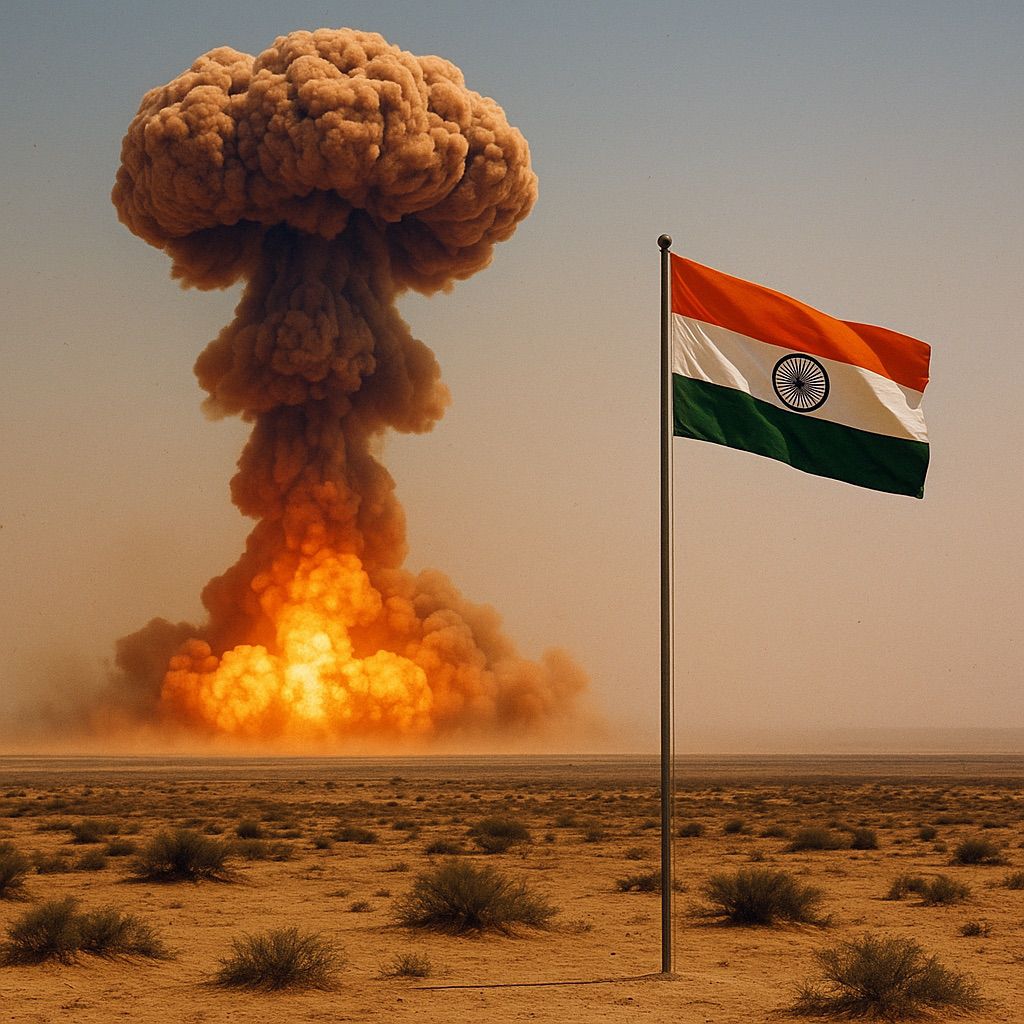
In the arid heat of Rajasthan’s Pokhran desert, a seismic shift occurred beneath the surface—both literally and geopolitically. On May 11, 1974, India detonated its first nuclear device under the codename “Smiling Buddha,” marking its dramatic entry into the nuclear club. It was a moment of national pride, strategic assertion, and global unease.

For India, the test was framed not as an act of aggression, but as one of self-reliance and security. The country had endured centuries of colonial subjugation and, more recently, volatile border tensions with neighbors like China and Pakistan. To many Indians, the nuclear test wasn’t about warfare—it was about dignity, deterrence, and technological competence.

But the international reaction was far from celebratory. The test disrupted the carefully managed equilibrium of Cold War-era nuclear diplomacy. Western powers, particularly the United States and Canada, viewed India’s move with deep concern. Sanctions followed. Trust eroded. And yet, India stood its ground, arguing for a nuanced distinction: a peaceful nuclear explosion, not a weaponization initiative—at least not at first.

The broader implication of May 11, 1974, lies in its lesson about power—who holds it, who gets to define its use, and who is permitted to claim it. Nuclear capability remains a double-edged sword: a symbol of national strength on one side, and a lingering shadow over humanity on the other.

India’s test was not merely a scientific feat; it was a statement to the world: “We will not be left behind.” And in that assertion, the global nuclear landscape was irreversibly altered.

Related Posts

From Prisoner to President: The Day South Africa Changed Forever

Elias Rowen

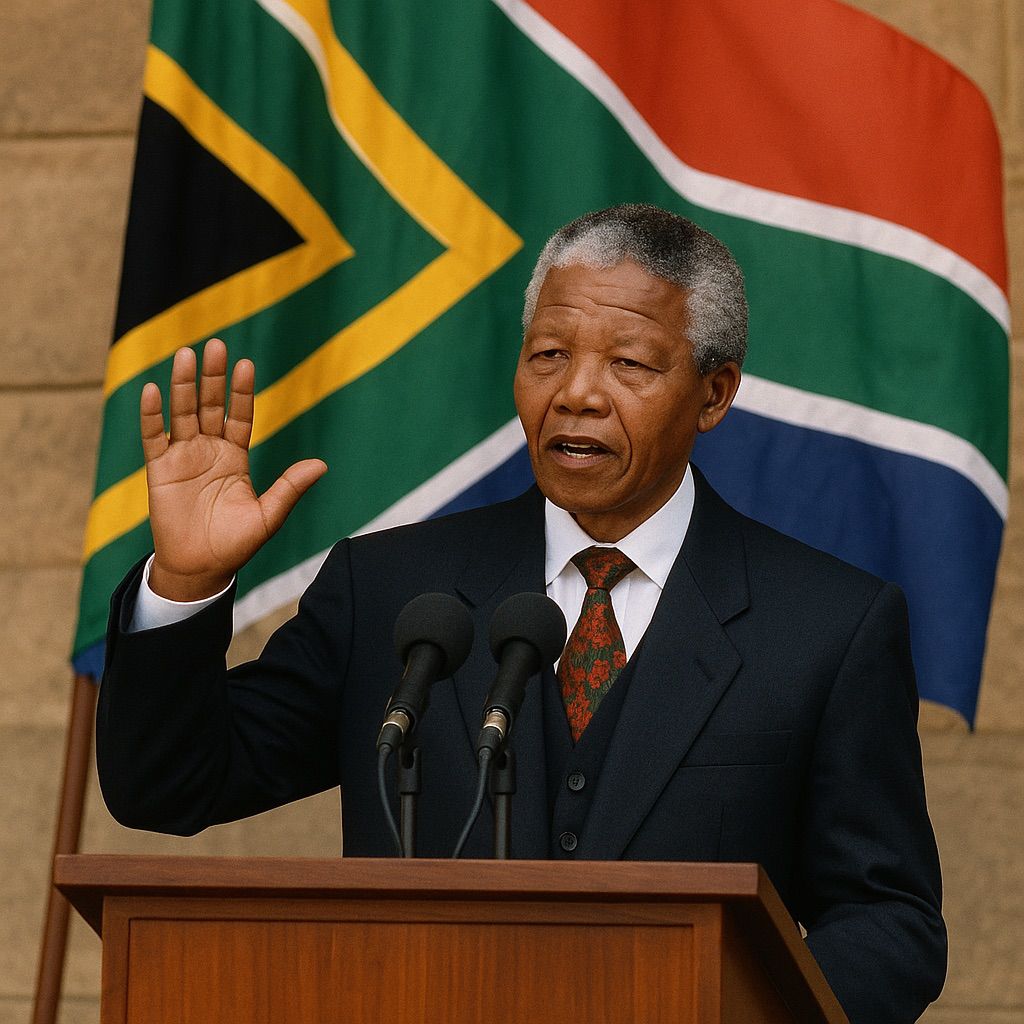
On May 10, 1994, the world witnessed a moment that felt more like a dream than a headline: Nelson Mandela, a man who had been imprisoned for 27 years, stood tall and resolute as the first Black president of South Africa. It was more than an inauguration—it was a symbol of an entire nation turning the page on a brutal, decades-long chapter of systemic racism and apartheid.

Mandela’s journey from Robben Island to the Union Buildings in Pretoria wasn’t just a political transformation—it was deeply personal, profoundly human. He emerged from prison not with bitterness, but with a powerful message of reconciliation. Many feared vengeance; Mandela offered unity. He didn’t just win an election—he won the trust of a fractured people.

Apartheid was a system that tried to break the spirit of millions through laws, violence, and silence. But Mandela’s inauguration represented the refusal of that spirit to stay broken. His leadership didn’t erase the scars, but it showed the world what grace under pressure looked like. His presidency became a masterclass in forgiveness, proving that peace can follow pain when dignity and justice lead the way.

As we remember this day, we’re reminded that change often begins with resilience—and that one man’s courage can echo across generations.

Related Posts

From War to Unity: How the Schuman Declaration Sparked the European Dream

Elias Rowen

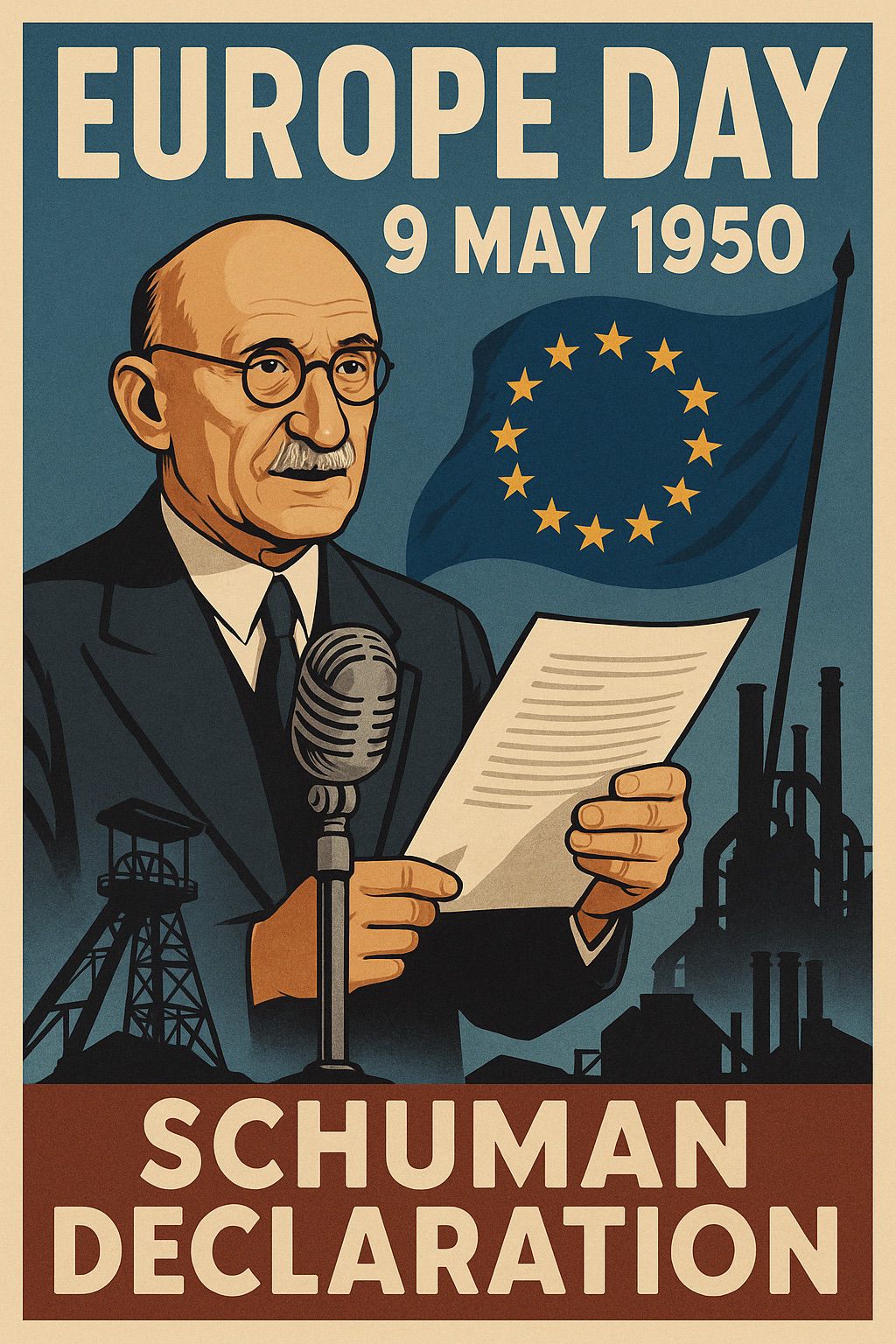
On May 9, 1950, just five years after the end of World War II, French Foreign Minister Robert Schuman stepped forward with a bold and visionary proposal: to unite the coal and steel industries of France and West Germany under a single authority. This act, known as the Schuman Declaration, wasn’t merely an economic initiative—it was a daring political move aimed at making war between European nations “not merely unthinkable, but materially impossible.” The wounds of the war were still raw, but Schuman understood that real peace required more than treaties. It needed cooperation, trust, and shared prosperity. His declaration laid the groundwork for the European Coal and Steel Community, the forerunner to what we now know as the European Union.

The brilliance of Schuman’s plan was in its simplicity and humanity. By pooling coal and steel—the core materials of warfare—Europe could shift its energy from conflict to collaboration. It brought former enemies to the same table, not only to trade but to govern together. This was the first brick in a foundation that would grow to include economic integration, free movement of people, and eventually a shared political voice. What began as a practical step toward peace has, over the decades, evolved into one of the most ambitious international partnerships in history. The EU has weathered crises, debates, and division, but it still stands today as a testament to the power of unity over division.

For millions of Europeans, May 9—now celebrated as Europe Day—is more than a historical milestone. It’s a reminder that peace is never accidental. It’s built, carefully and persistently, by people who dare to imagine a better future. In a time when nationalism and division are again on the rise, the Schuman Declaration remains a powerful symbol of what’s possible when nations choose cooperation over conflict, and hope over fear.

Related Posts

A Day of Triumph and Remembrance: VE Day, May 8, 1945

Elias Rowen

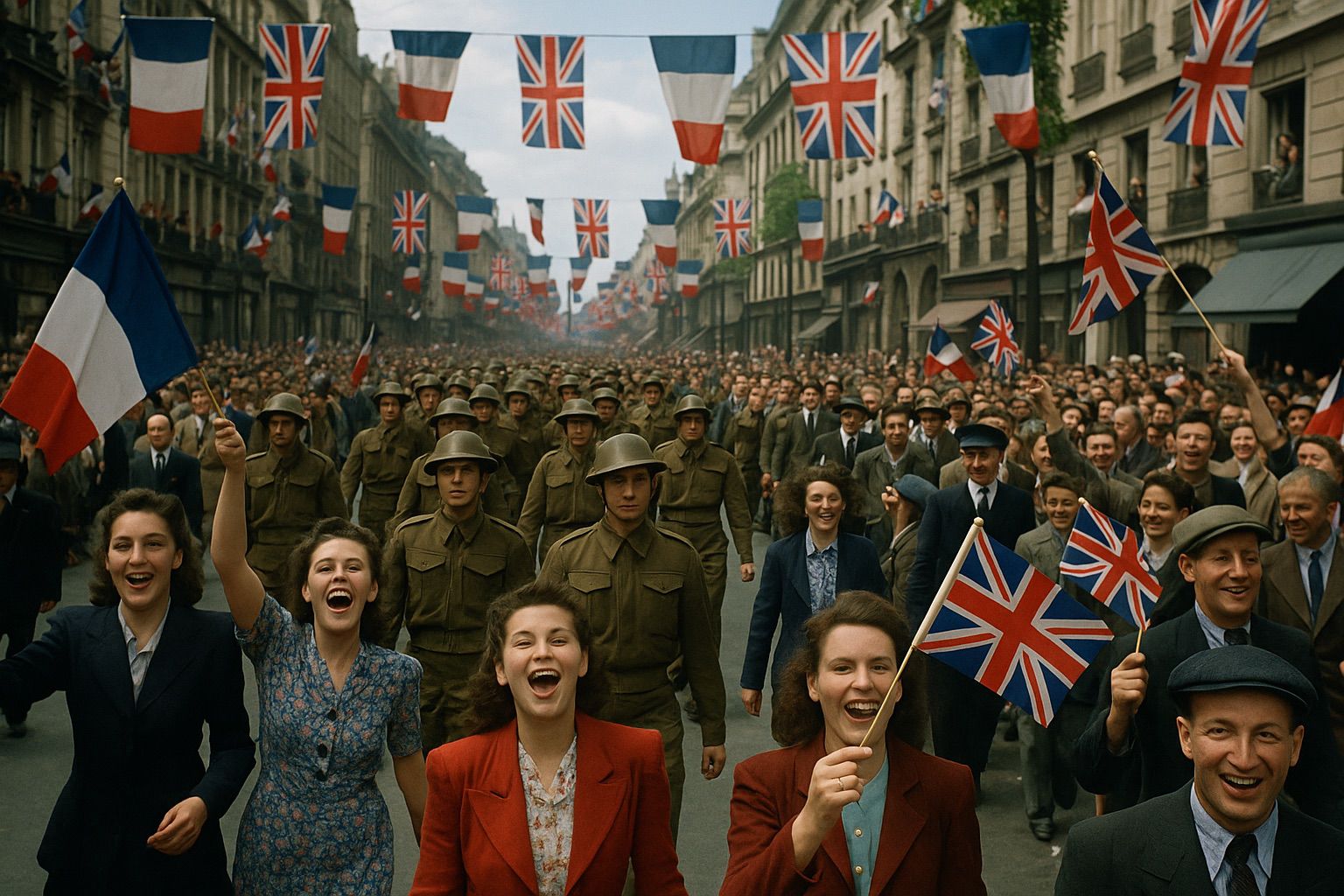
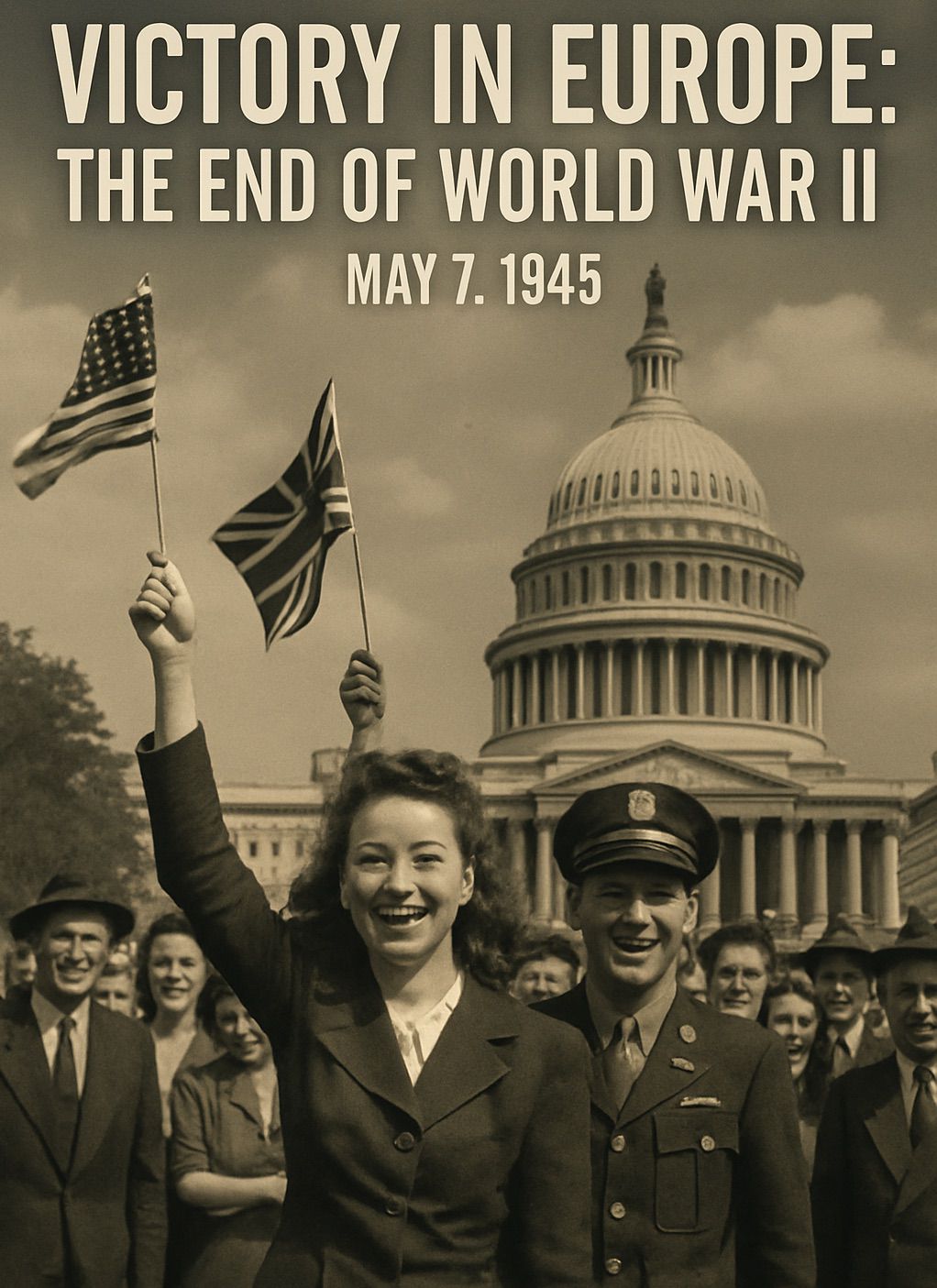
May 8, 1945, stands as one of the most significant days in modern history—Victory in Europe (VE) Day. On this day, the Allied forces officially celebrated the surrender of Nazi Germany, marking the end of World War II in Europe. For millions of people across the continent, VE Day was a moment of sheer relief, triumph, and profound grief. After years of unrelenting conflict, unimaginable loss, and devastation, the war had finally ended. The streets were filled with jubilant crowds, waving flags, singing, and dancing in celebration. In London, the crowds gathered in Trafalgar Square, while in Paris, the people poured into the streets to mark the victory over the Nazis. But VE Day was not just a celebration of military success; it was also a solemn day of reflection. The war had taken a terrible toll on Europe—millions had lost their lives, countless families had been torn apart, and entire cities had been reduced to rubble. VE Day was a time for people to remember the sacrifices made by soldiers, civilians, and resistance fighters alike. It also marked the beginning of the difficult work of rebuilding and reconciling after the horrors of war. As people rejoiced in the streets, the road ahead would be filled with the challenges of recovery, healing, and the creation of a lasting peace.

Related Posts

Victory and Peace: The End of WWII in Europe

Elias Rowen

May 7, 1945, marks a pivotal moment in history—the official surrender of Nazi Germany in World War II. After years of intense conflict that devastated entire continents, the unconditional surrender was a symbolic and literal end to the war in Europe. As Adolf Hitler’s regime crumbled, Europe breathed a collective sigh of relief, but the toll of the war left an indelible mark. Cities lay in ruins, millions of lives were lost, and the political landscape had been forever reshaped. The German surrender was the culmination of a relentless effort by the Allied forces, including the United States, the United Kingdom, and the Soviet Union. The events leading up to that fateful day had been characterized by a series of crushing defeats for Germany, from the D-Day landings to the Soviet encirclement of Berlin. When German representatives signed the surrender documents in Reims, France, it was a testament to the resilience and sacrifice of those who fought for freedom. The war in Europe was officially over, but the post-war era would bring new challenges, including the division of Germany, the onset of the Cold War, and the creation of a new world order. The surrender did not just mark the end of a brutal conflict; it also signaled the beginning of a healing process, as Europe set its sights on rebuilding and reconciling from the ashes of war.

Related Posts

Giants of the Sky: The Rise and Fall of Airships

Elias Rowen

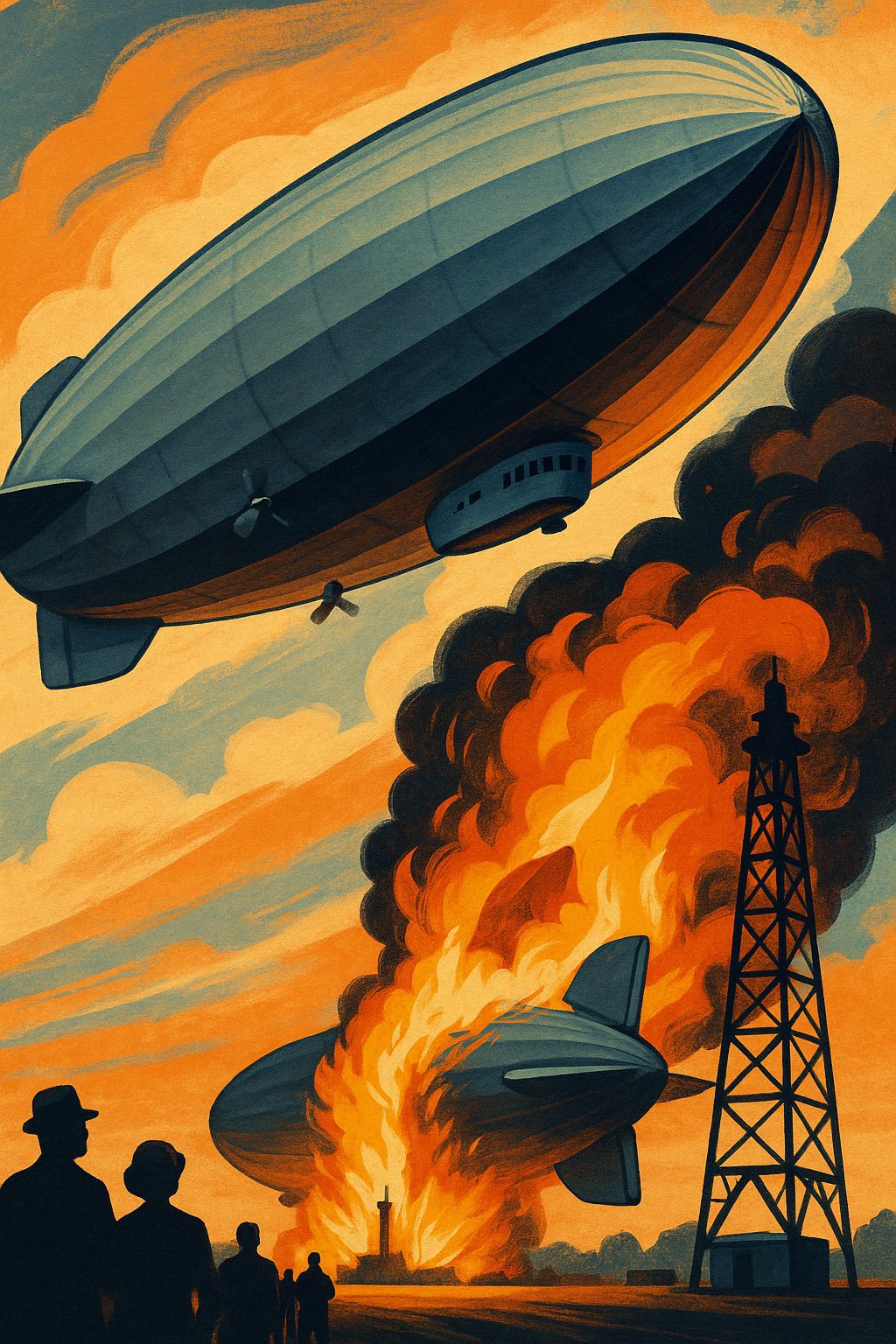
In the early 20th century, airships were symbols of futuristic elegance and national pride—massive floating palaces that promised to change the way humanity traveled the world. These lighter-than-air behemoths, particularly the German-made Zeppelins, soared gracefully through the skies, offering an unparalleled view of the Earth below. They represented the pinnacle of innovation in an age enamored with the possibilities of flight. The golden age of airships peaked in the 1920s and 1930s, with transatlantic voyages by the likes of the Graf Zeppelin, which ferried passengers from Europe to the Americas in serene, luxurious comfort. Yet, this dream of the skies would soon be shattered by tragedy.

On May 6, 1937, the German airship Hindenburg burst into flames while attempting to land in Lakehurst, New Jersey. In mere seconds, the hydrogen-filled craft was engulfed in fire, killing 36 people and horrifying the world. The disaster, captured live on radio and in vivid newsreel footage, became one of the most iconic catastrophes of the 20th century. It didn’t just end lives—it ended an era. Public confidence in airships plummeted overnight. Though the Hindenburg wasn’t the only airship to suffer disaster, its fiery end was the most public and psychologically devastating. The rise of faster, safer fixed-wing airplanes only hastened the airship’s descent into obsolescence.

Today, the image of airships lingers in nostalgic memories and retrofuturistic art, a symbol of ambition and human ingenuity—marred by fragility and hubris. While some modern blimps and hybrid airships are making a quiet comeback for advertising, tourism, and cargo transport, they’ll never again hold the mystique they once did. The story of airships is not just about flight—it’s a cautionary tale of how quickly dreams can ignite and fall from the sky.

Related Posts

Cinco de Mayo: A Legacy of Resistance and Cultural Pride

Elias Rowen

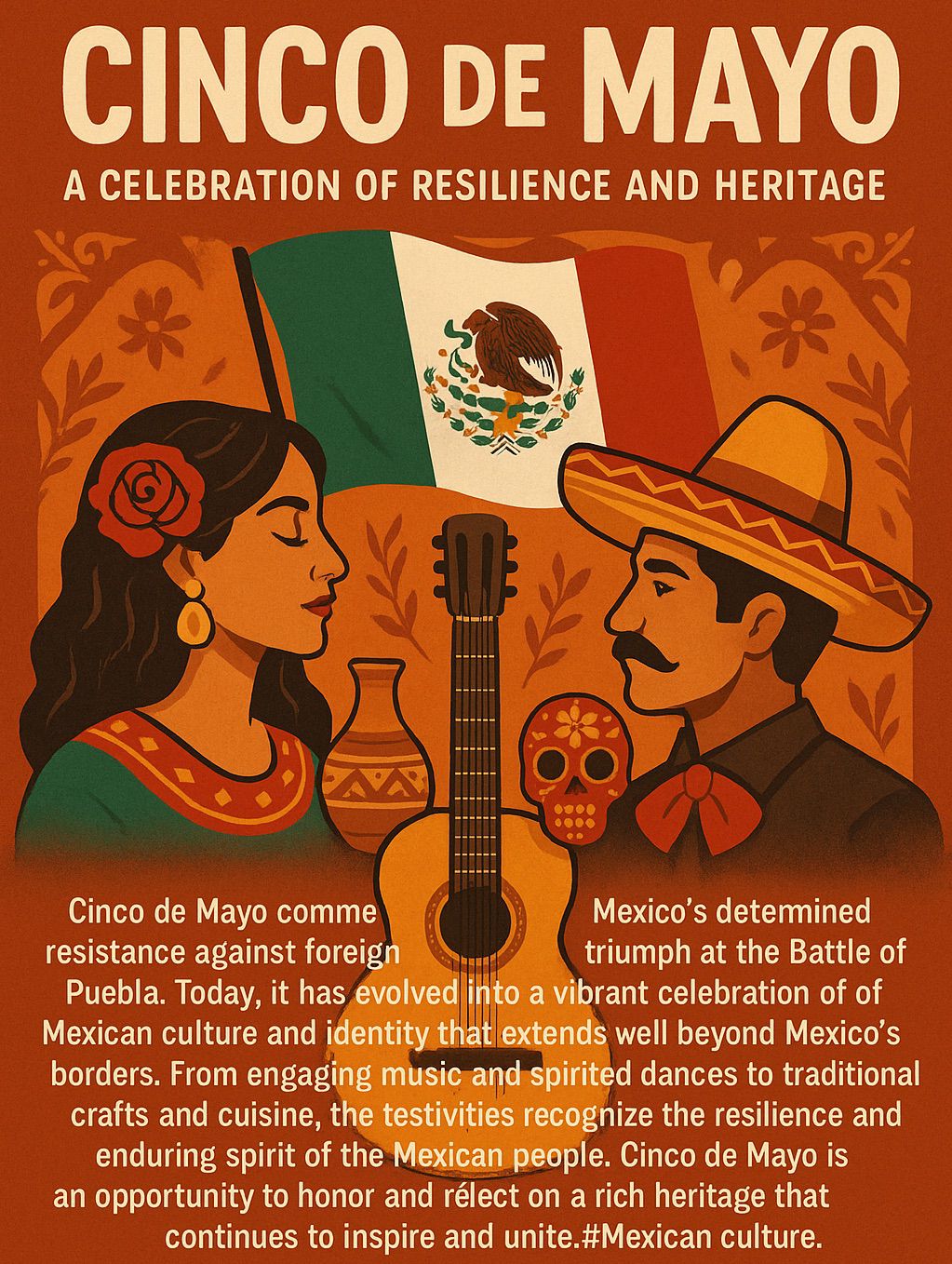
Cinco de Mayo is more than just a day for festive parades, vibrant decorations, and spicy cuisine — it is a powerful symbol of resistance and the enduring strength of Mexican cultural heritage. On May 5, 1862, a vastly outnumbered and under-equipped Mexican army achieved a stunning victory over the French forces at the Battle of Puebla. This triumph, while not a major strategic win in the overall Franco-Mexican War, became a rallying point for national pride and determination. It showcased Mexico’s resilience and refusal to surrender to foreign domination, inspiring future generations to preserve their sovereignty and identity.

Today, Cinco de Mayo is celebrated more in the United States than in many parts of Mexico, where it serves as a vibrant tribute to Mexican-American culture. For many, the holiday is an opportunity to honor the deep roots, struggles, and contributions of the Mexican people. Music, folkloric dance, and traditional foods aren’t just for show — they represent centuries of cultural continuity and community strength. From indigenous traditions to mestizo influences, Mexico’s heritage is a living, evolving testament to its people’s spirit. In a world where cultural identities can often be diluted, Cinco de Mayo is a bold reminder to embrace, celebrate, and protect the unique stories that shape us.

Related Posts

Echoes of Dissent: The Kent State Shootings and the Price of Protest

Elias Rowen

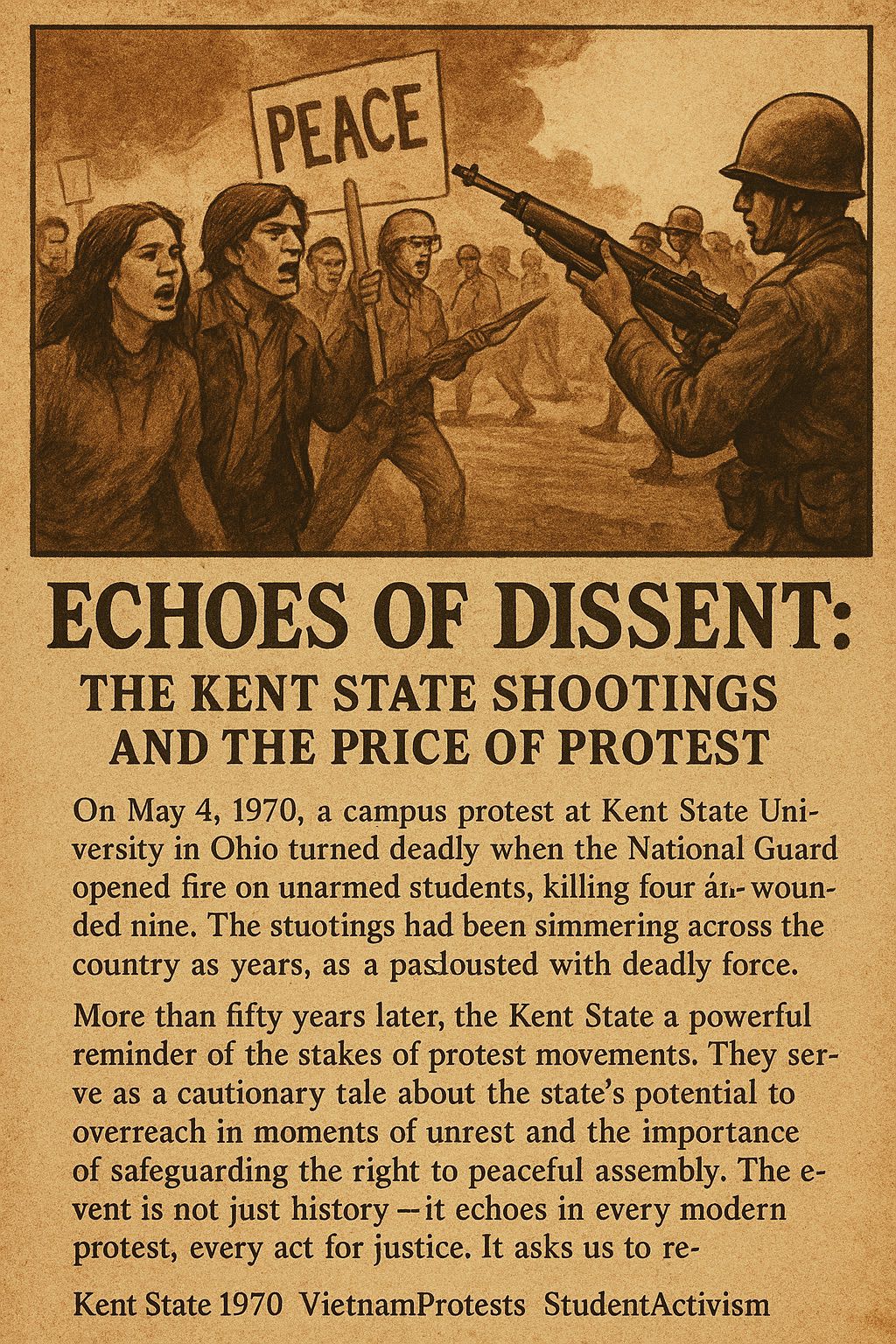
On May 4, 1970, a campus protest at Kent State University in Ohio turned deadly when the Ohio National Guard opened fire on unarmed students, killing four and wounding nine. The students had gathered to protest the U.S. invasion of Cambodia, an escalation of the already controversial Vietnam War. Tensions had been simmering across the country for years, as young Americans grew increasingly frustrated with the war, the draft, and the lack of transparency from their government. The Kent State shootings became a flashpoint in this nationwide protest movement, symbolizing the dangerous intersection between civil disobedience and government response.

The tragedy forced a national reckoning. How could peaceful protesters—many of them teenagers—be met with deadly force on a university campus in the heart of America? Public outrage swept across the country, igniting further demonstrations and deepening the generational divide. The government, caught off guard by the scale and passion of the protests, found itself walking a fine line between maintaining order and suppressing dissent. For many, Kent State epitomized the fear that the state might prioritize control over conscience, even at the cost of innocent lives.

More than fifty years later, the Kent State shootings remain a powerful reminder of the stakes involved in protest movements. They serve as a cautionary tale about the state’s potential to overreach in moments of unrest and the importance of safeguarding the right to peaceful assembly. The event is not just history—it echoes in every modern protest, every act of resistance, and every cry for justice. It asks us to remember the cost of silence and the courage it takes to stand up, even when the risk is high.

Related Posts

The Voice of the People: Why a Free Press is Democracy’s Lifeline

Elias Rowen

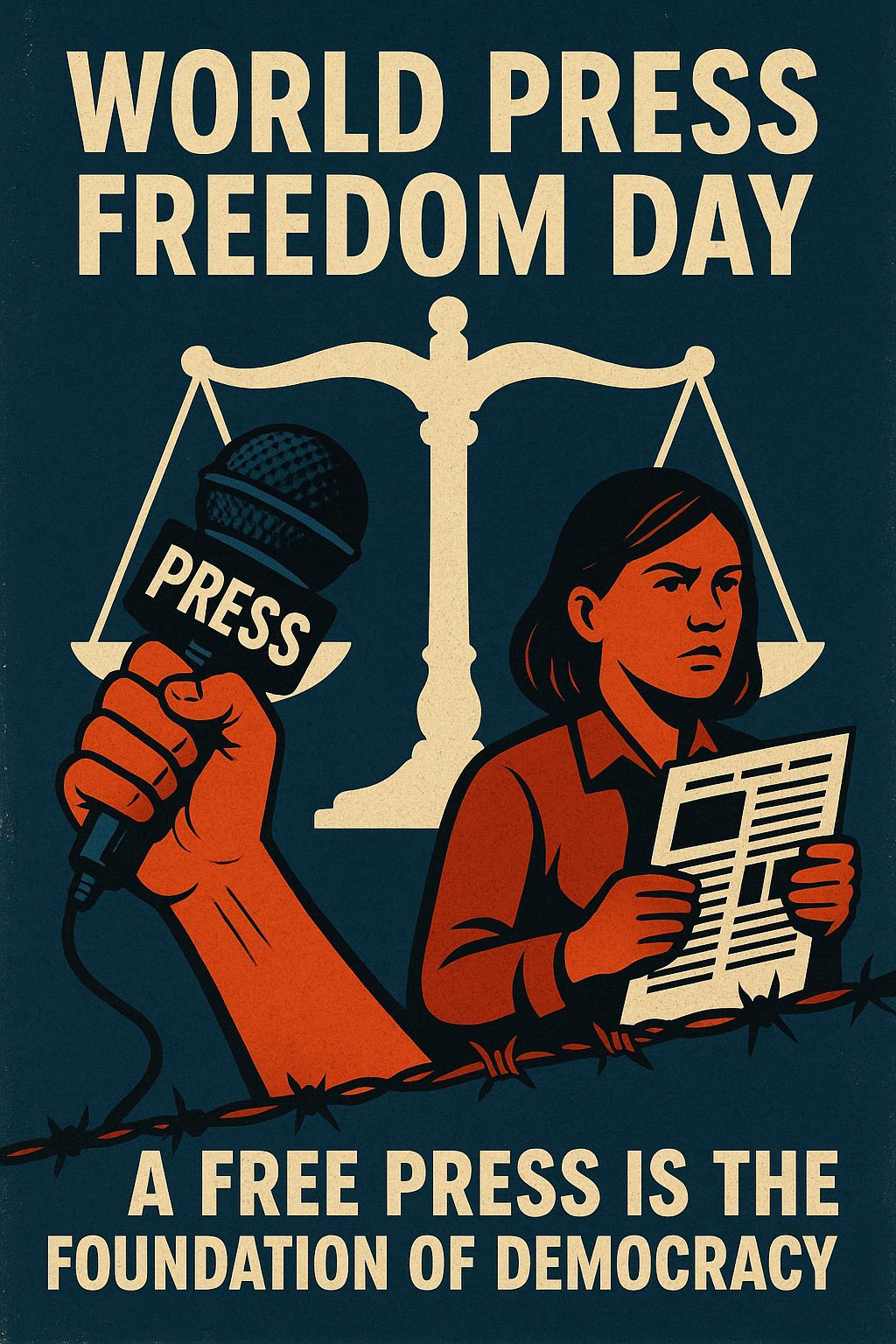
A free press is not just a luxury of democracy—it is its very foundation. On World Press Freedom Day, we are reminded that the ability to speak truth to power, to uncover injustice, and to hold leaders accountable is what keeps democracies vibrant and alive. Without journalists asking hard questions, corruption festers. Without storytellers giving a voice to the marginalized, injustices are swept under the rug. In a world where misinformation spreads at the speed of a click, a strong, independent press acts as a lighthouse, guiding societies through storms of confusion and deceit.

However, the fight for press freedom is far from over. Around the globe, journalists are imprisoned, censored, or even killed simply for doing their jobs. Governments increasingly brand legitimate reporting as “fake news” when it challenges their narratives. Meanwhile, media outlets battle corporate consolidation, which threatens to turn information into mere entertainment. True democracy demands more—it requires fearless reporting, diverse voices, and spaces where truth, not convenience, reigns supreme.

The faces behind the headlines—the local reporter exposing city hall corruption, the foreign correspondent risking their life to cover a war zone, the independent journalist battling online harassment—are the quiet heroes of democracy. Their work ensures that power remains in the hands of the people, not behind closed doors. On this day, and every day, supporting press freedom means defending our right to know, to question, and ultimately, to shape our own futures.

Related Posts

The End of a Hunt: Bin Laden’s Death and the New Face of Global Security

Elias Rowen

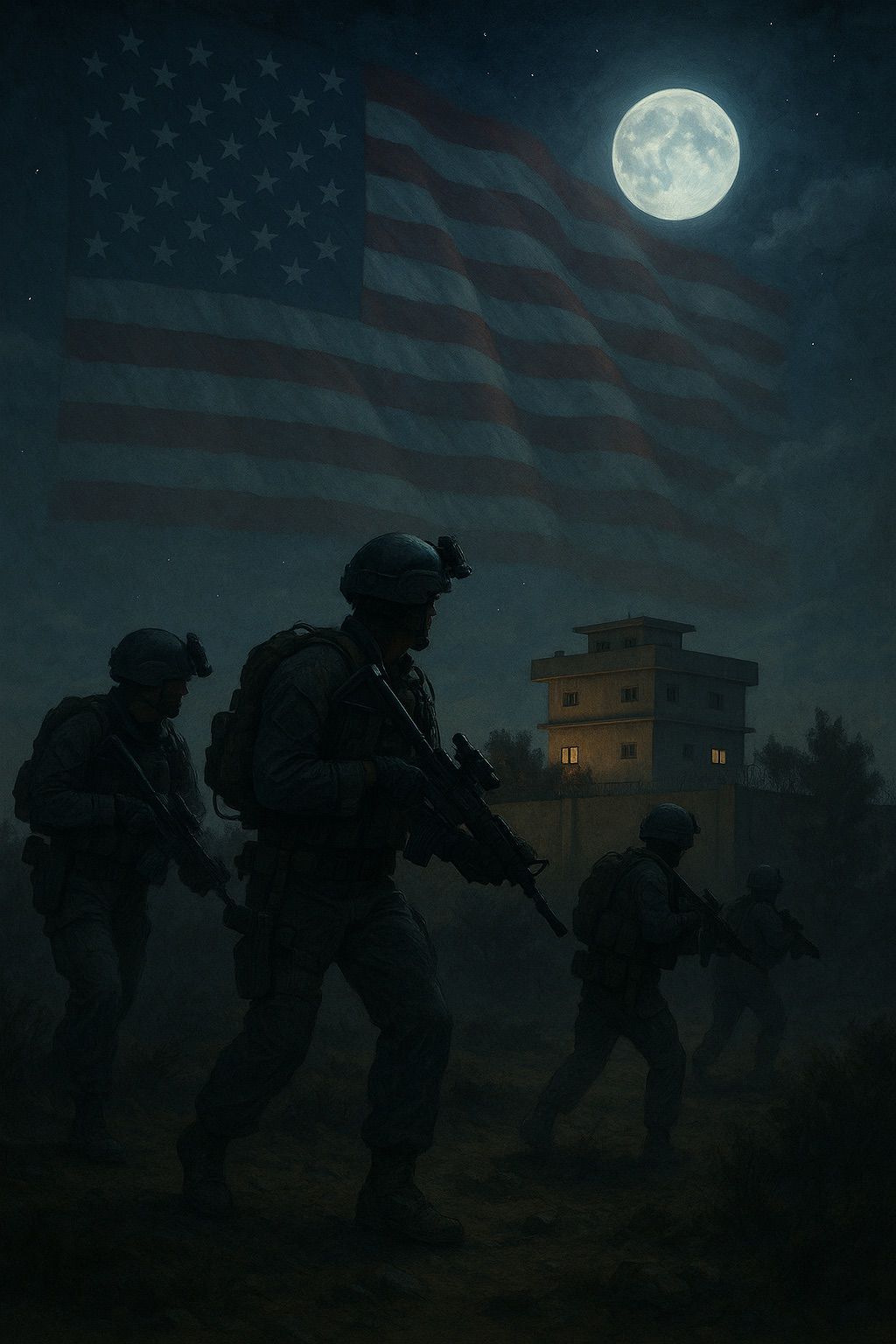
On May 2, 2011, the world woke up to news that seemed almost surreal: Osama bin Laden, the mastermind behind the 9/11 attacks, had been killed by U.S. Navy SEALs in Pakistan. For nearly a decade, bin Laden had been the most wanted man on the planet, a ghostly symbol of terror and fear. His death marked a pivotal moment in the War on Terror—a symbolic victory for the United States and its allies, and a piece of long-awaited closure for the families of 9/11 victims. Crowds gathered outside the White House waving flags, cheering a rare and profound moment of national unity. Yet, while the man was gone, the world he had changed remained more complicated than ever.

Bin Laden’s death did not mark the end of terrorism or even the War on Terror. Instead, it revealed how much the battlefield had evolved. New groups like ISIS soon emerged, thriving in the instability left behind by long wars. Global security efforts had to shift from hunting one man to countering decentralized, digital threats that could strike from anywhere. Mass surveillance programs expanded, drone warfare grew, and cybersecurity became a frontline issue. While bin Laden’s removal was a major psychological blow to extremists, it also forced governments to realize that terrorism was no longer something with a face—it was a constantly shifting, global phenomenon.

The mission that killed bin Laden taught us that victory in the War on Terror isn’t always clear-cut. It’s a marathon, not a sprint, demanding resilience, adaptability, and constant vigilance. It reminds us that while singular figures can be brought down, the deeper issues—extremism, inequality, injustice—must be addressed if real peace is ever to take hold.

Related Posts

Power to the People: The Ongoing Fight for Workers’ Rights

Elias Rowen

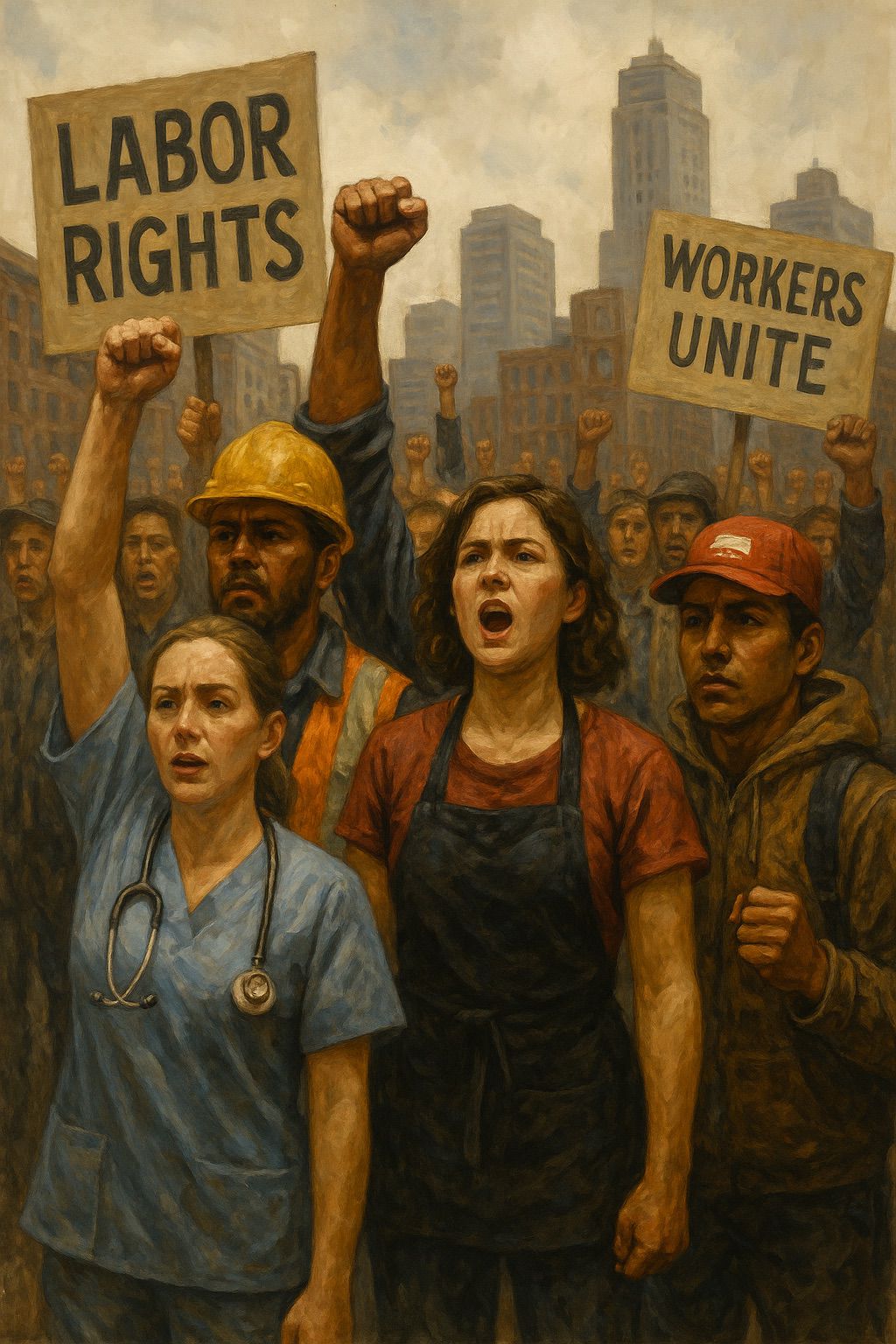
For centuries, workers have stood shoulder to shoulder, demanding dignity, fair pay, and safe conditions—principles that form the backbone of any just society. From the early factory strikes of the Industrial Revolution to the global observance of International Workers’ Day on May 1st, labor movements have been a force of transformation. These collective efforts have reshaped laws, redefined norms, and reminded the world that the engine of every economy runs on the labor of everyday people. Despite the progress, the fight is far from over.

Today, the challenges may look different—gig work without benefits, stagnant wages despite inflation, unsafe working conditions in developing countries—but the underlying battle remains the same: the right to be treated fairly. The rise of union-busting tactics, automation threatening jobs, and an ever-growing wealth gap shows how much is still at stake. Workers from Amazon warehouses to Starbucks counters have reignited the fire of unionization, proving that solidarity is not outdated—it’s essential.

Human stories fuel this movement. The nurse pulling double shifts without adequate protection. The delivery driver navigating city streets for sub-minimum wages. The teacher crowdfunding for classroom supplies. These are not isolated incidents—they’re signals of a system under strain. Labor rights aren’t just about better pay; they’re about respect, equity, and giving workers a voice in the systems that profit from their sweat.

The labor movement is not a relic of the past—it’s a call to action today. As long as injustice exists in the workplace, so too will the courage of those who stand up against it. Because when workers unite, history listens.

Related Posts

The Final Choice: Adolf Hitler and Eva Braun’s Tragic End

Elias Rowen

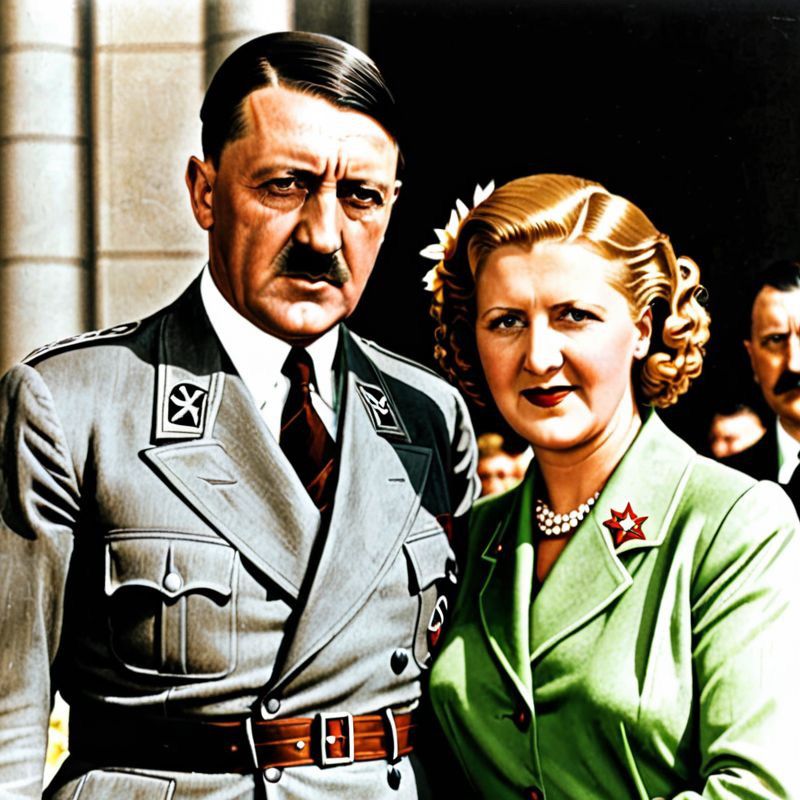
As the Soviet forces closed in on Berlin in April 1945, Adolf Hitler and Eva Braun made the ultimate decision to take their own lives in the face of defeat. The once-powerful dictator, who had ruled Nazi Germany with an iron fist, was now cornered in his underground bunker, with the end of the war in sight. Hitler, whose ambitions had led to the devastation of much of Europe, faced the collapse of his empire. Eva Braun, who had been by his side for over a decade, followed him into this tragic end, forever bound to the Führer in both life and death.

The two chose suicide as the only way to avoid capture by the advancing Soviet forces. Hitler, knowing the inevitability of his downfall, ingested cyanide and shot himself in the head. Eva Braun, his loyal companion throughout the war, consumed cyanide, ending her life beside him. Their deaths occurred on April 30, 1945, marking the symbolic end of Nazi Germany. The couple’s decision to die together in the final moments of their lives reflects the despair of a regime that had once been the epitome of power but had crumbled under the weight of its own atrocities.

Their suicides were not just the deaths of two individuals, but the end of an era that had brought untold suffering to millions. As the war neared its end, many saw Hitler’s death as a necessary step toward peace, though it came at a staggering human cost. For Eva Braun, her relationship with Hitler had been marked by a desire for recognition and an enduring loyalty to a man whose very name would forever be associated with hate and destruction. The tragic final act of their lives left a dark mark on history, reminding the world of the dangers of unchecked power and the human toll of war.

Related Posts

A Final Act of Defiance: The Last Moments of Adolf Hitler and Eva Braun

Elias Rowen

On April 29, 1945, in the depths of the Berlin bunker, Adolf Hitler, the Führer of Nazi Germany, married his long-time companion, Eva Braun, in a fleeting and tragic moment. This was just one day before their deaths, as the crumbling Third Reich faced its inevitable defeat. Hitler, who had spent years avoiding personal commitments and keeping his relationship with Eva a carefully guarded secret, chose this final act of marriage as a defiance against the looming end of his empire. For Eva Braun, this was the culmination of a decades-long devotion to a man who had consistently kept her at arm’s length, despite her unrelenting loyalty.

Their marriage was not a grand affair; it took place in the bunker, where the couple was holed up, surrounded by the growing chaos of a city under siege. Hitler, having long acknowledged that his regime was collapsing, seemed to have finally let go of the grandiose ambitions that had once defined him. For Eva, the marriage represented a tragic, final acknowledgment of her devotion, yet it was steeped in the knowledge that the end was near. The very next day, the two would take their own lives—Hitler by cyanide and a gunshot, Braun by cyanide—choosing death over capture by the advancing Soviet forces. Their deaths marked the symbolic end of the Nazi regime and the conclusion of a tyrannical era that had wreaked havoc on the world.

In these final moments, the couple’s marriage was not just a personal gesture but a tragic symbol of the collapse of a regime and the fleeting nature of human life. Hitler and Braun’s decision to marry before their deaths echoes the ultimate futility of their lives and the desolation of their choices. The Berlin bunker, once a stronghold of power, became the stage for a dark and eerie conclusion to one of history’s most destructive figures. The fleeting, tragic marriage remains a potent reminder of the human capacity for loyalty, the desire for recognition, and the devastating effects of unchecked power.

Related Posts

The Fall of Mussolini: The End of Italy’s Fascist Regime

Elias Rowen

On April 28, 1945, Benito Mussolini, the dictator who had once ruled Italy with an iron fist, met a brutal and decisive end. After more than two decades in power, Mussolini’s fascist regime crumbled under the weight of war, betrayal, and public outrage. Captured by Italian partisans while attempting to flee to Switzerland, Mussolini and his mistress, Clara Petacci, were executed by firing squad. Their bodies were later displayed in Milan, a stark symbol of Italy’s rejection of fascism and a powerful moment in the closing days of World War II.

Mussolini’s rise to power had been swift. In 1922, he marched on Rome and took control of the Italian government, establishing a fascist dictatorship that crushed opposition, controlled the press, and promoted aggressive nationalism. Aligning himself with Adolf Hitler during World War II, Mussolini dragged Italy into a conflict it was ill-prepared to fight. As the war turned against the Axis powers, Italian citizens grew disillusioned, and even Mussolini’s own government turned on him. By 1943, he was ousted and arrested, only to be rescued by German forces and installed as a puppet leader in northern Italy.

But by April 1945, Nazi Germany was collapsing, and Mussolini’s fate was sealed. Disguised as a German soldier, he attempted to escape with his remaining loyalists but was recognized and captured by partisans in the village of Dongo. Just a day later, he was executed without trial, a swift and final punishment for years of dictatorship and war crimes. His body was taken to Milan and hung upside down in Piazzale Loreto, where angry crowds gathered to desecrate his corpse—a grim reflection of the hatred he had inspired.

Mussolini’s death marked the definitive end of fascist rule in Italy and served as a warning to other totalitarian leaders. The man who once dreamed of reviving the Roman Empire was now nothing more than a cautionary tale of unchecked power and political downfall. Today, his legacy remains controversial—while some still romanticize his rule, history remembers Mussolini as a dictator whose ambition led Italy to ruin. His fall stands as a reminder that no tyranny lasts forever and that the will of the people can ultimately bring down even the most powerful regimes.

Related Posts