Author: Elias Rowen
I enjoy writing about events that happened on specific days of the year. There’s something fascinating to me about the idea that every date carries its own story—moments when history quietly turned a corner or suddenly exploded into something unforgettable.
I don’t focus on famous people as much as I focus on the moments themselves. I like digging into what was happening on that particular day, what led up to it, and what followed after. When I write, I try to bring readers into the moment, to capture what it might have felt like as events were unfolding in real time, before anyone knew how things would turn out.
For me, history isn’t just a list of dates and facts. It’s a collection of lived moments that still ripple into the present. My goal is to turn calendar dates into stories that feel real, relatable, and worth remembering.

On April 7, 1994, one of the darkest chapters in human history began—the Rwandan Genocide. Over the course of just 100 days, nearly one million people, mostly Tutsis, were brutally murdered by extremist Hutu militias. Fueled by deep-rooted ethnic tensions,…
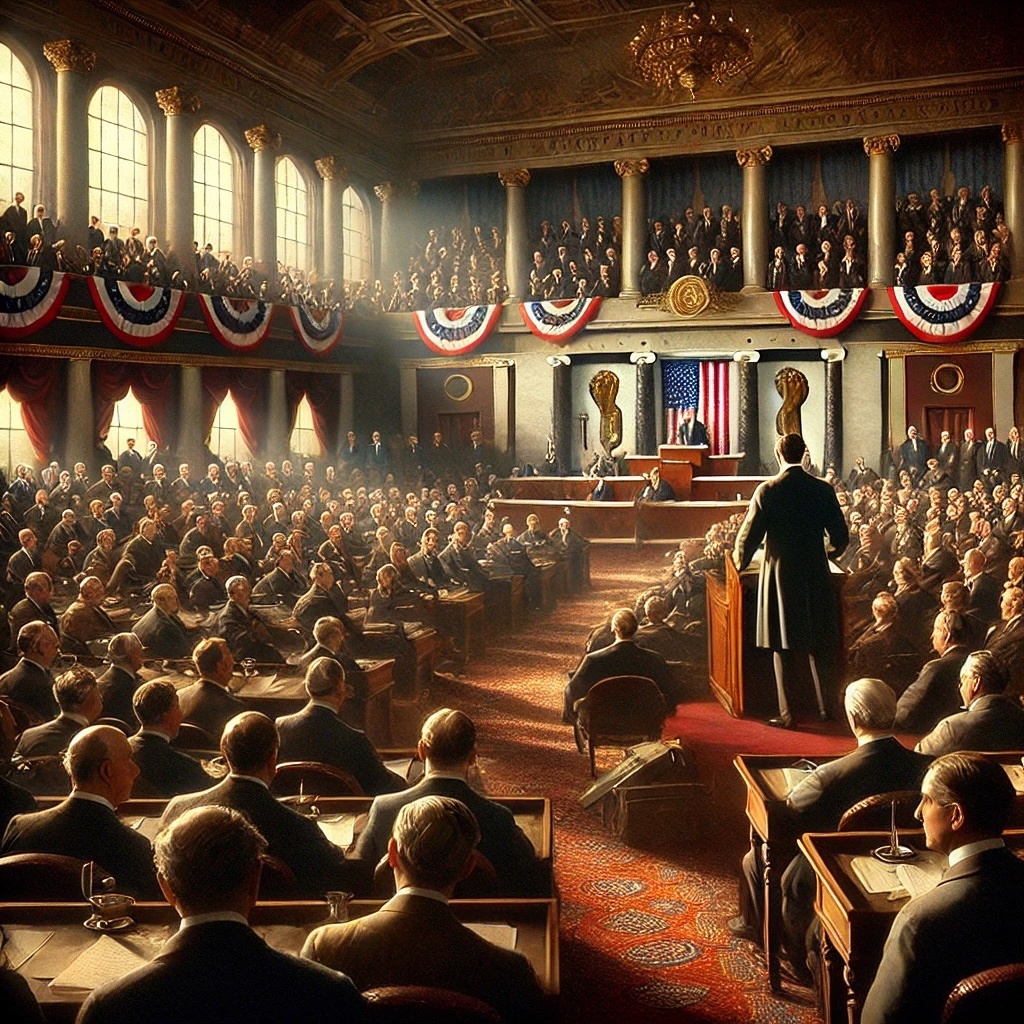
On April 6, 1917, the United States officially declared war on Germany, marking a turning point in World War I and in global history. For years, the U.S. had remained neutral, watching from afar as Europe was engulfed in one…

Kurt Cobain, the enigmatic frontman of Nirvana, was more than just a musician—he was the voice of a generation. His raw lyrics, haunting melodies, and rebellious spirit captured the angst and disillusionment of the early ’90s. However, behind the fame…
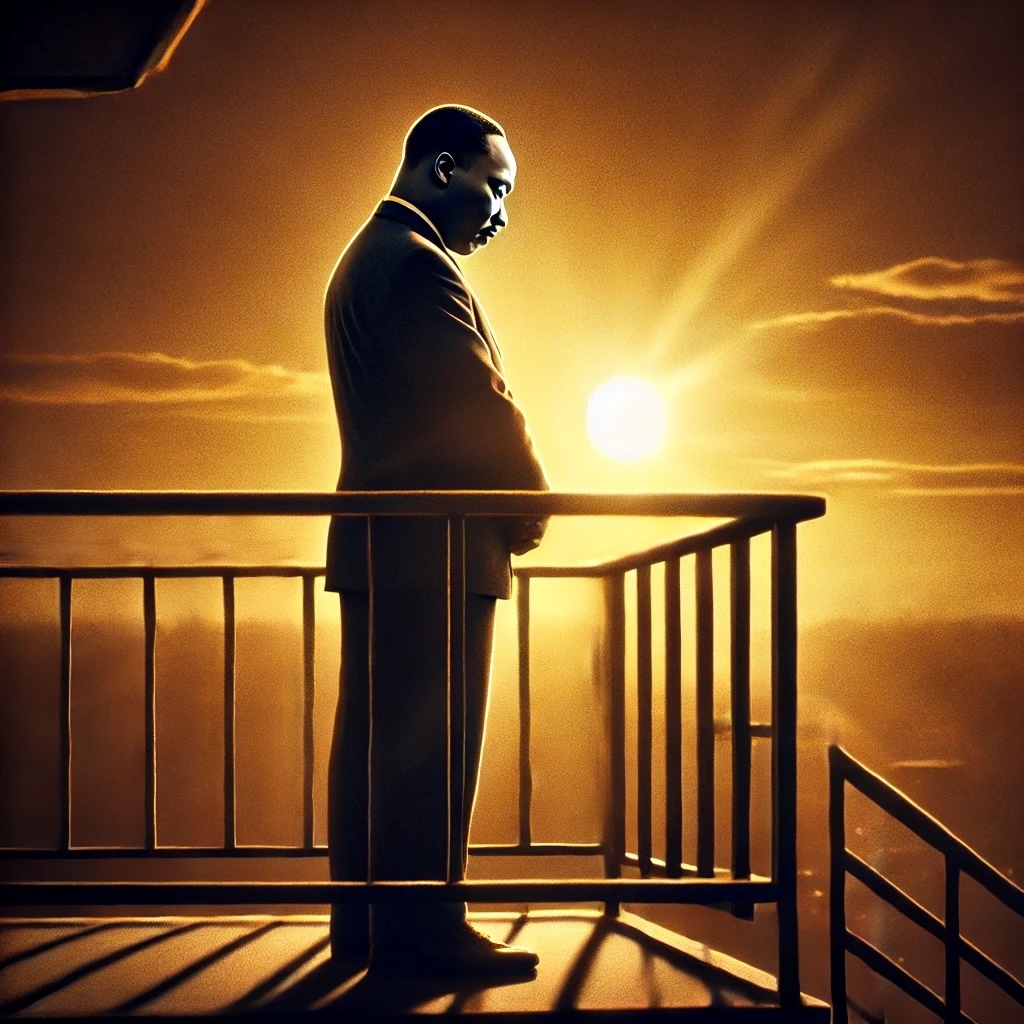
On April 4, 1968, the world lost one of its greatest voices for justice and equality. Dr. Martin Luther King Jr., a leader of the American civil rights movement, was assassinated in Memphis, Tennessee, as he stood on the balcony…
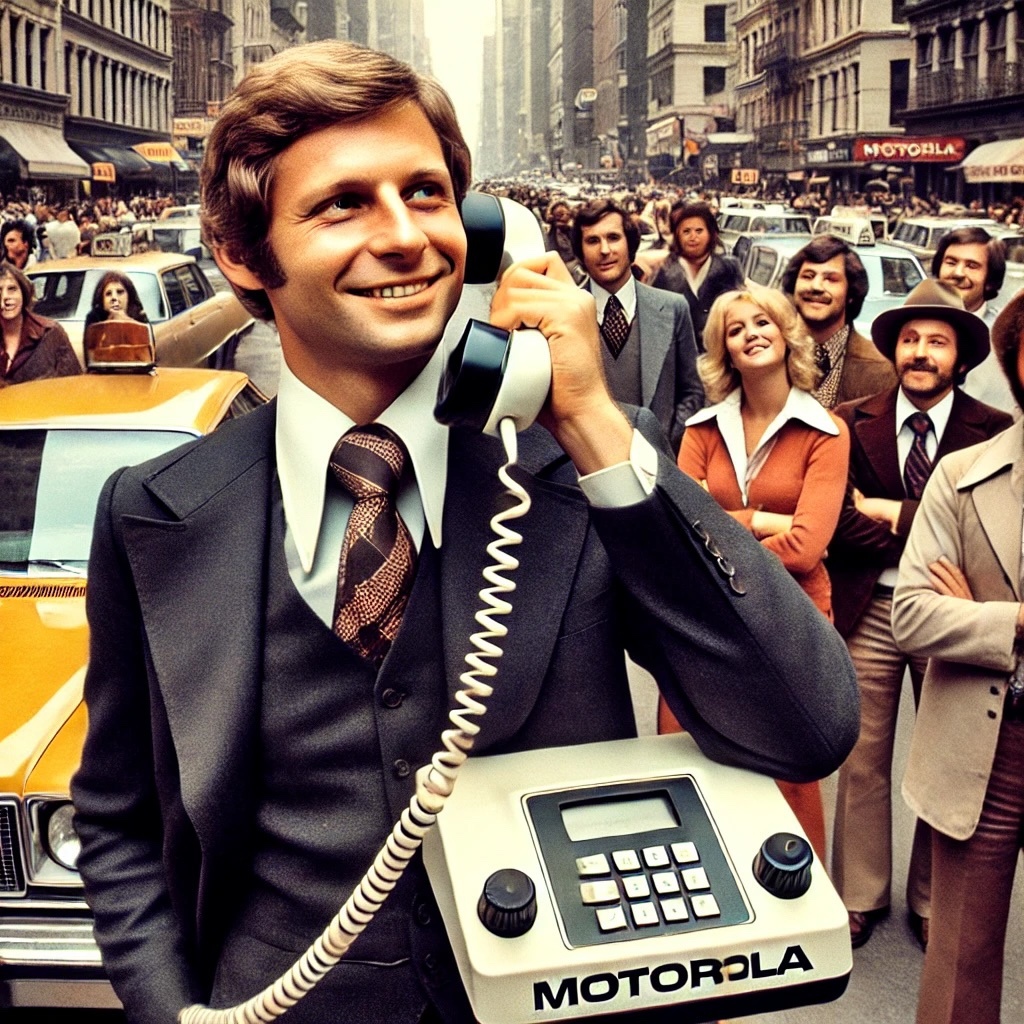
On April 3, 1973, Martin Cooper, an engineer at Motorola, made history by placing the first-ever mobile phone call. Standing on a bustling street in New York City, he dialed the number on a bulky, brick-sized device and called his…
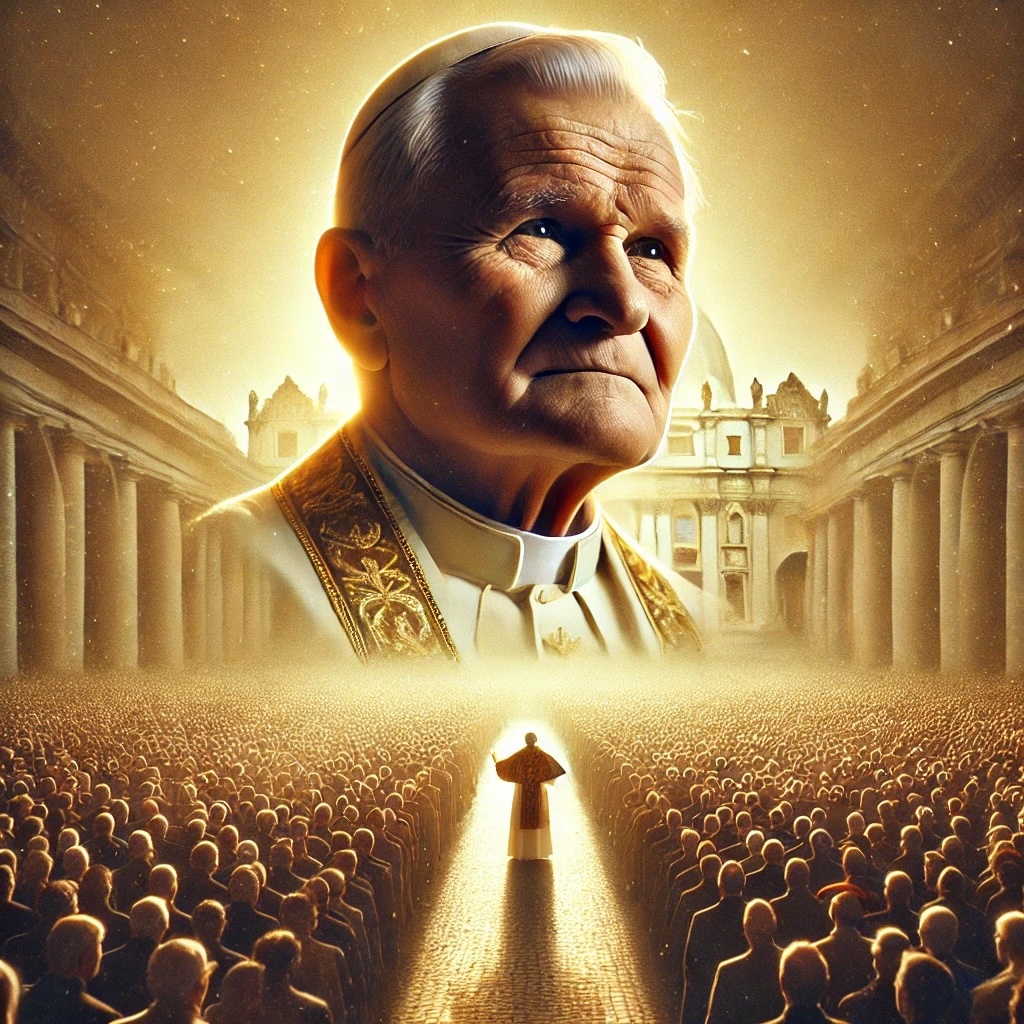
Pope John Paul II passed away on April 2, 2005, marking the end of one of the most influential papacies in history. His time as the leader of the Catholic Church spanned over 26 years, during which he shaped global…
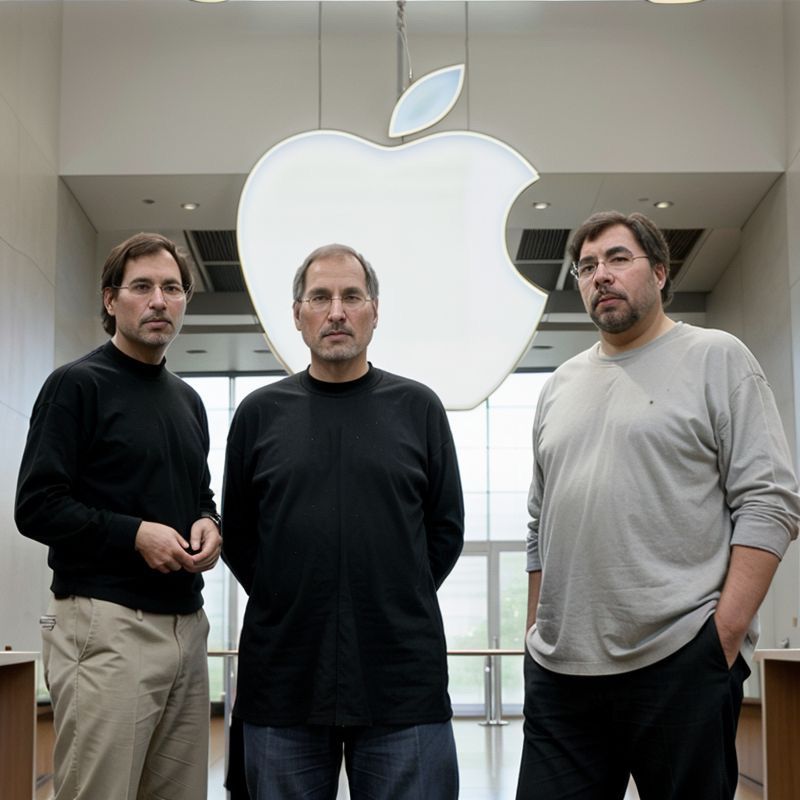
On April 1, 1976, three visionaries—Steve Jobs, Steve Wozniak, and Ronald Wayne—came together to change the world of technology forever. In a small garage in Cupertino, California, they founded Apple Inc., a company that would go on to revolutionize personal…
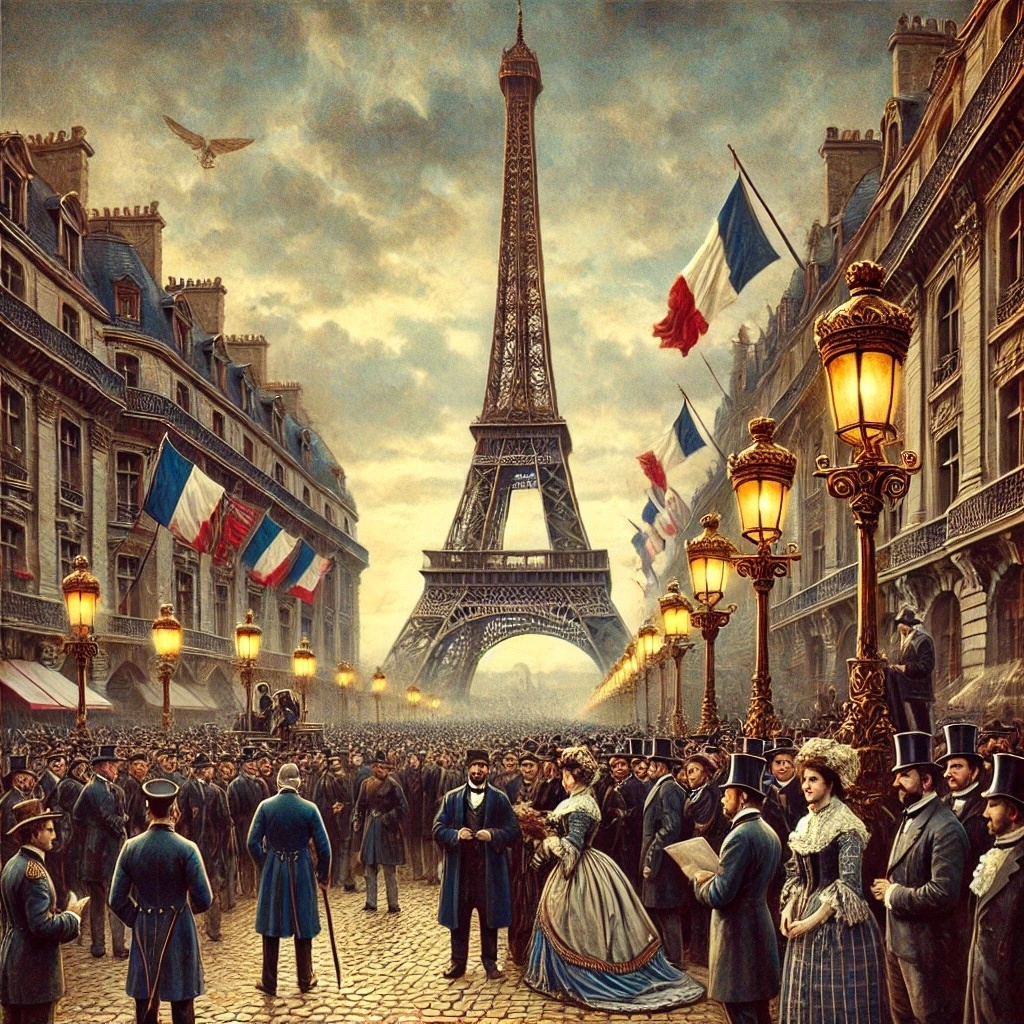
On March 31, 1889, the Eiffel Tower was officially completed and unveiled to the world as the centerpiece of the Exposition Universelle, a world’s fair celebrating the 100th anniversary of the French Revolution. Designed by engineer Gustave Eiffel, the 1,083-foot…
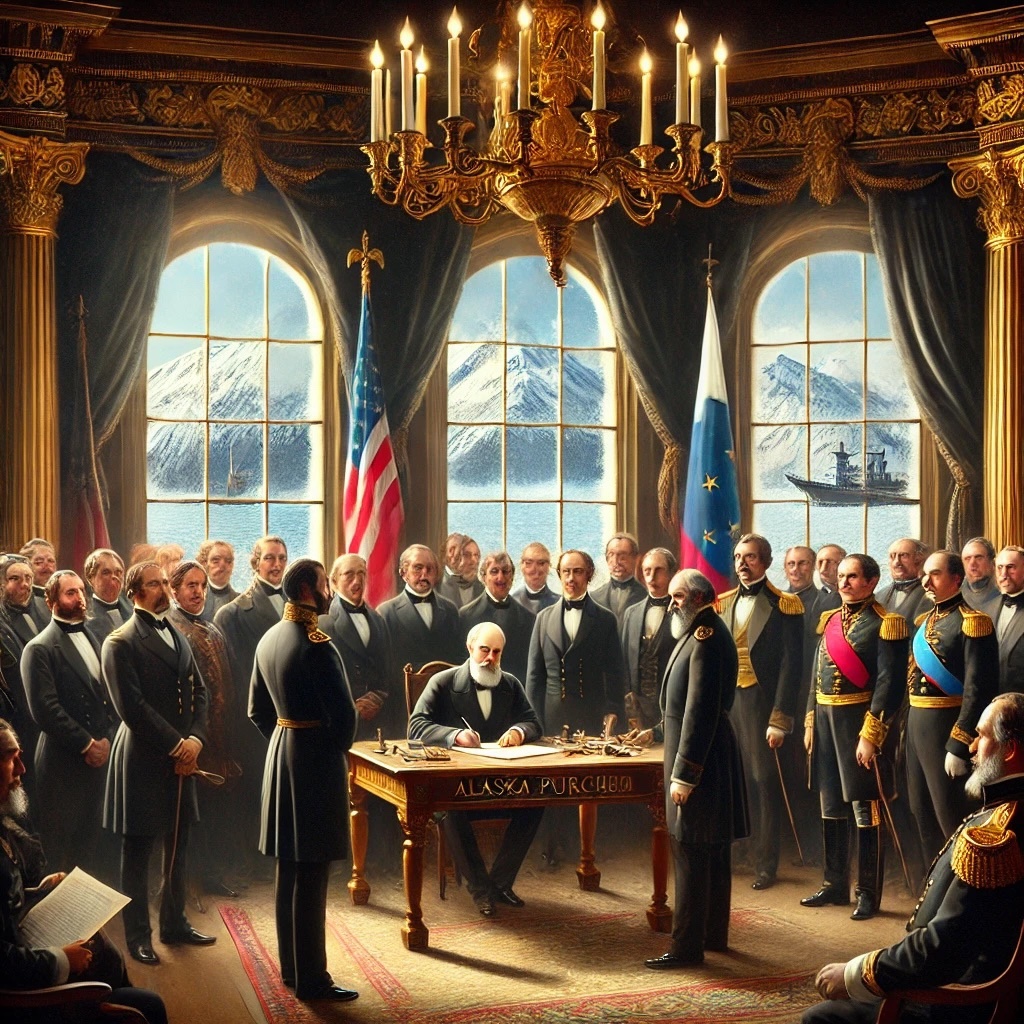
On March 30, 1867, the United States made one of the most surprising and strategic purchases in history—Alaska. The agreement, negotiated by Secretary of State William H. Seward and approved by the U.S. Senate, secured the massive northern territory from…
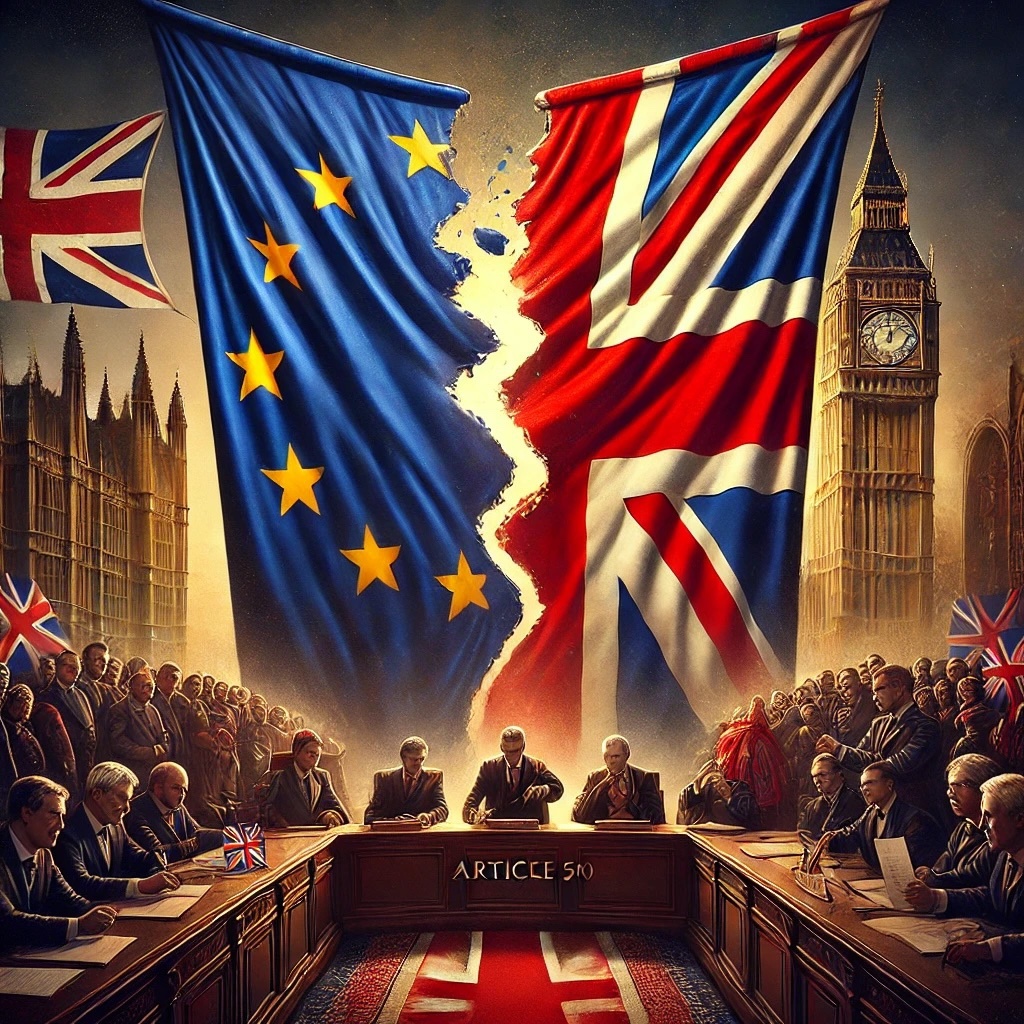
On March 29, 2017, the United Kingdom made history by formally triggering Article 50 of the Treaty on European Union, setting the stage for its departure from the EU. This moment marked the beginning of a long and complex process…

On March 28, 1979, the United States faced its most serious nuclear accident when a partial meltdown occurred at Three Mile Island Nuclear Generating Station in Pennsylvania. What started as a minor mechanical failure quickly spiraled into a crisis that…
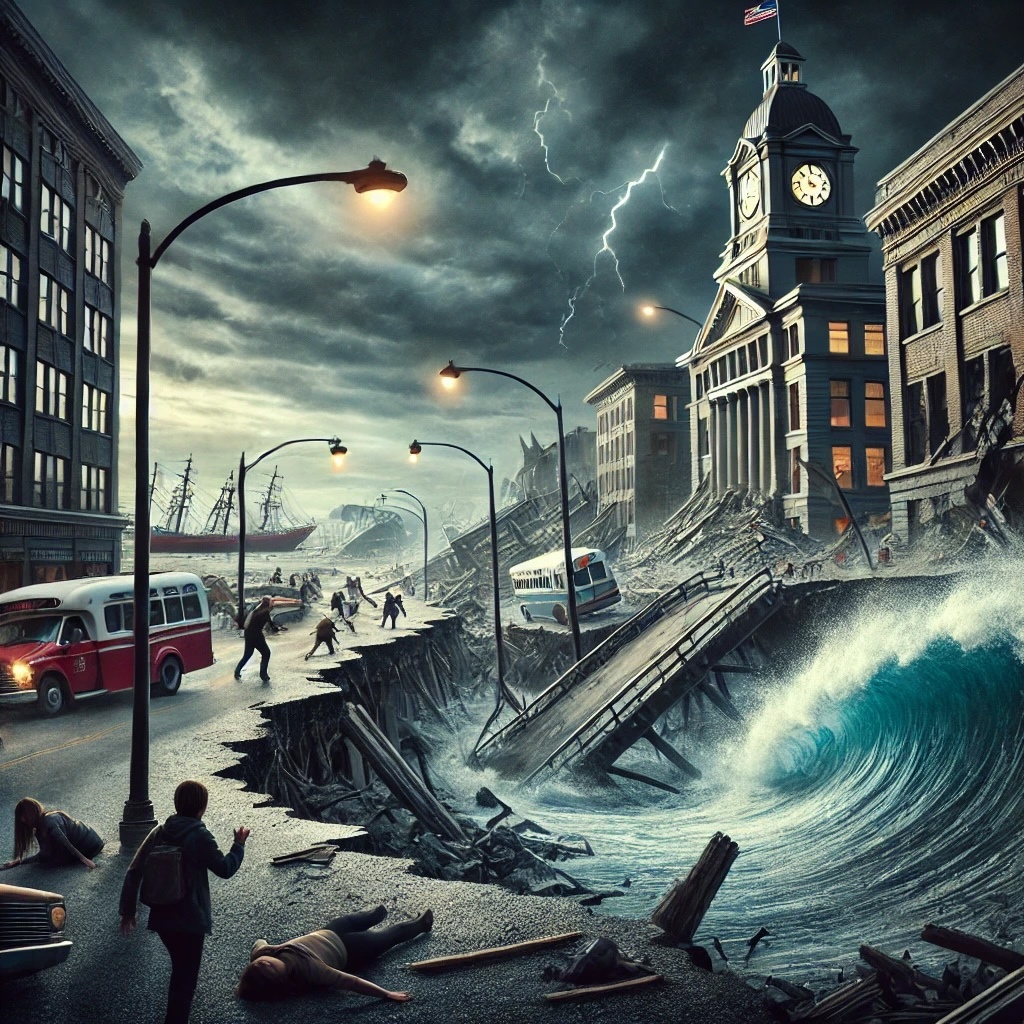
On March 27, 1964, Alaska was rocked by the most powerful earthquake ever recorded in the United States—a staggering 9.2-magnitude tremor that sent shockwaves across the region. Known as the Great Alaska Earthquake, this massive quake lasted an astonishing four…

In 1953, the world took a monumental step toward eradicating one of the most feared diseases of the 20th century—polio. Dr. Jonas Salk, a virologist and medical researcher, announced that his team had successfully tested a vaccine against poliomyelitis, a…

On March 25, 1911, tragedy struck in the heart of New York City when the Triangle Shirtwaist Factory fire claimed the lives of 146 workers, most of them young immigrant women. The factory, located on the eighth, ninth, and tenth…

On March 24, 1958, the world watched as Elvis Presley, the undisputed King of Rock and Roll, traded in his blue suede shoes for army boots. At the peak of his career, Presley answered the call of duty and enlisted…

On March 24, 1989, the world witnessed one of the most devastating environmental disasters in history—the Exxon Valdez oil spill. In the early morning hours, the Exxon Valdez, an oil tanker carrying over 53 million gallons of crude oil, struck…
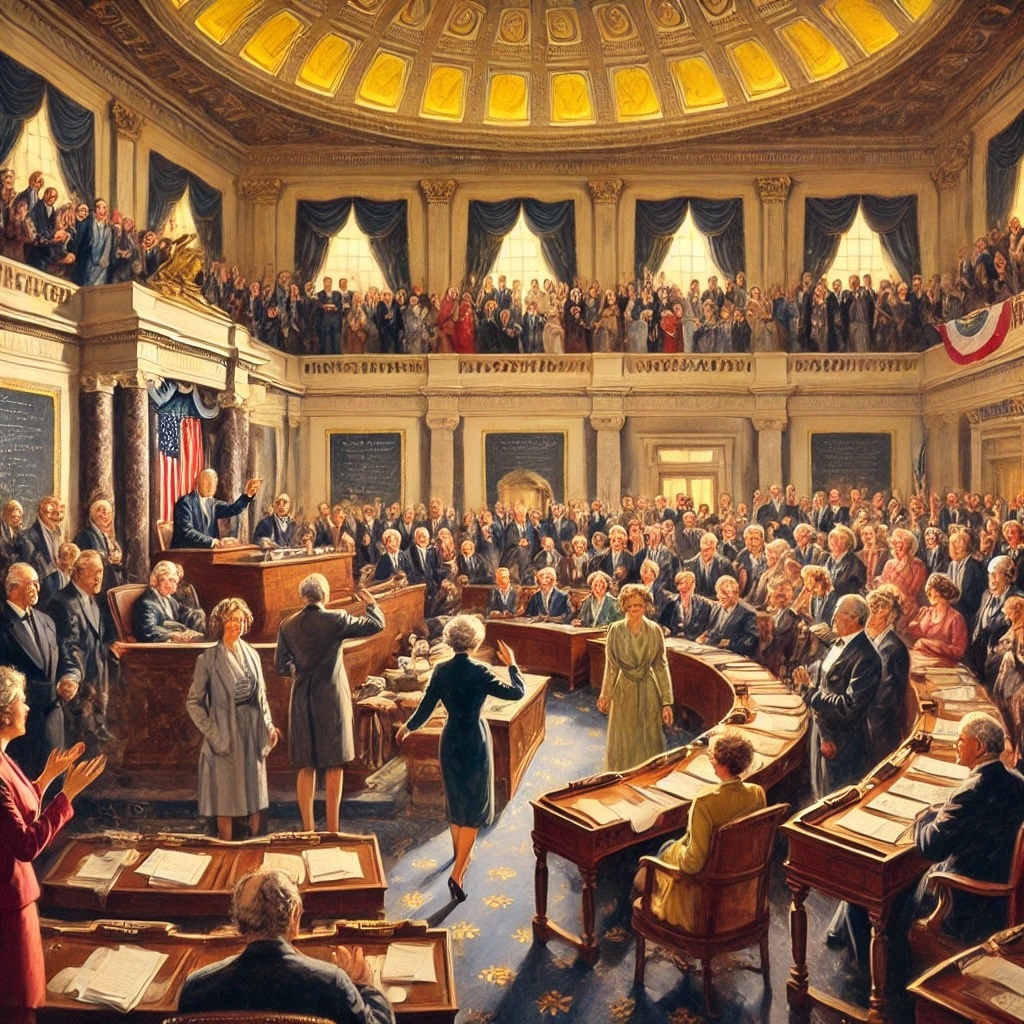
On March 22, 1972, the United States Senate made history by passing the Equal Rights Amendment (ERA), a bold step toward ensuring gender equality under the law. The amendment, which stated that “equality of rights under the law shall not…

In 2006, a small team of innovators led by Jack Dorsey launched a simple idea that would forever change the way people communicate. Their creation, Twitter, was initially meant to be a short-form messaging platform where users could share quick…
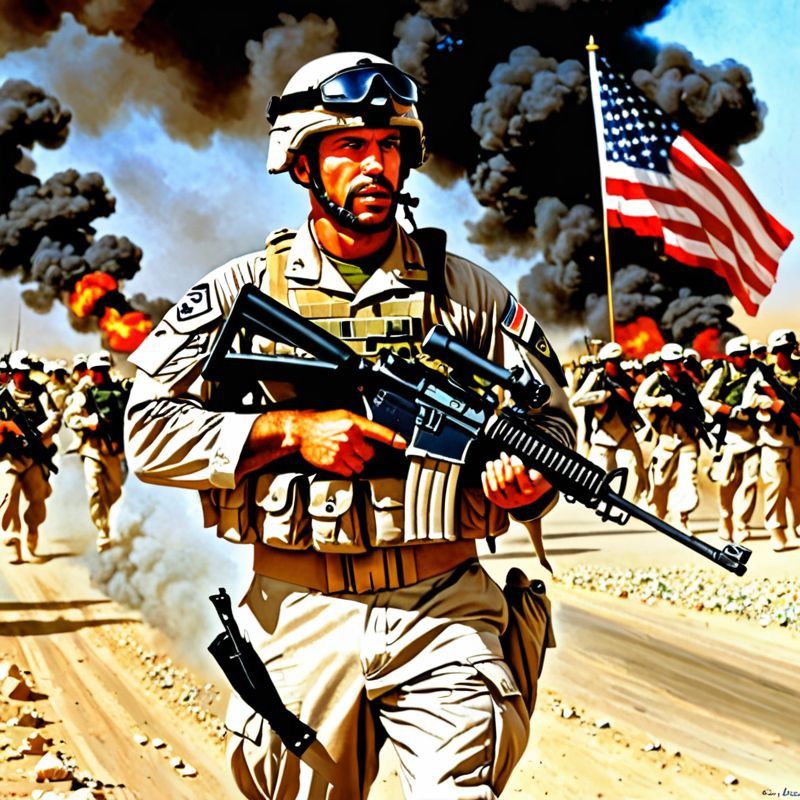
On March 20, 2003, the United States, along with a coalition of allies, launched a military invasion of Iraq. Dubbed “Operation Iraqi Freedom,” the war aimed to overthrow Iraqi leader Saddam Hussein, who was accused of possessing weapons of mass…
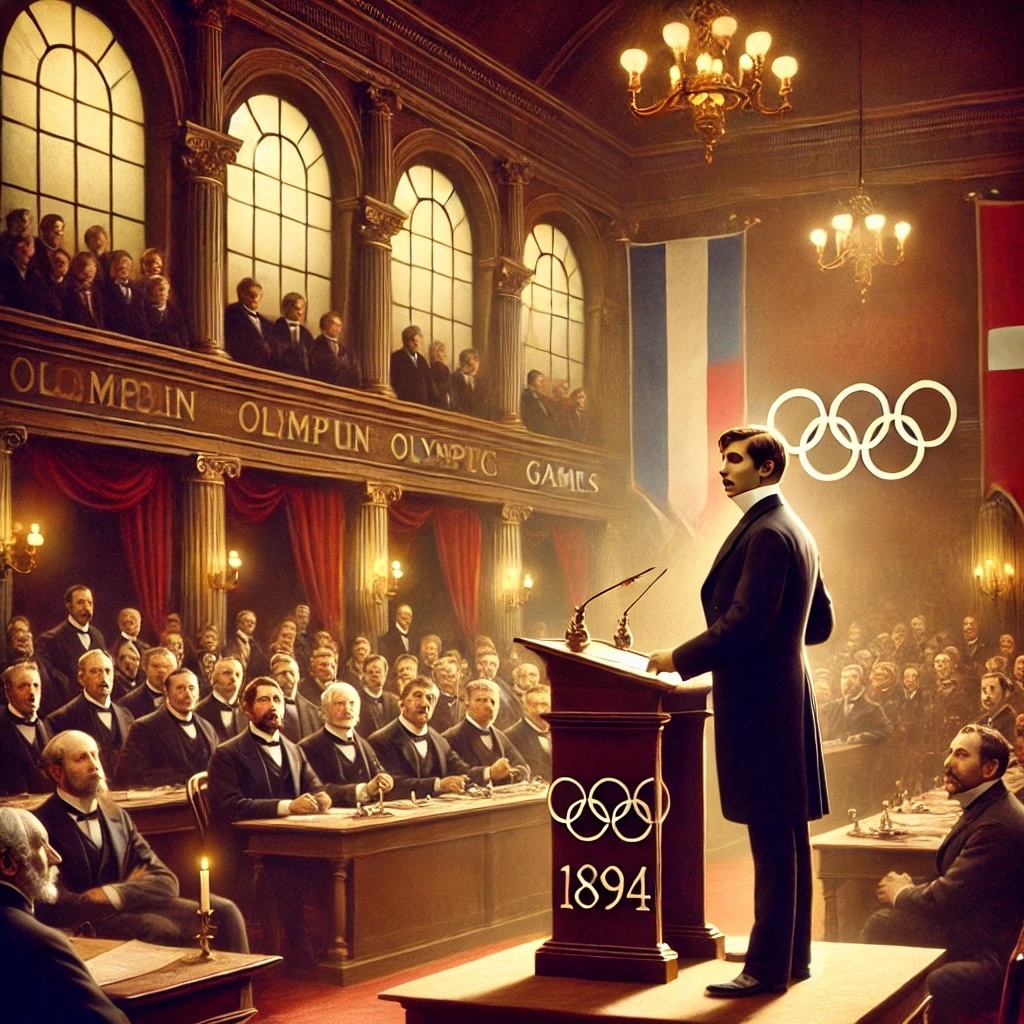
In 1894, a French educator named Pierre de Coubertin had a dream—one that would transcend borders, cultures, and politics. He envisioned a revival of the ancient Olympic Games, an event that had once united the city-states of Greece in peaceful…