Author: Elias Rowen
I enjoy writing about events that happened on specific days of the year. There’s something fascinating to me about the idea that every date carries its own story—moments when history quietly turned a corner or suddenly exploded into something unforgettable.
I don’t focus on famous people as much as I focus on the moments themselves. I like digging into what was happening on that particular day, what led up to it, and what followed after. When I write, I try to bring readers into the moment, to capture what it might have felt like as events were unfolding in real time, before anyone knew how things would turn out.
For me, history isn’t just a list of dates and facts. It’s a collection of lived moments that still ripple into the present. My goal is to turn calendar dates into stories that feel real, relatable, and worth remembering.
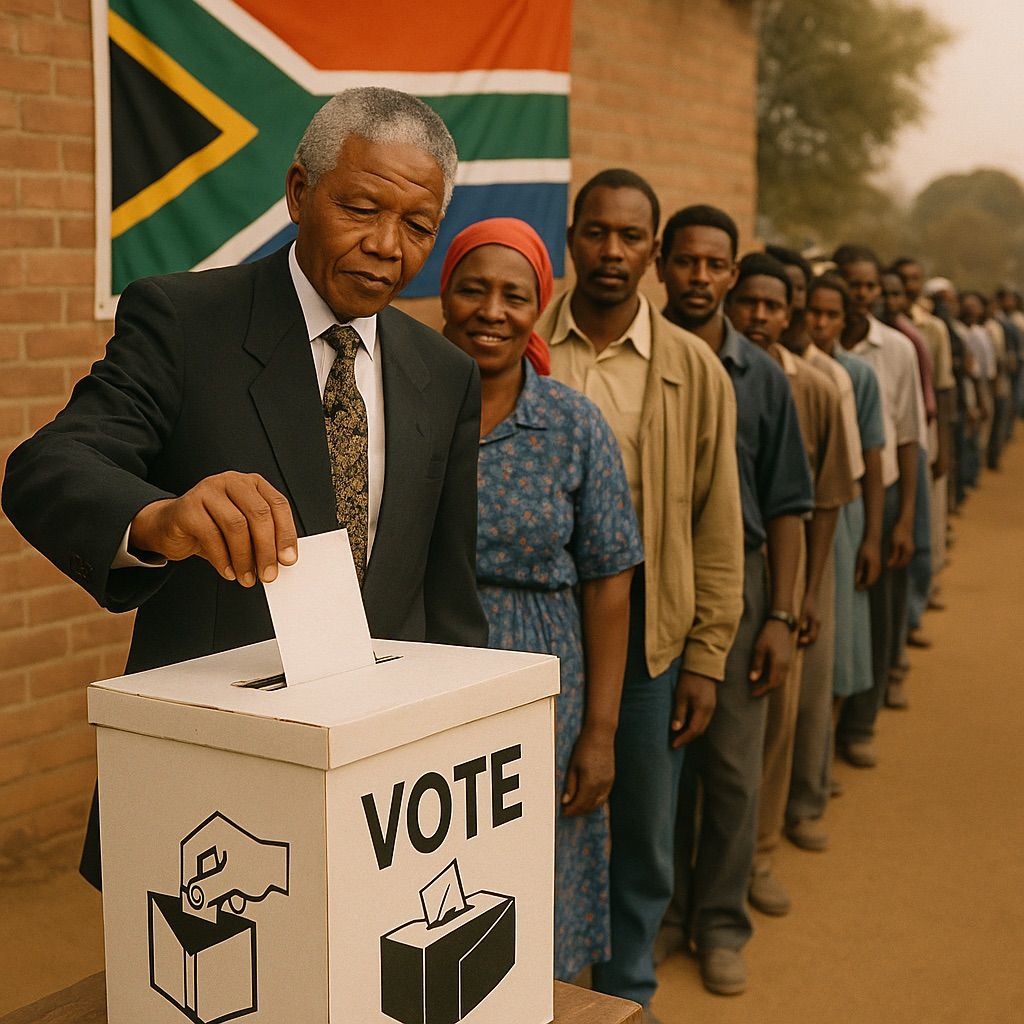
On April 27, 1994, South Africa took a historic step toward freedom, equality, and democracy. After decades of institutionalized racism under the brutal apartheid system, millions of South Africans of all races cast their votes in the country’s first fully…

On April 26, 1986, the world witnessed one of the most catastrophic nuclear accidents in history—the explosion of Reactor No. 4 at the Chernobyl Nuclear Power Plant in Soviet Ukraine. What started as a late-night safety test quickly spiraled into…
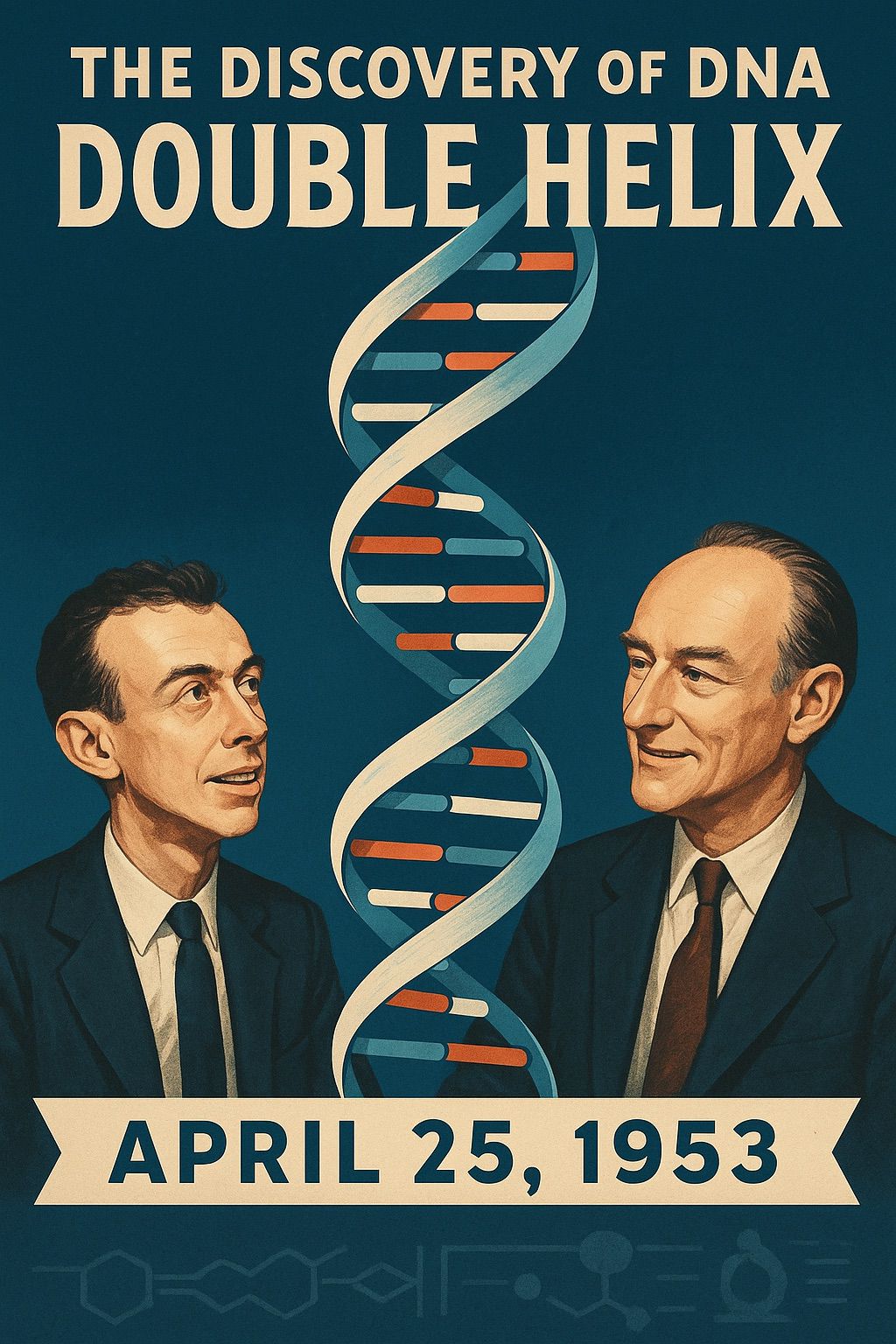
On April 25, 1953, James Watson and Francis Crick unveiled one of the most groundbreaking discoveries in the history of science—the double-helix structure of DNA. This revelation unlocked the secret of how genetic information is stored and passed from one…
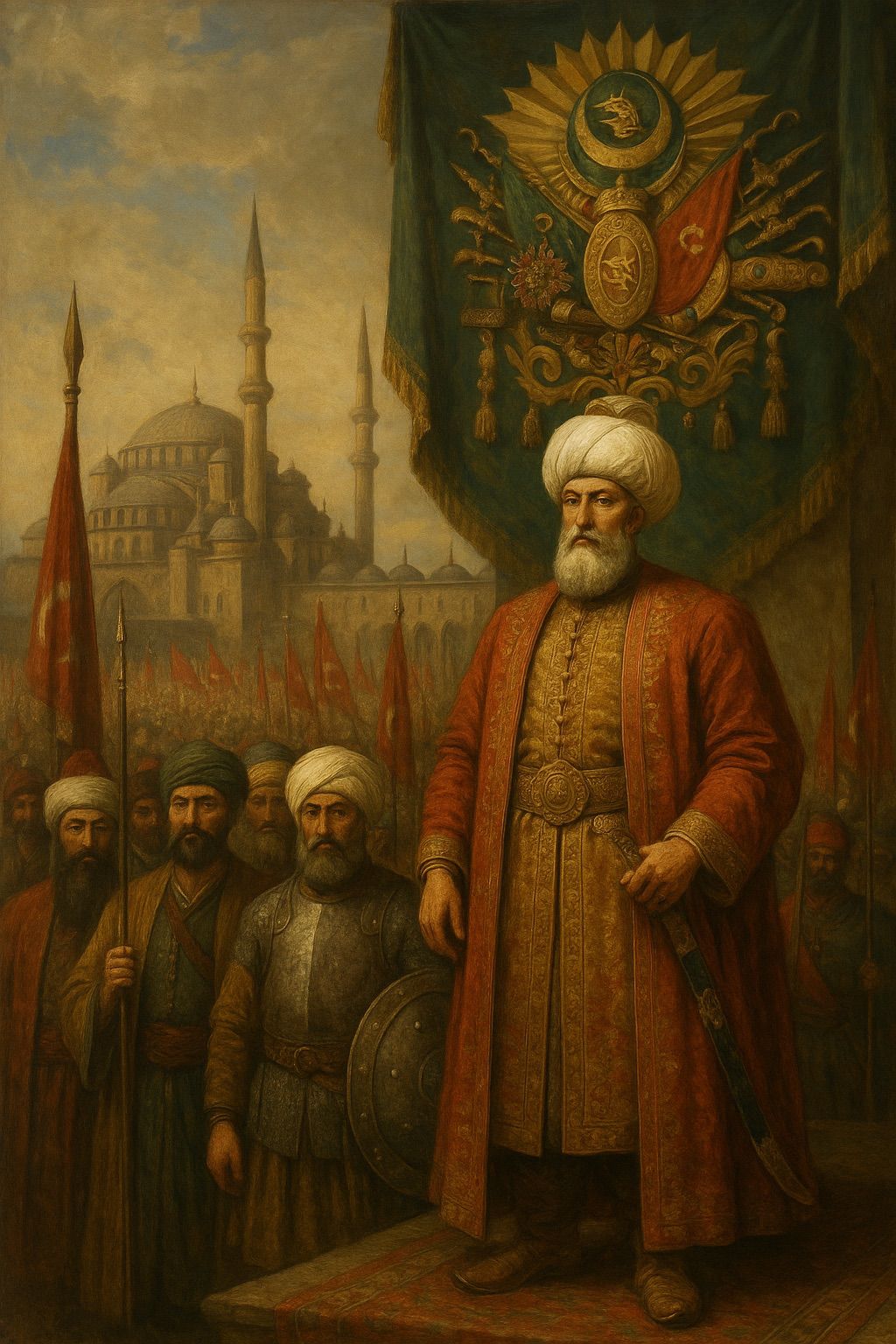
In 1915, amid the chaos of World War I, the Ottoman Empire began a brutal campaign against its Armenian population—an event that would later be recognized as one of the first modern genocides. Over the course of several years, an…
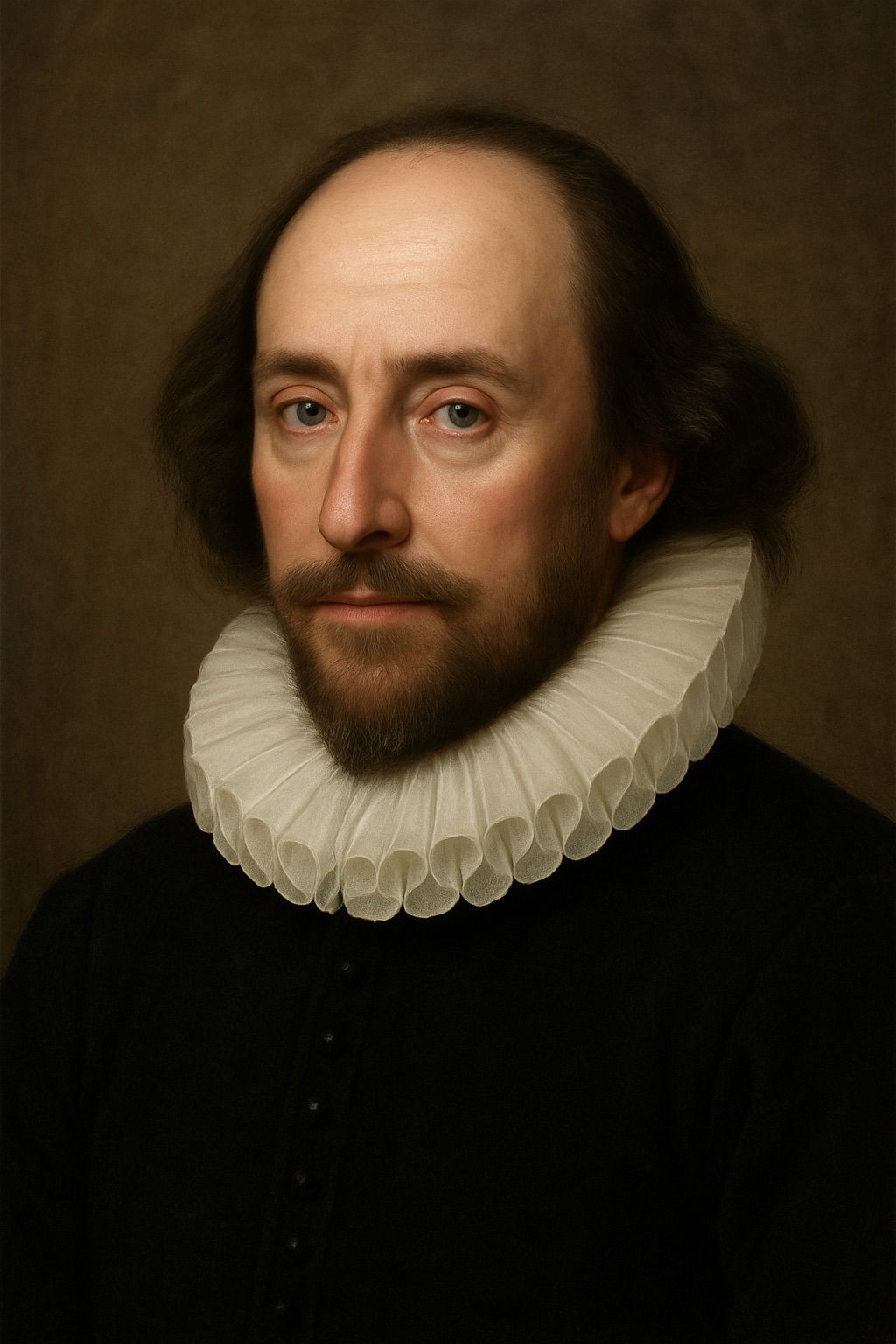
On April 23, 1616, the world lost one of its greatest literary figures—William Shakespeare. Though centuries have passed since his death, his influence on literature, theater, and the English language remains unmatched. From timeless tragedies like Hamlet and Macbeth to…

On April 22, 1970, millions of people across the United States gathered for the first-ever Earth Day, a historic event that ignited a worldwide movement for environmental awareness and action. Before this moment, pollution was rampant, factories belched toxic smoke…
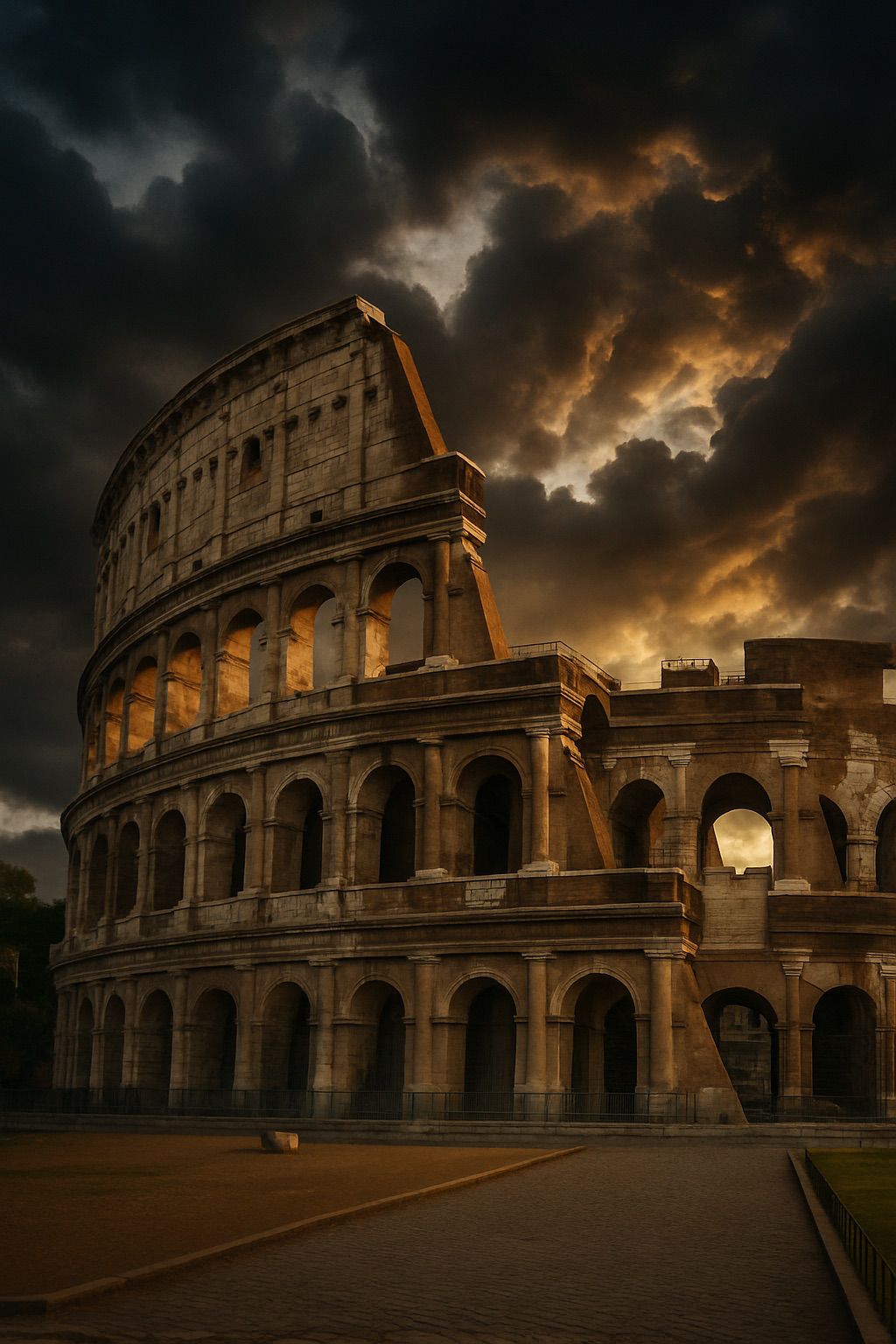
Deep in the heart of ancient Italy, a legend was born—one that would shape the history of one of the greatest civilizations the world has ever known. According to Roman mythology, the city of Rome was founded in 753 BCE…

On April 20, 1999, the United States was shaken to its core by a brutal act of violence at Columbine High School in Littleton, Colorado. Two heavily armed students, Eric Harris and Dylan Klebold, carried out a meticulously planned massacre,…

On April 19, 1995, the United States was rocked by one of the deadliest acts of domestic terrorism in its history. A massive explosion ripped through the Alfred P. Murrah Federal Building in downtown Oklahoma City, killing 168 people, including…
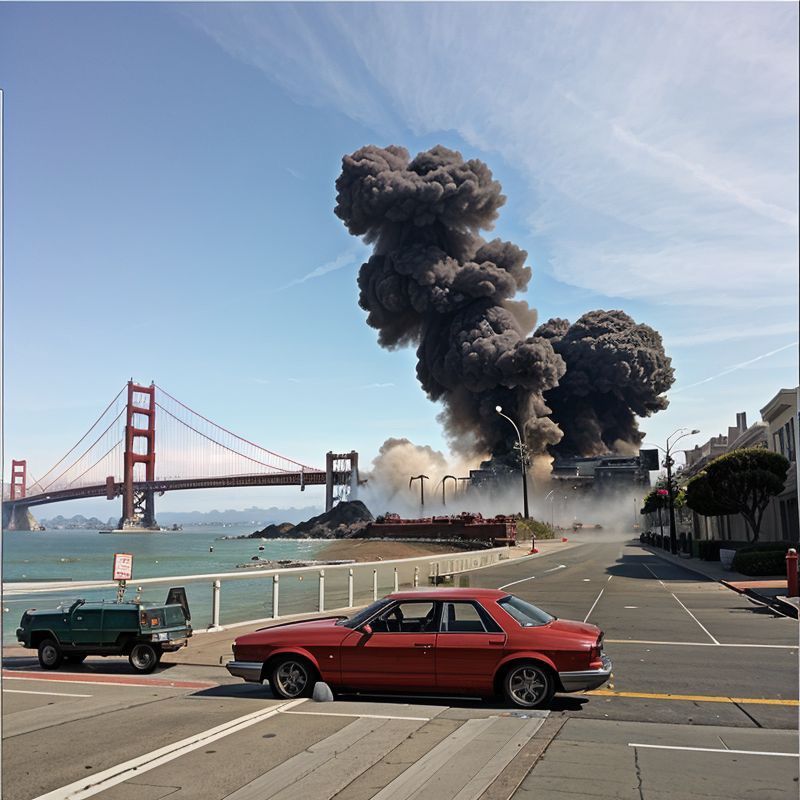
In the early hours of April 18, 1906, San Francisco was shaken awake by one of the most devastating earthquakes in American history. The ground rumbled violently as buildings crumbled, streets split open, and terrified residents fled into the chaos.…
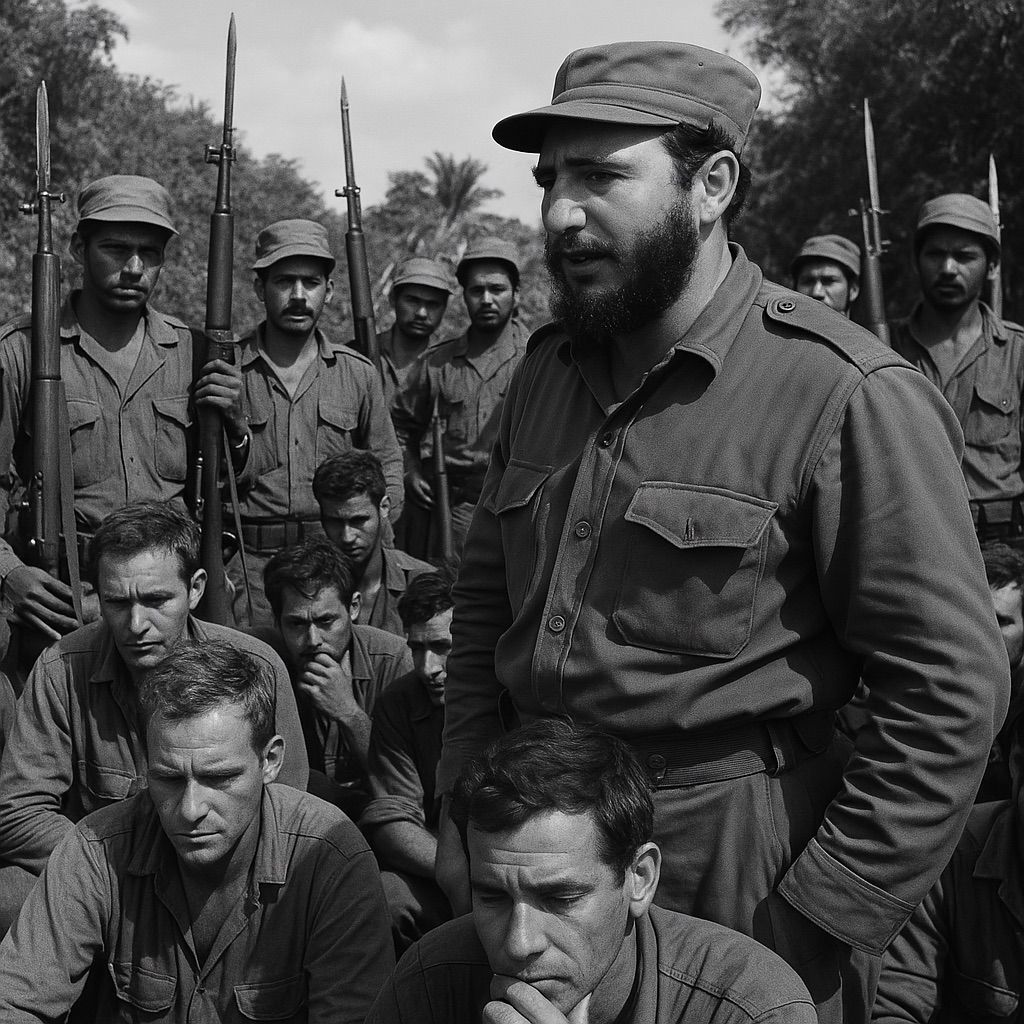
In the early morning hours of April 17, 1961, a covert U.S.-backed mission unfolded on the southern shores of Cuba. Known as the Bay of Pigs invasion, the operation aimed to overthrow Fidel Castro, the country’s communist leader. The plan,…

April 16, 2007, began like any other day at Virginia Tech, a prestigious university in Blacksburg, Virginia. Students and professors went about their morning routines, unaware that their campus would soon become the site of the deadliest school shooting in…
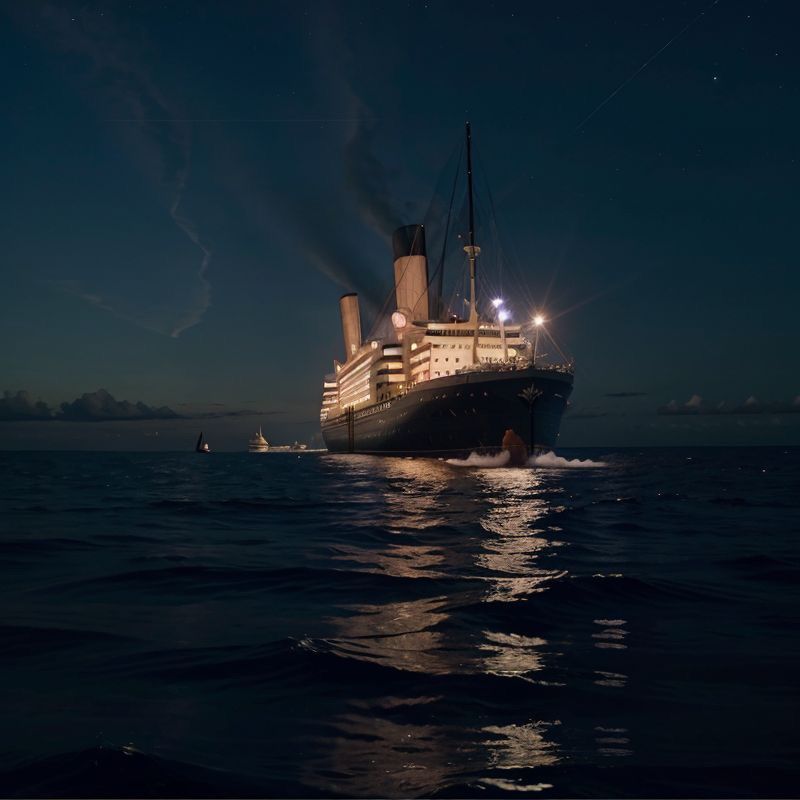
On April 10, 1912, the RMS Titanic, the largest and most luxurious ship of its time, set sail on its maiden voyage from Southampton to New York. Promoted as “unsinkable,” the ship symbolized human innovation and progress. However, just four…
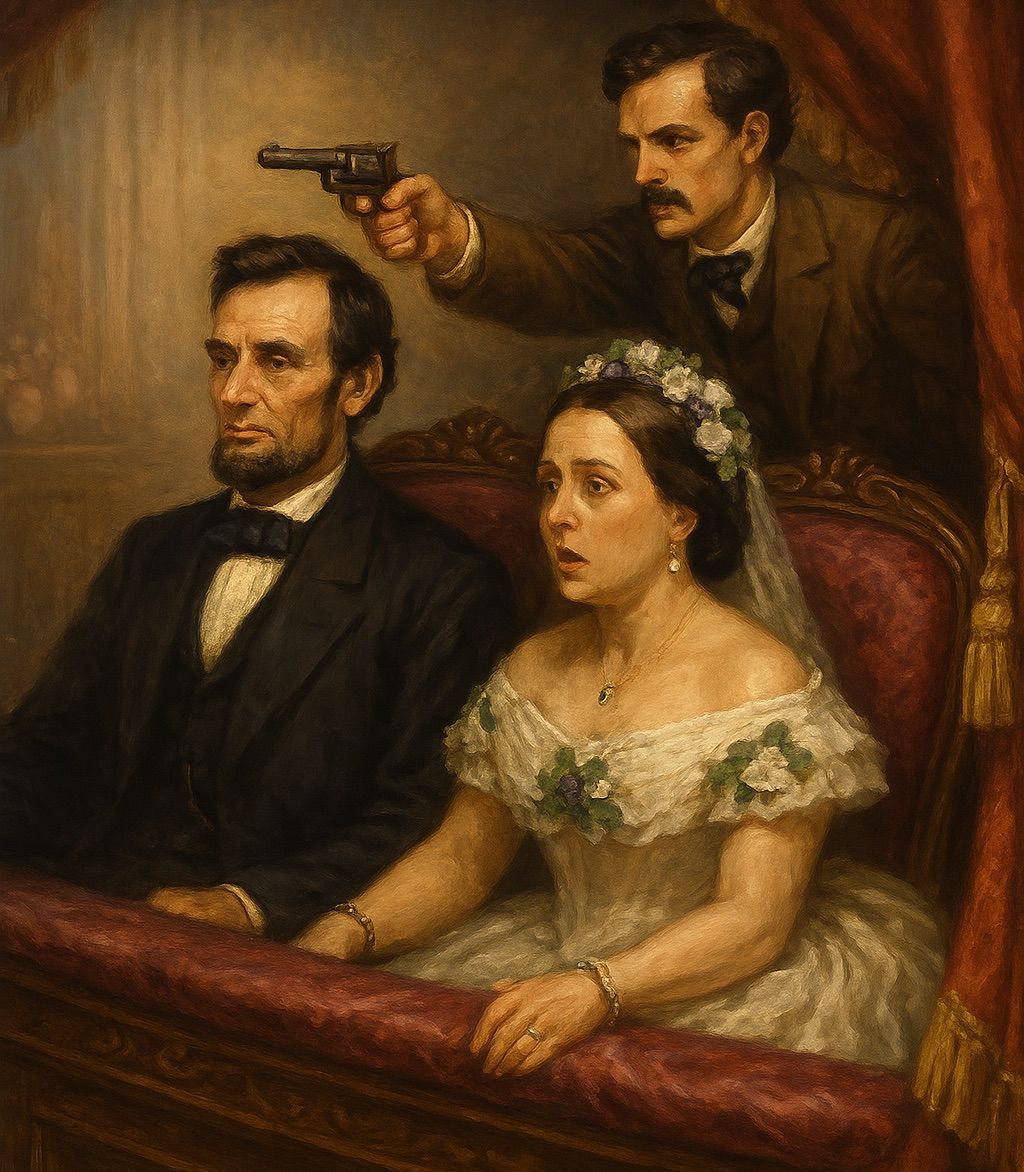
Abraham Lincoln, the 16th President of the United States, was no stranger to adversity. He led the country through its darkest days—the Civil War—keeping the Union intact and paving the way for the abolition of slavery. But on the night…

On April 13, 1742, the city of Dublin witnessed a musical event that would echo through the ages. George Frideric Handel’s Messiah was performed for the first time, and little did anyone know that this masterpiece would become one of…
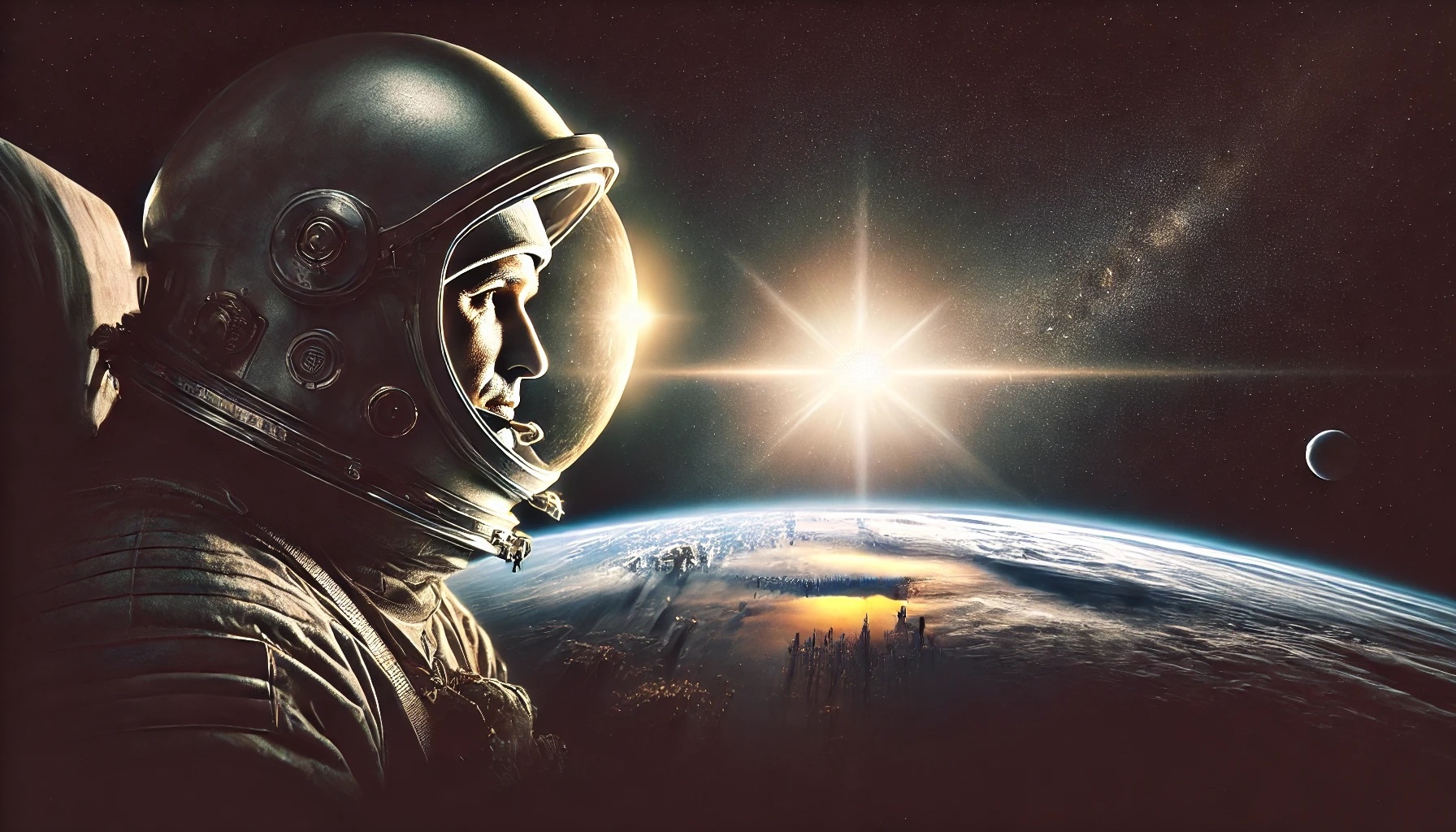
On April 12, 1961, history was made when a young Soviet pilot named Yuri Gagarin became the first human to travel into space. Aboard the spacecraft Vostok 1, Gagarin completed a single orbit around Earth, forever changing humanity’s relationship with…
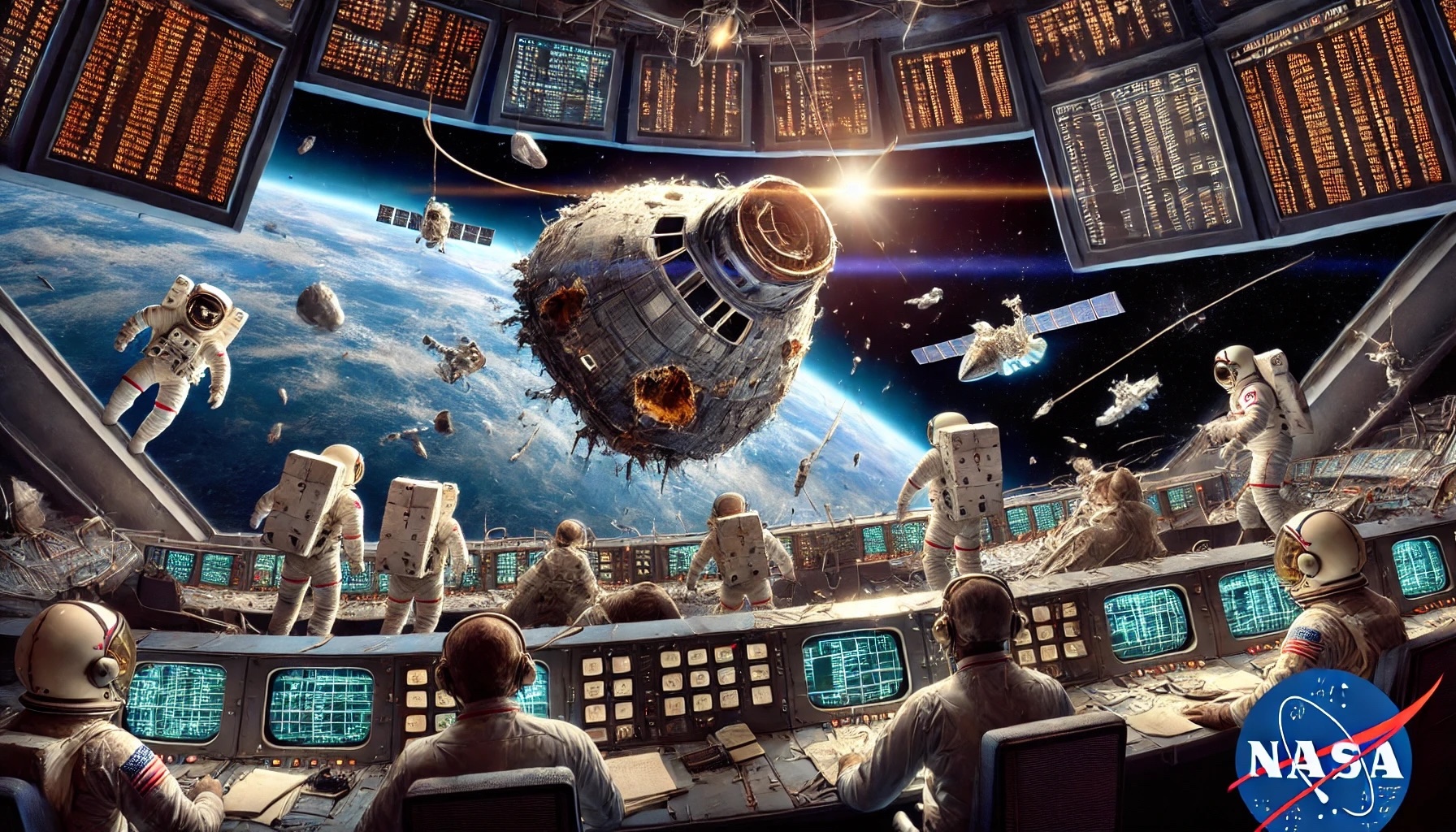
On April 11, 1970, Apollo 13 launched from Kennedy Space Center, carrying three astronauts on what was supposed to be NASA’s third moon landing. Commander Jim Lovell, Command Module Pilot Jack Swigert, and Lunar Module Pilot Fred Haise were ready…
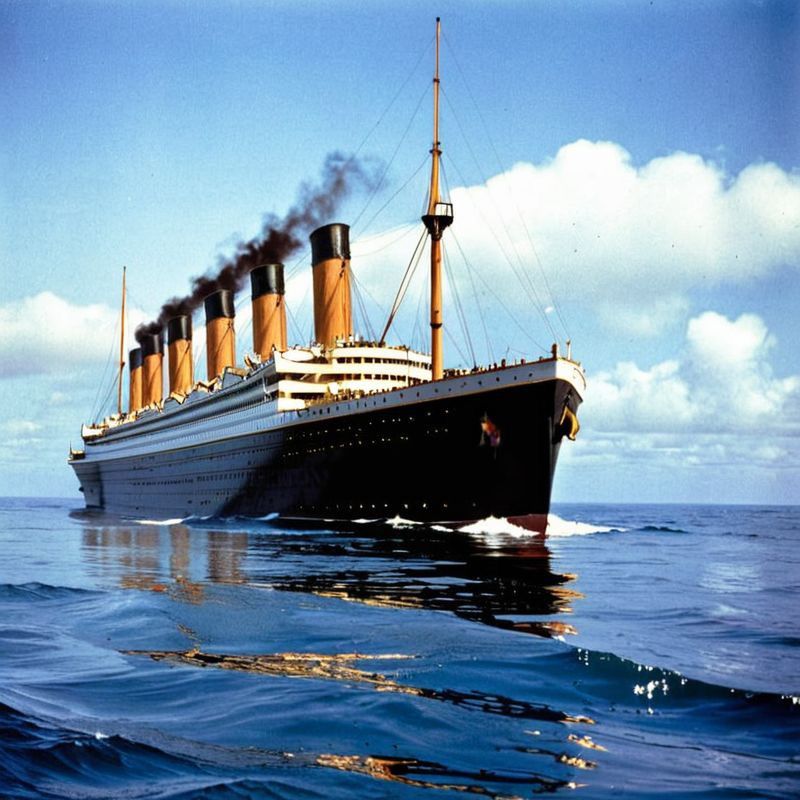
On April 10, 1912, the RMS Titanic, the largest and most luxurious ship of its time, set sail from Southampton, England, on its maiden voyage to New York City. Designed to be the pinnacle of modern engineering, Titanic was hailed…
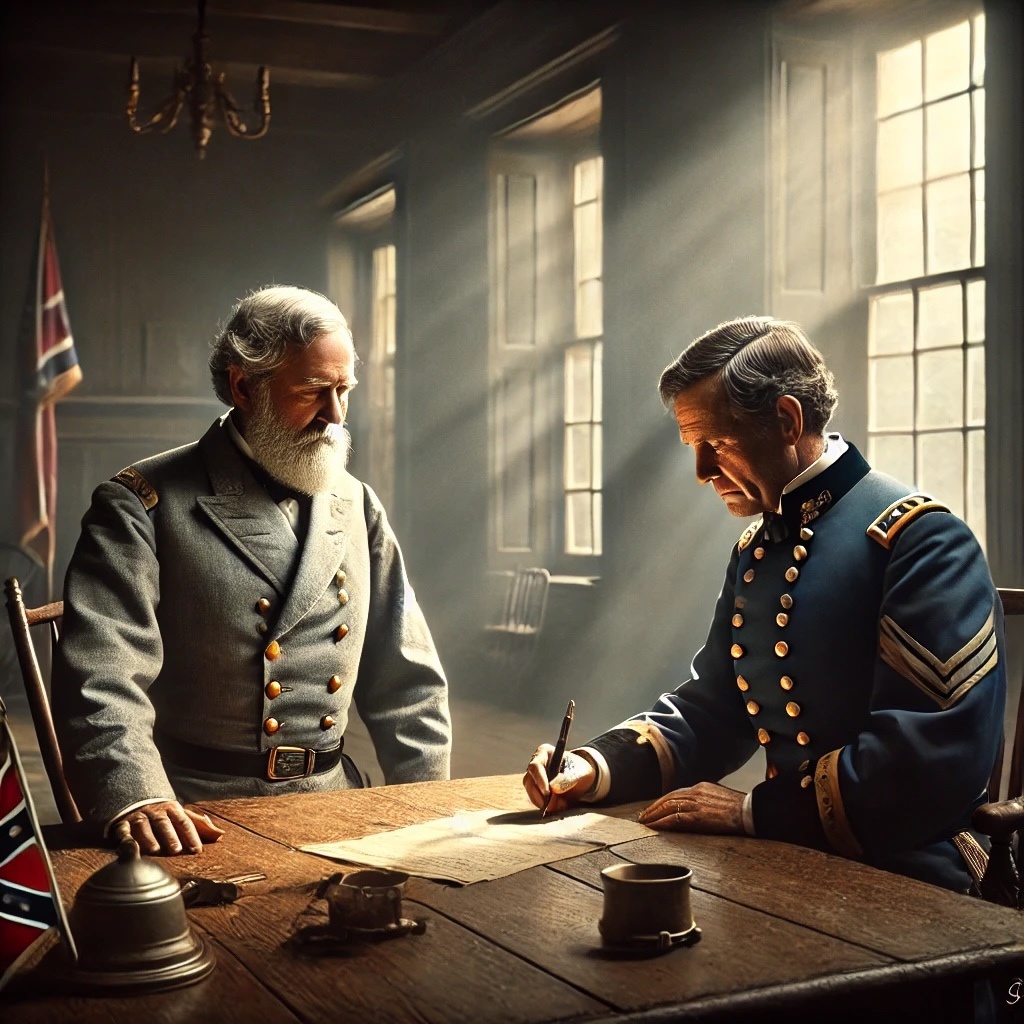
On April 9, 1865, the bloody and divisive American Civil War finally came to an end when Confederate General Robert E. Lee surrendered to Union General Ulysses S. Grant at Appomattox Court House in Virginia. After four years of brutal…
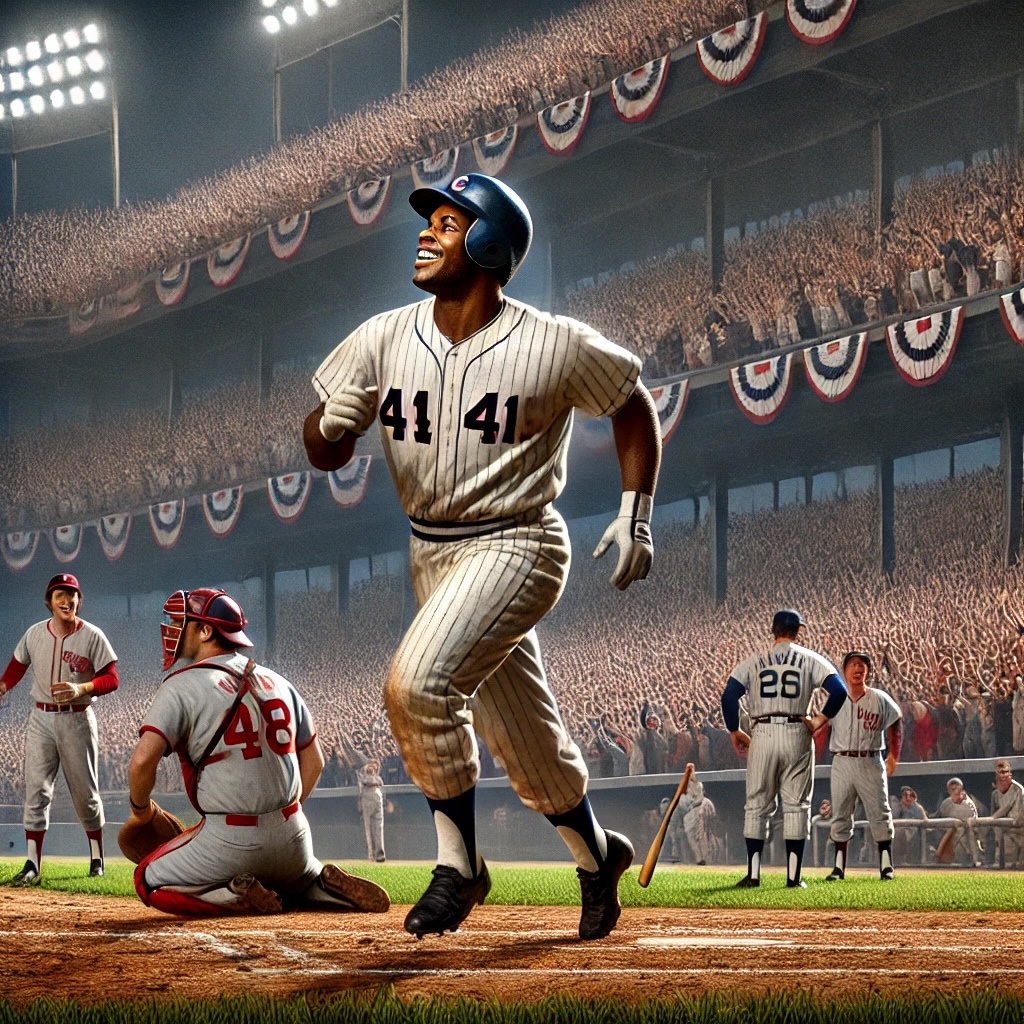
On April 8, 1974, baseball history was rewritten as Hank Aaron stepped up to the plate and sent his 715th career home run soaring over the outfield wall. With that single swing, he surpassed Babe Ruth’s long-standing record, cementing his…