Author: Elias Rowen
I enjoy writing about events that happened on specific days of the year. There’s something fascinating to me about the idea that every date carries its own story—moments when history quietly turned a corner or suddenly exploded into something unforgettable.
I don’t focus on famous people as much as I focus on the moments themselves. I like digging into what was happening on that particular day, what led up to it, and what followed after. When I write, I try to bring readers into the moment, to capture what it might have felt like as events were unfolding in real time, before anyone knew how things would turn out.
For me, history isn’t just a list of dates and facts. It’s a collection of lived moments that still ripple into the present. My goal is to turn calendar dates into stories that feel real, relatable, and worth remembering.
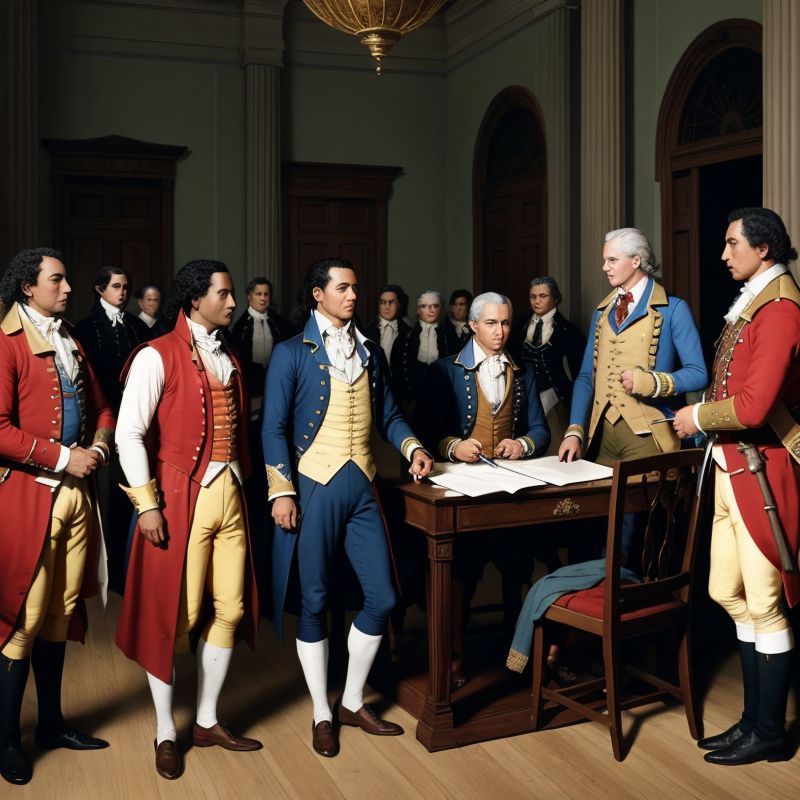
In 1790, just a few years after the birth of the United States, Congress passed the first law defining who could become an American citizen. The Naturalization Act of 1790 established a process for granting citizenship to immigrants, but with…

Every year on March 17, people around the world don green attire, raise a glass, and take to the streets to celebrate St. Patrick’s Day. What began as a religious feast day honoring Ireland’s patron saint has evolved into a…

War often reveals both the best and worst of humanity, but few events in modern military history compare to the horror of the My Lai Massacre. On March 16, 1968, during the Vietnam War, a company of U.S. soldiers from…
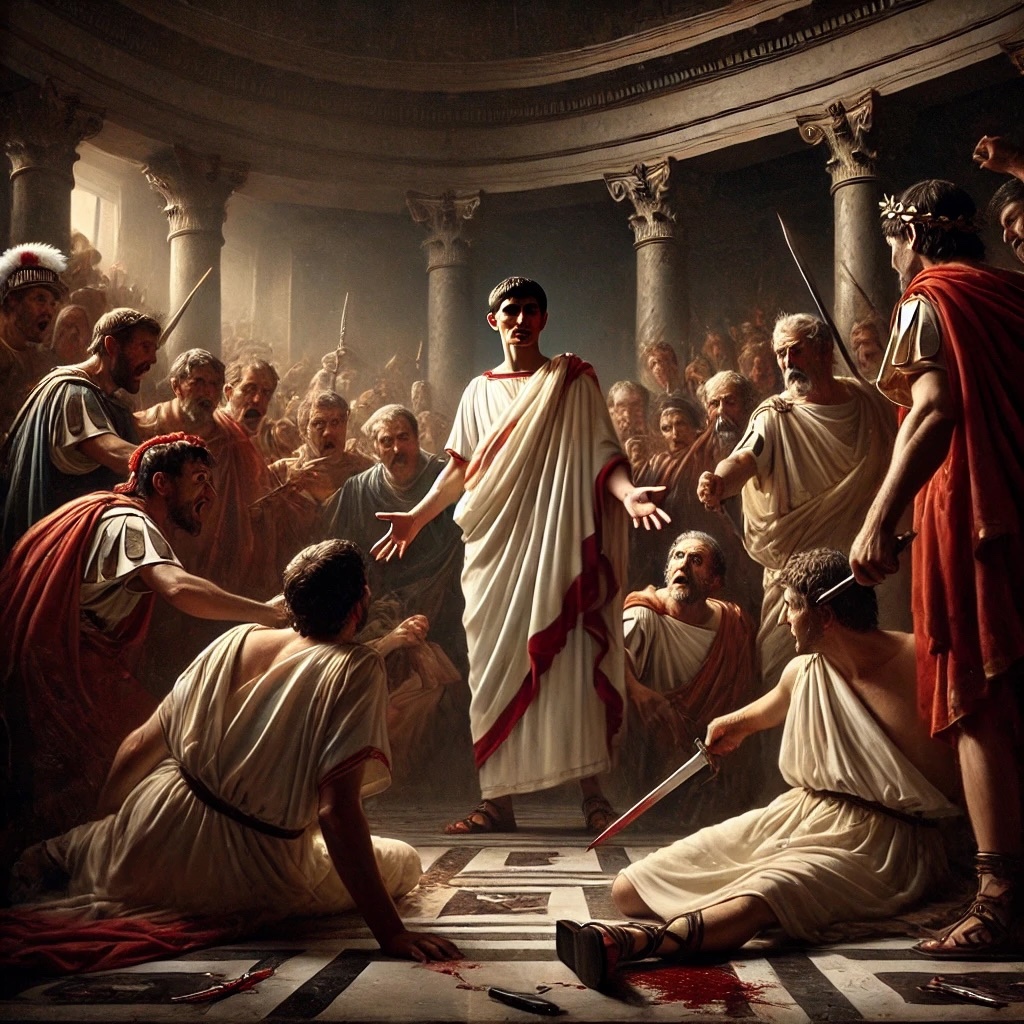
On March 15, 44 BC, a date forever marked in history as the Ides of March, the mighty Julius Caesar met his tragic end at the hands of those he once trusted. The Roman leader, who had risen from a…
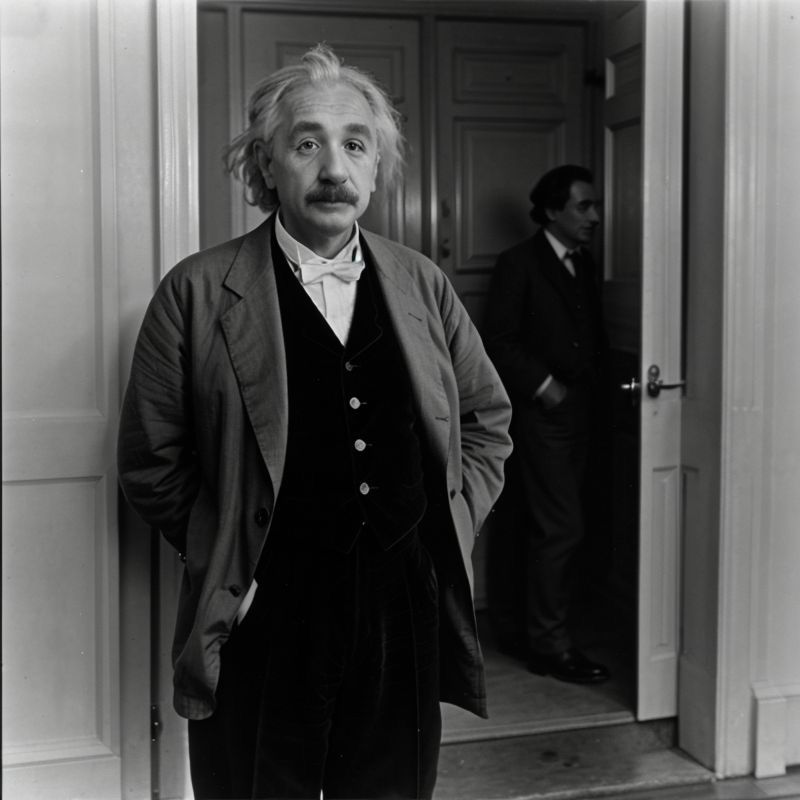
On March 14, 1879, in the quiet town of Ulm, Germany, a child was born who would one day revolutionize our understanding of the universe. Albert Einstein entered the world as an unassuming infant, but his mind would later unlock…
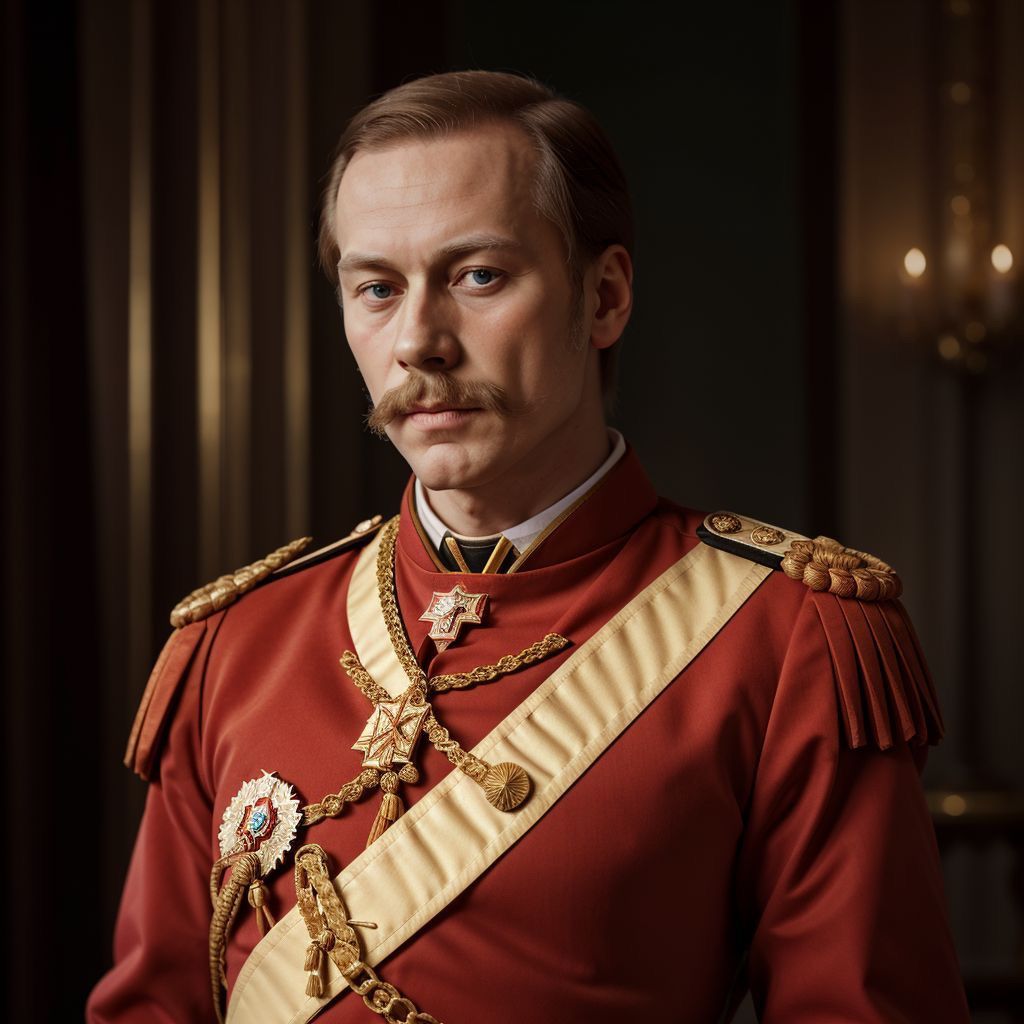
On March 13, 1881, a deafening explosion shattered the streets of St. Petersburg, forever altering the course of Russian history. Tsar Alexander II, often called the “Tsar Liberator” for his progressive reforms, was assassinated by members of the revolutionary group…
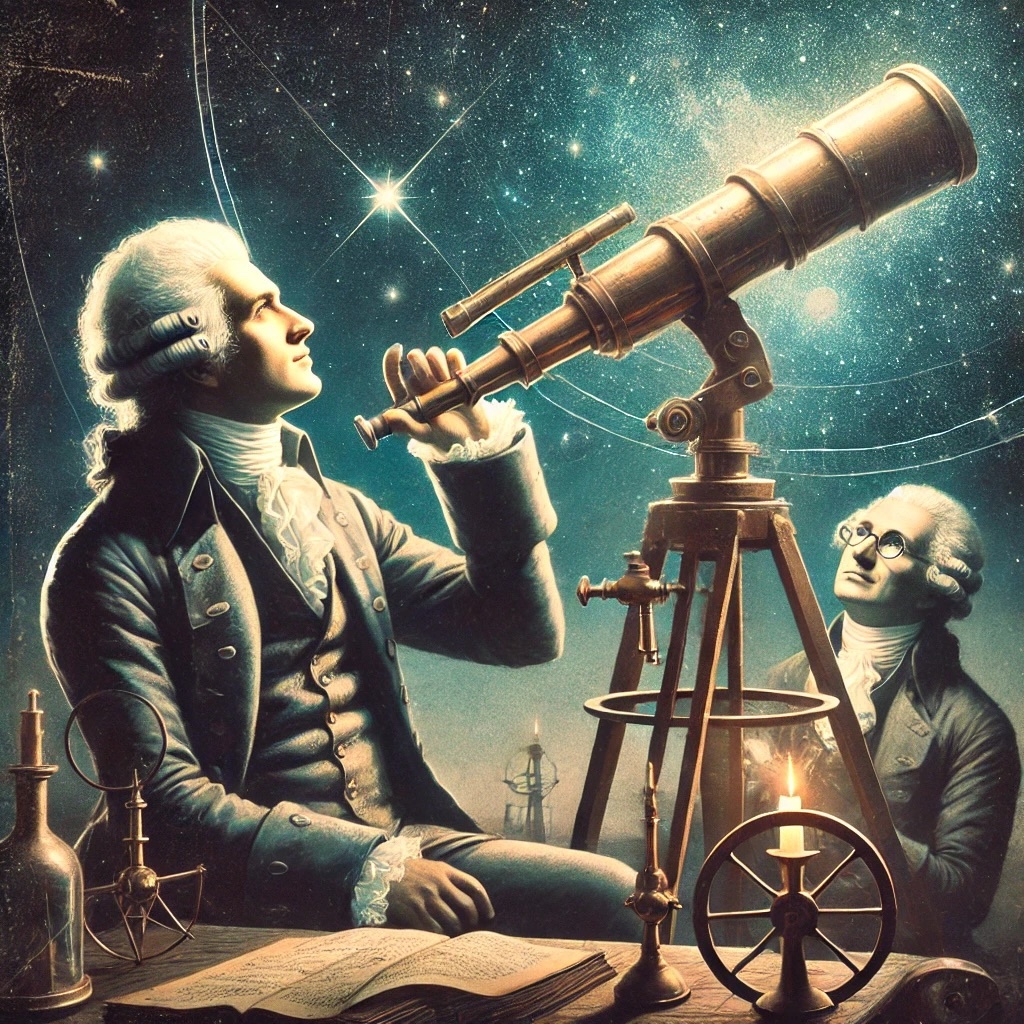
On the night of March 13, 1781, German-born astronomer William Herschel made a discovery that would forever change humanity’s understanding of the solar system. With his homemade telescope, Herschel spotted an object that appeared to be a comet, but after…
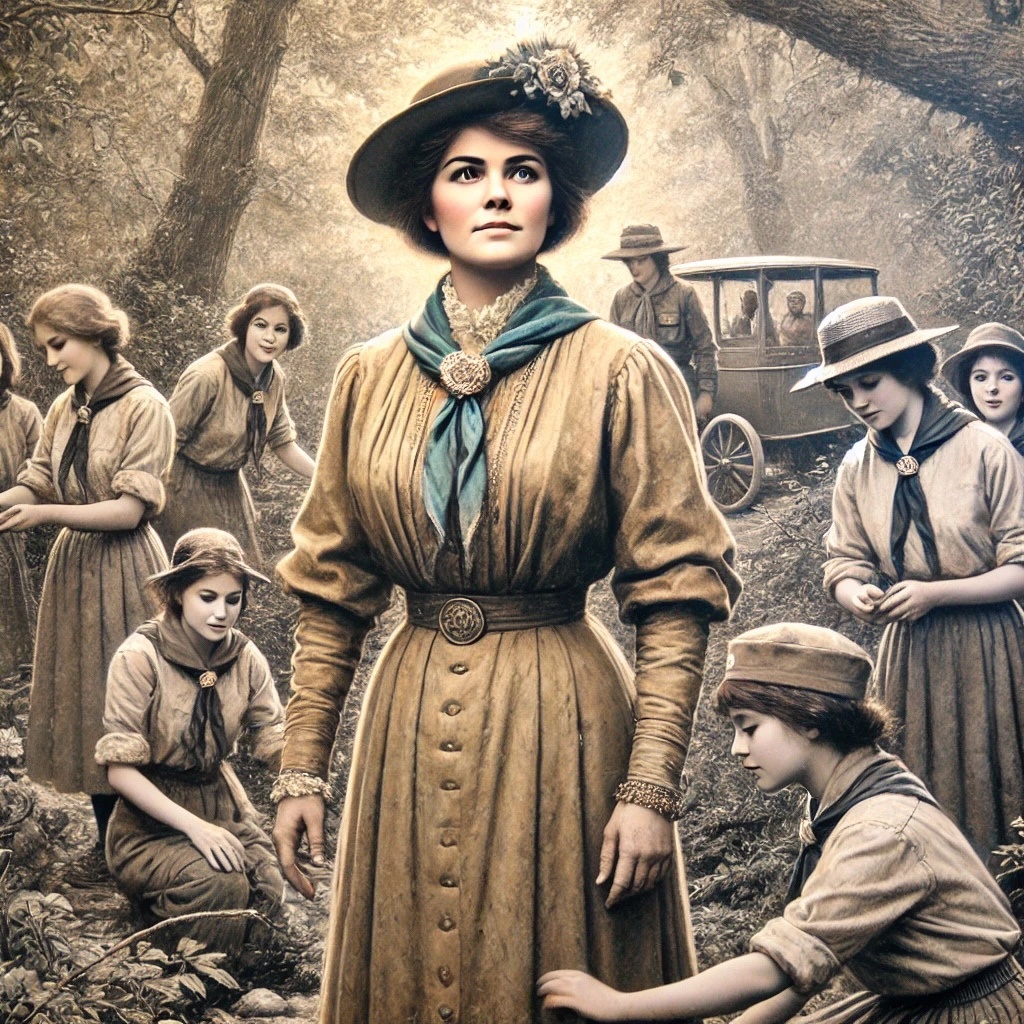
In the spring of 1912, a visionary woman named Juliette Gordon Low ignited a movement that would forever change the landscape of youth leadership and female empowerment. With an unwavering belief in the potential of young girls, Low founded the…

March 11, 2011, is a day forever etched in Japan’s history—a day when the Earth shook with unimaginable force, and the ocean rose with devastating fury. At 2:46 PM local time, a massive 9.0-magnitude earthquake struck off the northeastern coast…

On the morning of March 11, 2004, a coordinated series of bombings struck Madrid, Spain, during the height of rush hour, killing 193 people and injuring over 2,000. The bombings, which targeted four commuter trains, were one of the deadliest…
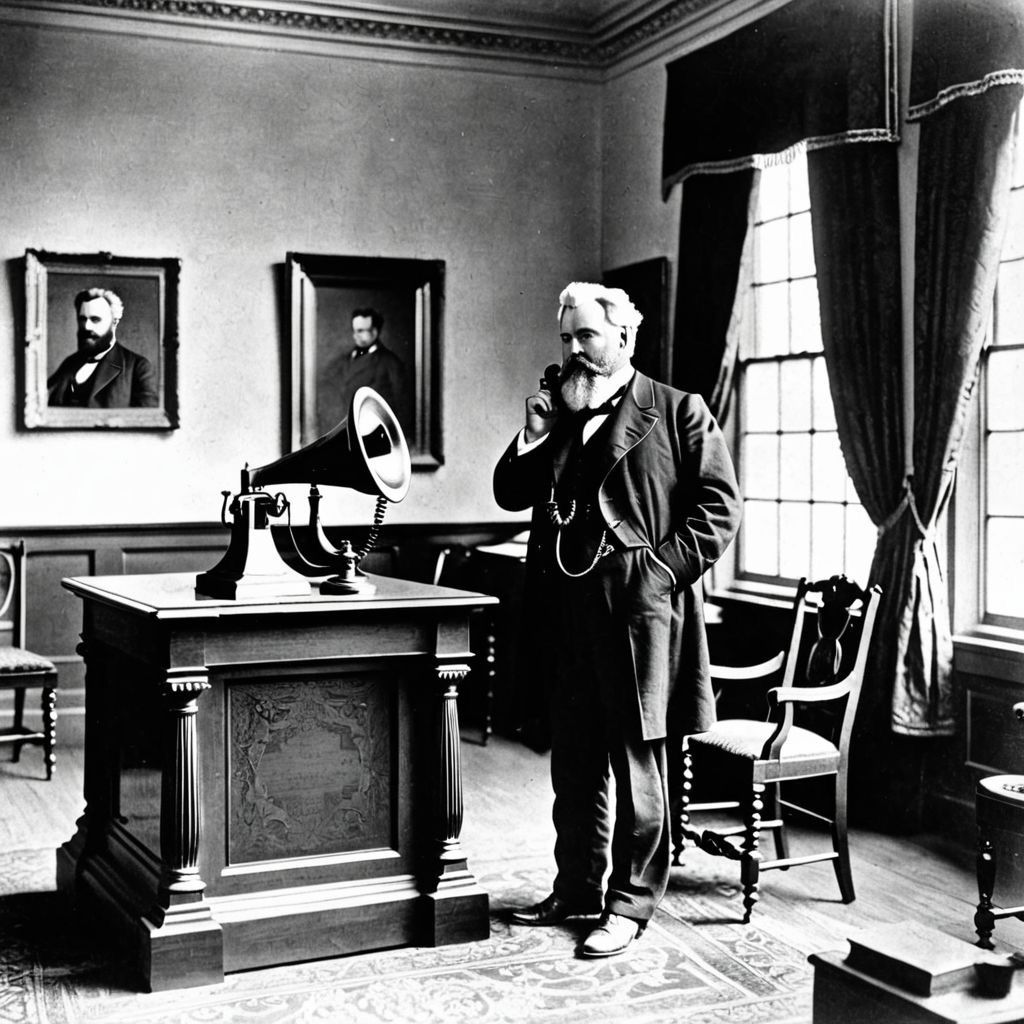
On March 10, 1876, history was made when Alexander Graham Bell made the first successful telephone call to his assistant, Thomas Watson, forever altering the way humans communicate. Bell, who had been tirelessly working on developing a device to transmit…

In 1959, at the American Toy Fair in New York, a doll named Barbie was introduced to the world, forever changing the landscape of children’s toys and popular culture. Created by Ruth Handler, the co-founder of Mattel, Barbie was designed…

Every year on March 8th, people around the world come together to celebrate International Women’s Day, a day dedicated to honoring the achievements of women and advocating for gender equality. What began in the early 20th century as a movement…
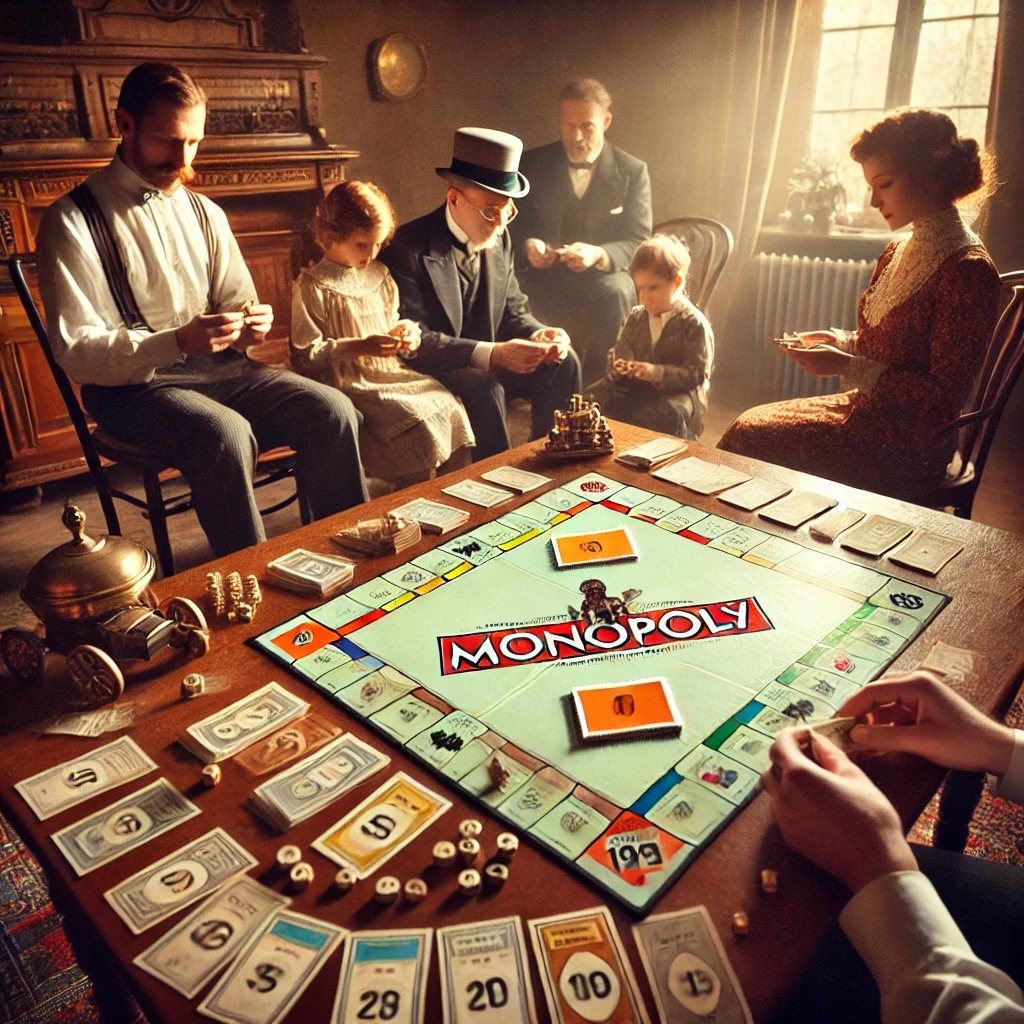
In 1933, during the depths of the Great Depression, Parker Brothers took a gamble on a new board game that would go on to become one of the most iconic in history—Monopoly. Originally designed by Charles Darrow, the game was…
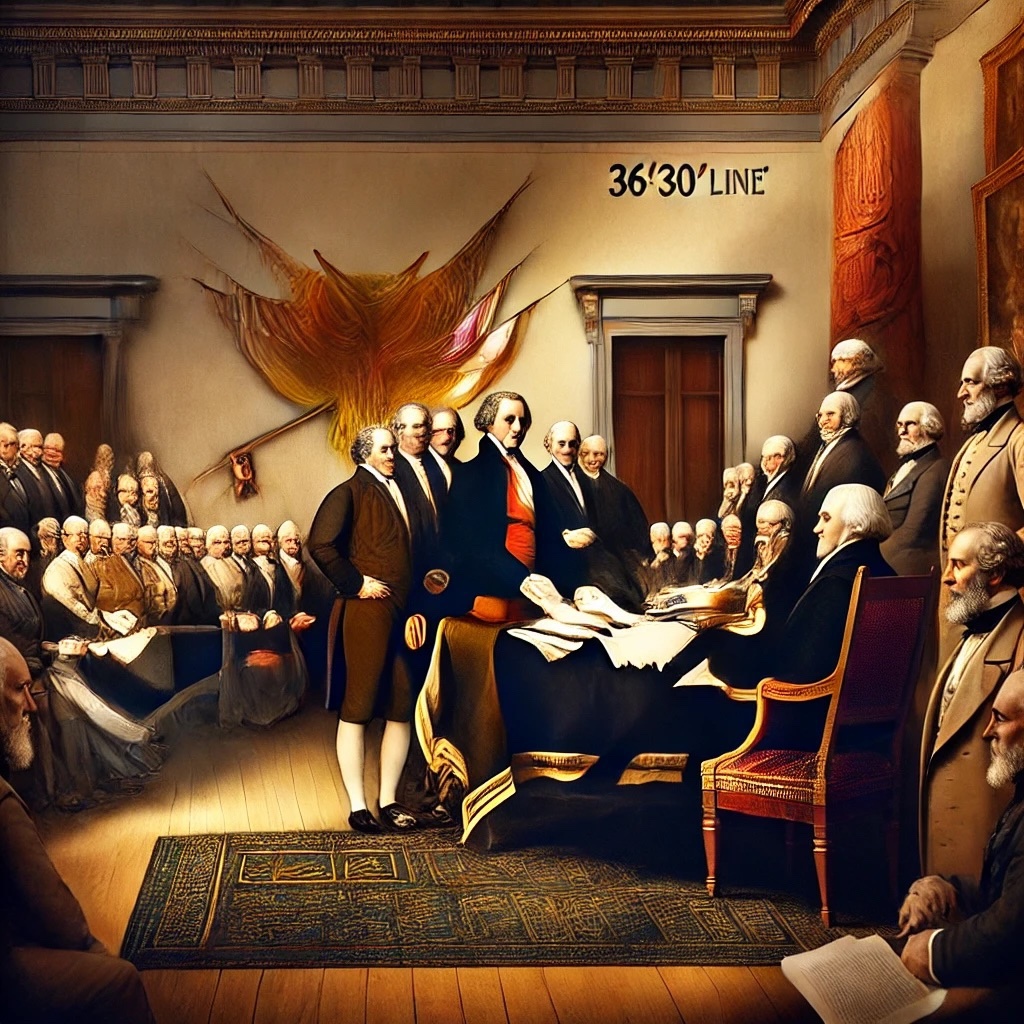
In 1820, the United States faced one of its earliest and most intense debates over slavery, leading to the signing of the Missouri Compromise. This landmark legislation was an attempt to maintain a fragile balance between free and slave states,…
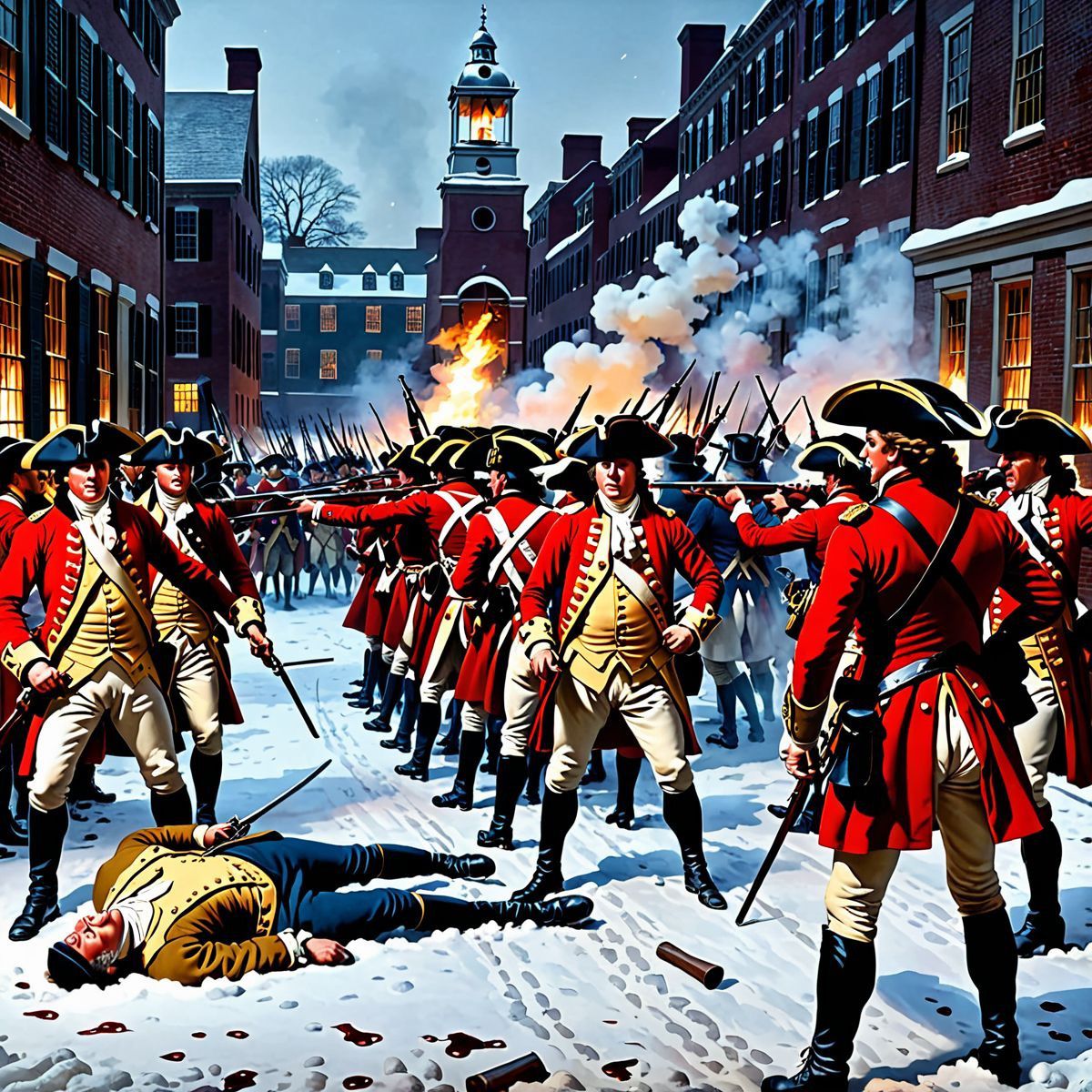
On the night of March 5, 1770, the streets of Boston erupted in chaos as British soldiers opened fire on an unarmed crowd of American colonists. What began as a tense confrontation between angry civilians and armed troops quickly escalated…
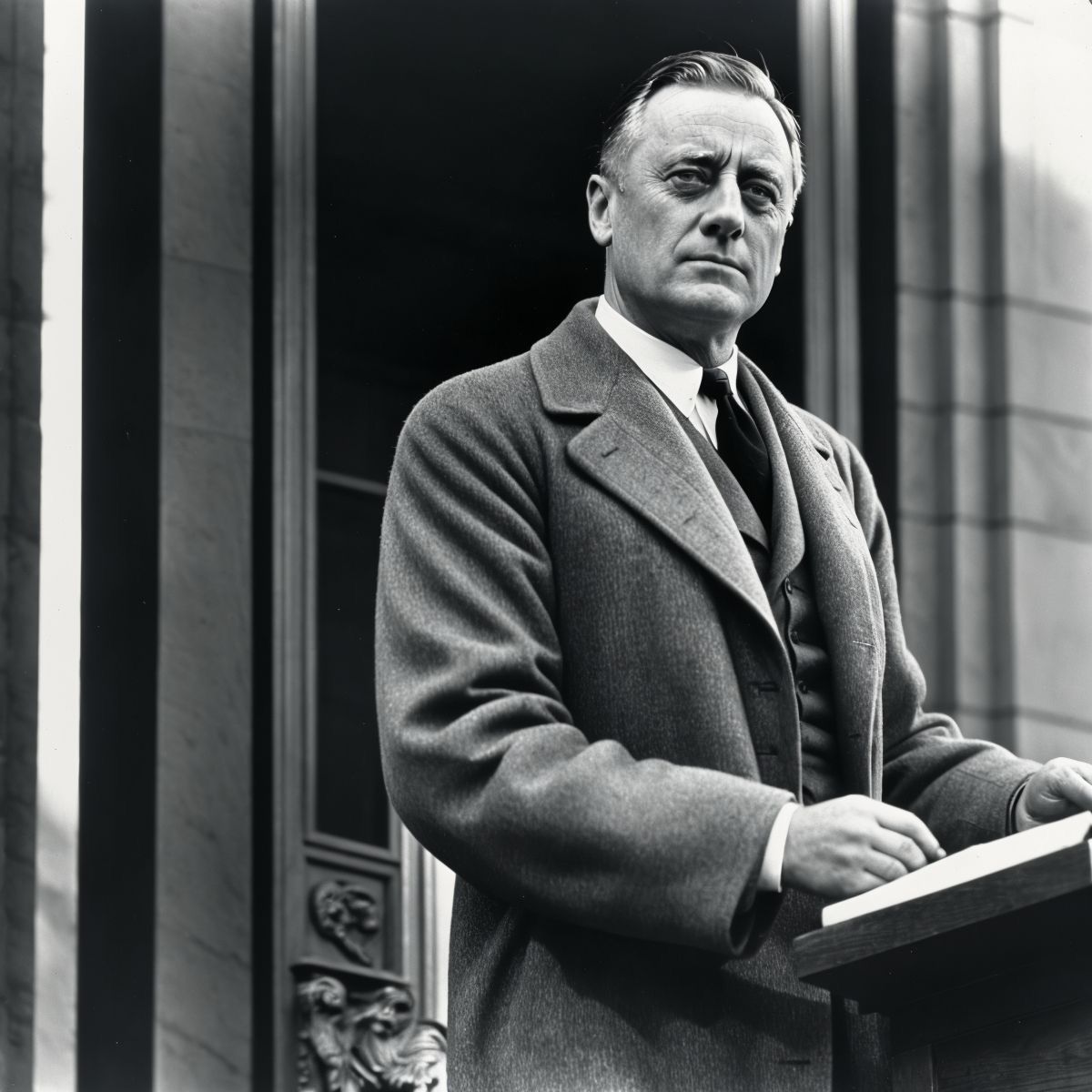
On March 4, 1933, Franklin D. Roosevelt stood before a weary nation as he was sworn in as the 32nd president of the United States. The country was in the grip of the Great Depression, with soaring unemployment, failing banks,…
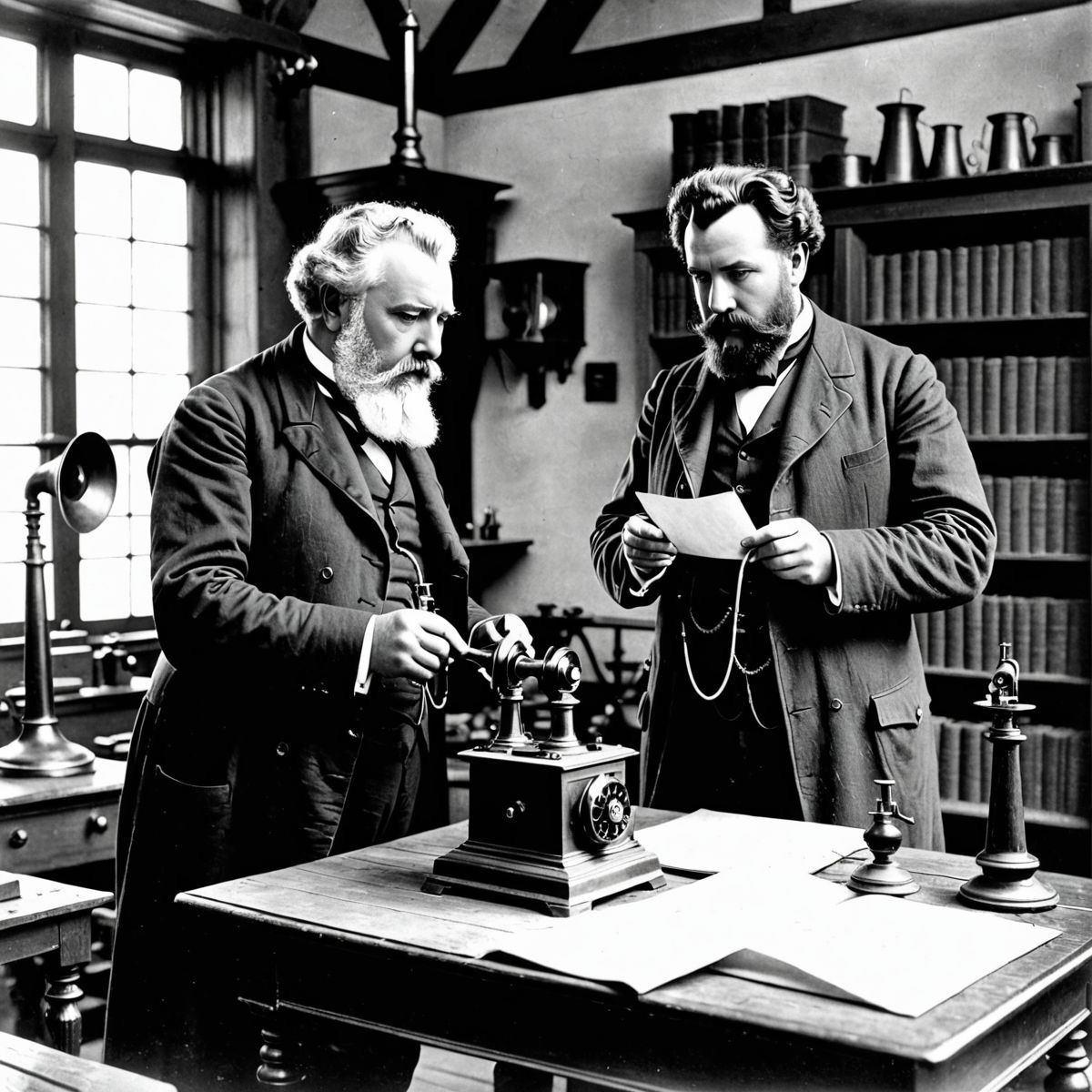
On March 7, 1876, Alexander Graham Bell was granted a patent for one of the most groundbreaking inventions in history—the telephone. This moment marked the dawn of a new era in communication, forever altering the way people connected with one…
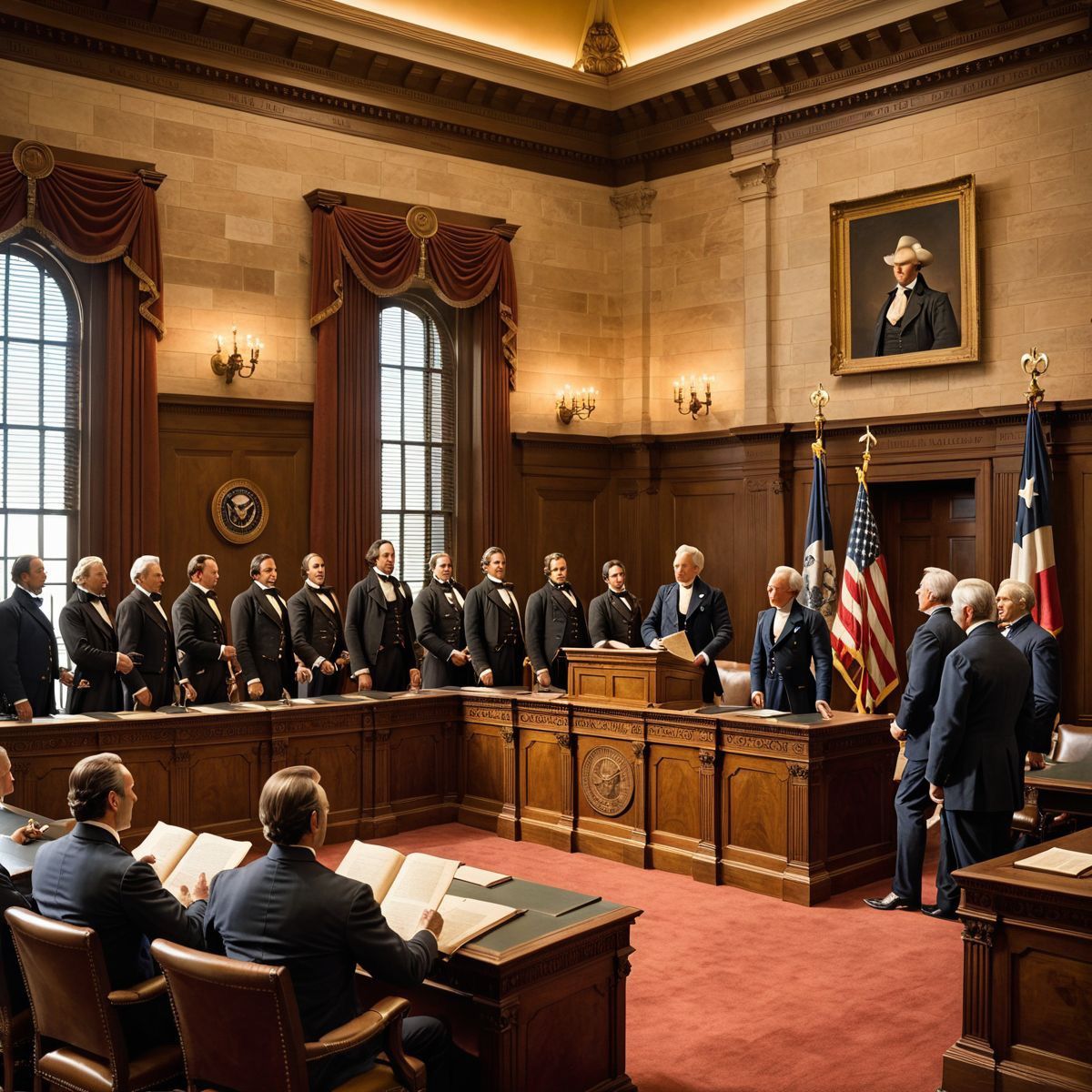
On March 1, 1837, the U.S. Congress passed a resolution recognizing Texas as an independent republic, a pivotal moment in North American history. The move came nearly a year after Texas had declared independence from Mexico on March 2, 1836,…

On March 1, 1961, President John F. Kennedy signed an executive order establishing the Peace Corps, a groundbreaking initiative that would forever change the landscape of international volunteerism. The idea was simple yet profound: send American volunteers abroad to promote…