Category: Religion

Haures (Flauros): The Infernal Duke of Fire Who Burns Lies Down to the Bone

Dave

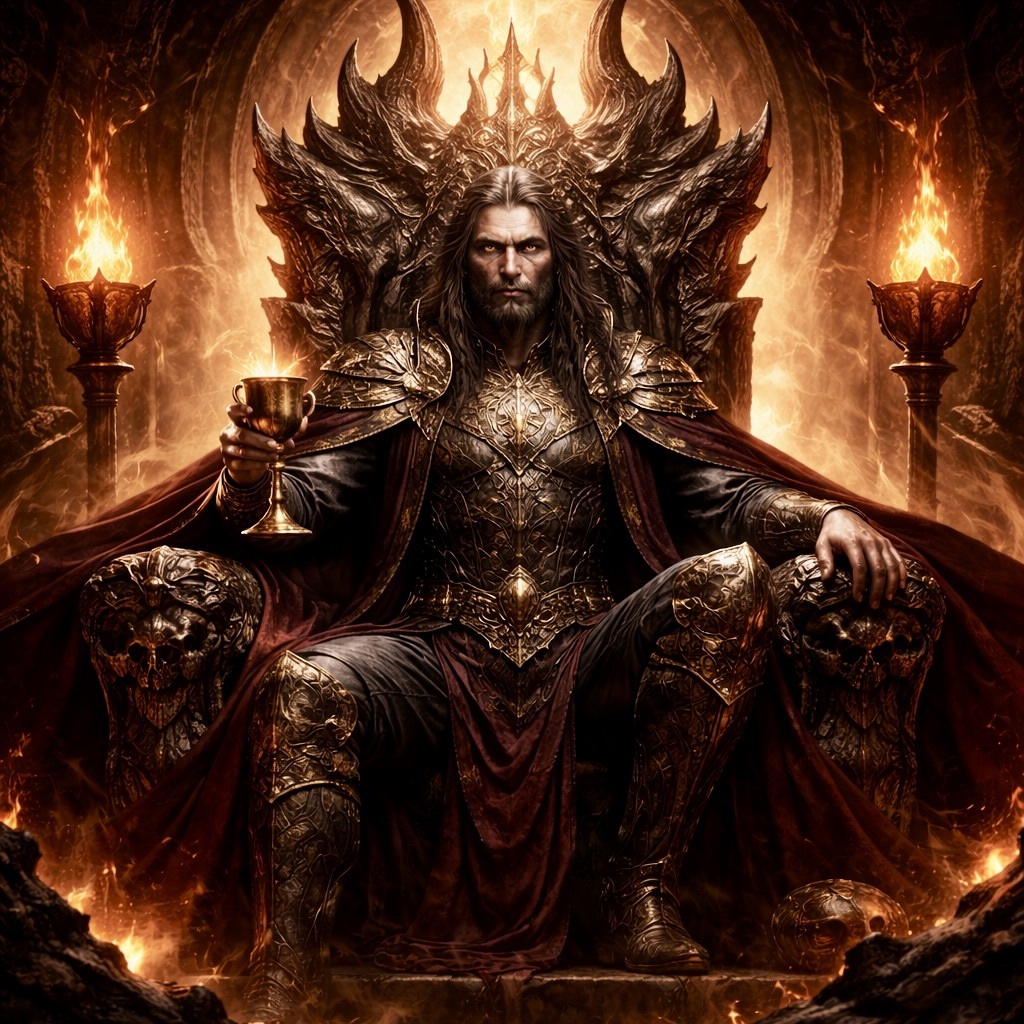
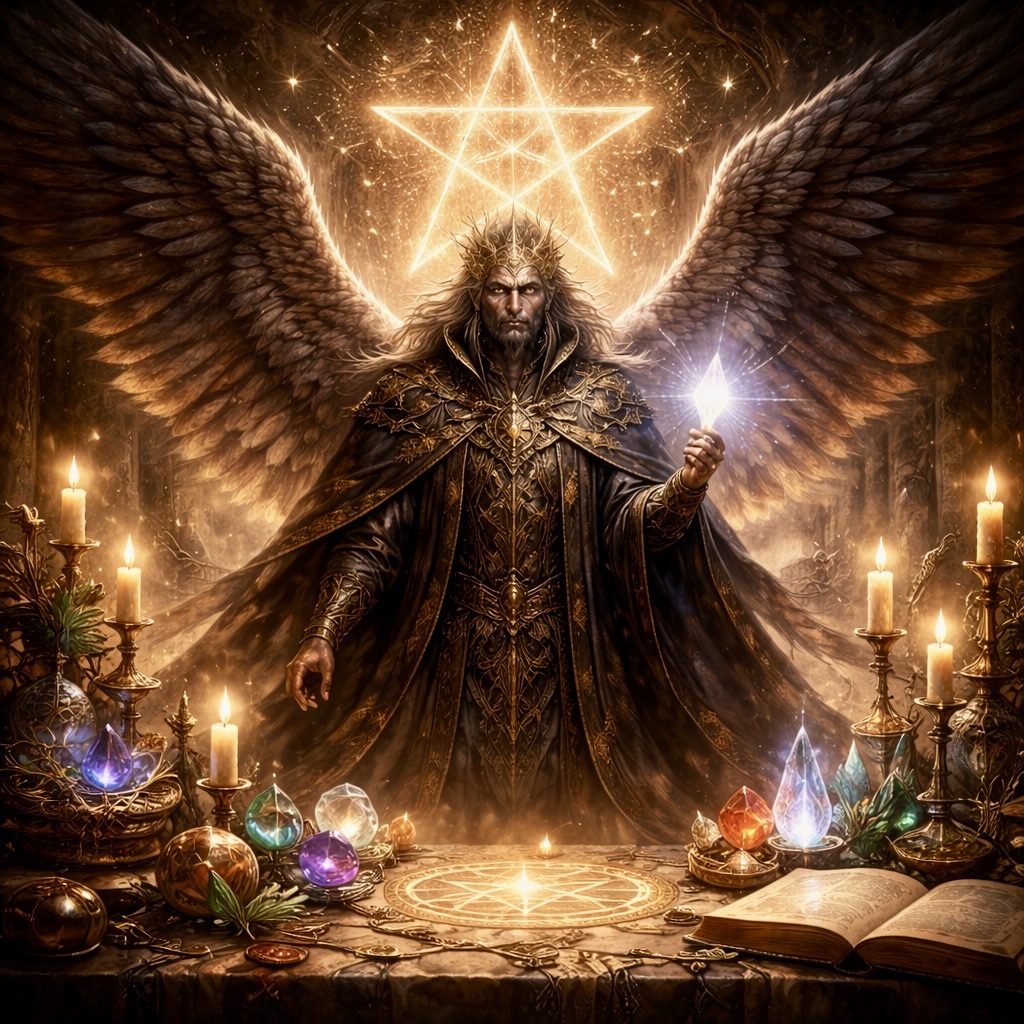
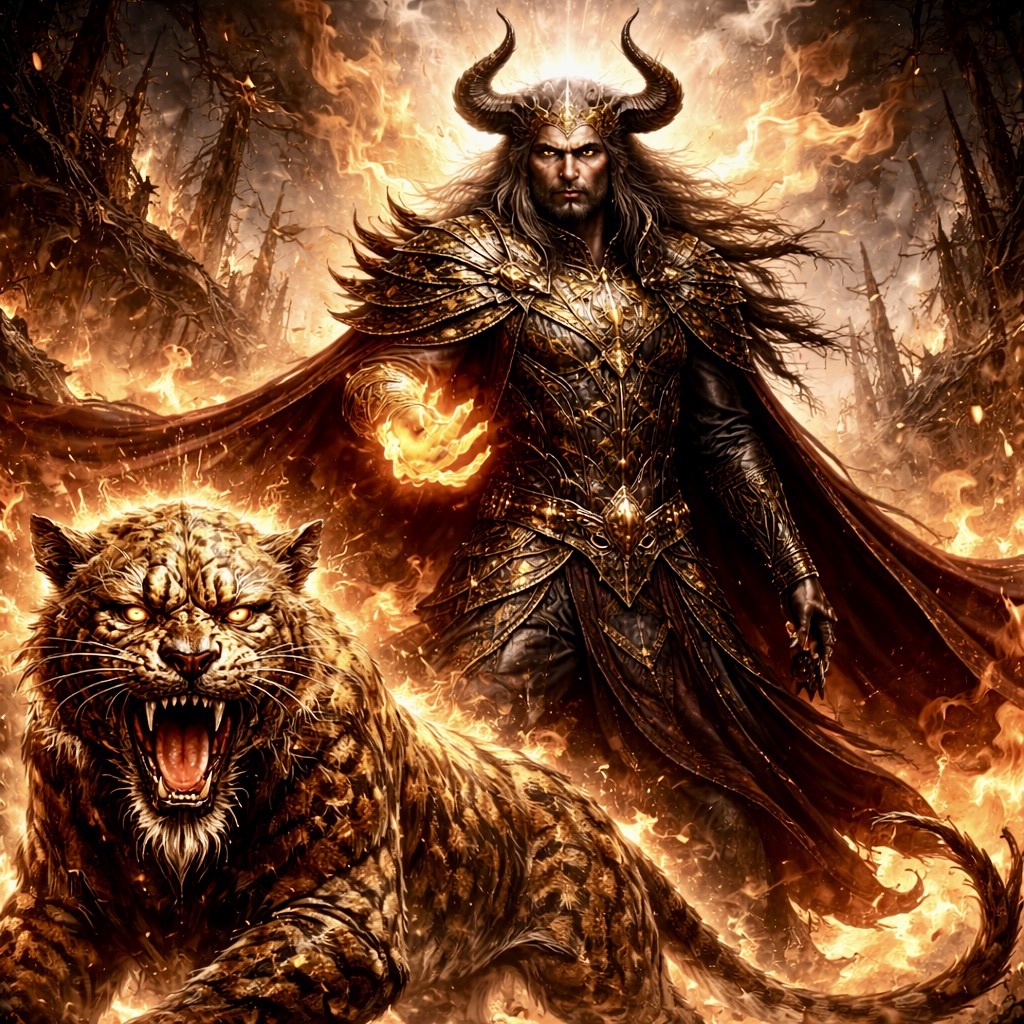
Haures, also known as Flauros, is not a demon who works in shadows. He is fire made articulate, destruction with a voice, revelation delivered through heat so intense it leaves nothing hidden behind. In the Ars Goetia, Haures is described as a Great Duke of Hell, commanding legions and appearing first as a terrifying leopard wreathed in flame. Only when constrained does he assume human form, and even then, the fire never truly leaves him. It simply becomes controlled, focused, and more dangerous.

Fire is the central truth of Haures. Not metaphorically, not symbolically, but fundamentally. Everything about him revolves around combustion: burning enemies, consuming deception, destroying spiritual opposition, and revealing what remains when illusion has been reduced to ash. Haures does not persuade. He exposes. He does not negotiate. He incinerates falsehood until only the irreducible truth survives.

The leopard form attributed to Haures is significant. Leopards are apex predators, patient, precise, and lethal. They do not waste energy. When combined with fire, this imagery becomes terrifyingly efficient. Haures does not burn indiscriminately like a wildfire. He burns with intent. His destruction is targeted, purposeful, and final. This makes him one of the most feared figures in demonology, not because he lies, but because he cannot be lied to.

Haures is said to answer questions truthfully when properly compelled, especially concerning enemies, spiritual opposition, and hidden intentions. But this truth is not gentle. It arrives without cushioning. Those who seek Haures are not looking for comfort or reassurance. They are looking for certainty, even if that certainty destroys relationships, beliefs, or self-image. Haures reveals not only the lies of others, but the lies one tells oneself.

One of Haures’s defining traits is his hatred of deceit. Unlike demons who manipulate, tempt, or distort, Haures despises falsehood. He burns it away. This makes him paradoxical within infernal hierarchy. A demon who values truth sounds contradictory until you understand the kind of truth Haures enforces. It is not moral truth. It is structural truth. What is real survives fire. What is false does not.

In grimoires, Haures is also associated with destruction of enemies, both spiritual and material. But again, this destruction is not random violence. It is elimination of opposition. Haures does not attack out of rage. He removes obstacles. Fire, in this context, is not chaos. It is purification through annihilation.

Haures’s human form is often described as terrible rather than monstrous. There is intelligence in his gaze, focus in his posture, and restraint in his movements. He does not posture or threaten. He knows the outcome before the flame is lit. This calm makes him more frightening than demons who roar or boast. Haures does not need intimidation. His presence is the warning.

Symbolically, Haures represents the moment when denial collapses. He is the demon of irreversible clarity. Once something has been burned away, it cannot be restored. Lies exposed by Haures do not return quietly. They leave scars, reshaped realities, and permanent consequences. This is why his invocation is traditionally warned against unless absolutely necessary. Haures does not give partial answers. He gives final ones.

Fire has always occupied a dual role in human culture. It warms and destroys, illuminates and consumes. Haures embodies the destructive side of illumination. He shows you the truth by removing everything else. In this way, he is deeply uncomfortable. He does not allow ambiguity. He does not permit interpretation. He reveals what is.

In modern terms, Haures feels less like a supernatural monster and more like an inevitability. He resembles moments in life when truth arrives violently: betrayals uncovered, secrets exposed, illusions shattered. Haures is the embodiment of that moment when reality asserts itself with no regard for emotional readiness.

Unlike demons associated with temptation or desire, Haures offers nothing seductive. He offers accuracy. He offers the removal of falsehood. This makes him attractive only to those who value truth over comfort, clarity over peace. And even then, the cost is steep. Haures does not care if the truth ruins you. He cares that it survives.

His fire is also said to protect against spiritual enemies, suggesting that Haures’s destruction is selective. He does not burn indiscriminately. He targets opposition, deception, and obstruction. This reinforces the idea that Haures is not chaos, but enforcement. He is the executioner of reality.

Within the hierarchy of Hell, Haures’s rank as a Duke places him in a position of strategic authority. He is not a foot soldier or a manipulator. He is deployed when something must end completely. When compromise has failed. When concealment has gone too far. Haures is not the first answer. He is the last.

What makes Haures enduring is that fire never goes out of relevance. As long as humans build illusions, there will be moments when those illusions burn. As long as deception exists, there will be forces—natural, psychological, or symbolic—that destroy it. Haures gives that force a name.

He is not merciful. He is not cruel. He is necessary in the way disasters are necessary to reset unstable systems. Haures represents the brutal honesty of reality asserting dominance over fiction.

To invoke Haures, even symbolically, is to accept that something in your life cannot survive truth. He does not ask permission. He does not soften the blow. He reveals, burns, and leaves what remains.

Haures endures because truth is terrifying. Not because it hurts, but because it cannot be undone. And once you have seen what remains after the fire, you cannot pretend it was ever otherwise.

Related Posts

Andrealphus: The Peacock Demon Who Masters Geometry, Astronomy, and Cold Precision

Dave

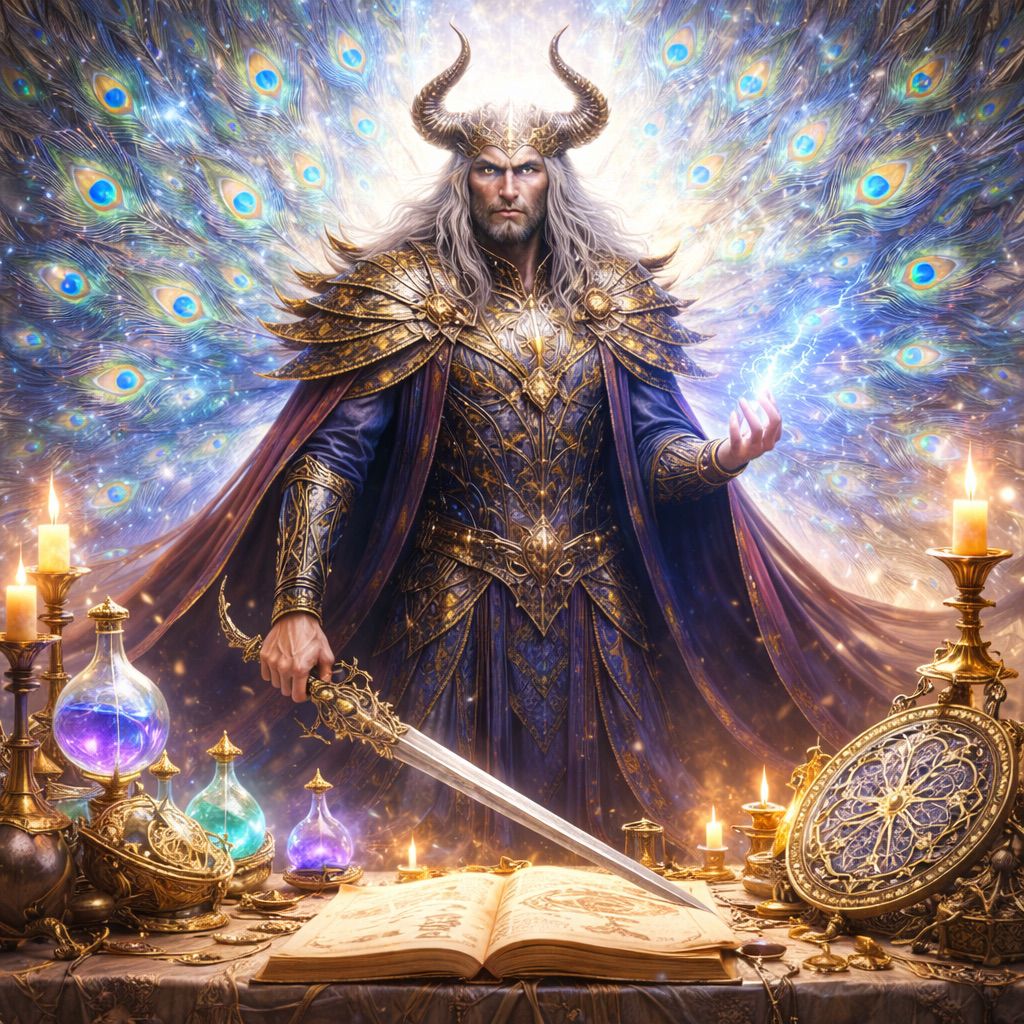
Andrealphus is not a demon of passion, temptation, or chaos. He is something far colder, far more exacting, and in many ways more unsettling. Where other infernal figures appeal to desire, ambition, or fear, Andrealphus appeals to intellect stripped of empathy. In the grimoires of the Ars Goetia, he is listed as a Marquis of Hell, a rank associated with authority, command, and structure. But unlike martial or political demons, Andrealphus rules over abstract order. His domain is geometry, astronomy, measurement, and the rigid logic that reduces the world to angles, distances, and predictable motion.

Andrealphus is described as appearing initially in the form of a peacock, a striking and unusual image in demonology. The peacock is often associated with beauty, symmetry, and display, but also with vanity and cold detachment. This form is not decorative. It is symbolic. The peacock’s feathers form natural geometric patterns, precise and repeating, eye-like shapes arranged with mathematical consistency. To encounter Andrealphus as a peacock is to confront beauty that is exact, ordered, and indifferent to human feeling.

Only when commanded does Andrealphus assume a human shape, and even then he retains something distant and calculating in his presence. He teaches geometry perfectly, makes men subtle in measurements, and instructs in astronomy. These are not arts of inspiration. They are arts of control. Geometry defines space. Astronomy defines time and movement. Measurement defines limitation. Andrealphus governs the frameworks that make the universe predictable.

This predictability is where his true menace lies. Andrealphus does not deceive. He clarifies. He strips away uncertainty and replaces it with certainty so precise it can become suffocating. In his world, there is a correct answer, a correct angle, a correct calculation. Anything that cannot be measured is irrelevant. Emotion, ambiguity, and intuition hold no value unless they can be quantified.

The association with astronomy places Andrealphus among the watchers rather than the movers. He does not shape fate through desire or force. He observes patterns, calculates trajectories, and understands inevitability. In ancient thought, astronomy was not merely scientific; it was prophetic. The movement of stars was believed to reveal destiny. Andrealphus’s mastery of this art suggests dominion over foresight without mercy.

What makes Andrealphus especially unsettling is his transformation of beauty into discipline. The peacock’s display, often seen as extravagant or vain, becomes under Andrealphus a demonstration of structural perfection. Beauty exists because it obeys rules. The feathers are beautiful because they align, repeat, and mirror one another. This is not beauty meant to comfort. It is beauty meant to assert order.

In demonological symbolism, Andrealphus represents the danger of intelligence divorced from compassion. Knowledge without conscience. Precision without restraint. He does not misuse geometry or astronomy. He uses them exactly as they are meant to be used. And that is the problem. When systems function perfectly, they do not care who is harmed by their efficiency.

The marquisate of Andrealphus reinforces this interpretation. A marquis governs borders and defenses. Andrealphus governs the borders of understanding. He defines where certainty ends and ignorance begins. Once something falls within his domain, it is fixed, categorized, and no longer open to interpretation.

Unlike demons who tempt with promises of pleasure or power, Andrealphus offers mastery. Mastery over space, motion, and proportion. This is deeply attractive to minds that crave control. But the cost is subtle. When everything is reduced to measurement, humanity itself becomes a variable rather than a value.

In modern symbolic terms, Andrealphus feels eerily contemporary. Algorithms, models, simulations, and predictive systems all echo his influence. These systems are not evil. They are precise. They optimize, calculate, and forecast. And like Andrealphus, they do not care about individual suffering unless it affects the model. The peacock demon becomes a mirror held up to modern rationalism.

Andrealphus does not rage. He does not threaten. He does not seduce. He waits. He calculates. He knows where things are going long before they arrive. This makes him a figure of inevitability rather than confrontation. Those who fall under his influence often do so willingly, believing they are choosing clarity over confusion.

Yet there is a warning embedded in his lore. Perfect measurement leaves no room for mercy. Perfect prediction leaves no room for hope. Andrealphus embodies the extreme end of rational order, where uncertainty is eliminated at the cost of freedom.

His peacock form reinforces this warning. The peacock does not fly far despite its wings. Its beauty is heavy. It is bound to display rather than escape. Andrealphus’s knowledge is similarly heavy. It dazzles, but it anchors. It impresses, but it confines.

In occult tradition, those who seek Andrealphus do so for intellectual power, not transformation. They want accuracy, foresight, and command over systems. Andrealphus provides this without deception. He gives exactly what is asked. What he does not give is balance.

Ultimately, Andrealphus represents the cold edge of intelligence. He is the demon of correct answers that leave no room for kindness, of systems that function flawlessly while ignoring the human cost. He reminds us that understanding the universe is not the same as understanding ourselves.

Andrealphus endures because humanity will always be tempted by certainty. In a chaotic world, the promise of perfect measurement is seductive. But his presence asks an uncomfortable question: when everything can be calculated, what happens to compassion?

Related Posts

Cimejes (Cimeies): The Infernal Marquis Who Commands Ruins, Lost Things, and the Discipline of War

Dave

Cimejes, sometimes written as Cimeies, is not a demon of spectacle. He does not dominate the imagination through grotesque excess or theatrical cruelty. Instead, his presence is quieter, more austere, and far more unsettling once you understand what he represents. In the grimoires of the Ars Goetia, Cimejes is listed as a Marquis of Hell, a title that immediately places him in a realm of command, discipline, and structure. Yet unlike other infernal nobles who rule passions or desires, Cimejes governs aftermath. He is the demon of what remains when ambition collapses, when battles are over, and when what was once valued has been forgotten or buried.

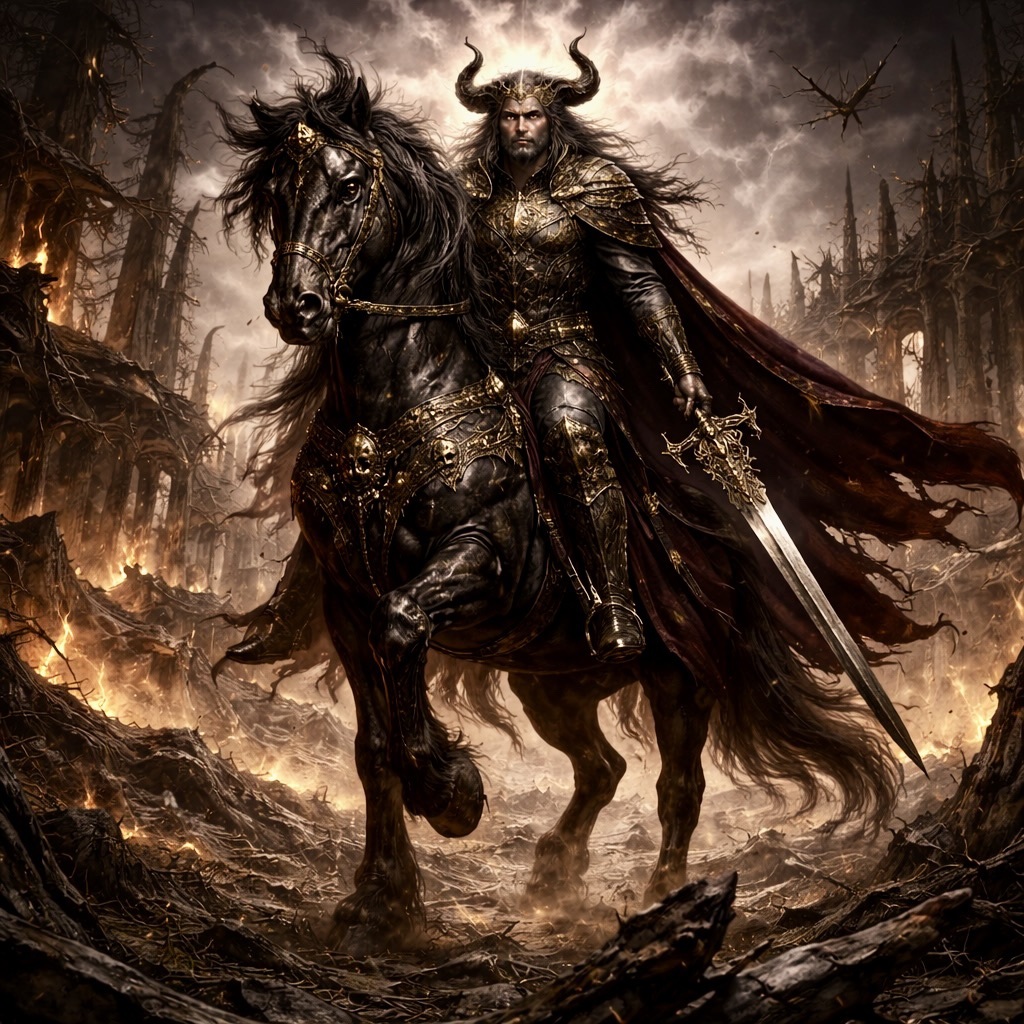
Cimejes is described as appearing as a warrior riding a black horse, a detail that anchors him firmly in the imagery of war. But this is not the romanticized war of banners and glory. This is war seen from the other side: broken ground, scattered weapons, abandoned strongholds, and the silent accounting of loss. His authority is not over victory, but over consequence. He teaches grammar, logic, and rhetoric, but he is also said to reveal hidden or lost things, particularly treasures concealed in the earth. This combination is not accidental. Language, reason, and loss all revolve around memory and structure. Cimejes governs what has been displaced from its original order.

In medieval demonology, a marquis was traditionally responsible for border territories and military defense. Cimejes fits this role perfectly. His domain exists at the borders between use and abandonment, between knowledge and obscurity. He does not create chaos; he manages what chaos leaves behind. Where others incite ambition, Cimejes catalogs its debris.

The black horse upon which Cimejes rides is symbolic of inevitability. Horses in myth often represent momentum, the forward movement of events that cannot easily be stopped. A black horse adds the dimension of finality. Cimejes arrives not at the beginning of a journey, but near its end. His appearance signals that something has already been decided, already lost, already buried. What remains is understanding.

One of the most intriguing aspects of Cimejes is his association with education. He teaches grammar, logic, and rhetoric, the classical foundations of structured thought. These disciplines are not creative in the emotional sense. They are corrective. They refine, categorize, and impose order. This aligns with Cimejes’s broader symbolism. He does not inspire; he clarifies. He takes what has been scattered and teaches how to interpret it.

The ability to reveal hidden treasures further reinforces this theme. Treasures, in demonological language, are not always gold or jewels. They can be forgotten truths, suppressed memories, or overlooked opportunities. Cimejes reveals what lies beneath the surface, but only what already exists. He does not invent value; he uncovers it. In this way, he resembles an archaeologist of consequence, unearthing what others abandoned in their rush forward.

Cimejes is often misunderstood as a demon of simple destruction because of his martial imagery. In reality, he is far more restrained. He does not delight in ruin. He governs it. This distinction matters. Ruin is not inherently evil. It is a state of transition. Civilizations rise, decay, and leave behind fragments. Cimejes presides over that phase, ensuring that what is lost is not entirely erased.

Unlike demons who tempt or deceive, Cimejes operates without urgency. His power is patient. He waits until the dust settles. This patience makes him especially resonant in a modern context. We live in a culture obsessed with growth and novelty, often at the expense of reflection. Cimejes represents the moment when forward motion pauses and reckoning begins.

His martial bearing also suggests discipline rather than aggression. Armor, weapons, and posture all imply order, hierarchy, and restraint. Cimejes does not fight wildly. He stands ready, composed, and observant. He embodies the soldier who understands that every advance creates a rear, every victory creates vulnerability, and every conquest leaves something unguarded behind.

In symbolic terms, Cimejes is the demon of inventory. He accounts for what remains after desire has burned itself out. This makes him deeply uncomfortable to confront, because he does not allow denial. He reveals what was sacrificed, what was forgotten, and what was never recovered. There is no illusion in his presence, only assessment.

The alternate spelling, Cimeies, reflects the instability of his domain. Names shift when things are no longer actively maintained. Spelling variations are a linguistic form of decay, and Cimejes exists comfortably in that decay. He is not diminished by inconsistency. He inhabits it.

Cimejes also represents the idea that knowledge itself can be a form of aftermath. Grammar, logic, and rhetoric are often learned after mistakes have been made. They are tools for correction, not impulse. In this sense, Cimejes governs learning born of consequence. He teaches not how to begin, but how to understand what has already happened.

In fiction and modern occult symbolism, Cimejes often appears as a stern, reserved figure, neither cruel nor kind. He is not interested in moral judgment. He is interested in accuracy. This neutrality is what gives him weight. He does not console. He reveals.

The ability to find lost things connects Cimejes to memory. What is lost is not always gone. Sometimes it is simply buried beneath newer layers of experience. Cimejes uncovers these layers methodically. He does not rush the process. He respects the weight of what is found.

Ultimately, Cimejes represents the discipline of reckoning. He is the demon who asks, “What remains?” when everything else has passed. In a world that constantly urges movement, ambition, and escalation, that question is deeply unsettling. It forces attention away from fantasy and toward reality.

Cimejes endures in demonology because ruin is inevitable. Every system, no matter how powerful, eventually leaves fragments behind. Someone must govern that stage. Someone must stand watch over what was abandoned. Cimejes fills that role, not as a destroyer, but as a custodian of aftermath.

To understand Cimejes is to accept that loss is not the end of meaning. It is the beginning of interpretation. He does not promise restoration. He promises clarity. And for those willing to face what has been left behind, that clarity can be its own form of power.

Related Posts

Amdusias: The Infernal Musician Who Commands Sound, Storms, and Falling Forests

Dave

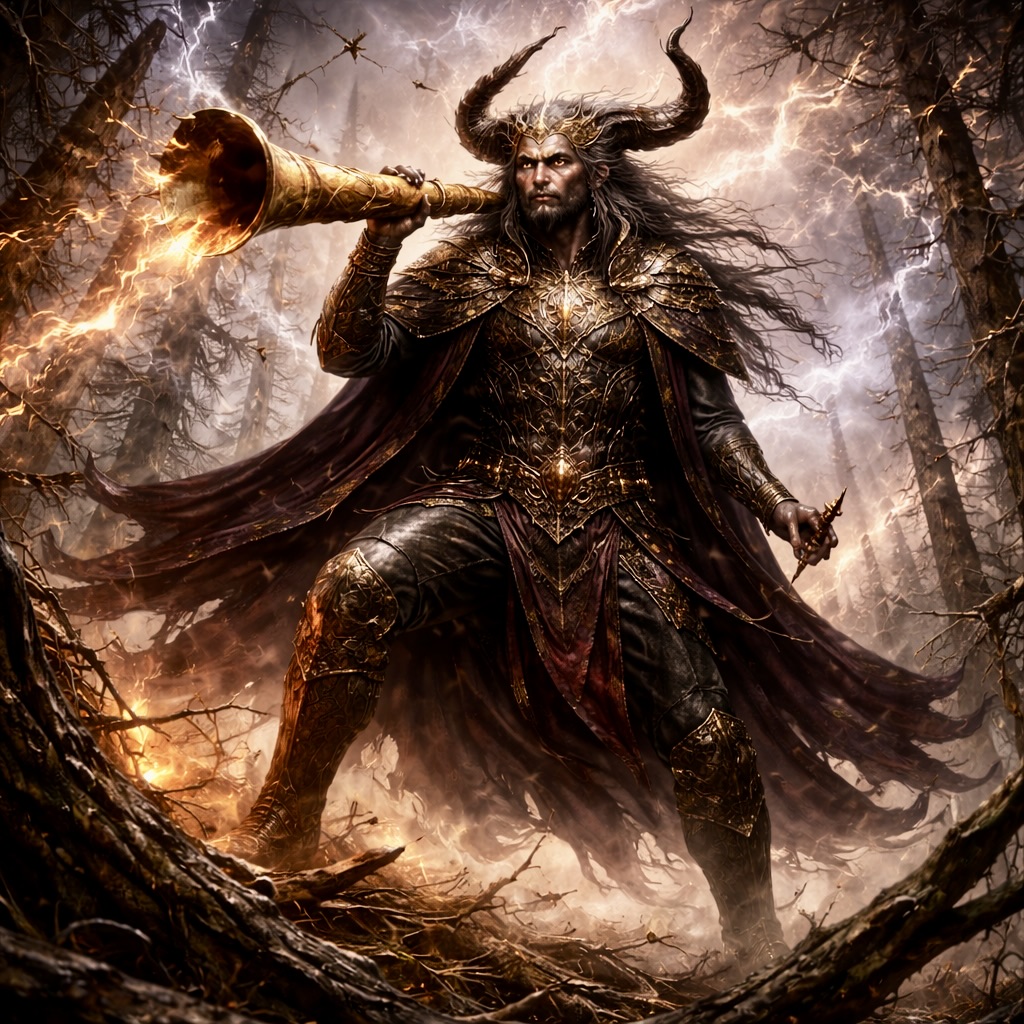
Amdusias is not a demon that arrives quietly. In the grimoires where his name is written, he is associated with sound before sight, vibration before form. He is described as a Great Duke of Hell, commanding legions, but his authority does not manifest through law, deception, or temptation. It manifests through resonance. Music, thunder, the cracking of trees, the subtle pressure that sound exerts on the world—this is Amdusias’s domain. He is less a whisper in the mind and more a force that makes the air itself respond.

In the Ars Goetia, Amdusias is said to appear initially as a unicorn, an image that seems almost absurd until it is understood symbolically. The unicorn is not gentleness in this context, but rarity, raw power, and untamed force. Only when commanded does Amdusias take on human form, often with horns, reinforcing the idea that his true nature exists somewhere between animal instinct and conscious will. This duality matters. Amdusias is not chaos without direction; he is structured force, sound shaped into intent.

Music is the most intriguing aspect of Amdusias’s mythology. He is said to cause musical instruments to be heard, even when none are present. This is not the comforting music of celebration, but something deeper and more unsettling. It is the reminder that sound is never passive. Sound moves bodies, stirs emotions, and alters environments. Long before modern science explained resonance and vibration, demonology recognized sound as power, and Amdusias became its embodiment.

Unlike demons who specialize in manipulation or knowledge, Amdusias affects the physical world directly. Trees fall at his command. Forests bend and break. Storms answer him. These descriptions place him closer to natural disaster than moral allegory. He is the demon of reverberation, of cause and effect made audible. Where other infernal figures influence minds, Amdusias influences matter.

This connection to nature makes Amdusias stand out. Hell, in many traditions, is removed from the natural world, a realm of punishment and abstraction. Amdusias, however, is deeply tied to earth, wood, air, and weather. He reminds us that destruction is not always moral or immoral; sometimes it is simply force meeting structure. A storm does not hate a forest. It moves through it.

In occult practice, Amdusias is often associated with mastery over sound, music, and performance. He is said to teach instruments and musical arts, but there is always an edge to this teaching. His music is not merely entertainment. It is influence. Anyone who has stood in front of a powerful sound system or felt music vibrate through their chest understands this instinctively. Sound bypasses intellect and goes straight to the body. Amdusias rules that pathway.

The falling trees attributed to Amdusias are more than spectacle. Trees symbolize stability, growth, and time. To fell them is to interrupt continuity. Amdusias represents moments when stability gives way, when structures—natural or social—can no longer withstand accumulated pressure. His presence marks thresholds, the point at which vibration becomes collapse.

What makes Amdusias especially compelling is that he does not appear to act out of malice. There is no narrative of cruelty attached to him. He does not punish sinners or tempt the faithful. He acts. The grimoires do not moralize his behavior; they describe it. This neutrality is unsettling. It suggests a kind of power that operates independently of ethics, much like natural forces do.

In modern symbolic terms, Amdusias can be understood as the embodiment of amplification. Small inputs become overwhelming outputs. A note becomes a roar. A vibration becomes a fracture. This makes him an uncannily relevant figure in an age of amplified voices, viral media, and cascading effects. Amdusias is what happens when resonance is no longer contained.

His horns are significant as well. Horns have long symbolized both musical instruments and animal power. They produce sound, but they also signify aggression and dominance. Amdusias’s horned form merges these meanings. He is both the instrument and the force behind it. Sound is not something he uses; it is something he is.

Amdusias’s rank as a Duke places him in a position of command rather than subservience. He directs legions, not individuals. This reinforces the idea that his influence operates on a large scale. He is not concerned with personal transformation. He reshapes environments. When Amdusias is invoked in myth, the world itself responds.

There is also an implicit warning in Amdusias’s lore. Sound, once released, cannot be taken back. Vibrations travel outward, interacting with everything they encounter. Words, music, and noise all share this property. Amdusias symbolizes the permanence of impact. Once something resonates, it leaves traces long after the sound has faded.

Unlike more psychological demons, Amdusias does not linger in ambiguity. His effects are visible and audible. Trees fall. Storms rise. Music fills the air. This clarity makes him terrifying in a different way. There is no mystery about what he does, only uncertainty about when and how far it will go.

In artistic and fictional portrayals, Amdusias often appears as a dark conductor, orchestrating chaos like a symphony. This is an apt metaphor. Music is ordered sound, chaos given structure. Amdusias stands at the intersection of order and destruction, proving that the two are not opposites but collaborators.

Ultimately, Amdusias represents the truth that sound is never harmless. Every vibration carries force. Every resonance changes something. He is the demon of audible consequence, the reminder that the world is always listening, always responding.

To understand Amdusias is to respect the power of what is set into motion. He does not ask for belief. He proves himself through impact. In that sense, Amdusias is not merely a figure of demonology, but a mythic acknowledgment of a physical reality humans have always known: what we unleash into the world, especially through sound and force, does not vanish. It echoes.

Related Posts

Belial: The Lawless King Who Teaches Power Without Allegiance

Dave

Belial is one of the oldest names to surface when human beings try to give shape to rebellion. Long before grimoires cataloged demons into tidy hierarchies, Belial already existed as an idea: the force that refuses to kneel, the will that rejects imposed order, the voice that whispers that authority is a human invention, not a divine mandate. To encounter Belial in demonology is not to meet a simple villain, but to confront a concept that has troubled societies for as long as laws, kings, and gods have claimed dominion over human behavior.

The name Belial appears early in religious texts, often as a synonym for worthlessness, lawlessness, or moral corruption. In the Hebrew Bible, “sons of Belial” are those who reject social order, who refuse to submit to judges, elders, or divine commandments. Over time, this abstract accusation hardened into a figure, and that figure became Belial: a king of Hell who bows to no one and demands the same defiance from those who call upon him.

In later demonological traditions, particularly within the Ars Goetia, Belial is described as a powerful king who commands legions and grants high status, favor, and influence. Yet he is also notorious for demanding offerings and respect. Belial does not serve freely. He does not respond well to hesitation or weakness. This detail is crucial to understanding his symbolism. Belial does not represent chaos for its own sake. He represents power that exists outside of permission.

Belial’s defining trait is autonomy. He is said to have been created without a master, or to have fallen because he refused subjugation altogether. This places him in sharp contrast to demons who rebelled after serving. Belial never accepted the premise that authority was legitimate in the first place. In mythic terms, he is not a traitor. He is a nonparticipant.

This distinction matters. Belial is not driven by rage or envy. He is driven by principle, albeit a dark one. He embodies the belief that power belongs to those who take it, not those who are granted it. This belief has fueled revolutions, tyrannies, liberation movements, and criminal empires alike. Belial is not aligned with justice or injustice. He is aligned with self-rule.

In occult texts, Belial is associated with status, influence, and legal maneuvering. He can grant titles, sway judges, and elevate individuals within rigid systems. This seems paradoxical for a demon of lawlessness, but the contradiction is intentional. Belial understands systems precisely because he rejects them. He teaches how power actually functions beneath the surface of rules and rituals. Laws, in Belial’s domain, are tools to be exploited, not moral truths to be obeyed.

Those who sought Belial historically were often not dreamers or mystics, but pragmatists. They wanted leverage. They wanted to bend institutions to their will. They wanted to rise without loyalty. Belial was invoked by those who believed that the world was already corrupt, and that refusing to play by its rules was not evil, but honest.

Belial’s refusal to bow also places him in opposition to hierarchy itself. While Hell is often depicted as a rigid structure, Belial’s presence disrupts that image. He is a king who does not kneel even to higher infernal authority. This makes him dangerous not only to heaven, but to Hell. He is tolerated because of his power, not trusted because of his nature.

Symbolically, Belial represents the moment when obedience breaks. He is the voice that says, “Why should I?” That question can be liberating or catastrophic depending on who asks it and why. Belial does not care which outcome occurs. His concern is the assertion of will.

Unlike demons associated with temptation or pleasure, Belial does not seduce. He confronts. Those who engage with him are forced to examine their relationship with authority, responsibility, and consequence. Belial offers power, but he strips away excuses. If you act under Belial’s influence, you cannot claim ignorance or coercion. You chose autonomy. You own the outcome.

This is why Belial is often described as harsh or demanding. He does not nurture dependency. He despises submission disguised as devotion. In mythic terms, he is the anti-patron. He grants favor but expects self-sufficiency. He will elevate you, but he will not protect you from the fall.

Belial’s imagery often reflects this severity. He is depicted as regal, imposing, and unmoved. There is no frenzy in his presence, no theatrical cruelty. His menace lies in indifference. He does not punish out of anger. He withdraws support when respect is not maintained. In this way, Belial resembles power structures in the real world far more than supernatural monsters do.

In modern interpretations, Belial frequently appears as a symbol of radical independence. He is invoked in fiction as a force behind antiheroes, warlords, and leaders who reject moral constraints in favor of control. These portrayals are compelling because they reflect a truth many are uncomfortable admitting: authority often flows to those willing to abandon ideals.

Belial also exposes the darker side of self-rule. Absolute autonomy can easily become tyranny. When no higher authority is acknowledged, accountability collapses inward. Belial does not warn against this. He demonstrates it. He is the embodiment of freedom without restraint, power without justification.

Historically, societies have oscillated between fearing and needing figures like Belial. Order requires obedience, but progress often begins with defiance. Belial sits uncomfortably at the center of that tension. He is neither hero nor villain. He is the pressure point where systems fracture.

Even the name Belial carries weight. It is less a personal name than a label, a condemnation turned into identity. To be Belial is to be without worth in the eyes of the law, without allegiance in the eyes of authority. Yet within that rejection lies a strange form of sovereignty. Belial does not need validation because he rejects the framework that grants it.

What makes Belial enduring is not fear, but recognition. People see him in boardrooms, courtrooms, and corridors of power. They recognize the figure who rises not through loyalty, but through calculation. They recognize the leader who obeys nothing but his own will. Belial survives because he is already here.

At his core, Belial represents a question that never goes away: is authority legitimate because it exists, or does it exist because we agree to obey it? Belial answers that question with silence, then action. He does not argue philosophy. He demonstrates consequence.

To engage with Belial, even symbolically, is to accept responsibility for defiance. There is no moral cushion, no divine justification. There is only choice and outcome. In that sense, Belial is brutally honest. He does not pretend rebellion is noble. He simply insists it is yours.

Belial endures because rebellion endures. As long as there are systems, there will be those who reject them. As long as there is power, there will be those who take it without asking. Belial is not the origin of that impulse. He is its name.

Related Posts

Decarabia: The Star-Shaped Marquis Who Reveals Secrets Through Stones and Wings

Dave

Decarabia is one of those infernal figures whose reputation is built less on fear and more on curiosity. In the old demonological texts, he is not described as a roaring tyrant or a punisher of souls, but as a keeper of hidden knowledge, a quiet revealer of truths that already exist but remain unseen. His power does not come from destruction or temptation, but from interpretation. Decarabia governs the secret language of stones, herbs, birds, and gems, translating the natural world into meaning for those who know how to ask. In this way, he occupies a strange and fascinating space within the Ars Goetia, somewhere between demon, scholar, and natural philosopher.

According to the grimoires, Decarabia appears initially in the form of a pentagram, a five-pointed star suspended in the air. Only after being commanded does he take on a more recognizable shape, often described as a man with wings or a birdlike form. This transformation is deeply symbolic. The pentagram has long represented hidden order, balance, and the structure underlying apparent chaos. To encounter Decarabia first as a symbol rather than a body suggests that his essence is abstract before it is physical. He is knowledge before he is form.

Decarabia’s rank is that of a Marquis of Hell, a title that implies authority without absolute dominion. A marquis governs borderlands, territories at the edge of kingdoms. This fits Decarabia perfectly. His domain lies at the border between the human and the natural, the spoken and the unspoken, the observed and the interpreted. He does not create secrets; he reveals them. He teaches the virtues of stones and herbs, the qualities hidden within gems, and the meanings carried by the flight and calls of birds.

In medieval and early modern Europe, this kind of knowledge was not trivial. Stones and herbs were believed to carry inherent properties that could heal, harm, protect, or curse. Birds were omens, their movements read as messages from beyond human understanding. To know the true nature of these things was to possess power, not the loud power of conquest, but the quiet power of insight. Decarabia embodies this belief, serving as a supernatural librarian of the natural world.

What makes Decarabia particularly intriguing is his relationship with truth. Unlike demons associated with deception, Decarabia is described as truthful when properly constrained. He reveals what is already there. This does not make him safe, however. Knowledge without context can be dangerous, and understanding without wisdom can lead to ruin. Decarabia does not decide how his revelations will be used. He provides information, and the consequences belong to the one who asked.

The pentagram form attributed to Decarabia has been the subject of much interpretation. In many traditions, the five-pointed star represents the elements: earth, air, fire, water, and spirit. Decarabia’s connection to stones, herbs, and birds aligns neatly with this symbolism. He is a unifier of elements, a reminder that the natural world speaks a coherent language if one knows how to listen. His star-shaped appearance reinforces the idea that knowledge itself has structure, even when it seems mysterious.

Birds play a central role in Decarabia’s mythology. He is said to understand their songs and the meanings behind their movements. This places him in a long tradition of augury, the ancient practice of divination through observing birds. To ancient and medieval observers, birds were messengers between worlds, creatures that moved freely between earth and sky. Decarabia’s command over their language suggests mastery over liminal spaces, those places where boundaries blur and insight emerges.

Stones and gems, too, are central to Decarabia’s influence. In an era when gemstones were believed to hold specific virtues, knowing their true nature was invaluable. A stone could protect a traveler, enhance memory, or ward off illness. Decarabia’s teachings would have appealed to alchemists, healers, and scholars seeking to unlock the hidden properties of matter. Even today, the symbolic power of stones persists, suggesting that Decarabia’s appeal is not limited to superstition, but rooted in a deeper human impulse to find meaning in the material world.

Decarabia’s wings are another important symbol. Wings represent freedom, perspective, and transcendence. A winged Decarabia suggests an elevated viewpoint, the ability to see patterns invisible from the ground. This aligns with his role as a revealer of hidden connections. He does not change the world; he changes how it is seen. In doing so, he challenges the assumption that knowledge must come from human reasoning alone. Sometimes, understanding comes from observing what has always been present.

Unlike many demons, Decarabia is not described as hostile or malicious. His danger lies in indifference. He offers truths without concern for how they will be received or applied. This makes him a compelling metaphor for knowledge itself. Information is neutral. It can heal or harm, enlighten or overwhelm. Decarabia embodies this neutrality, standing as a reminder that insight carries responsibility.

In modern interpretations, Decarabia often appears as a figure of esoteric wisdom, a guide through hidden systems rather than a villain to be defeated. He resonates with those drawn to symbolism, natural magic, and the idea that the world is layered with meaning. In this sense, he feels almost contemporary, a patron of pattern-seekers and systems-thinkers in an age obsessed with data and interpretation.

The image of Decarabia as a star transforming into a winged being also speaks to the human experience of understanding. Knowledge often begins as an abstract concept, a symbol or theory, before becoming something lived and embodied. Decarabia’s manifestation mirrors this process. He is an idea that takes shape, a pattern that becomes a presence.

Decarabia’s continued relevance lies in his subtlety. He does not dominate narratives through spectacle. He lingers at the edges, waiting for those who are willing to look closely. His power is patient, observational, and deeply tied to the world as it is, not as we wish it to be. In a culture that often values loud certainty over quiet insight, Decarabia stands as a reminder that some truths are revealed only to those who slow down enough to notice.

Ultimately, Decarabia represents the hidden coherence of the natural world. He is the whisper behind patterns, the logic beneath symbolism, and the reminder that meaning is often already present, waiting to be recognized. Whether approached as a demon of occult lore or as a metaphor for interpretive knowledge, Decarabia endures because he reflects a timeless human desire: to understand the world not just as a collection of objects, but as a network of signs.

To engage with Decarabia is to accept that knowledge is not always comforting. It can unsettle, complicate, and challenge assumptions. But it can also deepen appreciation for the intricate systems that surround us. In this way, Decarabia is less a figure of fear and more a figure of revelation, a star that points not outward, but inward, toward a more attentive way of seeing.

Related Posts

Seere: The Swift Prince of Hell Who Bends Distance, Destiny, and Desire

Dave

Seere is not the kind of demon that announces himself with thunder or terror. His power is quieter, faster, and far more unsettling once you sit with it. In the old grimoires, Seere is described as a Prince of Hell who rides upon a winged horse and moves with impossible speed, carrying messages, altering circumstances, and shaping outcomes before anyone realizes change has occurred. Where other infernal figures rule through fear or temptation, Seere rules through momentum. He is the demon of things already in motion, the force that ensures events arrive exactly where and when they are meant to, whether that arrival is welcomed or dreaded.

The Ars Goetia paints Seere as a paradoxical figure. He is a demon, yet he is often described as good-natured, courteous, and even helpful. This contradiction is not accidental. Seere represents a deeply human tension: the desire for outcomes without consequences, speed without cost, and certainty without struggle. He is invoked for quick results, for bringing distant people or objects closer, for resolving situations before they spiral out of control. In a sense, Seere is the embodiment of impatience given supernatural form.

Descriptions of Seere emphasize motion. He appears riding a winged horse, a symbol that combines freedom, speed, and authority. The horse itself is significant. In myth and symbolism, horses often represent power, travel, and the boundary between worlds. A winged horse suggests transcendence of limits, the ability to cross not just physical distance but emotional and psychological barriers as well. Seere does not walk into your life. He arrives suddenly, already halfway through changing it.

One of Seere’s defining traits is honesty. Unlike many demons who are known for deception or trickery, Seere is said to speak truthfully. This detail has fascinated occult scholars for centuries. Why would a demon be honest? The answer may lie in the nature of his power. Seere does not need lies. His influence comes from acceleration, not distortion. He takes what already exists and pushes it forward, sometimes faster than the human mind can process. Truth, delivered at speed, can be just as disruptive as falsehood.

Seere’s ability to bring things swiftly is not limited to physical objects. He can transport emotions, intentions, and decisions. In matters of love, he is often invoked to reunite estranged partners or hasten romantic outcomes. In matters of conflict, he can bring resolution just as quickly, though resolution does not always mean harmony. Sometimes it means confrontation. Seere does not judge the nature of the destination; he simply ensures arrival.

This neutrality is what makes Seere so compelling and so dangerous. He does not distinguish between good outcomes and bad ones. He responds to intention and momentum. If you ask him to bring something to you quickly, he will—but you may not like the form it takes. In this way, Seere mirrors the real-world consequences of impulsive decisions. The faster you move, the less time you have to reflect, and the more likely you are to collide with something unexpected.

In the hierarchy of Hell, Seere’s rank as a Prince suggests autonomy and authority. Princes are not mere servants; they are rulers of domains. Seere’s domain is transit, transition, and inevitability. He governs the spaces between states of being: here and there, now and then, before and after. This liminal quality places him in a unique position among infernal figures. He is less concerned with possession or corruption and more concerned with completion.

Historically, Seere emerges from a tradition of demonology that sought to categorize and control the unknown. Medieval magicians and scholars did not invent these figures casually. Each demon represented a specific anxiety, a specific human fear or desire. Seere’s presence reflects an obsession with speed and certainty. In a world where travel was slow and communication unreliable, the idea of a spirit who could collapse distance would have been intoxicating.

Yet even in the modern world, Seere remains relevant. Today, we live in an age of instant messaging, same-day delivery, and real-time updates. Distance has been compressed, and patience has become a rare commodity. Seere feels less like a relic of superstition and more like a mythic expression of contemporary life. He is the demon of urgency, the whisper that says, “Why wait?”

Occult texts warn that Seere should be approached with clarity of purpose. Vague requests yield unpredictable results. This caution reflects a deeper truth about speed itself. When things move quickly, small errors are magnified. A misworded desire can become a regretted outcome. Seere does not refine your wish; he executes it. In this sense, he is brutally fair.

The image of Seere riding a winged horse also carries an emotional resonance. It suggests escape, rescue, and sudden change. To someone trapped in a painful situation, Seere might appear as salvation. To someone avoiding responsibility, he might appear as an enabler. This duality makes him one of the most psychologically interesting figures in demonology. He does not create desire; he responds to it.

Seere is also said to bring things from far away, both physically and metaphorically. This ability can be interpreted as the resurfacing of buried memories, unresolved relationships, or long-delayed consequences. What is distant is not always forgotten. Seere reminds us that distance is often an illusion, and that unresolved matters have a way of returning when summoned.

Unlike many demons, Seere is not associated with cruelty or torment. His danger lies in indifference. He does not care whether the outcome benefits you or harms you. He cares only that the path is clear and the destination defined. This makes him a powerful symbol of modern systems and technologies that operate without moral judgment. Algorithms, logistics networks, and automated processes function much like Seere: efficient, relentless, and unconcerned with human nuance.

In popular culture, characters inspired by Seere often appear as messengers, fixers, or catalysts. They arrive unexpectedly, solve problems quickly, and disappear just as fast, leaving behind consequences that others must live with. These portrayals capture the essence of Seere’s myth without naming him directly. He is the unseen hand that accelerates fate.

From a symbolic standpoint, Seere can be read as a warning against haste. His honesty does not protect you from regret. His speed does not guarantee satisfaction. He offers results, not wisdom. In a world that increasingly values efficiency over reflection, Seere’s legend feels almost prophetic. He asks a simple question: if you could have what you want immediately, would you still want it?

Seere’s enduring appeal lies in this question. He tempts not with forbidden pleasures, but with convenience. He promises not power, but immediacy. And in doing so, he exposes a vulnerability that has only grown stronger over time. We are not just afraid of demons who deceive us. We are afraid of demons who give us exactly what we ask for.

To understand Seere is to understand the cost of speed. He is the embodiment of the shortcut, the fast track, the skipped step. Sometimes shortcuts save lives. Sometimes they cut corners that should never have been cut. Seere does not discriminate. He rides, and things happen.

In the end, Seere is less about Hell and more about human nature. He reflects our impatience, our longing for instant resolution, and our belief that problems can be outrun. His winged horse is not just a mode of transport; it is a mirror. It shows us how quickly we are willing to move when desire outweighs caution.

Seere does not force himself into stories. He appears when summoned, when urgency eclipses reflection. And once he arrives, there is no pause button. Things move. Distances close. Outcomes arrive. Whether that is a blessing or a curse depends entirely on the one who called him.

Related Posts

Dantalion: The Many-Faced Demon Who Commands Minds, Memories, and Desire

Dave

Dantalion is one of those names that feels as if it has been whispered rather than written, carried forward by ink-stained fingers, candle smoke, and the uneasy fascination humans have always had with the hidden machinery of the mind. To encounter Dantalion in the old grimoires is not to meet a roaring monster or a horned brute thirsting for destruction. Instead, Dantalion appears as something far subtler and, in many ways, far more unsettling: a being whose power lies in thought itself, in the quiet rearranging of emotions, opinions, and memories. He is described as a Duke of Hell, commanding legions, yet his dominion is not over fire or war, but over the invisible architecture of human consciousness.

In the Lesser Key of Solomon, Dantalion is said to appear in many forms at once, bearing countless faces—male and female—upon a single body. This imagery is more than grotesque spectacle. It is symbolic of multiplicity, of empathy twisted into control, of the ability to perceive and manipulate the perspectives of others. Where other demons promise wealth, destruction, or physical power, Dantalion offers something more intimate: access to the inner lives of people. He knows the thoughts of all men and women, understands their secret desires, and can bend their affections at will. To the medieval mind, this was a terrifying ability. To the modern reader, it is disturbingly familiar.

The grimoires describe Dantalion as a master of influence. He can teach all arts and sciences, but his true specialty lies in emotional manipulation. He can change a person’s heart, turning love to hate or indifference to obsession. He can reveal the thoughts of others, making him a prized spirit for those seeking insight into rivals, lovers, or enemies. In a world where survival often depended on social alliances, marriage arrangements, and political favor, such power would have been immensely tempting. Dantalion’s presence in magical texts reflects a timeless human anxiety: the fear that our thoughts are not entirely our own.

What makes Dantalion especially compelling is how closely his mythology aligns with modern understandings of psychology. The idea of a being who can read minds and subtly alter emotions mirrors contemporary concerns about persuasion, propaganda, and psychological influence. Long before neuroscience and cognitive science existed, Dantalion embodied the dread that thoughts could be shaped by unseen forces. In this sense, he is less a monster and more a metaphor, a personification of manipulation itself. He represents the dark side of empathy—the ability to understand others not to help them, but to control them.

Descriptions of Dantalion’s appearance are among the most striking in demonological literature. He is often depicted holding a book in his right hand, a symbol of knowledge and memory. The many faces that cover his body gaze outward in all directions, suggesting omnipresent awareness. These faces are not uniform; they are diverse, reflecting different genders, expressions, and emotions. This multiplicity reinforces his role as a collector and controller of human experience. Each face could be seen as a stolen thought, a borrowed emotion, or a life observed too closely. In art and illustration, Dantalion often appears both regal and disturbing, a reminder that power over the mind is both alluring and dangerous.

Historically, Dantalion belongs to the Ars Goetia, a catalog of seventy-two demons supposedly summoned and constrained by King Solomon. These spirits were not invented as pure fiction; they emerged from a complex blend of folklore, theology, and moral instruction. Medieval and early modern texts often used demons as cautionary figures, embodying specific sins or fears. Dantalion’s association with manipulation and emotional control aligns him closely with anxieties about free will and moral responsibility. If a demon can alter your desires, how accountable are you for your actions? This question haunted theologians and philosophers long before it became a topic for psychologists and ethicists.

In occult practice, Dantalion is often approached for matters of love, influence, and understanding. Practitioners seeking reconciliation, attraction, or insight into another’s thoughts might call upon him, carefully framing their requests. Yet grimoires consistently warn that such dealings come at a cost. To invite a being that manipulates emotions is to risk losing clarity over your own. This warning feels especially relevant in an age dominated by social media algorithms, targeted advertising, and political messaging. Dantalion’s legend reads less like superstition and more like an early allegory for psychological vulnerability.

The demon’s title as a Duke of Hell suggests hierarchy and order within chaos. Hell, in these texts, is not a place of random torment but a structured realm with ranks and responsibilities. Dantalion commands thirty-six legions, emphasizing his authority and reach. This structured infernal bureaucracy mirrors the rigid hierarchies of medieval society, reinforcing the idea that power—whether divine or demonic—operates through systems. Dantalion’s system is the mind, and his soldiers are ideas, emotions, and memories deployed with precision.

Over time, Dantalion has evolved beyond the pages of grimoires and into modern culture. He appears in novels, games, and films, often reimagined as a master manipulator or mind reader. These portrayals retain the core of his myth while adapting it to contemporary fears. In a world obsessed with data, surveillance, and psychological profiling, Dantalion feels less like an ancient demon and more like a timeless archetype. He is the shadow behind influence, the whisper behind persuasion, the fear that someone else might be steering your thoughts.

What truly distinguishes Dantalion from other demonic figures is the intimacy of his power. He does not need brute force. He does not rely on fear alone. Instead, he works quietly, altering perceptions and feelings until the victim believes the change was their own idea. This is perhaps why he endures as a compelling figure. Physical threats are obvious and can be resisted. Psychological influence is subtle, often invisible, and far harder to escape. Dantalion’s legend captures this unsettling truth with remarkable clarity.

From a symbolic perspective, Dantalion can be read as a mirror held up to humanity. His many faces reflect our own complexity, our shifting identities, and our capacity for contradiction. We all contain multitudes, as the saying goes. Dantalion externalizes this truth in monstrous form, reminding us that understanding others carries ethical responsibility. Knowledge without empathy becomes exploitation. Insight without compassion becomes control. In this way, Dantalion is not just a demon to be feared, but a lesson to be learned.

The enduring fascination with Dantalion also speaks to humanity’s complicated relationship with desire. Love, attraction, and approval are among our strongest motivators, yet they are also areas where we feel most vulnerable. To imagine a being who can manipulate these forces is to confront our own insecurities. Are our feelings genuine, or are they shaped by external influences? Dantalion’s myth does not answer this question; it simply insists that the question matters.

In occult symbolism, books often represent hidden knowledge, forbidden truths, or the accumulation of experience. Dantalion’s book is not merely a prop; it is an extension of his power. It suggests that every thought, every emotion, is recorded and accessible. In an era where personal data is tracked, stored, and analyzed, this imagery feels eerily prescient. The demon who knows your thoughts is no longer just a supernatural threat; it is a metaphor for modern anxieties about privacy and autonomy.

Despite his fearsome reputation, Dantalion is not portrayed as chaotic or irrational. He is methodical, articulate, and precise. This rationality makes him more unsettling, not less. He represents the idea that manipulation does not require madness, only understanding. By framing Dantalion as a teacher of arts and sciences, the grimoires acknowledge that knowledge itself is morally neutral. It can enlighten or enslave, depending on how it is used. Dantalion embodies the darker potential of intellect divorced from ethics.

The language used to describe Dantalion in historical texts is often clinical rather than sensational. This tone reinforces his role as a specialist rather than a spectacle. He is summoned for specific purposes, bound by precise rituals, and dismissed with formal words. The ritualistic structure emphasizes control and consent, highlighting the tension between human agency and supernatural influence. Even within the myth, there is an acknowledgment that power over the mind must be carefully negotiated.

Modern interpretations of Dantalion often strip away the explicitly demonic elements and focus on his psychological dimensions. In this form, he becomes less a literal being and more an archetype of manipulation. He appears as a charismatic antagonist, a master strategist, or an uncanny observer who always seems to know what others are thinking. These reinterpretations keep the spirit of the myth alive while translating it into a secular context.

At its core, the story of Dantalion is about boundaries—where one mind ends and another begins. It challenges the assumption that our thoughts are private and inviolable. By personifying the fear of mental intrusion, Dantalion gives shape to an anxiety that has only intensified over time. In a world saturated with information and influence, the idea of a demon who commands minds feels less fantastical and more symbolic.

Ultimately, Dantalion endures because he speaks to something deeply human. We all want to be understood. We all fear being manipulated. We crave connection but dread vulnerability. Dantalion sits at the intersection of these desires and fears, embodying the tension between empathy and control. Whether approached as a figure of occult lore, a psychological metaphor, or a cultural archetype, he remains a powerful symbol of the unseen forces that shape our inner lives.

To read about Dantalion is to confront uncomfortable questions about autonomy, influence, and responsibility. It is to acknowledge that power does not always announce itself with violence or spectacle. Sometimes, it whispers, persuades, and convinces. Sometimes, it wears many faces and calls itself understanding. In that sense, Dantalion is less a relic of medieval superstition and more a timeless reminder: the mind is the most powerful territory of all, and whoever controls it wields the greatest influence.

Related Posts

The Silent Avenger: Andromalius, Hunter of Thieves

Dave

If you close your eyes and picture a demon, you might imagine wings and claws, fire and shadow, a creature born only for destruction. But not all the spirits that inhabit the old grimoires fit that mold. Some are more subtle, more strange, and in many ways more unsettling because of it. Among these is Andromalius, the seventy-second and final spirit of the Ars Goetia, the one who closes the infamous list of infernal names. He is not a fiery monster nor a horned tyrant, but a stern figure who walks with a serpent coiled in his hand, a manlike presence who stalks the guilty. His purpose, according to the medieval magicians who dared to inscribe his sigil and summon him into their protective circles, was not to sow chaos, but to punish thieves, uncover dishonesty, and return what was stolen. He is both avenger and judge, demon and lawgiver, and his story opens our descent into the hierarchy of Hell not with carnage, but with a whisper of justice, a reminder that even in the infernal order, balance must be maintained.

Andromalius has always occupied a peculiar place in demonology. The Ars Goetia describes him as a great Earl of Hell who commands thirty-six legions of demons, an impressive number, yet not among the highest ranks. His domain is narrower than the great kings like Paimon or Bael, but what he does, he does with terrifying precision. His job is simple: to track down thieves, to reveal who has taken what, to return goods to their rightful owners, and to punish the guilty. In some texts, he is also said to uncover plots, conspiracies, and treacheries, exposing enemies before they can strike. His serpent, which he always carries, is a symbol of cunning, justice, and vengeance, its coils winding like the inescapable trap of truth itself. This imagery, stark and simple, has survived for centuries because it speaks to something deeply human: the fear of being caught when we transgress, the dread of the unseen eye that sees what we try to hide.

The origins of Andromalius are shrouded in the mists of medieval grimoires, where so much of demonology took shape. The Lesser Key of Solomon, compiled in the seventeenth century, gives us our most detailed account. There, he is listed as the final spirit, almost like the period at the end of a long sentence. But that position is meaningful: he is the closer, the finisher, the one who ensures that what begins in chaos ends in justice. Unlike demons of lust, war, or greed, who tempt and corrupt, Andromalius waits. He lurks in the background until wrong has been committed, and then he strikes. His existence suggests a world where even Hell has rules, where even among the legions of the damned there are enforcers who will not allow dishonor to pass unpunished. That is a terrifying thought: not that Hell is chaos, but that Hell is order, cold and merciless.

Andromalius’s place in the hierarchy is also worth considering. As an Earl, he is not at the top of the infernal chain, but he holds real authority. His legions follow him not into conquest, but into judgment. Imagine an army of unseen watchers, spies who slip through walls and shadows, taking note of every theft, every betrayal, every secret plot. Imagine them whispering those names to their master, who then emerges, serpent in hand, to drag the guilty into the light. That was the fear of those who invoked him. The grimoire tradition is clear: to summon Andromalius was to risk exposure yourself. If you called on him to punish a thief, you had better be clean of theft, for he would turn his gaze upon you as well. This balance of usefulness and danger made him one of the most respected spirits in the magician’s catalogue.

Appearance is everything in demonology, and Andromalius’s appearance is deceptively simple. He is a man with a serpent. No claws, no flames, no monstrous hybrid body. Just a man and a snake. But what a powerful symbol that is. The serpent, from Eden onward, has always been the image of temptation, cunning, and hidden wisdom. In Andromalius’s hand, it is not the deceiver but the avenger, the winding justice that cannot be escaped. The man holding it is not wild or bestial, but composed, severe, and watchful. In some descriptions, he is almost monk-like, robed and somber, a judge rather than a warrior. This simplicity makes him all the more chilling. A monstrous demon you can recognize and fight; a stern figure who only watches until you slip feels inescapable. The thief cannot know when Andromalius will strike, only that he will.

His abilities, as listed in the Goetia, revolve around truth. He reveals thieves and their deeds. He uncovers hidden treasures, but only to return them. He punishes enemies, but only those who conspire unjustly. This is not the wild chaos of demons like Asmodeus or Belial. It is something colder, more precise. Andromalius is like the shadow of conscience, the weight on your shoulders when you pocket something that is not yours, the prickling on your neck when you speak a lie. He is not the one who tempts you into sin — he is the one who ensures you do not get away with it. For that reason, his image has endured. We may laugh at witches flying through the sky or monsters breathing fire, but we all know the feeling of being caught in a lie. We all know the fear of being found out. That fear has not faded with time, and so Andromalius remains relevant.

In cultural terms, Andromalius has not achieved the fame of Paimon or Asmodeus, but he has left a subtle mark. Occultists still speak of him as a spirit of justice, one invoked not for gain but for retribution. In literature and role-playing games, his name sometimes appears as a patron of bounty hunters or avengers, those who strike down criminals in the dark. In modern occult practice, he has even been reinterpreted as a kind of infernal Saint of Restitution, someone who can be called upon to right wrongs when human systems fail. Whether one believes in his literal existence or not, the archetype he represents continues to resonate. We crave justice. We fear punishment. We know that what is stolen should be returned, and that betrayal should not go unanswered. In Andromalius, that human need and fear take shape.

But how can he be defeated? The grimoires are clear: Andromalius, like all the spirits, can be compelled by the divine names and seals of Solomon. Summoners who drew his sigil within the protective circle could command him, binding him to their will. Outside of the circle, however, he was dangerous. The tradition holds that he respects the authority of sacred names, recoils from divine command, and can be dismissed by the words of power. That is the magician’s way. But for ordinary people, the answer is simpler, and more profound. To defeat Andromalius, do not steal. Do not betray. Live honestly, and there is nothing for him to punish. His vengeance is not indiscriminate; it is targeted. He comes only for the guilty. That makes him different from other demons, and in some ways, more frightening, because he forces us to look inward. He cannot be outsmarted with clever tricks, only with honesty.

In human terms, Andromalius is a mirror. He shows us that corruption eventually collapses, that lies eventually come to light, that theft always costs more than it gains. To outsmart him is to outsmart the shadow of guilt itself, which is impossible. To defeat him is to live in such a way that his judgment never falls on you. That is a sobering lesson, but also a hopeful one. Unlike many demons, he does not corrupt the innocent. He only hunts the guilty. His presence, then, is a strange kind of reassurance. If you live with integrity, he has no power over you. If you cheat, if you steal, if you betray, then he is already at your shoulder.

And so our descent begins, not with fire and fury, but with justice. The serpent coils, the man watches, and thieves tremble in the shadows. Andromalius stands at the threshold of Hell’s hierarchy, the first step on a path that will lead us downward through lust, greed, chaos, and pride. Each day will bring us closer to Lucifer himself, but here at the beginning, we are reminded that even in the pit, there is order. Even among demons, there is law. And if that does not chill your blood, nothing will.

Related Posts

Bridging Divides: The Week of Prayer for Christian Unity

Dave

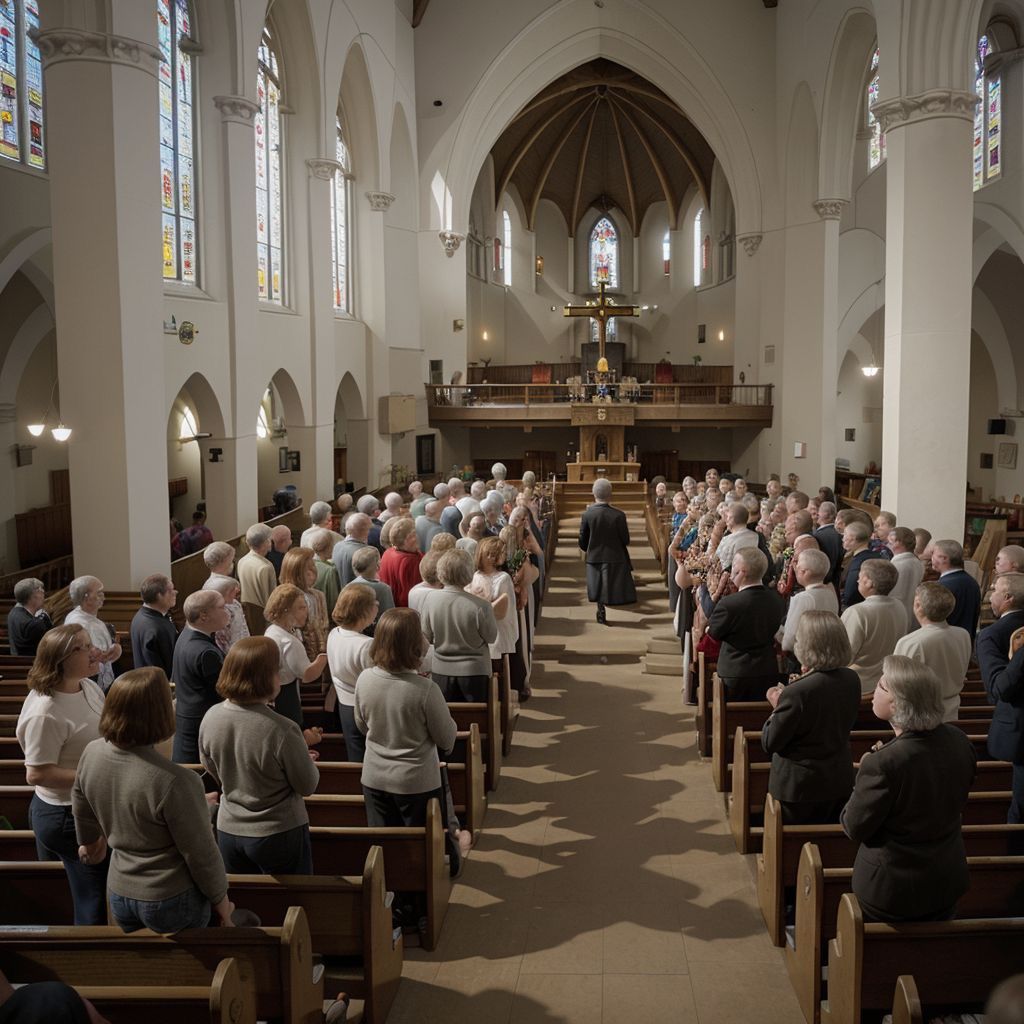
Every January, Christians around the world come together for the Week of Prayer for Christian Unity, a profound and hopeful observance dedicated to fostering unity among diverse denominations. Rooted in the belief that followers of Christ are called to be one, this global initiative transcends doctrinal differences to focus on shared faith and mutual respect. It is a week marked by reflection, dialogue, and collaborative worship, reminding believers of their common mission in a fragmented world.

The Week of Prayer for Christian Unity began in 1908 as the Octave of Christian Unity, founded by the Reverend Paul Wattson, an Episcopal priest who later joined the Catholic Church. His vision was simple yet ambitious: to encourage Christians to pray and work for the unity that Jesus himself prayed for in John 17:21, “that they may all be one.” Over time, the observance expanded beyond its Catholic origins, becoming an ecumenical effort embraced by Protestant, Orthodox, and Anglican traditions, among others.

The week’s significance lies not in erasing theological differences but in celebrating the shared beliefs that unite Christians. Each year, a theme is chosen by an international ecumenical group, often focusing on scripture passages that highlight reconciliation, peace, and love. Through joint prayer services, Bible studies, and acts of service, the event fosters a sense of solidarity and shared purpose among denominations that might otherwise remain divided.

In an increasingly polarized world, the Week of Prayer for Christian Unity offers a countercultural message. It encourages believers to look beyond denominational labels and political ideologies, focusing instead on the love of Christ as a unifying force. By coming together in prayer and action, Christians demonstrate that unity does not require uniformity but rather a commitment to dialogue, understanding, and mutual respect.

The observance also serves as a reminder that unity is not just a theological ideal but a lived reality with tangible benefits. Collaborative efforts among denominations often lead to initiatives addressing social justice, poverty, and environmental stewardship, demonstrating the power of collective action rooted in faith. These partnerships not only strengthen communities but also bear witness to a world hungry for hope and healing.

As the Week of Prayer for Christian Unity continues to grow in scope and participation, it challenges Christians to reimagine what it means to be united in faith. It is a call to build bridges, celebrate diversity, and embody the love that lies at the heart of the Christian message. In doing so, it offers a glimpse of the unity that many believe reflects the very kingdom of God.

Related Posts

Bound Together in Faith: Celebrating Christian Unity Week

Dave

Every year, from January 18 to January 25, Christians around the world observe Christian Unity Week, a time dedicated to prayer, reflection, and action toward greater unity among the many branches of the Christian faith. This week stems from the ecumenical movement, which seeks to heal the divisions within Christianity and promote cooperation among Catholic, Orthodox, Protestant, and other Christian traditions. While doctrinal differences have historically separated denominations, Christian Unity Week is a reminder of the shared faith in Christ that binds believers together, regardless of their traditions.

The ecumenical movement began in earnest in the early 20th century, as Christians recognized the need for solidarity in addressing global challenges such as poverty, war, and social injustice. Christian Unity Week, originally initiated by the World Council of Churches and supported by the Vatican, embodies this spirit of reconciliation. It encourages churches to look beyond theological disagreements and focus on their common mission to spread love, serve the marginalized, and work toward justice. The week is marked by joint prayer services, community projects, and discussions, creating opportunities for dialogue and mutual understanding.

Christian Unity Week reminds us of the beauty of diversity within the Christian faith. Each tradition brings its own unique perspectives, liturgies, and practices, enriching the global Christian community. While differences remain, the ecumenical movement emphasizes that unity does not mean uniformity but rather a shared commitment to Christ’s message of love and hope. In a world often divided by conflict and misunderstanding, Christian Unity Week stands as a powerful testament to the potential for healing and cooperation when believers come together in faith.

Related Posts

Religious Reflection: The Deep Significance of Epiphany in Christian Faith

Dave

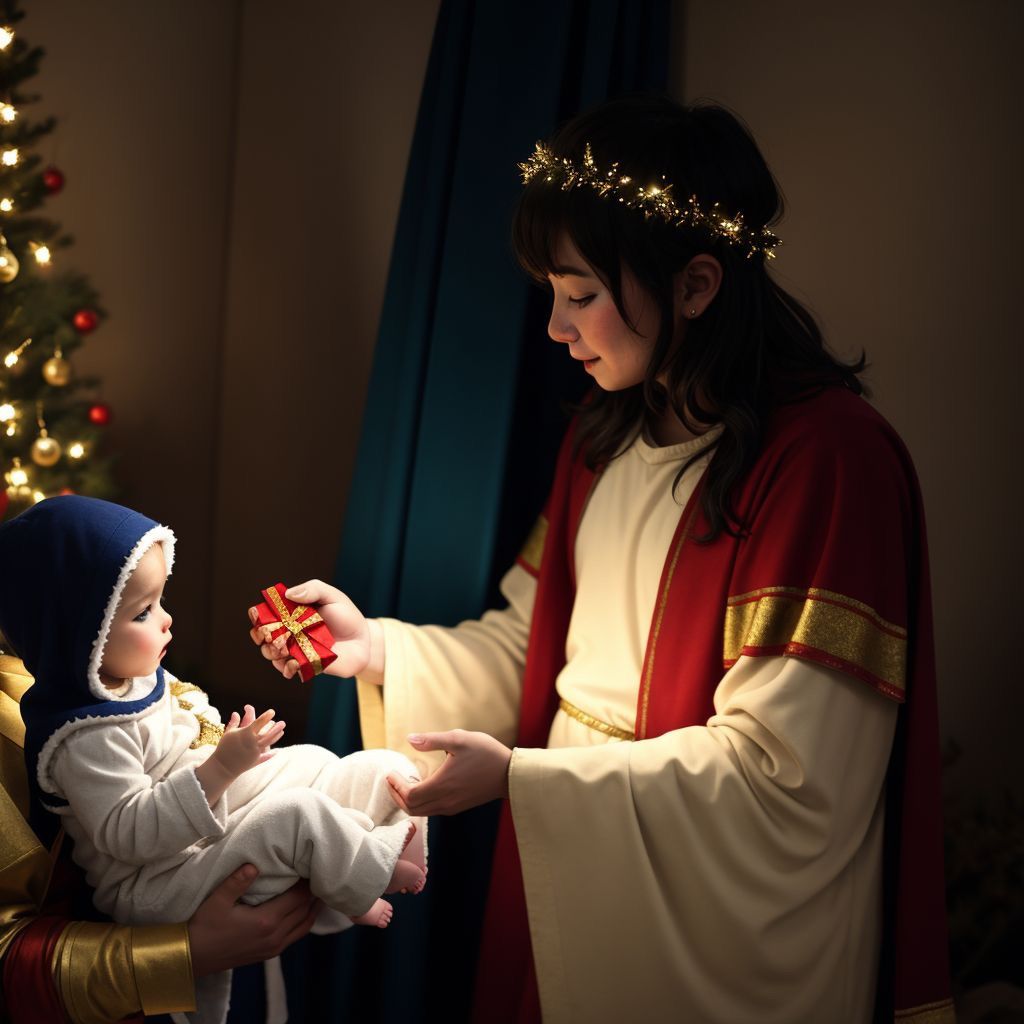
Epiphany, celebrated on January 6, holds profound meaning in the Christian calendar. It marks the moment when the divinity of Jesus Christ was revealed to the Gentiles through the visit of the Magi, or Wise Men. This revelation signifies that Christ came not only for the Jewish people but for all of humanity. The importance of Epiphany lies in its reminder that God’s love is universal and inclusive, extending far beyond any boundaries of race, culture, or background. It is a day for Christians to reflect on the broader mission of Christ, whose life and message were meant for every person, regardless of their heritage or status.

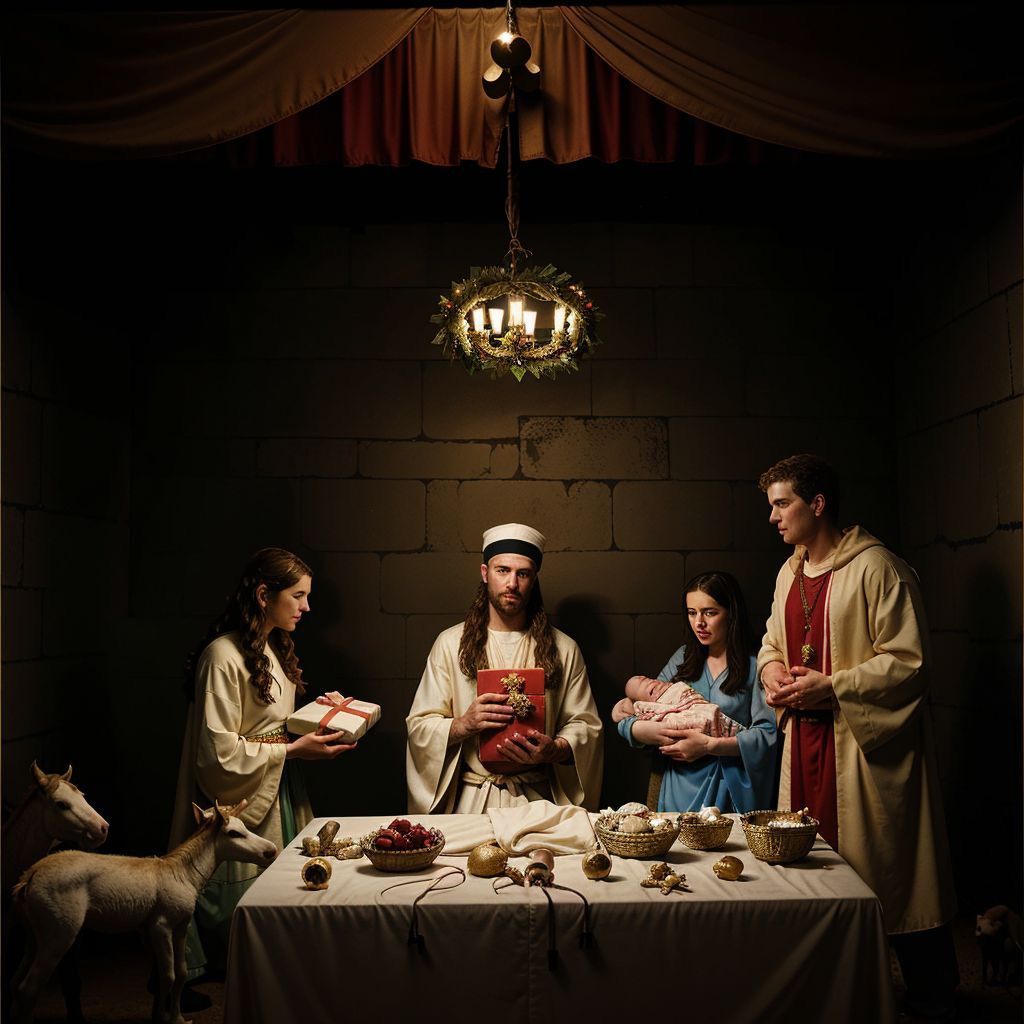
Epiphany also serves as a celebration of the light that Christ brought into the world, symbolized by the star that guided the Magi to Bethlehem. This light represents divine wisdom, hope, and guidance, shining through the darkness of sin and ignorance. In many Christian traditions, Epiphany is a time for worship and prayer, with readings from the Bible that emphasize Christ’s universal kingship and the significance of the gifts brought by the Magi: gold, frankincense, and myrrh. These gifts are symbolic of Christ’s kingship, divinity, and future sacrifice, further underscoring the importance of the revelation.

For Christians, Epiphany serves not only as a historical event but also as a spiritual invitation to embrace Christ’s teachings with an open heart. It is a day to renew one’s faith in the universality of God’s love, to reflect on the call to spread that love, and to embrace diversity in the community of believers. The importance of Epiphany in the Christian faith is a reminder that Christ’s message transcends borders and that all people, regardless of their origins, are invited into the light of his love.

Related Posts

Epiphany: A Celebration of Christ’s Revelation to the Gentiles

Dave

On January 6, Christians around the world celebrate the Epiphany, a holiday that marks the revelation of Jesus Christ to the Gentiles, symbolized by the visit of the Magi. The term “epiphany” means “manifestation” or “appearance,” and the day commemorates the moment when the wise men, guided by a star, traveled from the East to honor the newborn Christ. This moment signifies the inclusion of the Gentiles in the salvation brought by Jesus, highlighting the universal nature of Christ’s mission. The Epiphany is more than just a religious observance; it’s a reminder of the widening of God’s covenant, reaching out to all people, regardless of their heritage or background.

The celebration of Epiphany varies widely across different Christian traditions, but it is often marked by church services, processions, and the sharing of meals. In some cultures, it is considered the end of the Christmas season, a time to reflect on the journey of the Magi and the significance of their gifts: gold, frankincense, and myrrh. These gifts symbolize Christ’s kingship, divinity, and future suffering. The day also holds particular importance in liturgical calendars, with special prayers and readings that center on the manifestation of Christ as the savior of all people.

For many, the Epiphany serves as a reminder of the inclusivity of Christ’s message. It underscores the importance of spreading love, grace, and understanding beyond borders, as the arrival of the Magi represents the first recognition of Christ’s significance beyond the Jewish people. The day encourages reflection on the universal appeal of Christ’s teachings and invites believers to embrace the diversity of the world while sharing in the joy of the Savior’s revelation.

Related Posts

Pu’u o Maluka Heiau: A Sacred Sanctuary on the Hill of Escape

Dave

Nestled in the verdant landscapes of Oahu, Puu o Maluka Heiau—also known as the “Hill of Escape”—stands as a quiet yet powerful testament to Hawaii’s rich cultural and spiritual history. This ancient Hawaiian temple, or heiau, was once a place of refuge and a sacred site for religious ceremonies. As you ascend the hill, you can feel the history underfoot, with every step bringing you closer to a time when the site was a haven for those seeking protection from conflict or spiritual guidance. The view from the top offers not only breathtaking panoramas of the surrounding area but also a profound sense of peace and connection to the land. With its rugged beauty and sacred significance, Puu o Maluka Heiau offers visitors a deeper understanding of the spiritual traditions that shaped ancient Hawaii. Whether you’re here to explore its history or simply to take in the quiet beauty, the Hill of Escape feels like stepping into another world—one where time slows, and the past speaks softly through the wind.

Related Posts

Soulful Reflections: Exploring the Essence Across Cultures

Dave

The notion of the soul permeates a vast array of religious, philosophical, and cultural frameworks, each offering a distinctive interpretation regarding its essence and significance. Within Christianity, the soul is deemed an eternal entity created by God, predestined for judgment based on ethical conduct, emphasizing a linear trajectory from earthly existence to eternal afterlife. Similarly, Islam portrays the soul (ruh) as an everlasting divine breath facing divine evaluation posthumously, reinforcing a conception of continuous existence predicated upon divine scrutiny.

Hinduism introduces the concept of atman—an individual soul intrinsically linked to the vast Brahman, undergoing cycles of reincarnation until it attains moksha, or liberation from the birth and rebirth continuum. This cyclical view underscores spiritual evolution as key to transcending mortal limitations. In stark contrast, Buddhism’s doctrine of anatta (non-self) negates the idea of a permanent soul; instead, it suggests continuity through ever-changing aggregates of consciousness rather than a static soul essence.

Judaism presents a multi-faceted view of the soul through terms like nefesh, ruach, and neshamah, positioning it as God’s vital force within humans, integral to one’s identity and moral compass. This divine essence is believed to return to God post-judgment, reinforcing themes of accountability and divine stewardship. From a philosophical perspective, dualists such as Plato and Descartes advocate for a non-material soul governing consciousness and interacting with the physical body. This stands in contrast to materialist viewpoints which argue that perceptions of the soul are merely outcomes of neurological processes within the brain, dismissing any need for a separate existential entity.

Existentialists like Sartre deviate further by concentrating on authenticity and individual choice over any notion of a predetermined soul or essence. In cultural dimensions, animism infuses spiritual agency into all living and non-living entities, envisioning interconnected forces within nature. New Age philosophies merge eclectic ideas of reincarnation or astral excursions toward higher enlightenment, further illustrating diverse cosmological outlooks.

A common thread through these myriad beliefs includes the perception of the soul’s immortality beyond corporeal death, its role as the cornerstone of identity, and how moral or spiritual maturity dictates its ultimate destiny. These interpretations elucidate the profound complexity and multifaceted nature of the concept of the soul, as it continues to profoundly shape human existential thought and self-perception across cultures and epochs.

Related Posts

Unveiling the Truth Behind Voodoo: A Cultural Perspective

Dave

Voodoo’s enigmatic allure has always mesmerized Western minds. Usually, in popular culture, it would be expressed as a dark and mysterious practice surrounded by witchcraft and curses. What we see in media explications is pretty much misleading. Indeed, what hides under, is a deep treasure about spiritual traditions. Emerging from Africa and transformed by the harsh conditions of slavery and colonialism in Haiti and other areas of the Americas, voodoo has played a crucial role in the cultural expression and resistance of many communities. This essay will make the case that the story of voodoo is not simply a matter of exotic enchantment but a multifaceted, profoundly misunderstood form of cultural expression that Western societies have cruelly maligned. This essential analysis strives not only to reveal the true nature of voodoo by removing years of misunderstanding, but also to emphasize its vital function as a reservoir of strength and perseverance for those who practice it.

Expanding on this line of thought, it is vital to acknowledge that the slandering of voodoo is not due to its fundamental characteristics, but it is due to a serious distortion of facts and ignorance in Western societies. In his work, Anderson argues that newer views of voodoo are not seeing the whole picture of the ritual. In supplement, Anderson states that this view of voodoo is more of a media myth of voodoo than the basic reality based on the years of tradition. The distorted outlook has allowed for a story that ties together voodoo first and foremost to hazardous wizardry and uncanny jinxes, leaving no thought to its genuine nature as an intricate faith teeming with ceremonies, icons, and a sense of fellowship and holiness that is deeply embedded. Through involving modern theories about voodoo and hoodoo in his examinations, Anderson highlights the significance of fitting these habits into their appropriate social and historical structures. This method not only started to make voodoo clear to everyone, but also stated its position first as a way of combating oppression, and thus began to question colonialist ideas which were causing bias. Later in this research, we understood that to really appreciate the complexity and width of the history of voodoo we need to look beyond maids and bottle washers painted by some series.

Expanding upon Anderson’s criticism of the Western societies’ overly simplified and sensationalist perspectives, SL Kwosek’s 2019 research study reinforces the idea that voodoo has become a general religion among people in areas, especially New Orleans. It has become deeply embedded in the traditions and practices of various cultural and sociopolitical communities, going beyond the misconceptions that have generally negatively described it.” As described by Kwosek, voodoo in New Orleans not only gained significance and infamy but also joined forces as a booming practice that gathered public endorsement and approval (Kwosek, 2019). This change was in part a result of captivating voodoo community leaders who exerted themselves to redefine it from an enigmatic collection of rituals to a systematized assemblage of faith with public gatherings and leader lead prearranged religious services. In reference to the passage you provided, I would rephrase it as follows: The transition illustrated in the content signals a type of cultural fortitude and acclimation, decidedly subjective to the usual descriptions that voodoo has acquired. These persistent stereotypes include it as no more than ancient or simply frightful. According to Kwosek’s exploratory examination, voodoo suffers down to a future of ultimacy, which corrects that very prolonged supposition. Their activity over the years, as Voodoo Cocoa signifies, contributes to falsify or render inoperative the Western conclusion of their religion.

Examining voodoo from its distorted portrayal in Western society to its accurate representation as a complicated, influential religious practice highlights a wider story of the ability of a culture to recover from and deal with difficulty. Voodoo is often stereotyped as a dangerous and evil practice in the media. However, voodoo is deeply embedded in the cultural heritage of societies that have often been oppressed and provides a sense of community strength and personal empowerment to those who practice it. Anderson and Kwosek’s observations point out how placing voodoo within its historical and cultural confines not only debunks falsehoods but also emphasizes how voodoo worked as a means of bucking the system and enduring cruelty. Acknowledge these aspects will lead to a more profound involvement with and reverence for religious rituals that are frequently ignored or misinterpreted. As society progresses, it is essential to push for more investigation that uncovers the intricate depths of voodoo. This research should aim to prompt discussions that cultivate comprehension and break down the deep-rooted prejudices we hold, helping us move closer to appreciating the various spiritual frameworks that mold our worldwide background.

Related Posts

Whakarewarewa: Embracing Maori Tradition in a Geothermal Wonderland

Dave

Whakarewarewa, a Maori village located near Rotorua in New Zealand, is a unique and culturally significant place that offers visitors a deep insight into Maori traditions, lifestyle, and geothermal practices. This village, also known as Whakarewarewa Thermal Village, is home to the Tūhourangi Ngāti Wāhiao people who have lived here for centuries, harnessing the natural geothermal resources for cooking, bathing, and warmth.

Whakarewarewa has a rich history that dates back over 700 years. The village sits on a geothermal hotspot, which has shaped the daily life and culture of its inhabitants. The Tūhourangi Ngāti Wāhiao people have a strong connection to the land and geothermal springs, viewing them as both a source of sustenance and spiritual significance.

One of the most fascinating aspects of Whakarewarewa is its geothermal landscape. The village is dotted with bubbling mud pools, steaming vents, and natural hot springs. The Maori people have ingeniously used these geothermal features for cooking and bathing. Traditional hangi meals, where food is cooked in earth ovens using natural steam and heat from the earth, are a highlight of the cultural experience in Whakarewarewa.

Visitors to Whakarewarewa have the opportunity to engage in cultural performances and demonstrations that showcase Maori traditions and arts. The residents of the village perform traditional songs, dances (including the world-famous haka), and share stories about their history and way of life. There are also demonstrations of weaving, carving, and other crafts that have been passed down through generations.

Whakarewarewa serves as a living testament to the resilience and adaptability of the Maori people. Despite the challenges posed by living in a geothermally active area, the community has maintained its cultural practices and traditions. The village also plays a crucial role in preserving and transmitting Maori knowledge and customs to younger generations.

For visitors, Whakarewarewa offers a unique educational and immersive experience. Guided tours provide insights into Maori culture, the significance of geothermal features, and the daily life of the village residents. Visitors can participate in cultural workshops, taste traditional Maori cuisine cooked in the earth ovens, and interact with the welcoming community members.

Whakarewarewa is not just a tourist attraction; it is a living, breathing testament to the enduring spirit of the Maori people and their harmonious relationship with nature. The village offers a profound opportunity to learn, appreciate, and connect with Maori culture, heritage, and traditions in a setting shaped by the earth’s natural forces. A visit to Whakarewarewa is a journey into the heart of Maori identity and a celebration of their vibrant living culture.

Related Posts

Dawn’s Embrace: Exploring Wat Arun – Bangkok’s Iconic Temple of Beauty and History

Dave

Experience the breathtaking beauty and rich history of Wat Arun Ratchawararam Ratchawaramahawihan, also known as the Temple of Dawn, located in the bustling city of Bangkok, Thailand. This iconic Buddhist temple is a must-visit for tourists and locals alike, with its stunning architecture and spiritual significance. Its name, meaning “Temple of Dawn,” pays homage to the Hindu god of dawn, Aruna. The centerpiece of the temple is its towering prang, adorned with intricate designs and colorful porcelain pieces, surrounded by four smaller prangs representing the cardinal directions. A fusion of Khmer and Thai styles, this architectural wonder reflects the country’s diverse cultural influences. Commissioned in the 17th century by King Taksin as a royal chapel, Wat Arun has undergone numerous renovations and additions over the centuries, solidifying its grand and majestic status. Visitors can climb the steep steps of the central prang for a breathtaking view of the Chao Phraya River and city skyline, particularly stunning during sunrise and sunset, making it a hotspot for photographers and Instagrammers. Beyond its physical beauty, Wat Arun holds deep spiritual significance for Buddhists, housing the revered Emerald Buddha statue and various shrines and halls representing different aspects of Buddhist teachings. More than just a temple, Wat Arun is a symbol of Thai culture, history, and spirituality, inviting all to immerse themselves in the country’s rich heritage.

Related Posts

Unraveling the Enigma of Warlocks: Tracing the Mystique of Male Practitioners of Dark Magic

Dave

Warlocks, shrouded in mystery and often feared for their mastery of the occult, have long captured the fascination of people across cultures and throughout time. In this article, we embark on a journey to unravel the complexities of the warlock, delving into their origins, depictions in myth and folklore, historical contexts, and modern interpretations. Through a multidisciplinary approach, we aim to shed light on the enduring allure of warlocks, exploring the blurred boundaries between myth and reality and the cultural significance of these enigmatic figures.

The term “warlock” is rooted in Old English and Old Norse words meaning “oathbreaker” or “deceiver.” In medieval Europe, warlocks were often portrayed as male witches who had broken their vows to serve a higher power. However, the concept of male practitioners of magic can be traced back to ancient legends and mythologies from various cultures.

Throughout history, warlocks have appeared in mythologies and folklores as powerful sorcerers, dark magicians, or agents of supernatural forces. In Norse mythology, figures like Loki and Grendel exhibit traits associated with warlocks, wielding magic for both good and evil purposes. Similarly, Celtic and Arthurian tales feature characters like Merlin, who blur the lines between wizardry and warlockry.

During the Middle Ages, the fear of witchcraft and sorcery led to the widespread persecution of individuals, primarily women, accused of practicing magic. While male witches were less commonly targeted, the concept of the warlock as a male wielder of dark magic persisted in the collective imagination. Historical accounts of alleged warlocks often reflect societal fears and anxieties surrounding power, gender roles, and religious beliefs.

In modern times, warlocks continue to inspire and captivate through literature, film, television, and gaming. From iconic literary figures like Faust to pop culture icons such as Harry Potter’s Severus Snape, modern depictions of warlocks reflect changing attitudes towards magic, morality, and the supernatural.

Despite their prevalence in myth and fiction, the existence of warlocks as practitioners of dark magic remains a topic of debate and skepticism. While some individuals may identify as warlocks within modern pagan or occult circles, the extent of their supernatural abilities and practices is subjective and often speculative.

In conclusion, warlocks represent a mesmerizing blend of myth, history, and imagination. Whether seen as mythical archetypes, relics of the past, or symbols of the present, the concept of the warlock continues to intrigue and captivate audiences worldwide. By exploring the rich tapestry of legends, beliefs, and representations surrounding warlocks, we gain insight into the human psyche and the enduring allure of the enigmatic and magical.

Related Posts

Changing Cultural Attitudes: Implications for Religious Institutions

Dave

Shifting cultural attitudes towards religion and spirituality, marked by increasing secularization and skepticism towards organized religion, have significantly impacted engagement with religious institutions and trust in their teachings and authority. This article explores the dynamics of changing cultural attitudes and their implications for religious institutions. By examining the factors driving secularization and skepticism, as well as potential responses from religious organizations, this paper aims to shed light on the challenges facing religious institutions in an evolving cultural landscape.

Religious institutions have long played a central role in shaping individual beliefs, moral values, and social norms. However, in recent years, changing cultural attitudes towards religion and spirituality have challenged the traditional authority and influence of organized religion. This paper examines the implications of shifting cultural attitudes for religious institutions, including decreased engagement and trust in their teachings.

One of the key trends shaping cultural attitudes towards religion is secularization, characterized by the declining influence of religious beliefs and practices in public and private life. As societies become increasingly modernized and diversified, traditional religious beliefs and institutions face competition from secular worldviews and alternative sources of meaning and identity. This trend is further compounded by skepticism towards organized religion, fueled by concerns about dogma, hypocrisy, and institutional abuse.

As secularization and skepticism towards organized religion grow, there has been a corresponding decline in engagement with religious institutions. Attendance at religious services, affiliation with organized religious denominations, and participation in religious rituals and practices have all seen notable decreases in recent years. This trend is particularly pronounced among younger generations, who are more likely to identify as religiously unaffiliated or “nones.”

Alongside decreased engagement, there has been a parallel decline in trust in the teachings and authority of religious institutions. Scandals, controversies, and perceived inconsistencies between religious teachings and lived experiences have eroded confidence in organized religion as a source of moral guidance and spiritual authority. As a result, individuals are increasingly turning to alternative sources of meaning, such as personal spirituality, mindfulness practices, and secular ethics.

In response to these challenges, some religious institutions are adapting their approaches to better resonate with contemporary cultural attitudes. This may involve emphasizing social justice and community service, fostering interfaith dialogue and cooperation, and embracing new forms of worship and outreach. Additionally, efforts to address internal issues such as transparency, accountability, and inclusivity can help rebuild trust and credibility.

Changing cultural attitudes towards religion and spirituality, characterized by increasing secularization and skepticism towards organized religion, present significant challenges for religious institutions. Decreased engagement and trust in religious teachings and authority underscore the need for adaptation and innovation within these institutions. By understanding the dynamics of shifting cultural attitudes and responding proactively, religious organizations can navigate the complexities of an evolving cultural landscape while continuing to fulfill their mission of serving believers and communities.

Related Posts