Latest Articles

The End of an Era: Pope John Paul II’s Lasting Legacy

Elias Rowen

Pope John Paul II passed away on April 2, 2005, marking the end of one of the most influential papacies in history. His time as the leader of the Catholic Church spanned over 26 years, during which he shaped global politics, inspired millions, and redefined the role of the papacy in the modern world. Born Karol Józef Wojtyła in Poland, he became the first non-Italian pope in over 450 years, bringing a fresh perspective to the Vatican. His charisma, deep spirituality, and commitment to human rights made him a beloved figure across religious and cultural boundaries.

Throughout his papacy, John Paul II played a pivotal role in the fall of communism, particularly in Eastern Europe. His visits to his homeland of Poland in the late 1970s and early 1980s encouraged the rise of the Solidarity movement, which ultimately contributed to the collapse of Soviet influence in the region. He was a vocal advocate for peace, often intervening in global conflicts and calling for dialogue instead of violence. His teachings emphasized the dignity of every human being, reinforcing the Catholic Church’s stance on social justice, economic disparity, and the sanctity of life.

Pope John Paul II also revolutionized the Church’s relationship with other faiths. He was the first pope to visit a synagogue and a mosque, showing his commitment to interfaith dialogue and reconciliation. His efforts to mend relations with the Jewish and Muslim communities demonstrated his vision for a more united and understanding world. Additionally, he reached out to youth like no pope before him, establishing World Youth Day as a global event that continues to bring millions of young Catholics together. His deep connection with people, especially the younger generation, solidified his legacy as a pope of the people.

As his health declined in his final years, the world watched in admiration at his unwavering faith and resilience. Even in suffering, he remained a symbol of hope and devotion. When he passed away, millions gathered at St. Peter’s Square and around the world to mourn his loss. His impact was undeniable, and his canonization in 2014 as Saint John Paul II only affirmed his extraordinary influence on the Church and humanity. Though his papacy has ended, his legacy lives on in the faith he strengthened and the lives he touched.

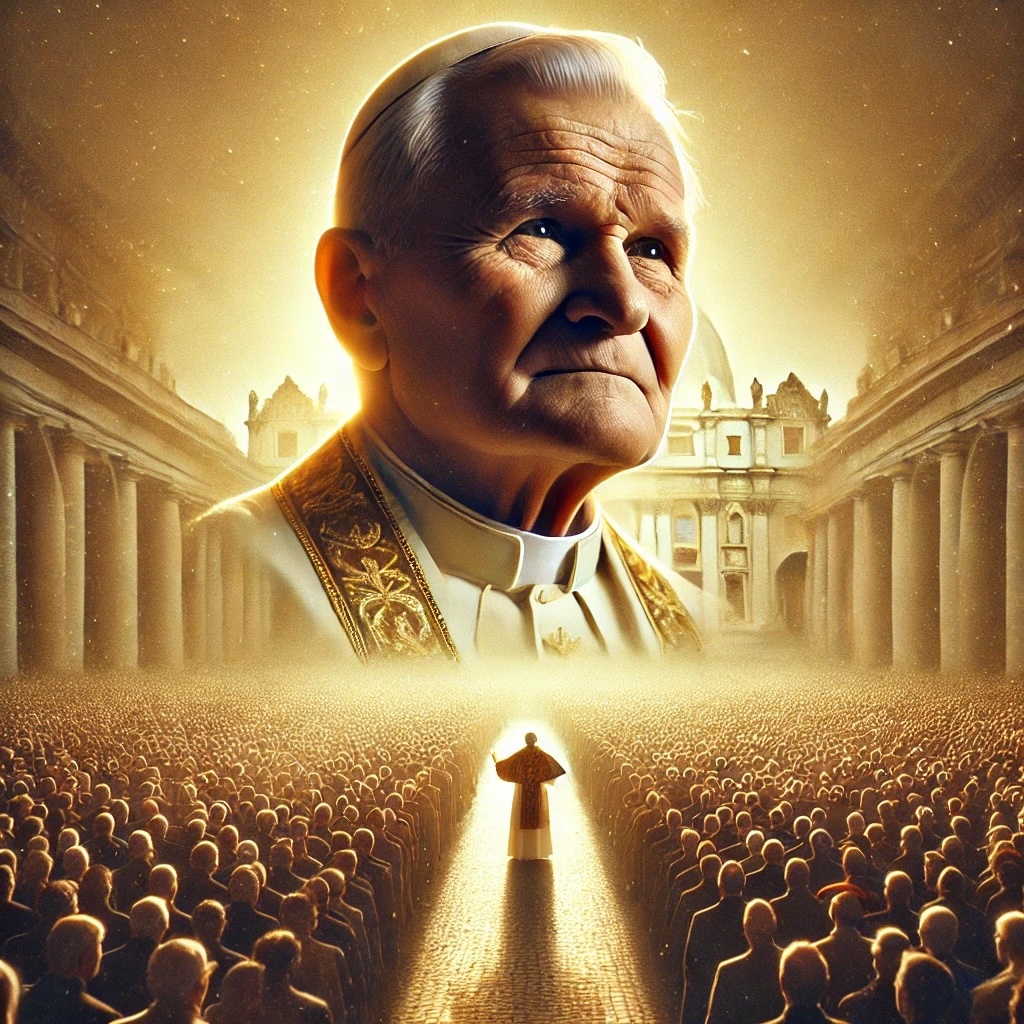
Image Description: A moving depiction of Pope John Paul II standing in St. Peter’s Square, bathed in golden light, as a massive crowd gathers in silent tribute. His gentle yet determined expression reflects his deep faith and unwavering leadership. The image captures the solemn yet hopeful transition as the world bids farewell to one of history’s most beloved religious figures.
Related Posts

From Garage to Global Giant: The Birth of Apple Inc.

Elias Rowen

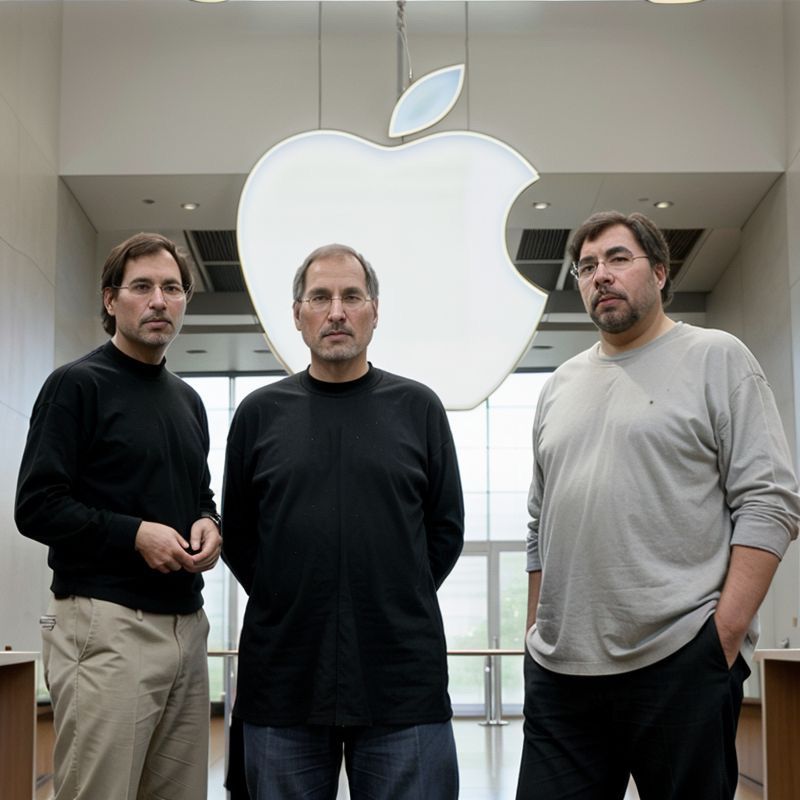
On April 1, 1976, three visionaries—Steve Jobs, Steve Wozniak, and Ronald Wayne—came together to change the world of technology forever. In a small garage in Cupertino, California, they founded Apple Inc., a company that would go on to revolutionize personal computing, mobile technology, and digital innovation. At the time, computers were massive, expensive machines used mainly by businesses and universities. But Jobs and Wozniak had a different vision—they wanted to create affordable, user-friendly computers that anyone could own.

Their first product, the Apple I, was a simple yet powerful personal computer that Wozniak built by hand. Jobs, the marketing genius of the trio, convinced local retailers to buy it, while Wayne, the lesser-known co-founder, provided business expertise—though he sold his stake in Apple just days later for only $800, a decision that would later cost him billions. Soon after, Apple released the Apple II, which became a massive success, bringing personal computers into homes and classrooms. The company was on the rise, and by 1980, Apple went public, making Jobs and Wozniak millionaires.

Apple’s journey wasn’t always smooth. The 1980s saw fierce competition, and in 1985, Steve Jobs was forced out of his own company. However, Apple struggled without him, and in 1997, he returned, leading one of the greatest corporate comebacks in history. With innovative products like the iMac, iPod, iPhone, and iPad, Apple transformed the way people interact with technology. The introduction of the App Store and iOS ecosystem cemented Apple’s dominance, making it one of the most valuable companies in the world.

Today, Apple is more than just a tech company—it’s a global symbol of innovation, design, and cutting-edge technology. From that humble garage in 1976 to the sleek Apple headquarters in Silicon Valley, the company’s story is a testament to creativity, persistence, and visionary thinking. While Jobs and Wozniak will always be remembered as the driving forces behind Apple’s success, it all began with three men and a dream to change the world—one computer at a time.

Image Prompt: A young Steve Jobs and Steve Wozniak working in a cluttered garage, assembling the first Apple computer. In the background, a makeshift workbench with electronic components and a partially built Apple I. The lighting is warm, symbolizing the birth of something revolutionary.

Related Posts

The Eiffel Tower: From Controversy to Icon

Elias Rowen

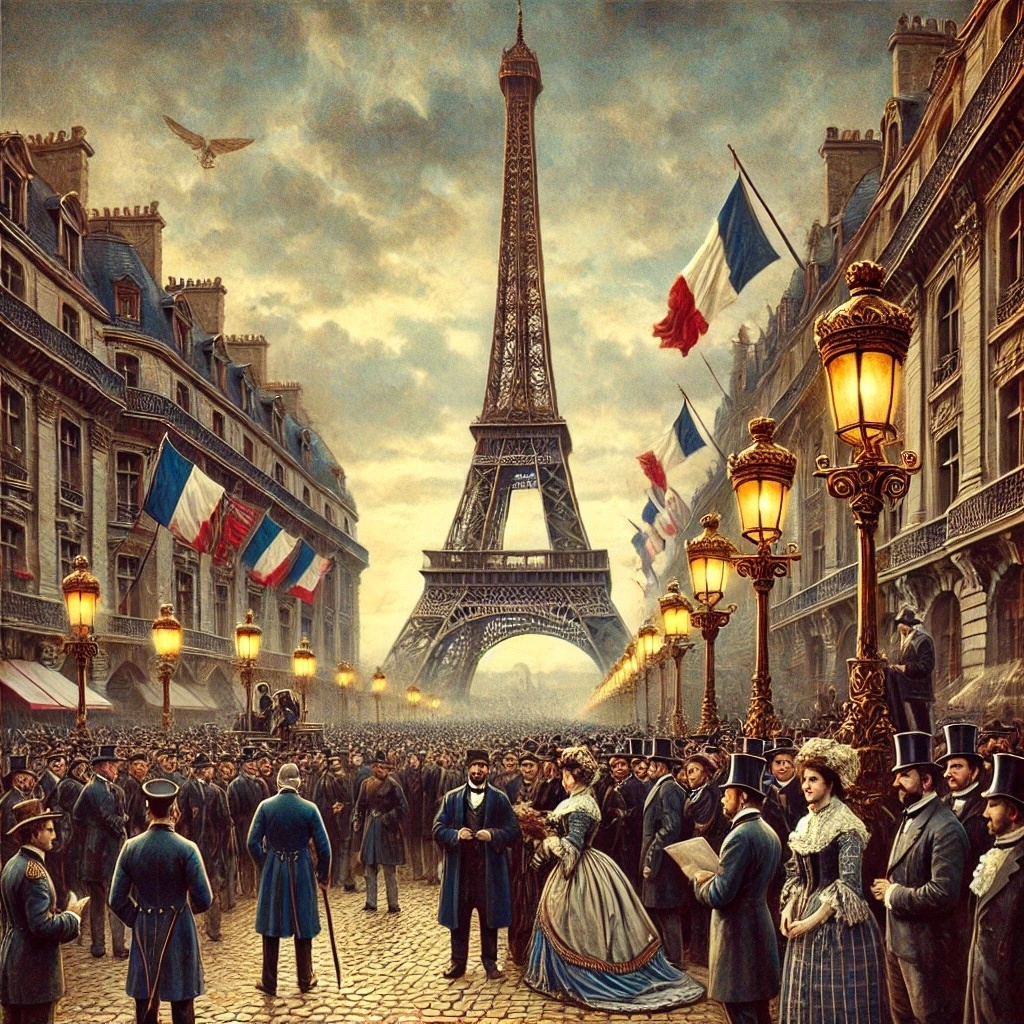
On March 31, 1889, the Eiffel Tower was officially completed and unveiled to the world as the centerpiece of the Exposition Universelle, a world’s fair celebrating the 100th anniversary of the French Revolution. Designed by engineer Gustave Eiffel, the 1,083-foot iron tower was a marvel of modern engineering. However, not everyone was thrilled about its construction. Many Parisians, including prominent artists and intellectuals, saw it as an eyesore and an insult to the city’s architectural beauty. Critics called it “useless” and “monstrous,” but time would prove them wrong.

The Eiffel Tower was an engineering feat unlike anything seen before. Built using 18,038 iron parts and over 2.5 million rivets, it pushed the boundaries of 19th-century construction techniques. At the time, it was the tallest structure in the world, standing as a symbol of France’s industrial progress. Despite the skepticism surrounding it, Eiffel was confident in his design. He even climbed the tower himself on the day of its completion to plant the French flag at its peak.

Originally, the Eiffel Tower was meant to be dismantled after 20 years. However, its usefulness as a radio transmission tower helped secure its place in Paris permanently. Over time, the very structure that was once despised became the beloved heart of the city. Today, it is one of the most recognized landmarks in the world, attracting millions of visitors every year and serving as a global symbol of romance, innovation, and French culture.

More than 130 years after its completion, the Eiffel Tower remains a testament to human ingenuity and artistic vision. It has witnessed history, hosted countless celebrations, and inspired architects and dreamers worldwide. From its twinkling lights at night to the breathtaking views from its summit, the Eiffel Tower continues to captivate hearts and minds. What was once a subject of controversy is now an enduring emblem of Paris itself—a city of elegance, passion, and progress.

Related Posts

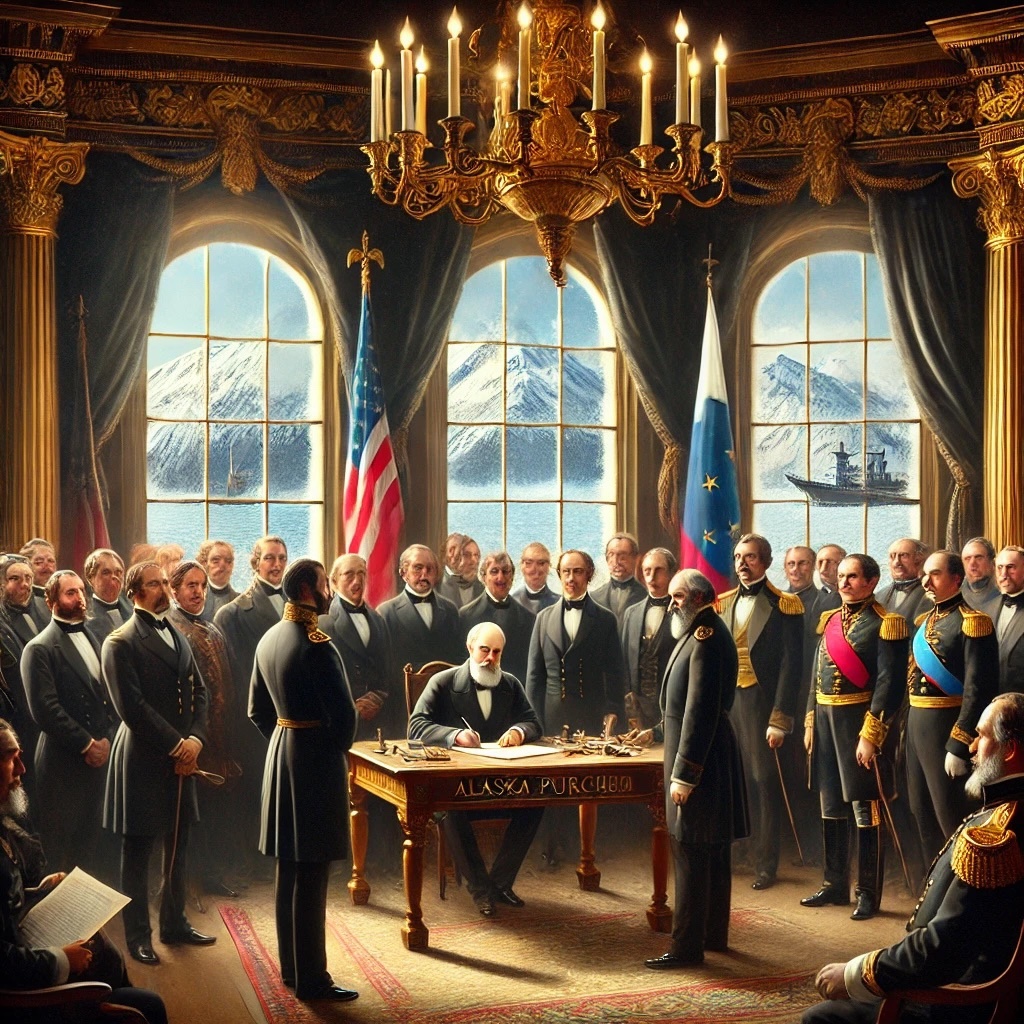
The Alaska Deal: America’s Best Bargain

Elias Rowen

On March 30, 1867, the United States made one of the most surprising and strategic purchases in history—Alaska. The agreement, negotiated by Secretary of State William H. Seward and approved by the U.S. Senate, secured the massive northern territory from Russia for just $7.2 million. At the time, many Americans ridiculed the deal, calling it “Seward’s Folly” or “Seward’s Icebox,” believing the icy wilderness was a waste of money. However, time would prove that this purchase was one of the most valuable land acquisitions the United States ever made.

Russia had controlled Alaska since the mid-18th century, using it primarily for fur trade and fishing. However, by the 1860s, Russia saw Alaska as a financial and strategic burden. The region was difficult to defend, and Russia feared that if war broke out with Britain, Alaska could easily be seized. Facing financial difficulties, the Russian government decided to sell the territory rather than risk losing it for nothing. The U.S., eager to expand its influence and territory, seized the opportunity.

At first, Alaska’s value was unclear. The vast land seemed remote and barren, offering little immediate benefit. However, as time passed, the region’s true wealth became evident. Alaska is rich in natural resources, including gold, oil, timber, and fisheries. The Klondike Gold Rush of the late 19th century brought thousands of prospectors to the area, proving its economic potential. Later, massive oil reserves were discovered, making Alaska a critical energy resource for the U.S. Additionally, its strategic location played an essential role in World War II and the Cold War, solidifying America’s military presence in the Pacific.

For decades after the purchase, Alaska remained a remote and sparsely populated U.S. territory. It wasn’t until 1959 that it officially became the 49th state. Today, Alaska is known for its stunning natural beauty, vibrant indigenous cultures, and thriving industries like fishing, tourism, and oil production. What was once seen as a frozen wasteland is now recognized as a land of immense opportunity.

Looking back, the purchase of Alaska was nothing short of a historic bargain. For just two cents an acre, the U.S. gained an area twice the size of Texas, full of untapped potential. What many once mocked as an unnecessary acquisition turned out to be one of the smartest real estate deals in history. Seward’s vision transformed America’s future, proving that sometimes, the best investments are the ones people doubt the most.

Related Posts

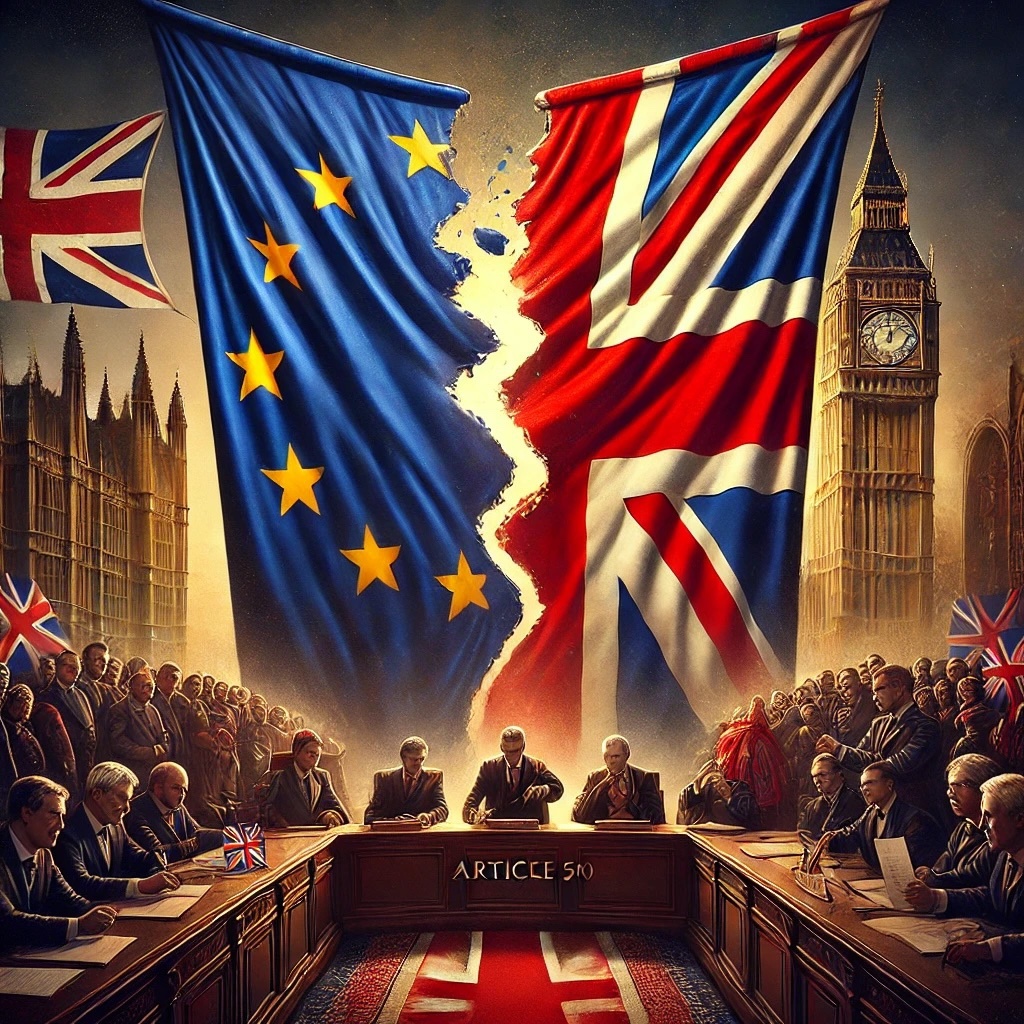
Brexit Begins: The Day the U.K. Chose a New Path

Elias Rowen

On March 29, 2017, the United Kingdom made history by formally triggering Article 50 of the Treaty on European Union, setting the stage for its departure from the EU. This moment marked the beginning of a long and complex process known as Brexit, a decision that divided the nation and sent shockwaves across Europe. With a letter hand-delivered to EU officials in Brussels, Prime Minister Theresa May officially set the wheels in motion for Britain’s exit, fulfilling the outcome of the 2016 referendum. For some, it was a triumphant step toward reclaiming sovereignty; for others, it was the start of economic uncertainty and political turmoil.

The move was the result of deep-seated debates over trade, immigration, and national identity. Supporters of Brexit saw it as an opportunity to take back control of laws, borders, and economic policies, freeing the U.K. from what they saw as excessive EU bureaucracy. Opponents, however, feared the consequences—disruptions to businesses, a weakened pound, and the loss of seamless access to European markets. The immediate aftermath of invoking Article 50 saw financial markets react with volatility, businesses scrambling to prepare for new regulations, and British citizens living in the EU facing an uncertain future.

As negotiations between London and Brussels unfolded, it became clear that Brexit would not be simple. The U.K. had two years to finalize a withdrawal agreement, but disputes over trade, the Irish border, and citizens’ rights prolonged the process far beyond the initial deadline. The country experienced leadership changes, intense parliamentary battles, and even mass protests calling for a second referendum. What was meant to be a swift and decisive exit became a drawn-out saga, revealing deep political and social divisions within Britain.

Now, years after the triggering of Article 50, the effects of Brexit continue to shape the U.K.’s economy, global standing, and domestic policies. While some celebrate the newfound independence, others struggle with the realities of trade barriers, labor shortages, and diplomatic challenges. March 29, 2017, will always be remembered as the day Britain charted a new course—one filled with both opportunities and obstacles, uncertainty and promise.

Related Posts