Latest Articles

America Joins the Fight: The U.S. Enters World War I

Elias Rowen

On April 6, 1917, the United States officially declared war on Germany, marking a turning point in World War I and in global history. For years, the U.S. had remained neutral, watching from afar as Europe was engulfed in one of the deadliest conflicts the world had ever seen. However, mounting tensions, unrestricted submarine warfare, and the infamous Zimmermann Telegram pushed America to take a stand. The decision to enter the war would not only shape the outcome of the conflict but also redefine the United States’ role on the world stage.

Before joining the war, the U.S. had largely embraced isolationism, hesitant to become entangled in European affairs. Yet, as the war dragged on, German U-boats continuously targeted American ships, violating neutral rights and threatening U.S. interests. The sinking of the Lusitania in 1915, which resulted in the deaths of 128 Americans, had already stirred outrage. However, it was Germany’s resumption of unrestricted submarine warfare in early 1917 that became the breaking point, cutting off vital trade and endangering lives at sea.

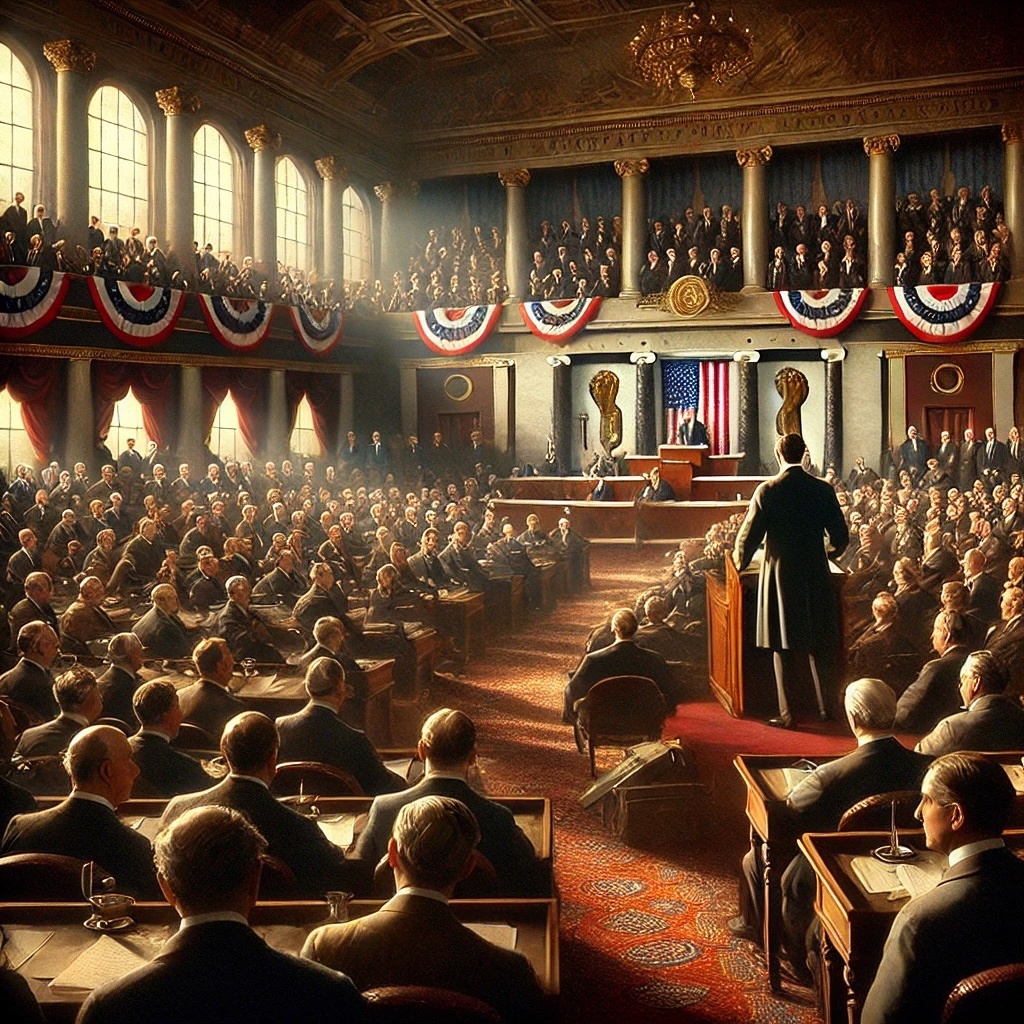
Adding to the urgency was the interception of the Zimmermann Telegram—a secret message from Germany to Mexico, proposing an alliance against the United States. The telegram, which promised Mexico the return of Texas, Arizona, and New Mexico if they joined the war, was a direct threat to American sovereignty. When it became public, it fueled patriotic fervor and calls for action. President Woodrow Wilson, who had campaigned on keeping the U.S. out of the war, now saw no choice but to intervene. Framing the war as a fight to make the world “safe for democracy,” Wilson urged Congress to act, and on April 6, 1917, the U.S. officially declared war.

The entry of American troops, supplies, and resources helped tip the balance in favor of the Allies. The U.S. military, though initially unprepared for large-scale combat, quickly mobilized, sending over two million soldiers to fight in Europe. Their arrival bolstered the war-weary Allies, bringing fresh energy and resources to the front lines. By November 1918, the war came to an end, and America had emerged as a global power. The decision to join World War I not only changed the course of the conflict but also marked the beginning of the U.S.’s involvement in international affairs on an unprecedented scale.

Related Posts

Kurt Cobain: The Tragic End of a Rock Icon

Elias Rowen

Kurt Cobain, the enigmatic frontman of Nirvana, was more than just a musician—he was the voice of a generation. His raw lyrics, haunting melodies, and rebellious spirit captured the angst and disillusionment of the early ’90s. However, behind the fame and acclaim, Cobain battled inner demons that ultimately led to his untimely death. On April 5, 1994, the world lost a legend when he was found dead in his Seattle home, marking a tragic end to an artist who changed rock music forever.

Cobain’s rise to fame was meteoric. Nirvana’s breakthrough album, Nevermind, redefined rock with its grunge-infused sound and anthemic hit “Smells Like Teen Spirit.” The band’s music resonated with millions, offering an outlet for those who felt unheard. However, fame came at a price. Cobain struggled with addiction, depression, and the pressures of stardom, which only intensified as Nirvana’s popularity soared. He often expressed disdain for the mainstream attention and felt alienated despite being hailed as a generational icon.

In the months leading up to his death, Cobain’s struggles became increasingly apparent. He reportedly attempted rehab but left early, and those close to him noticed his downward spiral. His suicide note revealed his deep emotional turmoil and exhaustion from the pressures of life and fame. When his body was discovered with a self-inflicted gunshot wound, the news sent shockwaves through the music world, leaving fans in mourning and sparking endless debates and conspiracy theories about the circumstances of his death.

Kurt Cobain’s influence extends far beyond his short time in the spotlight. His music continues to inspire countless artists, and Nirvana remains one of the most revered bands in rock history. Even decades later, his legacy endures, reminding the world of the delicate balance between artistic brilliance and personal suffering. His tragic end is a stark reminder of the struggles many artists face behind closed doors, emphasizing the importance of mental health awareness. Though he is gone, his music and message live on, cementing his place as an eternal icon of rock and rebellion.

Related Posts

Sir Francis Drake: The Cunning Captain Who Defied an Empire

Dave

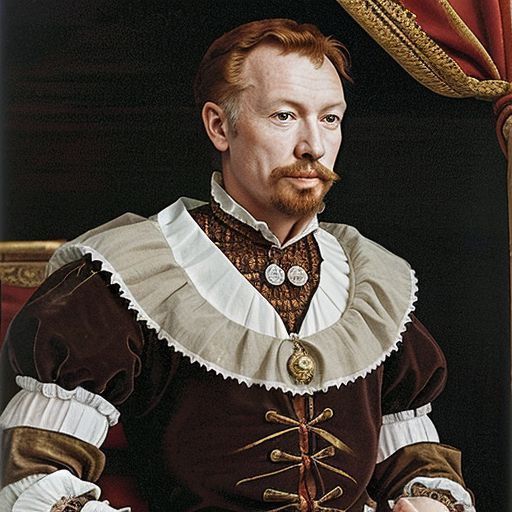
Sir Francis Drake was more than just an explorer—he was a daring sea captain, a skilled tactician, and, depending on whom you asked, a pirate or a hero. Born in the mid-16th century, Drake became one of the most feared figures on the high seas. He was known for his relentless raids on Spanish ships and settlements, often striking swiftly and disappearing before his enemies could retaliate. His actions not only brought immense wealth to England but also heightened tensions between the Spanish and the English, setting the stage for one of the most famous naval confrontations in history.

Drake’s raids on Spanish territories along the coasts of the Americas made him a thorn in the side of Spain. He plundered gold, silver, and other riches, fueling England’s economy and expanding its naval dominance. His legendary circumnavigation of the globe between 1577 and 1580 cemented his reputation as a brilliant navigator and adventurer. Queen Elizabeth I recognized his contributions by knighting him in 1581, further solidifying his status as a national hero. However, to the Spanish, he was nothing more than a ruthless pirate, a menace who looted their wealth and disrupted their colonial ambitions.

The pinnacle of Drake’s career came in 1588 when he played a crucial role in England’s defense against the Spanish Armada. Outnumbered and facing what was considered the most powerful navy in the world, Drake used his wit and cunning to outmaneuver the Spanish fleet. His innovative tactics, including the use of fire ships to break the tightly packed Armada, led to a decisive victory for England. This battle marked the beginning of Spain’s decline as a dominant naval power and showcased England’s growing influence on the global stage.

Sir Francis Drake remains one of history’s most controversial figures. To the English, he was a fearless hero who defended his nation and helped lay the foundation for British naval supremacy. To the Spanish, he was a pirate whose raids brought chaos and destruction. Regardless of perspective, there is no denying that Drake’s legacy shaped the course of history, proving that boldness and strategy could topple even the mightiest empires.

Related Posts

A Dream Silenced: The Assassination of Dr. Martin Luther King Jr.

Elias Rowen

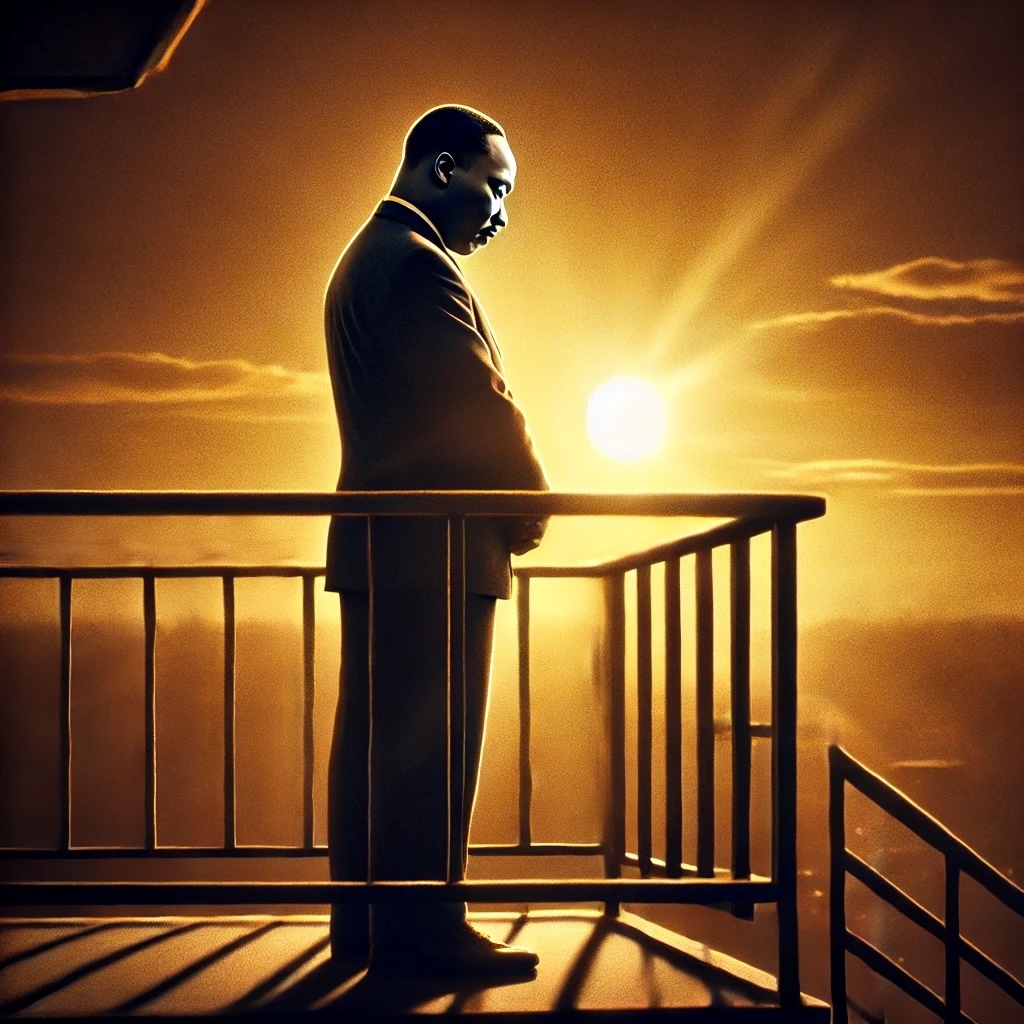
On April 4, 1968, the world lost one of its greatest voices for justice and equality. Dr. Martin Luther King Jr., a leader of the American civil rights movement, was assassinated in Memphis, Tennessee, as he stood on the balcony of the Lorraine Motel. His death sent shockwaves across the nation, sparking grief, outrage, and a renewed commitment to the cause he had fought for. Though his life was cut short, his legacy as a champion of nonviolence, racial equality, and human rights continues to inspire generations.

Dr. King had traveled to Memphis to support sanitation workers on strike for fair wages and better working conditions. He was no stranger to threats and violence—his fight for civil rights had made him both a symbol of hope and a target of hatred. Just the night before his assassination, he gave his now-famous “I’ve Been to the Mountaintop” speech, in which he seemed to foreshadow his own fate. “I may not get there with you,” he declared, “but I want you to know tonight, that we as a people will get to the Promised Land.” His words now stand as a haunting yet powerful reminder of his unwavering faith in the movement.

The news of Dr. King’s assassination ignited riots in over 100 American cities as communities mourned his loss and expressed their frustration with racial injustice. While his death was a devastating blow, it also strengthened the resolve of those fighting for civil rights. Just days later, Congress passed the Civil Rights Act of 1968, which expanded protections against discrimination. His dream did not die with him; rather, it became a lasting mission carried forward by those he had inspired.

More than five decades later, Dr. King’s influence is as strong as ever. His teachings on justice, equality, and nonviolent resistance continue to guide movements for social change worldwide. Streets, schools, and a national holiday bear his name, but his true legacy lives in the ongoing fight for justice. Though his voice was silenced, his dream remains alive, urging the world to strive for the unity and equality he envisioned.

Image Description: A solemn scene of Dr. Martin Luther King Jr. standing on the balcony of the Lorraine Motel, moments before the tragedy. The sun sets in the background, casting a golden glow, symbolizing both the end of a life and the enduring light of his legacy.

Related Posts

Hello, World! The First-Ever Mobile Phone Call

Elias Rowen

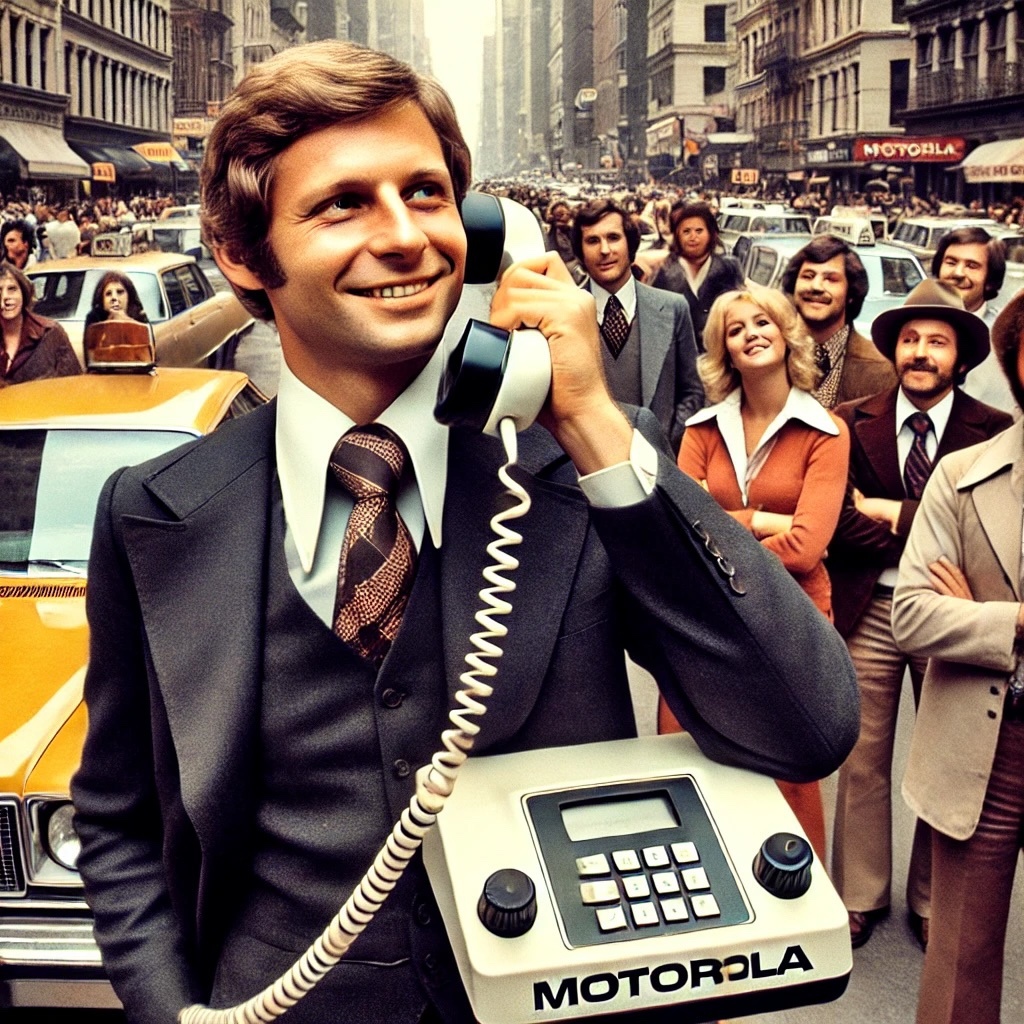
On April 3, 1973, Martin Cooper, an engineer at Motorola, made history by placing the first-ever mobile phone call. Standing on a bustling street in New York City, he dialed the number on a bulky, brick-sized device and called his rival, Joel Engel of Bell Labs. With that single call, the world took its first step into the wireless communication era, forever changing the way humans connect. At the time, few could have imagined how this breakthrough would shape the future, leading to a world where mobile phones are indispensable tools for work, socializing, and entertainment.

Before Cooper’s historic call, phones were tethered to walls and wires, limiting communication to specific locations. His innovation broke those chains, proving that people could talk to each other from anywhere. The Motorola DynaTAC 8000X, the prototype device used for the call, was far from today’s sleek smartphones. It was heavy, nearly a foot long, and had a battery life of just 30 minutes. But despite its limitations, it symbolized a new era—one of freedom, mobility, and limitless possibilities.

The impact of Cooper’s call can be seen in every aspect of modern life. From the early flip phones to today’s advanced smartphones, the evolution of mobile technology has revolutionized industries, including business, healthcare, and entertainment. Social media, video calls, and instant messaging—all of which we take for granted today—owe their existence to that first moment of wireless connection. The world has shrunk, with people now able to communicate across continents in seconds. What started as an experiment in engineering has become the foundation of a global digital revolution.

Looking back, Martin Cooper’s phone call was more than just a conversation; it was the beginning of a new way of life. Today, billions of people rely on mobile phones daily, whether for work, staying in touch with loved ones, or accessing the vast knowledge of the internet. The small step he took in 1973 has turned into a technological giant leap, proving that innovation has no limits. As we look to the future, from AI-powered assistants to foldable screens and even brain-to-device interfaces, it’s clear that the journey that began with one call is far from over.

Image Description: A retro scene of Martin Cooper in 1973, standing on a busy New York City street, holding the large Motorola DynaTAC mobile phone to his ear with a confident smile. The background shows intrigued onlookers, hinting at the historical significance of the moment.

Related Posts