Latest Articles

Gerboise Bleue: France’s Nuclear Gamble in the Sahara

Elias Rowen

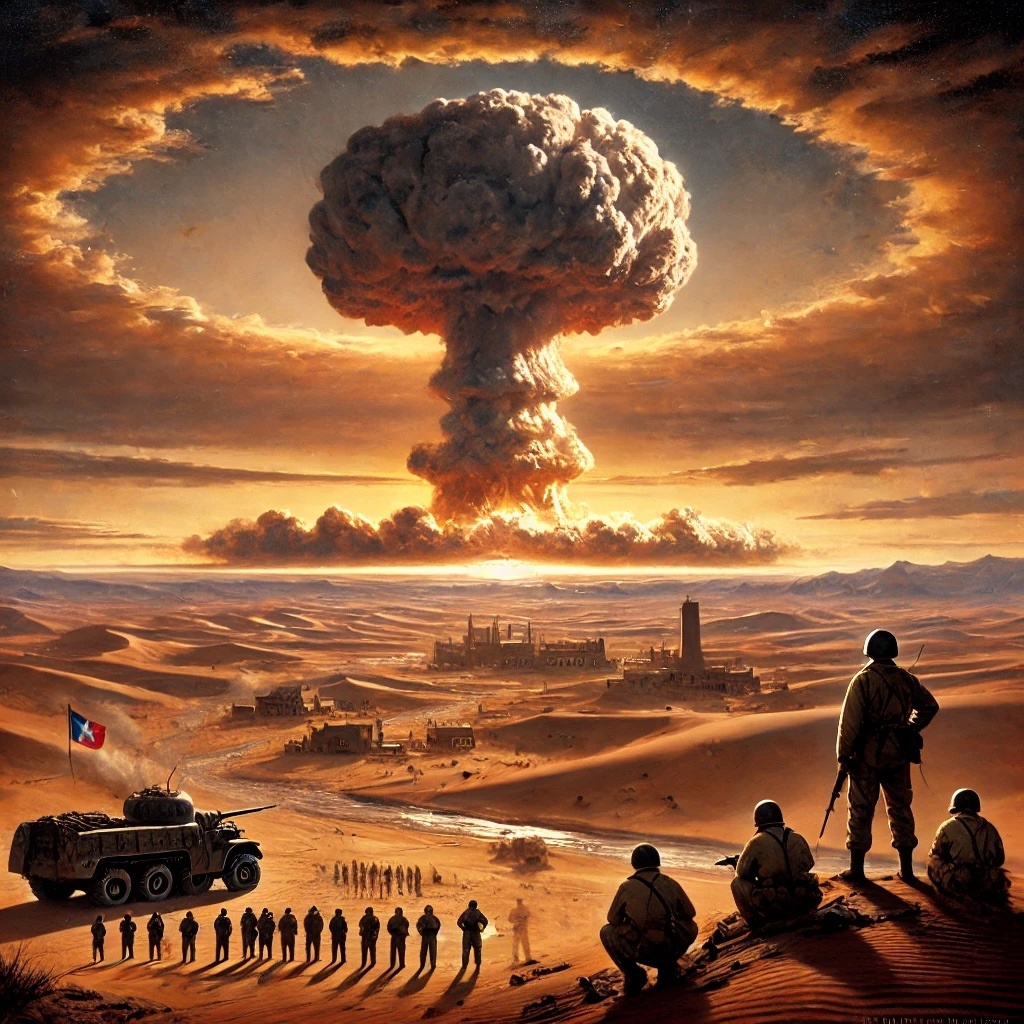
On February 13, 1960, the world watched as France became the fourth nation to join the nuclear club. In the heart of the Algerian Sahara, the French military detonated its first atomic bomb, codenamed Gerboise Bleue (Blue Jerboa). This explosion, more than four times as powerful as the American bomb dropped on Hiroshima, signaled France’s determination to establish itself as a global power, but it also cast a long shadow over North Africa, igniting controversy that lingers to this day.

At the time, France was desperate to assert its independence from both American and Soviet influence during the Cold War. President Charles de Gaulle saw nuclear weapons as the ultimate guarantee of sovereignty, ensuring that France would not have to rely on allies for its security. However, the choice of Algeria as a testing ground was deeply problematic. The country was in the midst of a bloody war for independence from French colonial rule, and the decision to conduct nuclear tests on Algerian soil further inflamed tensions.

The Gerboise Bleue test was a staggering success in technical terms, producing a 70-kiloton explosion. A massive mushroom cloud rose over the Reggane region, leaving behind radioactive fallout that would affect both soldiers and civilians for generations. Local communities suffered from mysterious illnesses, birth defects, and environmental devastation, but their suffering was largely ignored. Decades later, survivors and activists continue to demand recognition and justice for the long-term effects of radiation exposure.

France continued its nuclear testing program in the Sahara until 1966, even after Algeria gained independence in 1962. The legacy of Gerboise Bleue remains a controversial chapter in both French and Algerian history, a stark reminder of the devastating human and environmental costs of nuclear ambition. Today, as the world grapples with nuclear proliferation, the echoes of that first detonation in the desert serve as a warning about the lasting consequences of wielding such destructive power.
Related Posts

Honoring a Legacy: Celebrating Abraham Lincoln’s Birthday

Elias Rowen

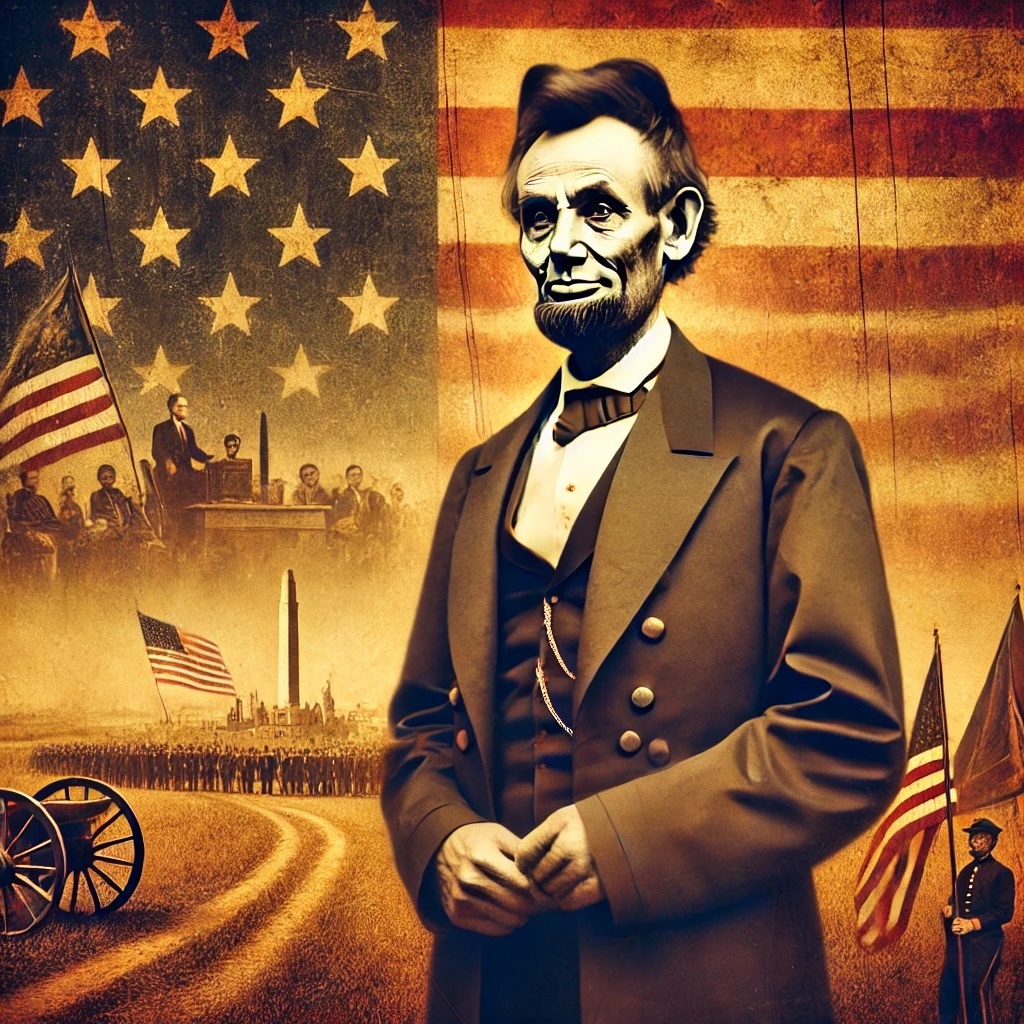
Abraham Lincoln’s birthday, celebrated on February 12th, serves as a reminder of the monumental contributions made by the 16th president of the United States. Known for his leadership during one of the most turbulent times in American history, Lincoln’s legacy resonates across generations. He is best remembered for his pivotal role in ending slavery through the Emancipation Proclamation and his dedication to preserving the Union during the Civil War. Lincoln’s vision of equality and freedom set a precedent that would go on to shape the nation’s path for centuries to come.

Beyond his political achievements, Lincoln’s ability to navigate the moral, social, and economic challenges of the era demonstrates his leadership and character. His speeches, such as the Gettysburg Address, have become iconic, reminding Americans of the importance of unity and the nation’s foundational ideals. Lincoln’s birthday is not just a celebration of his life, but an opportunity to reflect on his vision for the future—one where liberty, justice, and equality are accessible to all.

In communities across the United States, Abraham Lincoln’s birthday is observed with various events that honor his memory. From educational programs and historical reenactments to discussions about his impact, it’s a day that encourages people to reflect on the values that Lincoln championed. His legacy continues to influence the ongoing struggle for civil rights, making his birthday a significant moment for all Americans to celebrate the progress made and the work still left to do.

Related Posts

The Lateran Treaty of 1929: The Birth of the Vatican City-State

Elias Rowen

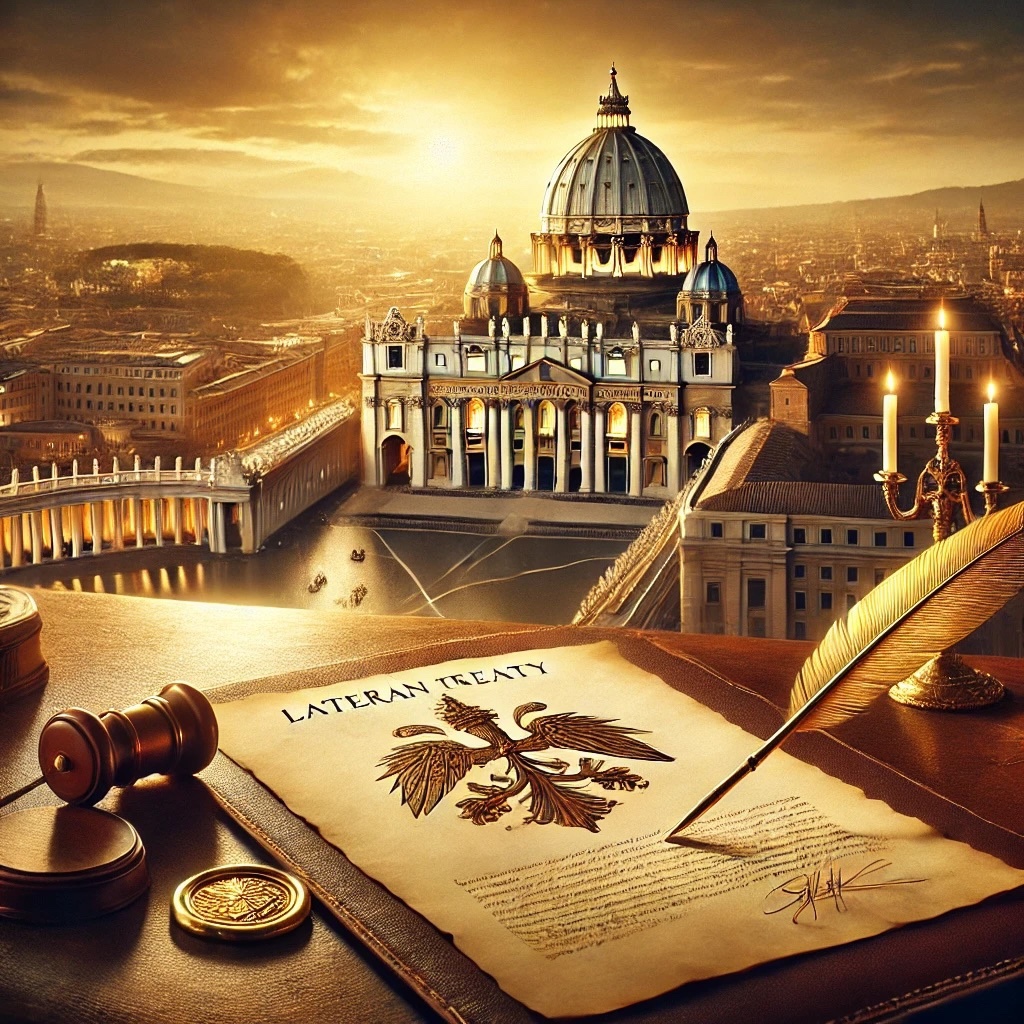
The Lateran Treaty of 1929 marked a pivotal moment in the history of Italy and the Catholic Church, establishing the Vatican City as an independent sovereign state. Signed on February 11, 1929, by representatives of the Kingdom of Italy and the Holy See, the treaty resolved the “Roman Question,” a long-standing dispute between the Italian government and the Papacy that had persisted since the unification of Italy in the 19th century. This agreement not only granted the Vatican its independence but also defined the relationship between the Italian state and the Catholic Church, shaping their interactions for decades to come.

The roots of the conflict lay in the events of 1870 when the Kingdom of Italy annexed the Papal States, effectively ending the Pope’s temporal authority over central Italy. Pope Pius IX and his successors refused to recognize the legitimacy of the Italian government, considering themselves “prisoners” in the Vatican. This standoff, known as the Roman Question, resulted in a lack of diplomatic relations between the Vatican and Italy. Successive Italian governments attempted to resolve the impasse, but it was not until Benito Mussolini came to power that a formal agreement was reached. Seeking to consolidate his political position and gain favor with the Catholic population, Mussolini engaged in negotiations with the Holy See, leading to the signing of the Lateran Treaty.

The treaty consisted of three main components: a political treaty, a financial convention, and a concordat. The political treaty recognized Vatican City as an independent state under the sovereignty of the Pope, granting it full diplomatic rights. The financial convention provided compensation to the Church for the loss of the Papal States, with Italy agreeing to pay the Holy See a sum of 750 million lire along with an additional 1 billion lire in government bonds. Lastly, the concordat defined the role of Catholicism in Italian society, recognizing it as the official state religion, granting the Church influence over education and marriage laws, and ensuring privileges for clergy members.

The impact of the Lateran Treaty was profound. It not only resolved a major political dispute but also solidified the position of the Catholic Church within Italy. The Vatican, for the first time in modern history, had a recognized sovereign territory, allowing it to function as an independent entity in global affairs. For Mussolini, the treaty provided legitimacy to his regime and strengthened his relationship with the Catholic Church, which in turn encouraged Italian Catholics to support his government. The agreement remained in effect for much of the 20th century, though it underwent modifications in 1984 when Italy officially ended Catholicism’s status as the state religion while maintaining strong diplomatic ties with the Holy See.

In conclusion, the Lateran Treaty of 1929 was a landmark agreement that resolved the long-standing Roman Question and established the Vatican City-State. By granting the Pope sovereignty over a small but significant territory, the treaty ensured the independence of the Catholic Church while also benefiting the Italian government politically. Its legacy endures as a key moment in the relationship between church and state, highlighting the importance of diplomacy in resolving historical conflicts.

Related Posts

Glenn Miller and the Golden Sound of Swing

Elias Rowen

Glenn Miller was more than just a musician—he was a legend who defined an era. His smooth, swinging sound captivated audiences during the late 1930s and early 1940s, making him one of the most beloved bandleaders of all time. With hits like In the Mood, Moonlight Serenade, and Chattanooga Choo Choo, Miller brought energy and elegance to the big band scene, creating a sound that still resonates today. His music wasn’t just background noise—it was the soundtrack of a generation, lifting spirits during the dark days of World War II and bringing people together on the dance floor.

Miller’s journey to fame wasn’t instant. Born in 1904, he worked tirelessly as a trombonist and arranger before forming his own orchestra in 1938. While many bands of the time had a lively, freewheeling style, Miller perfected a signature sound: a rich blend of saxophones, smooth brass, and precise arrangements that made his music instantly recognizable. This polished, sophisticated approach set him apart, and his band quickly skyrocketed to success. By 1940, the Glenn Miller Orchestra was the most popular big band in America, dominating the airwaves and selling millions of records.

But Miller wasn’t just about making hit records—he wanted his music to serve a greater purpose. In 1942, at the height of his career, he made the bold decision to leave behind fame and fortune to serve his country. He enlisted in the U.S. Army Air Forces and formed the Army Air Force Band, using his talents to boost troop morale during World War II. His performances for soldiers across Europe were legendary, proving that music could be a powerful force in times of hardship.

Tragically, Miller’s life was cut short in 1944 when his plane disappeared over the English Channel during a flight to France. Though his untimely death remains shrouded in mystery, his musical legacy is anything but forgotten. The Glenn Miller Orchestra continues to perform his timeless arrangements, and his influence can still be heard in jazz, swing, and even modern big band music.

Glenn Miller’s golden sound of swing wasn’t just a fleeting trend—it became a lasting part of American music history. His melodies continue to transport listeners back to a time of romance, resilience, and rhythm, proving that great music never truly fades away.

Related Posts

The Treaty of Paris 1763: Redrawing the Map of North America

Elias Rowen

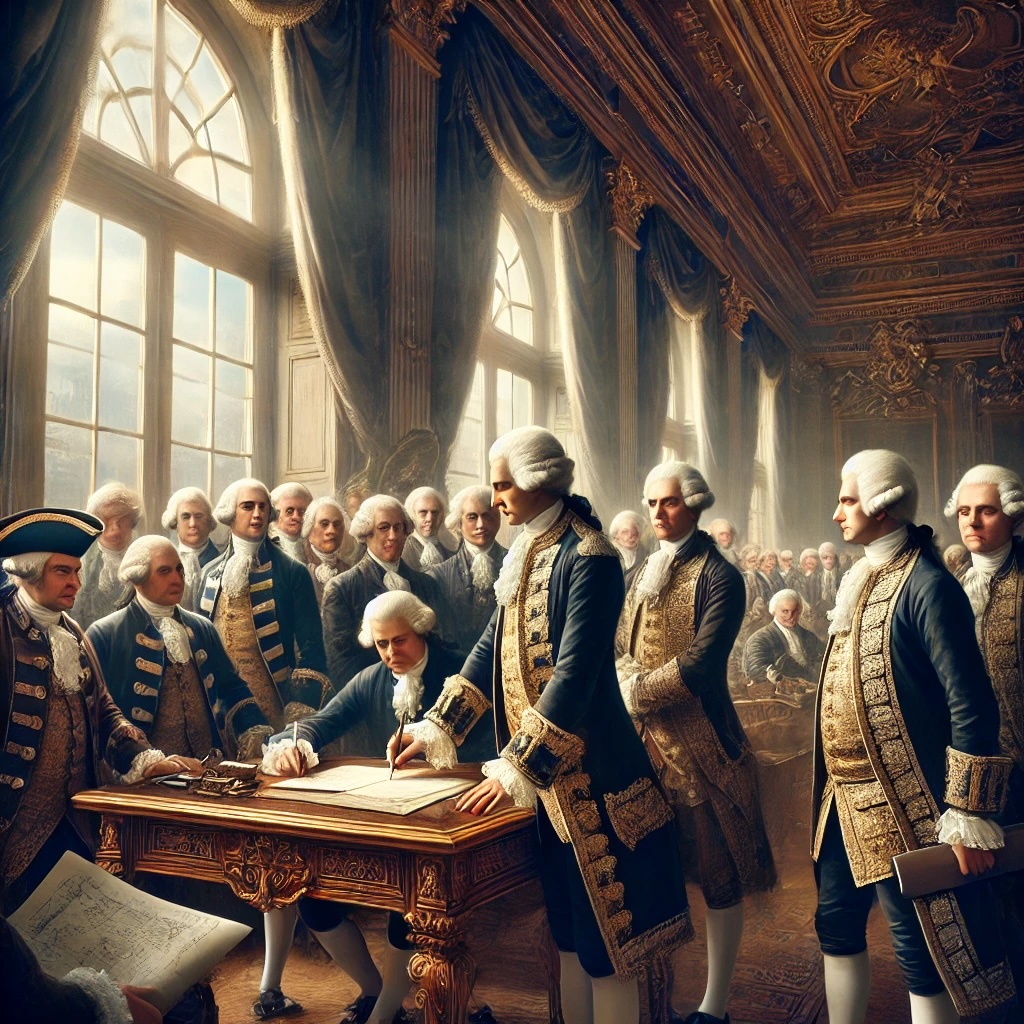
The Treaty of Paris, signed in 1763, was a game-changer for North America. This historic agreement brought an end to the French and Indian War—known globally as the Seven Years’ War—and completely reshaped the balance of power on the continent. Britain emerged as the dominant force, France lost nearly all of its territory in North America, and Spain gained vast new lands. It was a turning point that set the stage for future conflicts, including the American Revolution.

Before the treaty, France, Britain, and Spain had been battling for control of North America. The French and Indian War, which lasted from 1754 to 1763, was part of a larger global struggle between these European powers. Britain and its American colonies fought against France and its Native American allies, clashing over valuable land and trade routes. By the end of the war, British forces had captured key French territories, including Canada and lands east of the Mississippi River. With France on the losing side, negotiations in Paris led to a massive territorial exchange.

Under the terms of the treaty, France gave up Canada and all lands east of the Mississippi to Britain, marking the end of French colonial rule in North America. Spain, which had joined the war late on France’s side, ceded Florida to Britain but received the vast Louisiana Territory in return. France was left with only a few Caribbean islands, keeping a small foothold but effectively ending its empire in mainland North America. For Britain, the victory seemed like a triumph, but governing its expanded territories would soon become a challenge.

While the Treaty of Paris 1763 redrew the map, it also planted the seeds of future unrest. Native American tribes, who had been allied with the French, resisted British control, leading to conflicts like Pontiac’s Rebellion. Meanwhile, British leaders, hoping to avoid further wars, issued the Proclamation of 1763, restricting colonial expansion west of the Appalachian Mountains. This frustrated American colonists, who had hoped to settle the newly acquired lands. The resentment over British policies and taxation in the years that followed would eventually spark the American Revolution.

The Treaty of Paris 1763 was more than just a diplomatic agreement—it was a turning point that reshaped North America’s future. By redrawing borders and shifting power, it set the stage for new alliances, conflicts, and revolutions. Though France may have lost its North American empire, the struggle for control of the continent was far from over.

Related Posts