Latest Articles

Crafting Memories: Fun Activities to Bring Families Closer

Dave

In the hustle and bustle of everyday life, it’s easy for families to get caught up in their individual routines, often leaving little time for meaningful bonding. However, creating lasting memories and strengthening family ties doesn’t require extravagant vacations or expensive gifts. Simple, fun activities can be the key to bringing families closer together, fostering a sense of connection, and creating cherished memories that will last a lifetime. From cooking meals together to embarking on outdoor adventures, these activities provide the perfect opportunities for families to laugh, learn, and grow together.

One of the best ways to bring families closer is by sharing quality time around the dinner table. Cooking together not only teaches valuable life skills but also fosters teamwork and communication. Whether it’s baking cookies, making homemade pizza, or preparing a multi-course meal, the kitchen becomes a space for creativity and collaboration. Each person can contribute in their own way, making the process feel like a team effort. The joy of sitting down to a meal that everyone had a hand in creating adds an extra layer of satisfaction and strengthens the bond between family members.

For families looking to enjoy some fresh air, outdoor adventures are a fantastic way to build connections. Whether it’s hiking through a nearby forest, playing a game of frisbee in the park, or simply taking a walk through the neighborhood, outdoor activities provide opportunities for families to unplug and enjoy each other’s company. These outings allow families to engage in lighthearted conversations, laugh at each other’s antics, and take in the beauty of nature together. There’s something about being outside, away from screens and distractions, that naturally fosters a sense of unity and relaxation.

For those rainy days or cozy nights in, crafting projects can be a fun and creative way to spend time as a family. Whether it’s making holiday decorations, painting pottery, or building a birdhouse, working on a project together allows everyone to tap into their artistic side and contribute to something meaningful. The sense of accomplishment that comes from completing a project as a team is rewarding, and the resulting creations often serve as reminders of the time spent together.

Board games and puzzles are another excellent way for families to bond. With a little friendly competition, these activities encourage collaboration, problem-solving, and strategic thinking. Plus, they’re a great excuse to unplug from electronic devices and spend quality time face-to-face. Whether it’s an intense round of Monopoly, a game of charades, or working together to complete a challenging jigsaw puzzle, these games offer a chance for families to share laughter and build memories in an enjoyable, low-pressure setting.

Lastly, family movie nights or storytelling sessions can create moments of relaxation and shared experience. Snuggling up with a good movie or taking turns telling stories allows everyone to unwind together and strengthen their emotional connection. For added fun, families can turn these moments into themed nights, complete with homemade snacks, decorations, and costumes. These simple yet meaningful traditions add an extra layer of fun to the time spent together.

In the end, it’s not the grand gestures that create lasting memories—it’s the small, everyday activities that allow families to connect, share, and grow. By making time for fun, creative, and enjoyable activities, families can craft memories that will keep them united for years to come.

Related Posts

Remembering Pearl Harbor: A Day That Lives in Memory

Elias Rowen

On December 7, 1941, the United States was forever changed when a surprise attack on Pearl Harbor in Hawaii led the nation into World War II. The day, etched in history, left an indelible mark on the lives of those who witnessed it and the generations that followed. For those who lived through it, the events of that day were not just a historical moment—they were personal. Families lost fathers, brothers, and sons; communities grieved the sudden, tragic loss of so many young men who had answered the call to serve. Today, Pearl Harbor stands as a symbol of resilience, sacrifice, and the indomitable spirit of a nation united in the face of adversity.

The attack on Pearl Harbor was a stark reminder of the fragility of peace and the importance of vigilance. In the span of just two hours, Japanese forces launched a devastating strike, bombing military installations and sinking battleships in the harbor. Over 2,400 Americans lost their lives that day, and many others were wounded. The attacks brought the U.S. into the global conflict of World War II, reshaping the course of history and redefining what it meant to fight for freedom. It was a turning point that showed the world the resilience of the American people, who, despite such a devastating blow, would rise to the challenge and play a pivotal role in the eventual defeat of the Axis powers.

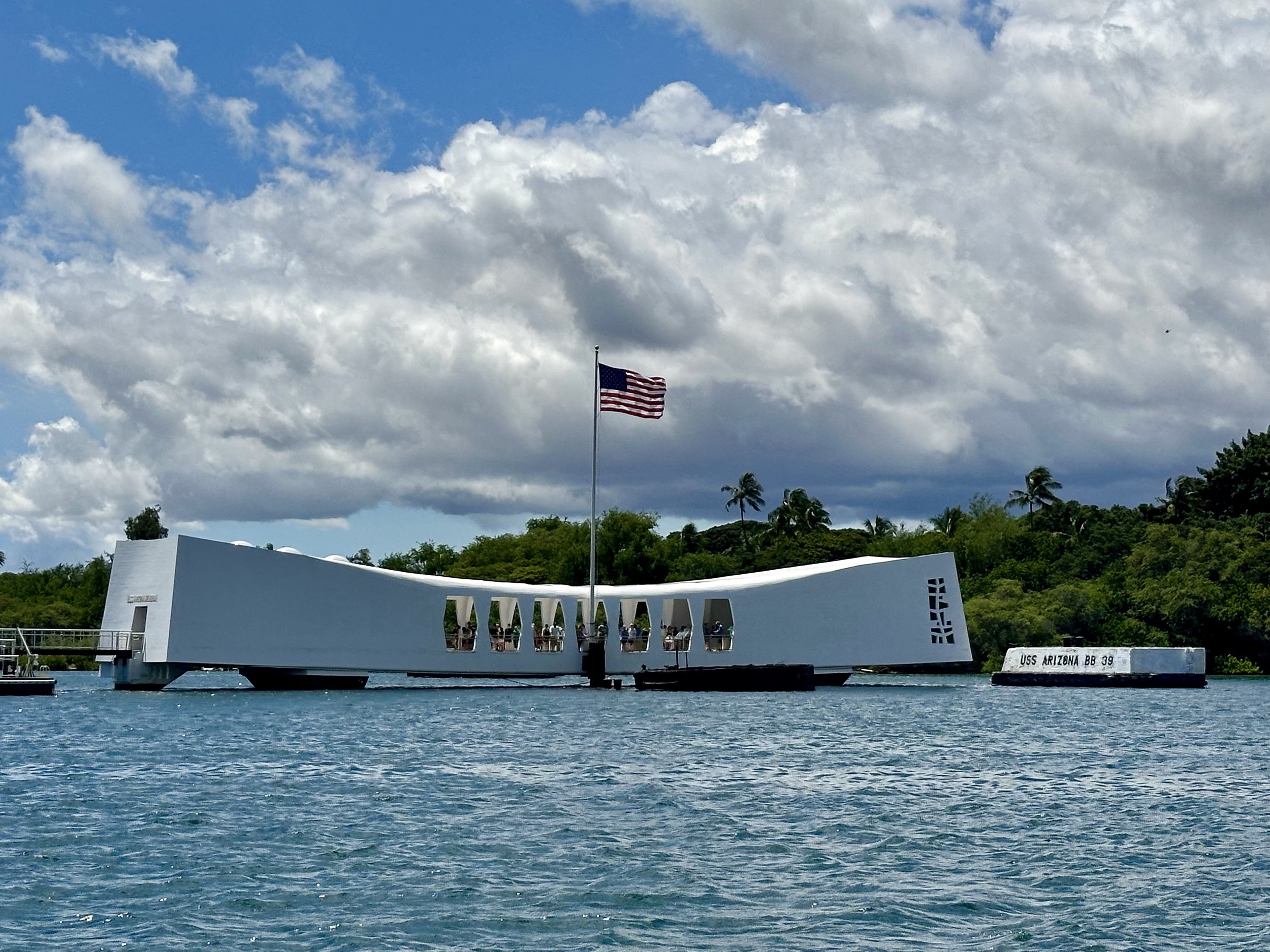
Today, Pearl Harbor serves as both a solemn memorial and a source of inspiration. Every year, survivors and their families gather to remember the fallen and honor the bravery of those who fought to protect their country. The Pearl Harbor National Memorial stands as a tribute to the sacrifice made by so many, offering visitors a chance to reflect on the heroism of those who endured the horrors of that fateful day. The attack may have marked the beginning of the United States’ involvement in World War II, but it also marked the beginning of a legacy of perseverance and courage.

As we remember Pearl Harbor, it is not just the soldiers who fought in the Pacific that we honor, but the families, communities, and entire nation that stood together in the wake of tragedy. The memory of that day reminds us of the sacrifices made for the freedoms we often take for granted and the importance of never forgetting the lessons learned from our past.

Related Posts

Bridging Divides: The Strategic Impact of the IISS Manama Dialogue

Dave

The IISS Manama Dialogue stands as one of the most significant platforms for dialogue and diplomacy in the Middle East, bringing together influential leaders, policymakers, military officials, and experts from across the globe. Held annually in Bahrain, this event fosters crucial discussions surrounding security challenges, regional conflicts, and the broader geopolitical dynamics that shape the Middle East. What makes the Manama Dialogue unique is its ability to bridge divides, offering an inclusive forum where diverse perspectives can converge. By fostering open conversation, the dialogue helps facilitate cooperation between countries, contributing to the development of strategies aimed at addressing some of the most pressing issues in international relations today.

At the heart of the IISS Manama Dialogue is its strategic role in addressing the complex security concerns of the Middle East. The region, often at the crossroads of political, economic, and military power, faces numerous challenges, from regional rivalries to the rise of non-state actors. Through its structured discussions, the dialogue offers an opportunity for countries with varying interests to engage in frank and candid conversations, encouraging collaboration over confrontation. The platform also offers an essential space to discuss broader global security issues, highlighting the importance of multilateral solutions to complex challenges such as terrorism, arms control, and the proliferation of nuclear weapons.

The IISS Manama Dialogue’s impact extends far beyond just policy discussions. It plays a vital role in shaping diplomatic relationships and reinforcing security frameworks in a region often marked by tension and instability. By bringing together representatives from both regional powers and global stakeholders, the dialogue helps create a mutual understanding that transcends political divisions, offering solutions that can help foster long-term peace and stability. Moreover, it strengthens Bahrain’s position as a key player in regional and international diplomacy, showcasing its role as a mediator and a promoter of peaceful solutions.

As the world continues to grapple with complex geopolitical challenges, the IISS Manama Dialogue remains an essential platform for fostering dialogue, building trust, and promoting strategic cooperation. Its unique ability to bridge divides and unite diverse voices around shared security interests makes it a critical tool for shaping a more secure and stable future for the Middle East and the broader global community. By facilitating open and constructive discussions, the dialogue encourages new avenues for diplomacy and conflict resolution, ultimately contributing to a more collaborative approach to global security.

Related Posts

Guarding Against a Nuclear Tide: The Legacy of the Non-Proliferation Treaty

Dave

The Non-Proliferation Treaty (NPT), signed in 1968, stands as one of the most pivotal arms control agreements in history. With the world still recovering from the devastation of World War II, the NPT was designed to prevent the spread of nuclear weapons and promote the peaceful use of nuclear energy. Today, over five decades later, the treaty continues to serve as the cornerstone of global efforts to limit nuclear proliferation, reduce the threat of nuclear war, and create a framework for disarmament. While challenges remain, the NPT’s legacy has significantly shaped international relations, maintaining stability and fostering cooperative dialogues aimed at securing a safer world for future generations.

The core principle of the NPT is its commitment to the non-proliferation of nuclear weapons. As more countries sought to develop nuclear capabilities, the treaty provided a critical framework for regulating their spread. By limiting nuclear weapons to five recognized nuclear-armed states— the United States, Russia, China, France, and the United Kingdom— the treaty created a clear boundary for nuclear possession. Additionally, it placed great emphasis on promoting the peaceful use of nuclear technology, encouraging countries to use nuclear energy for constructive purposes rather than destructive ones. This balance between security and peaceful nuclear cooperation has made the NPT a significant force for international diplomacy.

However, the NPT has not been without its challenges. Over time, nations like North Korea and Iran have tested the treaty’s effectiveness, prompting concerns about the erosion of its principles. North Korea’s nuclear tests, in particular, have highlighted the complexities of enforcement and the difficulties in ensuring compliance. Meanwhile, Iran’s nuclear program has led to tense negotiations about the peaceful use of nuclear energy versus the potential for weaponization. These instances underscore the difficulty of balancing national security concerns with the treaty’s objectives of disarmament and non-proliferation. Despite these setbacks, the NPT remains a critical tool in international diplomacy, with global powers continuing to work within its framework to address emerging threats.

The treaty’s broader legacy also lies in its role as a symbol of international cooperation. By bringing together countries with divergent interests, the NPT has fostered dialogue on nuclear disarmament and arms control, even in the face of significant geopolitical tension. Through periodic review conferences and multilateral discussions, the NPT serves as a platform for assessing progress, identifying areas of concern, and encouraging new approaches to nuclear security. It has also inspired other arms control agreements and treaties, reinforcing the global commitment to preventing the spread of nuclear weapons.

Ultimately, the legacy of the NPT is one of resilience and adaptability. While it has faced considerable challenges, the treaty’s continued relevance underscores the world’s shared desire for a future free of the existential threat posed by nuclear weapons. As countries continue to navigate the complexities of nuclear technology, the NPT remains a guiding force in efforts to ensure that nuclear weapons are never used again, and that future generations inherit a safer, more peaceful world.

Related Posts

Give More Than You Take: Transforming Communities Through Giving Back

Dave

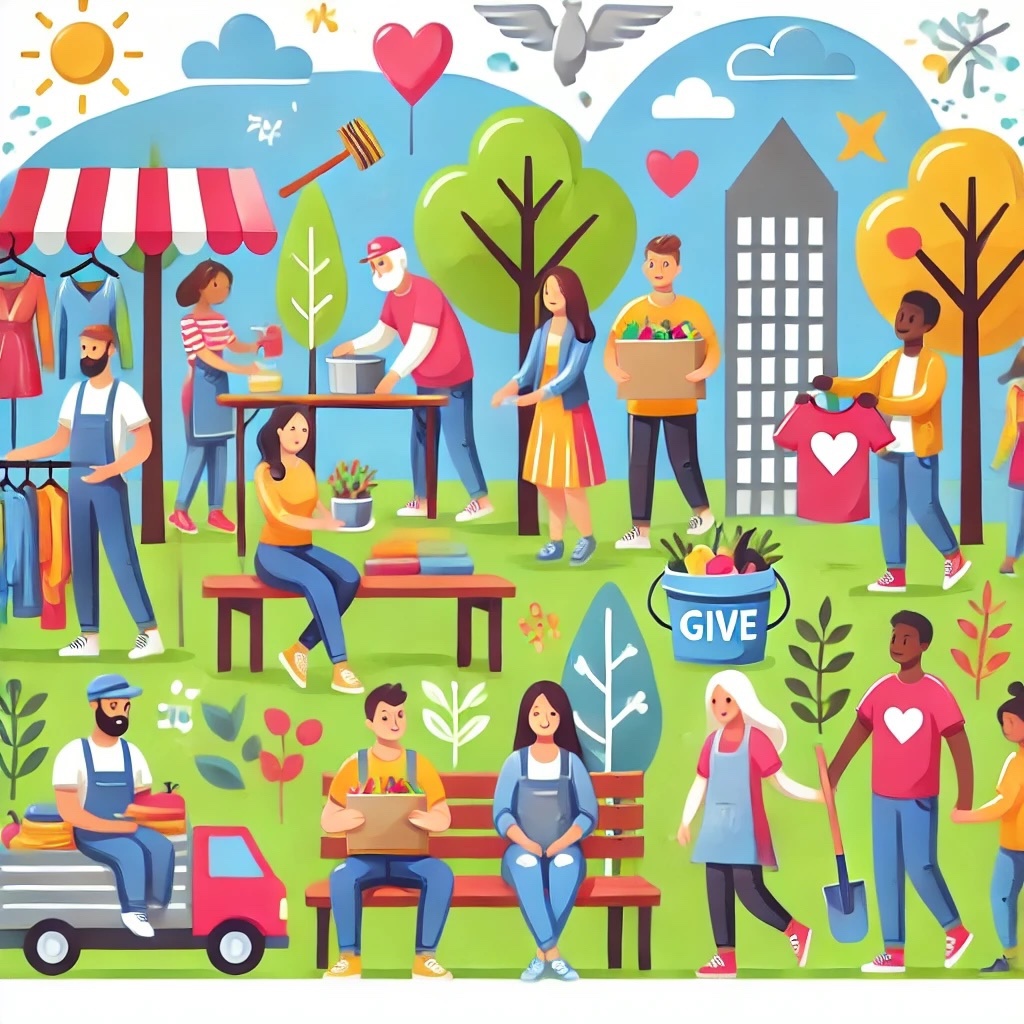
In a world often focused on individual success and personal gain, the idea of giving back to the community can sometimes feel like a distant or even impossible goal. However, when individuals, families, and organizations take the time to contribute to their communities, the effects can be transformative—both for those receiving help and for the givers themselves. Giving doesn’t always require large donations or dramatic efforts; sometimes, the smallest acts of kindness can make the biggest difference. From volunteering time to donating skills or simply showing up when someone needs support, giving back is a powerful tool for building stronger, more connected communities.

One of the most impactful ways to give back is through volunteering. Whether it’s helping out at a local food bank, participating in neighborhood cleanups, or tutoring students after school, donating time and energy to causes in need strengthens the fabric of a community. Volunteering doesn’t just help those who benefit directly from the service—it also enriches the volunteers themselves. By getting involved, individuals can develop new skills, expand their networks, and gain a deeper sense of purpose. The act of giving, particularly when done selflessly, brings a sense of fulfillment that cannot be replicated by material possessions.

Another meaningful way to give back is through sharing one’s talents or expertise. Whether someone is an artist, a teacher, a lawyer, or a chef, offering skills to those in need can be life-changing. A community might be in need of an educational workshop, a legal aid clinic, or a fundraiser that requires professional event planning. By donating these specific skills, individuals not only make a tangible impact but also inspire others to contribute in similar ways. This kind of giving helps elevate the entire community, allowing people to thrive in ways they might not have been able to otherwise.

Giving back also fosters a culture of kindness and connection. In many communities, people may not always know how to ask for help, or they might feel hesitant to do so. By creating an environment where generosity is the norm—whether it’s through setting up mutual aid groups, creating food pantries, or organizing support networks—communities can create safety nets that uplift everyone. This sense of collective responsibility strengthens bonds between neighbors and helps ensure that no one is left behind.

In addition to community projects, supporting local businesses is another important way to give back. In times of economic hardship or uncertainty, spending money at small, local shops, cafes, and service providers helps stimulate the local economy and supports the livelihoods of entrepreneurs and their families. By supporting local businesses, individuals contribute directly to the health and prosperity of their community, helping it grow in a sustainable way.

Giving also encourages empathy and understanding. When people take the time to listen to each other, share their stories, and offer support, it creates an atmosphere of compassion. It opens up opportunities for people to connect across differences, whether those differences are cultural, economic, or ideological. By embracing a mindset of giving, communities can become more inclusive and supportive, fostering environments where everyone feels valued.

In the end, giving back is not just about making a difference in someone else’s life—it’s about making the world a better place for everyone. When we give more than we take, we create ripples of kindness that spread far beyond our immediate circles, transforming not only individual lives but entire communities. Whether through small gestures or large initiatives, each act of giving strengthens the community, nurtures connections, and builds a better, more compassionate world for the future.

Related Posts