Latest Articles

Leading the Way: Exploring Leadership Styles and Their Impact on Career Growth

Dave

Leadership is a quality that can make or break a career, and the way one leads can significantly shape not only personal success but also the success of the entire organization. While some may think leadership is simply about holding a title, the true essence of leadership lies in how you inspire and guide others. Understanding different leadership styles and how they impact career growth is essential for anyone looking to make an impact in their professional journey. Whether you’re leading a team or aiming to enhance your career, the leadership style you adopt can have a lasting effect on your personal development, relationships, and overall achievements.

One of the most well-known leadership styles is the transformational leadership approach. Leaders who follow this style focus on inspiring and motivating their team members by encouraging innovation, personal growth, and a shared vision. They often lead by example, showing passion and enthusiasm for their work. For individuals looking to advance in their careers, adopting a transformational leadership style can be incredibly effective, as it fosters an environment where both leaders and their teams can grow and succeed together. By encouraging creativity and challenging conventional thinking, transformational leaders empower their team members, resulting in a more engaged and productive workforce.

In contrast, transactional leadership focuses on structure, rules, and results. Leaders who employ this style are typically focused on achieving specific goals and providing clear guidelines for their team members to follow. While this style is often seen in more hierarchical organizations, it can also be beneficial for those who want to ensure that tasks are completed efficiently and on time. For career growth, transactional leadership can teach the value of accountability, responsibility, and performance metrics. This leadership style can help individuals develop discipline and work ethic, which are crucial skills in any professional environment.

Another common leadership style is servant leadership, which focuses on putting the needs of others first and helping them develop and perform as highly as possible. Servant leaders are dedicated to serving their teams, fostering a sense of trust and empathy. This approach is ideal for creating a supportive work culture, and it’s particularly beneficial for leaders looking to build long-lasting relationships within their teams. By adopting a servant leadership style, individuals can enhance their own interpersonal skills, emotional intelligence, and collaboration abilities—key traits for any successful career. For those looking to climb the corporate ladder, this style can create an environment where team members are motivated to contribute, leading to higher retention rates and improved job satisfaction.

In more modern workplaces, the democratic leadership style has gained traction. Leaders who adopt this approach encourage open communication and seek input from their team members when making decisions. This inclusive approach helps cultivate a sense of ownership among employees and fosters creativity and innovation. For those advancing in their careers, a democratic leadership style can enhance decision-making skills and the ability to manage diverse perspectives. It allows individuals to sharpen their problem-solving skills, foster collaboration, and develop a more well-rounded approach to leadership.

Finally, autocratic leadership is a more directive approach where leaders make decisions unilaterally, with little to no input from team members. This style is often seen in high-pressure situations or industries where quick decisions are crucial. While not always the most popular approach, it can still be effective in certain contexts. For career growth, adopting elements of autocratic leadership can teach individuals the value of decisiveness and clear direction, especially in fast-paced or crisis situations.

In the end, the leadership style that you choose or adopt can significantly influence your career trajectory. By understanding and experimenting with different leadership styles, you can hone your strengths, improve your relationships with others, and shape your career in a way that aligns with both your goals and the needs of your team. Effective leadership is not a one-size-fits-all approach—it’s about finding the right balance that works for you and your professional environment. By leading with intention, authenticity, and empathy, you can pave the way for career success and meaningful growth.

Related Posts

Gifts That Speak From the Heart: Creative Ways to Make the Holidays

Dave

The holiday season is often associated with gift-giving, but beyond the ribbons and wrapping paper lies an opportunity to create meaningful, heartfelt connections. While it’s easy to rely on material gifts, the most cherished presents are those that come with personal thought, creativity, and emotion. In a world where we often rush through the season, taking the time to carefully select or craft a gift that speaks to the heart can turn an ordinary holiday into something unforgettable. This year, let’s focus on gifts that not only stand out but reflect love, thoughtfulness, and individuality.

One of the most beautiful ways to show someone you care is by personalizing their gift. Whether it’s an engraved bracelet with a significant date, a custom portrait of a beloved pet, or a piece of jewelry with their initials, personalized gifts carry a unique, sentimental value. These items become treasures, reminders of a special moment shared between two people. They stand the test of time, much like the memories they represent, and can hold a far greater emotional impact than any generic store-bought item.

For those who enjoy spending time together, experiential gifts can be the perfect choice. Rather than handing over a physical object, give the gift of an experience—whether it’s a weekend getaway, a cooking class, or tickets to a concert they’ve been dreaming about. These gifts create lasting memories, providing opportunities for shared moments of joy and connection. Sometimes, the most meaningful present is not something wrapped in a box, but a day spent with loved ones, enjoying an activity that aligns with their passions and interests.

Another thoughtful approach is crafting something with your own hands. Homemade gifts, such as baked goods, knitted scarves, or a hand-painted ornament, are a tangible representation of the time and effort you’ve invested in making the recipient feel special. These gifts often have an intimacy that cannot be replicated by mass-produced items. A jar of homemade jam, a carefully crafted photo album, or a custom-written poem all carry personal meaning and convey a message of care that transcends material value. The recipient will feel the love in every stitch, every word, and every detail.

Sometimes, the best way to speak from the heart is by offering your time and service. Instead of giving a physical object, consider helping your loved one with something they’ve been needing assistance with. This could be offering to babysit, running errands, organizing their space, or cooking them a home-cooked meal. These gifts, though simple, have a lasting impact because they show that you’re invested in making their life a little easier and more enjoyable. It’s a gift of presence and attention, which can be far more valuable than any material item.

For the creative souls, another heartfelt gift is a memory book or a scrapbook. Compiling a collection of photos, ticket stubs, postcards, and little notes into a personalized album tells the story of your shared moments. This kind of gift is a testament to the bond you’ve built, capturing the essence of your time together and preserving it for years to come. It’s a way of saying, “I treasure every moment we’ve spent together.”

Lastly, for those who want to give back, consider donating to a cause that is close to the recipient’s heart. This thoughtful gesture not only reflects your understanding of their passions but also spreads goodwill. A donation made in their name to a cause they care about can make the holiday season meaningful in a way that transcends personal gifts. It’s a beautiful way to show that you value their values and wish to support what matters most to them.

Ultimately, the holidays are about connection, love, and shared memories. The most special gifts are those that reflect the essence of who we are, what we care about, and the bond we share with others. By thinking outside the box and infusing your presents with meaning and creativity, you can create a holiday season that feels truly heartfelt—one that speaks louder than any material possession ever could.

Related Posts

Black Friday Fever: The Consumerism Craze Unpacked

Elias Rowen

Black Friday, once just a day of massive discounts, has grown into a global shopping phenomenon that marks the unofficial start of the holiday season. Each year, stores, both online and in physical locations, offer irresistible deals, drawing in millions of eager consumers. But beneath the excitement of doorbusters and flash sales lies a more complex story about consumerism, the pressure to “buy big,” and the environmental and social consequences of this annual craze. While it can feel exhilarating to score the perfect deal, it’s important to step back and evaluate what Black Friday truly represents in the context of our lives.

For many, Black Friday has become a tradition, a moment to kick off the holiday shopping frenzy with bargains that seem too good to pass up. It’s not uncommon to see long lines at stores, some even camping out overnight, eager to get their hands on electronics, clothes, and gadgets. With the rise of online shopping, the frenzy has only increased, with sites crashing and checkout lines becoming virtual battlegrounds. The competitive rush of securing that must-have item often feels like part of the fun, but it also reveals the power of advertising and retail tactics that push consumers to feel like they need to act quickly or risk losing out on once-in-a-lifetime deals.

The rise of Black Friday has also contributed to a culture of excessive consumption. Marketers have mastered the art of convincing us that we need more, whether it’s the latest tech gadget or another sweater that just “might be on sale for a limited time.” This pressure to constantly buy often leads to impulse purchases, many of which may not have been considered outside the hype of the day. The result? We accumulate items that may not have been necessary, contributing to a growing trend of waste. The excitement of a deal can overshadow the deeper implications of overconsumption, including financial strain, storage issues, and a mounting pile of items that may only be used once or twice before being discarded.

Furthermore, there’s a growing awareness of the environmental impact of Black Friday. The manufacturing, transportation, and disposal of cheap goods come at a significant ecological cost. With every “bargain” comes an environmental footprint, from the resources used to create the product to the packaging waste generated by shipments. As more people embrace sustainability, Black Friday’s massive consumption rate clashes with the desire to be more mindful of our planet. The allure of buying big often distracts us from considering the long-term effects of the stuff we accumulate.

On the social side, Black Friday has increasingly become a spectacle. While the deals may be tempting, there’s a darker side to this consumerist holiday—one that involves overcrowding, chaos, and sometimes even violence. The fight for a discounted product can escalate quickly, leading to physical altercations or dangerous stampedes. This behavior begs the question: At what point do we stop and recognize that the thrill of a sale isn’t worth the cost of human safety or dignity?

As we reflect on Black Friday’s place in our lives, it’s important to strike a balance between enjoying a good deal and maintaining a mindful approach to consumption. Perhaps it’s time to consider alternatives, like supporting small businesses, focusing on experiences over material items, or opting for ethical and sustainable purchases. There are ways to enjoy the perks of the holiday shopping season without falling prey to the relentless cycle of consumerism.

Black Friday doesn’t have to be the pinnacle of our holiday celebrations. With a little self-reflection, we can make better choices and enjoy the holiday season in a way that aligns more with our values and long-term well-being. After all, true joy comes not from what we buy, but from the experiences we share and the values we uphold.

Related Posts

From Feast to Tradition: The Heartwarming Story of Thanksgiving

Dave

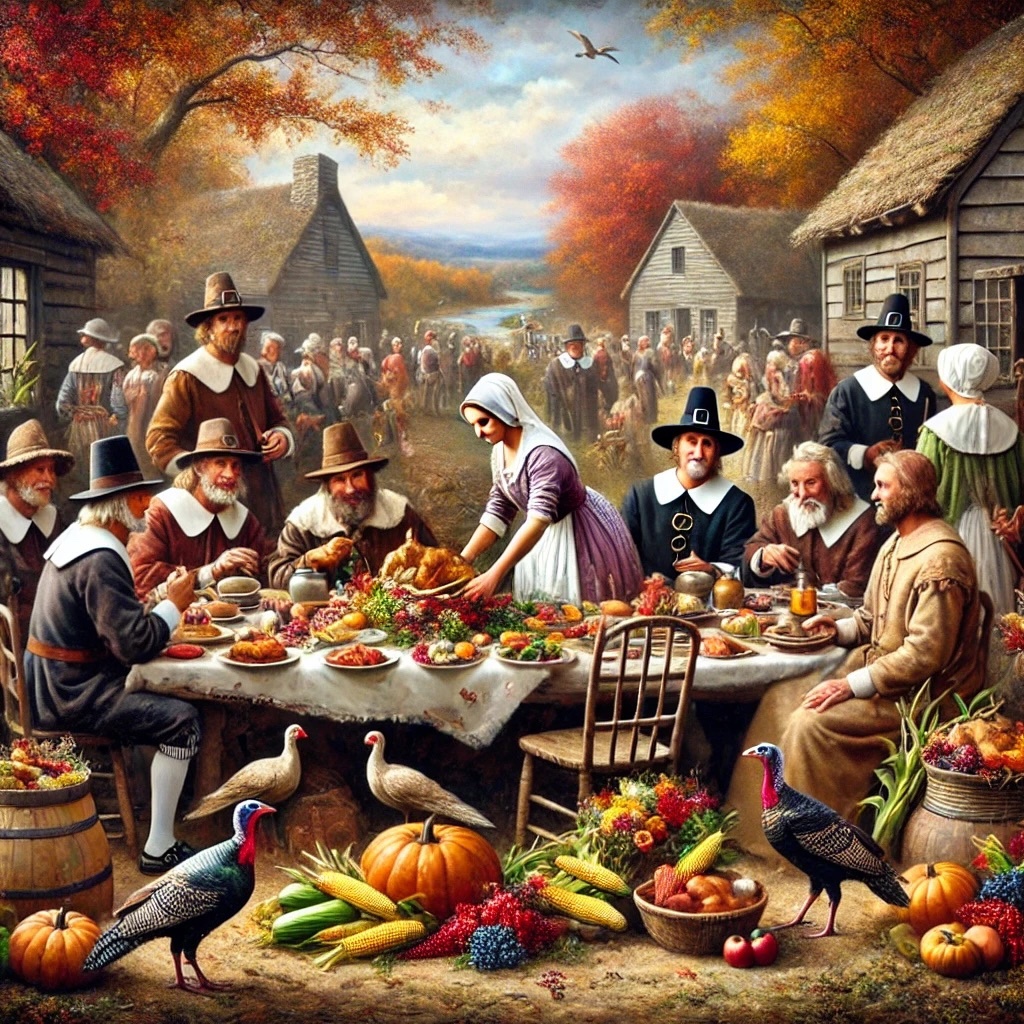
Thanksgiving is more than just a holiday; it’s a heartfelt tradition that brings people together to celebrate gratitude, family, and the blessings of life. What began as a humble feast between early settlers and Native Americans in 1621 has grown into a cherished occasion observed across the United States every fourth Thursday in November. The significance of the holiday goes far beyond the turkey and pumpkin pie, as it serves as a reminder of the importance of community, reflection, and appreciating the good things in life. Over the years, Thanksgiving has evolved into a festive celebration marked by food, football, parades, and an opportunity to pause, giving thanks for the people and moments that matter most.

At its core, Thanksgiving is about coming together with loved ones to share a meal and give thanks for the year’s blessings. Whether it’s the scent of a roast turkey filling the house or the warmth of shared memories around the dinner table, there’s an undeniable sense of comfort and connection on this day. For many, it’s a time to reunite with family members who live far away, to reconnect with friends, or to simply reflect on the things they hold dear. The food, of course, plays a starring role—stuffing, mashed potatoes, cranberry sauce, and the infamous pumpkin pie create a sense of tradition and nostalgia. These familiar dishes often vary by region, family traditions, or even personal preferences, but the essence of the meal remains the same: a celebration of togetherness.

Thanksgiving also holds a deeper cultural significance as a time for reflection. It’s a day set aside to acknowledge the blessings in our lives—whether it’s our health, our family, or the opportunities we’ve been given. The act of giving thanks encourages us to slow down and appreciate the small moments that might otherwise pass unnoticed. In a world that often feels fast-paced and focused on what we don’t have, Thanksgiving offers an opportunity to pause and express gratitude for what we do have. It’s a day to reflect on the goodness of life, the support of our loved ones, and the promise of a new year ahead.

Despite its roots in history, Thanksgiving is also a time for new traditions. Some families have taken to volunteering at food banks or shelters to help those less fortunate, turning the day into a reminder of the importance of community service and giving back. Others may gather to watch a football game, take part in a lively game of charades, or share stories that highlight the humor and love of their shared experiences. No matter how it’s celebrated, Thanksgiving remains a special time to bond, laugh, and create lasting memories with the people who matter most.

The commercialized aspect of Thanksgiving, with Black Friday deals starting earlier each year, can sometimes overshadow its true meaning. However, many families continue to prioritize the spirit of gratitude and togetherness. In the midst of the hustle and bustle, they find joy in simple moments: a heartfelt toast to the year’s blessings, a hug from a loved one, or the shared experience of a favorite family recipe being passed down to the next generation. These are the moments that define Thanksgiving and give it its lasting meaning.

Thanksgiving is more than just a meal or a holiday; it’s a reflection of the values that bind us together as individuals and as a society. It’s a time to express thanks for all that we have and to cherish the moments that bring us closer to one another. Whether you’re enjoying the day with family, friends, or even in quiet solitude, Thanksgiving is a reminder that no matter what challenges we may face, there is always something to be grateful for.

Related Posts

Words Fit for a King: Crafting a Remarkable Conversation

Elias Rowen

Conversations have the power to build bridges, foster connections, and transform relationships. Whether it’s a casual chat with a friend, a heartfelt discussion with a partner, or a professional dialogue in a boardroom, the way we communicate has a profound impact on the outcome. Crafting a remarkable conversation is not just about what you say, but how you say it. Words, when chosen wisely, have the ability to engage, inspire, and create meaningful exchanges. It’s about striking the right balance between listening and speaking, showing empathy, and knowing when to pause and reflect.

At the heart of a remarkable conversation is the ability to truly listen. In today’s world, where distractions are ever-present, active listening is a lost art. To truly hear someone is to acknowledge their feelings, to understand their perspective, and to validate their experiences. Listening intently allows for more meaningful responses and shows that you value the other person’s input. It also creates space for connection, making the conversation feel less transactional and more genuine. A conversation that flows with mutual respect and understanding is the foundation of any remarkable dialogue.

Equally important is the art of speaking with purpose. When you craft your words carefully, they carry more weight. It’s not just about spitting out facts or sharing opinions, but about using language that resonates with the listener. A thoughtful response can inspire, comfort, or encourage. A well-timed compliment or a simple thank you can have a lasting impact. By speaking with intention and mindfulness, you make sure that your words are not only heard but also felt. This takes practice—paying attention to tone, body language, and choosing the right words that align with your message.

In a remarkable conversation, vulnerability is key. While it’s easy to keep things surface-level, the most memorable exchanges are those where people open up and share their true selves. Vulnerability creates an environment of trust and authenticity, allowing for a deeper connection. When you allow yourself to be real, others feel comfortable doing the same, fostering an atmosphere of mutual respect. These kinds of conversations often lead to stronger bonds, whether they’re with a loved one, a friend, or a colleague.

Humor also plays a vital role in crafting a remarkable conversation. A good laugh has the power to break down barriers and make people feel at ease. Humor can lighten tense moments, offer relief in stressful situations, and bring a sense of joy to the exchange. The key is finding the right balance—using humor to uplift the conversation without detracting from its core message. A well-placed joke or witty remark can leave a lasting impression, making the conversation more memorable and enjoyable.

Finally, timing is everything. Knowing when to speak and when to remain silent is a skill that can elevate any conversation. Sometimes, the most powerful moments come from pauses—allowing space for reflection or letting the silence speak louder than words. Pausing at the right moment can add emphasis, build anticipation, or give the other person time to process. A conversation doesn’t have to be a continuous stream of words to be impactful. Sometimes, the most meaningful exchanges happen in the quiet moments in between.

A remarkable conversation is a balance of listening, speaking with purpose, vulnerability, humor, and timing. It’s an art that requires both practice and patience, but when done right, it can lead to deeper connections and more fulfilling relationships. Whether you’re talking to a friend, a colleague, or a loved one, taking the time to craft a conversation with intention can transform the way you communicate, creating bonds that go beyond words.

Related Posts