Latest Articles

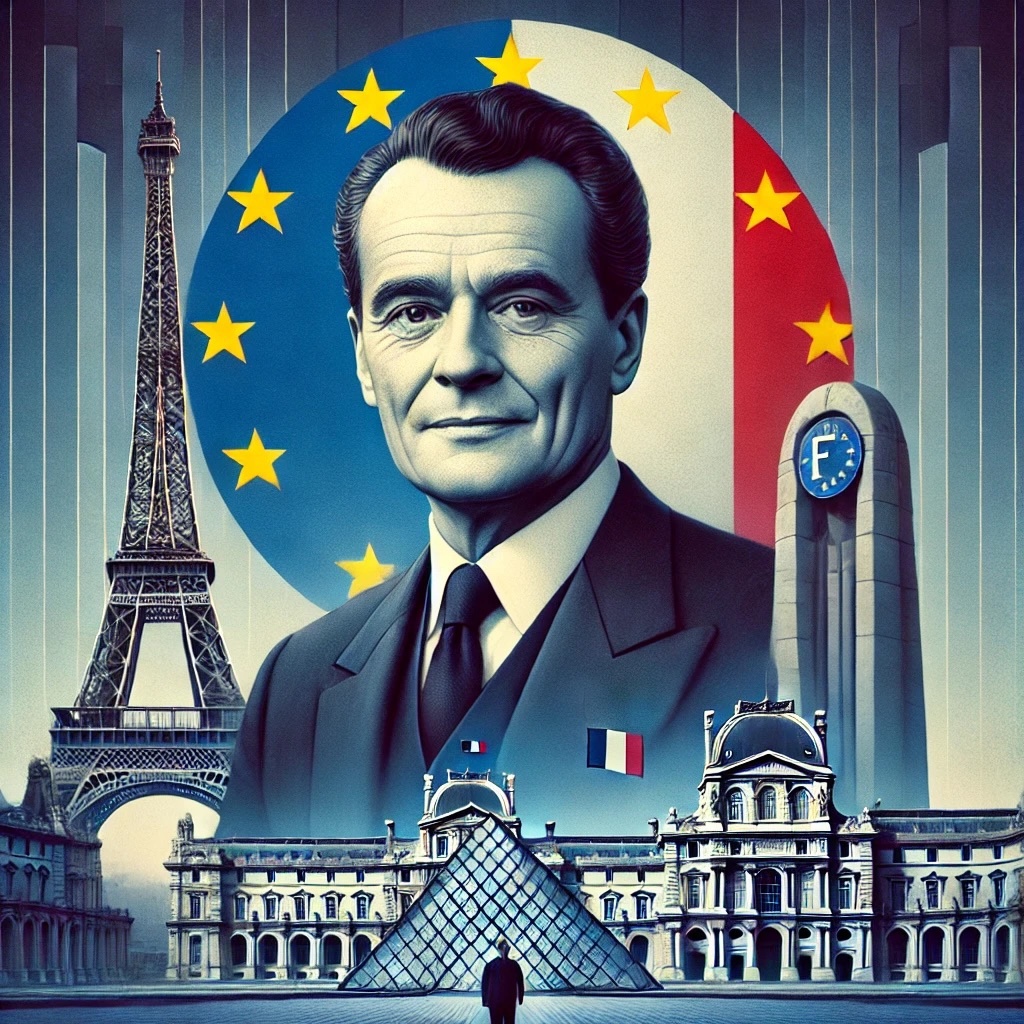
François Mitterrand: The Architect of Modern France

Dave

Mitterrand’s presidency was characterized by a bold agenda to reshape France. As the first socialist president in the Fifth Republic, he brought progressive reforms to a country grappling with social inequality and economic stagnation. Among his notable achievements were:

Social Reforms: Mitterrand introduced measures such as increasing the minimum wage, reducing the workweek, and expanding workers’ rights. These policies aimed to improve the lives of ordinary citizens and reduce class disparities.
Nationalization and Privatization: Early in his term, Mitterrand nationalized key industries and banks to strengthen public control. Later, recognizing the changing global economy, he embraced privatization, showcasing his adaptability as a leader.
Cultural Renaissance: He championed French culture, commissioning grand projects like the Louvre Pyramid and the National Library of France. These efforts symbolized a blend of tradition and modernity.
A Time of Political Change
Mitterrand’s tenure coincided with significant shifts in global and domestic politics. His leadership navigated the challenges of the Cold War, European integration, and domestic political divisions.

Key milestones included:
European Unity: A staunch advocate of the European Union, Mitterrand played a pivotal role in the Maastricht Treaty, laying the foundation for the euro.
Balancing Ideologies: His ability to collaborate with political rivals, such as during the periods of “cohabitation” when the presidency and prime ministership were controlled by opposing parties, highlighted his pragmatic leadership.
The Legacy of François Mitterrand
Despite controversies, including debates over his early political affiliations and personal life, Mitterrand remains a towering figure in French history. His vision for a modern, equitable, and culturally rich France continues to inspire leaders today.

Mitterrand’s story is one of evolution—both personal and political. He was a man of contradictions, yet his ability to adapt and lead during times of change ensured his place as one of France’s most influential leaders.

Related Posts

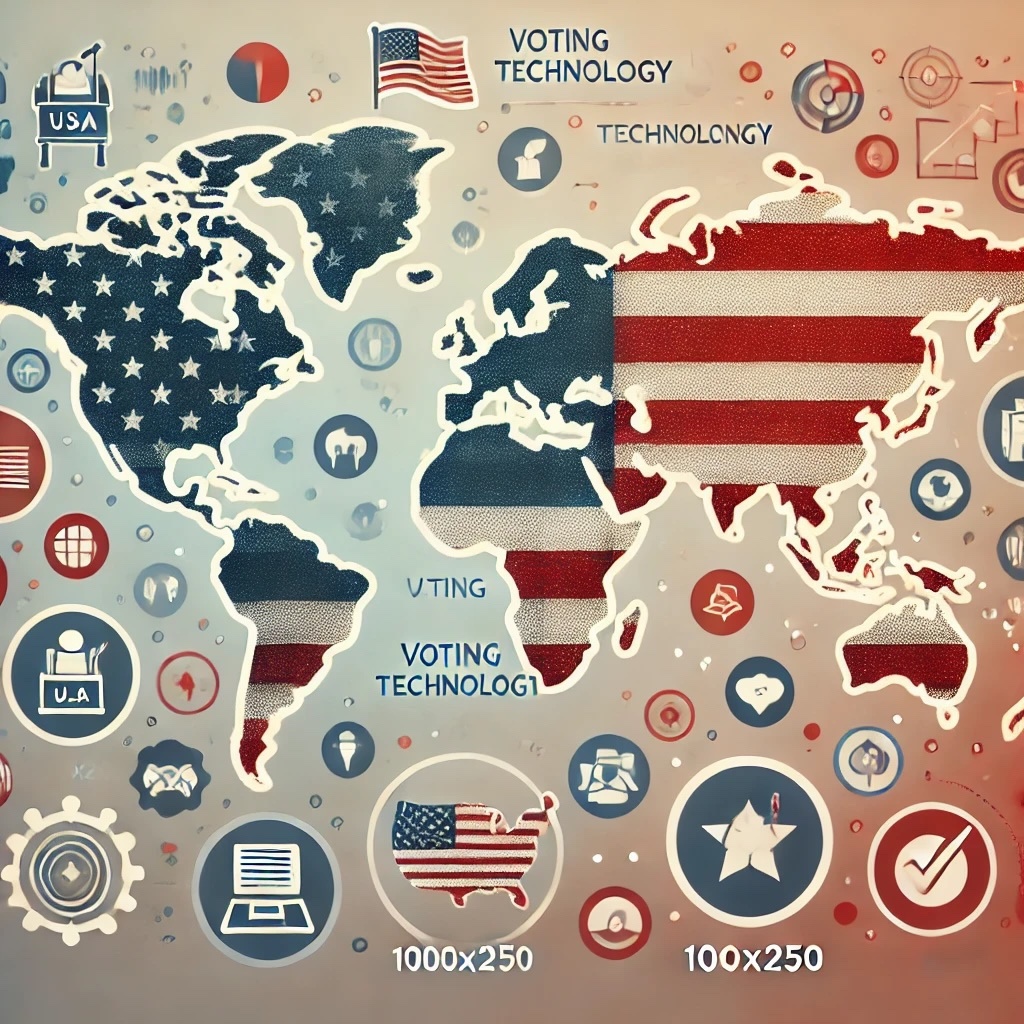
Global Reflections: How U.S. Elections Shape Democracy Worldwide

Dave

The world watches U.S. elections with rapt attention—not just because of America’s global influence but also for the lessons that emerge from its electoral process. From campaign dynamics to voter turnout, the U.S. electoral system has long been a model (and sometimes a cautionary tale) for other democracies. The United States’ elections spark discussions worldwide about democratic values, the role of citizens in government, and the mechanics of voting. But how exactly do other countries interpret U.S. election outcomes, and have they enacted any reforms based on American experiences? This article explores these global reflections and the influence of U.S. elections on electoral reform.

The U.S. elections often set trends, serving as a model that other nations adopt or adapt in different ways. Here’s a closer look at some aspects that inspire reforms abroad:

U.S. elections are known for high-energy campaigns that rely on data analytics, social media, and direct voter outreach to engage people at a grassroots level. Many countries have taken notes, using targeted campaigns and digital tools to better connect with their voters. In nations where voter engagement was traditionally low, lessons from American-style campaigning have sparked new methods of outreach aimed at boosting turnout and encouraging civic participation.

The U.S. model of election transparency—live debates, accessible information on candidates, and real-time election coverage—has inspired other democracies to ensure their election processes are similarly open. Countries have introduced televised debates, expanded access to candidate platforms, and set up live broadcasts of vote counts, aiming to build public trust in their own elections.

With initiatives focused on young and first-time voters, the U.S. has influenced programs worldwide that encourage youth engagement in politics. Inspired by American voter education efforts, countries such as India and Canada have rolled out programs in schools to educate young people about their role in democracy, aiming to build lifelong habits of civic involvement.

While the U.S. elections offer valuable lessons, some of the world’s reforms have been inspired by perceived challenges in the American system, especially around access and fairness.

Observing debates in the U.S. around voter suppression, countries like Brazil and Germany have taken extra steps to ensure inclusive and accessible voting processes. Many have opted for automatic voter registration and expanded absentee ballot access, aiming to make it easier for all citizens to vote without restrictions.

The enormous role of money in U.S. campaigns has led some countries to reinforce their own limits on campaign financing, to ensure fairness and equal opportunity for all candidates. Nations including the United Kingdom and Canada have enacted stricter regulations on political donations and spending caps to prevent wealthier candidates or parties from having outsized influence.

Witnessing both the promise and occasional pitfalls of U.S. voting technology, countries have cautiously adopted modern systems while prioritizing security. Countries like Estonia have implemented secure online voting systems, while others, like France, have retained traditional paper ballots to avoid risks associated with electronic voting.

The U.S. election process often spurs global dialogue about democracy itself. The transparency, campaigning styles, and electoral policies seen in U.S. elections encourage nations to reflect on their own practices, adopting elements that fit their unique cultures and governance structures. Yet, they also serve as a reminder that democratic practices are not one-size-fits-all. U.S. elections continue to demonstrate both the power and the complexities of modern democracy, inspiring other nations to learn, adapt, and refine their own systems to best serve their citizens.

The U.S. election process acts as both a mirror and a model for global democracies. Whether inspiring reforms in transparency, voter engagement, or campaign finance, it highlights the values shared across democratic nations and serves as a valuable, albeit imperfect, example of democracy in action. As countries reflect on and adapt lessons from U.S. elections, they reinforce a global commitment to representative governance and active civic participation—a powerful, lasting impact of the American democratic experiment.

Related Posts
The Treaty of Trianon: A Nation’s Shattered Boundaries

Dave

In June 1920, Hungary faced a moment that would forever alter its place in the world: the signing of the Treaty of Trianon. This treaty, a component of the broader peace settlement concluding World War I, was one of the most significant turning points in Hungarian history. Stripped of two-thirds of its territory and over half its population, Hungary emerged from the treaty a shadow of its former self, sparking decades of national reflection, cultural resilience, and political tension.

Hungary’s pre-war borders included vast lands and a diverse population. Trianon reduced the nation from over 325,000 square kilometers to just 93,000 square kilometers. Entire regions, such as Transylvania, Slovakia, and Croatia, were ceded to neighboring states like Romania, Czechoslovakia, and Yugoslavia. For millions of ethnic Hungarians, this meant waking up one day as minorities in foreign countries—a deeply personal and painful transformation.

Economically, Hungary’s once-thriving industries, heavily reliant on resources from the lost territories, crumbled. Railways now crossed international borders, agriculture lost fertile lands, and trade routes were disrupted. The psychological impact was equally severe, with national pride and identity deeply wounded.

The treaty’s fairness remains a topic of debate. To the Allied powers, it was a necessary measure to weaken a defeated empire and ensure stability in the region. To Hungary, it felt punitive and excessive, fostering a sense of injustice that would linger for generations. This resentment became fertile ground for political instability, influencing Hungary’s role in the interwar years and even its alignment during World War II.

Despite the losses, Hungary preserved its cultural heritage. The arts, literature, and traditions flourished as Hungarians sought solace and strength in their shared identity. Writers like Dezső Kosztolányi and musicians such as Béla Bartók emerged as symbols of resilience, capturing the spirit of a nation determined to rise above adversity.

More than a century later, the Treaty of Trianon is still a sensitive topic in Hungary. It shaped the country’s modern borders, identity, and foreign relations. For Hungarians, it’s a reminder of a painful past but also a testament to their enduring spirit.

Related Posts

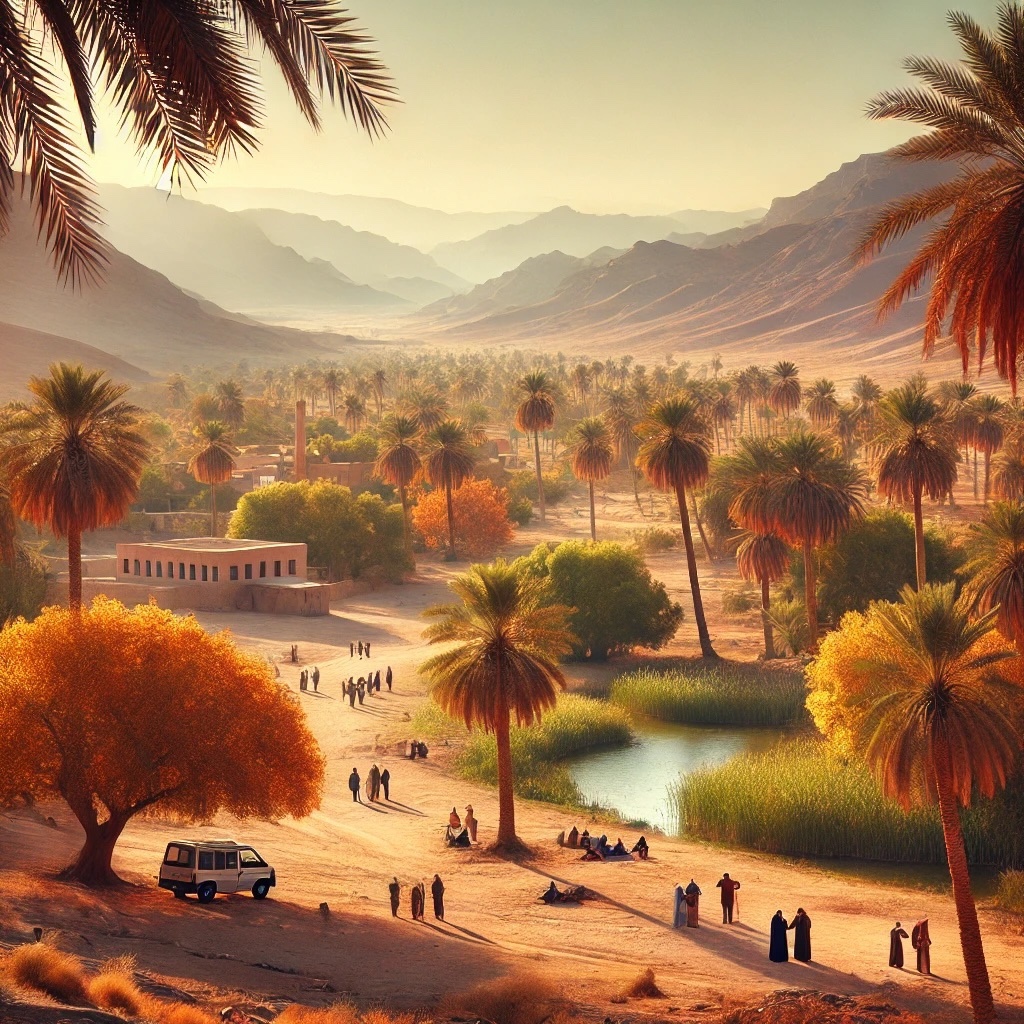
Autumn in the Middle East: A Subtle Symphony of Change

Dave

When we think of autumn, images of falling leaves and brisk weather come to mind, but in the Middle East, the season takes on a unique, subtler charm. While the region’s desert landscapes may not shift with the dramatic reds and oranges seen elsewhere, autumn here has its own quiet beauty, felt more in the cooling breeze than seen in colorful foliage. It’s a season that brings life back to the land, allowing people to embrace the outdoors after the intense summer heat and making way for natural changes that go beyond what meets the eye.

In cities like Riyadh, Muscat, and Dubai, autumn arrives as a welcome relief. Temperatures drop, and the air becomes lighter, allowing residents to return to their favorite outdoor activities—picnics in the dunes, hikes in the mountains, and strolls through bustling souks. The shifting season also ushers in festivals and gatherings, from Dubai’s Global Village to Qatar’s cultural exhibitions. Parks and gardens see an influx of families enjoying picnics under the clear skies, as people reconnect with nature in a way that is almost celebratory.

The oases and wadis come alive, with scattered greenery flourishing in places that just months before seemed barren. This is a time when date palms yield their harvest, and the aroma of spices fills the air in marketplaces, offering a distinct sensory experience. The date harvest is especially important, as it’s a season-long tradition that goes beyond sustenance—it’s a moment of cultural significance, an enduring link between generations. Throughout the Middle East, the arrival of autumn reflects resilience and beauty in a landscape that knows how to thrive in its own, often understated way.

Autumn in the Middle East teaches us to appreciate the subtleties of change. It reminds us that even in the desert, the seasons bring a shift in the atmosphere, a break in routine, and a chance to reconnect with nature. So, whether it’s a sunset hike in the mountains, a stroll by the sea, or just a quiet evening under the stars, autumn here brings a special kind of warmth—a season not defined by its colors but by its atmosphere, offering a calm that invites reflection and a renewed sense of possibility.

Related Posts

November’s Golden Embrace: The Beauty of Autumn in Full Bloom

Dave

As November rolls in, autumn reveals its final, most breathtaking act, draping the landscape in shades of amber, crimson, and gold. There’s something enchanting about this time of year—a kind of quiet magic that invites us to pause, breathe deeply, and savor the beauty around us. The trees seem ablaze with color, each leaf a tiny masterpiece, while the air grows crisp and carries a faint smell of wood smoke, hinting at the chill to come. It’s a time when nature slows down, a gentle reminder for us to do the same and enjoy this fleeting beauty.

Walking through a November forest, you might notice how the light dances differently. The sun sits lower in the sky, casting a warm glow that brings out the richness of the colors. Leaves crunch underfoot, creating a satisfying soundtrack to your stroll. The world feels like a cozy quilt stitched from the season’s warmest colors, from deep burgundies and burnt oranges to the softer shades of gold and olive green. November’s autumn scene is a painter’s palette, a living, breathing art piece that invites us to capture its beauty in our memories before winter sweeps in.

For many, November brings a chance to reflect. As the trees shed their leaves, we too feel a pull to let go of what no longer serves us. In this serene setting, it’s easier to appreciate the simplicity and beauty of nature’s cycle—a time to gather close to loved ones, enjoy cozy evenings by the fire, and drink something warm while gazing out at the colorful world.

Autumn in November isn’t just about the stunning landscapes; it’s about the feeling it creates, a cozy warmth that wraps around you like a favorite sweater. Every gust of wind carries the whispers of falling leaves, reminding us that nature has a rhythm and wisdom all its own. So grab a blanket, sit outside with a warm drink, and let yourself fall in love with the final, golden days of autumn. It’s a time to be present, to savor, and to marvel at the beauty that November so generously shares.

Related Posts