Latest Articles

Bahrain’s Ancient Wells: A Lifeline in the Desert

Dave

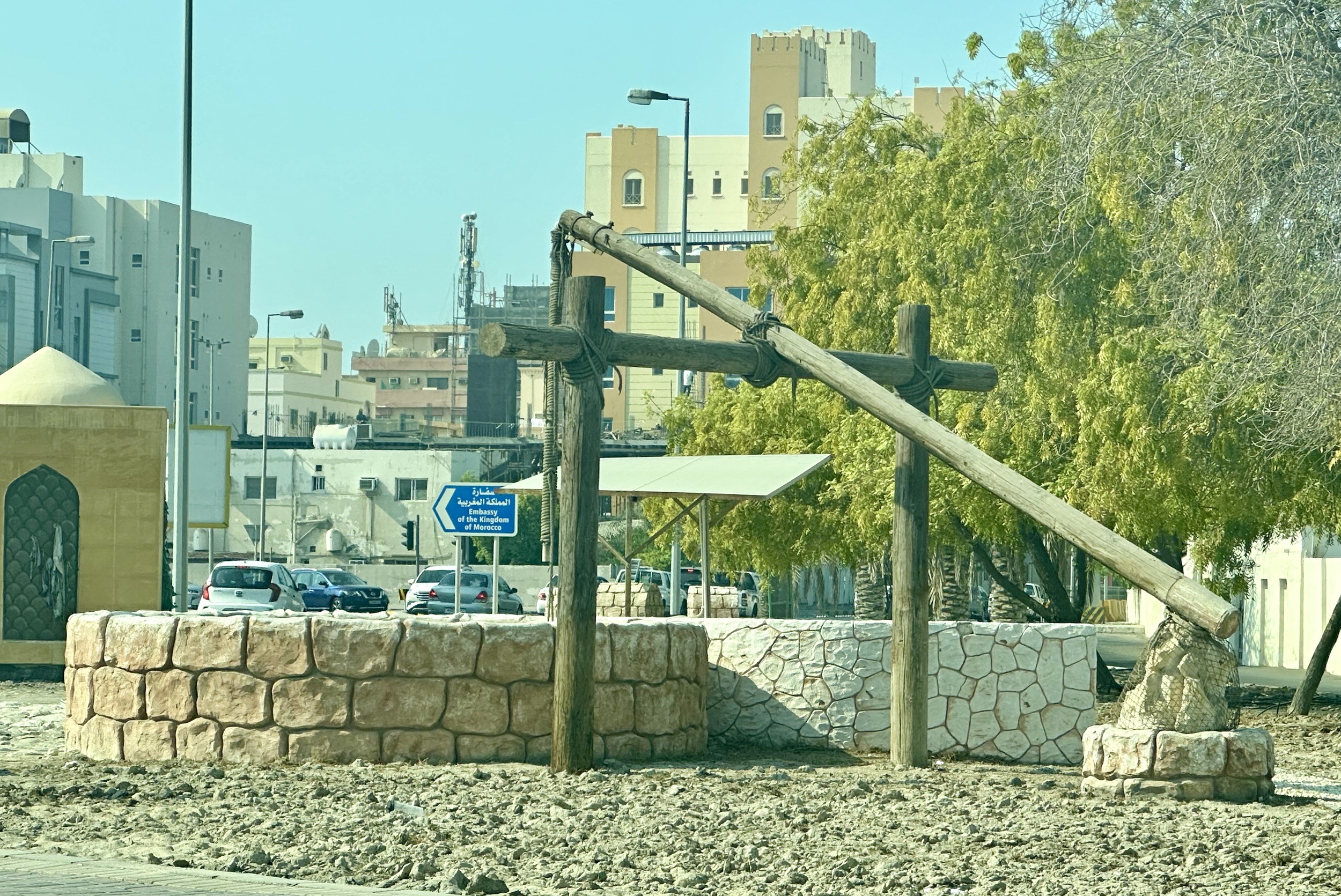
Nestled within the arid landscape of Bahrain, an ancient tradition continues to sustain life—fetching water from wells. Long before modern infrastructure brought desalination plants and pipes to the island, the people of Bahrain relied on wells to access the life-giving water hidden beneath their sandy land. These wells are not only functional but also deeply woven into Bahrain’s cultural fabric, a testament to the ingenuity and resilience of its people in the face of harsh desert conditions.

Bahrain, meaning “two seas” in Arabic, historically referred to the island’s fresh underground water juxtaposed against the surrounding salty sea. For centuries, the discovery and use of wells were vital for survival. Bahrain’s unique geological features included a layer of limestone that allowed freshwater springs to emerge from underground aquifers. These springs, often linked to historic wells, provided Bahrainis with clean water for drinking, farming, and daily needs in a landscape that would otherwise have been inhospitable.

Communities in Bahrain would gather around these wells, making them social hubs as well as critical sources of water. Families would use buckets tied to long ropes, lowering them deep into the earth to bring up cool, refreshing water. This wasn’t merely a task but a communal activity, one that reflected the values of sharing and cooperation that still resonate in Bahraini society today.

The tradition of well-digging also carries spiritual significance. Water is seen as a divine blessing in the Quran, and the act of digging for water was often accompanied by prayers and ceremonies, asking for protection and success in securing the precious resource. In the desert, the presence of a well was a sign of hope, life, and prosperity. Bahrain’s wells are not only practical marvels but also relics of human perseverance.

Though modern water sources have largely replaced the need for wells, many of these ancient structures remain, preserved as heritage sites. They are silent witnesses to a time when water was more than a convenience—it was a vital treasure. Today, they remind us of the deep connection between people and the land they inhabit, and how Bahrain’s history has been shaped by the search for water.

As Bahrain moves forward, balancing development with conservation, these wells stand as symbols of sustainability and respect for natural resources. They are a call to remember that even in a world of abundance, we should never take life’s essentials for granted.
Related Posts

Liberty’s Embrace: The Inspiring Tale of the Statue of Freedom

Dave

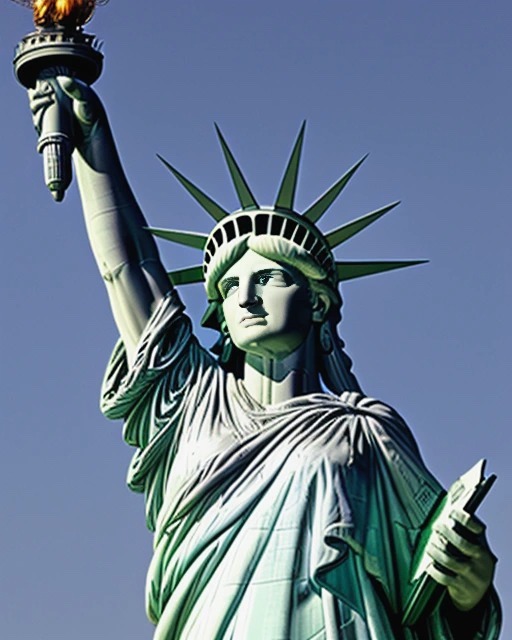
The resplendent Statue of Liberty, an illustrious portrayal of unfettered freedom and democracy, stands proudly tall on Liberty Island in the New York Harbor. It was meticulously crafted by the skilled hands of the renowned French sculptor Frédéric Auguste Bartholdi and was ceremoniously inaugurated on October 28, 1886. This gargantuan monument has left an indelible impression as an everlasting symbol of hope and opportunity for the countless immigrants who sought a brighter future in the United States. Rising to an impressive height of 305 feet, this awe-inspiring masterpiece ensnares the attention of every onlooker with its majestic presence.

The neoclassical design of the statue embodies a draped female figure, symbolizing Libertas, the Roman goddess of freedom. She adroitly wields a torch aloft in her right hand, signifying enlightenment, while her left hand firmly clasps a tablet engraved with the momentous date of American independence, July 4, 1776. Adorning her crown are seven spikes, which serve as representations of each continent, encompassing the vast seas as well. Notably, her feet repose upon a fractured chain, serving as a poignant symbol of the nation’s arduous struggle against slavery. Functioning as a radiant beacon of hope and enlightenment, the Statue of Liberty has warmly welcomed countless immigrants to the shores of the United States, serving as a poignant reminder of the nation’s unwavering dedication to freedom, diversity, and the pursuit of the cherished American Dream.

Even in contemporary times, this stunning statue continues to captivate tourists hailing from various corners of the globe, drawing numerous visitors who come to marvel at its splendor and delve into its rich historical significance. The Statue of Liberty surpasses its physical existence as it embodies unity, inspiration, and the enduring spirit that characterizes America.

Related Posts

From Ancient Spirits to Candy Frenzy: The Spooky Evolution of Halloween

Dave

Halloween, a night of costumes, candy, and eerie fun, is one of the most popular celebrations today, but its origins go back centuries, rooted in ancient rituals and myths. The history of Halloween is a fascinating journey through time, blending ancient Celtic traditions, religious customs, and modern commercialism into the spooky spectacle we know and love.

The Celtic Roots: Samhain
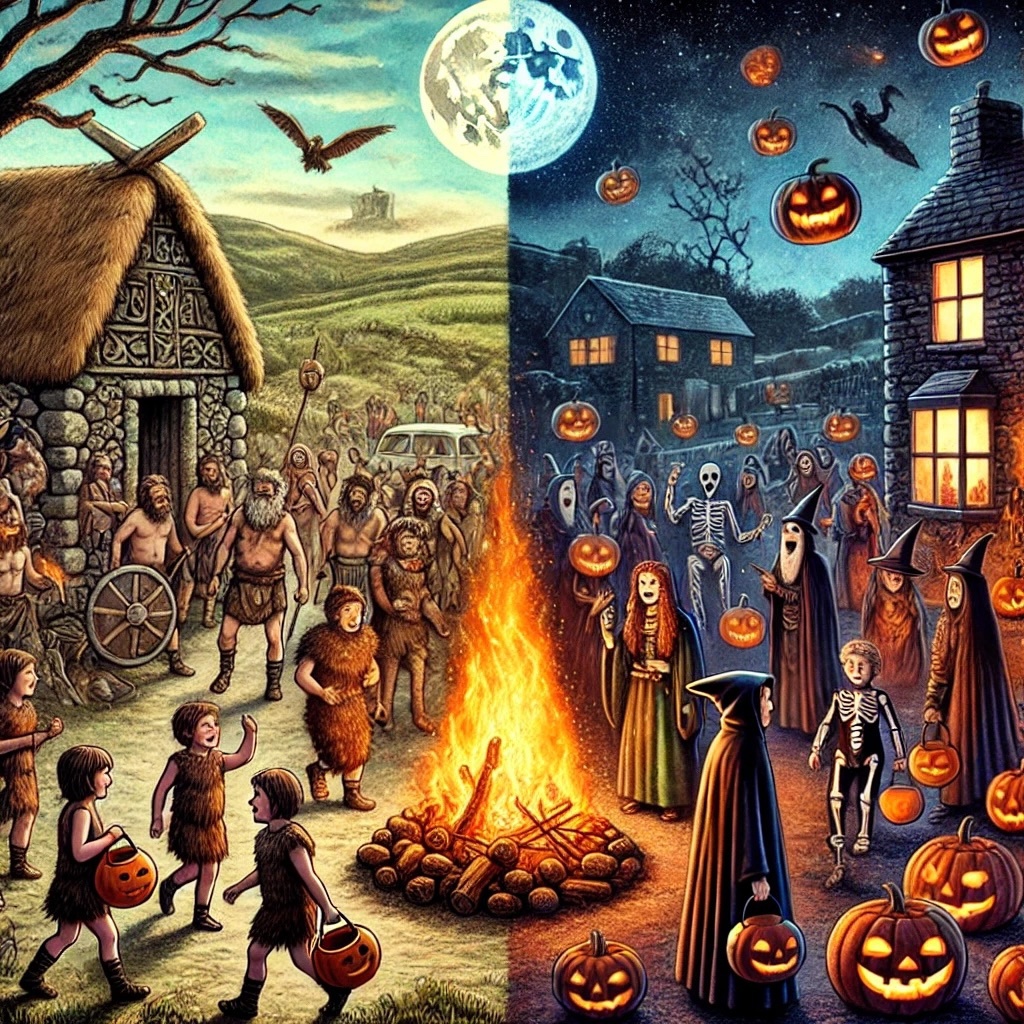
The earliest origins of Halloween date back over 2,000 years to the Celtic festival of Samhain (pronounced “sow-in”). Celebrated in what is now Ireland, the United Kingdom, and northern France, Samhain marked the end of the harvest and the beginning of winter, a time often associated with death. The Celts believed that on the night of October 31st, the boundary between the living and the dead blurred, and spirits roamed the Earth. To ward off these ghosts, people would light bonfires and wear costumes to confuse or scare them away.

Samhain was not just about spooky spirits, though. It was also a time to celebrate the bounty of the harvest and prepare for the darker, colder days of winter. People would gather around bonfires, share stories, and honor their ancestors, believing that this liminal time allowed for special connections between the living and the deceased.

Christianity’s Influence: All Hallows’ Eve
As Christianity spread across Celtic lands, many of the old pagan traditions were incorporated into Christian celebrations. In the 8th century, Pope Gregory III designated November 1st as All Saints’ Day, a time to honor saints and martyrs. The night before, October 31st, became known as All Hallows’ Eve, which later evolved into “Halloween.” While the Church sought to Christianize the ancient pagan customs, many of the old practices, such as dressing up and lighting fires, persisted, blending into the new holiday.

All Souls’ Day on November 2nd further cemented the connection between the living and the dead, as it was a day to pray for the souls of those who had passed. This religious holiday, along with All Saints’ Day, helped solidify the notion that Halloween was a time when the spirits of the dead were closest to the living.

The Move to America: Pumpkins and Trick-or-Treating
Halloween made its way to America with European immigrants in the 19th century, particularly the Irish, who brought their customs across the Atlantic. In America, Halloween evolved into a more community-centered holiday. The tradition of carving turnips, a practice from Ireland and Scotland, transformed into the carving of pumpkins, as they were more readily available in the New World. These carved pumpkins, or jack-o’-lanterns, were originally intended to ward off evil spirits, just like the bonfires of old.

By the early 20th century, Halloween in the United States became a more family-friendly event, focusing on neighborhood gatherings, games, and, of course, candy. Trick-or-treating, which became popular in the 1920s and 1930s, allowed children to dress up in costumes and go door-to-door asking for sweets, echoing the ancient practice of offering food to wandering spirits.

Modern Halloween: A Cultural Phenomenon
Today, Halloween is a massive cultural event, particularly in the United States, where it has become one of the most commercially successful holidays. Costumes have evolved from simple disguises meant to ward off ghosts to elaborate outfits ranging from spooky creatures to pop culture icons. Haunted houses, horror films, and theme park events have added to the thrill of the season, while the holiday’s focus on fun and creativity ensures its popularity across generations.

But even as Halloween continues to grow and change, it still carries echoes of its ancient past. The themes of death, the supernatural, and the connection between the living and the dead remain central to the celebration, reminding us of the holiday’s long and spooky history.

From its roots in the Celtic festival of Samhain to its transformation into a modern celebration of fun, candy, and scares, Halloween is a holiday that has evolved with the times while holding onto its eerie origins. It’s a night where the line between the past and present, the living and the dead, and the sacred and the playful, blur in one grand, ghostly spectacle.

Related Posts

Devil’s Night: The Dark History Behind Mischief and Mayhem

Elias Rowen

Devil’s Night, the night before Halloween, has a notorious reputation for mischief, pranks, and even arson in certain cities. But how did this eerie tradition start, and why did it take such a dark turn in places like Detroit? To understand, we need to dive into a history filled with youthful rebellion, urban decay, and the thin line between harmless fun and dangerous chaos.

The origins of Devil’s Night can be traced back to early European traditions of “Mischief Night.” Dating back to the 18th century in the UK, the night before May Day or All Hallows’ Eve was set aside for harmless pranks like knocking on doors and hiding objects. The idea was simple: a night of playful trickery to balance the spooky solemnity of Halloween.

When immigrants brought their customs to the United States, Mischief Night became a part of the Halloween festivities. Kids would soap up windows, toilet-paper trees, and engage in relatively innocent pranks. It wasn’t about harm or destruction—just some fun before the candy collection on Halloween night.

However, in the mid-20th century, Devil’s Night took a darker turn, particularly in Detroit. As the city struggled with economic decline, racial tensions, and depopulation, the night became a symbol of deeper unrest. By the 1970s and 1980s, what had once been a night of harmless pranks morphed into something far more dangerous. Arson became rampant, with hundreds of abandoned buildings set on fire each year.

The media spotlight on Detroit’s Devil’s Night painted a bleak picture, and the city’s reputation was deeply affected. Authorities struggled to control the chaos, and for many, it was a sign of a city in crisis. While the fires symbolized a city’s decay, they also represented the anger and frustration of its residents. What had started as mischief became a desperate cry for attention.

By the 1990s, efforts were underway to take back Devil’s Night from the flames. Community leaders and volunteers started patrolling the streets, determined to prevent arson and vandalism. Detroit’s residents banded together in what became known as “Angel’s Night.” By reclaiming the night, they aimed to restore a sense of pride in their city. Slowly but surely, the number of fires declined, and Detroit began to shed the dark legacy of Devil’s Night.

Today, Devil’s Night still exists in the folklore of Halloween, but its destructive legacy is fading. The shift toward community activism, especially in Detroit, shows how a night of mischief can be transformed through collective action and a desire for change.

Devil’s Night is a reminder of how traditions can evolve, sometimes for the worse, and how communities can work together to reclaim what was lost. What started as playful pranks turned into something far more destructive, but through determination and unity, cities like Detroit have worked to rewrite the narrative. The history of Devil’s Night may be dark, but its transformation is a testament to the resilience of communities.

Related Posts

Investing in Bahrain: Seizing Financial Opportunities Beyond Oil

Dave

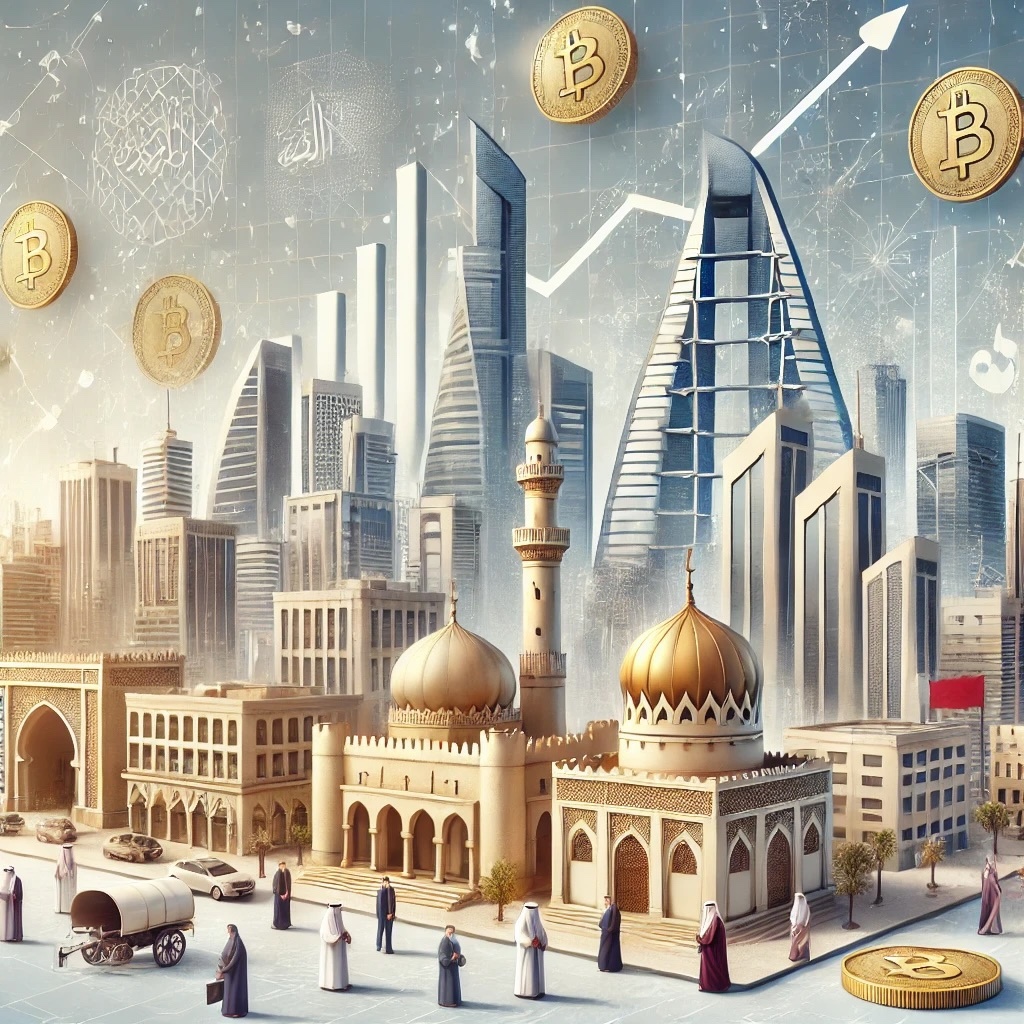
Bahrain’s financial sector is booming, and it’s making waves far beyond the oil industry that once dominated its economy. As the largest contributor to GDP, Bahrain’s financial services sector is now a beacon for investors, offering lucrative opportunities in traditional finance, fintech, and the ever-expanding world of Islamic finance. For investors looking to diversify their portfolios and tap into a region rich with opportunity, Bahrain is fast becoming the prime destination.

A Strong Financial Sector
Bahrain’s financial sector has grown remarkably, outpacing oil to become the backbone of the national economy. The Central Bank of Bahrain (CBB) plays a crucial role, ensuring stability and fostering growth. Bahrain’s well-regulated environment attracts international firms, with more than 400 financial institutions operating in the country. This stability, paired with transparent governance, makes it an attractive hub for investment.

Islamic Finance: A Growing Opportunity
Bahrain is also a global leader in Islamic finance, an area of significant growth. Islamic banking, insurance, and investment products are gaining momentum, supported by Bahrain’s dedication to developing a robust regulatory framework. Investors can explore a wide range of opportunities, from Sukuk (Islamic bonds) to Sharia-compliant financial products that cater to the growing demand for ethical investing.

Investment-Friendly Policies
Bahrain’s government is determined to encourage foreign investment. With 100% foreign ownership in many sectors, a streamlined process for setting up businesses, and a strategic location in the Gulf region, Bahrain is building a business-friendly environment. The recent establishment of free trade zones and initiatives to support fintech development further bolster the appeal for international investors.

In summary, Bahrain presents a world of financial opportunities, with an advanced financial services sector and a robust Islamic finance industry. Investing in this region opens doors to dynamic growth in a stable and well-regulated environment.

Related Posts