Latest Articles

The Impact of Technology on Creative and Analytical Thinking: Tools and Techniques

Dave

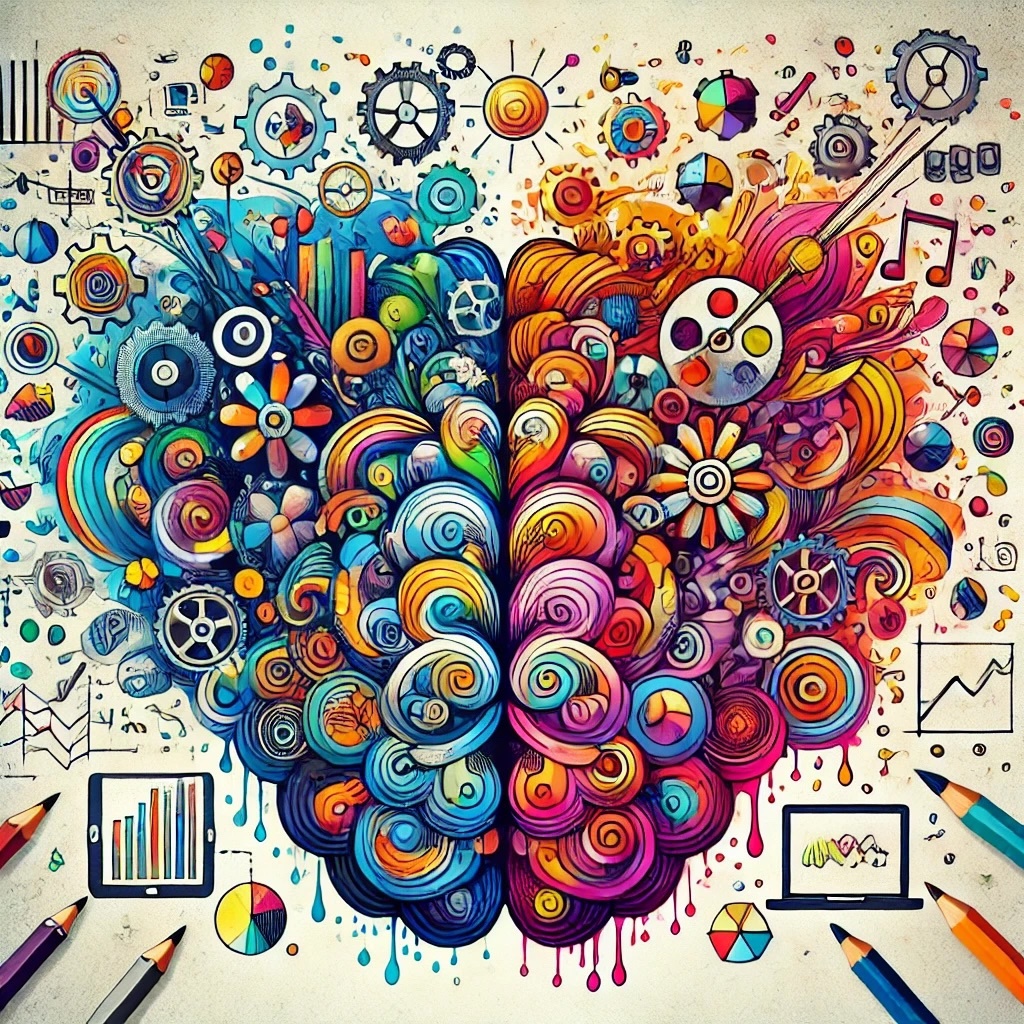
In an age where technology touches every aspect of life, its influence on how we think—both creatively and analytically—cannot be understated. The integration of advanced tools has reshaped how we solve problems, express ideas, and approach decision-making, blending the once-distinct realms of creativity and analysis.

Technology and Creativity
Technology has unleashed unprecedented opportunities for creative expression. Graphic design software, digital art platforms, and music production tools allow artists to explore new dimensions in their work. Tools like virtual reality (VR) and augmented reality (AR) take creativity even further by blurring the line between the real and the imagined. These innovations enable creators to visualize and bring to life ideas that were once impossible in the physical world.

Technology and Analytical Thinking
When it comes to analytical thinking, technology plays a vital role in helping individuals process vast amounts of data, uncover patterns, and make informed decisions. Tools such as data analytics software, machine learning algorithms, and advanced computational models allow us to break down complex problems, simulate scenarios, and predict outcomes with accuracy. These tools foster critical thinking, enabling individuals and organizations to navigate an increasingly data-driven world.

Tools that Bridge Both Worlds
Interestingly, many tools today are designed to foster both creative and analytical thinking. For instance, programs like CAD (Computer-Aided Design) combine creativity in designing intricate models with precise analytical calculations. Similarly, platforms like Excel or Power BI enable creative visualization of data while offering robust analytical capabilities.

In conclusion, technology enhances both creative and analytical thinking, empowering individuals to push boundaries in both domains. By harnessing the right tools, we can cultivate a balanced mind that excels in both innovation and problem-solving.
Related Posts

Bahrain: A Rising Star on the Global Stage in 2023

Dave

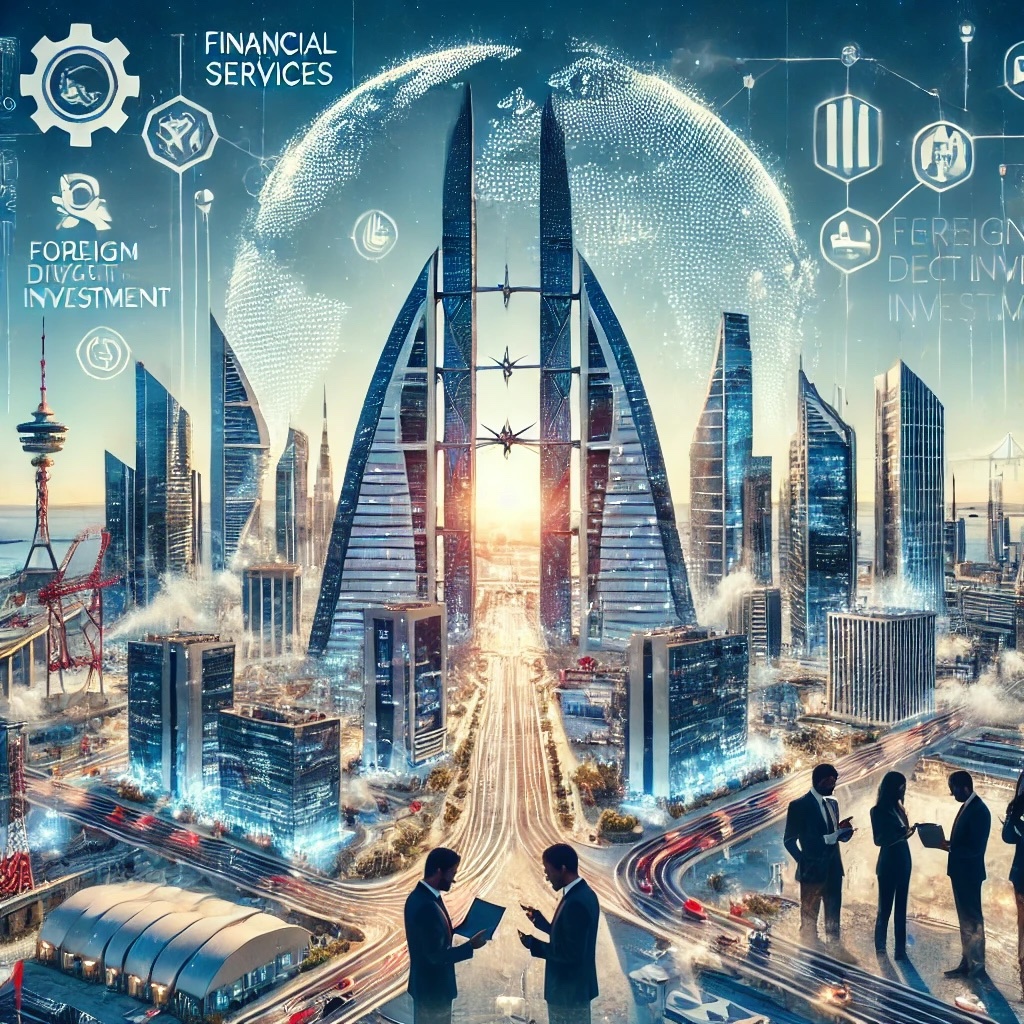
In 2023, Bahrain has firmly established itself as a regional and global powerhouse, earning top spots in multiple international rankings. Known for its forward-thinking policies and a welcoming environment for foreign direct investment (FDI), Bahrain has become a hub for businesses looking to expand into the Middle East and beyond. The nation’s strength in financial services, supported by a robust regulatory framework, has drawn global attention, while its growing tech and innovation sectors have positioned it as a leader in business innovation. With its strategic location, competitive costs, and a skilled workforce, Bahrain continues to attract international companies, making it a prime destination for investment. As the country thrives, it stands as a beacon of economic resilience and progressive development, offering exciting opportunities for entrepreneurs and established businesses alike.

Related Posts

Unlocking Genius: Fostering Creativity and Analytical Skills in the Classroom

Dave

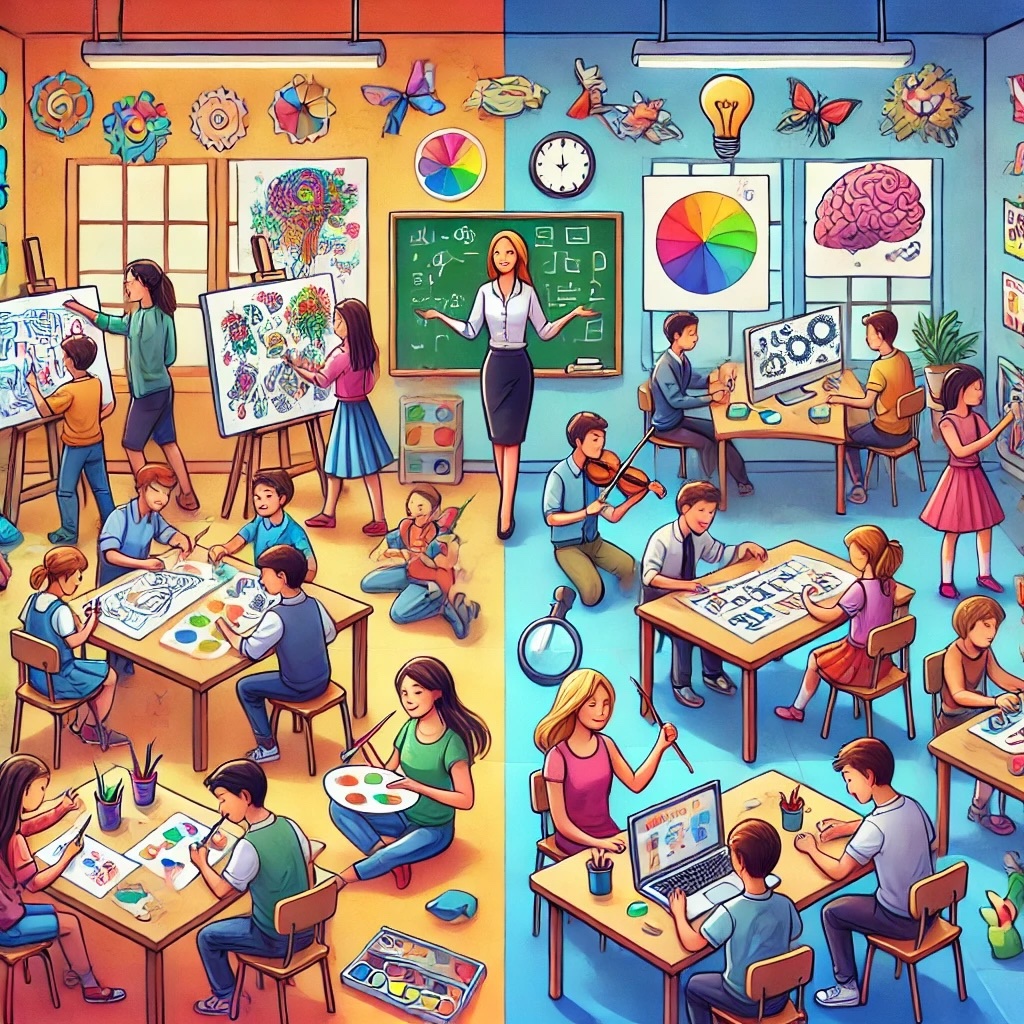
In today’s rapidly evolving world, the ability to think both creatively and analytically is a superpower. But how can educators nurture these essential skills in students? The key lies in blending imaginative exercises with problem-solving challenges. First, allow students to explore open-ended projects where creativity takes center stage—whether through writing, art, or design. This freedom not only enhances their creative thinking but also gives them the confidence to express unique ideas. Pair these activities with structured, analytical exercises like critical thinking tasks, puzzles, and case studies, which encourage students to break down complex problems and develop logical solutions. By integrating both creative and analytical methods, teachers create a balanced learning environment where students can thrive as innovative, yet disciplined thinkers. Encouraging collaboration between students with different strengths further broadens their perspectives and prepares them to tackle real-world challenges with a diverse skill set.

Related Posts

Safeguarding Democracy: How the U.S. Keeps Election Fraud in Check

Dave

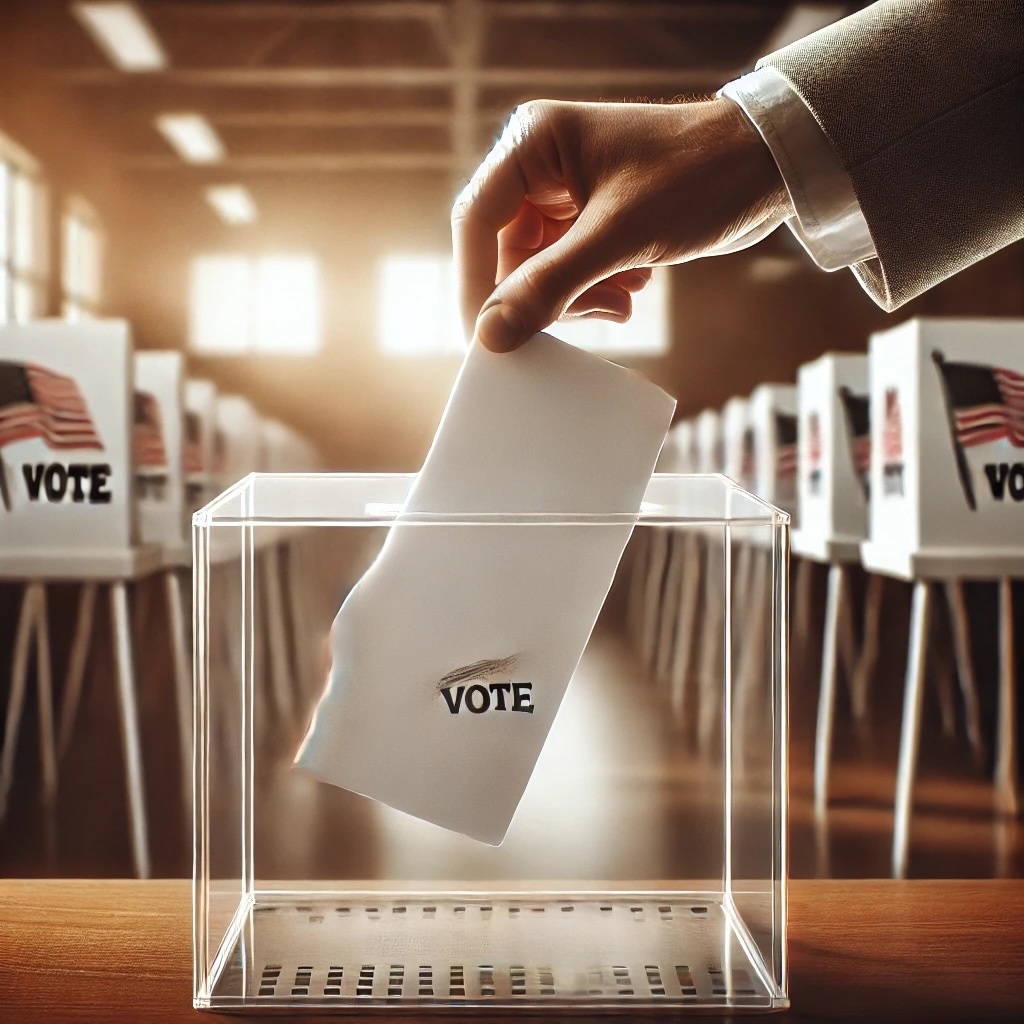
Election fraud has long been a topic of debate and concern, especially in a country as large and diverse as the United States. Ensuring that every vote is counted fairly and accurately is vital for maintaining trust in the democratic process. But how exactly does the U.S. prevent election fraud? Let’s break down the layers of protection and transparency that help keep the nation’s elections secure.

Voter Registration: The First Line of Defense
The first step in preventing election fraud begins with voter registration. Across the U.S., citizens are required to register before they can vote. This ensures that only eligible voters—those who meet residency, age, and citizenship requirements—are able to cast ballots. Many states have implemented online registration systems and automatic registration through driver’s license renewals, helping to create a robust, up-to-date voter list while making it harder for ineligible individuals to vote.

Voter ID Laws
One of the more debated tools in preventing election fraud is the implementation of voter ID laws. While these laws vary from state to state, they generally require voters to present a form of identification before casting their ballot. Proponents argue that this measure helps confirm a person’s identity and prevent instances of impersonation or double voting. Opponents, however, raise concerns that voter ID laws can be a barrier for certain groups, including minorities and low-income individuals. Nevertheless, in states where voter ID laws are enforced, they serve as a critical tool for protecting the integrity of elections.

Absentee and Mail-In Voting Protections
Absentee and mail-in voting have been essential parts of the U.S. election process, especially during the COVID-19 pandemic. To prevent fraud in mail-in voting, several safeguards are in place. Ballots are tracked from the moment they are requested to ensure that each voter only submits one ballot. Voter signatures are often required on both the ballot and the outer envelope, and these signatures are compared to those on file before the vote is counted. Additionally, many states use barcode systems to track the status of a mailed ballot, providing voters and election officials alike with a transparent view of the process.

Secure Voting Technology
The U.S. takes election security seriously when it comes to the technology used in the voting process. While some states still use paper ballots, others have shifted to electronic voting machines. To prevent tampering or hacking, these machines are required to meet stringent federal security standards. Many states also mandate that voting machines produce a paper trail that can be audited to ensure the accuracy of the results. Regular testing and certification of voting equipment, as well as cybersecurity measures, help reduce the risk of external interference.

Post-Election Audits and Investigations
Once an election is complete, many states conduct audits of the results to ensure that no discrepancies have occurred. These post-election audits compare the electronic vote count to paper records (if available) to verify the accuracy of the results. In cases where fraud is suspected, law enforcement agencies can launch investigations, often in coordination with federal entities like the FBI. Such thorough checks and balances ensure that the system remains fair and transparent.

Bipartisan Oversight and Public Transparency
One of the most critical factors in preventing election fraud is the involvement of both major political parties in overseeing elections. Election workers, observers, and officials from both parties are often present at polling places and during the vote counting process, ensuring that no single party has undue influence over the results. Additionally, public transparency, such as the ability to view live streams of ballot counting, adds another layer of accountability.

The Bottom Line: A Secure Process
While no system is perfect, the U.S. has put in place a wide range of safeguards to prevent election fraud. From voter registration and ID requirements to post-election audits and bipartisan oversight, these protections ensure that elections are as fair and secure as possible, preserving the trust that Americans place in their democratic process.

Related Posts

Communism vs. Democracy: Who’s Really Winning the 100-Year Race?

Dave

Over the past century, the ideological tug-of-war between communism and democracy has played out on a global stage, shaping governments, economies, and societies. Both have undergone transformations, but which system has advanced further in the last 100 years? Let’s dive into this question by examining key areas like political freedoms, economic growth, and societal progress.

The Evolution of Democracy
Democracy, at its core, is about giving power to the people, and this idea has continued to evolve. In the early 20th century, democratic nations were largely limited to Europe and the Americas. Fast forward 100 years, and democracy has expanded across the globe, albeit unevenly. Today, over half of the world’s countries claim some form of democracy. In this time, democratic societies have seen enormous technological advancements, substantial economic growth, and a general increase in civil liberties and human rights. The rise of social movements, women’s suffrage, and the fight for equality are all hallmarks of democracy’s progress.

However, democracy hasn’t been without its challenges. In recent years, issues like political polarization, corruption, and disinformation have tested the resilience of democratic systems. But the adaptability of democratic institutions has allowed them to evolve and address new problems, making democracy a system that, while imperfect, continues to offer opportunities for growth and reform.

The Path of Communism
Communism, on the other hand, started with grand promises of equality, classlessness, and shared wealth. After the Russian Revolution in 1917, communism spread to multiple regions, most notably China, Cuba, and parts of Eastern Europe. In the mid-20th century, communism seemed poised for massive global influence. But as the 20th century progressed, many communist regimes faltered. The Soviet Union collapsed, and various Eastern European countries shifted towards democracy and capitalism. China, while still governed by the Communist Party, has embraced market reforms that blur the lines between capitalism and communism.

That said, communism’s lasting legacy has been its focus on collective welfare and attempts at reducing extreme economic inequality. However, these gains often came at the cost of personal freedoms, innovation, and efficiency. In the past 100 years, while communism has made strides in lifting certain populations out of poverty (as seen in China’s economic rise), the broader communist movement has faced stagnation. The inherent centralization of power in communist regimes has stifled individual freedoms and creativity, making it less adaptable in a rapidly changing world.

Who’s Leading the Race?
When measuring progress over the last 100 years, democracy seems to have made the greater strides. While flawed, democracy has shown remarkable resilience and adaptability, creating societies where human rights, innovation, and individual freedoms can flourish. The success of democratic nations in fostering economic prosperity and technological innovation is a testament to this.

Communism, while offering important lessons on economic inequality and collective welfare, has struggled to evolve without suppressing individual freedoms. With its restrictive governance model, it hasn’t kept pace with the economic and social advancements seen in democratic nations.

In short, democracy has surged ahead in the race, but it’s not an uncontested victory. Both ideologies have shaped the world in significant ways, and the future will continue to test the adaptability and resilience of each system.

Related Posts