Latest Articles

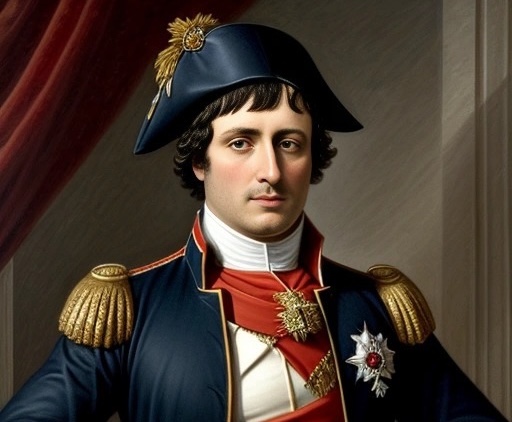
Napoleon: Military Genius and Architect of Modern France

Dave

Napoleon Bonaparte’s journey from general to French Emperor changed his life and French history. His rise showed his military skill and his vision for legal change. The Napoleonic Code was more than just war victories; it changed French civil life. It balanced strong government with people’s rights, a new idea that lasted. During a time of change, these reforms showed Napoleon’s lasting impact, proving he was more than just a military leader. His legal changes left a big mark on France and influenced modern law. This essay looks at how the Napoleonic Code was key to Napoleon’s plans, changing society and affecting laws beyond France. It changed authority and personal freedoms in ways that still matter today.

Napoleon’s Napoleonic Code showed he knew change wasn’t just about military victories. It was also about legal and social reform. Introduced in 1804, the Code moved away from France’s old feudal laws. It set up a fairer civil law system. This change balanced strong central authority with equality and individual rights. Unlike the old system, the Code protected private property and kept the state secular. It made laws the same everywhere in France and protected citizens from unfair power. The Code’s impact went beyond France. It influenced many legal systems in Europe and Latin America. So, while Napoleon is famous for his military campaigns, his approach to governance had a big impact too. By mixing authority with civil liberties, Napoleon changed societal norms and still influences legal thought today.

Building on his legislative success, Napoleon Bonaparte skillfully moved from a general to France’s first Emperor. Doyle (2016) notes that his rise wasn’t just about tactics; it was also about gaining and legitimizing power through reform. As First Consul, he had a lot of power, which helped him become Emperor. This event showed his ambition and the rebirth of the nation. The Napoleonic Wars weren’t just about getting more land; they showed his idea of a stable and united Europe. These wars made France a strong force, but it was his policies like the Napoleonic Code that changed society. His military skills and new laws strengthened authority and supported civil rights. Napoleon changed France by balancing conquest and lawmaking. His impact goes beyond battles, leaving lasting marks on society and government worldwide.

The Napoleonic Code set the stage for Napoleon Bonaparte becoming the first French Emperor. His military skill in the Napoleonic Wars matched his vision for a new France. Napoleon’s rise from revolutionary leader to emperor wasn’t just for personal gain. It was a smart political move, showing his deep understanding of governance. He used his military victories to gain power, taking advantage of the chaos of revolution and war. Napoleon’s battlefield successes and power consolidation made him seem unbeatable. His self-coronation was more than just a ceremony; it symbolized a national rebirth. He mixed autocratic rule with the egalitarian ideas of the Napoleonic Code. His government strengthened state authority but also advanced individual rights and equality. While his military wins were big, his legal reforms were just as important. Napoleon balanced centralized control with civil liberties, leaving a dual legacy. He was both a conqueror and a reformer. Napoleon reshaped France and its governance, impacting statecraft and legal systems worldwide.

To sum up, Napoleon Bonaparte’s legacy as the first Emperor of the French is more than just about his military skills. It’s also about his forward-thinking approach to law and government. The Napoleonic Code shows he knew real change needed more than battles; it needed changes in laws and society. He combined strong control with a focus on civil rights, changing how states were run. This wasn’t just about his own goals but reshaped national identity and international laws. His rule showed how military strategy and good governance could work together. Napoleon’s impact goes beyond just winning wars. He was a leader who balanced power and progress, leaving a lasting mark on modern governments. His life is an example for leaders wanting to mix power with progress, leaving a legacy that goes beyond his time.

Related Posts

The Future of Operating Systems: Shaping the Next Generation of Computing

Dave

As technology advances at an unprecedented pace, operating systems (OS) are evolving to meet the demands of the future. Gone are the days when an OS merely acted as the interface between hardware and user. Today’s trends show operating systems pushing boundaries with innovations like cloud integration, artificial intelligence (AI), and seamless connectivity, enabling a new era of computing.

Cloud-Based Operating Systems
One of the most exciting trends is the rise of cloud-based operating systems. Unlike traditional OS, these systems allow users to access their data and applications from any device with internet connectivity. This trend points to a future where OS functions less as a standalone installation on individual machines and more as a service across devices, creating endless possibilities for mobility and collaboration.

AI Integration
AI is playing a pivotal role in the evolution of operating systems. Modern OS are leveraging AI to optimize performance, manage resources, and enhance user experience. From predictive task management to voice-based commands, AI is reshaping how users interact with their devices. This transformation is making operating systems smarter, more efficient, and highly personalized.

Seamless Connectivity Across Devices
As we move towards a more connected world, operating systems are evolving to create seamless experiences across devices. Whether it’s your smartphone, smart home devices, or your laptop, modern OS are designed to integrate everything into one unified ecosystem. This level of connectivity empowers users to switch between devices effortlessly, creating a fluid computing experience.

In conclusion, the future of operating systems is dynamic and full of promise. With emerging trends like cloud integration, AI, and interconnected ecosystems, the next generation of OS will redefine the way we interact with technology.

Related Posts

The Impact of Technology on Creative and Analytical Thinking: Tools and Techniques

Dave

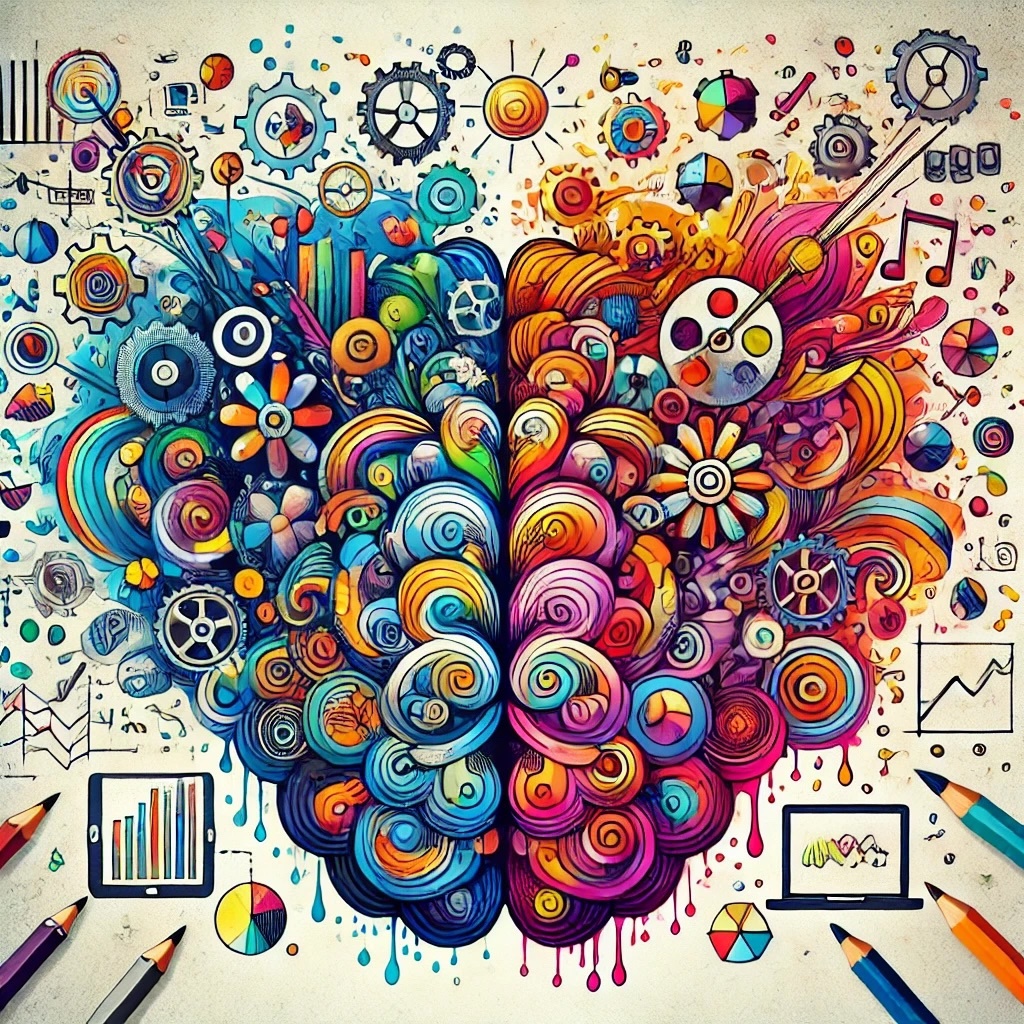
In an age where technology touches every aspect of life, its influence on how we think—both creatively and analytically—cannot be understated. The integration of advanced tools has reshaped how we solve problems, express ideas, and approach decision-making, blending the once-distinct realms of creativity and analysis.

Technology and Creativity
Technology has unleashed unprecedented opportunities for creative expression. Graphic design software, digital art platforms, and music production tools allow artists to explore new dimensions in their work. Tools like virtual reality (VR) and augmented reality (AR) take creativity even further by blurring the line between the real and the imagined. These innovations enable creators to visualize and bring to life ideas that were once impossible in the physical world.

Technology and Analytical Thinking
When it comes to analytical thinking, technology plays a vital role in helping individuals process vast amounts of data, uncover patterns, and make informed decisions. Tools such as data analytics software, machine learning algorithms, and advanced computational models allow us to break down complex problems, simulate scenarios, and predict outcomes with accuracy. These tools foster critical thinking, enabling individuals and organizations to navigate an increasingly data-driven world.

Tools that Bridge Both Worlds
Interestingly, many tools today are designed to foster both creative and analytical thinking. For instance, programs like CAD (Computer-Aided Design) combine creativity in designing intricate models with precise analytical calculations. Similarly, platforms like Excel or Power BI enable creative visualization of data while offering robust analytical capabilities.

In conclusion, technology enhances both creative and analytical thinking, empowering individuals to push boundaries in both domains. By harnessing the right tools, we can cultivate a balanced mind that excels in both innovation and problem-solving.

Related Posts

Bahrain: A Rising Star on the Global Stage in 2023

Dave

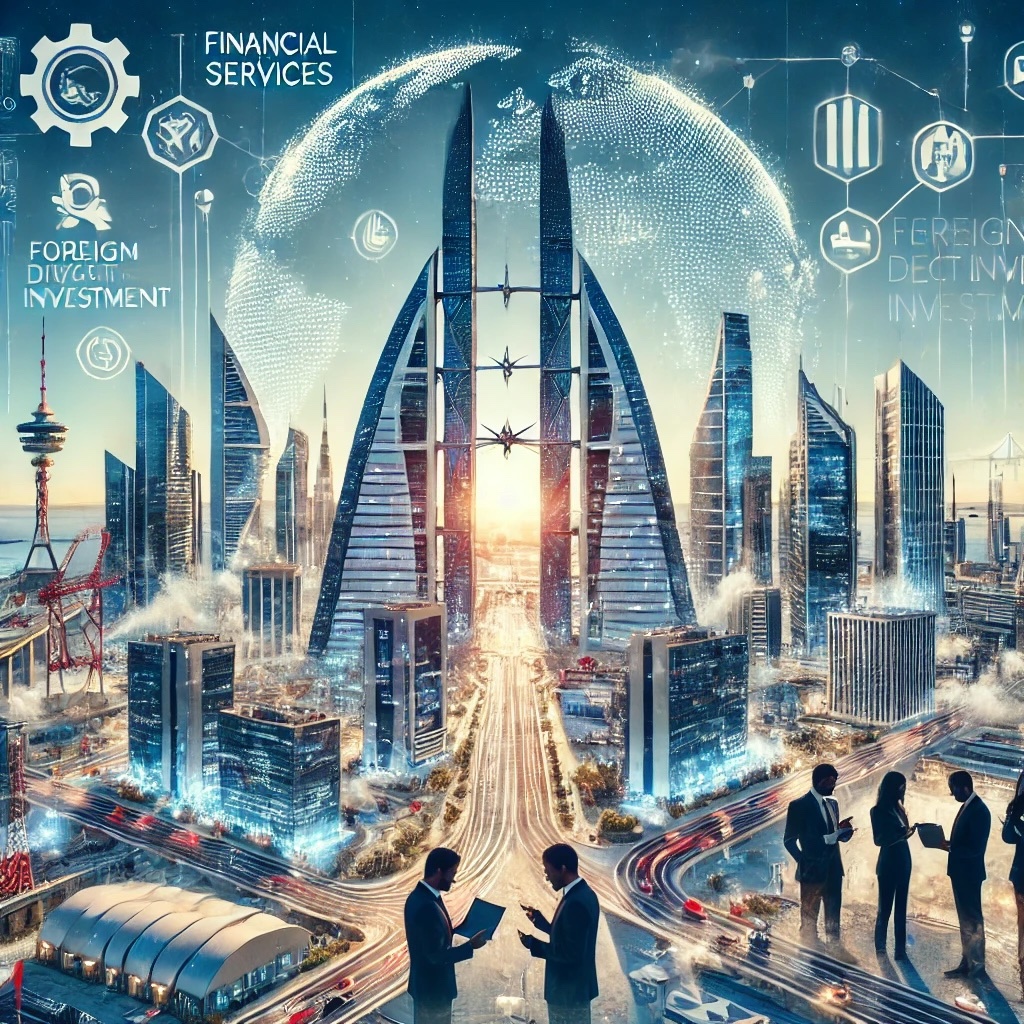
In 2023, Bahrain has firmly established itself as a regional and global powerhouse, earning top spots in multiple international rankings. Known for its forward-thinking policies and a welcoming environment for foreign direct investment (FDI), Bahrain has become a hub for businesses looking to expand into the Middle East and beyond. The nation’s strength in financial services, supported by a robust regulatory framework, has drawn global attention, while its growing tech and innovation sectors have positioned it as a leader in business innovation. With its strategic location, competitive costs, and a skilled workforce, Bahrain continues to attract international companies, making it a prime destination for investment. As the country thrives, it stands as a beacon of economic resilience and progressive development, offering exciting opportunities for entrepreneurs and established businesses alike.

Related Posts

Unlocking Genius: Fostering Creativity and Analytical Skills in the Classroom

Dave

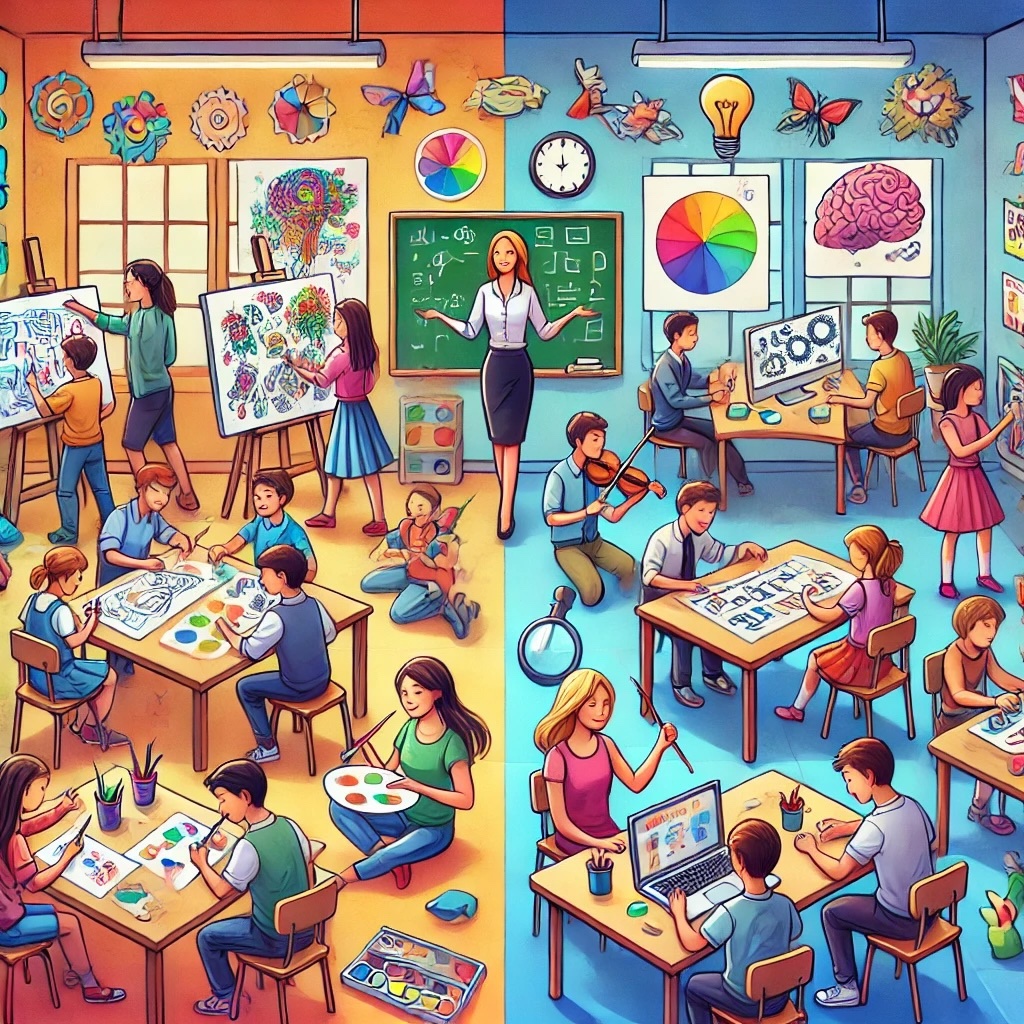
In today’s rapidly evolving world, the ability to think both creatively and analytically is a superpower. But how can educators nurture these essential skills in students? The key lies in blending imaginative exercises with problem-solving challenges. First, allow students to explore open-ended projects where creativity takes center stage—whether through writing, art, or design. This freedom not only enhances their creative thinking but also gives them the confidence to express unique ideas. Pair these activities with structured, analytical exercises like critical thinking tasks, puzzles, and case studies, which encourage students to break down complex problems and develop logical solutions. By integrating both creative and analytical methods, teachers create a balanced learning environment where students can thrive as innovative, yet disciplined thinkers. Encouraging collaboration between students with different strengths further broadens their perspectives and prepares them to tackle real-world challenges with a diverse skill set.

Related Posts