Latest Articles

Safeguarding Democracy: How the U.S. Keeps Election Fraud in Check

Dave

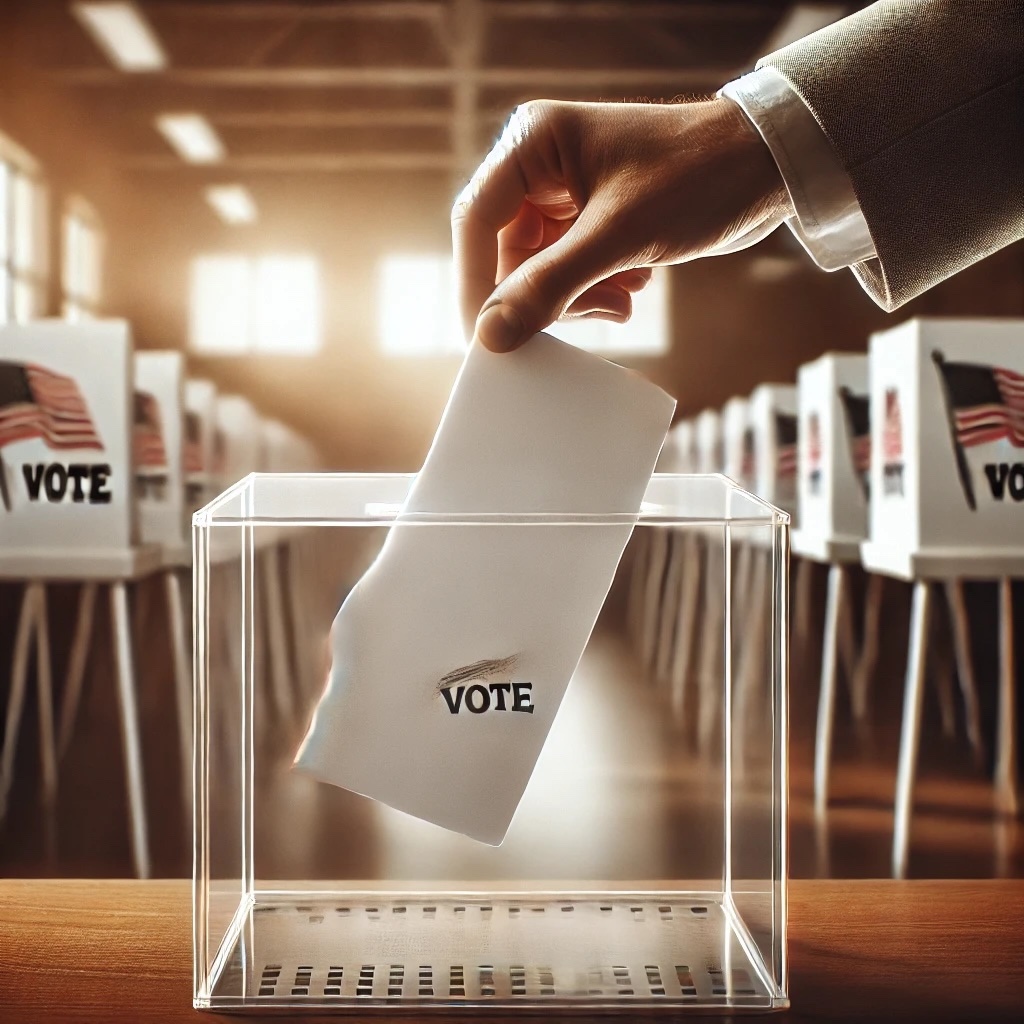
Election fraud has long been a topic of debate and concern, especially in a country as large and diverse as the United States. Ensuring that every vote is counted fairly and accurately is vital for maintaining trust in the democratic process. But how exactly does the U.S. prevent election fraud? Let’s break down the layers of protection and transparency that help keep the nation’s elections secure.

Voter Registration: The First Line of Defense
The first step in preventing election fraud begins with voter registration. Across the U.S., citizens are required to register before they can vote. This ensures that only eligible voters—those who meet residency, age, and citizenship requirements—are able to cast ballots. Many states have implemented online registration systems and automatic registration through driver’s license renewals, helping to create a robust, up-to-date voter list while making it harder for ineligible individuals to vote.

Voter ID Laws
One of the more debated tools in preventing election fraud is the implementation of voter ID laws. While these laws vary from state to state, they generally require voters to present a form of identification before casting their ballot. Proponents argue that this measure helps confirm a person’s identity and prevent instances of impersonation or double voting. Opponents, however, raise concerns that voter ID laws can be a barrier for certain groups, including minorities and low-income individuals. Nevertheless, in states where voter ID laws are enforced, they serve as a critical tool for protecting the integrity of elections.

Absentee and Mail-In Voting Protections
Absentee and mail-in voting have been essential parts of the U.S. election process, especially during the COVID-19 pandemic. To prevent fraud in mail-in voting, several safeguards are in place. Ballots are tracked from the moment they are requested to ensure that each voter only submits one ballot. Voter signatures are often required on both the ballot and the outer envelope, and these signatures are compared to those on file before the vote is counted. Additionally, many states use barcode systems to track the status of a mailed ballot, providing voters and election officials alike with a transparent view of the process.

Secure Voting Technology
The U.S. takes election security seriously when it comes to the technology used in the voting process. While some states still use paper ballots, others have shifted to electronic voting machines. To prevent tampering or hacking, these machines are required to meet stringent federal security standards. Many states also mandate that voting machines produce a paper trail that can be audited to ensure the accuracy of the results. Regular testing and certification of voting equipment, as well as cybersecurity measures, help reduce the risk of external interference.

Post-Election Audits and Investigations
Once an election is complete, many states conduct audits of the results to ensure that no discrepancies have occurred. These post-election audits compare the electronic vote count to paper records (if available) to verify the accuracy of the results. In cases where fraud is suspected, law enforcement agencies can launch investigations, often in coordination with federal entities like the FBI. Such thorough checks and balances ensure that the system remains fair and transparent.

Bipartisan Oversight and Public Transparency
One of the most critical factors in preventing election fraud is the involvement of both major political parties in overseeing elections. Election workers, observers, and officials from both parties are often present at polling places and during the vote counting process, ensuring that no single party has undue influence over the results. Additionally, public transparency, such as the ability to view live streams of ballot counting, adds another layer of accountability.

The Bottom Line: A Secure Process
While no system is perfect, the U.S. has put in place a wide range of safeguards to prevent election fraud. From voter registration and ID requirements to post-election audits and bipartisan oversight, these protections ensure that elections are as fair and secure as possible, preserving the trust that Americans place in their democratic process.


Related Posts

Communism vs. Democracy: Who’s Really Winning the 100-Year Race?

Dave

Over the past century, the ideological tug-of-war between communism and democracy has played out on a global stage, shaping governments, economies, and societies. Both have undergone transformations, but which system has advanced further in the last 100 years? Let’s dive into this question by examining key areas like political freedoms, economic growth, and societal progress.

The Evolution of Democracy
Democracy, at its core, is about giving power to the people, and this idea has continued to evolve. In the early 20th century, democratic nations were largely limited to Europe and the Americas. Fast forward 100 years, and democracy has expanded across the globe, albeit unevenly. Today, over half of the world’s countries claim some form of democracy. In this time, democratic societies have seen enormous technological advancements, substantial economic growth, and a general increase in civil liberties and human rights. The rise of social movements, women’s suffrage, and the fight for equality are all hallmarks of democracy’s progress.

However, democracy hasn’t been without its challenges. In recent years, issues like political polarization, corruption, and disinformation have tested the resilience of democratic systems. But the adaptability of democratic institutions has allowed them to evolve and address new problems, making democracy a system that, while imperfect, continues to offer opportunities for growth and reform.

The Path of Communism
Communism, on the other hand, started with grand promises of equality, classlessness, and shared wealth. After the Russian Revolution in 1917, communism spread to multiple regions, most notably China, Cuba, and parts of Eastern Europe. In the mid-20th century, communism seemed poised for massive global influence. But as the 20th century progressed, many communist regimes faltered. The Soviet Union collapsed, and various Eastern European countries shifted towards democracy and capitalism. China, while still governed by the Communist Party, has embraced market reforms that blur the lines between capitalism and communism.

That said, communism’s lasting legacy has been its focus on collective welfare and attempts at reducing extreme economic inequality. However, these gains often came at the cost of personal freedoms, innovation, and efficiency. In the past 100 years, while communism has made strides in lifting certain populations out of poverty (as seen in China’s economic rise), the broader communist movement has faced stagnation. The inherent centralization of power in communist regimes has stifled individual freedoms and creativity, making it less adaptable in a rapidly changing world.

Who’s Leading the Race?
When measuring progress over the last 100 years, democracy seems to have made the greater strides. While flawed, democracy has shown remarkable resilience and adaptability, creating societies where human rights, innovation, and individual freedoms can flourish. The success of democratic nations in fostering economic prosperity and technological innovation is a testament to this.

Communism, while offering important lessons on economic inequality and collective welfare, has struggled to evolve without suppressing individual freedoms. With its restrictive governance model, it hasn’t kept pace with the economic and social advancements seen in democratic nations.

In short, democracy has surged ahead in the race, but it’s not an uncontested victory. Both ideologies have shaped the world in significant ways, and the future will continue to test the adaptability and resilience of each system.

Related Posts

Surviving the Heat: Essential Tips for Thriving in the Middle East

Dave

Living or traveling in the Middle East can be a unique and enriching experience, but it also comes with its challenges, particularly when it comes to dealing with the intense heat. The region is known for its scorching summers, where temperatures often soar above 100°F (38°C) and humidity levels can make the heat feel even more oppressive. To help you navigate these sweltering conditions, here are some essential tips to ensure you stay cool, hydrated, and safe while enjoying all that this vibrant part of the world has to offer.

First and foremost, hydration is key. The dry climate can lead to rapid dehydration, so it’s crucial to drink plenty of water throughout the day, even if you don’t feel thirsty. Carry a reusable water bottle and aim to consume at least 2-3 liters of water daily. If you’re engaging in physical activities, consider electrolyte-replenishing drinks to maintain your mineral balance. Fresh juices and coconut water are also excellent options, providing hydration along with vital nutrients.

Timing your outdoor activities is another essential strategy. The sun is at its peak between noon and 4 PM, making it the hottest time of the day. Plan your outings early in the morning or later in the evening when temperatures are cooler. If you must be outdoors during peak hours, seek shade whenever possible, and wear loose, light-colored clothing to reflect sunlight and keep your body temperature down.

Sunscreen is a must-have in your daily routine. Even on cloudy days, harmful UV rays can penetrate the atmosphere and damage your skin. Choose a broad-spectrum sunscreen with a high SPF and reapply it every two hours, especially if you are sweating or swimming. Don’t forget protective accessories like sunglasses, wide-brimmed hats, and light scarves to shield your skin from direct sun exposure.

Taking advantage of indoor environments can also help you beat the heat. The Middle East boasts numerous air-conditioned shopping malls, museums, and cafes that provide a perfect respite from the sweltering outdoors. This allows you to explore local culture and cuisine without succumbing to the heat. Many cities also feature beautifully designed parks and gardens where you can enjoy nature while remaining cool in the shade.

Culinary choices can also impact your heat tolerance. Opt for lighter meals that include plenty of fresh fruits and vegetables. Foods like watermelon, cucumber, and yogurt not only hydrate but also provide essential nutrients to help you cope with the heat. On the flip side, try to avoid heavy, spicy meals, which can increase body temperature and discomfort.

Lastly, listen to your body. If you start feeling dizzy, excessively sweaty, or unusually fatigued, it’s vital to find a cool place to rest and hydrate. Heat exhaustion can escalate quickly, so recognizing the early signs can make all the difference. In extreme cases, seek medical attention.

By implementing these practical strategies, you can make the most of your time in the Middle East while staying comfortable and safe. Embrace the culture, savor the delicious food, and explore the stunning landscapes—all while keeping your cool in the heat.

Related Posts

Qatar: The Pearl of the Arabian Peninsula

Dave

Qatar, a small yet strikingly influential nation on the Arabian Peninsula, has rapidly emerged as a global powerhouse. Known for its vast natural gas reserves, cutting-edge architecture, and rich cultural heritage, this country offers a unique blend of tradition and modernity. Despite its size, Qatar has managed to make a name for itself on the world stage, particularly through its bold vision for the future and its role as a host for international events like the 2022 FIFA World Cup.

Qatar’s transformation over the past few decades is nothing short of remarkable. Once a pearl-diving center, it is now one of the wealthiest nations in the world, thanks to its vast oil and gas resources. But Qatar’s ambitions extend far beyond its natural riches. The skyline of Doha, the capital, stands as a testament to the nation’s rapid development. Modern skyscrapers with innovative designs rise from the desert, while museums like the Museum of Islamic Art blend contemporary architecture with a deep respect for tradition, housing priceless artifacts that showcase the region’s rich history.

Yet, despite its modernization, Qatar remains deeply connected to its cultural roots. The Souq Waqif, a traditional marketplace in the heart of Doha, is a living symbol of this connection. Visitors can wander through narrow alleyways, discovering spices, textiles, and local handicrafts while absorbing the sounds of traders bargaining and the aromas of freshly cooked Middle Eastern dishes. It’s a sensory experience that speaks to Qatar’s commitment to preserving its heritage amidst the rapid changes.

Qatar’s influence stretches far beyond its borders. It has invested heavily in education, research, and cultural exchange, creating hubs like Education City, which houses branch campuses of some of the world’s leading universities. This focus on intellectual and cultural growth is part of Qatar’s long-term vision, encapsulated in its National Vision 2030, which aims to diversify the economy and establish the country as a leader in sustainability and knowledge-based industries.

For travelers, Qatar offers an array of experiences. Whether it’s taking a dhow boat ride along the Corniche, marveling at the sand dunes of the desert, or visiting world-class museums, there is something for everyone. Its blend of tradition, luxury, and innovation makes it a unique destination in the Gulf.

Qatar may be small, but it has big dreams. From its futuristic cities to its commitment to preserving its culture, the country stands out as a beacon of progress and ambition in the Arabian Peninsula.

Related Posts

Bahrain: A Hidden Gem of the Arabian Gulf

Dave

Nestled in the heart of the Arabian Gulf, Bahrain is a small island nation that packs a big punch when it comes to culture, history, and modernity. Often overlooked in favor of its larger neighbors, Bahrain boasts a unique blend of ancient traditions and cutting-edge innovation. From its historic pearls to its towering skyscrapers, the kingdom has long been a crossroads for trade, ideas, and people. Its name, which translates to “Two Seas,” hints at Bahrain’s deep connection to the waters that surround it and the cultural richness that has flowed through its shores for centuries.

Historically, Bahrain has been a center of commerce and diplomacy in the region, known for its once-thriving pearl industry and its status as a meeting point for traders from India, Africa, and the Middle East. Today, you can still see traces of this history in the UNESCO-listed Qal’at al-Bahrain, an ancient harbor and fortress that stands as a testament to Bahrain’s importance throughout the ages. The Bahrain National Museum also offers a fascinating glimpse into the island’s past, with artifacts dating back millennia.

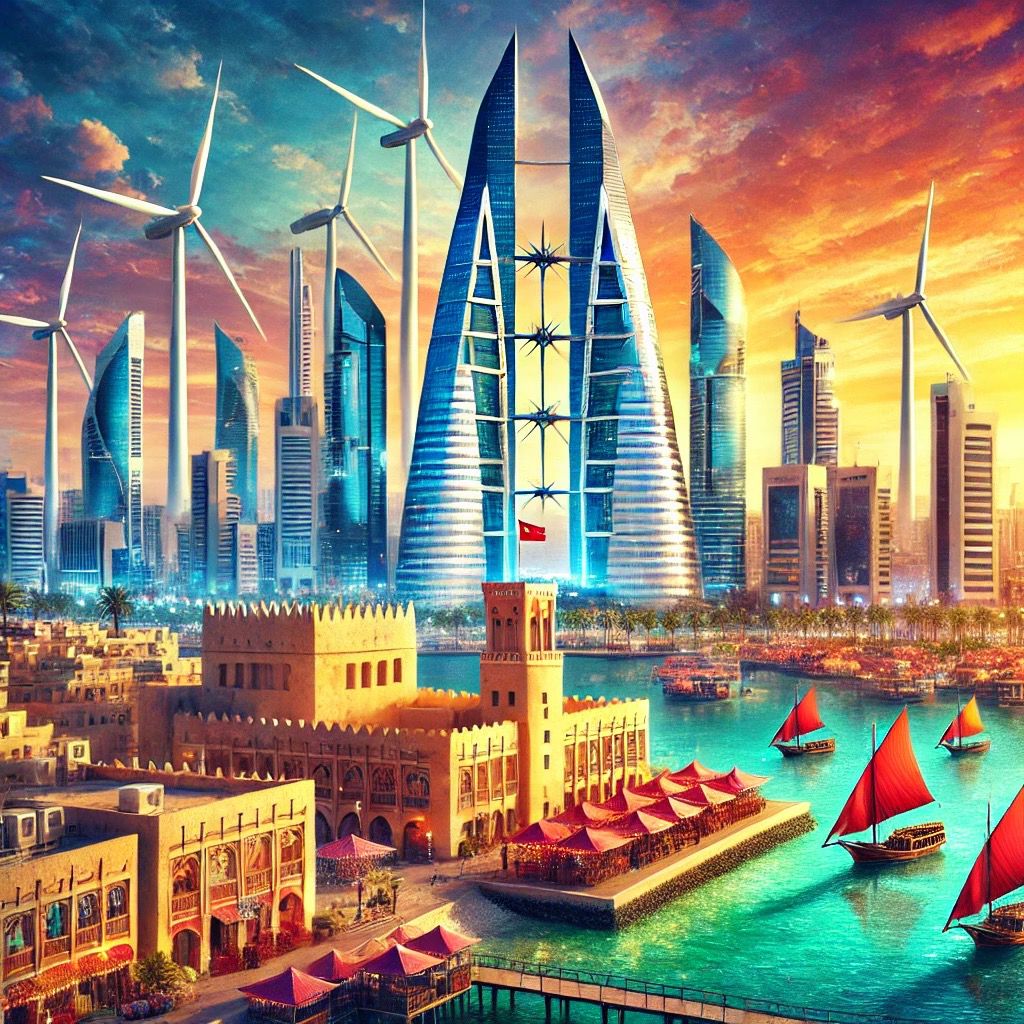
However, Bahrain is not just about looking back. Its capital, Manama, is a modern metropolis that pulses with energy and innovation. The country has embraced rapid modernization while maintaining its cultural roots. The Bahrain World Trade Center, with its iconic wind turbines, symbolizes the nation’s drive toward sustainability and forward-thinking development. The annual Formula One Grand Prix also puts Bahrain on the global map, attracting visitors from around the world to experience its unique mix of luxury and tradition.

Bahrain’s welcoming nature extends beyond its borders, as it is one of the most open and tolerant countries in the Gulf. The kingdom is known for its diversity, with a population comprising various nationalities, religions, and cultures. It has long been a hub for expats and travelers seeking a more relaxed, multicultural environment in the Middle East. Whether you’re wandering through the bustling Manama Souq in search of spices, perfumes, or gold, or relaxing at one of the island’s luxurious beach resorts, Bahrain offers something for everyone.

From the sparkling blue waters of the Arabian Gulf to the modern marvels of its skyline, Bahrain is a hidden gem that blends old and new in a way that few other places can. For those looking to explore the Middle East’s rich history while experiencing its bright future, Bahrain should be at the top of your travel list.

Related Posts