Latest Articles

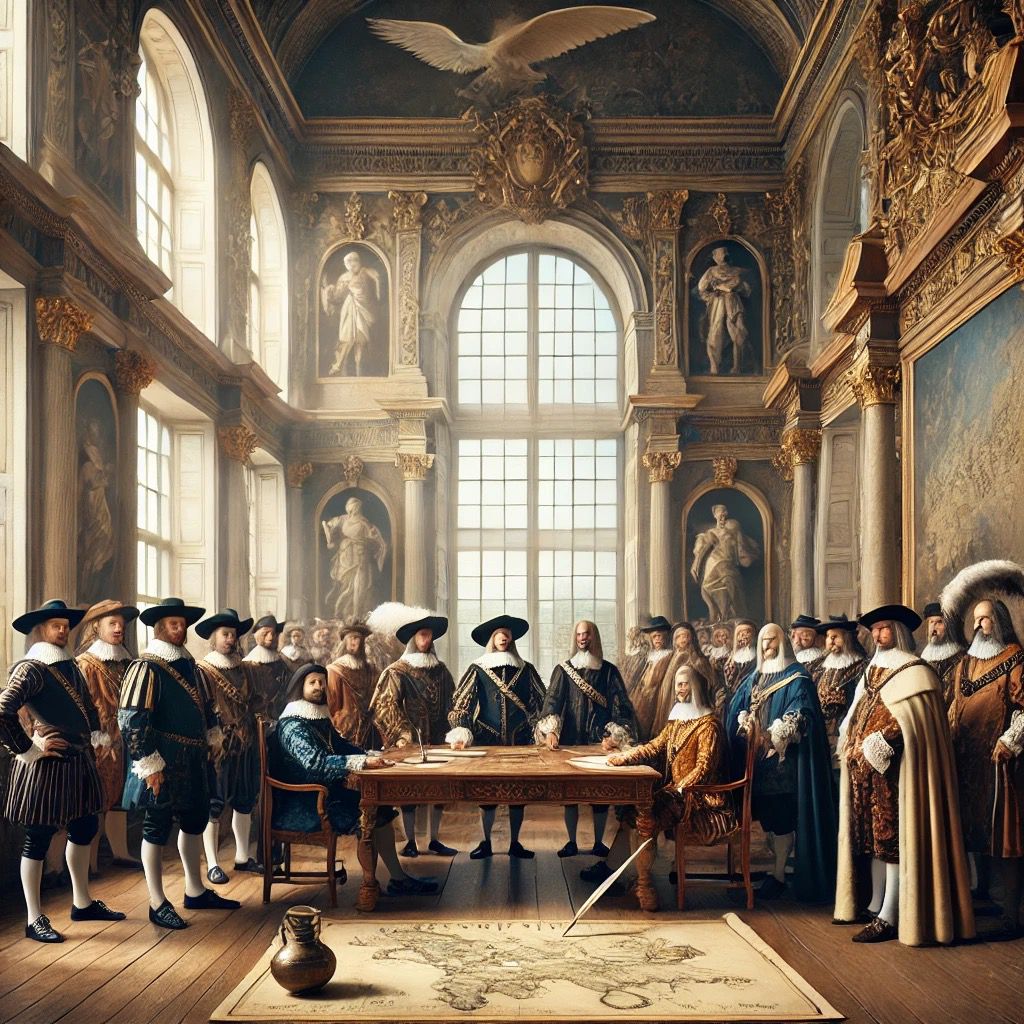
The Treaty of Westphalia: A Peace That Reshaped Europe

Dave

The Treaty of Westphalia, signed in 1648, stands as a pivotal moment in European history. It not only ended two devastating wars—the Thirty Years’ War within the Holy Roman Empire and the Eighty Years’ War between Spain and the Dutch Republic—but also laid the groundwork for the modern concept of state sovereignty. At a time when Europe was ravaged by conflict, religious tensions, and political fragmentation, the treaty brought about a much-needed end to widespread bloodshed, offering a glimpse of stability after decades of turmoil.

The Thirty Years’ War, which began in 1618, was initially a struggle over religious control within the fragmented Holy Roman Empire, pitting Catholic and Protestant forces against one another. However, it soon spiraled into a broader European conflict, with major powers like France, Sweden, and Spain becoming involved, each pursuing their own political agendas. The sheer scale of destruction, particularly in German territories, devastated entire regions, leading to countless deaths, famine, and economic collapse.

At the same time, the Eighty Years’ War had been raging between Spain and the Dutch Republic. What started as a rebellion by the Dutch against Spanish rule had evolved into a long and costly war for independence. By the time negotiations for peace began, both conflicts were leaving Europe drained and desperate for resolution.

The Treaty of Westphalia, a series of agreements rather than a single treaty, marked a new era. It not only granted independence to the Dutch Republic but also recognized the sovereignty of the many German principalities within the Holy Roman Empire, allowing them to determine their own religious affiliations. This principle of sovereignty—states governing themselves without outside interference—became a cornerstone of international law, shaping how nations interact to this day.

Moreover, the treaty introduced a more balanced power dynamic in Europe, reducing the influence of the Holy Roman Emperor and Spain while elevating the roles of France and Sweden. It also helped stabilize the religious landscape by reaffirming the Peace of Augsburg’s principle of “cuius regio, eius religio,” allowing rulers to choose the religion of their territory, thus tempering the intense sectarian violence that had plagued the continent.

The Treaty of Westphalia’s legacy is still felt today. By establishing the framework for modern diplomacy and the concept of national sovereignty, it ended not only two brutal wars but also set the stage for a more cooperative international order. In many ways, this treaty laid the foundations for the nation-state system we recognize today, proving that even the darkest periods of conflict can lead to lasting peace.

Related Posts

Crafting Your Digital Space: Personalizing Windows, macOS, and Linux for Maximum Comfort

Dave

In today’s digital age, our computers have become an extension of who we are. Whether you’re working, gaming, or simply browsing, your operating system’s look and feel can either help you stay productive or leave you feeling disconnected. Customizing your operating system—be it Windows, macOS, or Linux—offers a unique opportunity to make that digital space feel more personal, efficient, and enjoyable. Here are some tips and tricks to help you take control of your OS and make it truly yours.

On Windows, customization can go beyond simply changing your wallpaper. Start with the basics by switching themes, color schemes, and lock screen images. But to push things further, you can use tools like Rainmeter, which allows you to add widgets and customize your desktop with detailed system monitoring, calendars, or even music players right on the home screen. If you’re into icons, sites like IconArchive or DeviantArt offer packs that can completely transform the aesthetic of your folders and apps. Windows also gives you the option to modify your taskbar, repositioning it or shrinking it to minimize distractions while giving you easy access to the things you need.

On the other side of the tech spectrum, macOS offers a more streamlined but still highly customizable experience. Starting with the Dock, you can adjust its size, positioning, and even add animations that make app-switching more enjoyable. macOS Sequoia, with its new Focus Modes, lets you customize your workspace to fit specific tasks, reducing distractions with tailored notification settings. You can also use Hot Corners—a macOS feature that allows you to trigger custom actions (like launching apps or showing the desktop) just by moving your mouse to the corner of your screen. Finally, dynamic wallpapers add a fresh touch, changing throughout the day to match the time and lighting conditions in your environment, giving your desktop a natural flow.

For the most adventurous users, Linux is a haven of customization. Since Linux distros (distributions) like Ubuntu, Fedora, and Arch Linux are open-source, you have the freedom to tweak almost every element. Using desktop environments like GNOME, KDE Plasma, or Xfce, you can control how your windows look, how menus are organized, and even what shortcuts trigger specific actions. Want to create your own terminal theme or modify your file manager’s behavior? No problem—there are tools and endless resources to make that happen. For the truly tech-savvy, window managers like i3 or bspwm allow you to build your entire desktop layout from scratch, creating a highly personalized and minimalist environment that no other operating system can match.

Customizing your OS isn’t just about aesthetics—it’s about creating an environment that works for you, making your daily tasks easier and your digital experience more enjoyable. From changing icons and adding widgets to redesigning entire desktop environments, the possibilities are vast. So go ahead, break free from the default, and craft a space that feels just right.

Related Posts

Mindfulness: The Secret Sauce for Boosting Creativity and Analytical Skills

Dave

In today’s fast-paced world, where distractions lurk at every corner, mindfulness has emerged as a game-changing practice for tapping into your full mental potential. Whether you’re solving complex problems or brainstorming the next big idea, mindfulness can help sharpen both creative and analytical abilities. It works by centering your thoughts, clearing mental clutter, and allowing you to focus with precision. When you’re mindful, you’re fully present, which can lead to those “aha!” moments of inspiration, as well as the laser-focused attention required for detailed, analytical tasks. Research backs this up, showing that regular mindfulness practices, such as meditation or mindful breathing, improve cognitive flexibility, reduce stress, and promote innovative thinking. Mindfulness doesn’t just enhance what you think—it changes how you think, allowing for deeper insights and more innovative problem-solving. So, the next time you’re stuck on a project or struggling with a tough decision, take a few moments to breathe, clear your mind, and let mindfulness unlock the door to your best ideas.

Related Posts

Nature’s Escape: Malaekahana State Recreation Area

Dave

Tucked away on Oahu’s northeastern coast, Malaekahana State Recreation Area is a hidden gem that feels like stepping into a peaceful oasis. Whether you’re looking for a quiet retreat or an outdoor adventure, this park has something for everyone. Stretching along a beautiful, secluded beach, it offers the perfect backdrop for a day of relaxation or exploration. The sound of the waves gently lapping the shore and the cool ocean breeze make it easy to unwind, whether you’re picnicking under the swaying trees or camping overnight. For those who love water activities, the calm waters are perfect for swimming, paddleboarding, or kayaking, with Goat Island just a short paddle away. The island’s sandy shores and wildlife make for a fun and easy side adventure.

Malaekahana’s beauty isn’t just in its landscapes, though; it’s in the feeling of being surrounded by nature. It’s a place where you can unplug from the busy world and reconnect with the simple pleasures of life—whether it’s spotting sea turtles in the water or enjoying the serenity of a sunrise over the ocean. Families, solo adventurers, and even locals looking for a quick getaway all flock to this spot for its blend of tranquility and adventure. Here, nature does the talking, and the conversations are always refreshing.

Related Posts

A Taste of Aloha: Kahuku Shrimp Truck

Dave

If you’re cruising along the North Shore of Oahu, one stop you absolutely can’t miss is the legendary Kahuku shrimp trucks. These humble food trucks, nestled in the laid-back town of Kahuku, are home to some of the most mouthwatering shrimp dishes you’ll find anywhere in Hawaii. With a sizzling grill, fresh local shrimp, and the aroma of garlic wafting through the air, it’s impossible to drive by without your stomach begging for a stop. The menu varies slightly between trucks, but the star of the show is always the garlic shrimp—juicy, flavorful, and dripping in butter and garlic that tastes like pure island magic.

It’s not just about the food, though. Pulling up to a shrimp truck is an experience all on its own. You’re surrounded by lush greenery, warm sunshine, and the easygoing vibe that defines the North Shore. Locals and visitors alike line up, ready to dig into plates piled high with shrimp, rice, and salad, all while soaking up the friendly, down-to-earth atmosphere. Eating shrimp with your fingers and wiping away the garlicky goodness with a napkin is all part of the fun. It’s messy, delicious, and unforgettable.

Kahuku Shrimp Truck is more than just a meal—it’s a tradition, a chance to connect with the flavors of Hawaii in the most authentic and satisfying way.

Related Posts