Latest Articles

Kurt Cobain: The Tragic End of a Rock Icon

Elias Rowen

Kurt Cobain, the enigmatic frontman of Nirvana, was more than just a musician—he was the voice of a generation. His raw lyrics, haunting melodies, and rebellious spirit captured the angst and disillusionment of the early ’90s. However, behind the fame and acclaim, Cobain battled inner demons that ultimately led to his untimely death. On April 5, 1994, the world lost a legend when he was found dead in his Seattle home, marking a tragic end to an artist who changed rock music forever.

Cobain’s rise to fame was meteoric. Nirvana’s breakthrough album, Nevermind, redefined rock with its grunge-infused sound and anthemic hit “Smells Like Teen Spirit.” The band’s music resonated with millions, offering an outlet for those who felt unheard. However, fame came at a price. Cobain struggled with addiction, depression, and the pressures of stardom, which only intensified as Nirvana’s popularity soared. He often expressed disdain for the mainstream attention and felt alienated despite being hailed as a generational icon.

In the months leading up to his death, Cobain’s struggles became increasingly apparent. He reportedly attempted rehab but left early, and those close to him noticed his downward spiral. His suicide note revealed his deep emotional turmoil and exhaustion from the pressures of life and fame. When his body was discovered with a self-inflicted gunshot wound, the news sent shockwaves through the music world, leaving fans in mourning and sparking endless debates and conspiracy theories about the circumstances of his death.

Kurt Cobain’s influence extends far beyond his short time in the spotlight. His music continues to inspire countless artists, and Nirvana remains one of the most revered bands in rock history. Even decades later, his legacy endures, reminding the world of the delicate balance between artistic brilliance and personal suffering. His tragic end is a stark reminder of the struggles many artists face behind closed doors, emphasizing the importance of mental health awareness. Though he is gone, his music and message live on, cementing his place as an eternal icon of rock and rebellion.
Related Posts

Sir Francis Drake: The Cunning Captain Who Defied an Empire

Dave

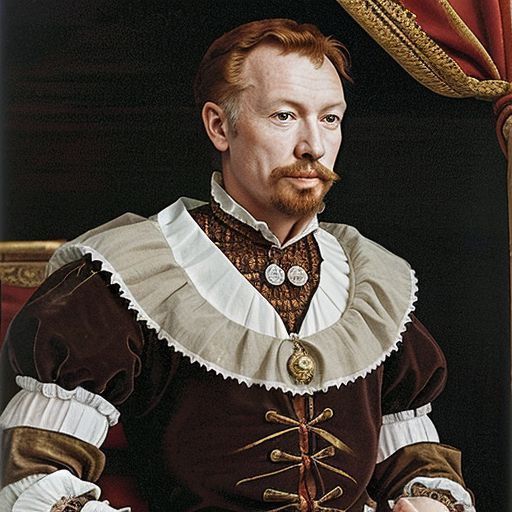
Sir Francis Drake was more than just an explorer—he was a daring sea captain, a skilled tactician, and, depending on whom you asked, a pirate or a hero. Born in the mid-16th century, Drake became one of the most feared figures on the high seas. He was known for his relentless raids on Spanish ships and settlements, often striking swiftly and disappearing before his enemies could retaliate. His actions not only brought immense wealth to England but also heightened tensions between the Spanish and the English, setting the stage for one of the most famous naval confrontations in history.

Drake’s raids on Spanish territories along the coasts of the Americas made him a thorn in the side of Spain. He plundered gold, silver, and other riches, fueling England’s economy and expanding its naval dominance. His legendary circumnavigation of the globe between 1577 and 1580 cemented his reputation as a brilliant navigator and adventurer. Queen Elizabeth I recognized his contributions by knighting him in 1581, further solidifying his status as a national hero. However, to the Spanish, he was nothing more than a ruthless pirate, a menace who looted their wealth and disrupted their colonial ambitions.

The pinnacle of Drake’s career came in 1588 when he played a crucial role in England’s defense against the Spanish Armada. Outnumbered and facing what was considered the most powerful navy in the world, Drake used his wit and cunning to outmaneuver the Spanish fleet. His innovative tactics, including the use of fire ships to break the tightly packed Armada, led to a decisive victory for England. This battle marked the beginning of Spain’s decline as a dominant naval power and showcased England’s growing influence on the global stage.

Sir Francis Drake remains one of history’s most controversial figures. To the English, he was a fearless hero who defended his nation and helped lay the foundation for British naval supremacy. To the Spanish, he was a pirate whose raids brought chaos and destruction. Regardless of perspective, there is no denying that Drake’s legacy shaped the course of history, proving that boldness and strategy could topple even the mightiest empires.

Related Posts

A Dream Silenced: The Assassination of Dr. Martin Luther King Jr.

Elias Rowen

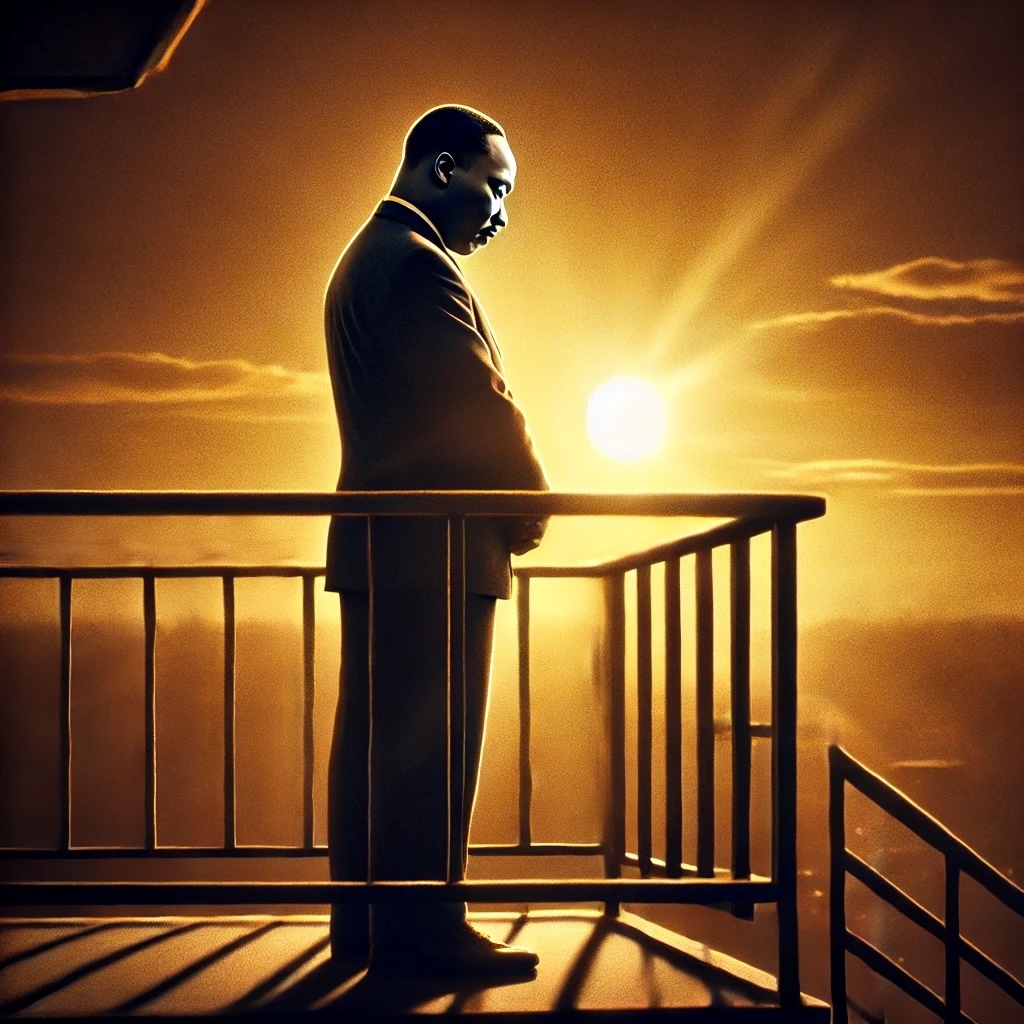
On April 4, 1968, the world lost one of its greatest voices for justice and equality. Dr. Martin Luther King Jr., a leader of the American civil rights movement, was assassinated in Memphis, Tennessee, as he stood on the balcony of the Lorraine Motel. His death sent shockwaves across the nation, sparking grief, outrage, and a renewed commitment to the cause he had fought for. Though his life was cut short, his legacy as a champion of nonviolence, racial equality, and human rights continues to inspire generations.

Dr. King had traveled to Memphis to support sanitation workers on strike for fair wages and better working conditions. He was no stranger to threats and violence—his fight for civil rights had made him both a symbol of hope and a target of hatred. Just the night before his assassination, he gave his now-famous “I’ve Been to the Mountaintop” speech, in which he seemed to foreshadow his own fate. “I may not get there with you,” he declared, “but I want you to know tonight, that we as a people will get to the Promised Land.” His words now stand as a haunting yet powerful reminder of his unwavering faith in the movement.

The news of Dr. King’s assassination ignited riots in over 100 American cities as communities mourned his loss and expressed their frustration with racial injustice. While his death was a devastating blow, it also strengthened the resolve of those fighting for civil rights. Just days later, Congress passed the Civil Rights Act of 1968, which expanded protections against discrimination. His dream did not die with him; rather, it became a lasting mission carried forward by those he had inspired.

More than five decades later, Dr. King’s influence is as strong as ever. His teachings on justice, equality, and nonviolent resistance continue to guide movements for social change worldwide. Streets, schools, and a national holiday bear his name, but his true legacy lives in the ongoing fight for justice. Though his voice was silenced, his dream remains alive, urging the world to strive for the unity and equality he envisioned.

Image Description: A solemn scene of Dr. Martin Luther King Jr. standing on the balcony of the Lorraine Motel, moments before the tragedy. The sun sets in the background, casting a golden glow, symbolizing both the end of a life and the enduring light of his legacy.

Related Posts

Hello, World! The First-Ever Mobile Phone Call

Elias Rowen

On April 3, 1973, Martin Cooper, an engineer at Motorola, made history by placing the first-ever mobile phone call. Standing on a bustling street in New York City, he dialed the number on a bulky, brick-sized device and called his rival, Joel Engel of Bell Labs. With that single call, the world took its first step into the wireless communication era, forever changing the way humans connect. At the time, few could have imagined how this breakthrough would shape the future, leading to a world where mobile phones are indispensable tools for work, socializing, and entertainment.

Before Cooper’s historic call, phones were tethered to walls and wires, limiting communication to specific locations. His innovation broke those chains, proving that people could talk to each other from anywhere. The Motorola DynaTAC 8000X, the prototype device used for the call, was far from today’s sleek smartphones. It was heavy, nearly a foot long, and had a battery life of just 30 minutes. But despite its limitations, it symbolized a new era—one of freedom, mobility, and limitless possibilities.

The impact of Cooper’s call can be seen in every aspect of modern life. From the early flip phones to today’s advanced smartphones, the evolution of mobile technology has revolutionized industries, including business, healthcare, and entertainment. Social media, video calls, and instant messaging—all of which we take for granted today—owe their existence to that first moment of wireless connection. The world has shrunk, with people now able to communicate across continents in seconds. What started as an experiment in engineering has become the foundation of a global digital revolution.

Looking back, Martin Cooper’s phone call was more than just a conversation; it was the beginning of a new way of life. Today, billions of people rely on mobile phones daily, whether for work, staying in touch with loved ones, or accessing the vast knowledge of the internet. The small step he took in 1973 has turned into a technological giant leap, proving that innovation has no limits. As we look to the future, from AI-powered assistants to foldable screens and even brain-to-device interfaces, it’s clear that the journey that began with one call is far from over.

Image Description: A retro scene of Martin Cooper in 1973, standing on a busy New York City street, holding the large Motorola DynaTAC mobile phone to his ear with a confident smile. The background shows intrigued onlookers, hinting at the historical significance of the moment.

Related Posts

The End of an Era: Pope John Paul II’s Lasting Legacy

Elias Rowen

Pope John Paul II passed away on April 2, 2005, marking the end of one of the most influential papacies in history. His time as the leader of the Catholic Church spanned over 26 years, during which he shaped global politics, inspired millions, and redefined the role of the papacy in the modern world. Born Karol Józef Wojtyła in Poland, he became the first non-Italian pope in over 450 years, bringing a fresh perspective to the Vatican. His charisma, deep spirituality, and commitment to human rights made him a beloved figure across religious and cultural boundaries.

Throughout his papacy, John Paul II played a pivotal role in the fall of communism, particularly in Eastern Europe. His visits to his homeland of Poland in the late 1970s and early 1980s encouraged the rise of the Solidarity movement, which ultimately contributed to the collapse of Soviet influence in the region. He was a vocal advocate for peace, often intervening in global conflicts and calling for dialogue instead of violence. His teachings emphasized the dignity of every human being, reinforcing the Catholic Church’s stance on social justice, economic disparity, and the sanctity of life.

Pope John Paul II also revolutionized the Church’s relationship with other faiths. He was the first pope to visit a synagogue and a mosque, showing his commitment to interfaith dialogue and reconciliation. His efforts to mend relations with the Jewish and Muslim communities demonstrated his vision for a more united and understanding world. Additionally, he reached out to youth like no pope before him, establishing World Youth Day as a global event that continues to bring millions of young Catholics together. His deep connection with people, especially the younger generation, solidified his legacy as a pope of the people.

As his health declined in his final years, the world watched in admiration at his unwavering faith and resilience. Even in suffering, he remained a symbol of hope and devotion. When he passed away, millions gathered at St. Peter’s Square and around the world to mourn his loss. His impact was undeniable, and his canonization in 2014 as Saint John Paul II only affirmed his extraordinary influence on the Church and humanity. Though his papacy has ended, his legacy lives on in the faith he strengthened and the lives he touched.

Image Description: A moving depiction of Pope John Paul II standing in St. Peter’s Square, bathed in golden light, as a massive crowd gathers in silent tribute. His gentle yet determined expression reflects his deep faith and unwavering leadership. The image captures the solemn yet hopeful transition as the world bids farewell to one of history’s most beloved religious figures.

Related Posts

From Garage to Global Giant: The Birth of Apple Inc.

Elias Rowen

On April 1, 1976, three visionaries—Steve Jobs, Steve Wozniak, and Ronald Wayne—came together to change the world of technology forever. In a small garage in Cupertino, California, they founded Apple Inc., a company that would go on to revolutionize personal computing, mobile technology, and digital innovation. At the time, computers were massive, expensive machines used mainly by businesses and universities. But Jobs and Wozniak had a different vision—they wanted to create affordable, user-friendly computers that anyone could own.

Their first product, the Apple I, was a simple yet powerful personal computer that Wozniak built by hand. Jobs, the marketing genius of the trio, convinced local retailers to buy it, while Wayne, the lesser-known co-founder, provided business expertise—though he sold his stake in Apple just days later for only $800, a decision that would later cost him billions. Soon after, Apple released the Apple II, which became a massive success, bringing personal computers into homes and classrooms. The company was on the rise, and by 1980, Apple went public, making Jobs and Wozniak millionaires.

Apple’s journey wasn’t always smooth. The 1980s saw fierce competition, and in 1985, Steve Jobs was forced out of his own company. However, Apple struggled without him, and in 1997, he returned, leading one of the greatest corporate comebacks in history. With innovative products like the iMac, iPod, iPhone, and iPad, Apple transformed the way people interact with technology. The introduction of the App Store and iOS ecosystem cemented Apple’s dominance, making it one of the most valuable companies in the world.

Today, Apple is more than just a tech company—it’s a global symbol of innovation, design, and cutting-edge technology. From that humble garage in 1976 to the sleek Apple headquarters in Silicon Valley, the company’s story is a testament to creativity, persistence, and visionary thinking. While Jobs and Wozniak will always be remembered as the driving forces behind Apple’s success, it all began with three men and a dream to change the world—one computer at a time.

Image Prompt: A young Steve Jobs and Steve Wozniak working in a cluttered garage, assembling the first Apple computer. In the background, a makeshift workbench with electronic components and a partially built Apple I. The lighting is warm, symbolizing the birth of something revolutionary.

Related Posts

The Eiffel Tower: From Controversy to Icon

Elias Rowen

On March 31, 1889, the Eiffel Tower was officially completed and unveiled to the world as the centerpiece of the Exposition Universelle, a world’s fair celebrating the 100th anniversary of the French Revolution. Designed by engineer Gustave Eiffel, the 1,083-foot iron tower was a marvel of modern engineering. However, not everyone was thrilled about its construction. Many Parisians, including prominent artists and intellectuals, saw it as an eyesore and an insult to the city’s architectural beauty. Critics called it “useless” and “monstrous,” but time would prove them wrong.

The Eiffel Tower was an engineering feat unlike anything seen before. Built using 18,038 iron parts and over 2.5 million rivets, it pushed the boundaries of 19th-century construction techniques. At the time, it was the tallest structure in the world, standing as a symbol of France’s industrial progress. Despite the skepticism surrounding it, Eiffel was confident in his design. He even climbed the tower himself on the day of its completion to plant the French flag at its peak.

Originally, the Eiffel Tower was meant to be dismantled after 20 years. However, its usefulness as a radio transmission tower helped secure its place in Paris permanently. Over time, the very structure that was once despised became the beloved heart of the city. Today, it is one of the most recognized landmarks in the world, attracting millions of visitors every year and serving as a global symbol of romance, innovation, and French culture.

More than 130 years after its completion, the Eiffel Tower remains a testament to human ingenuity and artistic vision. It has witnessed history, hosted countless celebrations, and inspired architects and dreamers worldwide. From its twinkling lights at night to the breathtaking views from its summit, the Eiffel Tower continues to captivate hearts and minds. What was once a subject of controversy is now an enduring emblem of Paris itself—a city of elegance, passion, and progress.

Related Posts

The Alaska Deal: America’s Best Bargain

Elias Rowen

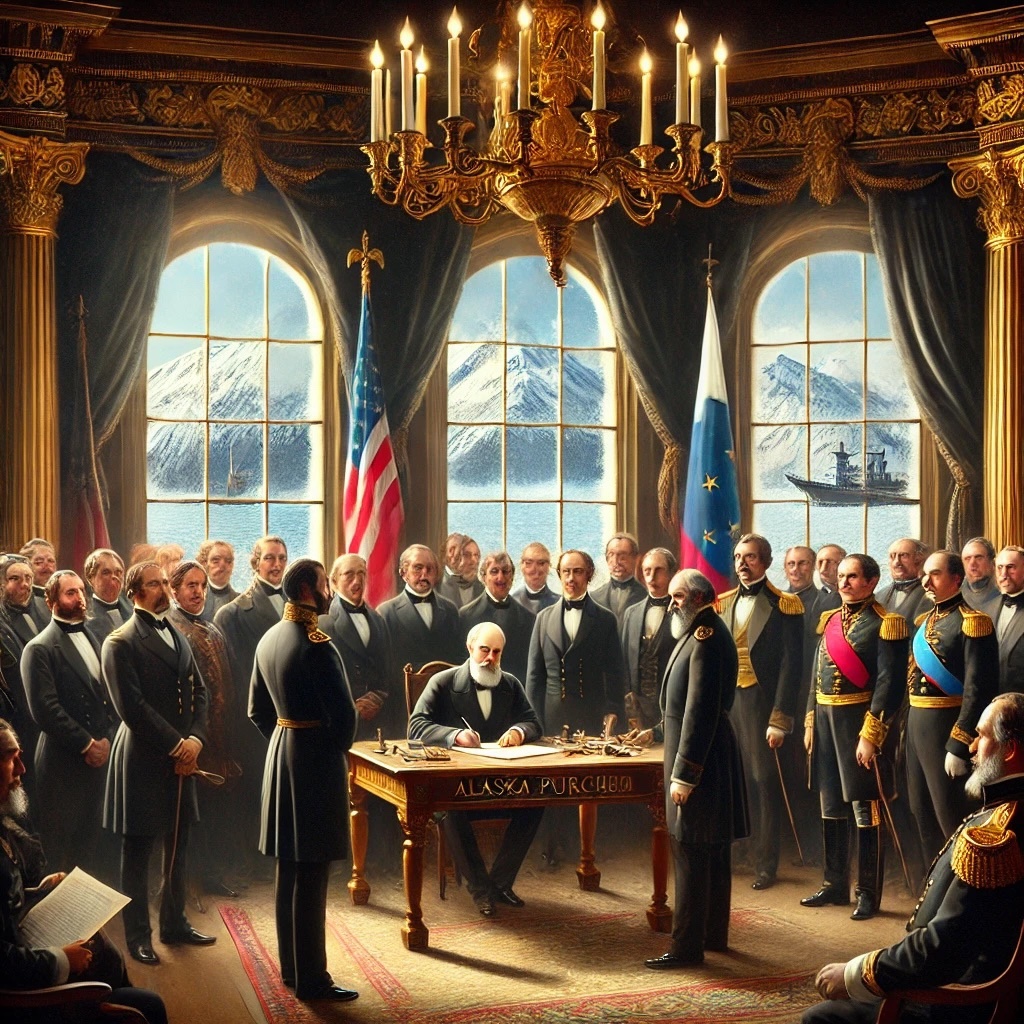
On March 30, 1867, the United States made one of the most surprising and strategic purchases in history—Alaska. The agreement, negotiated by Secretary of State William H. Seward and approved by the U.S. Senate, secured the massive northern territory from Russia for just $7.2 million. At the time, many Americans ridiculed the deal, calling it “Seward’s Folly” or “Seward’s Icebox,” believing the icy wilderness was a waste of money. However, time would prove that this purchase was one of the most valuable land acquisitions the United States ever made.

Russia had controlled Alaska since the mid-18th century, using it primarily for fur trade and fishing. However, by the 1860s, Russia saw Alaska as a financial and strategic burden. The region was difficult to defend, and Russia feared that if war broke out with Britain, Alaska could easily be seized. Facing financial difficulties, the Russian government decided to sell the territory rather than risk losing it for nothing. The U.S., eager to expand its influence and territory, seized the opportunity.

At first, Alaska’s value was unclear. The vast land seemed remote and barren, offering little immediate benefit. However, as time passed, the region’s true wealth became evident. Alaska is rich in natural resources, including gold, oil, timber, and fisheries. The Klondike Gold Rush of the late 19th century brought thousands of prospectors to the area, proving its economic potential. Later, massive oil reserves were discovered, making Alaska a critical energy resource for the U.S. Additionally, its strategic location played an essential role in World War II and the Cold War, solidifying America’s military presence in the Pacific.

For decades after the purchase, Alaska remained a remote and sparsely populated U.S. territory. It wasn’t until 1959 that it officially became the 49th state. Today, Alaska is known for its stunning natural beauty, vibrant indigenous cultures, and thriving industries like fishing, tourism, and oil production. What was once seen as a frozen wasteland is now recognized as a land of immense opportunity.

Looking back, the purchase of Alaska was nothing short of a historic bargain. For just two cents an acre, the U.S. gained an area twice the size of Texas, full of untapped potential. What many once mocked as an unnecessary acquisition turned out to be one of the smartest real estate deals in history. Seward’s vision transformed America’s future, proving that sometimes, the best investments are the ones people doubt the most.

Related Posts

Brexit Begins: The Day the U.K. Chose a New Path

Elias Rowen

On March 29, 2017, the United Kingdom made history by formally triggering Article 50 of the Treaty on European Union, setting the stage for its departure from the EU. This moment marked the beginning of a long and complex process known as Brexit, a decision that divided the nation and sent shockwaves across Europe. With a letter hand-delivered to EU officials in Brussels, Prime Minister Theresa May officially set the wheels in motion for Britain’s exit, fulfilling the outcome of the 2016 referendum. For some, it was a triumphant step toward reclaiming sovereignty; for others, it was the start of economic uncertainty and political turmoil.

The move was the result of deep-seated debates over trade, immigration, and national identity. Supporters of Brexit saw it as an opportunity to take back control of laws, borders, and economic policies, freeing the U.K. from what they saw as excessive EU bureaucracy. Opponents, however, feared the consequences—disruptions to businesses, a weakened pound, and the loss of seamless access to European markets. The immediate aftermath of invoking Article 50 saw financial markets react with volatility, businesses scrambling to prepare for new regulations, and British citizens living in the EU facing an uncertain future.

As negotiations between London and Brussels unfolded, it became clear that Brexit would not be simple. The U.K. had two years to finalize a withdrawal agreement, but disputes over trade, the Irish border, and citizens’ rights prolonged the process far beyond the initial deadline. The country experienced leadership changes, intense parliamentary battles, and even mass protests calling for a second referendum. What was meant to be a swift and decisive exit became a drawn-out saga, revealing deep political and social divisions within Britain.

Now, years after the triggering of Article 50, the effects of Brexit continue to shape the U.K.’s economy, global standing, and domestic policies. While some celebrate the newfound independence, others struggle with the realities of trade barriers, labor shortages, and diplomatic challenges. March 29, 2017, will always be remembered as the day Britain charted a new course—one filled with both opportunities and obstacles, uncertainty and promise.

Related Posts

Meltdown at Three Mile Island: America’s Nuclear Wake-Up Call

Elias Rowen

On March 28, 1979, the United States faced its most serious nuclear accident when a partial meltdown occurred at Three Mile Island Nuclear Generating Station in Pennsylvania. What started as a minor mechanical failure quickly spiraled into a crisis that shook the nation’s confidence in nuclear energy. A cooling system malfunction in Reactor 2 led to overheating, causing the reactor’s core to partially melt. The situation worsened as misinterpretations of warning signals led plant operators to take incorrect actions, further escalating the emergency. The world watched anxiously as officials struggled to contain the damage, fearing a full-scale catastrophe.

Panic spread throughout Pennsylvania as conflicting reports left the public uncertain about the potential dangers of radiation exposure. While the meltdown was eventually controlled without any immediate deaths or injuries, thousands of residents evacuated their homes in fear of contamination. Parents rushed to move their children away, businesses shut down, and a national debate erupted over the safety of nuclear power. Although radiation releases were minimal, the psychological and economic impact was immense. Trust in nuclear energy plummeted, leading to stricter regulations and a decline in new plant construction across the United States.

The Three Mile Island accident became a turning point in nuclear safety policies. It exposed critical flaws in plant operations, emergency preparedness, and public communication. In response, the U.S. government and the nuclear industry implemented sweeping changes, including improved training for plant operators, stricter safety protocols, and the creation of independent oversight agencies. Despite the lessons learned, the disaster left an enduring scar on the nuclear industry, fueling skepticism that persists to this day.

Decades later, the legacy of Three Mile Island remains a powerful reminder of both the potential and the perils of nuclear energy. While advancements in technology have made nuclear power safer and more efficient, the accident continues to shape public perception and energy policy. It stands as a cautionary tale—proof that even the most advanced systems are not immune to human error and mechanical failure.

Related Posts

John Cox: The Elusive Pirate Who Cheated Death—Until He Didn’t

Dave

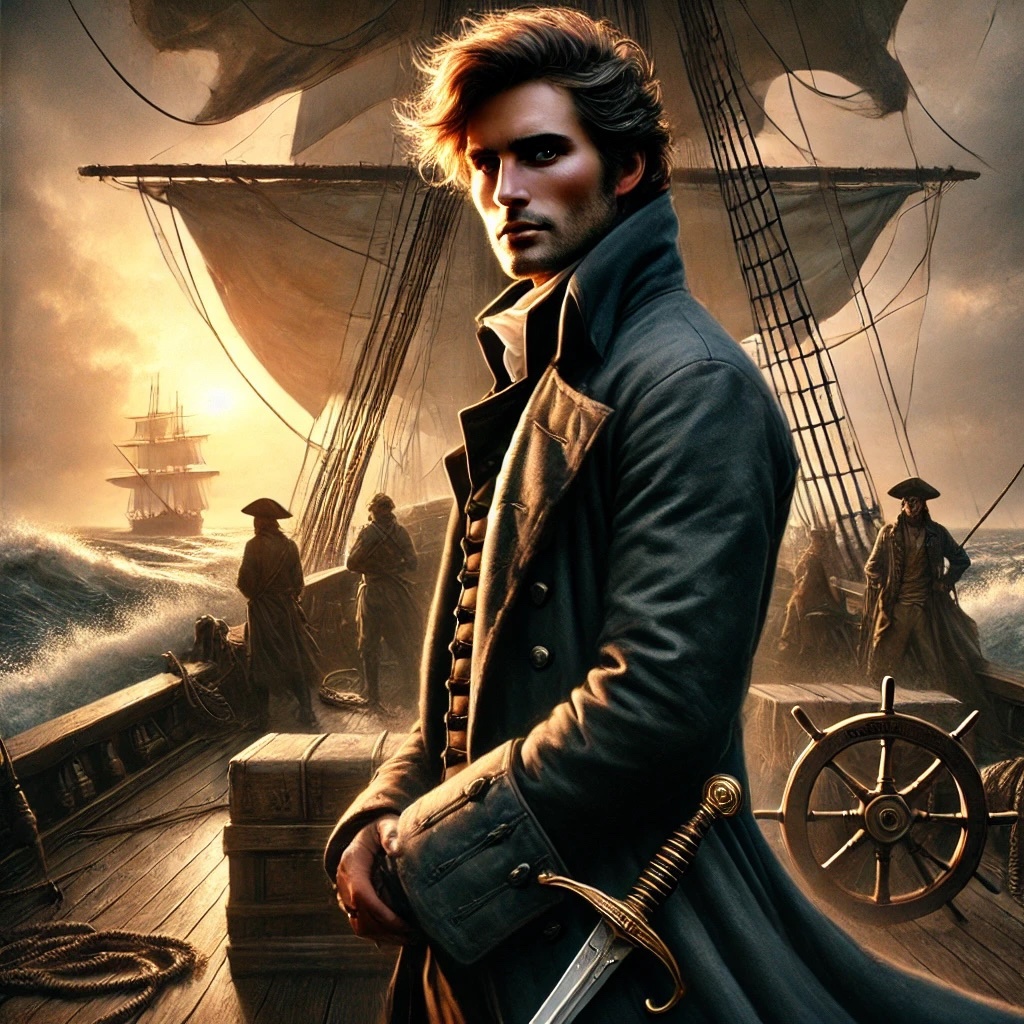
John Cox, also known as John Coleman, was one of the most cunning and feared pirates of the 18th century. His name struck terror into the hearts of sailors, not just for his ruthlessness but for his uncanny ability to evade capture. Unlike most pirates who relied on brute force, Cox was a master of strategy. He specialized in ship-wrecking, using deceptive navigation tactics to lure merchant vessels into dangerous waters, where they would run aground and become easy prey. His reputation for outsmarting authorities earned him both admiration and hatred in equal measure.

Cox’s genius lay not just in his ability to capture ships but in his unmatched skill at slipping through the fingers of the law. Time and again, the British Navy attempted to track him down, only for him to vanish into the vastness of the ocean. He changed identities, forged documents, and even spread false rumors of his own demise to throw pursuers off his trail. His ability to stay one step ahead made him a legend among his fellow pirates and a nightmare for King George II’s naval forces.

But even the most elusive pirates cannot outrun fate forever. After years of sailing the Caribbean and the Atlantic, Cox’s luck ran out. Betrayed by one of his own men, he was finally captured and brought before the British crown. King George II, eager to make an example out of him, ordered his execution. Cox met his end not on the high seas, but at the gallows—a stark reminder that no pirate, no matter how clever, could outwit the empire forever.

Though he was executed, John Cox’s legend did not die with him. Stories of his daring escapes, brilliant deceptions, and ruthless plundering still echo through history. His ability to manipulate the sea itself to his advantage set him apart from other pirates of his time. Even today, maritime historians and pirate enthusiasts alike continue to unravel the mystery of the man who seemed invincible—until the day he wasn’t.

Related Posts

Shaken to the Core: The 1964 Alaska Earthquake

Elias Rowen

On March 27, 1964, Alaska was rocked by the most powerful earthquake ever recorded in the United States—a staggering 9.2-magnitude tremor that sent shockwaves across the region. Known as the Great Alaska Earthquake, this massive quake lasted an astonishing four and a half minutes, causing widespread destruction and triggering deadly tsunamis. Entire towns were swallowed by landslides, buildings crumbled like sandcastles, and the land itself was permanently reshaped. The devastation was unlike anything Alaskans had ever seen, leaving behind a haunting reminder of nature’s raw power.

The earthquake’s epicenter was located in Prince William Sound, about 75 miles east of Anchorage. What made this quake particularly catastrophic was the combination of violent ground shaking and secondary disasters. As the earth convulsed, vast sections of land were thrust upwards or dropped several feet, permanently altering Alaska’s landscape. The shaking alone caused landslides that buried homes, businesses, and roadways, while the subsequent tsunamis devastated coastal communities as far away as California and Hawaii. Valdez, a key port town, was obliterated as a massive wave engulfed the harbor, sweeping away docks, ships, and buildings.

The human toll of the disaster was severe. More than 130 people lost their lives, primarily due to the towering tsunamis that followed the quake. While Alaska’s sparse population prevented even greater casualties, the economic impact was staggering. Infrastructure across the state was shattered—Anchorage, Alaska’s largest city, saw entire neighborhoods collapse, while bridges, railways, and oil facilities were torn apart. The disaster led to new advancements in earthquake research and building codes, shaping the way the U.S. prepares for future seismic events.

The Great Alaska Earthquake of 1964 remains one of the most significant natural disasters in American history. It served as a grim reminder of the Pacific Ring of Fire’s relentless seismic activity and the unpredictable nature of earthquakes. Today, its lessons continue to influence engineering, emergency response, and geological studies, helping to protect future generations from the earth’s unpredictable fury.

Related Posts

The Shot That Changed the World: Jonas Salk and the Polio Vaccine

Elias Rowen

In 1953, the world took a monumental step toward eradicating one of the most feared diseases of the 20th century—polio. Dr. Jonas Salk, a virologist and medical researcher, announced that his team had successfully tested a vaccine against poliomyelitis, a devastating disease that primarily affected children, leaving many paralyzed or reliant on iron lungs to breathe. Salk’s breakthrough was met with widespread hope, as polio had long been a source of terror for families across the globe. Unlike other researchers who sought to use live viruses in their vaccines, Salk took a different approach, using an inactivated (killed) virus that could safely trigger immunity without causing the disease itself.

The announcement of the vaccine’s success was a turning point in medical history. Salk’s vaccine underwent rigorous testing, first on animals and then on human subjects, including himself, his family, and volunteers. In 1954, mass field trials involving over a million children, known as the “Polio Pioneers,” confirmed the vaccine’s effectiveness. The results were so promising that in 1955, the vaccine was declared safe and effective, leading to widespread immunization programs. Cases of polio plummeted, and over time, the disease was nearly eradicated in many parts of the world. Unlike many pharmaceutical developers, Salk chose not to patent the vaccine, famously stating, “Could you patent the sun?” His selfless dedication ensured that the vaccine could be distributed widely and affordably, saving countless lives.

The legacy of Jonas Salk’s discovery extends beyond polio. His work demonstrated the power of scientific research to conquer deadly diseases, inspiring future generations of scientists to tackle global health challenges. Today, thanks to continued vaccination efforts, polio is on the verge of being eradicated worldwide. Salk’s vaccine was not just a medical triumph—it was a symbol of hope, cooperation, and the incredible potential of science to transform lives.

Related Posts

Inferno in the Factory: The Fire That Changed Labor Laws

Elias Rowen

On March 25, 1911, tragedy struck in the heart of New York City when the Triangle Shirtwaist Factory fire claimed the lives of 146 workers, most of them young immigrant women. The factory, located on the eighth, ninth, and tenth floors of the Asch Building, was a bustling garment shop where workers endured long hours in overcrowded and unsafe conditions. When a fire broke out late in the afternoon, chaos and horror unfolded, exposing the brutal reality of industrial labor in the early 20th century.

The fire spread rapidly, fueled by heaps of fabric and wooden workstations, while workers had little chance of escape. Locked exit doors, a common practice to prevent unauthorized breaks, became death traps. Some leaped from the windows in desperation, while others succumbed to the smoke and flames inside. Firefighters arrived quickly, but their ladders were too short to reach the upper floors, making rescue efforts tragically ineffective. The sight of burning bodies falling to the pavement below shocked the city and the nation.

The Triangle Shirtwaist Factory fire was more than just a horrific accident—it became a turning point in labor history. Public outrage over the preventable deaths ignited a push for workplace safety reforms. Investigations revealed gross negligence by factory owners, who were later acquitted of serious charges despite their blatant disregard for worker safety. However, the tragedy led to the establishment of new labor laws, including fire safety regulations, better working conditions, and the rise of labor unions advocating for workers’ rights.

The fire’s legacy endures as a reminder of the human cost of industrial greed and neglect. Today, the victims of the Triangle Shirtwaist Factory fire are honored not only in memorials but also in the strengthened labor protections that continue to safeguard workers. Their sacrifice was not in vain—it sparked a movement that reshaped American labor laws, ensuring that future generations would not suffer the same fate.

Related Posts

Elvis in Uniform: The King’s Duty to Country

Elias Rowen

On March 24, 1958, the world watched as Elvis Presley, the undisputed King of Rock and Roll, traded in his blue suede shoes for army boots. At the peak of his career, Presley answered the call of duty and enlisted in the United States Army, a move that stunned fans and reshaped his legacy. With a career soaring and millions of adoring fans hanging on his every word, Elvis could have sought special treatment, yet he chose to serve as a regular soldier, demonstrating his patriotism and humility.

Basic training at Fort Hood, Texas, was a stark contrast to the glamorous lifestyle Presley was accustomed to. Instead of sold-out concerts and Hollywood sets, his days were filled with rigorous drills, physical training, and the discipline of military life. Though his fellow soldiers initially saw him as a superstar among ranks, Elvis quickly gained their respect through his hard work and commitment. He later served in Friedberg, Germany, where he was stationed for 18 months. During this time, he continued to make headlines, not for music, but for his devotion to service and his personal life—including meeting Priscilla Beaulieu, his future wife.

Despite his absence from the stage, Presley remained a dominant cultural figure. His manager, Colonel Tom Parker, ensured his presence was felt by strategically releasing pre-recorded music and films. When Elvis returned home in 1960, he emerged not only as a seasoned soldier but also as an evolved entertainer. His military service added depth to his public image, reinforcing his all-American persona and winning over even those who had dismissed him as a fleeting rock-and-roll sensation.

Elvis Presley’s enlistment in the Army was more than a personal sacrifice—it was a defining moment in pop culture history. It proved that even the biggest stars are not above service and duty. Today, his time in uniform remains a testament to his character, reminding fans that behind the fame was a man who understood the value of commitment and responsibility.

Related Posts

Black Tide: The Exxon Valdez Disaster and Its Lasting Impact

Elias Rowen

On March 24, 1989, the world witnessed one of the most devastating environmental disasters in history—the Exxon Valdez oil spill. In the early morning hours, the Exxon Valdez, an oil tanker carrying over 53 million gallons of crude oil, struck Bligh Reef in Prince William Sound, Alaska. Within hours, approximately 11 million gallons of thick, toxic oil gushed into the pristine waters, setting off an ecological catastrophe that would have far-reaching consequences.

The spill quickly spread, coating 1,300 miles of Alaskan coastline in a black sludge that suffocated marine life and disrupted local ecosystems. The once-thriving waters became a graveyard for countless animals, including sea otters, harbor seals, and an estimated 250,000 seabirds. Fish populations, particularly Pacific herring and salmon, suffered immense losses, which in turn devastated the livelihoods of local fishermen. The long-term effects on the ecosystem were profound, with some species still struggling to recover decades later.

Efforts to contain the spill were slow and inefficient. The cleanup response was hindered by logistical challenges, harsh weather conditions, and a lack of preparedness. Volunteers and environmental workers used high-pressure hot water, chemical dispersants, and manual labor to remove the oil, but much of the damage had already been done. Exxon ultimately paid billions in fines, settlements, and cleanup costs, but no amount of money could undo the destruction.

The Exxon Valdez disaster became a wake-up call for the oil industry and regulators worldwide. It led to stricter environmental laws, including the passage of the Oil Pollution Act of 1990, which strengthened regulations on oil transportation and spill response. Additionally, it prompted the development of double-hulled tankers, designed to prevent future spills of such magnitude.

Despite the passage of time, the lessons of the Exxon Valdez spill remain relevant. It serves as a grim reminder of the fragile balance of nature and the catastrophic consequences of human negligence. As the world continues to rely on fossil fuels, the need for stricter environmental protections and sustainable energy alternatives has never been more urgent. The black tide that once stained Alaska’s shores may have faded, but its impact endures.

Related Posts

A Step Toward Equality: The Senate’s Historic Passage of the Equal Rights Amendment

Elias Rowen

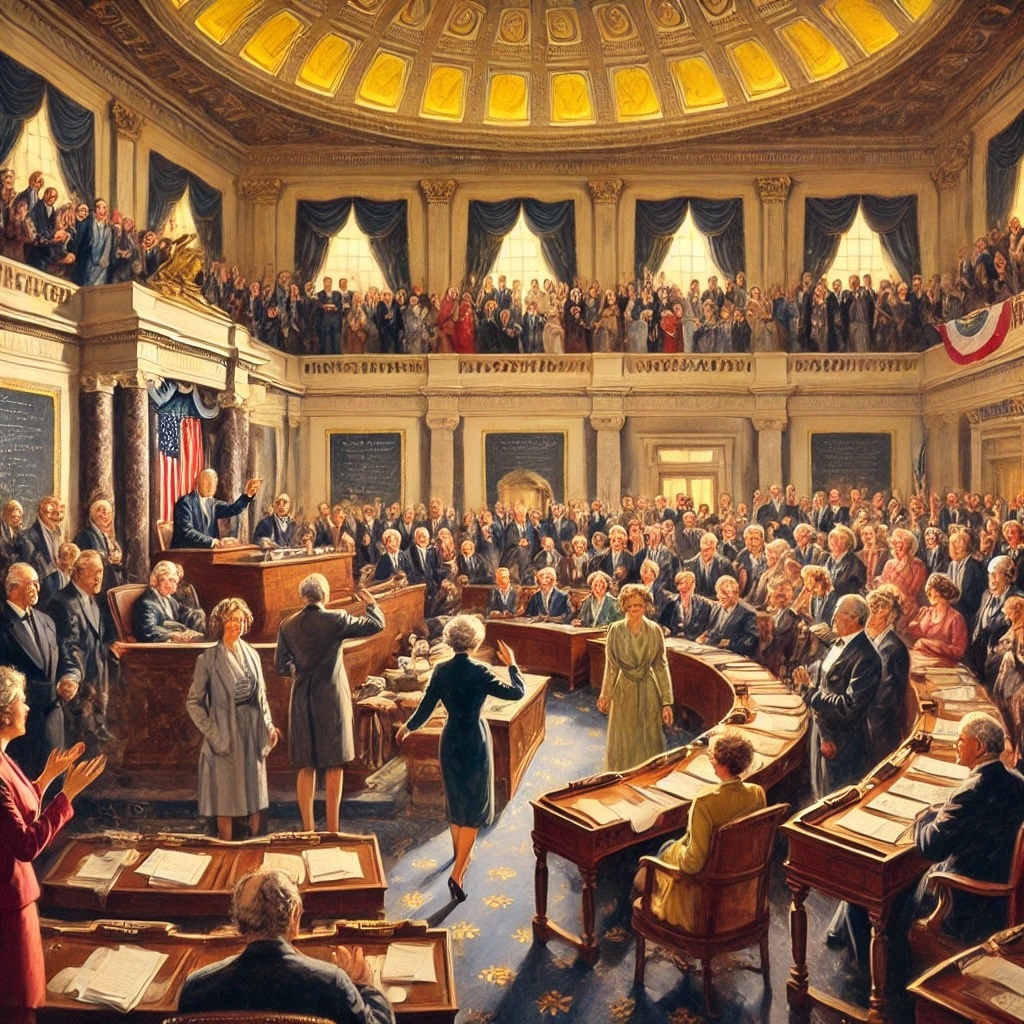
On March 22, 1972, the United States Senate made history by passing the Equal Rights Amendment (ERA), a bold step toward ensuring gender equality under the law. The amendment, which stated that “equality of rights under the law shall not be denied or abridged by the United States or by any State on account of sex,” was designed to eliminate legal discrimination based on gender. It was a moment of triumph for the women’s rights movement, yet the journey to full ratification would prove to be an uphill battle.

The fight for the ERA began decades earlier, first introduced in 1923 by suffragist Alice Paul. However, despite the growing momentum of the women’s rights movement, it struggled to gain traction in Congress. That changed in the 1960s and early 1970s, as the feminist movement gained strength, advocating for equal opportunities in education, employment, and legal protections. When the Senate finally passed the ERA in 1972, following its approval by the House of Representatives, it seemed like gender equality was within reach.

But the amendment faced a significant roadblock—it needed ratification by 38 states to become part of the Constitution. Initially, support was strong, with 35 states ratifying it quickly. However, a conservative backlash, led by figures like Phyllis Schlafly, argued that the ERA would dismantle traditional gender roles and lead to unintended social consequences. As opposition grew, momentum slowed, and by the 1982 deadline, the amendment fell short of full ratification.

Despite this setback, the ERA remains a symbol of the fight for gender equality. In recent years, efforts to revive the amendment have gained renewed attention, with activists pushing for its official recognition. While legal debates continue, the passage of the ERA by the Senate in 1972 stands as a landmark moment in the ongoing struggle for equal rights. It was more than just a legislative victory—it was a declaration that gender should never determine a person’s rights and opportunities.

Related Posts

From 140 Characters to a Global Phenomenon: The Birth of Twitter

Elias Rowen

In 2006, a small team of innovators led by Jack Dorsey launched a simple idea that would forever change the way people communicate. Their creation, Twitter, was initially meant to be a short-form messaging platform where users could share quick updates with friends. Little did they know, they were laying the foundation for one of the most influential social media networks in history.

Jack Dorsey, along with Biz Stone, Evan Williams, and Noah Glass, envisioned a platform where messages could be sent instantly and efficiently, much like text messages but in a public, conversational format. They settled on a 140-character limit, inspired by SMS messaging, to encourage brevity and clarity. The first-ever tweet, posted by Dorsey on March 21, 2006, read, “just setting up my twttr.” What started as an experimental project soon gained traction, and by 2007, Twitter exploded in popularity, especially after being showcased at the South by Southwest (SXSW) conference.

The power of Twitter lies in its ability to spread information rapidly. It quickly evolved from a casual social platform into a tool for real-time news, activism, and global conversations. From political movements like the Arab Spring to celebrity interactions, Twitter became a digital town square where voices from all corners of the world could be heard. The introduction of hashtags, trending topics, and retweets further cemented its role in shaping online discourse.

Despite its meteoric rise, Twitter has faced its share of challenges. Issues like misinformation, harassment, and content moderation have sparked debates about the platform’s responsibility in managing digital communication. Ownership changes and evolving policies continue to shape its future, but its impact on the world remains undeniable.

What started as a simple idea in 2006 became a social media revolution. Jack Dorsey and his team built more than just an app—they created a platform that empowers people to connect, share, and influence the world in real time. Twitter’s journey proves that even the shortest messages can leave the biggest impact.

Related Posts

Sir James Gobineau: The Fearless Rogue of the High Seas

Dave

Sir James Gobineau, known to his enemies as Guy Phelp, was a name that sent shivers down the spines of British merchants and naval officers alike. Born in France, he carved out a fearsome reputation as a pirate who defied the might of the British Empire. His story is one of daring raids, relentless ambition, and an unbreakable spirit that carried him from the waters of North America to the shores of North Africa, and finally to his legendary final chapter in Gibraltar.

Gobineau began his career in piracy by attacking British trade routes off the American coast, using swift ships and unorthodox strategies to outmaneuver larger naval forces. His raids were quick and merciless, often leaving no survivors to tell the tale. He had an uncanny ability to strike where the British least expected, making him one of the most wanted pirates of his time. But Gobineau was never one to stay in one place for too long. As the British navy intensified their efforts to capture him, he set his sights on the lawless coasts of North Africa, where he found refuge among Barbary corsairs.

In North Africa, Gobineau became an even greater force to be reckoned with. He formed alliances with local pirates, blending European naval tactics with North African raiding methods. His adaptability and fearlessness made him a legend among seafarers, and his name became synonymous with both danger and respect. But rather than disappearing into obscurity, he made one final move—settling in Gibraltar, the very doorstep of the empire he had spent years tormenting.

His later years remain a mystery. Some say he retired in secret wealth, while others believe he continued his life of crime under a new identity. Regardless of how his story ended, Sir James Gobineau’s legacy as a cunning and fearless pirate remains immortal, inspiring tales of adventure, defiance, and the unstoppable will of a man who refused to bow to any flag but his own.

Related Posts

The 2003 Invasion of Iraq: A War That Shaped the 21st Century

Elias Rowen

On March 20, 2003, the United States, along with a coalition of allies, launched a military invasion of Iraq. Dubbed “Operation Iraqi Freedom,” the war aimed to overthrow Iraqi leader Saddam Hussein, who was accused of possessing weapons of mass destruction (WMDs) and supporting terrorism. What began as a swift military campaign soon unraveled into a prolonged and controversial conflict, leaving a lasting impact on Iraq, the Middle East, and global politics.

The invasion was driven by fear and urgency. Following the 9/11 attacks, the U.S. government, led by President George W. Bush, pushed the narrative that Iraq posed an imminent threat. Intelligence reports suggested that Hussein was developing WMDs, though no such weapons were ever found. Despite international skepticism and opposition, including from the United Nations, the U.S. and its allies moved forward with the military operation. Within weeks, Baghdad fell, and Saddam Hussein’s regime collapsed. However, instead of bringing stability, Iraq descended into chaos.

As the war dragged on, the absence of WMDs and the growing insurgency fueled criticism of the invasion. Iraq became a battlefield for sectarian violence, terrorist groups like Al-Qaeda gained a foothold, and American troops found themselves in a deadly and unpredictable conflict. The war took a massive human toll—thousands of U.S. and coalition soldiers lost their lives, while hundreds of thousands of Iraqi civilians perished. The political landscape of Iraq was permanently altered, but the road to democracy was fraught with corruption, instability, and extremist uprisings, leading to the eventual rise of ISIS.

The legacy of the Iraq War remains deeply divisive. While some argue that removing Saddam Hussein ended a brutal dictatorship, others see the war as a tragic mistake based on faulty intelligence and strategic miscalculations. The conflict reshaped U.S. foreign policy, strained international alliances, and left Iraq struggling with long-term instability. Even two decades later, the invasion of Iraq serves as a cautionary tale about the costs of war, the consequences of intervention, and the importance of truth in matters of life and death.

Related Posts