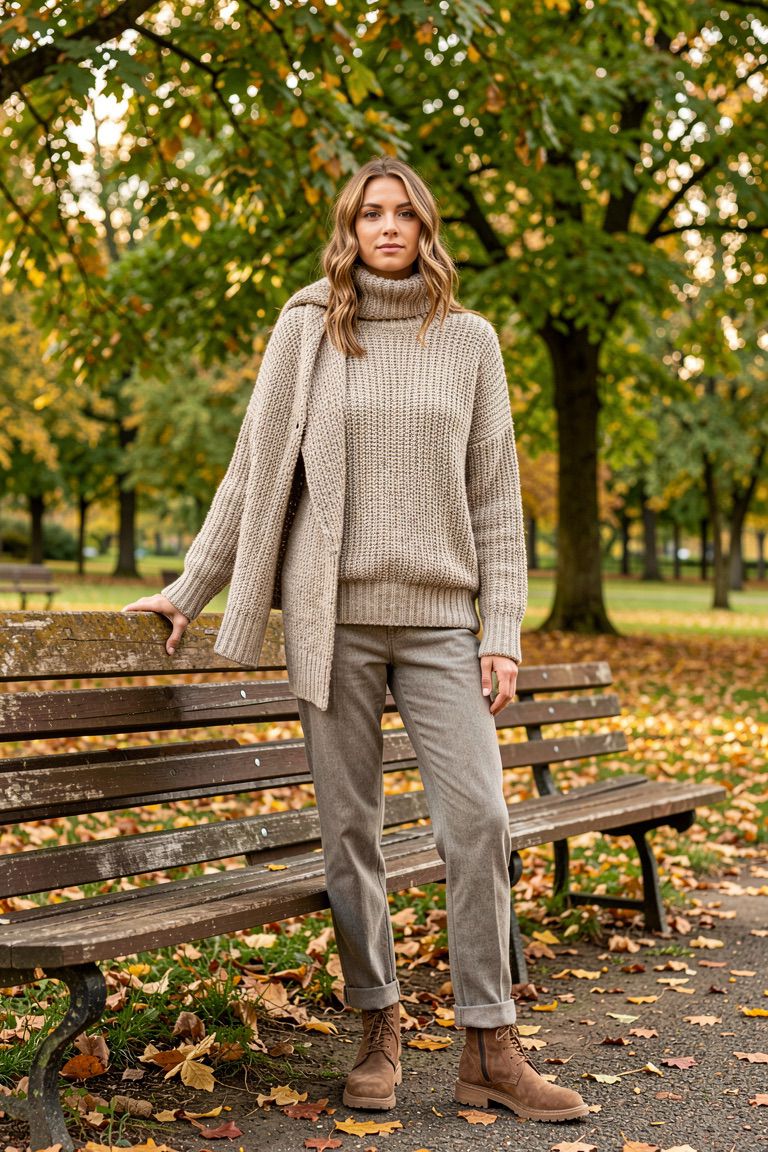
As a person layers a lightweight, patterned knit top over a solid-colored sweater for a chic, autumnal look, it becomes clear that the evolution of knitwear in modern wardrobes is all about balance. The key to elevating everyday style without sacrificing comfort or practicality lies in understanding how different materials, constructions, and designs interact with the body and the environment. By incorporating diverse textures and patterns into their knitwear choices, individuals can make informed decisions that enhance their overall style, challenging the notion that knitwear is only suitable for casual or loungewear occasions.
The assumption that style and comfort are mutually exclusive in fashion choices has also contributed to the underutilization of knitwear in everyday fashion. However, high-quality knitwear can be dressed up or down depending on the occasion, making it a valuable addition to any wardrobe. The key to successful incorporation lies in understanding the properties of different yarns, weaves, and garment constructions, and how these factors impact durability, comfort, and aesthetic appeal. By prioritizing pieces that balance texture, pattern, and comfort, individuals can create visually interesting outfits that are both stylish and practical, challenging the common assumption that these qualities are mutually exclusive.
The properties of different yarns play a crucial role in determining the durability and comfort of knitwear. For instance, wool yarns are known for their excellent insulation properties, breathability, and moisture-wicking abilities, making them ideal for colder climates. In contrast, cotton yarns are more suitable for warmer weather due to their lightweight and absorbent nature. Synthetic blends, on the other hand, offer a balance between durability and affordability, but may lack the natural benefits of wool or cotton. Understanding these differences is essential in selecting knitwear that meets specific needs and preferences.
Furthermore, the construction of knitwear also significantly impacts its overall quality and performance. The type of weave, for example, can affect the fabric’s texture, drape, and flexibility. A dense weave can provide warmth and structure, while a loose weave can create a more relaxed, casual look. Additionally, the finishing techniques used in garment construction, such as fulling or blocking, can influence the final texture and appearance of the knitwear. By considering these factors, individuals can make informed decisions about their knitwear choices, prioritizing pieces that balance texture, pattern, and comfort for versatility and style. This knowledge enables them to navigate the complexities of knitwear and create a wardrobe that is both functional and visually appealing.
To discern genuine quality in knitwear, it’s essential to look beyond the surface level of texture and pattern. While these elements can undoubtedly add visual interest to an outfit, they can also be used to mask underlying issues with the garment’s construction or materials. A truly high-quality piece of knitwear will demonstrate a thoughtful balance of form and function, where the chosen yarn, weave, and finishing techniques all work together to create a fabric that is both durable and comfortable against the skin. This synergy is what sets genuine quality apart from mere fashionability, which may prioritize aesthetic appeal over practical considerations.
A closer examination of the knitwear’s material properties can help reveal its true character. For instance, the use of yarns with inherent temperature-regulating properties, such as merino wool or plant-based fibers like bamboo, can provide a level of comfort and versatility that is hard to match with synthetic alternatives. Similarly, a garment constructed using techniques that prioritize fabric stability and longevity, such as fully fashioned knitting or careful seaming, will be more likely to withstand the rigors of regular wear and maintain its shape over time. By considering these factors and seeking out knitwear that demonstrates a genuine commitment to quality, individuals can build a wardrobe that is not only stylish but also functional, comfortable, and long-lasting.
To apply the standard of judging knitwear by its comfort, durability, and versatility across different conditions, consider the example of layering. When layering knitwear, the innermost layer should prioritize moisture-wicking properties to prevent overheating, while the outer layer can focus on texture and pattern for aesthetic appeal. This approach allows individuals to balance their desire for visual interest with the need for comfort and practicality. By selecting knitwear that excels in specific areas, such as temperature regulation or durability, individuals can create outfits that adapt to various environments and activities.
In evaluating knitwear under various conditions, the interplay between yarn type, weave density, and garment construction is crucial in determining a piece’s overall quality. For instance, a densely woven knitwear made from a blend of wool and synthetic fibers can provide excellent warmth and durability for outdoor activities, while a loosely woven cotton or linen knitwear may be more suitable for warm weather due to its breathability and moisture-wicking properties. Moreover, the finishing techniques used in garment construction, such as fulling or blocking, can significantly impact the final texture and appearance of the knitwear, with some methods enhancing durability and others prioritizing softness and drape. By considering these factors and how they interact, individuals can select knitwear that excels in specific areas, ultimately enabling them to create a versatile and functional wardrobe that meets their diverse needs.
The evolution of knitwear in modern wardrobes is about creating a balance between style, comfort, and practicality. By understanding the properties of different yarns, weaves, and garment constructions, individuals can make informed decisions about their knitwear choices, prioritizing pieces that demonstrate a thoughtful balance of form and function. This approach enables them to navigate the complexities of knitwear and build a wardrobe that is both functional and visually appealing, one that adapts to various environments and activities while maintaining a high level of comfort and style. The versatility of knitwear offers endless opportunities for creative expression and self-expression, allowing individuals to craft a personal aesthetic that prioritizes the essential qualities of comfort, durability, and versatility, ultimately resulting in a wardrobe that is truly reflective of their unique needs and preferences.