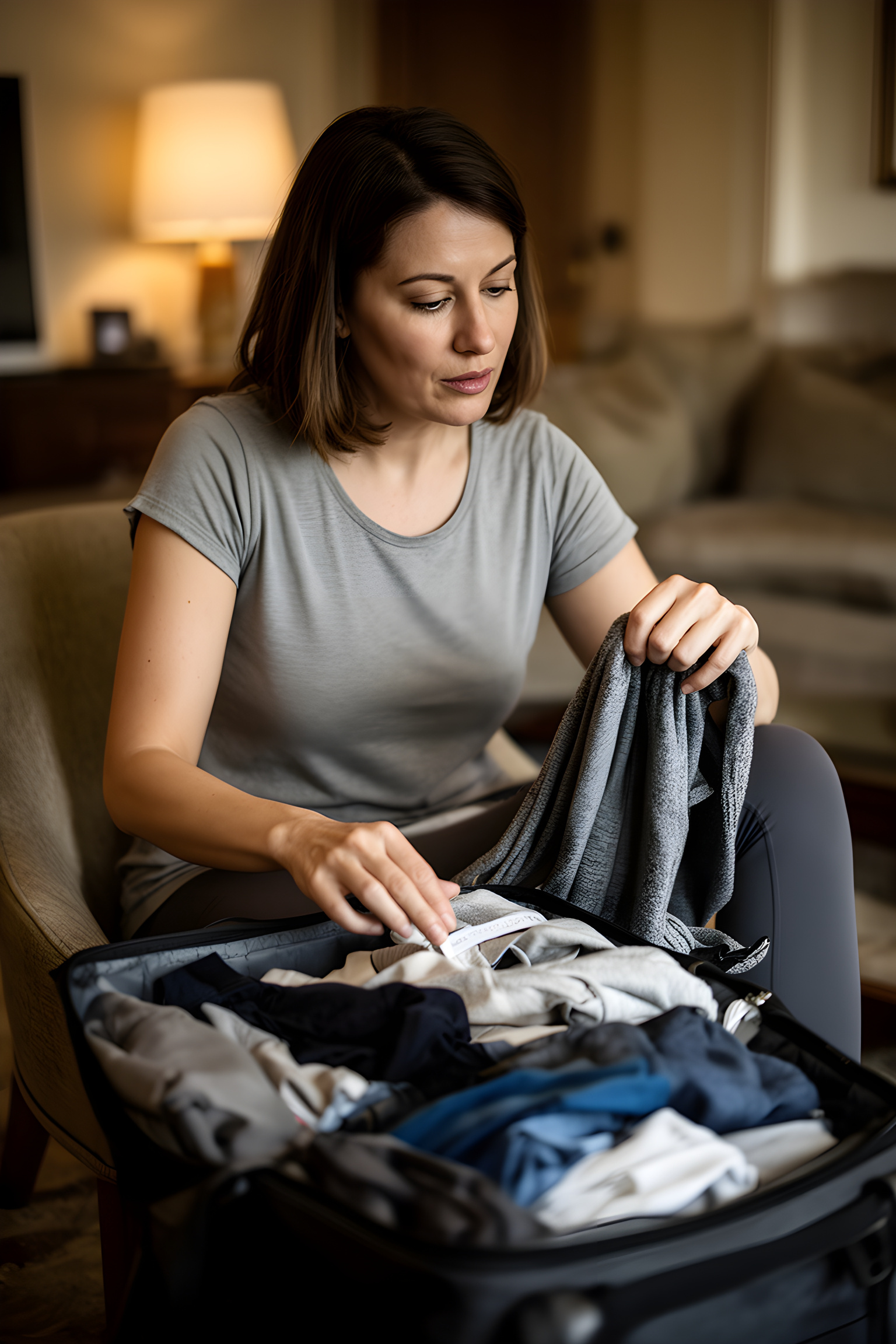
Dressing well for air travel requires a thoughtful balance of comfort and polish, achieved through careful consideration of fabric, fit, and detail choices. This standard replaces the common misconception that comfort and style are mutually exclusive goals, a notion that can lead to sloppy, touristy attire on one hand or impractical, high-maintenance outfits on the other. By recognizing that these two aspects are not in conflict, travelers can opt for clothing that serves both purposes, ensuring they look polished without sacrificing the comfort necessary for long flights and layovers.
The importance of balancing comfort and polish cannot be overstated, as it directly impacts the travel experience. Well-chosen fabrics, such as breathable cottons or moisture-wicking synthetics, can provide the comfort needed for extended periods of sitting while also maintaining a neat, put-together appearance. Similarly, attention to fit is crucial; clothes that are too loose or too tight can quickly lead to discomfort and detract from an otherwise polished look. By prioritizing these elements, travelers can create outfits that not only feel great but also project a sense of respect for themselves and those around them, making the entire travel experience more enjoyable and dignified.
The thoughtful consideration of fabric in air travel attire is not merely a matter of personal preference, but rather a crucial aspect of achieving both comfort and polish. Fabrics that are breathable, moisture-wicking, and quick-drying can provide the necessary comfort for extended periods of sitting, while also maintaining a neat appearance. For instance, fabrics with a high cotton content or those blended with synthetic fibers like polyester or nylon can offer a desirable balance of comfort and durability. Additionally, the weave and weight of the fabric play a significant role in determining its overall performance; a tighter weave and medium-weight fabric can provide structure and stability, while still allowing for airflow and flexibility.
Understanding the properties of different fabrics is essential for making informed choices when selecting air travel attire. For example, natural fibers like wool and silk are known for their breathability and moisture-wicking properties, but may not be as durable as synthetic fibers. On the other hand, synthetic fibers can provide excellent durability and ease of care, but may lack the natural breathability of their organic counterparts. By considering these factors and selecting fabrics that balance comfort, durability, and appearance, travelers can create outfits that are both polished and practical, making their air travel experience more enjoyable and dignified. The key is to prioritize fabrics that provide a harmonious blend of properties, rather than opting for those that excel in only one area, thereby ensuring a comfortable and refined travel experience.
To distinguish genuine quality from the nearest convincing imitation in air travel attire, it’s essential to examine the interplay between fabric, fit, and detail choices. A well-crafted garment may appear polished at first glance, but its true value lies in how it performs over time. For instance, a traveler might opt for a pair of trousers made from a stretchy synthetic material that provides comfort during long flights. However, if the fabric lacks structure and stability, it may lead to an unflattering silhouette and a lackluster appearance after repeated wear.
In contrast, a garment that balances comfort and polish through thoughtful design choices can provide a more satisfying travel experience. Consider the example of a blouse made from a high-quality cotton blend that drapes elegantly and maintains its shape even after multiple washes. The key to this garment’s success lies not only in its breathable fabric but also in its considered construction, including a fitted silhouette, subtle detailing, and a durable finish. By prioritizing such qualities, travelers can create outfits that exude refinement without sacrificing practicality, ultimately enhancing their overall travel experience. This approach requires a nuanced understanding of the relationship between comfort, polish, and durability, rather than relying on shortcuts or imitations that may compromise on one or more of these aspects.
To apply the standard of balancing comfort and polish in air travel attire across different conditions, consider the variations in climate and activity level that may occur during a trip. For instance, a traveler flying from a cold winter destination to a warm summer location may need to adapt their outfit to accommodate the change in temperature. In such cases, layering becomes essential, as it allows for adjustments to be made as needed without compromising on comfort or polish. A lightweight, breathable scarf or cardigan can add a touch of elegance while also providing warmth when required.
The practical application of this standard also involves considering the specific activities and environments encountered during travel. For example, a traveler with a layover in a bustling city may prioritize footwear that is both comfortable for walking and polished enough to blend in with urban surroundings. In this scenario, a pair of high-quality loafers or ballet flats made from durable, easy-to-clean materials could be an excellent choice, as they strike a balance between comfort, practicality, and style. By applying the standard of balancing comfort and polish in such nuanced ways, travelers can ensure that their attire supports them throughout their journey, whether they are navigating airport terminals, exploring new cities, or simply relaxing on a long flight.
The distinction between merely adequate attire and truly effective air travel clothing lies in the consideration of fabric density and weave pattern. A fabric with a dense weave can provide structure and stability, while a looser weave allows for greater airflow and flexibility. For example, a wool or cotton fabric with a twill or plain weave can offer a desirable balance of comfort, durability, and polish, whereas a fabric with a very loose or very tight weave may compromise on one or more of these aspects. The density and pattern of the weave also impact the fabric’s ability to drape elegantly and maintain its shape over time, making it essential to consider these properties when selecting air travel attire. By prioritizing fabrics with thoughtful weave patterns and densities, travelers can create outfits that not only feel comfortable but also project a sense of refinement and attention to detail, ultimately enhancing their overall travel experience.