Month: March 2024

The Erosion of Public Trust in Institutions: Challenges and Consequences

Elias Rowen

Scandals, corruption, and perceived incompetence within various institutions, including government, business, and the media, have significantly eroded public trust and confidence. This loss of trust undermines the legitimacy and effectiveness of institutions, further contributing to their erosion. This paper examines the factors contributing to the erosion of public trust in institutions and explores the far-reaching consequences of this phenomenon. By addressing the root causes of distrust and advocating for transparency, accountability, and ethical leadership, this paper aims to promote the restoration of public trust in institutions.

Scandals, corruption, and perceived incompetence within various institutions, including government, business, and the media, have profoundly impacted public trust and confidence in recent years. These instances of wrongdoing and malfeasance have eroded the credibility and legitimacy of institutions, leading to widespread disillusionment and skepticism among the general public.

One of the key factors contributing to the erosion of public trust is the prevalence of scandals and corruption within institutions. High-profile cases of misconduct, fraud, and abuse of power undermine confidence in the integrity and ethical standards of institutions, leading to a loss of faith in their ability to serve the public interest.

Moreover, perceived incompetence and inefficiency within institutions further erode public trust and confidence. Instances of bureaucratic red tape, mismanagement, and failure to deliver on promises contribute to a sense of disillusionment and frustration among citizens, who feel let down by the institutions meant to represent and serve them.

The erosion of public trust in institutions has far-reaching consequences for society. Distrust in government institutions undermines democratic norms and values, weakening the social contract between citizens and the state. This can lead to a breakdown in civic engagement, political apathy, and a loss of faith in the democratic process.

Similarly, distrust in business institutions can harm economic stability and growth, as investors and consumers lose confidence in the fairness and reliability of markets. This can lead to decreased investment, lower consumer spending, and reduced economic opportunity for individuals and communities.

Furthermore, distrust in the media undermines the role of journalism as a watchdog and guardian of democracy. As trust in the media erodes, misinformation and disinformation proliferate, further polarizing society and undermining the public’s ability to make informed decisions.

In response to the erosion of public trust, institutions must prioritize transparency, accountability, and ethical leadership. By addressing the root causes of distrust and promoting integrity and good governance, institutions can begin to rebuild public trust and confidence.

In conclusion, scandals, corruption, and perceived incompetence within institutions have eroded public trust and confidence, undermining the legitimacy and effectiveness of governance, business, and the media. Addressing the root causes of distrust and advocating for transparency, accountability, and ethical leadership are essential steps towards restoring public trust in institutions and rebuilding a stronger, more resilient society.

Related Posts

Scandals and Controversies: The Impact on Trust in Religious Institutions

Dave

Scandals and controversies within religious institutions, ranging from clergy abuse to financial mismanagement, have profoundly shaken public trust and respect for these once-revered organizations. This paper examines the consequences of such scandals on the reputation and credibility of religious institutions, as well as their broader implications for society. By exploring the dynamics of these scandals and discussing responses and reforms, this paper aims to shed light on the challenges facing religious institutions and potential strategies for rebuilding trust.

Religious institutions have historically served as pillars of moral authority and community cohesion. However, shocking cases of clergy abuse and financial mismanagement scandals have shattered the trust and respect they once commanded. These scandals not only stain the reputation of the organizations involved but also sow seeds of doubt and disbelief, triggering a crisis of faith and a loss of trust in institutions once revered as bastions of morality and integrity. This paper examines the impact of such scandals on trust in religious institutions and the broader implications for society.

Among the most devastating scandals to rock religious institutions are allegations of clergy abuse. Tales of exploitation and abuse, particularly against children and vulnerable individuals, have stunned the public and called into question the moral compass of those meant to offer spiritual guidance. The mishandling of these allegations by religious authorities has further compounded the damage, leading to widespread disillusionment and calls for accountability.

In addition to scandals of clergy abuse, revelations of financial mismanagement within religious institutions have deepened the sense of disillusionment among followers. Reports of funds meant for charity being misused and betraying the values of kindness and selflessness these institutions stand for have further eroded trust and respect. The perception of hypocrisy, especially when religious leaders preach austerity and humility, undermines the moral authority of these institutions.

The fallout from these scandals has been significant, with trust in religious institutions reaching historic lows. Polls and surveys indicate a decline in religious affiliation and attendance, as well as growing skepticism towards religious leaders and their teachings. The erosion of trust not only affects the implicated institutions but also has broader implications for social cohesion and moral values in society.

In response to the crisis of trust, some religious institutions have implemented reforms aimed at addressing misconduct and increasing transparency. Measures such as independent audits, mandatory reporting of abuse allegations, and victim support programs seek to rebuild trust and restore integrity. However, the effectiveness of these reforms depends on the commitment of religious leaders and the willingness of the community to hold them accountable.

Scandals and controversies within religious institutions have profoundly shaken public trust and confidence in their leadership. From shocking cases of clergy abuse to financial mismanagement scandals, these incidents serve as a stark reminder of the vital need for transparency, accountability, and ethical leadership to preserve the sanctity and credibility of religious institutions in the eyes of their followers and society at large. Rebuilding trust will require not only addressing the specific issues at hand but also a broader commitment to the values of humility, compassion, and justice that lie at the heart of religious teachings.

Related Posts

Adapting Social Institutions to Changing Values and Demographics in American Society

Dave

Changing values, norms, and demographics in American society present challenges and opportunities for social institutions such as family, religion, and education. Declining religiosity, evolving family structures, and increasing diversity challenge traditional institutions and require adaptation to meet the needs of a changing society. This paper explores the implications of changing societal dynamics on social institutions and examines strategies for adaptation and innovation in response to these challenges.

Changing values, norms, and demographics in American society have significant implications for social institutions such as family, religion, and education. These institutions play crucial roles in shaping individuals’ identities, values, and socialization processes. However, as societal values evolve and demographics shift, traditional institutions face challenges in meeting the needs and expectations of a changing population.

One of the key changes in American society is the declining religiosity observed in recent decades. As fewer people identify with organized religion or participate in religious practices, traditional religious institutions face declining membership and relevance. This shift challenges the authority and influence of religious institutions in shaping moral values and providing spiritual guidance to individuals and communities.

Evolving family structures also pose challenges for social institutions such as family and education. The traditional nuclear family model is increasingly being replaced by diverse family arrangements, including single-parent households, blended families, and cohabiting couples. These changes have implications for family dynamics, parenting practices, and support systems, requiring social institutions to adapt to the diverse needs and realities of modern families.

Furthermore, increasing diversity in American society presents both opportunities and challenges for social institutions. As the population becomes more diverse in terms of race, ethnicity, culture, and language, social institutions must strive to be inclusive and culturally competent in their policies, practices, and services. Failure to address the needs of diverse populations can lead to exclusion, marginalization, and inequities within society.

In response to these challenges, social institutions must adapt and innovate to remain relevant and effective in meeting the needs of a changing society. This may involve reimagining traditional roles and practices, embracing diversity and inclusivity, and leveraging technology and new forms of communication to reach diverse audiences. Additionally, collaboration and partnerships between different social institutions can enhance their collective impact and address complex societal challenges more effectively.

In conclusion, changing values, norms, and demographics in American society present both challenges and opportunities for social institutions such as family, religion, and education. By embracing adaptation and innovation, social institutions can remain relevant and responsive to the evolving needs of individuals and communities in a changing society.

Related Posts

The Impact of Technology on Social Dynamics: Opportunities and Challenges in the Digital Age

Dave

Advancements in technology, especially with the rapid rise of social media platforms and digital communication tools, have significantly transformed the dynamics of human interaction and engagement. These technological developments have revolutionized the way people connect, share information, and communicate with one another on a global scale. While technology has the inherent capacity to bridge geographical divides and foster relationships among individuals and communities worldwide, it has also inadvertently contributed to the amplification of social fragmentation, the creation of echo chambers, and the spread of misinformation. The prevalence of social media has led to the formation of virtual echo chambers where individuals are exposed mostly to information that aligns with their existing beliefs and opinions, thus reinforcing biases and hindering constructive dialogue. Moreover, the rapid dissemination of unverified or false information through digital platforms has posed significant challenges to the credibility of traditional social bonds and institutions, eroding trust and fostering skepticism within society. As we navigate the complexities of the digital age, it becomes imperative to critically assess the impact of technology on social interactions and strive towards leveraging these tools for fostering meaningful connections, promoting digital literacy, and cultivating a more informed and inclusive society.

Advancements in technology have facilitated unprecedented levels of connectivity, allowing individuals to form relationships and communities irrespective of geographical constraints. Social media platforms provide avenues for networking, collaboration, and cultural exchange, enabling diverse voices to be heard and amplified on a global scale. Technology has democratized access to information and empowered individuals to participate in public discourse and civic engagement.

Despite the opportunities for connectivity, technology has also contributed to social fragmentation and the formation of echo chambers. The prevalence of social media algorithms often leads to the reinforcement of pre-existing beliefs and opinions, limiting exposure to diverse perspectives and hindering constructive dialogue. The echo chamber effect fosters polarization and tribalism, undermining social cohesion and mutual understanding within society.

The rapid dissemination of unverified or false information through digital platforms poses significant challenges to the credibility of traditional social bonds and institutions. Misinformation spreads quickly on social media, fueling confusion, distrust, and skepticism among users. The erosion of trust in traditional sources of information undermines democratic norms and values, threatening the integrity of public discourse and decision-making processes.

As we navigate the complexities of the digital age, it becomes imperative to promote digital literacy and critical thinking skills to navigate the vast landscape of online information responsibly. Educating individuals about the risks of echo chambers, misinformation, and digital manipulation empowers them to make informed decisions and engage thoughtfully with digital platforms. Moreover, fostering inclusivity and diversity in online spaces is essential for promoting a more equitable and representative digital landscape.

Technology has fundamentally transformed social dynamics, offering both opportunities for connectivity and challenges of fragmentation and misinformation. As we embrace the digital age, it is essential to critically assess the impact of technology on society and strive towards leveraging these tools for fostering meaningful connections, promoting digital literacy, and cultivating a more informed and inclusive society.

Related Posts

The Impact of Political Polarization on Trust and Cooperation in American Society

Dave

The growing ideological divide in American politics has led to a breakdown in trust and cooperation across partisan lines, creating a deep-seated us-versus-them mentality that impedes progress and collaboration in political decision-making processes. This paper examines the multifaceted consequences of political polarization, ranging from gridlock and inefficiency within government institutions to impacts on social cohesion and public discourse. By exploring the far-reaching implications of political polarization, this paper aims to highlight the urgent need for bridging divides and fostering greater cooperation in American society.

Political polarization in America has reached unprecedented levels, characterized by a deepening ideological divide between liberals and conservatives. This polarization has eroded trust and cooperation across partisan lines, leading to gridlock and inefficiency in government institutions. Beyond politics, polarization has seeped into other spheres of society, impacting social cohesion, public discourse, and the overall legitimacy of democratic institutions. This paper examines the root causes and consequences of political polarization and explores potential strategies for promoting greater cooperation and understanding.

At the heart of political polarization lies a deep-seated us-versus-them mentality, where individuals increasingly view those on the opposite side of the political spectrum as adversaries rather than fellow citizens. This mentality impedes progress and collaboration in political decision-making processes, as compromise becomes increasingly difficult in an environment marked by ideological rigidity and tribalism.

Political polarization has led to the erosion of the middle ground for compromise, as individuals increasingly align themselves with either liberal or conservative ideologies. This narrowing of political discourse stifles innovation and progress, leading to gridlock and inefficiency within government institutions. The inability to find common ground on key issues undermines the effectiveness of governance and erodes public trust in democratic institutions.

Beyond politics, political polarization has profound implications for social cohesion and public discourse. Social interactions become strained as individuals struggle to find common ground with those holding differing political beliefs. This polarization fuels social fragmentation and discord, as echo chambers and filter bubbles reinforce pre-existing beliefs rather than fostering meaningful dialogue and understanding.

Public discourse suffers as a result of political polarization, with echo chambers and filter bubbles exacerbating divisions and undermining the exchange of diverse perspectives. Instead of fostering meaningful dialogue and understanding, polarization leads to the entrenchment of beliefs and the rejection of opposing viewpoints, further deepening societal divides.

The erosion of trust and cooperation across partisan lines poses a significant threat to the foundational principles of democracy and the ability of government institutions to effectively serve the needs of the people. Addressing political polarization requires a concerted effort to bridge divides, promote empathy and understanding, and foster greater cooperation in American society. By promoting dialogue, civility, and a commitment to shared values, we can work towards overcoming polarization and building a more inclusive and resilient democracy.

Related Posts

The Impact of Economic Inequality on Social Institutions in America

Elias Rowen

Economic inequality in America is like a storm cloud looming over our social institutions, casting shadows of doubt, division, and missed opportunities within communities. This study delves into the intricate web of consequences stemming from the ever-widening economic gap, from fraying social bonds to shaking the foundations of trust in crucial establishments like government and the economy. By dissecting how economic inequality impacts our social framework, this research sheds light on the pressing call for fair policies and systemic changes to tackle the root issues of inequality and foster a society that embraces everyone.

The landscape of economic inequality in America paints a stark picture, with profound effects rippling through our social institutions and the very fabric of society. The chasm between the affluent few and the rest of the populace deepens existing divides, shaking the core principles of fairness and equal opportunity. This examination navigates the profound impacts of economic inequality on social institutions and the hurdles it raises in the quest for a more balanced and just society.

At the heart of economic inequality lies the unraveling of social ties within communities. As wealth and opportunity diverge, the tapestry of trust and solidarity weakens, paving the way for increased fragmentation and isolation. This breakdown of social cohesion hampers communities in uniting to tackle shared obstacles, amplifying fractures along lines of race, ethnicity, and income.

The consolidation of wealth and influence in the hands of a privileged few weakens the safety nets crucial for supporting the vulnerable. As resources dwindle for marginalized groups, essential services like healthcare, education, and housing slip further out of reach. This cycle of scarcity deepens disparities, perpetuating cycles of poverty and widening the breach between the privileged and the disadvantaged.

Economic inequality corrodes faith in vital institutions such as government and the economy, painting them as partial to the elite rather than serving the broader populace. Perceptions of corruption and unfairness chip away at institutional credibility, fostering disillusionment and suspicion among the masses.

The persistence of economic inequality stifles avenues for upward mobility, locking access to opportunities behind the gates of socioeconomic status. This cycle perpetuates generations of advantage and disadvantage, stifling progress and reinforcing existing inequalities. The lack of economic mobility not only hampers individuals and families but also stifles societal growth and innovation.

Tackling economic inequality demands a robust suite of fair policies that target the roots of inequality and foster inclusive economic progress. This entails progressive taxation, investments in education and workforce development, and fortifying social safety nets. Equally critical are fair wages, labor rights, and access to affordable healthcare and housing to bridge the gap and pave the way for social mobility.

Economic inequality looms as a formidable adversary to America’s social institutions, jeopardizing trust, unity, and opportunities for growth within communities. The widening wealth chasm not only deepens social rifts but also weakens safety nets and trust in pivotal establishments. Confronting economic inequality necessitates bold, fair policies that champion the needs of all members of society, paving the way for an inclusive and equitable future for all.

Related Posts

Leveraging Artificial Intelligence for Advanced Threat Detection and Prevention in Network Security

Dave

With the increasing sophistication of cyber threats, organizations are turning to Artificial Intelligence (AI) to fortify their network security infrastructure. This paper explores the role of AI in threat detection and prevention, specifically focusing on its capacity to analyze network traffic patterns, identify anomalies, and respond swiftly to potential security breaches.

Network security is a paramount concern for organizations in the digital age. As cyber threats evolve, traditional security measures are often inadequate in detecting and preventing sophisticated attacks. Artificial Intelligence, particularly in the realm of threat detection, emerges as a powerful tool to augment the capabilities of security systems.

One of the key applications of AI in network security is anomaly detection. AI algorithms, leveraging machine learning techniques, can learn the normal behavior of a network by analyzing historical data and continuously monitoring ongoing activities. Any deviation from established patterns is flagged as a potential anomaly, signaling a security threat. This proactive approach enables organizations to identify and address potential issues before they escalate.

AI plays a crucial role in behavioral analysis, going beyond static rules and signatures. By learning the typical behavior of users and devices within a network, AI systems can detect subtle deviations that may indicate unauthorized access or malicious activities. This adaptive approach enhances the ability to identify previously unseen threats, providing a more comprehensive defense against evolving attack vectors.

Artificial Intelligence facilitates real-time monitoring of network activities, enabling organizations to respond swiftly to security incidents. Through continuous analysis of network traffic, AI systems can detect and flag suspicious behavior as it occurs. This real-time capability is particularly valuable in identifying and mitigating threats before they can cause significant damage.

Incorporating AI into network security allows for automated responses to certain types of threats. By defining predefined response actions based on threat severity, AI-driven systems can autonomously take corrective measures, such as isolating affected devices or blocking suspicious activities. This not only reduces response time but also ensures a consistent and efficient approach to security incidents.

Several organizations have successfully implemented AI-driven threat detection and prevention systems. For instance, a financial institution utilized machine learning algorithms to analyze user behavior and detect abnormal patterns indicative of fraudulent activities. Another case involves a large-scale e-commerce platform that employed AI to monitor and respond to DDoS attacks in real time, ensuring uninterrupted service for its users.

While AI presents significant advantages in threat detection and prevention, it is essential to acknowledge potential challenges. These include the need for robust data privacy measures, addressing algorithmic biases, and ensuring the interpretability of AI-driven decisions. Additionally, ongoing updates and monitoring are critical to adapting to emerging threats effectively.

In conclusion, the integration of Artificial Intelligence in threat detection and prevention marks a significant advancement in network security. The ability to analyze anomalies, conduct behavioral analysis, and respond in real-time enhances the resilience of organizations against a dynamic threat landscape. As technology continues to evolve, the synergy between AI and network security becomes increasingly vital in safeguarding sensitive data and maintaining the integrity of digital ecosystems.

Related Posts

Understanding the Erosion of Social Institutions in America: Causes and Implications

Dave

Social institutions play a crucial role in maintaining cohesion, stability, and order within societies. However, in recent decades, the United States has witnessed a gradual erosion of these institutions, leading to widespread concern about the consequences for social cohesion and governance. This paper explores the multifaceted causes behind this phenomenon, ranging from economic inequality and political polarization to technological changes and shifting cultural norms. By examining these root causes, we can better understand the challenges facing American society and identify potential avenues for addressing them.

Social institutions, including government, family, education, religion, and the media, form the backbone of any society, providing structure, norms, and mechanisms for social interaction and organization. However, in the United States, these institutions have come under increasing strain in recent years, raising questions about their resilience and effectiveness. This paper seeks to analyze the underlying causes of this erosion and assess its implications for American society.

Widening economic disparities have profound implications for social institutions, undermining trust, cohesion, and opportunity within communities. The concentration of wealth and power in the hands of a few exacerbates social divisions, weakens the social safety net, and erodes confidence in institutions such as government and the economy.

The growing ideological divide in American politics has contributed to a breakdown in trust and cooperation across partisan lines. Political polarization not only undermines the functioning of government institutions but also spills over into other spheres of society, affecting social cohesion, public discourse, and the legitimacy of democratic institutions.

Advancements in technology, particularly the rise of social media and digital communication, have reshaped the way people interact and engage with one another. While technology has the potential to connect individuals and communities, it also exacerbates social fragmentation, echo chambers, and misinformation, weakening traditional social bonds and institutions.

Changing values, norms, and demographics in American society have implications for social institutions such as family, religion, and education. Declining religiosity, evolving family structures, and increasing diversity challenge traditional institutions and require adaptation to meet the needs of a changing society.

Scandals, corruption, and perceived incompetence within various institutions, including government, business, and the media, have eroded public trust and confidence. This loss of trust undermines the legitimacy and effectiveness of institutions, further contributing to their erosion.

The interconnectedness of the global economy and society poses both opportunities and challenges for social institutions. While globalization can promote economic growth and cultural exchange, it also leads to dislocation, alienation, and competition that weaken local institutions and traditions.

The erosion of social institutions in America has far-reaching implications for governance, social cohesion, and individual well-being. Addressing these challenges requires a holistic approach that tackles the root causes of erosion while promoting transparency, accountability, and inclusivity within institutions. By understanding the complex interplay of factors contributing to the erosion of social institutions, policymakers and stakeholders can work towards rebuilding trust, strengthening resilience, and fostering a more cohesive and equitable society.

Related Posts

Journey Through History: Exploring Camp Russell, Home of Heroes

Elias Rowen


Camp Russell
During World War II the 1st and 2nd Divisions of the United States Marine Corps camped in this area from June 1942 to October 1943.

The 2nd Infantry Regiment was based here at Camp Russell, the 6th Infantry at Camp MacKay across the highway on Whareroa Farm and the 8th Infantry at the northern end of Paekakariki.

The Marines fought at Guadalcanal in 1912, the 2nd Division returning to Paekakariki for rest and recovery during the winter of 1943. Departing again in November 1943, the 2nd Division saw action on Taiawa Atoll, Saipan, Tinian Island and Okinawa, eventually landing at Nagasaki in September 1945 as part of the allied occupation forces. The Divisions casualties during the Pacific campaign were 2,795 killed and 9,600 wounded.

The Wellington Regional Council in association with the Kapiti Coast District Council erected these interpretative displays in the form of a re-recreated camp in June 1992 to mark the 50th Anniversary return visit of servicemen from the United States of America.

Related Posts

Clicks and Consequences: Navigating the Impact of Social Media on Politics

Dave

The impact of social media on politics has been profound and far-reaching. With the rise of platforms such as Twitter, Facebook, and Instagram, politicians have gained a new and powerful tool to reach and engage with their constituents. Social media has revolutionized political campaigns, allowing politicians to connect directly with voters, share their opinions, and mobilize support. It has also provided a platform for citizens to voice their concerns, share their political views, and participate in political discussions. The widespread use of social media has democratized the political landscape, enabling individuals from all walks of life to have a voice in shaping public opinion and influencing political decisions. However, the impact of social media on politics is not without its challenges and risks. The spread of fake news and misinformation has become a major concern, as social media platforms have been exploited to manipulate public opinion and sway elections. The echo chamber effect, where individuals are surrounded by like-minded people who reinforce their existing beliefs, has also been amplified by social media algorithms, leading to polarization and a lack of constructive dialogue. Furthermore, the sheer volume of information available on social media can make it difficult for voters to distinguish between reliable sources and biased or inaccurate content. Despite these challenges, social media remains a powerful tool for political engagement and has the potential to foster transparency, accountability, and civic participation. It is up to policymakers, social media platforms, and users themselves to navigate these challenges and ensure that social media continues to have a positive impact on politics.

Related Posts

Navigating the American Political Mosaic: A Tapestry of Change and Resilience

Dave

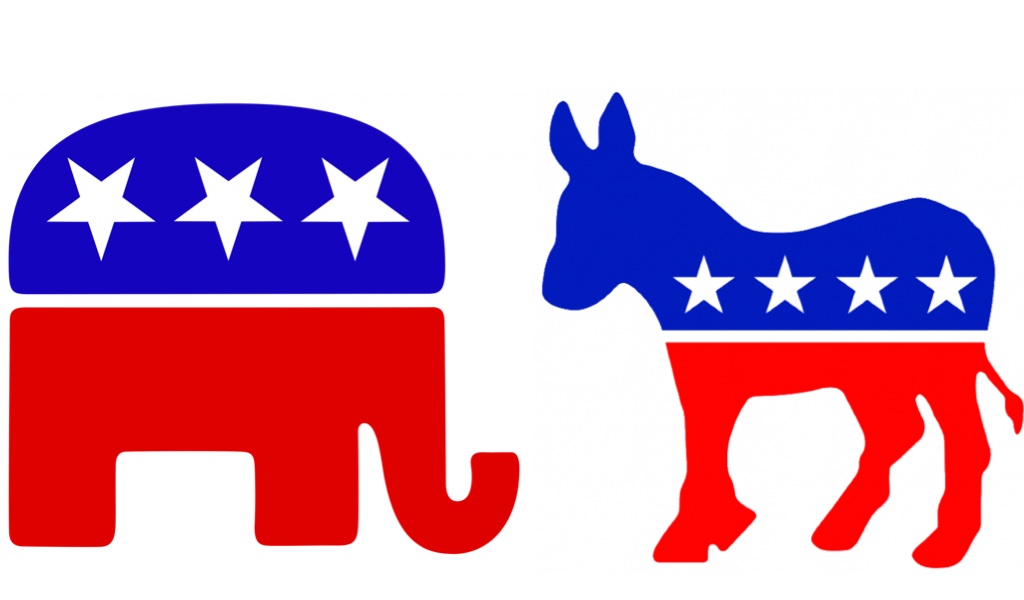
The political landscape in America is a captivating tapestry of complexity and constant change. It revolves around a two-party system, where the Democratic and Republican parties reign supreme. However, in recent times, alternative parties and independent candidates have emerged, signaling a growing discontent with the status quo. This surge in diversity reflects a yearning for something different, something that truly represents the people.

One cannot ignore the deep ideological divides that have defined American politics. The clash between liberals and conservatives has transformed the political arena into a battleground of ideas. This polarization has given rise to an atmosphere of staunch partisanship, making compromise and bipartisanship elusive and rare.

The role of money in politics is yet another critical issue. Special interest groups and campaign financing have come under intense scrutiny. In 2010, the controversial Citizens United ruling further exacerbated this problem by granting corporations and unions the power to pour unlimited funds into political campaigns. The influence of big money on the political process has never been more apparent.

Moreover, the advent of social media has revolutionized the political landscape in unprecedented ways. Platforms like Twitter, Facebook, and Instagram have become instrumental in shaping public opinion and mobilizing grassroots movements. Their power was undeniably evident in the 2020 election, where they played a pivotal role in disseminating information, misinformation, and disinformation. The impact of social media cannot be overstated.

In the midst of it all, we face pressing concerns of voter suppression and gerrymandering. These alarming practices disproportionately affect marginalized communities, making it harder for them to exercise their right to vote. The Black Lives Matter movement and the fight for racial justice have exposed the deep-rooted racial divisions within American politics, shedding light on the urgent need for change.

However, despite the challenges, American politics also brims with resilience and activism. Grassroots movements and civic engagement are gaining momentum, and the 2020 election witnessed record-breaking voter turnout. It is evident that the American people are embracing their political power, yearning for a brighter future and a transformation of the system.

In the end, the state of politics in America is a dynamic and multifaceted landscape, constantly shaped by the unwavering actions and resonating voices of its citizens. It is a captivating journey of highs and lows, victories and setbacks, but one thing remains clear: the spirit of democracy thrives in the hearts of the American people.

Related Posts