Category: Photos

Saltwater in the Feed: Mastering the Perfect Beach-Themed Instagram Aesthetic

Dave

The ocean has always been a muse for dreamers, artists, and wanderers, but in the age of Instagram, it has become something else too: the ultimate backdrop for a life that looks as effortlessly beautiful online as it feels in person. A beach-themed Instagram aesthetic is more than a collection of photos; it’s a curated vibe, a storytelling thread that pulls people in with every post. It whispers of sun-kissed mornings, golden afternoons, salty hair, sandy feet, and a carefree spirit that feels both aspirational and attainable. When you open a profile with a cohesive beach aesthetic, it’s like opening a window into a lifestyle drenched in light and ease, one that invites followers to step into your world of endless summer. But creating that aesthetic takes more than snapping a photo of the sea. It requires intention, cohesion, and a balance between authenticity and artistry, a dance that transforms everyday moments at the beach into a feed that feels like a destination in itself.

It begins with color. The palette of a beach aesthetic is one of its most defining elements. Blues, of course, dominate—from the turquoise shimmer of shallow waters to the deep indigo of horizon lines. Pair those with the warm tones of sand, the glowing gold of sunlight, and the crisp whites of seashells, linen, and foamy waves, and you already have a foundation that feels natural and refreshing. Consistency is key here. Editing tools like Lightroom or VSCO help bring harmony to shots, softening harsh contrasts or amplifying warm highlights so that even different beaches and times of day look like they belong in the same narrative. Some accounts lean into dreamy, washed-out tones that mimic film photography, while others prefer bold saturation that makes every umbrella, bikini, and cocktail pop against the sky. The trick is choosing a mood and sticking to it—deciding whether your beach is soft and serene or bold and vibrant, and letting that choice guide your editing.

Angles and composition matter just as much as color. A feed that feels alive rarely leans on the same type of shot over and over. Wide horizons give the feeling of freedom and scale, while close-ups of seashells, footprints, or melting popsicles bring intimacy and texture. Overhead flat lays of beach towels, woven bags, sunscreen bottles, and sunglasses tell a lifestyle story, while candid shots of laughter in the waves show emotion. Variety keeps followers engaged, but cohesion keeps them loyal. Each post should feel like a new piece of the puzzle, fresh yet familiar, like walking along the same beach and discovering a different treasure each time.

Props and styling are underrated tools for shaping a beach-themed aesthetic. The right towel, a straw hat, a woven bag, a pair of chic sunglasses, or even a coconut drink can elevate a simple snapshot into a piece of art. These details don’t just decorate the image; they set the tone, telling followers whether your vibe is luxury resort chic, bohemian wanderlust, or minimalist escape. Fashion plays into this as well. Neutral swimsuits, breezy cover-ups, and sun-faded fabrics create one kind of look, while bold prints, neon bikinis, and oversized shades create another. Think of your props and outfits as part of your visual toolkit, the accents that help tie your feed together.

Of course, no Instagram aesthetic thrives on stillness alone. Reels and stories now carry as much weight as grid posts, and they offer a chance to expand the beach aesthetic beyond static images. Short clips of waves rolling, friends dancing barefoot on the sand, or a slow pan across a glowing sunset add movement and atmosphere. Stories, with their behind-the-scenes feel, allow for more spontaneity: the sunscreen reapplication, the sandcastle attempt, the snack spread in between swims. Together, they round out the aesthetic, making it feel real and approachable rather than just curated perfection.

Captions, too, are part of the aesthetic. A beach-themed feed isn’t only about visuals—it’s about voice. Playful puns, laid-back musings, and poetic reflections on the sea all add depth to the images. A photo of footprints in the sand paired with a caption about leaving worries behind creates resonance. A shot of friends laughing with a simple “salty but sweet” makes people smile. The words don’t have to be long, but they should echo the mood of the image, offering a glimpse of personality that connects followers to the person behind the photos.

Engagement also grows when your aesthetic feels like a story people want to join. Hashtags connect your posts to wider communities, drawing in others who love the beach life. Tagging locations not only boosts reach but also turns your feed into a guidebook of sorts, a collection of places worth visiting. Collaborative posts, featuring friends, fellow creators, or even small beach-town businesses, broaden your aesthetic while adding dimension. The more your feed feels like part of a living, breathing coastal community, the more followers see it as something more than just pretty pictures—they see it as a lifestyle they want to experience too.

The human side of a beach aesthetic is what keeps it from becoming stale. Perfection has its place, but authenticity is magnetic. The wind-tousled hair, the slightly melted ice cream cone, the photo that catches laughter mid-squint instead of perfectly posed—all of these moments are what make your aesthetic feel alive. The beach is messy: sand clings, waves splash unpredictably, and tans rarely develop evenly. Embracing those quirks keeps your content from feeling artificial and instead captures the real spirit of summer.

And that’s the ultimate point of curating a beachy Instagram aesthetic—it’s not just about impressing strangers with polished images. It’s about documenting the feeling of summer, the essence of freedom and play. It’s about building a digital scrapbook that you and others can revisit in the dead of winter, when you need to remember the warmth of the sun and the endless possibility of days spent by the sea. It’s about creating not just an account, but a mood board for life, one that celebrates the beauty of the ocean and the joy it brings to everyone who stands on its shore.

So when you’re ready to curate your beach-themed aesthetic, don’t overthink it. Focus on light, color, variety, and intention. Mix beauty with authenticity. Make your feed a place people want to linger, like a boardwalk stroll at golden hour. And remember: the sea doesn’t demand perfection, it just asks that you show up and let yourself be part of its rhythm. Do the same with your feed, and soon your Instagram will feel less like a collection of posts and more like a window into endless summer.

Related Posts

Beneath the Surface: The Beginner’s Guide to Underwater Photography

Dave

There’s something undeniably magical about slipping beneath the surface of the water. The world changes instantly: light bends differently, sound muffles into a low hum, and colors shift as if you’ve entered a living dream. Fish dart in flashes of silver, coral sways with the rhythm of the tide, and for a moment, you realize how vast and otherworldly the ocean truly is. Capturing that feeling through underwater photography is one of the most rewarding challenges a creative adventurer can take on. It’s not just about snapping pictures—it’s about learning to see the world in a new dimension, translating the surreal into something you can hold, share, and revisit long after you’ve dried off. But the ocean doesn’t make it easy. Cameras fog up, light disappears, currents tug, and subjects rarely stay still. Underwater photography is an art form where patience meets technology, and where the ultimate reward is bringing back images that make people gasp with wonder.

Like all adventures, it starts with preparation. You don’t need to buy the most expensive camera rig to begin. For many beginners, waterproof smartphones with proper underwater housings are a perfect start. They’re lightweight, easy to handle, and forgiving when you’re still figuring out how to manage breathing, buoyancy, and framing at the same time. Action cameras like GoPros have also earned a reputation as reliable, compact tools for beginners—simple, sturdy, and versatile. As you advance, mirrorless and DSLR cameras with dedicated housings and dome ports open up a world of professional possibilities, but they also demand more skill, investment, and maintenance. The key is to start with what you’re comfortable managing underwater; after all, even the best camera can’t save a shaky, unfocused shot.

Once you’ve chosen your gear, the housing becomes your best friend. It’s what stands between your camera and the water, and even the smallest leak can spell disaster. Checking O-rings for dust, hair, or grains of sand before every dive is essential. Always test your housing in shallow water first to ensure no leaks occur, because nothing ruins the dream faster than discovering a soaked camera. Anti-fog inserts help keep your lens clear, and regular rinsing with fresh water after a dive keeps salt from building up. Learning to care for your equipment is just as important as learning to use it.

Light is the next great frontier in underwater photography. The deeper you go, the more light fades away, and with it, color. Reds disappear first, then oranges, yellows, and greens. By the time you reach just 30 feet, everything takes on a bluish-green cast. This is why so many beginner photos come back looking flat or dull. The secret to reviving those colors lies in shooting shallow when possible, staying within 10 to 20 feet where sunlight still penetrates, and using artificial lights or strobes when diving deeper. Even a small video light can transform your photos, revealing vibrant coral and fish that otherwise blend into the shadows. Mastering the interplay between natural light and artificial illumination is one of the defining skills of a great underwater photographer.

Composition plays differently underwater too. The ocean is a dynamic place; nothing is static. Fish swim away, plants sway, bubbles rise, and light dances in ripples. To create striking images, you have to embrace that movement rather than fight it. Get close to your subject—closer than you think. Water reduces clarity, and the more distance between you and your subject, the hazier the image becomes. Filling the frame with a turtle, a diver, or a school of fish creates intimacy and impact. Shooting upward rather than downward often produces more dramatic results, capturing your subject against the light-filled surface. Wide-angle lenses are popular for this reason, letting you capture both subject and environment without losing clarity.

Buoyancy control is the unsung hero of underwater photography. If you’re constantly bobbing up and down, stirring up sand, or floating away from your subject, no camera will save your shots. Practicing neutral buoyancy until it feels second nature not only protects fragile marine environments but also allows you to hover calmly as you frame your shot. Think of yourself as part of the water column—you’re not fighting it, you’re flowing with it. This zen-like state not only improves your photos but also deepens your connection to the underwater world.

Timing is everything. Marine life doesn’t pose, and the ocean doesn’t pause for you. Patience, observation, and respect for your subjects are key. Watch how fish move, how they dart and return, how turtles rise for air, how rays glide. Anticipating behavior allows you to capture moments rather than chasing them. And always remember: the ocean is not a studio. Respect its rhythms, don’t harass wildlife, and prioritize safety over the perfect shot. The goal is to capture the beauty of the ocean without disturbing it.

Editing also plays a huge role in underwater photography. Even with the best lighting, colors often need correction to restore their true vibrancy. Software like Lightroom or Photoshop can bring back warmth, contrast, and detail lost in the depths. But editing isn’t about creating fantasy—it’s about honoring what you saw, bringing the image closer to the magic your eyes experienced that the camera couldn’t fully capture. A little adjustment to white balance, exposure, and sharpness can elevate a decent shot into something extraordinary.

What makes underwater photography so viral, so irresistible, is the sense of discovery it brings. People love to see what lies beneath the waves, especially those who’ve never strapped on a mask and snorkel. Your photos become more than just personal souvenirs; they become windows for others, invitations into a world that still feels mysterious. A single photo of a clownfish peeking out of anemone or a sunbeam breaking through kelp forests can ignite wonder across the internet. Underwater photography isn’t just a skill—it’s storytelling for a world most people never get to see.

And yet, what makes it unforgettable is how human it feels. You, floating in the vastness, heart beating a little faster with each dive, trying to hold steady as a curious fish tilts its head toward you. You, fumbling with settings, only to glance up and see a manta ray gliding gracefully above. You, realizing that half the fun isn’t the picture you bring home but the moment you lived to take it. The camera is just the excuse. The real magic is how the ocean makes you feel alive, small, and connected all at once.

In the end, the basics of underwater photography boil down to this: gear you trust, light you understand, composition that embraces intimacy, buoyancy that feels effortless, patience that honors the ocean, and editing that reveals what your eyes saw. It’s about building skill while keeping curiosity alive, about striving for technical mastery without losing the childlike awe of being underwater. Every photo is temporary—after all, the subjects move, the sand shifts, the tide returns—but the memories and images last long beyond the dive.

So pack your housing, charge your camera, and dive in. The ocean is waiting, filled with stories to tell, colors to capture, and creatures to meet. You may not get the perfect shot your first time, but that’s the beauty of it. Each dive, each attempt, is a lesson, and one day you’ll surface with an image that makes even you gasp. That’s the reward. That’s why we chase the light beneath the waves. That’s why underwater photography is more than a hobby—it’s a way of carrying the ocean home.

Related Posts

Through the Lens of the Tide: Mastering the Best Times to Shoot at the Beach

Dave

There’s something wildly magical about the beach—a place where nature puts on a show daily with a constantly shifting canvas of light, color, and motion. For photographers, the beach is both a dream and a challenge, wrapped in sea spray and golden sand. But the secret to capturing truly unforgettable beach images lies not just in the gear you carry or the technique you master—it lies in the timing. Knowing when to shoot can turn a simple seascape into a poetic masterpiece. In this deep dive into coastal photography, we’ll unravel the best times to shoot at the beach and why those fleeting windows of light can make or break a shot. But more than that, we’ll walk together along shoreline stories—real moments, weathered memories, and shutter-clicking truths from a photographer’s point of view.

If you’ve ever stood with your toes in the sand, camera in hand, watching waves roll in while the sun stretches across the horizon, then you already understand part of the magic. The beach is never the same twice. And every moment that passes is a photograph missed or made. This essay is your guide, your muse, and your gentle nudge to step onto the beach at the right moment and click the shutter with intention.

It was 5:12 a.m. when I parked my old, salt-crusted Subaru by the dunes of Cannon Beach, Oregon. The air was crisp, carrying a scent that was part pine, part ocean, and all nostalgia. My camera was already on the passenger seat, batteries full, SD cards cleared. The tide was just beginning its slow retreat, leaving reflective pools like nature’s mirrors across the sand. I walked out, barefoot, knowing that golden hour was just around the bend of time. And then it happened. That first kiss of orange and pink across the edge of the world. Light danced on the wet sand, and the clouds took on the brushstrokes of a master painter. I only took seven photos that morning. Just seven. But one of them still hangs in a gallery—and not because the composition was flawless or the lens pristine. It was because I understood when to be there. And that, above all, is the photographer’s real craft.

Golden hour, roughly an hour after sunrise and an hour before sunset, bathes everything in warm, diffused light that flatters every subject. Shadows grow long and soft. Textures come alive. The ocean reflects pinks, oranges, and golds that seem pulled from a palette of dreams. Golden hour is your best friend when you’re aiming for romantic, ethereal, or emotional beach photos. Whether it’s a couple walking hand-in-hand, a child building a sandcastle, or just the gentle lap of a wave against a seashell, this is the time when everything feels cinematic. But golden hour is also fleeting. You have to be ready. And that means knowing the sunrise and sunset times for your location and planning backward. Arrive early, scout your spot, frame your ideas. Once the light starts to shift, you’ll have maybe 20–30 minutes of perfect glow before the moment slips away. In Hawaii, I once photographed a local hula dancer during golden hour, her silhouette framed against the glowing ocean. She moved with grace, the light wrapping around her like liquid honey. That photo? It lives on the cover of a travel magazine now. And I owe it entirely to the golden hour.

Right before the sun rises and just after it sets, the blue hour cloaks the beach in cool, moody tones. Think of it as twilight’s artistic sibling—subtle, introspective, and dramatically beautiful. This is a time when beach scenes become minimalist and almost surreal. Long exposure shots during blue hour turn waves into soft blankets, clouds into whispers, and city lights into glowing reflections. I once stood alone on a dock in Maine, camera on tripod, waiting for that perfect indigo transition. The sky melted into the sea, and everything felt still. It’s the kind of moment where silence speaks louder than words. The resulting photo—fishermen’s boats floating ghostlike under a navy sky—is one of the most haunting images I’ve ever taken. If you’re willing to shoot at awkward hours and carry a tripod, blue hour will reward you with images that feel like dreams you’ve barely remembered.

Most photographers shy away from midday beach shooting. And rightly so. The sun is high, shadows are short and harsh, and your subjects can look blown out or squinty. But here’s the thing—midday isn’t impossible. It just requires strategy. Use shadows to your advantage. Seek shade under cliffs, palms, or beach umbrellas. Convert your images to black and white to emphasize contrast. Capture action shots—surfers, volleyball players, swimmers—when the sun’s strength brings out motion and energy. And if you’re shooting underwater or drone shots from above, midday sun can actually enhance clarity and color. I once flew my drone over the Maldives at noon, and the turquoise water shimmered like stained glass. It’s not about avoiding the light. It’s about learning to work with it.

Cloudy beach days might disappoint sun-seekers, but for photographers? They’re a goldmine. The clouds act like a natural softbox, scattering the light and eliminating harsh shadows. Skin tones look rich and even. Water reflects a more mysterious, subdued palette. Textures—like wet sand, driftwood, or seaweed—pop without being overexposed. On a gray morning in Cornwall, I once photographed a lone surfer paddling out. The sky was steel, the waves muted blue. That image, stark and honest, conveyed solitude and determination in a way a sunny photo never could. Don’t let clouds scare you off. They often create the most emotionally resonant images.

Too many photographers plan their shoots around sun position alone. But the ocean has its own clock—the tide. Low tide reveals tide pools, rocks, shells, and reflections. High tide can erase your foreground or crash waves against jetties for dramatic impact. Apps like Tides Near Me or Windy can help you predict when the beach will give you the best conditions. I once planned a sunrise shoot based not just on light, but on the tide being low enough to reveal a natural cave that only appears for 30 minutes every two weeks. That shot—sun streaming through the cave, lighting the tide pool beneath—became the most liked photo on my Instagram. Wind matters too. Light breezes lift hair, swirl sand, and ruffle clothing for those romantic, dynamic portraits. But strong gusts? They’re lens nightmares. Know your forecast. Respect the ocean.

Night photography on the beach is a game of patience and preparation. But when it works? It’s mesmerizing. A full moon can light up the waves with silver, while a new moon lets the stars dominate. Use long exposures to capture star trails or bioluminescence. I once spent four hours on a Puerto Rican beach photographing glowing plankton. Every time a wave hit, it sparked blue like fairy dust. It didn’t even feel real. Bring a sturdy tripod, a wide-angle lens, and extra batteries. Dress warm. And always respect local rules and safety when shooting at night. The beach can be as dangerous as it is beautiful.

Summer isn’t the only time the beach is photogenic. Autumn brings quieter shores, golden leaves along coastal trails, and moody skies. Winter gives you fog, stormy seas, and dramatic lighting. Spring offers new life—birds nesting, wildflowers blooming on cliffs, and crisp, clean air. Every season writes a different story in light. Follow them all.

The best beach photographs don’t just show the sea. They show life. They freeze the flutter of hair in sea wind, the joy of a child running from a wave, the quiet of someone staring at the horizon lost in thought. They tell a human story. I once took a photo of a grandfather teaching his grandson to cast a fishing line, both knee-deep in the surf. The moment wasn’t planned. The light wasn’t perfect. But the image captured something time couldn’t touch. That, to me, is the real treasure of beach photography. The best time to shoot at the beach? It’s whenever there’s a story to tell—and you’re willing to wait, feel, and frame it.

Beach photography teaches you humility. You cannot control the ocean, the weather, or the light. All you can do is observe, adapt, and appreciate. Each shoot becomes a meditation in patience, a dance with unpredictability. But that’s also what makes it thrilling. So pack your bag. Check your batteries. Study the light. But most of all, open your heart to the rhythm of the waves. The beach doesn’t just offer scenery—it offers stories. And your camera? That’s just your voice. Now go. The tide is turning. And somewhere out there, a perfect moment is waiting to be captured.

Related Posts

Creative Beach Photo Ideas: Capturing the Shoreline in Style

Dave

There’s something about the beach that turns even the most camera-shy person into an aspiring photographer. Maybe it’s the way the sun spills gold over the water at sunset, or the soft pastel gradients that melt into the horizon at dawn. Maybe it’s the playful way waves wrap around ankles like liquid lace, or how a single footprint in the sand tells a story that will be erased in minutes. The beach is a living, breathing backdrop—never the same twice—and that’s what makes it one of the most magical places for photography.

But here’s the secret: getting an unforgettable beach shot isn’t just about pointing your phone at the ocean and clicking. The best beach photos combine timing, creativity, and a little bit of storytelling. They’re not just pretty—they make you feel something. Whether you’re a pro with a DSLR or someone snapping memories with your smartphone, the beach offers endless opportunities for creativity if you know where to look.

Golden Hour Magic
Every photographer knows the light at golden hour is special, but at the beach, it’s something else entirely. The warm glow of the setting or rising sun turns the water into molten glass, while shadows stretch long and soft. Golden hour is perfect for portraits—the light flatters every skin tone and adds a dreamy quality that’s hard to replicate.

Try placing your subject with the sun behind them to create a halo effect around their hair, or experiment with silhouettes by exposing for the bright sky instead of the subject. This works especially well if they’re holding something iconic to the beach—like a surfboard, wide-brim hat, or flowing scarf—creating instantly recognizable outlines.

Playing with Reflections
One of the most underrated tricks for beach photography is using reflections. At low tide, wet sand can act like a mirror, doubling the drama of the scene. If the water is still enough, you can capture perfect reflections of people, palm trees, or colorful beach umbrellas.

This works beautifully during sunrise or sunset when the sky itself is putting on a show—your subject will appear to be standing in an endless expanse of color. To make the effect even stronger, crouch low and shoot from the level of the reflection.

Action Shots in Motion
The beach is full of movement—waves crashing, gulls swooping, kids running, surfers paddling out. Capturing motion adds energy and authenticity to your shots. Use a fast shutter speed to freeze a splash in mid-air or someone leaping into the water. Conversely, use a slower shutter speed with a tripod to create a silky, blurred wave effect while the rest of the scene remains sharp.

One fun idea is to capture people mid-jump as they play in the surf—it’s harder than it looks, but when you nail the timing, the result is pure joy in photo form.

Unexpected Angles
Most people shoot beach photos straight on, but changing your perspective can make an ordinary scene extraordinary. Lie flat on your stomach so the shoreline stretches dramatically toward the horizon. Or climb a nearby dune, pier, or lifeguard tower to get a bird’s-eye view of umbrellas, towels, and sunbathers arranged like colorful patterns.

You can also shoot through objects to frame your subject—think driftwood, seashells, or even the loop of someone’s beach hat.

Nighttime by the Water
Beaches aren’t just for daylight photography. Once the sun goes down, a whole new mood takes over. On a clear night far from city lights, the beach can become a stage for astrophotography. Capture the Milky Way rising over the horizon, or use long exposures to create streaks of light from passing boats.

Even if you’re not into starscapes, nighttime beach photos can be stunning with artificial light. Bring a lantern, fairy lights, or even a flashlight to illuminate your subject against the dark water. The contrast between the lit figure and the inky waves can feel cinematic.

Props with Personality
The right prop can turn a nice beach shot into something unforgettable. A vintage surfboard adds retro charm. A picnic blanket with bright fruit and drinks creates a cozy lifestyle vibe. A colorful parasol can serve as both shade and a focal point.

For a whimsical touch, bring oversized floats, kites, or even musical instruments. Just remember: props should add to the story, not distract from it.

Candid Moments
Some of the best beach photos happen when people aren’t aware they’re being photographed. Genuine laughter, thoughtful stares at the horizon, or the quiet concentration of building a sandcastle all convey emotion more powerfully than staged poses.

The trick is to blend in—hang back with your camera ready and shoot from a distance. Use a zoom lens if you want to capture intimate moments without intruding.

The Details That Tell the Story
Don’t forget to zoom in. The beach is full of little details that make for beautiful, mood-setting shots: a tangle of seaweed washed ashore, the texture of sand under a sunhat’s shadow, the tiny bubbles left by receding waves. These detail shots can help tell a fuller story when paired with wider landscape or portrait photos.

Playing with Water Drops
If you’re feeling adventurous, try shooting through water droplets. Set your camera near the splash zone, focus manually, and let the waves do the rest. You might capture shimmering bokeh effects as light hits the droplets, or even a moment frozen in time as the water arcs through the air.

Self-Portraits Without the Selfie Stick
Want to be in your own beach photos without resorting to the awkward arm-outstretched look? Use a tripod and timer, or set your camera on a stable surface like a rock or cooler. Run into the frame and interact naturally with the environment—walk along the waterline, twirl a towel, or sit in the sand watching the sunset.

Editing to Enhance, Not Overwhelm
The beauty of beach photography often lies in its natural colors—soft blues, warm golds, pale pinks. When editing, resist the urge to oversaturate. Instead, focus on enhancing contrast, sharpening details, and adjusting white balance so whites look clean and not too yellow or blue.

Subtle edits can make a good shot spectacular without losing the authenticity of the moment.

In the end, the most creative beach photos aren’t about having the best camera or the most exotic location—they’re about seeing the shoreline with fresh eyes. They’re about noticing the way a child’s hair glows in backlight, or how a single seashell catches the evening light just so. The beach is already a masterpiece; your camera just needs to frame it in a way that feels like your own.

So next time you’re by the water, take your time. Walk slowly, look closely, and don’t be afraid to get your feet wet—or your camera sandy. The perfect shot might be waiting where the land meets the sea, in that magical place where moments turn into memories.

Related Posts

Journey Through History: Exploring Camp Russell, Home of Heroes

Elias Rowen


Camp Russell
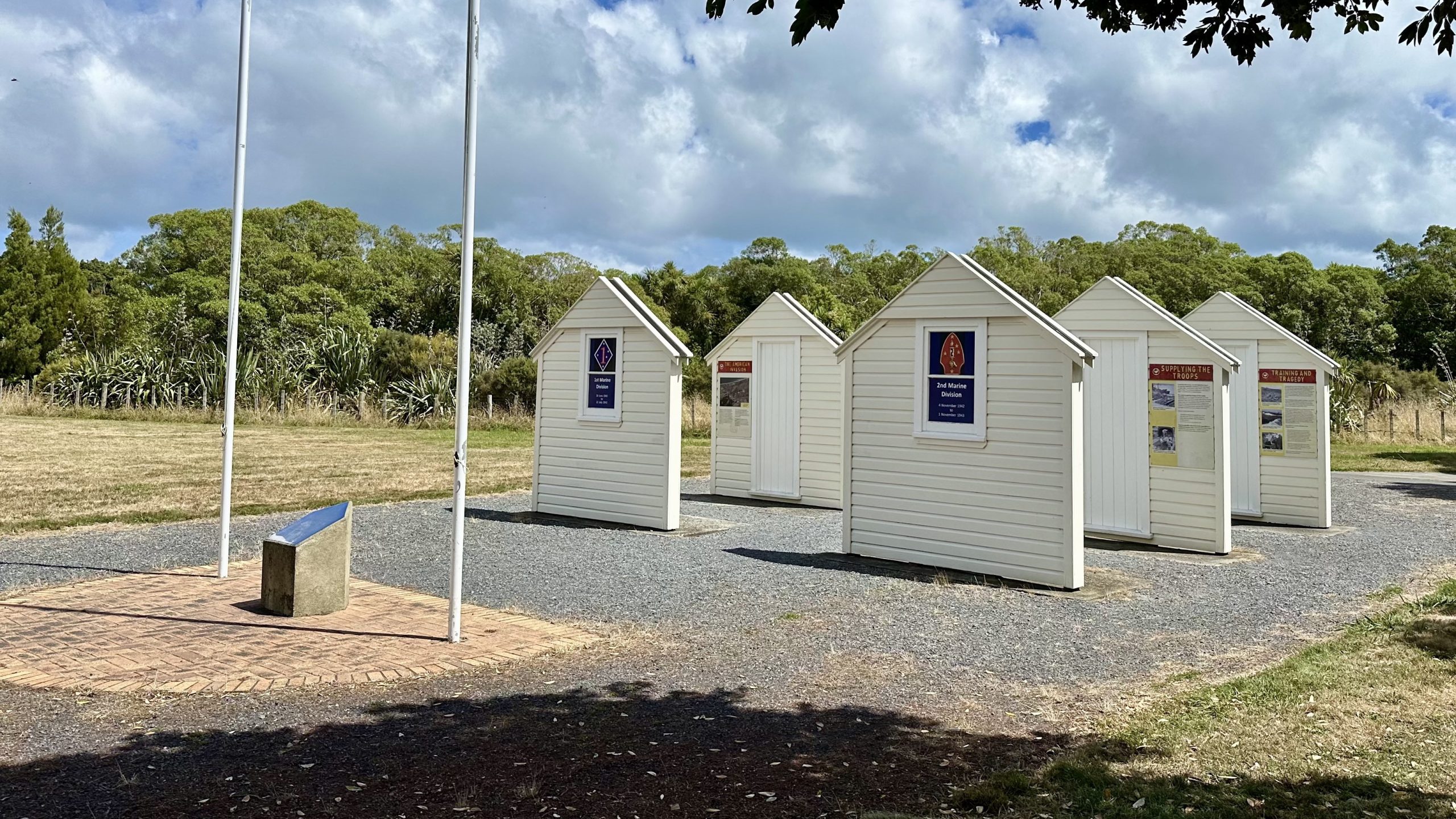
During World War II the 1st and 2nd Divisions of the United States Marine Corps camped in this area from June 1942 to October 1943.

The 2nd Infantry Regiment was based here at Camp Russell, the 6th Infantry at Camp MacKay across the highway on Whareroa Farm and the 8th Infantry at the northern end of Paekakariki.

The Marines fought at Guadalcanal in 1912, the 2nd Division returning to Paekakariki for rest and recovery during the winter of 1943. Departing again in November 1943, the 2nd Division saw action on Taiawa Atoll, Saipan, Tinian Island and Okinawa, eventually landing at Nagasaki in September 1945 as part of the allied occupation forces. The Divisions casualties during the Pacific campaign were 2,795 killed and 9,600 wounded.

The Wellington Regional Council in association with the Kapiti Coast District Council erected these interpretative displays in the form of a re-recreated camp in June 1992 to mark the 50th Anniversary return visit of servicemen from the United States of America.

Related Posts

Exploring the Wonders of Datang Everbright City in Xi’an

Dave

Datang Everbright City in Xi’an presents a captivating destination that effectively showcases the rich history and contemporary developments of China. Tucked away within the ancient city of Xi’an, this vibrant cultural complex offers a delightful fusion of traditional architecture and cutting-edge technology. As soon as you set foot here, you are instantly whisked away to a bygone era, greeted by splendid replicas of Tang Dynasty structures adorned with intricate carvings and vibrant hues. These architectural wonders not only provide visually pleasing sights but also offer a glimpse into the grandeur of the Tang Dynasty, widely regarded as the golden age of Chinese civilization. The meticulous attention to detail in their design and construction is truly commendable, making it an absolute must-visit for history buffs and architectural enthusiasts.

However, Datang Everbright City goes beyond being a mere historical site; it seamlessly integrates modern advancements to create an immersive and interactive experience for visitors. The Tang Paradise, a standout feature of this complex, is an enticing theme park that meticulously recreates the splendor of the Tang Dynasty. Here, one can explore breathtaking gardens, be mesmerized by captivating performances, and even take a serene boat ride across the picturesque lake. The clever use of cutting-edge technologies, such as awe-inspiring holographic projections and immersive virtual reality, adds an unparalleled charm to the overall experience, effectively bringing the history to life in the most captivating manner.

Another remarkable aspect of Datang Everbright City lies in its diverse range of cultural activities. From mesmerizing traditional Chinese dance performances and soul-stirring music concerts to captivating calligraphy demonstrations and elegant tea ceremonies, there is a plethora of engaging experiences catering to individual preferences. Moreover, visitors are provided with opportunities to participate in workshops where they can learn cherished traditional crafts like the delicate art of paper cutting and the exquisite mastery of silk embroidery. These activities allow participants to gain a profound understanding and appreciation for the rich tapestry of Chinese culture and artistic heritage.

Furthermore, Datang Everbright City takes its visitors on an extraordinary gastronomic journey through the flavors of ancient China. Within the complex, one can find a variety of exceptional restaurants and quaint food stalls serving delicious, authentic Tang Dynasty cuisine. Every dish, from the savory dumplings to the delectable sweet rice cakes, is meticulously prepared using traditional recipes and techniques, offering visitors an exquisite and authentic taste of the past.

Beyond its cultural and culinary wonders, Datang Everbright City also provides ample opportunities for relaxation and leisure. The expansive park surrounding the complex offers an idyllic setting for leisurely strolls amidst lush greenery or enjoyable picnics, providing a tranquil escape from the bustling city life. Additionally, numerous souvenir shops and boutiques are scattered throughout the complex, enticing visitors with unique handicrafts and treasured mementos that serve as tangible reminders of their extraordinary visit.

In conclusion, Datang Everbright City in Xi’an stands as an exceptional destination that seamlessly combines history, culture, and technology. Whether one finds themselves engrossed in the annals of the past, captivated by artistic marvels, or simply seeking an extraordinary and immersive experience, this cultural complex offers something truly extraordinary for every individual. Its meticulous attention to detail, interactive attractions enhanced by advanced technologies, and diverse range of engaging activities effortlessly establish it as a must-visit destination epitomizing the very best of ancient and modern China.

Related Posts

Reaching for the Stars: The Auckland Sky Tower Experience

Dave

Behold the Auckland Sky Tower, a true architectural marvel that exudes grandeur and ambition. With its commanding height and dominating presence in the city’s skyline, it reaches boldly towards the stars, leaving onlookers in awe. Unveiled amidst great fanfare, this iconic structure stands as a testament to Auckland’s unwavering pursuit of innovation and excellence.

Soaring to a staggering height of 328 meters, it proudly claims the title of New Zealand’s tallest building, offering unparalleled panoramic views that will leave you breathless. But the Sky Tower is more than just a tourist attraction; it’s a vibrant hub of entertainment, fine dining, and opulent accommodations. Step inside, and you’ll discover a world of possibilities.

From the tower’s observation deck, you’ll witness Auckland’s splendor from an entirely new perspective. The vistas stretch as far as the eye can see, painting a picture of urban beauty intertwined with nature’s grace. But if you crave adventure, fear not, for the Sky Tower has something special in store.

Thrill-seekers can experience the ultimate adrenaline rush with skywalking, a heart-pounding escapade that takes you outside the tower’s upper levels, suspended by trusty harnesses. With each step, you’ll feel the rush of wind and the thrill of being suspended high above the bustling streets below. And for the truly daring, the bungee jump platform awaits, daring you to take a leap of faith from a jaw-dropping height.

The Auckland Sky Tower has woven itself into the very fabric of the city, becoming an indispensable part of its identity. Year after year, millions of visitors, both locals and tourists, flock to this towering symbol of modernity and progress. It stands as a testament to Auckland’s unwavering determination to soar to new heights, quite literally.

As the sun dips below the horizon, the tower transforms into a mesmerizing beacon of hope and inspiration. Illuminating the night sky, it reminds us all that dreams are within reach, and with unwavering determination and perseverance, we too can reach for the stars.

Related Posts

Skyscrapers and City Lights: Unveiling Auckland’s Central Business District & Sky Tower Splendor

Dave

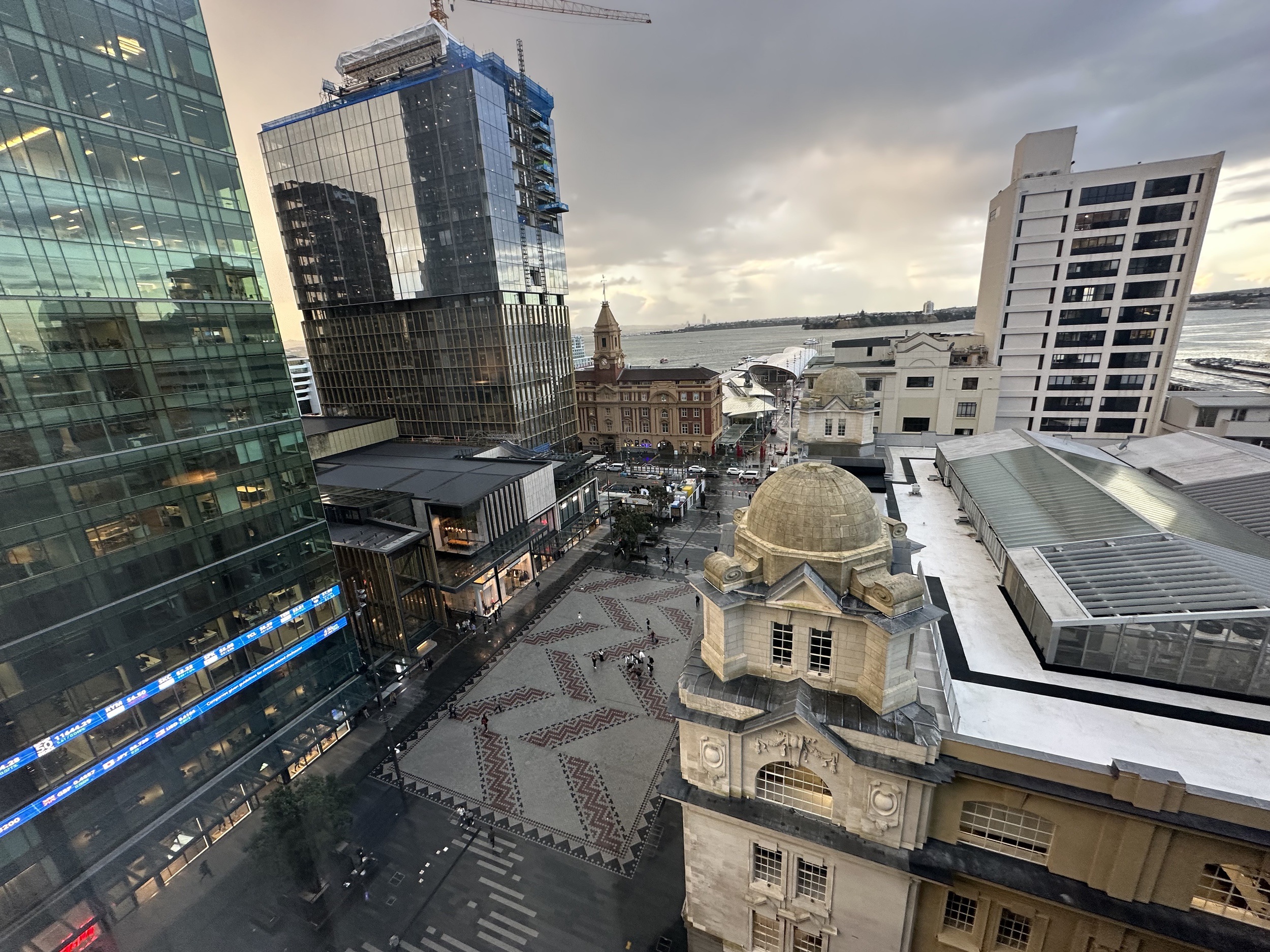
The Central Business District (CBD) of Auckland is a mesmerizing sight to behold, where skyscrapers pierce the heavens and city lights dance like stars. This bustling hub, nestled in the heart of New Zealand’s largest city, is a testament to the country’s economic prowess and urban vibrancy. The CBD boasts a striking skyline adorned with towering architectural marvels that house multinational corporations, financial institutions, and an array of businesses. These magnificent structures not only represent progress and modernity but also embody Auckland’s status as a global city.

When night descends upon the city, a magical transformation takes place. The CBD becomes a kaleidoscope of vibrant colors and dazzling patterns, as city lights come alive in a breathtaking display. This enchanting atmosphere captivates both locals and visitors, drawing them into its luminous embrace. Amidst this awe-inspiring spectacle stands the crown jewel of Auckland’s skyline – the Sky Tower.

Rising majestically to a staggering height of 328 meters, the Sky Tower is not simply the tallest building in New Zealand; it is an iconic symbol of the city itself. Its observation decks offer panoramic views that stretch as far as the eye can see, allowing visitors to marvel at the sprawling cityscape and the glistening Waitemata Harbour. For those seeking an adrenaline rush, the Sky Tower provides the opportunity for sky jumping, a thrilling experience that will leave you breathless. Alternatively, you can indulge in a leisurely meal at the revolving restaurant, where each bite is accompanied by stunning vistas that seem to stretch out endlessly.

In essence, the CBD and the Sky Tower combine to create a captivating blend of architectural grandeur and luminous beauty. Auckland’s Central Business District is a must-visit destination for anyone yearning to witness the splendid marvels of skyscrapers and city lights. Prepare to be spellbound as you immerse yourself in the dazzling symphony of modernity and urban charm that awaits you in this vibrant metropolis.

Related Posts

From Windy Wellington to Stunning Auckland: A Kiwi Adventure Takes Flight

Dave

Travel between Wellington and Auckland, New Zealand is an adventure filled with breathtaking landscapes and picturesque moments that are perfect for capturing in photographs. As you embark on this journey, you will find yourself surrounded by stunning natural beauty that showcases the diversity and charm of New Zealand. From the vibrant streets of Wellington, the capital city, to the bustling metropolis of Auckland, there are countless opportunities to capture the essence of this incredible country. Along the way, you can snap photos of the rolling hills and lush greenery that line the highways, creating a scenic backdrop that is quintessentially New Zealand. As you traverse the North Island, you may stumble upon hidden gems such as the stunning Kapiti Coast or the mesmerizing Tongariro National Park, each offering its own unique charm and striking landscapes that are a photographer’s dream. From rugged coastlines to serene lakes, the journey between Wellington and Auckland is dotted with numerous opportunities to capture the true essence of New Zealand’s natural wonders. Additionally, the cultural richness and vibrant cityscapes that these two cities offer cannot be missed. Wellington, known for its vibrant arts scene and quirky café culture, is a treasure trove of street art, colorful buildings, and captivating waterfront views. Auckland, on the other hand, boasts a skyline dotted with iconic landmarks such as the Sky Tower and the Auckland Harbour Bridge, providing ample opportunities for stunning cityscape shots. Whether you are captivated by the beauty of nature or fascinated by the urban landscapes, the photos of travel between Wellington and Auckland will undoubtedly leave you with a visual diary of unforgettable memories.

Related Posts

The White House: A Grand and Iconic Symbol of American Power and Influence

Dave


Nestled at 1600 Pennsylvania Avenue NW in Washington D.C. stands a grand and historic building that millions of people look up to. The White House, the official residence and workplace of the President of the United States, represents more than just a building. It is a symbol of American power and influence, an iconic edifice where history is made.

The White House is a sprawling complex that includes the Executive Residence, East Wing, West Wing, and Eisenhower Executive Office Building. The Executive Residence, the central part of the White House, is where the President and their family reside. It is a magnificent structure that features awe-inspiring rooms such as the Oval Office, the State Dining Room, and the Lincoln Bedroom. Meanwhile, the East Wing houses the First Lady’s office and the White House Social Secretary’s office. The West Wing, on the other hand, is where the President’s office and the offices of senior staff and advisors are located. The Eisenhower Executive Office Building, across the street from the White House, houses the offices of many of the President’s other advisors and staff.

Stepping inside the White House is a surreal experience. From the grandeur of the building to the sense of history that permeates every corner, there is a palpable sense of awe that takes over. The halls are adorned with portraits of former Presidents and other important historical figures, and the furniture and decor exude elegance and sophistication. The staff are courteous and professional, making every visitor feel welcome and comfortable.

But for those who work at the White House, life can be incredibly demanding and fast-paced. The President’s schedule is always packed with countless meetings, briefings, and events to attend. The staff work long hours and are under a great deal of pressure to perform at their best. However, the sense of purpose and importance that comes with working at the White House is unparalleled, and many people consider it the opportunity of a lifetime.

In conclusion, the White House is an architectural masterpiece that goes beyond its physical structure. It represents the pinnacle of American power and influence, a place where history is made, and where people from all over the world come to pay homage. Whether you are a tourist visiting for the first time or a staff member who works there regularly, the White House is a place that will leave you in awe and inspire you. It is, without a doubt, a privilege to have the opportunity to be inside such a historic and important building.

Related Posts

Kite Festival at Otaki Beach, New Zealand

Dave


I recently had the pleasure of attending the Otaki Kite Festival in New Zealand. It was an amazing experience that I will never forget. The festival was held in a large open field, and the sky was filled with colorful kites of all shapes and sizes. It was truly a sight to behold.

The atmosphere of the festival was incredibly festive. Everyone was in a great mood and the energy was contagious. There were food vendors, music, and plenty of laughter. It was a great way to spend the day with friends and family.

The Otaki Kite Festival was an unforgettable experience. I was able to witness some of the most beautiful kites in the world, and I was able to take part in some of the activities. It was a great way to spend the day and I would highly recommend it to anyone looking for a fun and unique experience.

Related Posts

Observing Waitangi Day in Wellington

Dave


Every year on February 6th, New Zealand marks the anniversary of the signing of the Treaty of Waitangi with a public holiday called “Waitangi Day”. The Treaty of Waitangi is often considered to be New Zealand’s founding document. In 1840, representatives of the British Crown and of Māori iwi (tribes) and hapū (sub-tribes) entered into a political compact to found a nation state and build a government in New Zealand to deal with pressing circumstances of the time. Not drafted as a constitution or statute, the Treaty of Waitangi was a broad statement of principles and an exchange of promises between the two parties. It is named after the place in the Bay of Islands where the Treaty was first signed. Waitangi Day is recognized as New Zealand’s national day.

Related Posts