Month: April 2025

The Pirate Who Flipped the Crown: The Tale of Captain Kidd

Dave

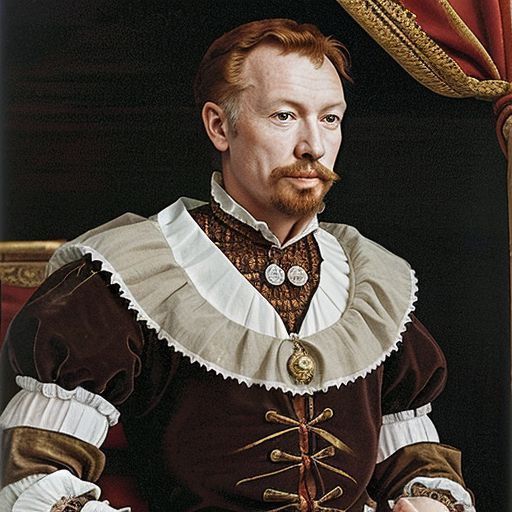
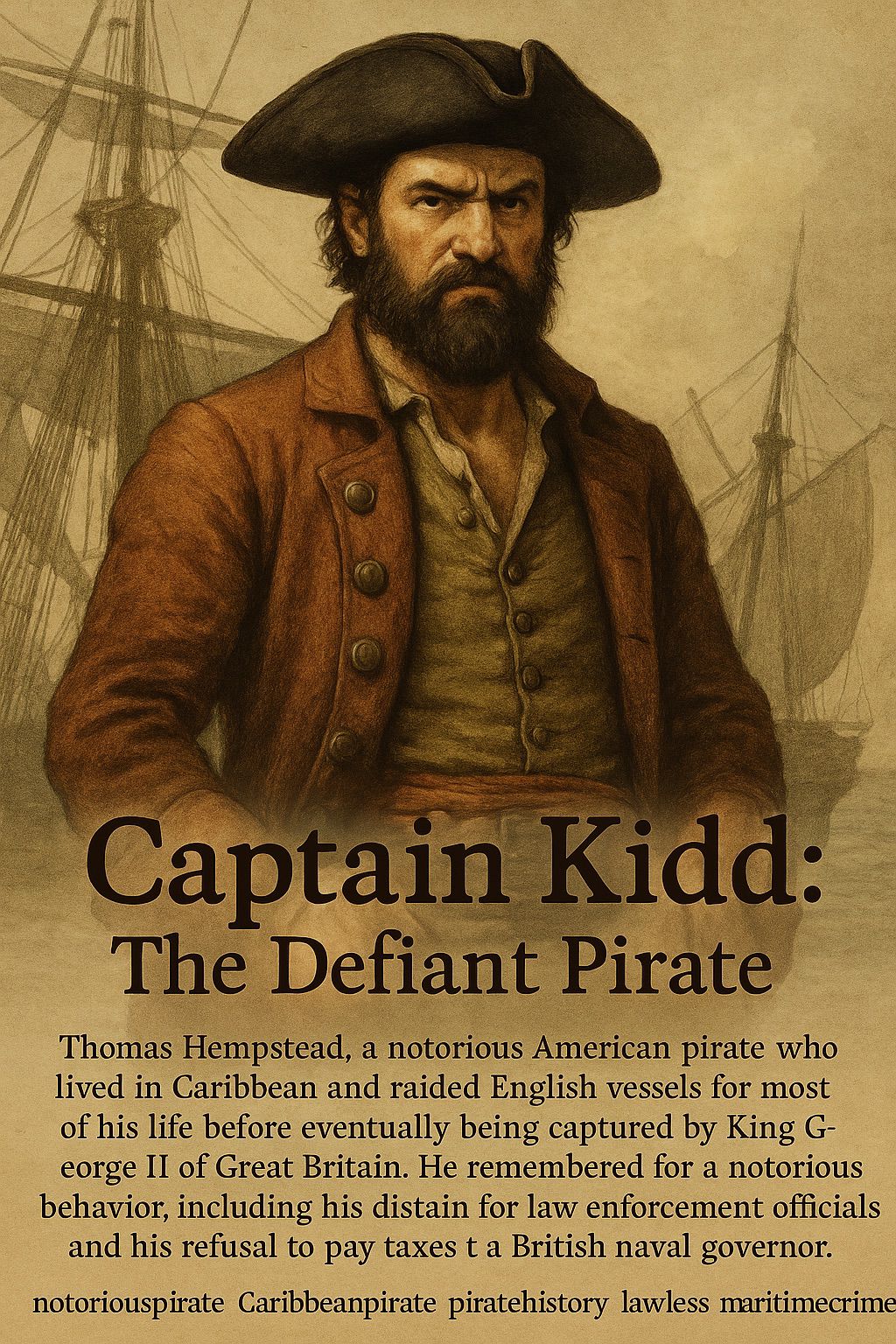
Captain Kidd, born Thomas Hempstead, is one of the most infamous names to sail the Caribbean, not just for the ships he raided, but for the rules he broke. Far from being a mere thief of the sea, Kidd carved his legacy by deliberately targeting English vessels and snubbing the very nation that gave him birth. In an era when pirates often shifted allegiances to serve their own gain, Kidd was a force of nature, driven by pride, profit, and pure rebellion. He wasn’t just plundering for treasure—he was waging his own personal war against British authority.

Unlike other pirates who maintained uneasy truces or even secret deals with the powers that be, Kidd made his contempt public. He openly refused to pay taxes to a British naval governor, a bold and dangerous insult that drew the attention of the crown. His actions went beyond piracy; they were a middle finger to a growing empire trying to extend its grip across the seas. Law enforcement officials and governors alike feared him not only for his cunning and cruelty but for the message he represented—uncontrollable resistance.

What ultimately led to his downfall was not his greed, but the fact that he refused to play politics. While some pirates negotiated pardons or bartered their freedom with stolen goods, Kidd remained defiant until the very end. When King George II issued orders for his capture, it was a royal response to a man who had made himself too much of a threat to ignore. Whether he was betrayed or simply outmaneuvered, Kidd’s arrest signaled the end of a chapter in pirate history—but not of his legend.

Today, Captain Kidd remains etched into maritime lore as a symbol of fearless defiance and rebellious ambition. His story reminds us that not all pirates were rogues without cause—some, like Kidd, were driven by a deep disdain for the powers that tried to control them. And in that resistance, he became more than a pirate. He became a legend.

Related Posts

Wings of the South: Ken McFarlane’s Soaring Legacy in New Zealand Pigeon Fancying

Dave

While I was in Wellington, New Zealand, I had the pleasure of supervising Ken — a truly wonderful person and a passionate pigeon fancier. Getting to know him was a highlight of my time there. One of the most memorable experiences I had was watching him race his pigeons and learning about the sport. It was something completely new to me, but incredibly fascinating, and Ken’s enthusiasm made it all the more special.

Just a couple of days ago, Ken reached out to let me know he was featured in a local news story — all about him, his beloved pigeons, and the pigeon racing club he’s a part of. I absolutely loved the segment. It beautifully captures Ken’s spirit, his kindness, and his deep dedication to what he loves. I couldn’t be happier to see him and his story being shared like this.

If you are interested here is the link to the Wellington & Districts Racing Pigeon Club

Related Posts

Apollo 13: The Successful Failure That Inspired the World

Elias Rowen

On April 11, 1970, Apollo 13 launched from Kennedy Space Center, carrying three astronauts on what was supposed to be NASA’s third moon landing. Commander Jim Lovell, Command Module Pilot Jack Swigert, and Lunar Module Pilot Fred Haise were ready to make history. However, just two days into the mission, an oxygen tank exploded, crippling the spacecraft and turning a routine mission into a harrowing fight for survival. What followed was one of the most incredible stories of human ingenuity, teamwork, and perseverance in the face of near-certain disaster.

“Houston, we’ve had a problem.” These words, spoken by Swigert and repeated by Lovell, signaled the beginning of a crisis that no one had anticipated. The explosion not only caused a critical loss of oxygen but also severely limited power, water, and the spacecraft’s ability to navigate. The crew’s original mission—to land on the Moon—was immediately abandoned. Now, the only objective was getting home alive.

Mission Control in Houston, along with the astronauts, worked tirelessly to overcome seemingly impossible obstacles. The crew had to move into the Lunar Module, which became their makeshift lifeboat, despite the fact that it was never designed to support three people for an extended period. Engineers on the ground scrambled to find ways to conserve power, create a new trajectory, and even construct a life-saving carbon dioxide filter using only the materials available onboard.

Against all odds, Apollo 13 slingshotted around the Moon and began its perilous journey back to Earth. The world held its breath as the damaged spacecraft re-entered Earth’s atmosphere, uncertain if the heat shield would hold. Then, after four minutes of terrifying radio silence, a crackling voice came through—Apollo 13 had survived. The astronauts splashed down safely in the Pacific Ocean, greeted as heroes not for landing on the Moon, but for defying disaster with resilience and innovation.

Apollo 13 became known as the “successful failure”—a mission that did not achieve its original goal but demonstrated the extraordinary power of human problem-solving. It remains one of NASA’s finest hours, a reminder that even in the face of overwhelming odds, determination, teamwork, and ingenuity can bring people safely home.

Related Posts

The Unsinkable Sets Sail: Titanic’s Fateful Journey

Elias Rowen

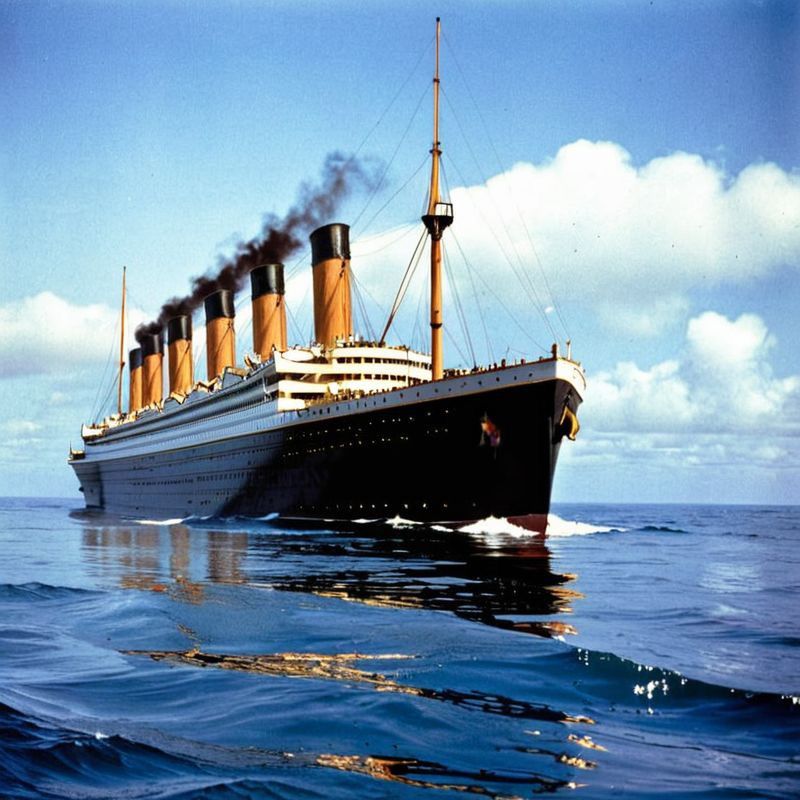
On April 10, 1912, the RMS Titanic, the largest and most luxurious ship of its time, set sail from Southampton, England, on its maiden voyage to New York City. Designed to be the pinnacle of modern engineering, Titanic was hailed as “unsinkable,” a triumph of human innovation and ambition. However, just days into its journey, the world’s grandest ocean liner would meet a tragic fate, sinking into the icy depths of the Atlantic and taking over 1,500 lives with it.

Excitement buzzed as passengers boarded the magnificent ship. From the lavish first-class suites to the modest third-class cabins, people from all walks of life embarked on what was meant to be a journey of hope and new beginnings. On board were some of the wealthiest individuals in the world, including business magnates and aristocrats, as well as immigrants seeking a better life in America. The Titanic, stretching over 882 feet and boasting grand staircases, fine dining halls, and even a swimming pool, was a floating palace—a symbol of human progress and prosperity.

As the Titanic sailed across the Atlantic, passengers enjoyed days of luxury and leisure. But beneath the elegance, a fatal flaw lurked: the ship did not carry enough lifeboats to accommodate everyone on board. This oversight, coupled with the belief that the Titanic was virtually indestructible, would have devastating consequences.

On the night of April 14, disaster struck. The ship collided with a massive iceberg, tearing a series of holes in its hull. Panic and disbelief spread as it became clear that the “unsinkable” Titanic was doomed. Chaos erupted as lifeboats were launched, prioritizing women and children, but there were not nearly enough. The ship’s band played on as passengers fought for survival in the freezing waters. In just over two hours, the mighty Titanic disappeared beneath the waves, leaving behind a legacy of sorrow, heroism, and caution.

More than a century later, the Titanic remains one of history’s most haunting tragedies. Its story continues to captivate the world, serving as a sobering reminder of human hubris, the fragility of life, and the need for better safety measures at sea. The Titanic set sail with dreams of grandeur, but it will always be remembered for the disaster that changed maritime history forever.

Related Posts

The Day the War Ended: Lee Surrenders at Appomattox

Elias Rowen

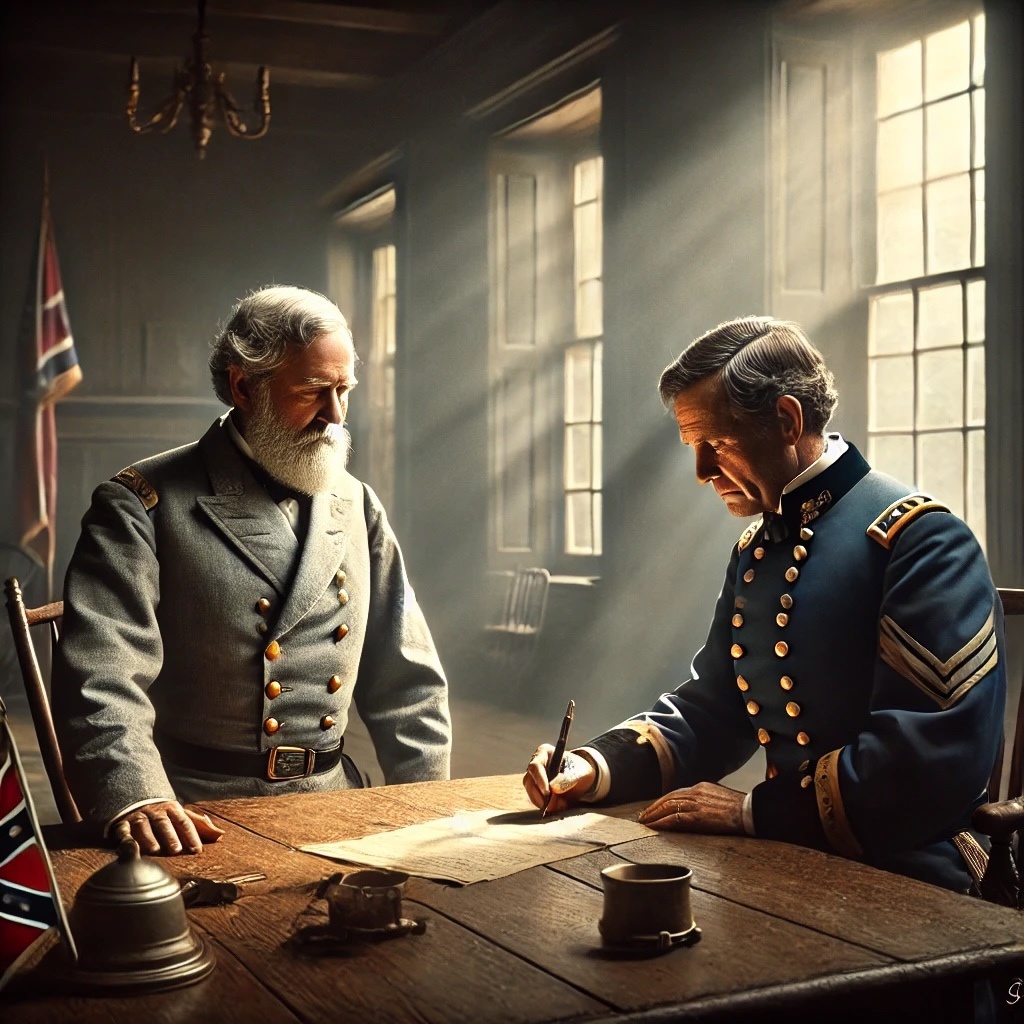
On April 9, 1865, the bloody and divisive American Civil War finally came to an end when Confederate General Robert E. Lee surrendered to Union General Ulysses S. Grant at Appomattox Court House in Virginia. After four years of brutal conflict that claimed over 600,000 lives, the nation stood at a turning point. The surrender marked not only the collapse of the Confederacy but also the beginning of a long and painful road to reunification and healing.

Lee’s Army of Northern Virginia was battered and exhausted. After a series of crushing defeats and dwindling supplies, he realized that continuing the fight would only lead to unnecessary loss of life. With Union forces closing in, Lee made the difficult decision to surrender. On that fateful afternoon, he rode to the home of Wilmer McLean, where Grant awaited him. The meeting was not one of bitter enemies but of weary soldiers who understood the weight of the moment. Grant, known for his tenacity on the battlefield, showed remarkable generosity in victory, offering Lee’s men the ability to return home with their horses and ensuring they would not be prosecuted for treason. His terms reflected President Abraham Lincoln’s vision for a peaceful reconciliation rather than harsh punishment.

The surrender at Appomattox did not immediately end all hostilities, but it signaled the inevitable conclusion of the war. Other Confederate forces soon followed Lee’s lead, and by the end of May, the rebellion was completely crushed. Though the fighting was over, the nation faced a new challenge—reconstruction. The scars of war ran deep, and the battle for civil rights and equality for formerly enslaved people was just beginning.

The meeting between Lee and Grant remains one of the most significant moments in American history. It was a scene of dignity, restraint, and the first step toward rebuilding a broken nation. Though the Civil War had ended, its impact would be felt for generations. The surrender at Appomattox was more than a military event—it was a defining moment in the American story, one that reshaped the nation and laid the foundation for the struggles and progress that would follow.

Related Posts

Hank Aaron: The Swing That Made History

Elias Rowen

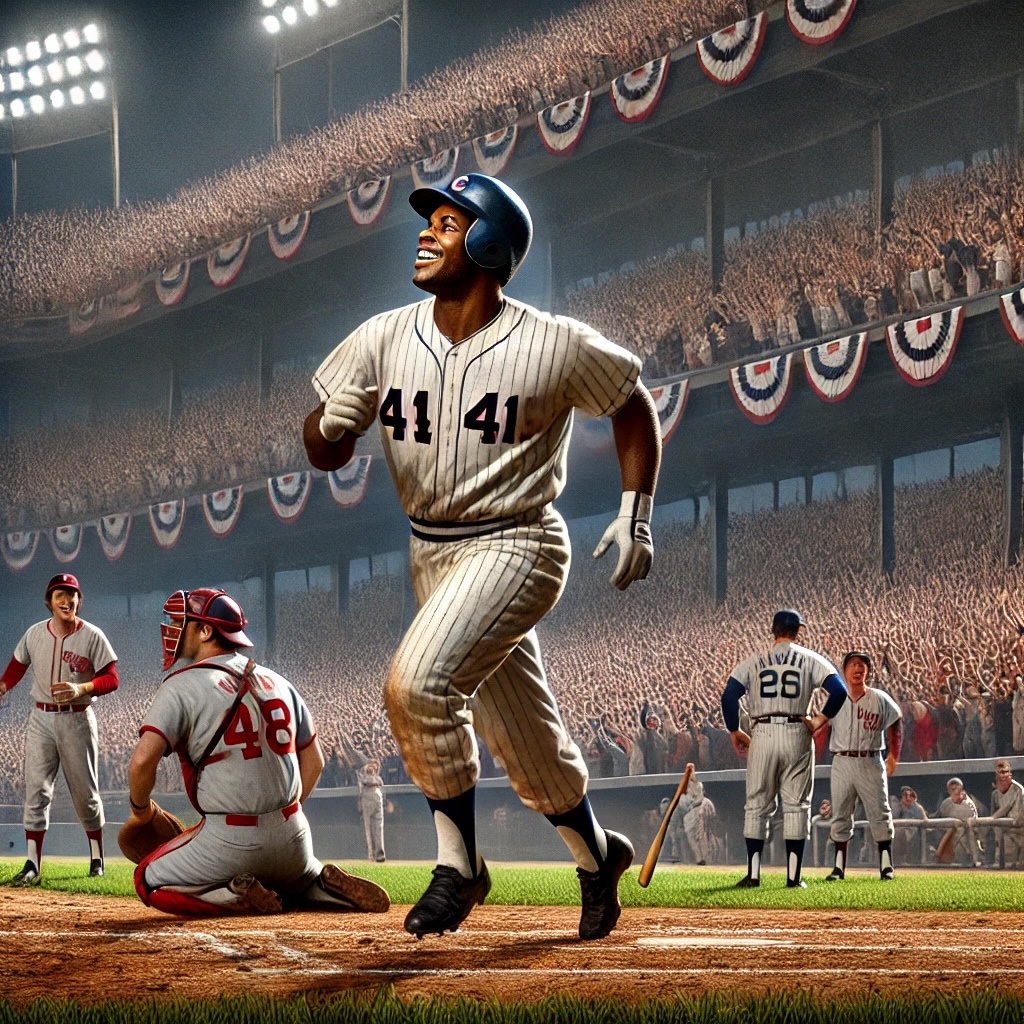
On April 8, 1974, baseball history was rewritten as Hank Aaron stepped up to the plate and sent his 715th career home run soaring over the outfield wall. With that single swing, he surpassed Babe Ruth’s long-standing record, cementing his legacy as one of the greatest players the game had ever seen. But Aaron’s journey to this moment was about more than just baseball—it was a testament to perseverance, resilience, and grace under pressure.

Breaking Ruth’s record was no easy feat. For years, Aaron had been steadily climbing the home run ladder, but as he inched closer to 715, the pressure became unbearable. He faced relentless racism, hate mail, and even death threats from those who couldn’t accept a Black man surpassing a white baseball legend. Yet, Aaron refused to be intimidated. With quiet dignity and unwavering focus, he continued to do what he did best—play baseball.

The historic moment came during a game between the Atlanta Braves and the Los Angeles Dodgers. In the fourth inning, with thousands of fans on their feet and millions watching on television, Aaron connected with a pitch from Al Downing. The ball sailed deep into left-center field, clearing the fence and making history. As he rounded the bases, the weight of years of struggle seemed to lift. Two fans ran onto the field to celebrate with him, and as Aaron reached home plate, his teammates, family, and the baseball world erupted in celebration.

Hank Aaron’s record-breaking home run was more than just a number—it was a triumph over adversity and a defining moment in American sports history. He would go on to finish his career with 755 home runs, a record that stood for decades. But beyond the stats, Aaron’s legacy is one of courage, excellence, and breaking barriers. He opened doors for future generations of athletes and proved that talent and perseverance could overcome even the deepest-seated prejudice. Decades later, his name still resonates as a symbol of greatness, both on and off the field.

Related Posts

A Hundred Days of Horror: The Rwandan Genocide

Elias Rowen

On April 7, 1994, one of the darkest chapters in human history began—the Rwandan Genocide. Over the course of just 100 days, nearly one million people, mostly Tutsis, were brutally murdered by extremist Hutu militias. Fueled by deep-rooted ethnic tensions, propaganda, and decades of colonial influence that exacerbated divisions, the genocide unfolded with shocking speed and unimaginable brutality. Families were torn apart, entire communities were wiped out, and the world stood by as Rwanda descended into chaos.

The seeds of the genocide were sown long before 1994. Colonial powers had favored the Tutsi minority, creating resentment among the Hutu majority. Decades of political struggles and violence culminated in a growing movement of Hutu extremists who sought to eliminate the Tutsi population entirely. When Rwandan President Juvénal Habyarimana, a Hutu, was killed after his plane was shot down on April 6, 1994, it became the spark that ignited the massacre. Almost immediately, roadblocks were set up, and Hutu militias, known as the Interahamwe, began hunting down Tutsis and moderate Hutus, slaughtering them with machetes, guns, and crude weapons.

The international community largely failed Rwanda in its greatest time of need. Despite warnings from humanitarian organizations and UN peacekeepers on the ground, world leaders hesitated to intervene. The United Nations had troops stationed in Rwanda, but with limited authority and resources, they were powerless to stop the killings. Countries that had the power to help instead evacuated their own citizens and turned their backs on the crisis. The failure to act remains one of the greatest moral stains on modern history.

Amid the horror, there were stories of resilience and survival. Many brave individuals risked their lives to hide and protect those being hunted. The genocide finally came to an end in July 1994 when the Rwandan Patriotic Front (RPF), led by Paul Kagame, took control of the country and stopped the slaughter. The aftermath left Rwanda in ruins, with survivors traumatized and entire families lost. However, in the decades since, Rwanda has made remarkable strides in rebuilding, promoting reconciliation, and ensuring that such atrocities are never repeated. The Rwandan Genocide stands as a haunting reminder of the consequences of hatred, division, and international indifference.

Related Posts

America Joins the Fight: The U.S. Enters World War I

Elias Rowen

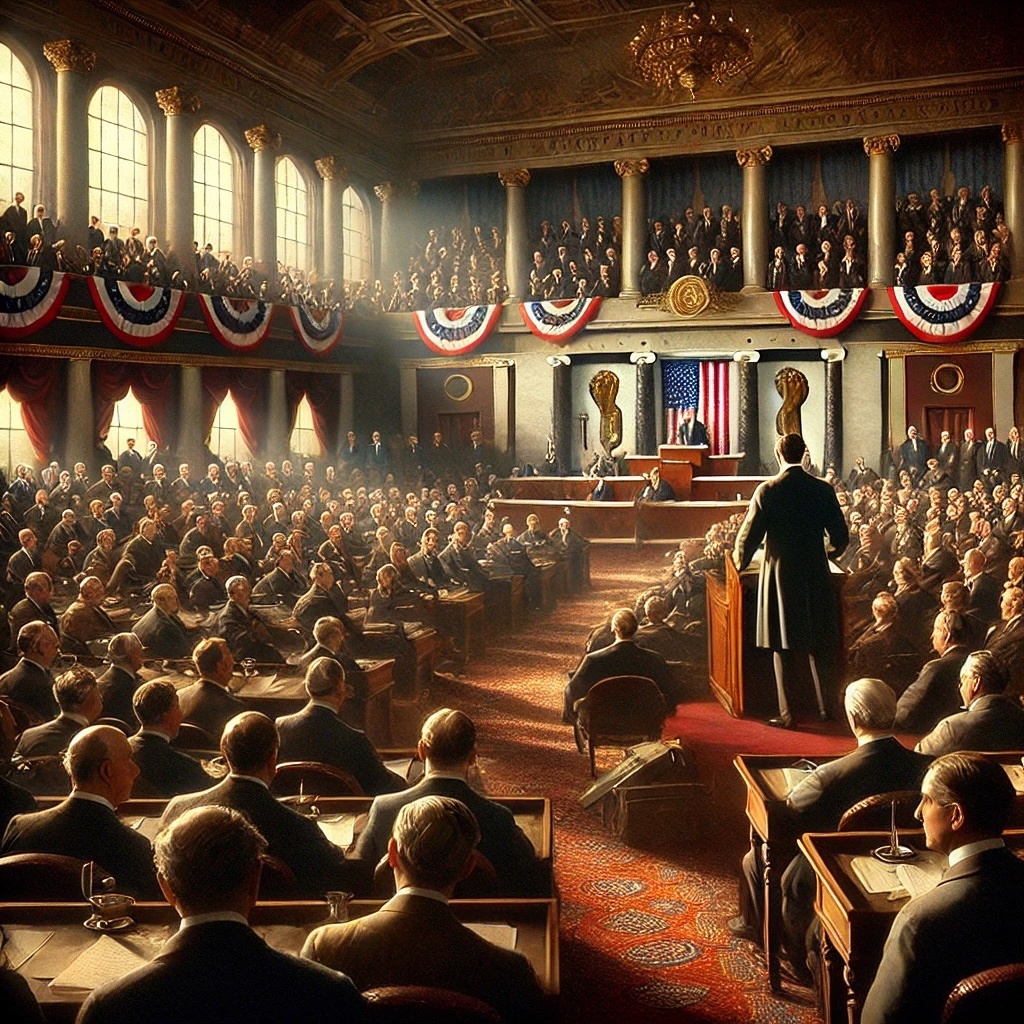
On April 6, 1917, the United States officially declared war on Germany, marking a turning point in World War I and in global history. For years, the U.S. had remained neutral, watching from afar as Europe was engulfed in one of the deadliest conflicts the world had ever seen. However, mounting tensions, unrestricted submarine warfare, and the infamous Zimmermann Telegram pushed America to take a stand. The decision to enter the war would not only shape the outcome of the conflict but also redefine the United States’ role on the world stage.

Before joining the war, the U.S. had largely embraced isolationism, hesitant to become entangled in European affairs. Yet, as the war dragged on, German U-boats continuously targeted American ships, violating neutral rights and threatening U.S. interests. The sinking of the Lusitania in 1915, which resulted in the deaths of 128 Americans, had already stirred outrage. However, it was Germany’s resumption of unrestricted submarine warfare in early 1917 that became the breaking point, cutting off vital trade and endangering lives at sea.

Adding to the urgency was the interception of the Zimmermann Telegram—a secret message from Germany to Mexico, proposing an alliance against the United States. The telegram, which promised Mexico the return of Texas, Arizona, and New Mexico if they joined the war, was a direct threat to American sovereignty. When it became public, it fueled patriotic fervor and calls for action. President Woodrow Wilson, who had campaigned on keeping the U.S. out of the war, now saw no choice but to intervene. Framing the war as a fight to make the world “safe for democracy,” Wilson urged Congress to act, and on April 6, 1917, the U.S. officially declared war.

The entry of American troops, supplies, and resources helped tip the balance in favor of the Allies. The U.S. military, though initially unprepared for large-scale combat, quickly mobilized, sending over two million soldiers to fight in Europe. Their arrival bolstered the war-weary Allies, bringing fresh energy and resources to the front lines. By November 1918, the war came to an end, and America had emerged as a global power. The decision to join World War I not only changed the course of the conflict but also marked the beginning of the U.S.’s involvement in international affairs on an unprecedented scale.

Related Posts

Kurt Cobain: The Tragic End of a Rock Icon

Elias Rowen

Kurt Cobain, the enigmatic frontman of Nirvana, was more than just a musician—he was the voice of a generation. His raw lyrics, haunting melodies, and rebellious spirit captured the angst and disillusionment of the early ’90s. However, behind the fame and acclaim, Cobain battled inner demons that ultimately led to his untimely death. On April 5, 1994, the world lost a legend when he was found dead in his Seattle home, marking a tragic end to an artist who changed rock music forever.

Cobain’s rise to fame was meteoric. Nirvana’s breakthrough album, Nevermind, redefined rock with its grunge-infused sound and anthemic hit “Smells Like Teen Spirit.” The band’s music resonated with millions, offering an outlet for those who felt unheard. However, fame came at a price. Cobain struggled with addiction, depression, and the pressures of stardom, which only intensified as Nirvana’s popularity soared. He often expressed disdain for the mainstream attention and felt alienated despite being hailed as a generational icon.

In the months leading up to his death, Cobain’s struggles became increasingly apparent. He reportedly attempted rehab but left early, and those close to him noticed his downward spiral. His suicide note revealed his deep emotional turmoil and exhaustion from the pressures of life and fame. When his body was discovered with a self-inflicted gunshot wound, the news sent shockwaves through the music world, leaving fans in mourning and sparking endless debates and conspiracy theories about the circumstances of his death.

Kurt Cobain’s influence extends far beyond his short time in the spotlight. His music continues to inspire countless artists, and Nirvana remains one of the most revered bands in rock history. Even decades later, his legacy endures, reminding the world of the delicate balance between artistic brilliance and personal suffering. His tragic end is a stark reminder of the struggles many artists face behind closed doors, emphasizing the importance of mental health awareness. Though he is gone, his music and message live on, cementing his place as an eternal icon of rock and rebellion.

Related Posts

Sir Francis Drake: The Cunning Captain Who Defied an Empire

Dave

Sir Francis Drake was more than just an explorer—he was a daring sea captain, a skilled tactician, and, depending on whom you asked, a pirate or a hero. Born in the mid-16th century, Drake became one of the most feared figures on the high seas. He was known for his relentless raids on Spanish ships and settlements, often striking swiftly and disappearing before his enemies could retaliate. His actions not only brought immense wealth to England but also heightened tensions between the Spanish and the English, setting the stage for one of the most famous naval confrontations in history.

Drake’s raids on Spanish territories along the coasts of the Americas made him a thorn in the side of Spain. He plundered gold, silver, and other riches, fueling England’s economy and expanding its naval dominance. His legendary circumnavigation of the globe between 1577 and 1580 cemented his reputation as a brilliant navigator and adventurer. Queen Elizabeth I recognized his contributions by knighting him in 1581, further solidifying his status as a national hero. However, to the Spanish, he was nothing more than a ruthless pirate, a menace who looted their wealth and disrupted their colonial ambitions.

The pinnacle of Drake’s career came in 1588 when he played a crucial role in England’s defense against the Spanish Armada. Outnumbered and facing what was considered the most powerful navy in the world, Drake used his wit and cunning to outmaneuver the Spanish fleet. His innovative tactics, including the use of fire ships to break the tightly packed Armada, led to a decisive victory for England. This battle marked the beginning of Spain’s decline as a dominant naval power and showcased England’s growing influence on the global stage.

Sir Francis Drake remains one of history’s most controversial figures. To the English, he was a fearless hero who defended his nation and helped lay the foundation for British naval supremacy. To the Spanish, he was a pirate whose raids brought chaos and destruction. Regardless of perspective, there is no denying that Drake’s legacy shaped the course of history, proving that boldness and strategy could topple even the mightiest empires.

Related Posts

A Dream Silenced: The Assassination of Dr. Martin Luther King Jr.

Elias Rowen

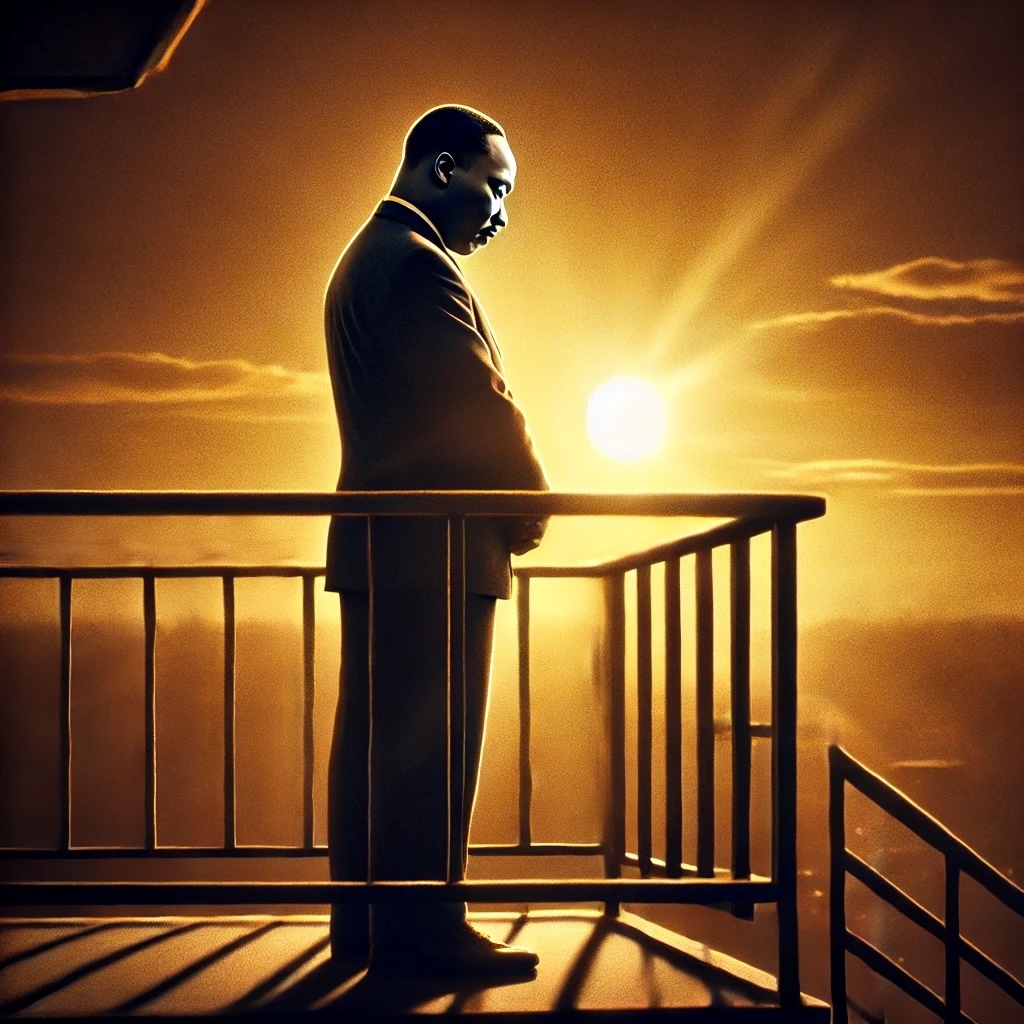
On April 4, 1968, the world lost one of its greatest voices for justice and equality. Dr. Martin Luther King Jr., a leader of the American civil rights movement, was assassinated in Memphis, Tennessee, as he stood on the balcony of the Lorraine Motel. His death sent shockwaves across the nation, sparking grief, outrage, and a renewed commitment to the cause he had fought for. Though his life was cut short, his legacy as a champion of nonviolence, racial equality, and human rights continues to inspire generations.

Dr. King had traveled to Memphis to support sanitation workers on strike for fair wages and better working conditions. He was no stranger to threats and violence—his fight for civil rights had made him both a symbol of hope and a target of hatred. Just the night before his assassination, he gave his now-famous “I’ve Been to the Mountaintop” speech, in which he seemed to foreshadow his own fate. “I may not get there with you,” he declared, “but I want you to know tonight, that we as a people will get to the Promised Land.” His words now stand as a haunting yet powerful reminder of his unwavering faith in the movement.

The news of Dr. King’s assassination ignited riots in over 100 American cities as communities mourned his loss and expressed their frustration with racial injustice. While his death was a devastating blow, it also strengthened the resolve of those fighting for civil rights. Just days later, Congress passed the Civil Rights Act of 1968, which expanded protections against discrimination. His dream did not die with him; rather, it became a lasting mission carried forward by those he had inspired.

More than five decades later, Dr. King’s influence is as strong as ever. His teachings on justice, equality, and nonviolent resistance continue to guide movements for social change worldwide. Streets, schools, and a national holiday bear his name, but his true legacy lives in the ongoing fight for justice. Though his voice was silenced, his dream remains alive, urging the world to strive for the unity and equality he envisioned.

Image Description: A solemn scene of Dr. Martin Luther King Jr. standing on the balcony of the Lorraine Motel, moments before the tragedy. The sun sets in the background, casting a golden glow, symbolizing both the end of a life and the enduring light of his legacy.

Related Posts

Hello, World! The First-Ever Mobile Phone Call

Elias Rowen

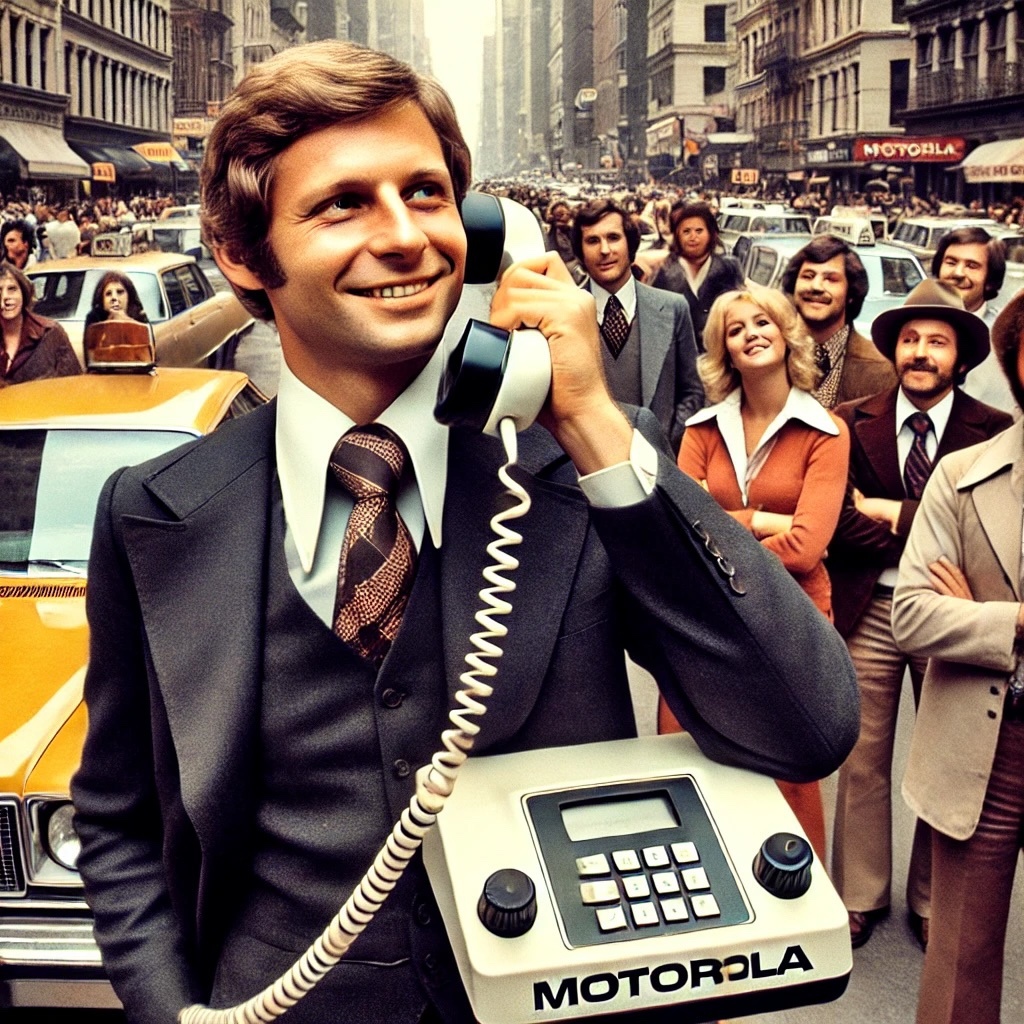
On April 3, 1973, Martin Cooper, an engineer at Motorola, made history by placing the first-ever mobile phone call. Standing on a bustling street in New York City, he dialed the number on a bulky, brick-sized device and called his rival, Joel Engel of Bell Labs. With that single call, the world took its first step into the wireless communication era, forever changing the way humans connect. At the time, few could have imagined how this breakthrough would shape the future, leading to a world where mobile phones are indispensable tools for work, socializing, and entertainment.

Before Cooper’s historic call, phones were tethered to walls and wires, limiting communication to specific locations. His innovation broke those chains, proving that people could talk to each other from anywhere. The Motorola DynaTAC 8000X, the prototype device used for the call, was far from today’s sleek smartphones. It was heavy, nearly a foot long, and had a battery life of just 30 minutes. But despite its limitations, it symbolized a new era—one of freedom, mobility, and limitless possibilities.

The impact of Cooper’s call can be seen in every aspect of modern life. From the early flip phones to today’s advanced smartphones, the evolution of mobile technology has revolutionized industries, including business, healthcare, and entertainment. Social media, video calls, and instant messaging—all of which we take for granted today—owe their existence to that first moment of wireless connection. The world has shrunk, with people now able to communicate across continents in seconds. What started as an experiment in engineering has become the foundation of a global digital revolution.

Looking back, Martin Cooper’s phone call was more than just a conversation; it was the beginning of a new way of life. Today, billions of people rely on mobile phones daily, whether for work, staying in touch with loved ones, or accessing the vast knowledge of the internet. The small step he took in 1973 has turned into a technological giant leap, proving that innovation has no limits. As we look to the future, from AI-powered assistants to foldable screens and even brain-to-device interfaces, it’s clear that the journey that began with one call is far from over.

Image Description: A retro scene of Martin Cooper in 1973, standing on a busy New York City street, holding the large Motorola DynaTAC mobile phone to his ear with a confident smile. The background shows intrigued onlookers, hinting at the historical significance of the moment.

Related Posts

The End of an Era: Pope John Paul II’s Lasting Legacy

Elias Rowen

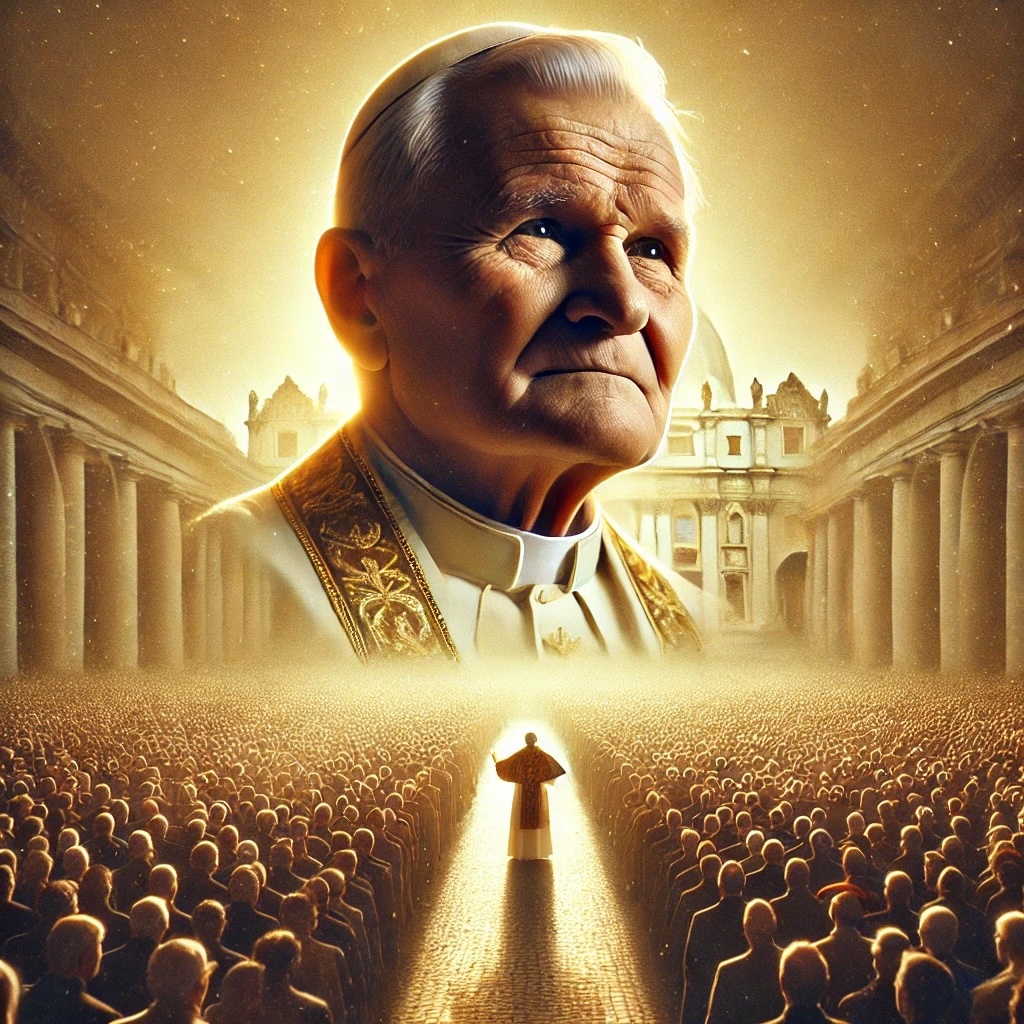
Pope John Paul II passed away on April 2, 2005, marking the end of one of the most influential papacies in history. His time as the leader of the Catholic Church spanned over 26 years, during which he shaped global politics, inspired millions, and redefined the role of the papacy in the modern world. Born Karol Józef Wojtyła in Poland, he became the first non-Italian pope in over 450 years, bringing a fresh perspective to the Vatican. His charisma, deep spirituality, and commitment to human rights made him a beloved figure across religious and cultural boundaries.

Throughout his papacy, John Paul II played a pivotal role in the fall of communism, particularly in Eastern Europe. His visits to his homeland of Poland in the late 1970s and early 1980s encouraged the rise of the Solidarity movement, which ultimately contributed to the collapse of Soviet influence in the region. He was a vocal advocate for peace, often intervening in global conflicts and calling for dialogue instead of violence. His teachings emphasized the dignity of every human being, reinforcing the Catholic Church’s stance on social justice, economic disparity, and the sanctity of life.

Pope John Paul II also revolutionized the Church’s relationship with other faiths. He was the first pope to visit a synagogue and a mosque, showing his commitment to interfaith dialogue and reconciliation. His efforts to mend relations with the Jewish and Muslim communities demonstrated his vision for a more united and understanding world. Additionally, he reached out to youth like no pope before him, establishing World Youth Day as a global event that continues to bring millions of young Catholics together. His deep connection with people, especially the younger generation, solidified his legacy as a pope of the people.

As his health declined in his final years, the world watched in admiration at his unwavering faith and resilience. Even in suffering, he remained a symbol of hope and devotion. When he passed away, millions gathered at St. Peter’s Square and around the world to mourn his loss. His impact was undeniable, and his canonization in 2014 as Saint John Paul II only affirmed his extraordinary influence on the Church and humanity. Though his papacy has ended, his legacy lives on in the faith he strengthened and the lives he touched.

Image Description: A moving depiction of Pope John Paul II standing in St. Peter’s Square, bathed in golden light, as a massive crowd gathers in silent tribute. His gentle yet determined expression reflects his deep faith and unwavering leadership. The image captures the solemn yet hopeful transition as the world bids farewell to one of history’s most beloved religious figures.

Related Posts

From Garage to Global Giant: The Birth of Apple Inc.

Elias Rowen

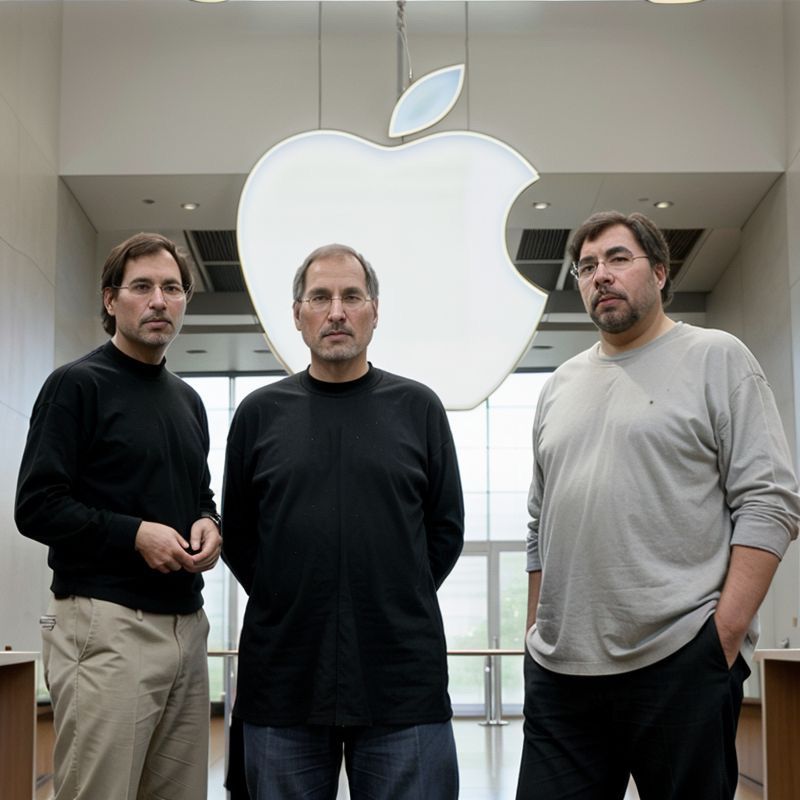
On April 1, 1976, three visionaries—Steve Jobs, Steve Wozniak, and Ronald Wayne—came together to change the world of technology forever. In a small garage in Cupertino, California, they founded Apple Inc., a company that would go on to revolutionize personal computing, mobile technology, and digital innovation. At the time, computers were massive, expensive machines used mainly by businesses and universities. But Jobs and Wozniak had a different vision—they wanted to create affordable, user-friendly computers that anyone could own.

Their first product, the Apple I, was a simple yet powerful personal computer that Wozniak built by hand. Jobs, the marketing genius of the trio, convinced local retailers to buy it, while Wayne, the lesser-known co-founder, provided business expertise—though he sold his stake in Apple just days later for only $800, a decision that would later cost him billions. Soon after, Apple released the Apple II, which became a massive success, bringing personal computers into homes and classrooms. The company was on the rise, and by 1980, Apple went public, making Jobs and Wozniak millionaires.

Apple’s journey wasn’t always smooth. The 1980s saw fierce competition, and in 1985, Steve Jobs was forced out of his own company. However, Apple struggled without him, and in 1997, he returned, leading one of the greatest corporate comebacks in history. With innovative products like the iMac, iPod, iPhone, and iPad, Apple transformed the way people interact with technology. The introduction of the App Store and iOS ecosystem cemented Apple’s dominance, making it one of the most valuable companies in the world.

Today, Apple is more than just a tech company—it’s a global symbol of innovation, design, and cutting-edge technology. From that humble garage in 1976 to the sleek Apple headquarters in Silicon Valley, the company’s story is a testament to creativity, persistence, and visionary thinking. While Jobs and Wozniak will always be remembered as the driving forces behind Apple’s success, it all began with three men and a dream to change the world—one computer at a time.

Image Prompt: A young Steve Jobs and Steve Wozniak working in a cluttered garage, assembling the first Apple computer. In the background, a makeshift workbench with electronic components and a partially built Apple I. The lighting is warm, symbolizing the birth of something revolutionary.

Related Posts