Author: Dave

I've always been curious about the world beyond my own backyard. While many people spend their entire lives close to where they were born, I've been fortunate enough to travel across the United States and around the world. Every place I've visited has challenged my assumptions in one way or another and reminded me that, despite our differences, people often have far more in common than they realize. I don't write to tell personal stories for the sake of telling them, and I don't believe every article needs to revolve around me. Instead, I enjoy using my experiences as a starting point for exploring larger ideas. Whether it's something I noticed while walking through a market overseas, a conversation with someone from another culture, or simply observing how different communities solve similar problems, I'm interested in the lessons those moments can teach all of us. Travel has given me perspective, but it has also taught me humility. The more places I visit, the more I realize there is still to learn. Every culture has something worth appreciating, and every journey has a way of expanding how we see the world and our place within it. When I write, my goal is simple: to share thoughtful observations, compare perspectives, and encourage curiosity. I hope readers come away having learned something new—not just about another place, but about the world we all share. If one of my articles inspires someone to look at a familiar idea differently, ask a new question, or venture a little farther than they otherwise might have, then I've accomplished exactly what I set out to do.
Ghosts and Halloween: Exploring the Spine-Chilling Connection

Dave

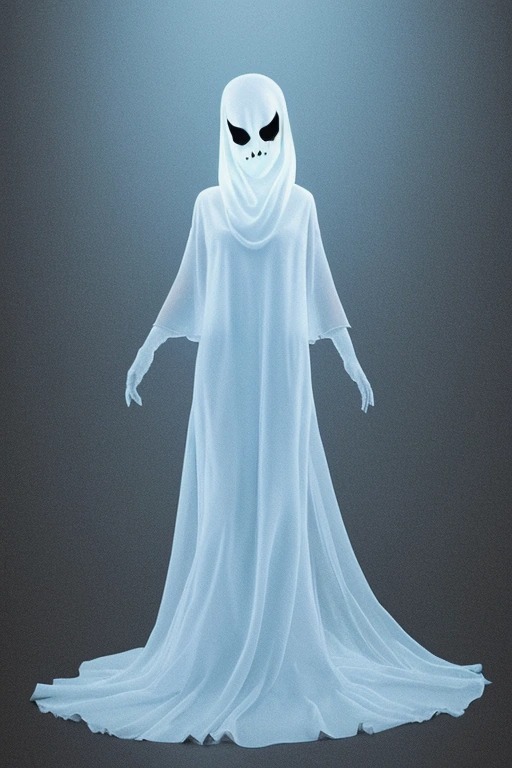
Ghosts and Halloween go hand in hand, thanks to their chilling and enigmatic nature. The origins of Halloween, also known as All Hallows’ Eve, can be traced back to ancient Celtic traditions. According to folklore, on the night of October 31st, the barrier between the living and the dead would blur, allowing spirits to freely wander among us. This captivating belief gave birth to a plethora of customs and traditions, solidifying the close association between ghosts and Halloween.

Ghosts are perceived as otherworldly beings, existing in a realm between life and death. Their presence during this time of year injects a bone-chilling thrill into the holiday. The enduring connection between Halloween and ghosts is further reinforced by popular culture, where movies, books, and decorations consistently portray ghosts as an integral part of the festivities. Their ethereal figures draped in white sheets or gracefully gliding through the air perfectly align with the supernatural, macabre, and mysterious theme of Halloween.

As a result, ghosts have become inseparable from Halloween, symbolizing the spirit world and embodying the very essence of this delightfully haunting holiday. Their enigmatic allure and eerie presence add an extra layer of excitement to the festivities, captivating both young and old alike. So when the moon is full and the air is thick with an otherworldly aura, remember that ghosts are the spectral companions of Halloween, forever intertwined in its bewitching charm.

Related Posts

Harvesting Souls: Unveiling the Secrets of the Grim Reaper

Dave

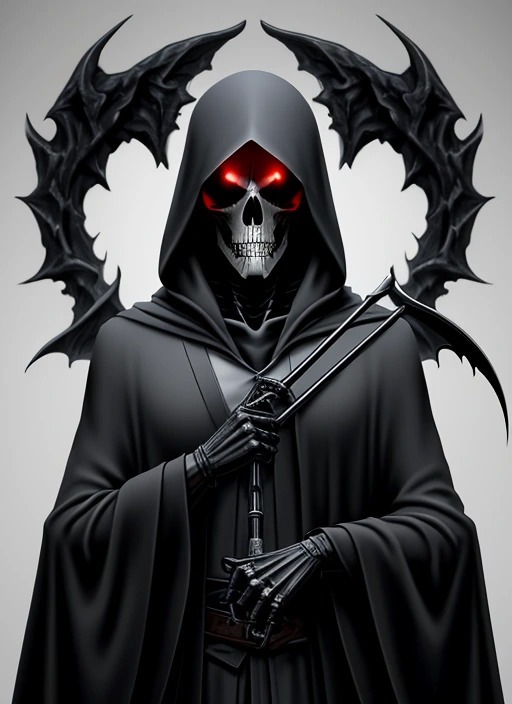
The chilling Grim Reaper, with its bony frame and menacing scythe, stands as an enduring symbol that captivates the realms of folklore and mythology. Whether known as the Angel of Death or the embodiment of mortality, this enigmatic figure represents the ultimate cessation of life. Throughout the annals of history, the Grim Reaper has transcended cultural boundaries, embodying the timeless concept of death and the unstoppable flow of time. Its image instills fear and apprehension, for it is believed to be the harbinger that escorts souls from this world to the next. In many traditions, the Grim Reaper personifies impartiality, executing its solemn duty devoid of emotion or judgment. It serves as a potent reminder that death is an inescapable facet of the human experience, indifferent to one’s stature, wealth, or influence. From art to literature to the expansive realm of popular culture, the Grim Reaper has inspired countless masterpieces, weaving intricate narratives that explore mortality, destiny, and the ephemeral nature of existence. Despite its eerie visage, this spectral figure embodies a symbolic force that beckons us to contemplate and reflect upon the inevitability of our own demise, urging us to seize the present moment and treasure the precious time we possess.

Related Posts

Wrapped in History: The Unraveling Charm of Mummies

Dave

a person taking a selfie

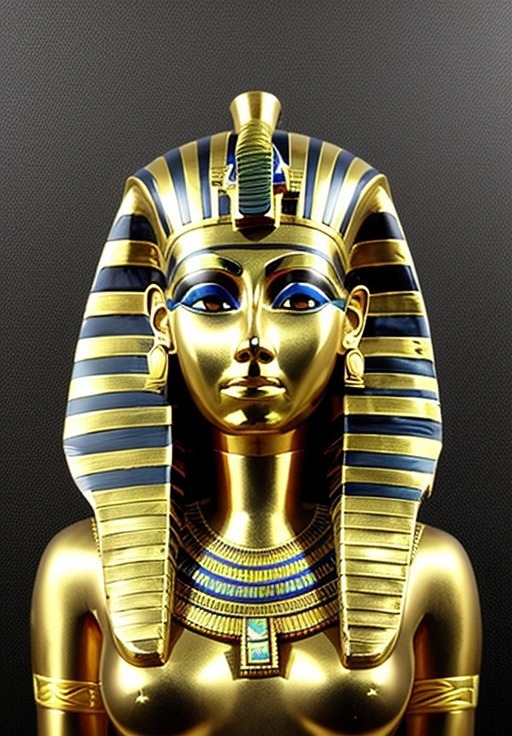
Mummies and Halloween are a match made in the afterlife. These ancient beings have transcended time to become legendary monsters, injecting a bone-chilling thrill into the holiday. Originating from the sacred rituals of ancient Egypt, mummification was a meticulous process aimed at preserving the bodies of pharaohs and revered figures for the journey beyond. But in the realm of popular culture, mummies have undergone a spine-tingling transformation. Wrapped in tattered bandages, they wander through dimly lit tombs, their presence striking terror into the hearts of those who behold them.

The mere sight of a mummy sends shivers down the spine, for they are often portrayed as cursed creatures, roused from their eternal slumber. With their decaying visage, vacant gazes, and deliberate, haunting movements, mummies masterfully blend the familiar with the grotesque. The notion of a reanimated corpse, preserved over centuries and now seeking vengeance or spreading chaos, taps into humanity’s deepest fears of death and the great unknown.

Mummies often find themselves entrusted with the role of guardians, protecting ancient treasures and cursed artifacts. This adds an aura of mystery and danger to their already formidable character. Relentless and unstoppable, they become formidable foes in horror tales and silver screen spectacles alike. The image of a mummy, swathed in ancient wrappings and exuding an eerie presence, has seamlessly woven itself into the fabric of Halloween. From trick-or-treaters donning mummy costumes to spine-chilling props adorning front yards, the mummy has undeniably claimed its throne as one of Halloween’s timeless monsters.

So, when the moon hangs low and Halloween approaches, prepare yourself for the lurking shadows. Mummies await, ready to send shivers coursing through your veins, reminding us all that even the dead can rise again.

Related Posts

Embracing the Moon: Unraveling the Mystique of Werewolves

Dave

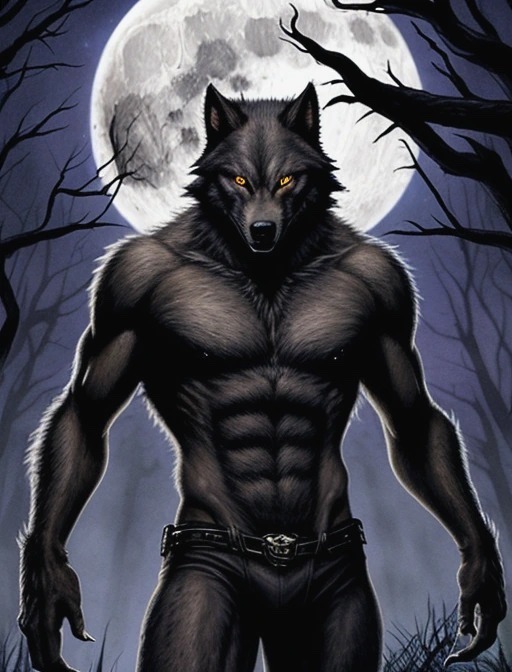
For centuries, the world has been captivated by the enigmatic and spine-chilling tales of werewolves. These supernatural beings, also known as lycanthropes, have clawed their way into folklore and mythology, leaving a trail of fascination and terror in their wake. Picture this: humans morphing into wolves under the spell of a full moon, their existence intertwined with ancient civilizations such as Greece and Rome.

Legends of werewolves trace back to a time when shape-shifting creatures roamed the imaginations of people across the globe. Cultures far and wide believed that these cursed individuals faced a twisted fate, their punishment being the transformation into fearsome wolves. The metamorphosis itself is said to be a tormenting and uncontrollable process, unleashing an array of physical and psychological changes.

Once in their lupine form, werewolves are said to possess extraordinary strength, heightened senses, and an insatiable appetite for the flesh of unsuspecting humans. Throughout different regions, tales of these creatures have taken various forms, but one thing remains constant: the moon’s undeniable influence. It is believed that the celestial body triggers the metamorphosis, causing the afflicted to lose all control over their human side, succumbing entirely to their primal instincts.

In the annals of werewolf lore, silver has emerged as a powerful weapon against these formidable beasts. Legends whisper that this precious metal possesses the ability to harm or even bring about their demise. With such rich mythology surrounding them, werewolves have clawed their way into literature, films, and television shows, forever etching their place in popular culture.

While these creatures may dwell within the realms of fiction, their allure and the fear they inspire continue to captivate our imaginations. Whether viewed as nocturnal terrors or tragic figures trapped between two worlds, werewolves have become an enduring symbol of transformation, duality, and the eternal struggle between our human and animalistic selves.

Related Posts

Unveiling the Enigmatic Allure: Unearthing the Secrets of Halloween Traditions in Japan

Dave

a screen shot of a womana person standing in front of a mirror posing for the camera

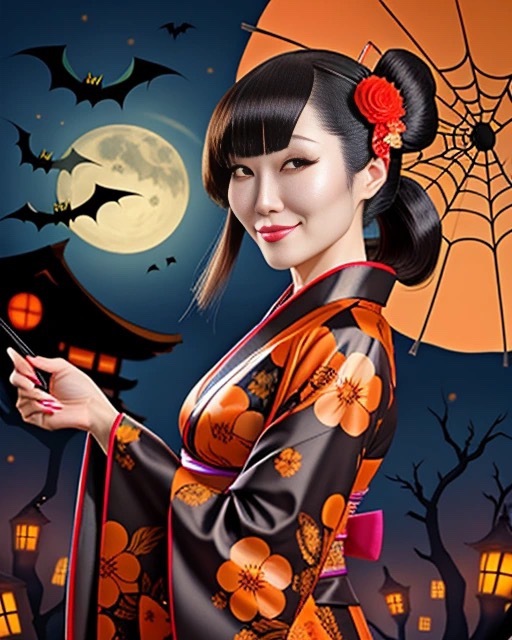
In recent years, Halloween traditions in Japan have been skyrocketing in popularity, despite their relatively shallow roots in Japanese culture. Thanks to the influence of Western customs, Halloween has transformed into a thrilling and enthralling time for people of all ages across Japan. One tradition that stands out is the vibrant celebration of costume parties. Japanese folks go all out, donning meticulously crafted and elaborate costumes that span from iconic characters to hair-raising creatures. Their attention to detail and boundless creativity truly shines through.

But that’s not all. Trick-or-treating has also taken Japan by storm, particularly in bustling cities. Children and adults alike parade through shops and homes, dressed to the nines in their Halloween garb, eagerly collecting treats and candies from the enthusiastic locals. The spirit of Halloween has even seeped into the culinary scene, giving birth to a fascinating tradition of Halloween-themed food and decorations. Restaurants and cafes tantalize taste buds with limited-edition Halloween menus featuring ghost-shaped dishes, pumpkin-inspired creations, and other spine-chilling symbols. Supermarkets and bakeries, too, embrace the festivities, offering an array of Halloween-themed cakes, cookies, and snacks that add a delightful touch of Halloween spirit to the culinary landscape.

But the excitement doesn’t stop there. Japan takes Halloween to a whole new level with its array of special events and attractions, hosted by theme parks and shopping centers. From bone-chilling haunted houses to captivating parades and captivating live performances, these experiences captivate both locals and tourists. It’s a testament to the adaptability and unwavering enthusiasm of the Japanese people, who wholeheartedly embrace diverse cultures and traditions.

Although Halloween may be a relatively new addition to Japan’s holiday calendar, its rapid rise in popularity showcases the Japanese people’s eagerness to embrace and make their own mark on different customs and festivities.

Related Posts

What is Diplomacy?

Dave

a man in a suit standing in front of a building
Diplomacy is a fascinating and intricate art that revolves around the art of negotiation, mediation, and conflict resolution. It’s an essential aspect of international relations that helps maintain peace, stability, and cooperation among nations. Diplomats must possess a wide range of skills and techniques, including active listening, effective communication, cultural sensitivity, and strategic thinking.

The art of diplomacy is about more than just negotiating between countries. It can also involve non-state actors, such as civil society groups, international organizations, and corporations. The key principle of diplomacy is the respect for sovereignty, which acknowledges that each country has the right to govern itself without external interference. However, diplomacy also recognizes the need for cooperation and joint action to address global challenges such as climate change, terrorism, and nuclear proliferation.

Over time, diplomacy has evolved with the emergence of new technologies, institutions, and actors. Digital diplomacy and public diplomacy are now essential tools for diplomats to engage with foreign publics and shape public opinion. Nevertheless, the core principles of diplomacy remain the same. Diplomats must build trust, seek common ground, and find peaceful solutions to conflicts. Diplomacy can take many forms, from one-on-one talks between two countries to multilateral negotiations involving dozens of nations.

In conclusion, diplomacy is a complex and multifaceted concept that is essential for maintaining peace, stability, and cooperation among nations. Diplomats must be skilled in a variety of techniques and possess a deep understanding of the countries they represent. While the practice of diplomacy has evolved over time, its core principles remain constant.

Related Posts

Kyūketsuki Chronicles: Unraveling the Bone-Chilling Tales of Japanese Vampires

Dave

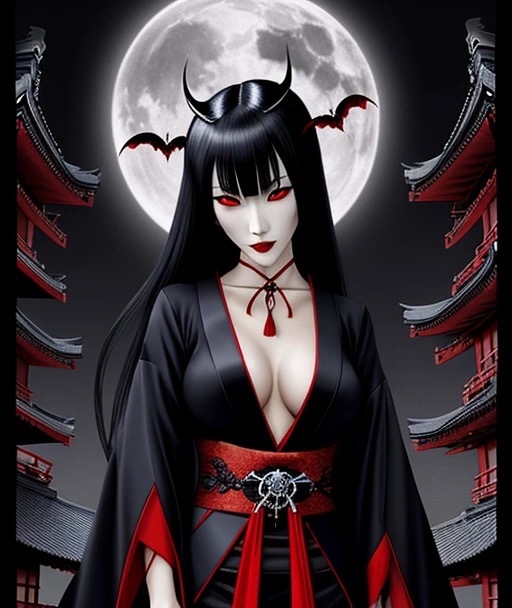
In the realm of Japanese folklore, behold the enigmatic and unnerving presence of the “kyūketsuki,” an otherworldly vampire unlike any you’ve encountered before. Unlike their Western counterparts, these creatures of the night are anything but suave and seductive. Prepare yourself for a macabre and bone-chilling spectacle.

These bloodthirsty beings possess unparalleled strength and agility, lurking in the shadows, ready to pounce on unsuspecting prey. With their disheveled, tangled manes, pallid complexions, and fangs that seem to stretch into eternity, the kyuuketsuki instill terror deep within the hearts of all who dare cross their path.

What sets these vampiric creatures apart is their defiance of convention. They defy the limits of darkness, fearlessly roaming the earth even in daylight. This unexpected twist makes them all the more perilous, their actions shrouded in unpredictability.

Generation after generation, the tales of the kyuuketsuki have woven an intricate web of captivating narratives. These stories delve into the tragic origins of these creatures, unearthing the torment and despair that birthed their accursed existence. Whether it be a tormented soul seeking vengeance or a malevolent spirit haunting the living, Japanese vampire stories paint a vivid tapestry of folklore and horror. Brace yourself, for these tales will both enchant and send shivers down your spine, captivating listeners and readers alike.

Related Posts

Shapeshifting Shadows: The Mysterious World of Vampire Transformations

Dave

a woman wearing a costume

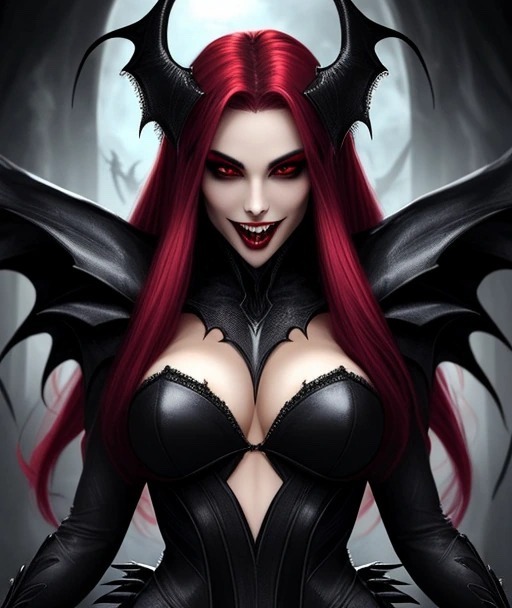
For centuries, vampires have captivated our imaginations with their enigmatic presence in folklore, literature, and pop culture. One aspect of their mystique that never fails to ignite passionate debates is their shape-shifting abilities. While vampires are revered across different cultures and media, there is a general consensus that they do not possess the traditional shape-shifting powers like werewolves or other supernatural beings. However, don’t be fooled, for vampires are masters of illusion and disguise. Their cunning allows them to manipulate their appearance, seamlessly blending in with human society or appearing differently to their unsuspecting victims. This uncanny ability is often intertwined with their hypnotic powers, enabling them to control minds and manipulate perceptions. In some vampire lore, they are even said to transform into bats or mist, further blurring the line between shape-shifting and illusion. Nevertheless, it is essential to distinguish these transformations from the complete physical metamorphosis commonly associated with shape-shifting. While vampires may possess certain transformative abilities, they do not conform to the traditional notion of shape-shifters like other mythical creatures.

Beyond their shape-shifting capabilities, vampires possess a myriad of extraordinary talents that continue to bewitch us. One of their most alluring traits is immortality, defying the natural cycle of life and death. Throughout the centuries, vampires remain ageless, perpetually frozen in time. Coupled with this immortality is their exceptional regenerative power, allowing them to swiftly heal even the most grievous wounds. Furthermore, vampires possess unrivaled strength and speed, surpassing the limits of ordinary humans. With their superhuman physical prowess, they effortlessly overpower their prey and showcase astonishing feats of agility. However, their extraordinary abilities do not stop there. Vampires possess heightened senses that far exceed those of mere mortals. Their acute hearing, sight, and smell enable them to detect the minutest changes in their surroundings, making them formidable hunters. Moreover, vampires are often associated with the power of mesmerization or compulsion. With a single gaze or a mere touch, they can manipulate the minds of their victims, bending them to their will or even erasing memories at their whim. Finally, vampires are renowned for their ability to transform into various incarnations, be it bats, wolves, or ethereal mist. This shape-shifting prowess allows them to move swiftly and stealthily, evading detection and striking fear into the hearts of their adversaries. While the specific abilities of vampires may vary depending on the folklore or depiction, these remarkable characteristics have solidified their status as captivating and fearsome creatures in popular culture.

Related Posts

Unveiling the Heart and Soul of Frankenstein’s Creation

Dave

a man wearing a hat

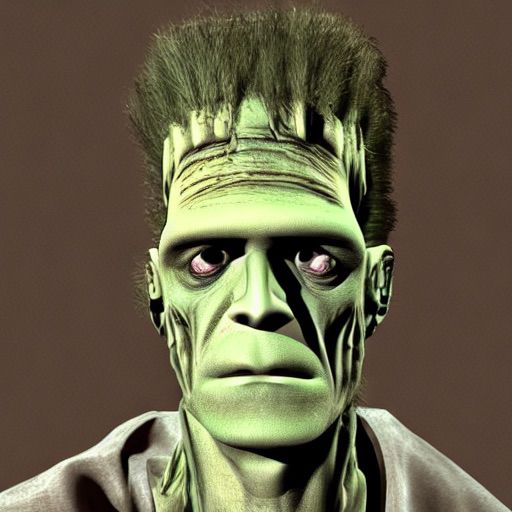
Step into the eerie world of Mary Shelley’s masterpiece, “Frankenstein; or, The Modern Prometheus,” where a mysterious being known as Frankenstein’s monster takes center stage. This enigmatic creature, sometimes referred to simply as “the monster,” is the creation of Victor Frankenstein, a brilliant scientist and the story’s protagonist. Through a series of daring scientific experiments and the reanimation of lifeless flesh, Frankenstein breathes life into his extraordinary creation.

In Shelley’s captivating novel, the monster remains nameless, shrouded in a cloak of mystery. Yet, despite lacking a proper moniker, this remarkable being possesses an intellect and sensitivity that surprises all who encounter him. Initially, he embodies kindness and benevolence, yearning for acceptance and understanding. However, society’s cruel rejection and mistreatment based solely on his monstrous appearance transform him into a bitter and vengeful entity. The monster grapples with his own identity, desperately seeking companionship and compassion, only to be met with fear and hostility from the human world.

It is crucial to dispel the misconception that the monster himself is named Frankenstein. In truth, Frankenstein is the appellation reserved for his creator, the scientist who breathed life into him. Nonetheless, popular adaptations often portray the creature with green skin, a bolt-neck, a flat head, and a body sewn together, although Shelley’s original rendering leaves room for interpretation.

Frankenstein’s monster has transcended the pages of Shelley’s novel, etching itself into the annals of popular culture. This iconic figure symbolizes profound themes of isolation, the quest for identity, and the ramifications of scientific exploration. Countless films, books, and other media adaptations have brought this tragic and misunderstood character to life, capturing the hearts and imaginations of audiences worldwide.

Related Posts

From Creation to Consequence: Unraveling the Enduring Tale of Victor Frankenstein

Dave

a person posing for the camera

In the realm of literary imagination, Mary Shelley introduced us to a captivating and enduring character known as Frankenstein. This iconic figure, brought to life in her groundbreaking novel “Frankenstein; or, The Modern Prometheus” in 1818, has since become a symbol of intrigue and caution.

At the heart of Shelley’s masterpiece is Victor Frankenstein, a brilliant young scientist who becomes consumed by a radical idea: the creation of life itself. Driven by unyielding ambition and an insatiable thirst for knowledge, Frankenstein delves into the depths of scientific experimentation. Through a combination of ingenious methods, he accomplishes the impossible and breathes life into a creature.

However, the sight that greets Frankenstein is far from what he anticipated. Horrified by the grotesque appearance of his creation, he recoils in fear and disgust, abandoning the hapless being in a world that rejects it. This forsaken creature, lacking a name of its own, embarks on a treacherous path of vengeance, relentlessly pursuing Frankenstein with a single-minded determination to destroy his creator’s life.

Beyond the pages of the novel, the character of Frankenstein serves as an enduring cautionary tale. It warns us of the perils that lie within unchecked ambition, the ethical dilemmas that arise from scientific progress, and the profound consequences of playing God. Throughout the narrative, Frankenstein grapples with the moral implications of his actions, haunted by an overwhelming guilt as he witnesses the devastating aftermath of his creation.

Shelley’s masterwork has transcended the realm of literature, morphing into a cultural phenomenon that has captivated audiences across generations. Its profound impact is evident in the countless adaptations it has inspired, from spine-tingling films to captivating stage productions. “Frankenstein” has firmly etched its place in both literary history and popular culture, a testament to its timeless power to enthrall and provoke contemplation.

Related Posts

Charting Columbus Day: Navigating the Legacy and Controversy

Dave

a person wearing a hat

Columbus Day, commemorated on the second Monday in October, has long been a subject of debate and controversy. The holiday marks the arrival of Christopher Columbus in the Americas on October 12, 1492. While it has traditionally been celebrated as a day to honor Columbus’s achievements and his role in European exploration, there is a growing movement calling for a reevaluation of this holiday. Critics argue that Columbus’s actions towards indigenous peoples were marked by violence, exploitation, and the beginning of a painful history of colonization. They emphasize the devastating impact that European colonization had on the native populations, including forced labor, diseases, and cultural suppression. As a result, many cities and states across the United States have chosen to rename or replace Columbus Day with Indigenous Peoples’ Day, which seeks to recognize and celebrate the rich cultures, contributions, and resilience of Native Americans.

The debate surrounding Columbus Day raises important questions about how we choose to remember historical figures and events. It challenges us to critically examine the narratives we have inherited and consider the perspectives of marginalized communities. Supporters of Columbus Day argue that it is essential to acknowledge Columbus’s role in history, as he is credited with opening up the New World to European exploration and paving the way for the eventual establishment of the United States. They view Columbus as an important figure in the context of his time, and argue that judging historical figures by contemporary standards is unfair and ignores the complexity of history.

However, opponents argue that celebrating Columbus Day perpetuates a whitewashed version of history that ignores the suffering and oppression endured by indigenous peoples. They argue that honoring Columbus not only overlooks the atrocities committed by him and his crew, but also sends a harmful message to Native Americans, who have long been marginalized and displaced. By replacing Columbus Day with Indigenous Peoples’ Day, they hope to bring attention to the ongoing struggles and resilience of indigenous communities, as well as promote a more inclusive and accurate understanding of history.

The controversy surrounding Columbus Day is not limited to the United States. Countries across the Americas, including Canada and several Latin American nations, have their own versions of Columbus Day or celebrate it under different names. In recent years, there has been a push in some countries to redefine the holiday or replace it with alternative commemorations that focus on indigenous peoples and their history. This global conversation reflects a broader shift towards reevaluating colonial legacies and acknowledging the rights and experiences of marginalized communities.

As we navigate the legacy and controversy surrounding Columbus Day, it is important to approach the discussion with empathy, open-mindedness, and a commitment to learning from the past. Whether we choose to celebrate Columbus Day, Indigenous Peoples’ Day, or any other alternative, it is crucial that we continue to engage in meaningful conversations about history, colonialism, and the ongoing struggles for justice and equality. Only by acknowledging the complexities of our collective past can we move towards a more inclusive and just future.

Related Posts

Vladimir Putin Origins

Dave

a man wearing a suit and tie

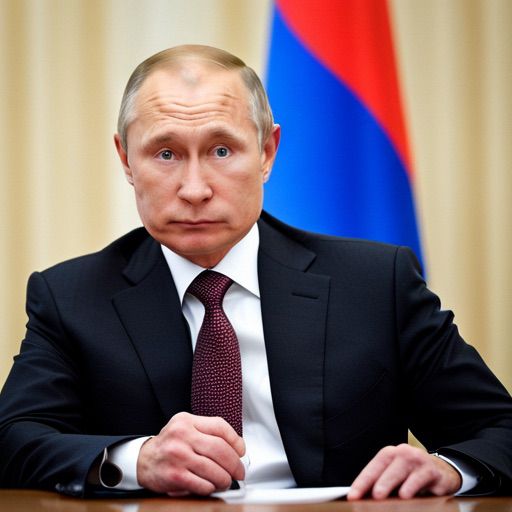
Vladimir Putin the current President of the Russian Federation, a man who has been making headlines for years. Putin was born in the heart of Leningrad (now St. Petersburg) on October 7, 1952. As a young boy, he lived in a communal apartment with his family, a typical Soviet lifestyle back then. His father worked as a factory foreman while his mother toiled in a factory as well. Putin grew up in a modest household, and from an early age, he experienced the harsh realities of life in the Soviet Union.

Putin attended Leningrad State University, where he studied law. After graduation, he worked for the KGB, the Soviet Union’s intelligence agency, as a foreign intelligence officer. Putin’s career in politics began in the early 1990s when he served as an advisor to the mayor of St. Petersburg. He quickly rose through the ranks and was appointed head of the Federal Security Service (FSB), the KGB’s successor agency, in 1998.

Putin’s leadership style has been characterized by his strong-arm tactics and authoritarian tendencies, which have drawn criticism from the international community. Nevertheless, Putin remains a popular figure in Russia, where many see him as a strong and decisive leader who has restored the country’s standing on the world stage. He led Russia through a period of economic growth and stability in the early 2000s, which boosted his popularity, and he has been re-elected several times since becoming president in 2000.

Vladimir Putin’s life story is one of rags to riches. From humble beginnings in a communal apartment to becoming one of the most powerful leaders in the world, Putin’s journey has been nothing short of extraordinary. His legacy is still being written, and only time will tell what the future holds for this enigmatic and controversial figure.

Related Posts

Building the Perfect Zombie Apocalypse Survival Kit

Dave

a person wearing a costume
Are you ready for the zombie apocalypse? It might sound like a joke, but with the way the world is going, it’s always better to be prepared! So, what can you do to ensure your survival when the undead come knocking? Well, building the perfect zombie apocalypse survival kit is a great place to start.

To begin with, your kit should have all the essentials needed to survive in a world overrun by zombies. This includes food, water, medical supplies, tools, weapons, and communication devices. When it comes to food and water, pack non-perishable items like canned goods, protein bars, and dried fruits. And don’t forget to include a water filtration system or water purification tablets to ensure you always have access to clean drinking water.

Next up, a first aid kit is essential. You never know when you might get injured, so make sure you have bandages, antiseptic wipes, gauze, and other medical supplies on hand. And if you or anyone in your group has prescription medication needs, be sure to pack those as well.

Of course, you’ll also need some tools and weapons to survive. A multi-tool, knife, hatchet, and machete are all great options for cutting wood, building shelter, and defending yourself against the undead. And last but not least, don’t forget a communication device like a two-way radio, satellite phone, or whistle. You never know when you might get separated from your group, so having a way to contact them could be a lifesaver.

In conclusion, building the perfect zombie apocalypse survival kit takes careful planning and consideration. But by taking the time to stock up on all the essentials, you’ll increase your chances of surviving in a world overrun by zombies. So, get started today and be ready for whatever the undead have in store!

Related Posts

Arming Yourself for the Undead: Selecting the Ultimate Weapon in the Zombie Apocalypse

Dave


Do you ever find yourself daydreaming about surviving a zombie apocalypse? It’s a topic that has been brought to life in movies, TV shows, and video games. But, what if this fictional scenario became a reality? It’s always better to be prepared for the worst, and choosing the right weapon could be the difference between life and death.

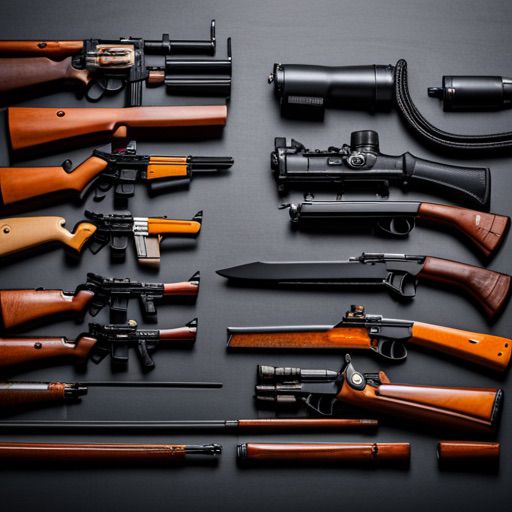
When it comes to weapons, there are a few things to consider. Firstly, you want a weapon that is easy to handle and requires minimal maintenance. In a world where resources are scarce, you don’t want to waste your time and energy on maintaining your weapon. That’s why firearms are often considered the best option. They’re easy to handle, require minimal maintenance, and can take down a zombie with one shot. Just be mindful that they’re loud and can attract unwanted attention.

Secondly, you want a weapon that can be used in close combat situations. If you’re cornered by a group of zombies, you want something that can take them out quickly and efficiently. This is where melee weapons come in handy. A sturdy and sharp machete or a trusty baseball bat can do wonders in close combat. Plus, they’re quiet, so you won’t attract more zombies.

Lastly, you want a weapon that is versatile and can be used in various situations. This is why a crossbow is often considered a great weapon for surviving a zombie apocalypse. It’s quiet, can be used for both close and long-range combat, and can take down a zombie with one shot. Plus, it’s easy to find arrows or make your own, which means you won’t run out of ammo anytime soon.

In conclusion, the best weapon for surviving a zombie apocalypse depends on your personal preference and the situation you find yourself in. Firearms, melee weapons, and crossbows are all great options, but it’s important to use them strategically and with caution. Remember, the ultimate goal is to survive and stay alive, so choose your weapon wisely. Who knows, it might just come in handy one day.

Related Posts

Zombie Apocalypse Survival 101: Unleashing Your Inner Survivor!

Dave

a man wearing a green shirt
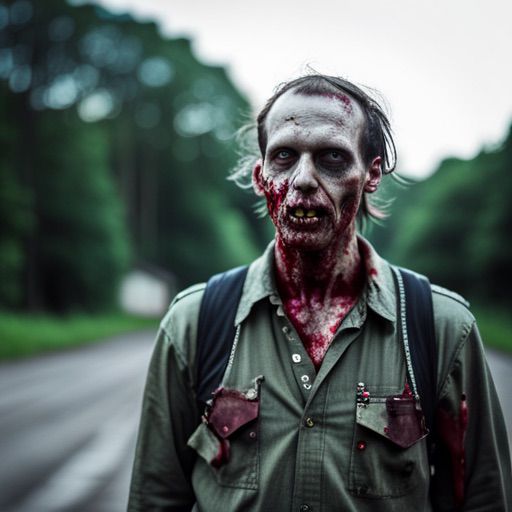
Picture this: you’re running through the streets, heart pounding, as you try to escape hordes of zombies chasing after you. It may sound like something out of a horror movie, but a zombie apocalypse is a hypothetical scenario that has captured the imagination of people everywhere. While the chances of it happening in real life are slim, it’s always better to be prepared than sorry, right?

So, how can you survive a zombie apocalypse? Here are some tips that could help you increase your chances of making it through:

First and foremost, stay informed. Keep an ear to the ground and stay updated on the latest news and information about the outbreak. Knowing the symptoms of the virus can also help you identify infected individuals and avoid contact with them.

Next, find a safe and secure place to hide out. This could be a well-fortified building or a remote wilderness area, as long as it has a sustainable source of food, water, and basic supplies. Once you’ve found your shelter, fortify it by barricading doors and windows, reinforcing weak points, and setting up early warning systems to detect approaching zombies.

Of course, you’ll need supplies to survive. Stock up on non-perishable food items, clean water, medical supplies, batteries, flashlights, tools, and weapons. Having a group of trusted individuals to rely on can also increase your chances of survival.

When you’re out scavenging for supplies, minimize noise and visibility as zombies are drawn to sound and movement. Be cautious and choose the best routes to avoid encounters with zombies. Maintaining personal hygiene and physical fitness is also crucial in reducing the risk of infection and coping with the demanding conditions.

Finally, adapt and learn survival skills such as basic first aid, navigation, self-defense, and foraging for food. With the right mindset and preparation, you can increase your chances of making it through a zombie apocalypse.

Related Posts