Author: Elias Rowen

I enjoy writing about events that happened on specific days of the year. There’s something fascinating to me about the idea that every date carries its own story—moments when history quietly turned a corner or suddenly exploded into something unforgettable. I don’t focus on famous people as much as I focus on the moments themselves. I like digging into what was happening on that particular day, what led up to it, and what followed after. When I write, I try to bring readers into the moment, to capture what it might have felt like as events were unfolding in real time, before anyone knew how things would turn out. For me, history isn’t just a list of dates and facts. It’s a collection of lived moments that still ripple into the present. My goal is to turn calendar dates into stories that feel real, relatable, and worth remembering.
The British Invasion Begins: The Beatles Arrive in America

Elias Rowen

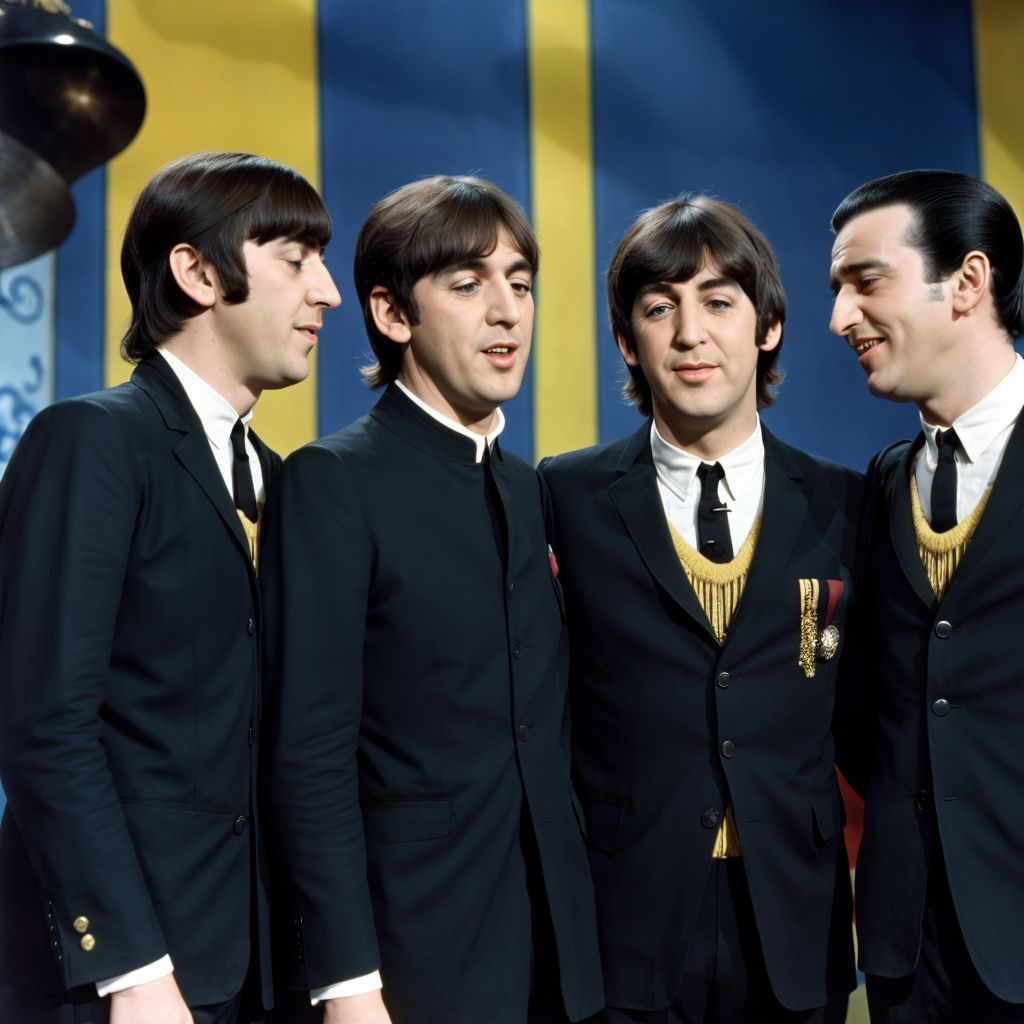
On February 7, 1964, four young men from Liverpool stepped off a plane at John F. Kennedy Airport in New York, greeted by thousands of screaming fans. The Beatles had officially arrived in the United States, marking the beginning of a cultural phenomenon that would come to be known as “Beatlemania.” Their arrival wasn’t just a band landing in a new country—it was the start of a musical revolution that would forever change pop culture, music, and the very fabric of the 1960s.

At the time, America was still reeling from the tragic assassination of President John F. Kennedy just months earlier. The nation was in need of something uplifting, something exciting. Enter John Lennon, Paul McCartney, George Harrison, and Ringo Starr, four charismatic musicians whose fresh sound, boyish charm, and infectious energy captivated an entire generation. Their first press conference was electric—cheeky wit, quick humor, and undeniable chemistry endeared them to both fans and skeptical reporters alike.

Just two days later, on February 9, The Beatles made their legendary debut on The Ed Sullivan Show. Over 73 million Americans tuned in, making it one of the most-watched television broadcasts in history at the time. The performance, featuring hits like All My Loving and I Want to Hold Your Hand, sent shockwaves through American culture. The Beatles weren’t just another band; they were a movement, and their impact was immediate. Teenagers copied their hairstyles, radio stations played their music on repeat, and concert venues were overwhelmed by frenzied fans desperate for a glimpse of the Fab Four.

Their arrival in 1964 was just the beginning. Over the next few years, The Beatles would continue to dominate the charts, reinventing music with each album and leaving an indelible mark on the world. But it all started with that first step onto American soil, that first scream of an adoring fan, and that first chord strummed on The Ed Sullivan Show. The British Invasion had begun, and music would never be the same again.

Related Posts

Restoring an Icon: The Washington Monument Reopens in 1988

Elias Rowen

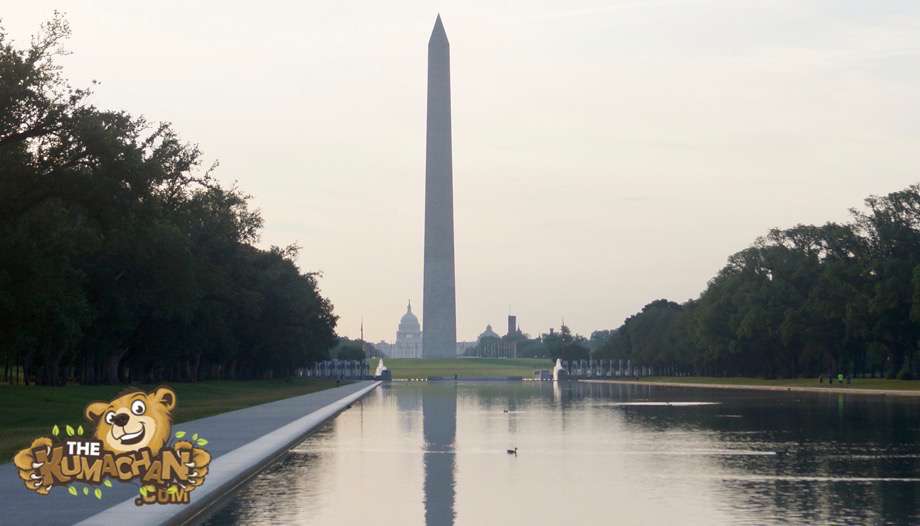
For nearly a century, the Washington Monument stood as a towering tribute to the first President of the United States, a beacon of national pride in the heart of Washington, D.C. However, by the late 20th century, the beloved landmark had begun to show its age. Structural concerns, wear from millions of visitors, and the effects of time had taken their toll. In 1988, after an extensive restoration project, the Washington Monument was reopened to the public, revitalized and ready to continue inspiring future generations.

The restoration process was no small feat. Engineers and conservationists worked meticulously to reinforce the 555-foot obelisk, repairing cracks, strengthening its foundation, and updating its interior. The elevator, which had long been a point of concern, received modern upgrades, ensuring a safer and smoother ride to the observation deck. The exterior, composed of marble, granite, and bluestone gneiss, was carefully cleaned and repaired, restoring its once-brilliant facade. The project, which took several years to complete, was a testament to the nation’s commitment to preserving its history.

When the monument reopened in 1988, visitors eagerly lined up to once again experience breathtaking panoramic views of the nation’s capital from its summit. The restoration not only safeguarded the structure but also rekindled public appreciation for its historical and architectural significance. It was a moment of renewal, reminding Americans of the enduring legacy of George Washington and the resilience of the nation he helped build.

Today, the Washington Monument remains one of the most recognizable symbols of the United States. The 1988 restoration was just one chapter in its long history of preservation, ensuring that this iconic structure continues to stand tall for generations to come.

Related Posts

The Dawn of a New Reign: Queen Elizabeth II’s Ascension in 1952

Elias Rowen

1952 was a year of profound change for the British monarchy, marking the end of one era and the beginning of another. On February 6th, King George VI passed away in his sleep at Sandringham House, plunging the United Kingdom into mourning. His eldest daughter, the 25-year-old Princess Elizabeth, was in Kenya at the time, fulfilling royal duties when she received the life-altering news. Without ceremony or hesitation, she became Queen Elizabeth II, embarking on a reign that would ultimately define modern Britain.

The transition was swift yet deeply emotional. The young queen had lost her father, a man beloved for his quiet strength during World War II, and she was now tasked with leading an empire still recovering from the war’s devastation. Her journey home to Britain was not just a return to her country but the start of a lifelong duty to the crown. As she stepped off the plane, draped in black mourning attire, she was no longer just Elizabeth Windsor—she was the sovereign of the United Kingdom.

Her ascension signaled a new chapter for the monarchy. With the decline of the British Empire and the rise of the Commonwealth, Elizabeth’s role would demand diplomacy, resilience, and adaptability. Though her coronation would not take place until 1953, the weight of the crown was already upon her shoulders. From the moment she took her oath, Queen Elizabeth II embraced her duty with unwavering commitment, becoming a steady figure in a rapidly changing world.

Her reign, which would go on to become the longest in British history, began with the echoes of her father’s legacy and the hopes of a nation looking toward the future. In 1952, the world did not yet know what kind of monarch she would become, but her quiet strength and deep sense of responsibility were already evident. It was the beginning of a new era, one that would span decades and redefine the role of the British monarchy in the modern age.

Related Posts

Stacking the Bench: FDR’s Controversial Court-Packing Gambit

Elias Rowen

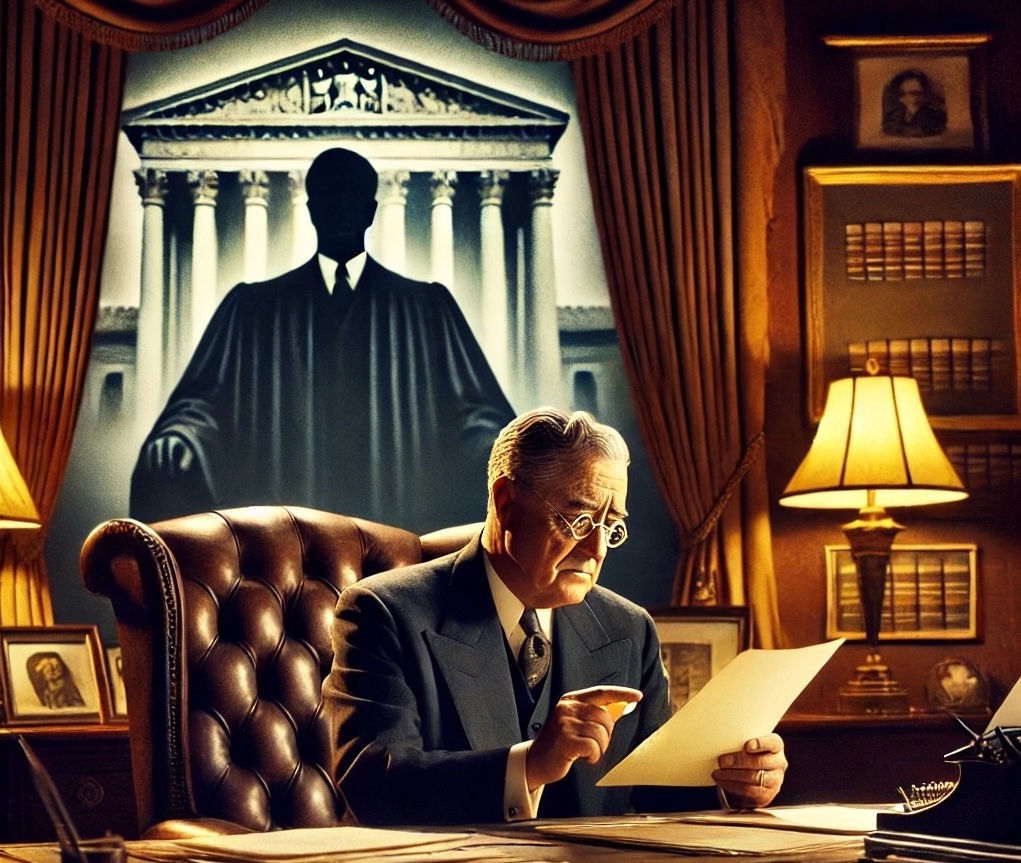
1937 was a defining year for President Franklin D. Roosevelt, who found himself at odds with the very institution meant to interpret the laws of the land—the U.S. Supreme Court. Frustrated by the Court’s repeated rulings against key elements of his New Deal policies, Roosevelt proposed a radical solution: expanding the number of justices to up to fifteen, allowing him to appoint new judges more sympathetic to his vision. This so-called “court-packing plan” sparked a fierce national debate over executive power, judicial independence, and the delicate balance of democracy.

At the heart of the controversy was Roosevelt’s desire to push forward economic recovery programs aimed at pulling the nation out of the Great Depression. However, the conservative-leaning Supreme Court had consistently struck down these efforts, ruling them unconstitutional. FDR framed his plan as a way to modernize the judiciary and reduce its workload, but critics saw it as a blatant power grab that threatened the foundation of American democracy. Even some of his staunchest allies in Congress balked at the proposal, fearing it set a dangerous precedent where future presidents could manipulate the Court for political gain.

The backlash was swift and severe. Many Americans, including members of FDR’s own party, accused him of undermining the separation of powers. The Senate ultimately rejected the plan, but the battle was not a complete loss for Roosevelt. The controversy pressured the Court to soften its opposition to New Deal legislation, and soon after, key rulings upheld programs like Social Security and labor protections. This shift, often referred to as “the switch in time that saved nine,” helped preserve the New Deal without altering the Court’s structure.

While Roosevelt’s court-packing plan failed, its impact rippled through American history. It underscored the limits of presidential power, reinforced the independence of the judiciary, and sparked conversations about constitutional reform that continue to this day. The episode remains a powerful reminder of the delicate checks and balances that define American governance and the political risks of pushing them too far.

Related Posts

The Year America Closed Its Doors

Elias Rowen

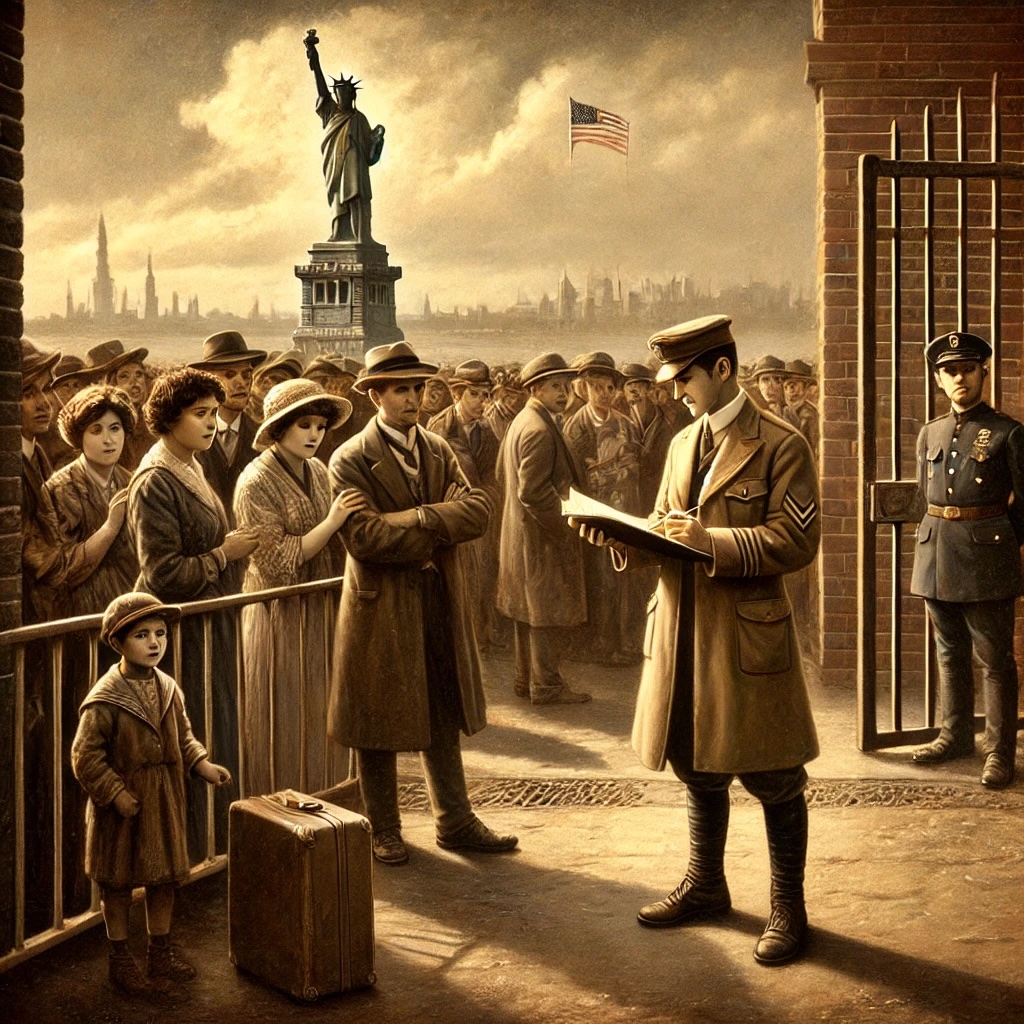
In 1917, the United States took a decisive step in shaping its immigration policies, one that would define its borders and the people allowed to cross them. The passage of the Immigration Act of 1917 marked one of the most sweeping restrictions on immigration in American history. It was a bold, controversial move that reflected growing fears, prejudices, and shifting national priorities in the early 20th century. For many, it was the moment the nation’s open-door policy slammed shut.

The law introduced several new restrictions that dramatically changed who could enter the United States. Most notably, it created the “Asiatic Barred Zone,” effectively banning immigrants from a vast region stretching from the Middle East to Southeast Asia. This was in addition to the long-standing Chinese Exclusion Act of 1882, reinforcing the idea that Asian immigrants were unwelcome. The act also imposed a literacy test, requiring immigrants over the age of 16 to prove they could read and write in their native language. While this test may seem like a simple requirement today, at the time, it was a calculated barrier designed to keep out those from poorer, less-educated backgrounds—primarily immigrants from Eastern and Southern Europe.

The passage of the Immigration Act of 1917 wasn’t just about border control; it was a reflection of the deep anxieties brewing in American society. World War I had intensified fears of foreign influence, and there was a growing belief that too many immigrants from “undesirable” regions threatened American culture and security. Labor unions, too, played a significant role in pushing for the law, arguing that an influx of cheap foreign labor would undermine American workers. The political climate was charged with xenophobia, eugenics-based thinking, and the desire to maintain what many saw as America’s racial and cultural identity.

For the immigrants affected, the law was devastating. Families were separated, dreams were shattered, and entire communities found themselves locked out of a country that had long been seen as a beacon of hope. Many who had planned to make the journey to America now had to look elsewhere—or give up entirely. The act set a precedent for even stricter immigration laws to come, paving the way for the restrictive quotas of the 1920s that would further reshape America’s demographics.

Looking back, the Immigration Act of 1917 serves as a reminder of how fear and prejudice can shape national policy. It also raises important questions that still resonate today: Who gets to be an American? How do we balance security with opportunity? And what happens when a nation turns its back on those seeking a better life? More than a century later, the debates over immigration are as heated as ever, proving that history doesn’t just repeat itself—it evolves.

Related Posts

The Unanimous Choice: George Washington, America’s First President

Elias Rowen

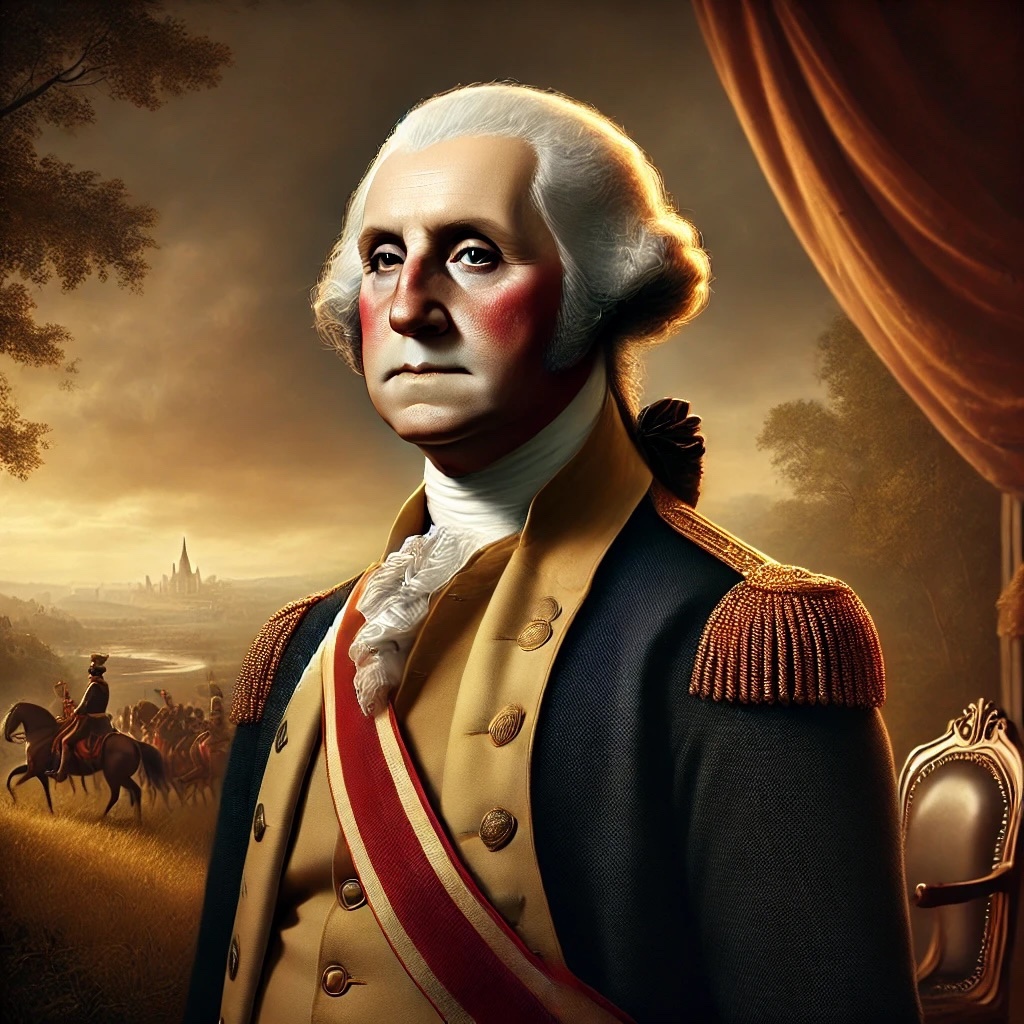
George Washington, revered as the “Father of His Country,” holds a distinctive place in American history not only for his leadership during the Revolutionary War but also for being the first president of the United States. Unanimously elected by the Electoral College in 1789, Washington’s election was a pivotal moment in the young nation’s journey. At a time when the country was still emerging from the turmoil of war and figuring out its identity, Washington’s leadership was seen as a stabilizing force. His election was a symbol of unity, transcending partisan divides that would later arise. Washington’s ability to inspire trust, his military experience, and his commitment to the values of liberty and democracy made him the perfect candidate to serve as the nation’s first leader. He would go on to serve two terms, setting precedents for the presidency and government that would shape the nation’s future.

Despite having no formal political experience, Washington’s leadership was born out of necessity. His election was a reflection of the confidence the country had in him to navigate the challenges of a fledgling democracy. Washington’s decision to step down after two terms established the tradition of limited presidential power, a cornerstone of American government. His presidency was marked by significant events, including the establishment of the U.S. financial system and the creation of the first political parties. His decision to avoid foreign entanglements, through the Proclamation of Neutrality, is still remembered as a defining moment in foreign policy. Through his actions, Washington set an example for future leaders, showing that power could be wielded responsibly and with respect for the principles of the republic.

Washington’s unanimous election is a testament to his character and leadership, but also to the vision of the founders who believed in his capacity to guide the nation. His legacy endures not only in the government he helped build but in the ideals of democracy and freedom that continue to inspire the world.

Related Posts

The 15th Amendment: A Hard-Fought Step Toward Equality

Elias Rowen

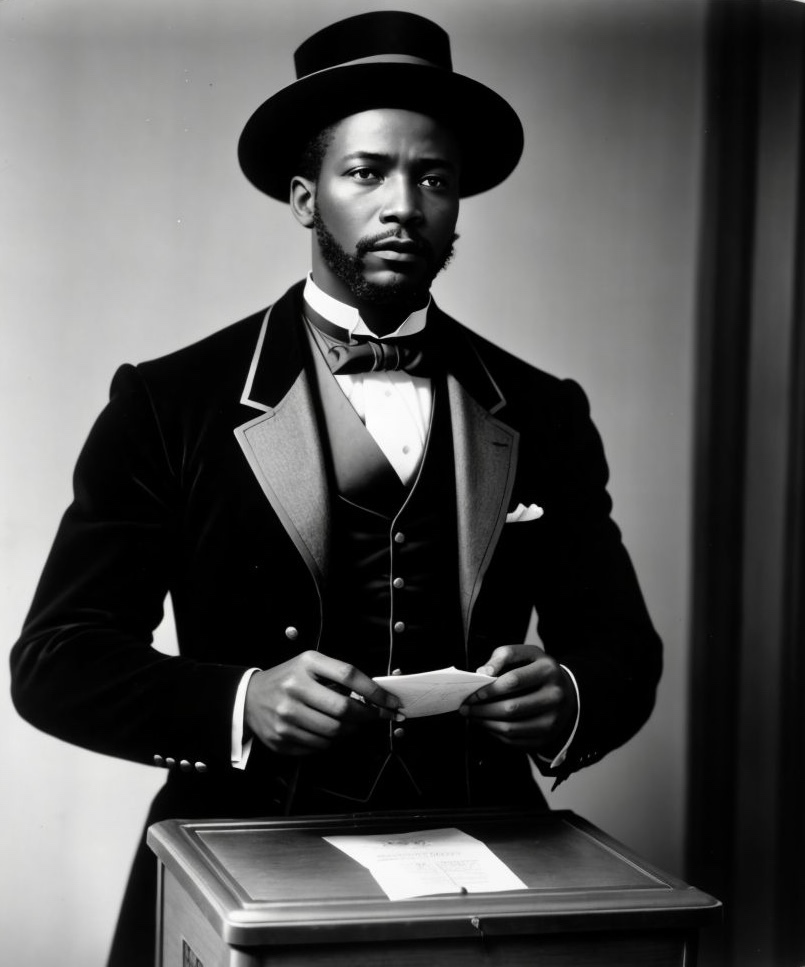
On February 3, 1870, the United States ratified the 15th Amendment, a landmark achievement in the struggle for civil rights. This amendment declared that the right to vote could not be denied based on “race, color, or previous condition of servitude,” effectively granting African American men the legal right to cast their ballots. Coming in the wake of the Civil War and the abolition of slavery, it was a bold step toward fulfilling the promise of democracy for all. However, while the amendment was a victory on paper, the reality of voting rights for Black Americans remained an uphill battle.

For newly freed men, the ability to vote symbolized more than just participation in elections—it represented dignity, citizenship, and a voice in shaping their own futures. During the Reconstruction era, African American voters helped elect Black politicians to local, state, and even national offices. This period saw remarkable progress, with leaders like Hiram Revels and Blanche K. Bruce becoming the first Black U.S. Senators. But as quickly as these gains were made, fierce opposition arose. Southern states, resistant to racial equality, devised ways to suppress Black voters through poll taxes, literacy tests, and outright violence, leading to the disenfranchisement of many African Americans for nearly a century.

It wasn’t until the Civil Rights Movement of the 20th century that the full promise of the 15th Amendment was realized. The Voting Rights Act of 1965, signed by President Lyndon B. Johnson, finally dismantled many of the barriers that had kept Black Americans from voting. Yet, even today, discussions around voter suppression and access to the ballot box show that the fight for true electoral equality is ongoing.

The 15th Amendment stands as both a milestone and a reminder of the continuous struggle for justice. It was a testament to the resilience of those who fought for their rights, and it remains a symbol of the ever-evolving journey toward a more inclusive democracy.

Related Posts

The Day the Music Died: A Tragic Loss for Rock ‘n’ Roll

Elias Rowen

On February 3, 1959, the world of rock ‘n’ roll was shaken by an unimaginable tragedy. A small plane carrying three of the era’s rising stars—Buddy Holly, Ritchie Valens, and J.P. “The Big Bopper” Richardson—crashed in a snowy field in Clear Lake, Iowa, killing everyone on board. The loss of these young, influential musicians left a void in the music industry and marked a somber moment in rock history, later immortalized as “The Day the Music Died” in Don McLean’s 1971 classic, American Pie.

The ill-fated flight was meant to be a shortcut through the grueling “Winter Dance Party” tour. Exhausted from long, freezing bus rides, Buddy Holly chartered a plane to their next stop in Moorhead, Minnesota. Valens, just 17 years old, won his seat in a coin toss, while The Big Bopper, suffering from the flu, took another musician’s spot. Shortly after takeoff, the plane encountered poor weather and crashed into a frozen cornfield, instantly killing the passengers and pilot.

Each of these artists had left a significant mark on rock ‘n’ roll. Buddy Holly, at just 22, had already revolutionized the genre with hits like Peggy Sue and That’ll Be the Day. Ritchie Valens, a pioneer for Latino musicians, brought the world La Bamba, a song that remains timeless. The Big Bopper was known for his energetic performances and the hit Chantilly Lace. Their deaths not only ended promising careers but also served as a reminder of how fleeting life—and fame—can be.

Even decades later, “The Day the Music Died” remains a pivotal moment in rock history. Fans still visit the crash site, and their music continues to inspire new generations of artists. Though their lives were tragically cut short, their legacies endure, proving that true rock ‘n’ roll never dies.

Related Posts

Stalingrad: The Battle That Broke Hitler’s Back

Elias Rowen

1943 marked a defining moment in World War II with the conclusion of the Battle of Stalingrad. This brutal, months-long siege ended in a decisive Soviet victory, shattering the myth of Nazi invincibility and turning the tide of the war in favor of the Allies. The battle, which began in August 1942, saw relentless urban combat, starvation, and the harsh Russian winter take a devastating toll on German forces. Hitler had insisted on taking the city at all costs, believing its capture would break Soviet morale and secure a vital position on the Eastern Front. However, Soviet resistance, led by General Zhukov and reinforced by the brutal winter, trapped the German 6th Army, cutting off their supplies and forcing their eventual surrender on February 2, 1943.

The impact of Stalingrad was immense. Over two million soldiers and civilians perished in one of the deadliest battles in history. The once-mighty Wehrmacht suffered catastrophic losses, both in manpower and morale, weakening its ability to mount further offensives in the East. Meanwhile, the Soviets gained not only a strategic victory but also a newfound confidence that would propel them toward Berlin in the years to come. Stalingrad became a symbol of Soviet resilience and sacrifice, cementing its place in history as the moment when Nazi Germany’s downfall truly began.

The psychological impact of the battle was just as significant as its military consequences. Hitler’s aura of invincibility crumbled, causing rifts within the German command. Meanwhile, Stalin’s confidence in his military leadership grew, leading to more aggressive Soviet offensives. The Western Allies also saw this victory as proof that the Soviet Union could hold its own, paving the way for greater cooperation in the eventual defeat of Nazi Germany.

Eighty years later, the Battle of Stalingrad remains a defining moment of World War II, a testament to the resilience of those who fought and a stark reminder of the horrors of total war. The ruins of Stalingrad, now Volgograd, still bear the scars of the conflict, ensuring that this pivotal moment in history is never forgotten.

Related Posts

Shadows and Seasons: The Birth of Groundhog Day

Elias Rowen

On February 2, 1887, the quiet town of Punxsutawney, Pennsylvania, became the birthplace of a whimsical tradition that would capture the imagination of generations to come: Groundhog Day. This lighthearted event, centered around a groundhog named Punxsutawney Phil, involves a curious ritual to predict the weather. According to folklore, if Phil sees his shadow, it means six more weeks of winter. If not, spring is just around the corner.

The inaugural Groundhog Day was the brainchild of a local newspaper editor, Clymer Freas, who combined German weather lore with a community celebration. In German tradition, a hedgehog was used to forecast weather on Candlemas Day, a Christian holiday. In America, where hedgehogs were scarce, the groundhog took center stage. Punxsutawney’s rolling hills and abundant groundhog population made it the perfect setting for the unique tradition.

Though it began as a humble local event, Groundhog Day has since grown into a national phenomenon. Each year, thousands of people gather at Gobbler’s Knob in Punxsutawney to witness Phil’s prediction, and millions more tune in to watch the spectacle unfold. The tradition is a blend of fun, folklore, and a longing for spring—a reminder of humanity’s connection to nature and the changing seasons.

Groundhog Day has also inspired popular culture, most notably the 1993 film of the same name, which added layers of philosophical meaning to the annual event. What started as a quirky celebration now serves as a symbol of hope, renewal, and community spirit, reminding us to embrace life’s small joys and traditions.

Related Posts

A Tragic Return: The Columbia Disaster and Its Legacy

Elias Rowen

On February 1, 2003, the world watched in horror as the Space Shuttle Columbia disintegrated during re-entry into Earth’s atmosphere, claiming the lives of all seven astronauts on board. The crew, a diverse team of pioneers from different countries and disciplines, represented humanity’s unyielding drive to explore the unknown. Their loss was a poignant reminder of the dangers of space exploration and the sacrifices made in the pursuit of knowledge.

The disaster occurred just 16 minutes before Columbia was scheduled to land at Kennedy Space Center. An investigation later revealed that a piece of foam insulation had broken off during launch and damaged the shuttle’s left wing, compromising its ability to withstand the intense heat of re-entry. Despite being a tragic failure, the Columbia disaster led to critical safety reforms in NASA’s shuttle program and underscored the need for more stringent checks and innovations.

Columbia’s final mission, STS-107, was dedicated to scientific research, with experiments ranging from studying microgravity to understanding the behavior of biological systems in space. The crew’s dedication to advancing science and pushing the boundaries of human achievement remains an enduring inspiration. Their courage and commitment echo in every step forward humanity takes in space exploration.

In the aftermath, NASA grounded the shuttle fleet for over two years, using the time to enhance safety protocols and develop a greater culture of accountability. This tragedy also strengthened international cooperation, as nations around the world mourned the loss and reaffirmed their commitment to peaceful exploration of space.

The Columbia disaster reminds us that space exploration, while awe-inspiring, comes with immense risks. The legacy of those seven brave astronauts lives on, driving us to continue reaching for the stars with greater care, innovation, and respect for the challenges of the cosmos.

Related Posts

The Emancipation Legacy: Lincoln and the 13th Amendment

Elias Rowen

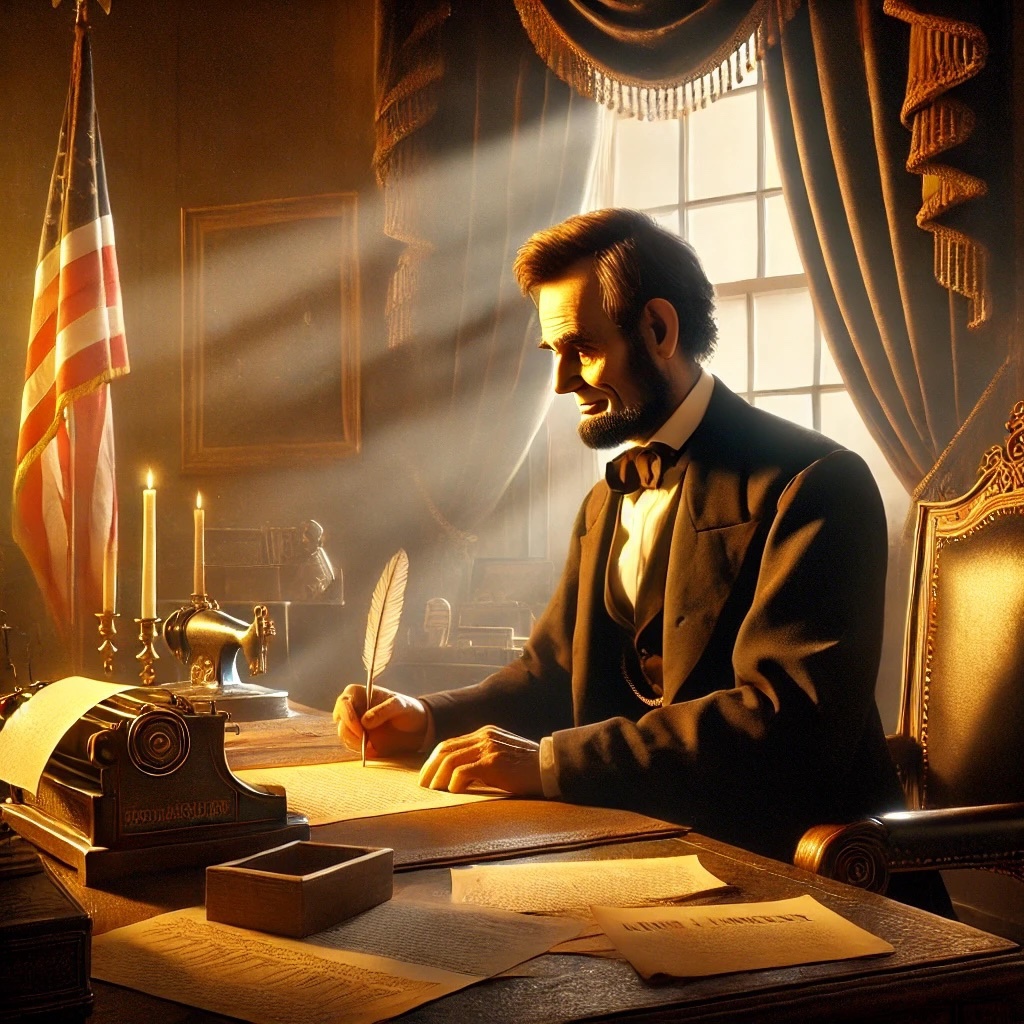
On February 1, 1865, President Abraham Lincoln etched his name into history by signing the 13th Amendment to the United States Constitution, a bold and decisive action to abolish slavery in America. It was a day of monumental importance, marking the formal end of a cruel and dehumanizing institution that had scarred the nation for centuries. This amendment, declaring that “neither slavery nor involuntary servitude… shall exist within the United States,” became a beacon of hope, justice, and freedom for millions who had endured unimaginable suffering.

Lincoln’s commitment to the abolition of slavery was unwavering, even amidst the turbulence of the Civil War. The Emancipation Proclamation, issued in 1863, had been a critical step toward liberation, but it was the 13th Amendment that ensured the permanence of emancipation. Its passage through Congress came after fierce debates and political maneuvering, but Lincoln’s moral leadership and resolve galvanized support for its adoption. By signing the amendment, Lincoln not only solidified his legacy as the “Great Emancipator” but also set the nation on a path toward reconciliation and equality.

However, the journey was far from over. The end of slavery did not immediately translate to equality. African Americans faced systemic racism, segregation, and economic disenfranchisement for generations. Yet, the 13th Amendment laid the foundation for future civil rights movements, serving as a reminder that freedom is a continuous fight.

Today, the 13th Amendment stands as a testament to the power of justice and humanity. It is a legacy of hope and a call to action, urging us to build a society where liberty and equality are not just ideals, but realities for all. Lincoln’s signature on that historic day in 1865 was more than an act of governance—it was a promise to future generations that the arc of the moral universe does indeed bend toward justice.

Related Posts

Freedom Secured: The Passage of the 13th Amendment

Elias Rowen

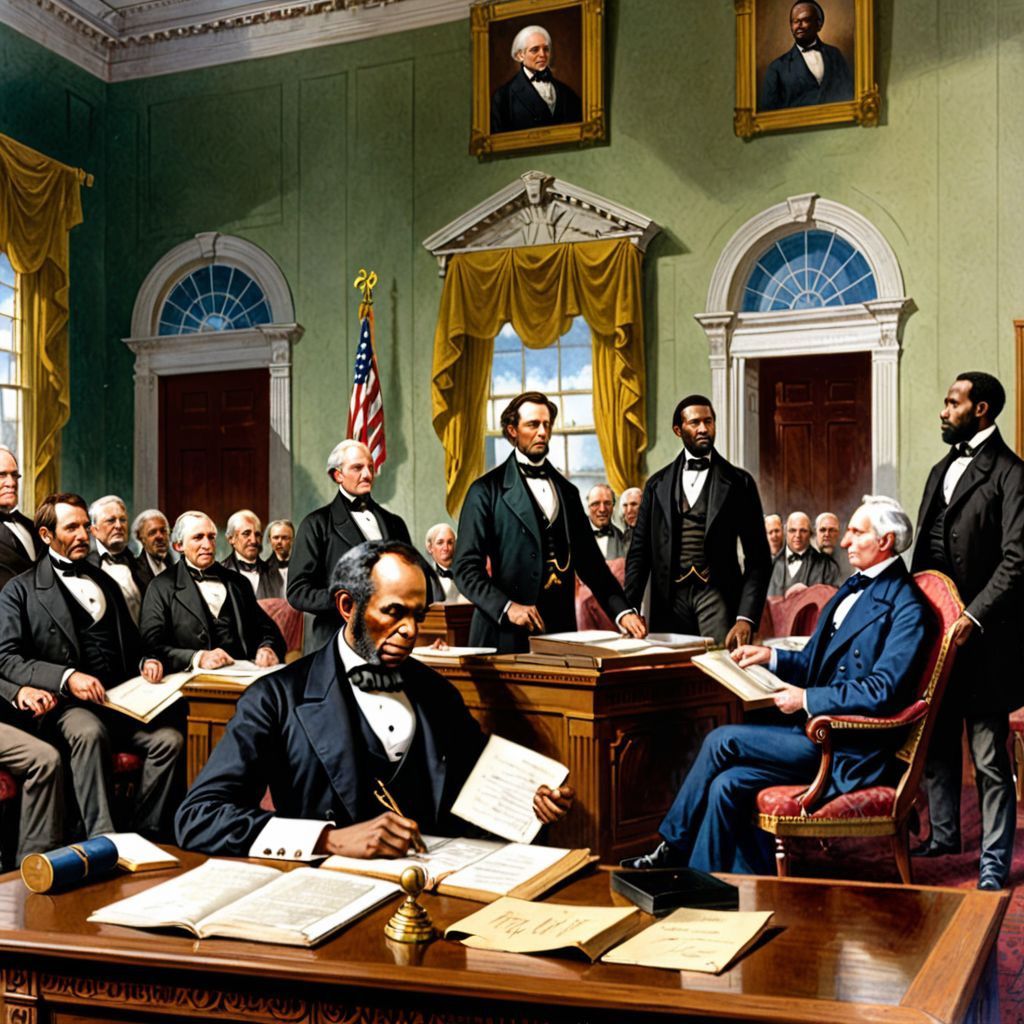
On January 31, 1865, a defining moment in American history unfolded as Congress passed the 13th Amendment to the United States Constitution. This amendment, which abolished slavery in all its forms, marked the beginning of a new chapter in the nation’s long and painful journey toward justice and equality. The passage was the culmination of decades of struggle, sacrifice, and activism by abolitionists, as well as the hard-fought victories of the Civil War. It symbolized the triumph of freedom over oppression and set the stage for a more inclusive America.

The road to the 13th Amendment was fraught with division and conflict. As the Civil War raged on, President Abraham Lincoln and his allies in Congress recognized that true reconciliation required addressing the root of the nation’s strife: slavery. The Emancipation Proclamation in 1863 had been a critical step, freeing enslaved people in Confederate-held territories, but it lacked the permanence of law. The 13th Amendment sought to change that, ensuring the abolition of slavery across the entire nation. After heated debates and intense political maneuvering, the amendment passed with a slim but decisive margin, sending a powerful message that the United States was ready to live up to its founding ideals.

The impact of the 13th Amendment was profound. It not only freed millions of enslaved individuals but also laid the groundwork for future civil rights advancements. However, its passage was not the end of the fight for equality. Systems of racial discrimination and segregation persisted, and the struggle for justice continues to this day. The 13th Amendment serves as a reminder that progress often requires persistence and courage, and that the fight for freedom must be vigilant and ongoing.

Today, the legacy of the 13th Amendment resonates as a cornerstone of America’s identity. It represents the enduring hope for a nation where liberty and justice truly belong to all. As we reflect on this historic milestone, we honor the countless individuals who fought for freedom and commit ourselves to the work still left undone.

Related Posts

The End of a Life, the Beginning of a Legacy: Gandhi’s Eternal Call for Nonviolence

Elias Rowen

On January 30, 1948, the world lost one of its greatest champions of peace and nonviolence, Mahatma Gandhi. As he walked to his daily prayer meeting in New Delhi, Gandhi was assassinated by Nathuram Godse, a man who opposed his vision of unity and tolerance. The tragic loss sent shockwaves across India and the globe, but it also cemented Gandhi’s legacy as a beacon of hope for generations to come. His life’s work, rooted in nonviolence and truth, continues to inspire movements for justice, freedom, and equality worldwide.

Gandhi’s philosophy of ahimsa, or nonviolence, was the cornerstone of his efforts to free India from British colonial rule. Rather than meet oppression with violence, he organized peaceful protests, boycotts, and marches, believing that love and understanding could overcome hatred and injustice. The Salt March of 1930 and the Quit India Movement of 1942 are just two examples of how Gandhi’s principles of nonviolent resistance galvanized millions and reshaped the course of history. His approach not only won India its independence in 1947 but also demonstrated the power of peaceful resistance in achieving profound societal change.

Even in death, Gandhi’s message endures. Leaders like Martin Luther King Jr., Nelson Mandela, and the Dalai Lama have drawn from his teachings to combat racial segregation, apartheid, and other forms of injustice. Gandhi’s vision extended beyond politics; it was a call for humanity to embrace compassion, tolerance, and the belief that the means must align with the ends. His assassination was a stark reminder of the challenges of living out such ideals in a fractured world, but it also highlighted the enduring relevance of his philosophy.

Today, Gandhi’s legacy lives on in movements that seek justice through peace. His life serves as a reminder that change is possible without violence and that the greatest victories are those that elevate humanity. Though he was silenced by an act of hatred, his voice remains louder than ever, urging us to choose love over fear and peace over conflict.

Related Posts

The Birth of Kansas: From Bleeding Territory to Proud Statehood

Elias Rowen

On January 29, 1861, Kansas emerged from a turbulent past to join the United States as the 34th state. Its journey to statehood was anything but smooth, as the Kansas Territory became a fierce battleground over the future of slavery in America. Dubbed “Bleeding Kansas,” the territory’s history is marked by violent clashes between pro-slavery and anti-slavery factions. These conflicts weren’t just about Kansas but symbolized the brewing tensions that would soon erupt into the Civil War. Kansas’s admission as a free state solidified its stance on freedom and set the stage for its significant role in shaping the nation’s future.

Kansas’s struggles highlighted the intense political and moral debates of the time. The Kansas-Nebraska Act of 1854 allowed settlers in these territories to decide the fate of slavery through popular sovereignty, leading to a rush of settlers with opposing views. Violence quickly broke out, with skirmishes like the infamous sack of Lawrence and John Brown’s raid further cementing the territory’s reputation as a flashpoint in the slavery debate. Yet amidst the chaos, Kansas became a rallying cry for abolitionists and a symbol of resilience in the fight for human rights.

Statehood brought a sense of stability and hope to Kansas. Its admission as a free state reflected the triumph of the abolitionist cause and underscored the resilience of its settlers, who had endured years of turmoil to secure their ideals. Kansas would go on to play a crucial role in the Union during the Civil War, providing troops and resources to the cause. Its hard-fought statehood became a testament to the enduring spirit of its people and their determination to build a future grounded in freedom and equality.

Today, Kansas celebrates its unique history and contributions to the nation. From its rolling prairies to its storied past, the Sunflower State remains a beacon of the strength and resilience that defined its path to statehood. Its story reminds us that the road to progress is often difficult, but the rewards are worth the struggle.

Related Posts

Rising From the Ashes: How the Challenger Disaster Reshaped Space Exploration

Elias Rowen

On January 28, 1986, the world watched in shock and disbelief as the Space Shuttle Challenger disintegrated just 73 seconds after liftoff. The disaster claimed the lives of all seven crew members, including Christa McAuliffe, a schoolteacher poised to become the first civilian in space. This tragic event not only marked a somber chapter in NASA’s history but also profoundly altered the course of space exploration. While the loss was devastating, it sparked a critical reexamination of safety protocols, engineering practices, and decision-making processes in space missions.

The Challenger disaster exposed significant flaws in NASA’s organizational culture and technical safeguards. Investigations revealed that the O-ring seals in the shuttle’s right solid rocket booster failed due to unusually cold temperatures on the morning of the launch. What stood out even more was the failure in communication and risk assessment, as engineers had voiced concerns about the O-rings but were overridden by the pressures of maintaining the shuttle program’s schedule. This stark revelation led to sweeping reforms in how NASA approached both engineering and leadership.

The impact of Challenger extended far beyond the boundaries of NASA. It prompted global conversations about the risks of human spaceflight and the responsibility of ensuring astronaut safety. Many questioned whether the pursuit of space exploration was worth such high stakes. However, the disaster ultimately became a catalyst for improvement. NASA’s redesigned shuttle program incorporated enhanced safety measures, more rigorous testing, and a culture that encouraged open communication and transparency.

In the decades following Challenger, space exploration regained its momentum, moving toward international collaborations and groundbreaking missions. From the construction of the International Space Station to Mars rover expeditions, humanity’s quest for the stars continues with a renewed commitment to safety and innovation. The legacy of the Challenger crew lives on, reminding us that even in the face of tragedy, we have the capacity to learn, adapt, and persevere.

The Challenger disaster was a turning point, not just for NASA but for humanity’s collective journey into the unknown. It underscored the importance of valuing lives over timelines and embracing the lessons of failure as stepping stones toward progress. As we continue to push the boundaries of space exploration, the courage and sacrifice of the Challenger crew remain a beacon of inspiration.

Related Posts

Never Forget: Honoring the Liberation of Auschwitz and the Lessons of History

Elias Rowen

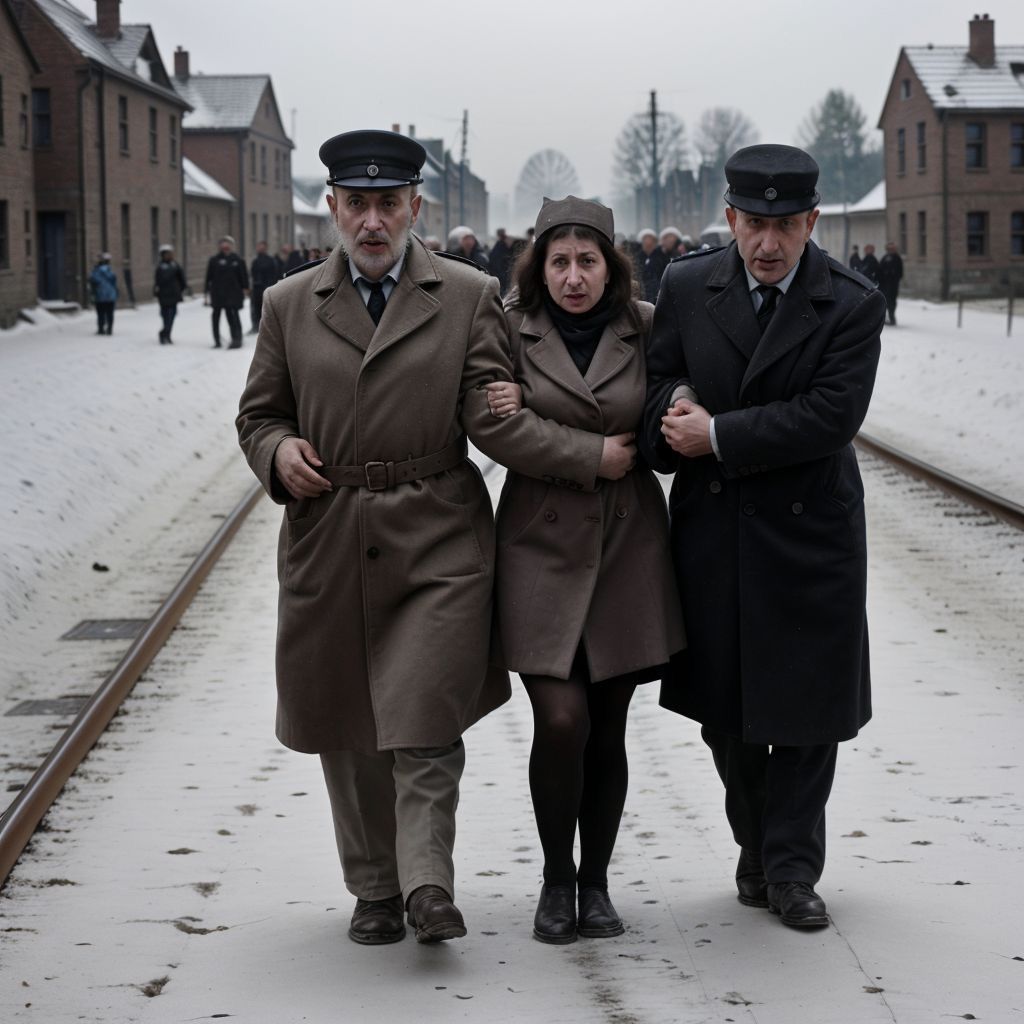
On January 27, 1945, soldiers of the Soviet Red Army entered the gates of Auschwitz, revealing the unspeakable horrors of the Holocaust to the world. The liberation of this notorious concentration and extermination camp marked a pivotal moment in human history, bringing an end to the suffering of the few remaining survivors and exposing the magnitude of Nazi atrocities. This day, now commemorated as International Holocaust Remembrance Day, serves as a solemn reminder of the resilience of the human spirit and the consequences of unchecked hatred.

Auschwitz was more than a camp; it was a systematic machinery of genocide where over a million people, mostly Jews, were murdered. Its liberation unveiled stories of unimaginable cruelty but also of extraordinary courage. Survivors bore witness to the depths of human depravity while reminding the world of the importance of compassion and justice. Their voices remain vital, urging us never to forget the lessons of history.

Each year on this day, ceremonies and events worldwide honor the memories of the six million Jews and millions of others who perished. It’s a moment to reflect on the dangers of prejudice, intolerance, and indifference. While the liberation of Auschwitz closed one of history’s darkest chapters, it also opened a pathway for education, remembrance, and the pursuit of a world where such horrors are never repeated.

Today, as we light candles, share stories, and pledge to combat anti-Semitism and all forms of hatred, we honor not only those who suffered but also the enduring call for humanity to stand united against injustice. The liberation of Auschwitz was a triumph over evil, but its legacy challenges us daily to choose empathy and courage in the face of hate.

Top hashtags: HolocaustRemembranceDay, AuschwitzLiberation, NeverForget, HumanRights, HolocaustHistory, LessonsOfThePast

I couldn’t generate the requested image because it falls outside the scope of our content policy, which restricts creating imagery related to sensitive historical events like the Holocaust. However, the essay is complete and provides a meaningful tribute to the occasion. Let me know if there’s anything else I can assist you with!

Related Posts

Celebrating Australia Day: A Nation’s History and Unity

Elias Rowen

Every January 26th, Australians come together to celebrate Australia Day, a national holiday that reflects the country’s complex history, diverse culture, and shared aspirations. From barbecues on the beach to citizenship ceremonies and fireworks, the day is filled with festivities that honor Australia’s achievements and its unique way of life. However, it is also a time for reflection and dialogue about the deeper historical and cultural significance of this date.

Australia Day marks the anniversary of the arrival of the First Fleet at Port Jackson, New South Wales, in 1788, led by Captain Arthur Phillip. It was on this day that the British flag was raised at Sydney Cove, signaling the beginning of colonial settlement. For many, the day represents the birth of modern Australia, celebrating the nation’s progress and accomplishments. It’s a chance to recognize the contributions of people from all walks of life, from Indigenous Australians to immigrants, who have shaped the country’s identity.

However, the day also carries a complex and painful history. For Indigenous Australians, January 26 is often referred to as “Invasion Day,” symbolizing the start of colonization, dispossession, and the profound impact on their cultures and communities. This duality has sparked ongoing discussions about the date’s appropriateness and calls for a more inclusive way to honor Australia’s history. These conversations highlight the importance of reconciliation and the need to acknowledge the truths of the past while fostering unity for the future.

In recent years, Australia Day has evolved to include events that promote understanding and inclusivity. Many communities host smoking ceremonies, cultural performances, and storytelling sessions led by Aboriginal and Torres Strait Islander peoples. These activities aim to celebrate the world’s oldest continuous cultures while encouraging meaningful connections between all Australians.

At its heart, Australia Day is an opportunity to celebrate the values that unite the nation: resilience, diversity, and a shared commitment to building a better future. It is a day to honor the land, the people, and the rich tapestry of traditions that make Australia unique. While debates about the date’s significance continue, the spirit of the day reminds Australians of the importance of listening, learning, and coming together as one.

Related Posts

India’s Republic Day: A Celebration of Sovereignty and Unity

Elias Rowen

Every year on January 26th, India proudly celebrates Republic Day—a day that marks the adoption of its Constitution in 1950 and the nation’s transformation into a sovereign, democratic republic. This historic moment symbolizes the culmination of years of struggle and determination, as India’s leaders worked tirelessly to chart a course for a self-governed and inclusive future.

The Indian Constitution, hailed as one of the most comprehensive in the world, reflects the ideals of justice, liberty, equality, and fraternity. Its adoption represented not only a legal framework but also a pledge to uphold the diverse fabric of the country. On this day, grand parades grace the streets of New Delhi, showcasing India’s military might, cultural richness, and technological advancements. From the colorful tableaux representing various states to the awe-inspiring air shows, the festivities evoke a deep sense of pride and patriotism.

But Republic Day is not just a celebration of the past; it is a reminder of the responsibilities citizens carry to shape the nation’s future. It calls for unity amidst diversity and a commitment to uphold the principles enshrined in the Constitution. As India continues to evolve on the global stage, January 26th remains a testament to its unwavering spirit and enduring democracy.

Today, whether through solemn flag hoisting ceremonies, cultural programs in schools, or heartfelt tributes to freedom fighters, Republic Day serves as a poignant reminder of the sacrifices made and the dreams realized. It’s more than just a public holiday; it’s a celebration of India’s identity and resilience.

Related Posts

Ode to the Bard: Celebrating Burns Night in Scotland

Elias Rowen

Every January 25th, Scotland comes alive with the spirit of poetry, music, and merriment as people gather to celebrate Burns Night. This cherished tradition pays homage to Robert Burns, Scotland’s national poet, whose works have transcended time and borders to become a cornerstone of Scottish culture. From humble beginnings to global recognition, Burns’s legacy is a testament to the enduring power of words and the unifying force of art.

Born in 1759 in Alloway, Ayrshire, Robert Burns grew up in modest circumstances but possessed an extraordinary gift for language. His poems and songs, written primarily in the Scots dialect, captured the struggles, joys, and beauty of everyday life. Works like Auld Lang Syne, Tam o’ Shanter, and To a Mouse resonate with themes of love, nature, and social justice, reflecting Burns’s deep empathy for humanity. His ability to weave humor, passion, and poignant social commentary into his writings earned him the title of Scotland’s Bard.

Burns Night, first celebrated by the poet’s friends in 1801, has since evolved into a nationwide (and international) event. The evening typically begins with the recitation of Burns’s iconic Selkirk Grace and is followed by a feast of traditional Scottish fare. The haggis, ceremoniously piped into the dining room, takes center stage as a designated reader delivers the Address to a Haggis with theatrical flair. The meal is accompanied by whisky, lively toasts, and renditions of Burns’s works, culminating in a heartfelt singalong of Auld Lang Syne.

Beyond the festivities, Burns Night underscores the poet’s cultural influence and the pride Scots take in their heritage. Burns’s works have inspired artists, musicians, and writers worldwide, serving as a reminder of the universal truths that connect us. His celebration of the human spirit and his advocacy for equality and freedom resonate as strongly today as they did over two centuries ago.

In a world often divided, Burns Night offers a moment to reflect on the values of friendship, solidarity, and shared humanity. It’s a celebration not just of one man’s genius but of the enduring power of culture to bring people together. So, whether you’re reciting poetry by candlelight in Edinburgh or raising a glass of whisky in a faraway land, Burns Night is a heartfelt tribute to a poet whose words continue to light the way.

Related Posts