Author: Elias Rowen

I enjoy writing about events that happened on specific days of the year. There’s something fascinating to me about the idea that every date carries its own story—moments when history quietly turned a corner or suddenly exploded into something unforgettable. I don’t focus on famous people as much as I focus on the moments themselves. I like digging into what was happening on that particular day, what led up to it, and what followed after. When I write, I try to bring readers into the moment, to capture what it might have felt like as events were unfolding in real time, before anyone knew how things would turn out. For me, history isn’t just a list of dates and facts. It’s a collection of lived moments that still ripple into the present. My goal is to turn calendar dates into stories that feel real, relatable, and worth remembering.

The Tragic Loss of a NASCAR Legend: Dale Earnhardt Sr.’s Final Lap

Elias Rowen

On February 18, 2001, the world of NASCAR was forever changed by the tragic death of one of its most iconic figures, Dale Earnhardt Sr. Known as “The Intimidator” for his aggressive driving style and unwavering confidence, Earnhardt was at the pinnacle of his career when he crashed during the final lap of the Daytona 500. The crash occurred on the last turn of the race, and despite efforts to resuscitate him, Earnhardt succumbed to his injuries at the age of 49. His passing shocked the motorsports community, as Earnhardt had not only been a dominant force on the track, but also a beloved figure who represented the heart and soul of NASCAR.

Earnhardt’s legacy, however, transcended that fateful day. With seven NASCAR Cup Series championships and 76 career wins, he had built a career that would go down in history as one of the greatest in the sport. His fierce rivalries, his role as a mentor to younger drivers, and his relentless pursuit of victory made him a fan favorite. But beyond the statistics, Earnhardt was a symbol of the passion and grit that define NASCAR. His death, while heartbreaking, led to crucial changes in the sport’s safety protocols, including improvements in the design of race cars and the introduction of the HANS (Head and Neck Support) device, a life-saving technology that continues to protect drivers to this day.

The loss of Dale Earnhardt Sr. was a somber moment in sports history, but his impact on NASCAR remains undeniable. His influence continues to be felt through the many drivers and fans who still revere his memory, and his legacy serves as a reminder of the dangers and thrills that come with high-speed racing.

Related Posts

The Discovery of Pluto: A Journey Into the Unknown

Elias Rowen

On February 18, 1930, astronomer Clyde Tombaugh made a groundbreaking discovery that would change our understanding of the solar system forever: Pluto. Tombaugh, working at the Lowell Observatory in Arizona, was tasked with the hunt for a potential ninth planet, which had been speculated to exist based on irregularities in the orbits of Neptune and Uranus. Using a technique called “blink comparison,” Tombaugh examined photographic plates taken months apart, spotting a tiny, moving dot that proved to be a distant celestial body. This marked the first time Pluto had been seen by human eyes, and it was quickly confirmed as the ninth planet of our solar system.

For years, Pluto was celebrated as a planet, a tiny but intriguing world at the fringes of the solar system. Its discovery expanded our knowledge and sparked imaginations, as scientists and the public alike wondered about its composition, atmosphere, and potential for life. However, as our technology and understanding of the cosmos advanced, Pluto’s status was later reconsidered. In 2006, the International Astronomical Union (IAU) redefined what constitutes a planet, demoting Pluto to “dwarf planet” status. While this change was met with disappointment by some, the discovery of Pluto remains a milestone in the history of astronomy, igniting our curiosity and fueling the quest to explore the farthest reaches of space.

In a world constantly expanding its horizons, the story of Pluto reminds us that there is always more to discover—whether it’s in our backyard or the farthest reaches of our universe.

Related Posts

Breaking the Ice: Nixon’s Historic Visit to China

Elias Rowen

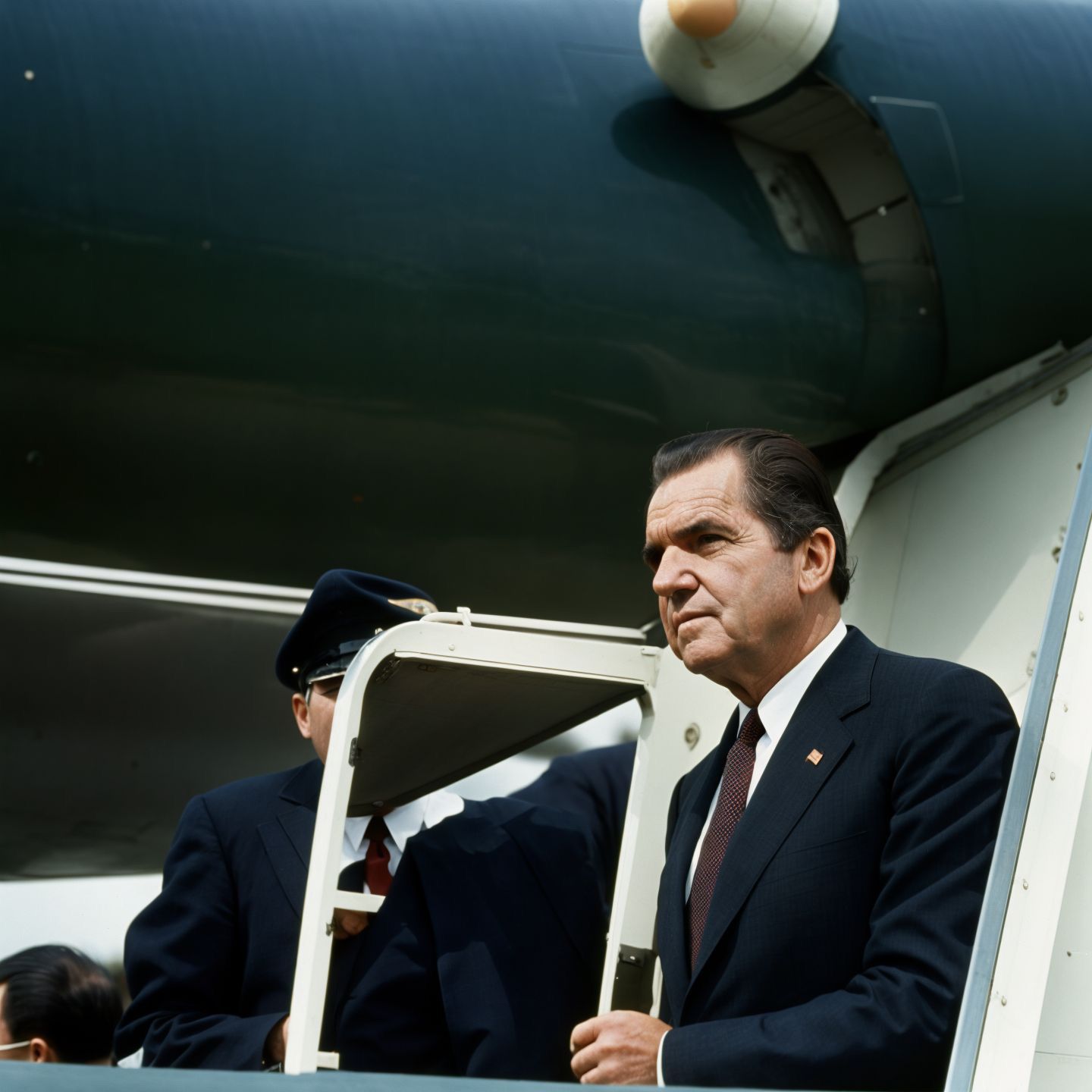
On February 21, 1972, President Richard Nixon arrived in Beijing, marking a groundbreaking moment in international diplomacy. His visit to the People’s Republic of China was the first by a sitting U.S. president and a strategic move that reshaped global politics. At a time when Cold War tensions were at their peak, Nixon’s trip signaled the beginning of a new relationship between the two superpowers and a shift in the global balance of power.

For over two decades, the United States and China had been locked in a diplomatic freeze, with little to no formal communication. The Chinese Communist Party, led by Chairman Mao Zedong, had been isolated from the West, while the U.S. remained deeply entrenched in its policy of containment against communism. However, Nixon, known for his staunch anti-communist stance, saw an opportunity to leverage China as a counterbalance to the Soviet Union. With the help of Secretary of State Henry Kissinger, secret diplomatic negotiations paved the way for what Nixon would later call “the week that changed the world.”

During his seven-day visit, Nixon met with both Chairman Mao and Premier Zhou Enlai, engaging in high-level discussions on trade, diplomacy, and geopolitical strategy. The visit was highly symbolic, as Nixon toured the Great Wall and attended cultural events, demonstrating a willingness to bridge the ideological divide. The trip culminated in the Shanghai Communiqué, a joint statement that laid the foundation for future U.S.-China relations. While the two nations still had significant differences, they agreed to pursue peaceful coexistence and economic engagement.

Nixon’s visit had profound and lasting effects. It not only opened diplomatic channels between the U.S. and China but also shifted the global power dynamic, pressuring the Soviet Union to engage in arms control talks. Over time, China emerged as a key player in the global economy, and U.S.-China relations became one of the most critical bilateral relationships of the modern era.

Though Nixon’s presidency ended in scandal with Watergate, his trip to China remains one of his most significant achievements, proving that diplomacy, even between ideological adversaries, can change the course of history.

Related Posts

The CSS Hunley: The Submarine That Changed Naval Warfare

Elias Rowen

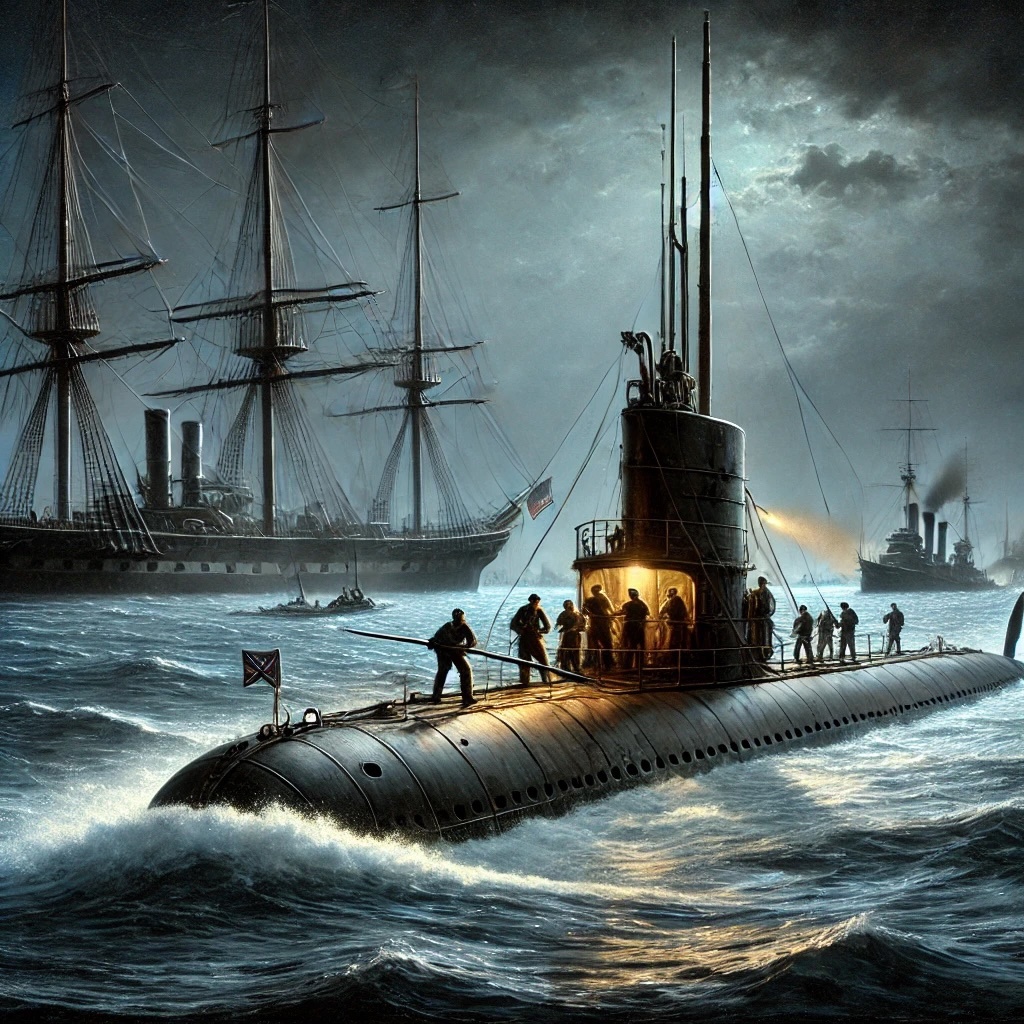
On the night of February 17, 1864, history was made beneath the waters of Charleston Harbor. The Confederate submarine CSS Hunley became the first underwater vessel to successfully sink an enemy warship, the USS Housatonic, during the American Civil War. This daring and unprecedented feat marked a pivotal moment in naval warfare, demonstrating the potential of submarines in combat.

The Hunley, a hand-cranked, cylindrical vessel, was a marvel of engineering for its time. Measuring only about 40 feet in length and operated by a small crew of eight, it was designed to deliver a deadly torpedo strike against Union blockading ships. The Confederate forces hoped that such innovative tactics could break the stranglehold of the Union blockade, which was crippling the Southern economy.

On that fateful night, the Hunley stealthily approached the USS Housatonic and deployed its spar torpedo, which detonated upon impact, causing the massive warship to sink within minutes. However, the victory came at a great cost—the Hunley and its brave crew never returned. The submarine mysteriously vanished beneath the waves, leaving behind a legacy of heroism and intrigue.

For over a century, the fate of the Hunley remained one of the Civil War’s greatest mysteries. It wasn’t until 1995 that the wreck was discovered, and in 2000, it was finally raised from its watery grave. Extensive research and conservation efforts have since provided valuable insights into its final moments and the pioneering spirit of those who sailed her.

Today, the Hunley is preserved as a testament to early submarine warfare and the ingenuity of those who sought to change the course of history. Its daring mission, though tragic, paved the way for the development of modern naval technology and remains an enduring story of courage and innovation.

Related Posts

Fidel Castro Rises to Power: Cuba’s Revolutionary Turning Point

Elias Rowen

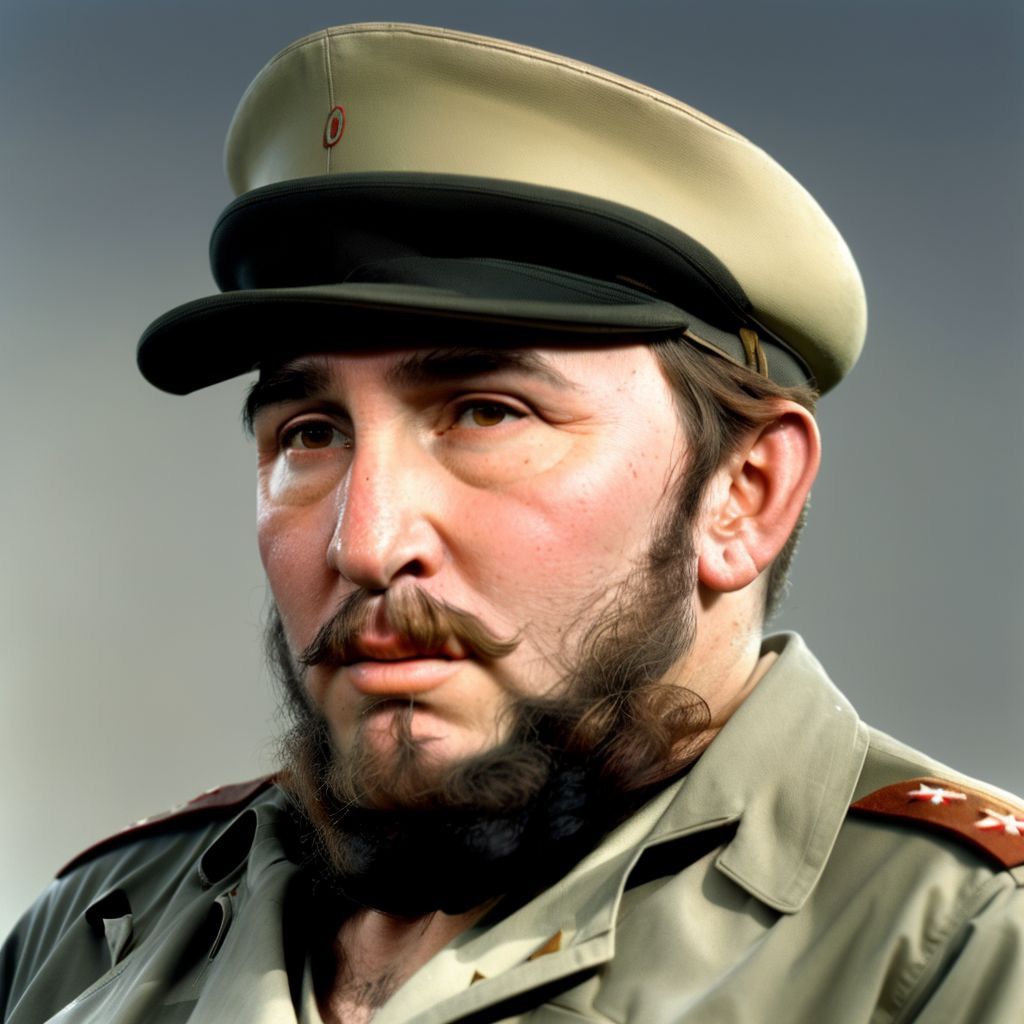
On February 16, 1959, Fidel Castro was sworn in as the premier of Cuba, marking the beginning of a new era in the island nation’s history. After years of guerrilla warfare and a successful revolution against the U.S.-backed dictator Fulgencio Batista, Castro and his revolutionary forces seized control of Havana, ushering in a socialist government that would redefine Cuba’s political and economic landscape for decades to come.

Castro’s rise was fueled by widespread discontent with Batista’s corrupt and oppressive regime. The Cuban people, burdened by economic inequality and political repression, rallied behind Castro’s vision of a more just and independent Cuba. His revolutionary movement, the 26th of July Movement, had fought tirelessly from the Sierra Maestra mountains, ultimately toppling Batista’s government on January 1, 1959. By the time Castro assumed the role of premier, he had already captured the imagination of his supporters and the suspicion of foreign powers, particularly the United States.

Once in power, Castro swiftly implemented sweeping reforms. Land redistribution policies aimed at empowering the working class, while nationalization efforts sought to reduce foreign influence over Cuban industries. These bold moves, however, placed Cuba on a collision course with the U.S., leading to economic sanctions and diplomatic tensions that would define much of Castro’s rule. His alignment with the Soviet Union intensified Cold War hostilities, culminating in pivotal events like the Bay of Pigs invasion in 1961 and the Cuban Missile Crisis in 1962.

Despite the controversies and challenges, Castro remained in power for nearly five decades, shaping Cuba into a symbol of socialist resilience. His tenure was marked by both achievements—such as advancements in healthcare and education—and criticisms of authoritarian rule. While opinions on his leadership remain divided, there is no denying that his ascension to power in 1959 was one of the most transformative moments in modern history.

Related Posts

Unsealing the Past: Howard Carter and the Discovery of King Tut’s Tomb

Elias Rowen

1923 was a landmark year in the field of archaeology as British Egyptologist Howard Carter finally unsealed the burial chamber of King Tutankhamun, revealing one of the most well-preserved and intact tombs ever discovered in the Valley of the Kings. This moment was the culmination of years of painstaking work and unrelenting determination, marking one of the greatest discoveries of the 20th century.

The journey to King Tut’s tomb began in 1922 when Carter, funded by Lord Carnarvon, uncovered the entrance to the boy king’s final resting place. After months of careful excavation, the moment of truth arrived on February 16, 1923. As Carter peered through a small opening into the burial chamber, he famously described seeing “wonderful things”—a sight that had remained hidden for over 3,000 years. The tomb was filled with golden artifacts, intricate furniture, statues, chariots, and the legendary sarcophagus of the young pharaoh.

Unlike other tombs that had been plundered over the centuries, King Tut’s burial site was remarkably intact, offering an unprecedented glimpse into ancient Egyptian burial practices and royal life. The artifacts and treasures found within the tomb provided scholars with invaluable insights into the 18th Dynasty and the enigmatic reign of the boy king. From the intricately designed death mask to the jewelry and weapons buried alongside him, each object told a story of a civilization that once thrived along the Nile.

However, the discovery was not without controversy. Reports of the so-called “Curse of the Pharaohs” spread like wildfire after Lord Carnarvon’s sudden death a few months later, fueling speculation that disturbing the tomb had unleashed an ancient curse. While modern science dismisses such claims as superstition, the legend of the curse added a layer of mystery to an already fascinating historical event.

Today, the treasures of King Tut’s tomb continue to captivate the world, traveling through museum exhibitions and shedding light on the splendor of ancient Egypt. Howard Carter’s discovery remains one of the most significant in archaeological history, forever changing our understanding of the past. The moment he unsealed the tomb was not just a breakthrough in Egyptology but a gateway into an ancient world that continues to mesmerize and inspire generations.

Related Posts

The Spark That Ignited a War: The USS Maine Explosion of 1898

Elias Rowen

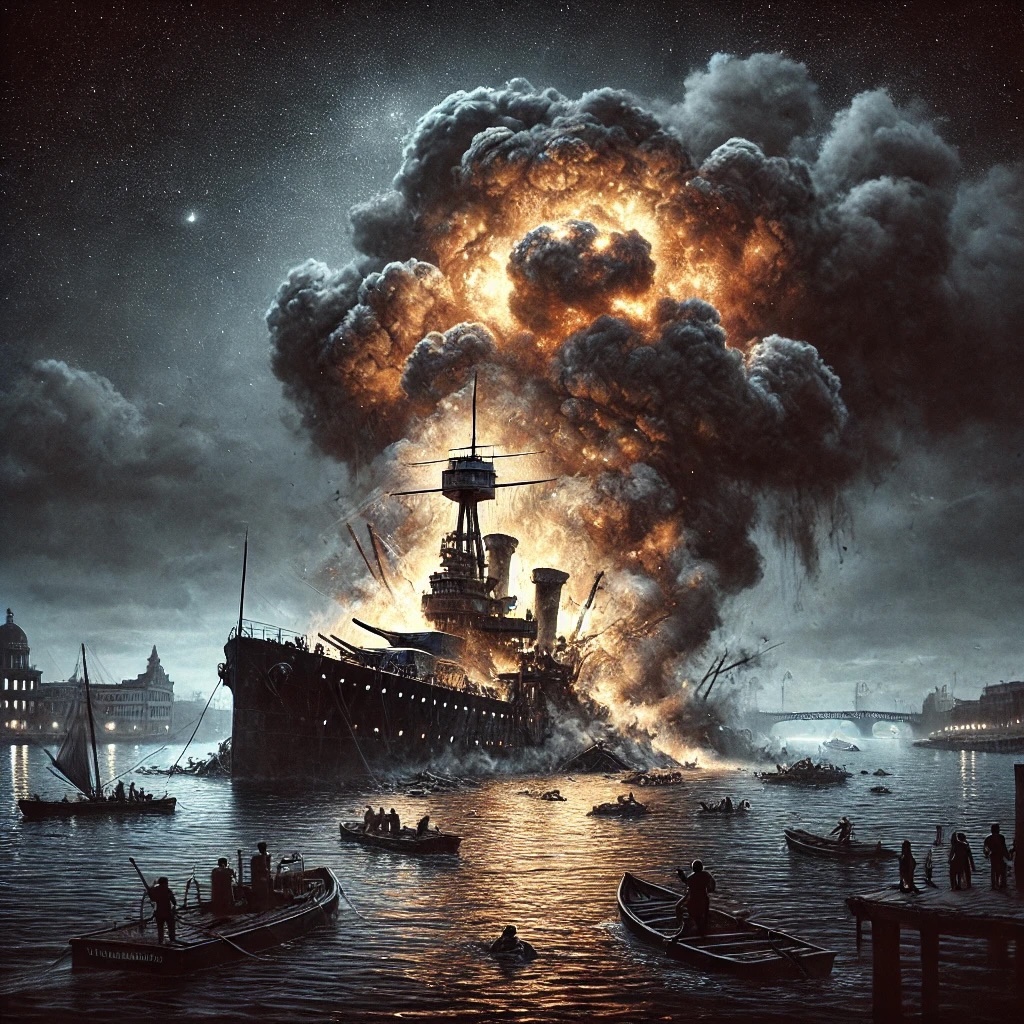
On the night of February 15, 1898, a massive explosion rocked the USS Maine, a U.S. Navy battleship anchored in Havana Harbor, Cuba. The blast tore through the vessel, killing 266 American sailors and plunging the nation into mourning. The mysterious destruction of the Maine became the catalyst for the Spanish-American War, fueling tensions between the United States and Spain. Though the true cause of the explosion remains a subject of debate, its immediate effect was undeniable: cries of “Remember the Maine, to hell with Spain!” echoed across the country, rallying public support for war.

At the time, Cuba was under Spanish rule, and the island was embroiled in a struggle for independence. The United States, already sympathetic to the Cuban rebels, had sent the Maine to Havana as a show of support and protection for American interests. When the ship exploded, yellow journalism—sensationalized reporting from newspapers like The New York Journal and The New York World—seized the moment, fanning the flames of war with dramatic headlines blaming Spain. The U.S. government, under President William McKinley, demanded answers, but when diplomacy failed, Congress declared war on Spain in April 1898.

The Spanish-American War was brief but transformative. In just a few months, U.S. forces achieved decisive victories in Cuba and the Philippines, signaling America’s emergence as a global power. Spain, unable to withstand the American military onslaught, surrendered in August, ceding control of Cuba, Puerto Rico, Guam, and the Philippines to the United States. Though the war was over, the explosion of the Maine remained an unsolved mystery. Modern investigations suggest that the blast was likely caused by an internal coal bunker fire igniting ammunition rather than a Spanish attack. However, at the time, the prevailing narrative served its purpose—ushering the U.S. into a war that reshaped its role in world affairs.

The USS Maine’s tragic end is a reminder of how a single event can alter history. Whether an accident or an act of war, its explosion led to a conflict that reshaped the geopolitical landscape and cemented the United States’ influence overseas. More than a century later, the Maine remains a symbol of the power of media, the complexities of war, and the lasting consequences of a moment in history.

Related Posts

The Birth of a National Symbol: Canada’s Maple Leaf Flag

Elias Rowen

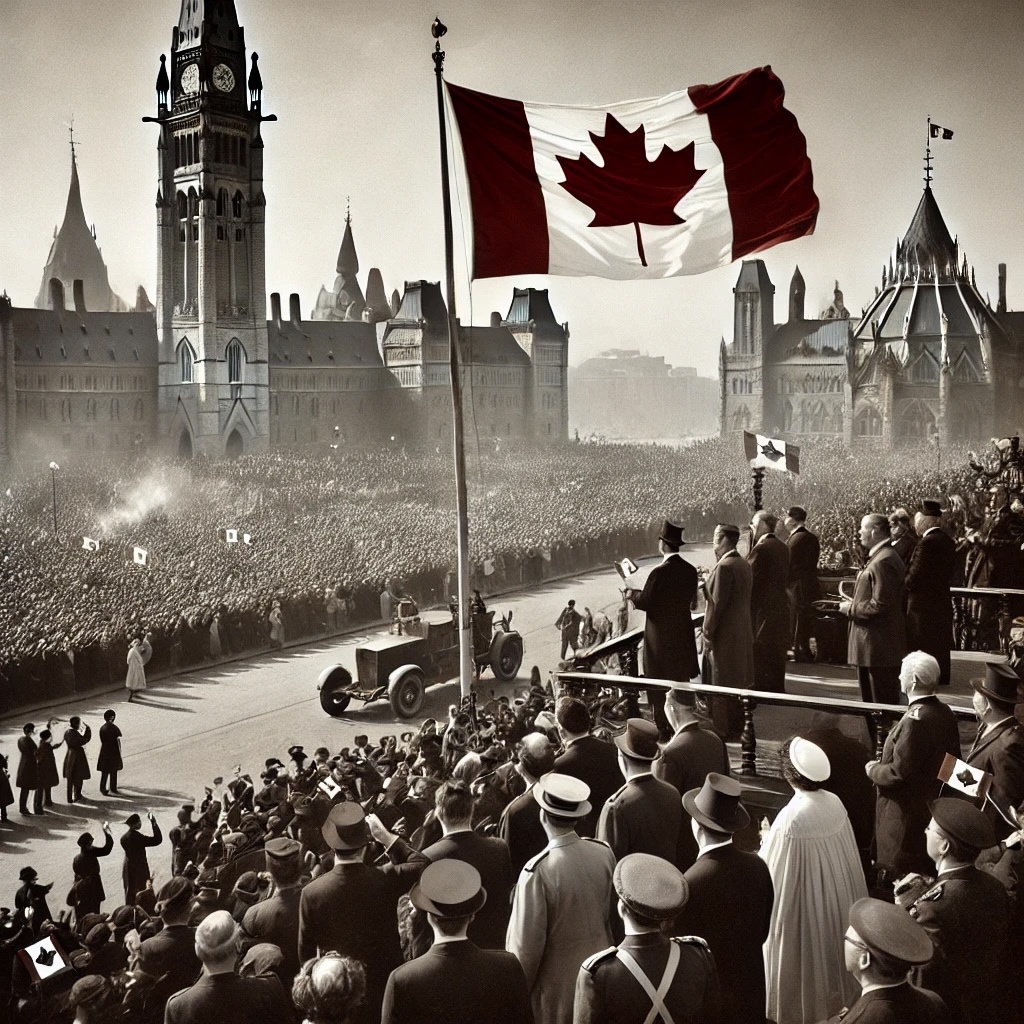
On February 15, 1965, Canada officially raised its now-iconic red-and-white maple leaf flag for the first time, marking a historic moment in the nation’s identity. Before this, Canada had used variations of the British Red Ensign, which included the Union Jack, symbolizing its colonial ties to the United Kingdom. However, as Canada grew into a more independent and distinct nation, the need for a unique national flag became undeniable. The adoption of the maple leaf design was a bold step toward establishing a singular Canadian identity, one that would unite people from coast to coast under a common emblem.

The journey to a new flag was not without controversy. Prime Minister Lester B. Pearson, a strong advocate for change, faced significant opposition, especially from those who wanted to retain the Red Ensign. The debate raged in Parliament for months, with traditionalists fearing that removing the Union Jack would erase Canada’s British heritage. After extensive discussions, a design by George F. G. Stanley, featuring a simple red maple leaf flanked by two vertical red bars, was selected. Its clean, striking look resonated with Canadians and quickly became a beloved national icon.

The new flag’s symbolism was powerful. The maple leaf had long been associated with Canada, appearing on military insignia, coins, and patriotic imagery. Its adoption as the official flag solidified its status as the country’s defining emblem. The red and white colors, officially recognized as Canada’s national colors by King George V in 1921, further emphasized the country’s unity. When the flag was raised for the first time on Parliament Hill in Ottawa, it marked a new era—one in which Canada stood proudly as its own nation, distinct from its colonial past.

Today, the maple leaf flag is recognized worldwide as a symbol of Canada’s values: inclusivity, peace, and national pride. It flies over government buildings, schools, and homes, and it’s proudly displayed by Canadians traveling abroad. More than just a piece of fabric, it represents the country’s journey toward independence and unity. The adoption of the maple leaf flag was not just a change in design—it was a declaration of Canada’s identity on the world stage.

Related Posts

The Tragic Fall of Catherine Howard: A Queen’s Fatal Mistake

Elias Rowen

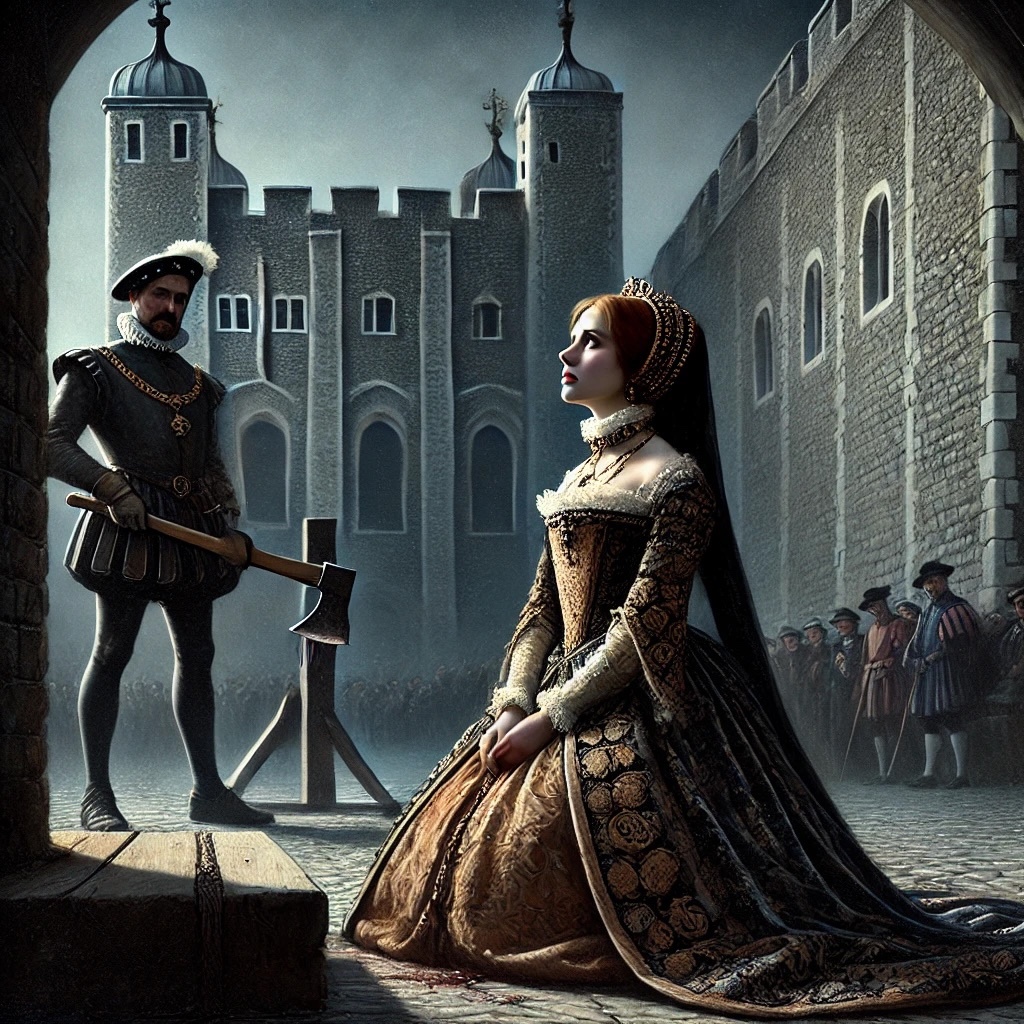
1542 marked the grim end of Catherine Howard, the fifth wife of King Henry VIII, whose fate mirrored the merciless nature of the Tudor court. At just around eighteen or nineteen years old, Catherine’s brief tenure as queen ended in tragedy when she was executed at the Tower of London for alleged adultery. Her downfall was swift, her legacy forever tied to the brutal consequences of royal scandal.

Catherine Howard’s rise to the throne was meteoric. A cousin of the ill-fated Anne Boleyn, she was young, charming, and spirited—qualities that captivated the aging and increasingly paranoid Henry VIII. Their marriage in 1540 initially reinvigorated the king, who viewed Catherine as a refreshing contrast to his previous wife, Anne of Cleves. However, whispers of her past relationships, particularly with her former music tutor Henry Mannox and courtier Francis Dereham, cast an ominous shadow over her position as queen. When she reportedly engaged in secret liaisons with Thomas Culpeper, a favored courtier of Henry, her fate was sealed.

The revelation of Catherine’s indiscretions sent shockwaves through the court. Henry VIII, already infamous for his merciless treatment of wives who failed to meet his expectations, reacted with characteristic fury. Catherine was arrested, stripped of her title, and imprisoned in the Tower of London. On February 13, 1542, she was led to the execution block, where she reportedly proclaimed, “I die a queen, but I would rather have died the wife of Culpeper.” With a single stroke of the executioner’s axe, her life ended, reinforcing Henry’s unrelenting grip on his court.

Catherine Howard’s tragic story serves as a cautionary tale of the perils of the Tudor court, where even queens were not immune to the king’s wrath. Her brief reign and dramatic downfall highlight the dangers of navigating royal power, where a single misstep could mean the difference between a crown and the cold touch of the executioner’s blade. Today, she is remembered as one of history’s most ill-fated queens, a symbol of youthful indiscretion met with ruthless punishment.

Related Posts

Galileo’s Trial: The Battle Between Science and Dogma

Elias Rowen

In February 1633, the brilliant astronomer Galileo Galilei arrived in Rome to face the Roman Catholic Inquisition. His crime? Supporting the radical idea that the Earth revolved around the Sun. At the time, this heliocentric theory, originally proposed by Copernicus, directly contradicted the Church’s long-held belief in a geocentric universe. What should have been a triumph of scientific discovery instead became one of the most infamous trials in history, highlighting the dangerous clash between faith and reason.

Galileo had spent years observing the heavens with his telescope, gathering evidence that supported the heliocentric model. His discoveries, including the moons of Jupiter and the phases of Venus, provided undeniable proof that Earth was not the center of the universe. However, the Church saw his work as a direct challenge to biblical scripture and its authority. In 1616, he had been warned to abandon his teachings, but his 1632 publication, Dialogue Concerning the Two Chief World Systems, reignited the controversy. The book’s arguments were too compelling—and too dangerous—for the Church to ignore.

Summoned to Rome, Galileo faced a grueling inquisition. Under the threat of torture, the 70-year-old scientist was forced to recant his findings. Legend has it that after his confession, he muttered, “E pur si muove”—”And yet it moves”—a defiant whisper affirming the truth of his discoveries. Though he was spared execution, Galileo spent the rest of his life under house arrest, his groundbreaking work stifled by religious authority.

Galileo’s trial was a defining moment in history, symbolizing the struggle between scientific progress and institutional dogma. Despite his persecution, his ideas endured, eventually leading to the widespread acceptance of the heliocentric model. Today, he is celebrated as a pioneer of modern science, a man who dared to challenge the status quo in pursuit of truth. His legacy reminds us of the importance of free thought and the relentless pursuit of knowledge.

Related Posts

Gerboise Bleue: France’s Nuclear Gamble in the Sahara

Elias Rowen

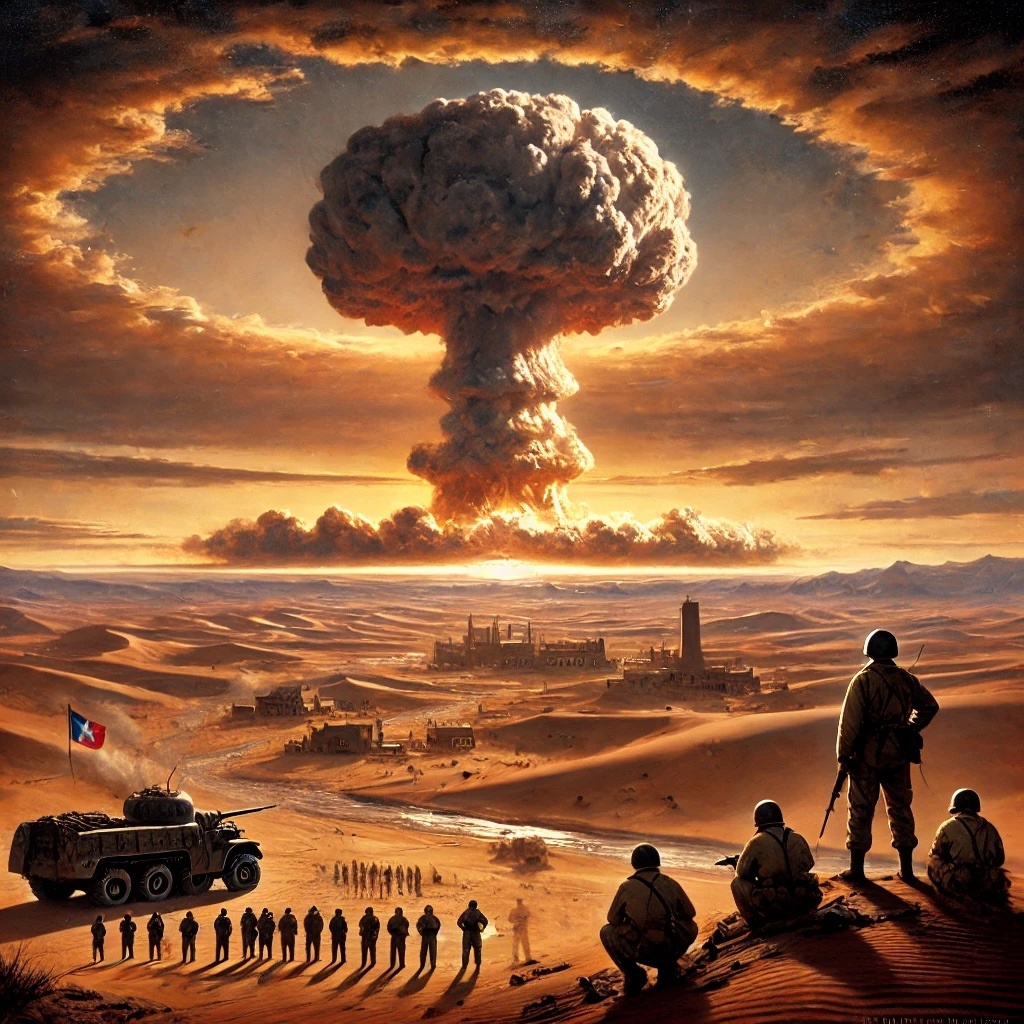
On February 13, 1960, the world watched as France became the fourth nation to join the nuclear club. In the heart of the Algerian Sahara, the French military detonated its first atomic bomb, codenamed Gerboise Bleue (Blue Jerboa). This explosion, more than four times as powerful as the American bomb dropped on Hiroshima, signaled France’s determination to establish itself as a global power, but it also cast a long shadow over North Africa, igniting controversy that lingers to this day.

At the time, France was desperate to assert its independence from both American and Soviet influence during the Cold War. President Charles de Gaulle saw nuclear weapons as the ultimate guarantee of sovereignty, ensuring that France would not have to rely on allies for its security. However, the choice of Algeria as a testing ground was deeply problematic. The country was in the midst of a bloody war for independence from French colonial rule, and the decision to conduct nuclear tests on Algerian soil further inflamed tensions.

The Gerboise Bleue test was a staggering success in technical terms, producing a 70-kiloton explosion. A massive mushroom cloud rose over the Reggane region, leaving behind radioactive fallout that would affect both soldiers and civilians for generations. Local communities suffered from mysterious illnesses, birth defects, and environmental devastation, but their suffering was largely ignored. Decades later, survivors and activists continue to demand recognition and justice for the long-term effects of radiation exposure.

France continued its nuclear testing program in the Sahara until 1966, even after Algeria gained independence in 1962. The legacy of Gerboise Bleue remains a controversial chapter in both French and Algerian history, a stark reminder of the devastating human and environmental costs of nuclear ambition. Today, as the world grapples with nuclear proliferation, the echoes of that first detonation in the desert serve as a warning about the lasting consequences of wielding such destructive power.

Related Posts

Honoring a Legacy: Celebrating Abraham Lincoln’s Birthday

Elias Rowen

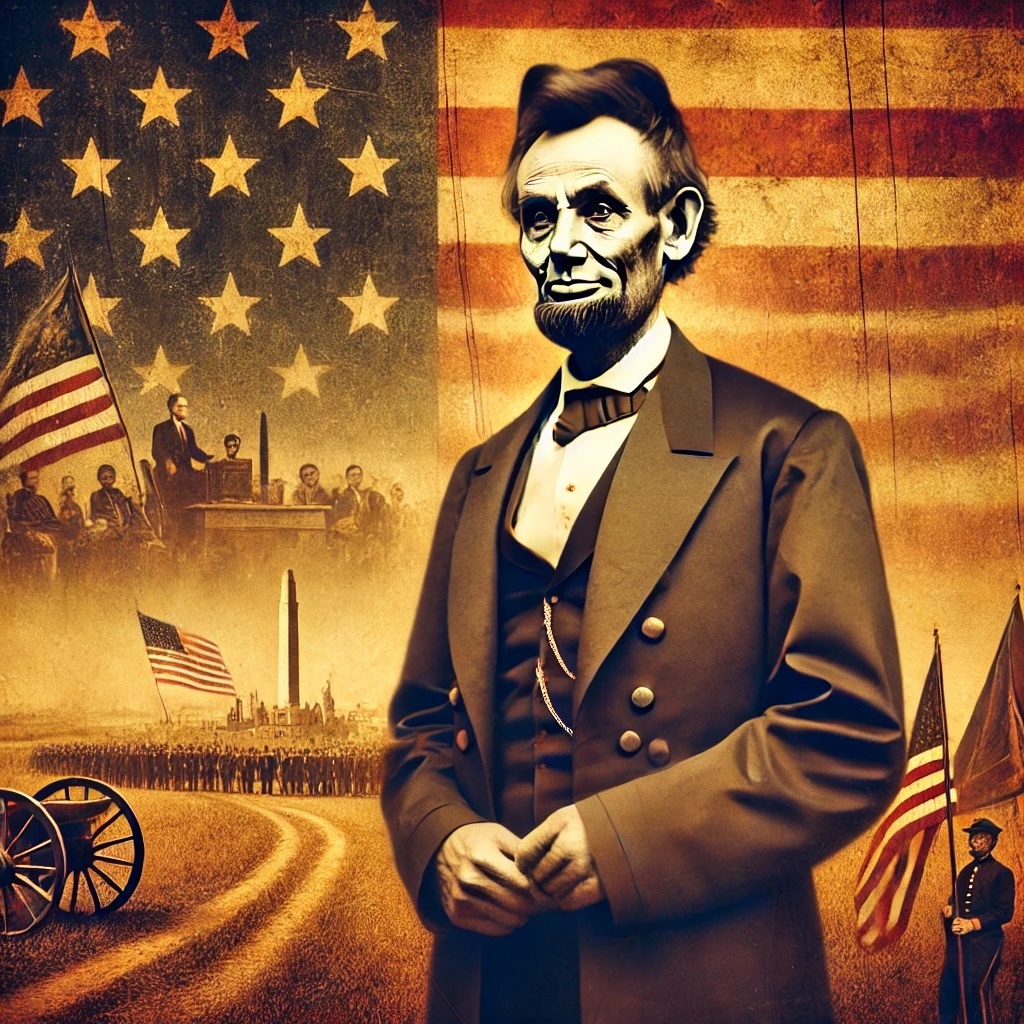
Abraham Lincoln’s birthday, celebrated on February 12th, serves as a reminder of the monumental contributions made by the 16th president of the United States. Known for his leadership during one of the most turbulent times in American history, Lincoln’s legacy resonates across generations. He is best remembered for his pivotal role in ending slavery through the Emancipation Proclamation and his dedication to preserving the Union during the Civil War. Lincoln’s vision of equality and freedom set a precedent that would go on to shape the nation’s path for centuries to come.

Beyond his political achievements, Lincoln’s ability to navigate the moral, social, and economic challenges of the era demonstrates his leadership and character. His speeches, such as the Gettysburg Address, have become iconic, reminding Americans of the importance of unity and the nation’s foundational ideals. Lincoln’s birthday is not just a celebration of his life, but an opportunity to reflect on his vision for the future—one where liberty, justice, and equality are accessible to all.

In communities across the United States, Abraham Lincoln’s birthday is observed with various events that honor his memory. From educational programs and historical reenactments to discussions about his impact, it’s a day that encourages people to reflect on the values that Lincoln championed. His legacy continues to influence the ongoing struggle for civil rights, making his birthday a significant moment for all Americans to celebrate the progress made and the work still left to do.

Related Posts

The Lateran Treaty of 1929: The Birth of the Vatican City-State

Elias Rowen

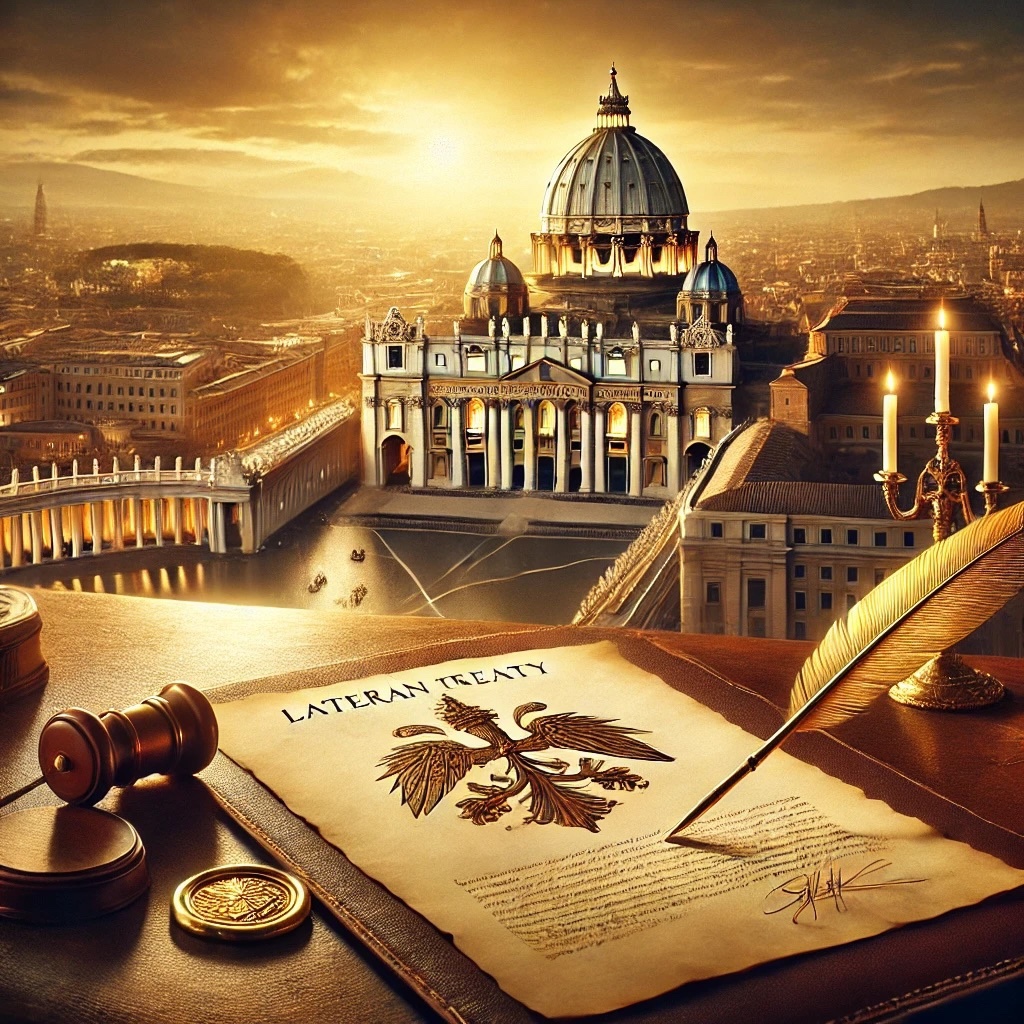
The Lateran Treaty of 1929 marked a pivotal moment in the history of Italy and the Catholic Church, establishing the Vatican City as an independent sovereign state. Signed on February 11, 1929, by representatives of the Kingdom of Italy and the Holy See, the treaty resolved the “Roman Question,” a long-standing dispute between the Italian government and the Papacy that had persisted since the unification of Italy in the 19th century. This agreement not only granted the Vatican its independence but also defined the relationship between the Italian state and the Catholic Church, shaping their interactions for decades to come.

The roots of the conflict lay in the events of 1870 when the Kingdom of Italy annexed the Papal States, effectively ending the Pope’s temporal authority over central Italy. Pope Pius IX and his successors refused to recognize the legitimacy of the Italian government, considering themselves “prisoners” in the Vatican. This standoff, known as the Roman Question, resulted in a lack of diplomatic relations between the Vatican and Italy. Successive Italian governments attempted to resolve the impasse, but it was not until Benito Mussolini came to power that a formal agreement was reached. Seeking to consolidate his political position and gain favor with the Catholic population, Mussolini engaged in negotiations with the Holy See, leading to the signing of the Lateran Treaty.

The treaty consisted of three main components: a political treaty, a financial convention, and a concordat. The political treaty recognized Vatican City as an independent state under the sovereignty of the Pope, granting it full diplomatic rights. The financial convention provided compensation to the Church for the loss of the Papal States, with Italy agreeing to pay the Holy See a sum of 750 million lire along with an additional 1 billion lire in government bonds. Lastly, the concordat defined the role of Catholicism in Italian society, recognizing it as the official state religion, granting the Church influence over education and marriage laws, and ensuring privileges for clergy members.

The impact of the Lateran Treaty was profound. It not only resolved a major political dispute but also solidified the position of the Catholic Church within Italy. The Vatican, for the first time in modern history, had a recognized sovereign territory, allowing it to function as an independent entity in global affairs. For Mussolini, the treaty provided legitimacy to his regime and strengthened his relationship with the Catholic Church, which in turn encouraged Italian Catholics to support his government. The agreement remained in effect for much of the 20th century, though it underwent modifications in 1984 when Italy officially ended Catholicism’s status as the state religion while maintaining strong diplomatic ties with the Holy See.

In conclusion, the Lateran Treaty of 1929 was a landmark agreement that resolved the long-standing Roman Question and established the Vatican City-State. By granting the Pope sovereignty over a small but significant territory, the treaty ensured the independence of the Catholic Church while also benefiting the Italian government politically. Its legacy endures as a key moment in the relationship between church and state, highlighting the importance of diplomacy in resolving historical conflicts.

Related Posts

Glenn Miller and the Golden Sound of Swing

Elias Rowen

Glenn Miller was more than just a musician—he was a legend who defined an era. His smooth, swinging sound captivated audiences during the late 1930s and early 1940s, making him one of the most beloved bandleaders of all time. With hits like In the Mood, Moonlight Serenade, and Chattanooga Choo Choo, Miller brought energy and elegance to the big band scene, creating a sound that still resonates today. His music wasn’t just background noise—it was the soundtrack of a generation, lifting spirits during the dark days of World War II and bringing people together on the dance floor.

Miller’s journey to fame wasn’t instant. Born in 1904, he worked tirelessly as a trombonist and arranger before forming his own orchestra in 1938. While many bands of the time had a lively, freewheeling style, Miller perfected a signature sound: a rich blend of saxophones, smooth brass, and precise arrangements that made his music instantly recognizable. This polished, sophisticated approach set him apart, and his band quickly skyrocketed to success. By 1940, the Glenn Miller Orchestra was the most popular big band in America, dominating the airwaves and selling millions of records.

But Miller wasn’t just about making hit records—he wanted his music to serve a greater purpose. In 1942, at the height of his career, he made the bold decision to leave behind fame and fortune to serve his country. He enlisted in the U.S. Army Air Forces and formed the Army Air Force Band, using his talents to boost troop morale during World War II. His performances for soldiers across Europe were legendary, proving that music could be a powerful force in times of hardship.

Tragically, Miller’s life was cut short in 1944 when his plane disappeared over the English Channel during a flight to France. Though his untimely death remains shrouded in mystery, his musical legacy is anything but forgotten. The Glenn Miller Orchestra continues to perform his timeless arrangements, and his influence can still be heard in jazz, swing, and even modern big band music.

Glenn Miller’s golden sound of swing wasn’t just a fleeting trend—it became a lasting part of American music history. His melodies continue to transport listeners back to a time of romance, resilience, and rhythm, proving that great music never truly fades away.

Related Posts

The Treaty of Paris 1763: Redrawing the Map of North America

Elias Rowen

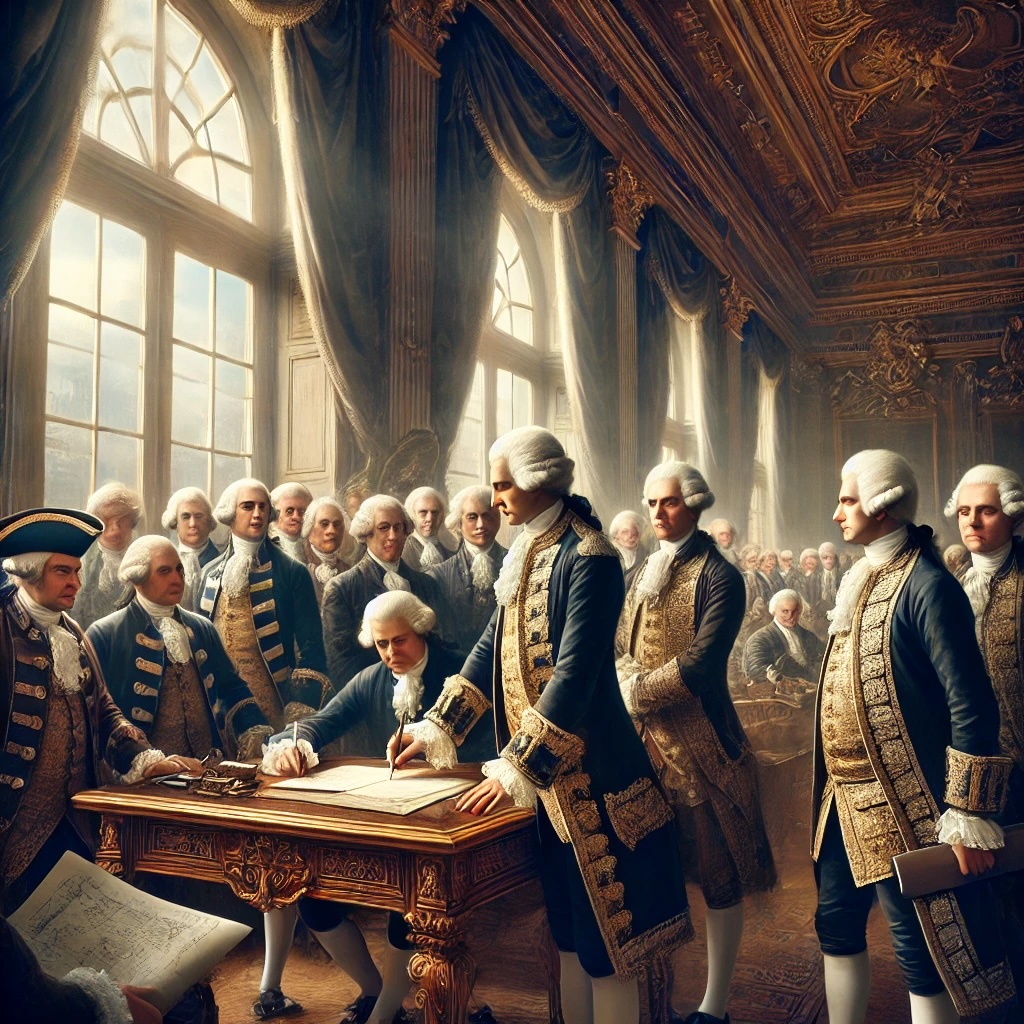
The Treaty of Paris, signed in 1763, was a game-changer for North America. This historic agreement brought an end to the French and Indian War—known globally as the Seven Years’ War—and completely reshaped the balance of power on the continent. Britain emerged as the dominant force, France lost nearly all of its territory in North America, and Spain gained vast new lands. It was a turning point that set the stage for future conflicts, including the American Revolution.

Before the treaty, France, Britain, and Spain had been battling for control of North America. The French and Indian War, which lasted from 1754 to 1763, was part of a larger global struggle between these European powers. Britain and its American colonies fought against France and its Native American allies, clashing over valuable land and trade routes. By the end of the war, British forces had captured key French territories, including Canada and lands east of the Mississippi River. With France on the losing side, negotiations in Paris led to a massive territorial exchange.

Under the terms of the treaty, France gave up Canada and all lands east of the Mississippi to Britain, marking the end of French colonial rule in North America. Spain, which had joined the war late on France’s side, ceded Florida to Britain but received the vast Louisiana Territory in return. France was left with only a few Caribbean islands, keeping a small foothold but effectively ending its empire in mainland North America. For Britain, the victory seemed like a triumph, but governing its expanded territories would soon become a challenge.

While the Treaty of Paris 1763 redrew the map, it also planted the seeds of future unrest. Native American tribes, who had been allied with the French, resisted British control, leading to conflicts like Pontiac’s Rebellion. Meanwhile, British leaders, hoping to avoid further wars, issued the Proclamation of 1763, restricting colonial expansion west of the Appalachian Mountains. This frustrated American colonists, who had hoped to settle the newly acquired lands. The resentment over British policies and taxation in the years that followed would eventually spark the American Revolution.

The Treaty of Paris 1763 was more than just a diplomatic agreement—it was a turning point that reshaped North America’s future. By redrawing borders and shifting power, it set the stage for new alliances, conflicts, and revolutions. Though France may have lost its North American empire, the struggle for control of the continent was far from over.

Related Posts

The Election of 1824: A House Divided and the Birth of Political Controversy

Elias Rowen

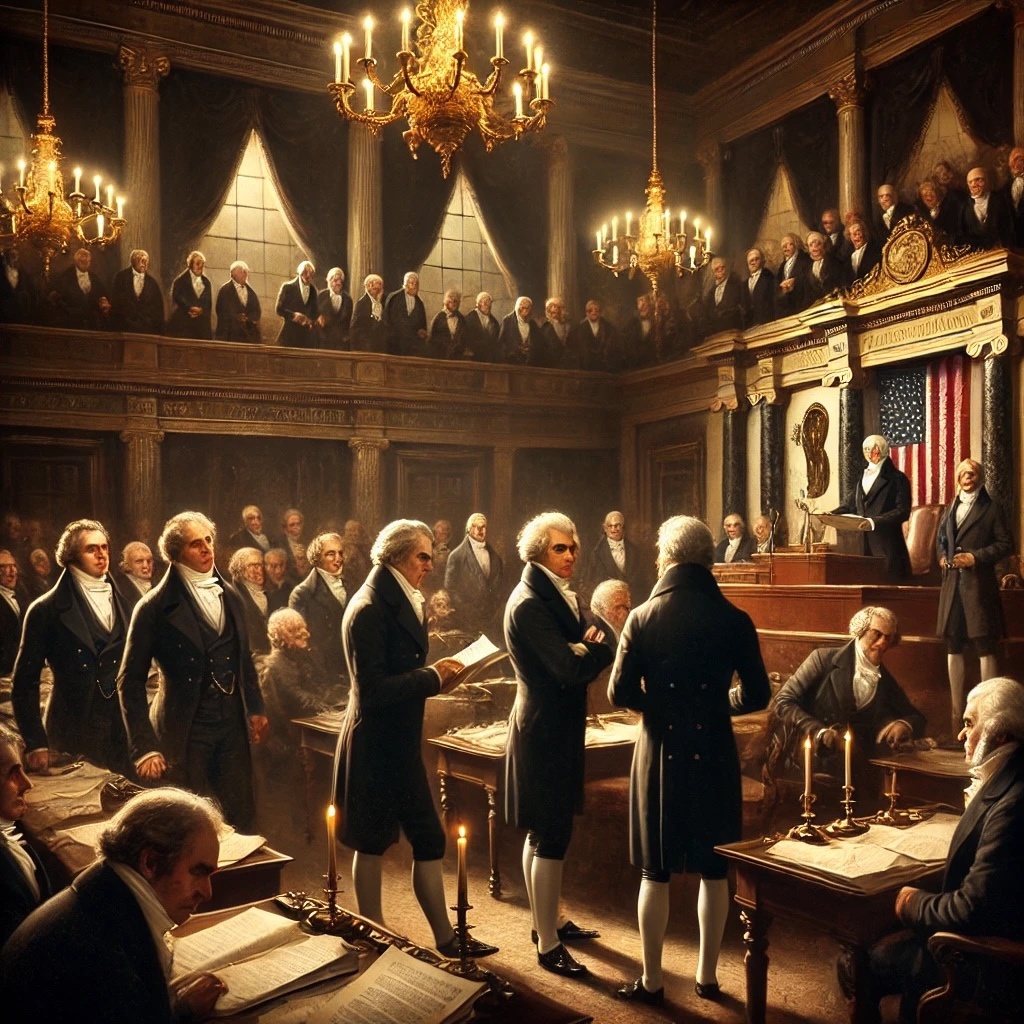
The election of 1824 was unlike any other in American history. It was messy, controversial, and full of political intrigue—the kind that still sparks debates today. With four major candidates battling for the presidency, the race was intense, but when the dust settled, no one had won a clear majority. For the first time, the decision went to the House of Representatives, where a backroom deal—what Andrew Jackson called a “corrupt bargain”—changed everything. The election not only exposed deep political divisions but also reshaped the future of American democracy.

The four candidates—Andrew Jackson, John Quincy Adams, William Crawford, and Henry Clay—each had strong support from different regions of the country. Jackson, the war hero, was wildly popular, especially in the South and West. Adams, the son of a former president, was the favorite of New England. Crawford, a seasoned politician, had backing from the South, while Clay, the “Great Compromiser,” was a strong voice for the West. When the votes were counted, Jackson had the most popular and electoral votes—but not enough to win outright. According to the Constitution, that meant the House of Representatives would decide the winner.

Here’s where things got interesting. Henry Clay, who had finished fourth and was eliminated from the race, happened to be Speaker of the House—the very body that would now determine the presidency. He threw his support behind Adams, and in a move that shocked many, Adams won the vote in the House and became the sixth president of the United States. Not long after, Adams appointed Clay as his Secretary of State, a position often seen as the stepping stone to the presidency. To Jackson and his supporters, this was proof of a corrupt deal between Adams and Clay, and they never let the country forget it.

The aftermath of the election was just as important as the election itself. Jackson, feeling robbed, spent the next four years rallying his supporters, painting himself as the true voice of the people and Adams as an out-of-touch elitist. The bitterness of the 1824 election directly led to the rise of the Democratic Party, with Jackson at its head. By the time the next election rolled around in 1828, Jackson had built a powerful political movement—and this time, he won in a landslide.

The election of 1824 was more than just a controversial outcome; it was a defining moment in American politics. It exposed flaws in the electoral process, deepened divisions between political factions, and set the stage for a more democratic (and often more combative) political system. The accusations of a “corrupt bargain” lingered for years, fueling a growing distrust of politicians that still echoes in modern elections. In many ways, it was the first real glimpse of the passionate, divided, and sometimes messy nature of American democracy.

Related Posts

The Night America Fell in Love with The Beatles

Elias Rowen

On February 9, 1964, something extraordinary happened—America fell head over heels for four lads from Liverpool. That night, The Beatles made their historic debut on The Ed Sullivan Show, and in just a matter of minutes, music and pop culture would never be the same. More than 73 million people—nearly 40% of the U.S. population at the time—gathered around their television sets to witness the phenomenon. The moment they hit the stage, with their sharp suits, mop-top haircuts, and infectious energy, Beatlemania officially took hold.

The Beatles had already been making waves in the UK, but in America, they were still a fresh sensation. Their single I Want to Hold Your Hand had just reached No. 1, and the hype was building. When they arrived at JFK Airport two days before the show, they were met by thousands of screaming fans, a chaotic and thrilling preview of what was to come. By the time they stepped onto the Ed Sullivan stage, the country was ready—but no one could have predicted just how massive their impact would be.

From the very first notes of All My Loving, the audience erupted. Teenage girls in the crowd screamed, cried, and clutched their faces in disbelief, while viewers at home sat mesmerized. The Beatles followed with Till There Was You and She Loves You, delivering a performance that was both polished and electrifying. Then, as they launched into I Want to Hold Your Hand, any remaining resistance was shattered—America was officially in love.

But that night wasn’t just about the music—it was about the energy, the joy, and the sense of something new on the horizon. Just months after the heartbreak of President John F. Kennedy’s assassination, America was in need of a spark of happiness, and The Beatles delivered. They weren’t just talented musicians; they were fun, confident, and had a charm that felt both rebellious and wholesome at the same time. They represented a new era, and people embraced it wholeheartedly.

The impact of that performance was immediate. Within weeks, The Beatles dominated the charts, and their music became the soundtrack of a generation. They opened the floodgates for the British Invasion, changing the music industry forever. More than just a band, they became a cultural movement, influencing fashion, language, and even social change. That night in February wasn’t just the beginning of Beatlemania—it was the moment when music, youth, and culture collided, creating a legacy that still lives on today.

Related Posts

The Birth of the Boy Scouts of America: A Legacy of Leadership and Service

Elias Rowen

On February 8, 1910, a movement was born that would shape generations of young men in America—the Boy Scouts of America (BSA). Founded on the principles of leadership, service, and outdoor adventure, the organization quickly became one of the most influential youth programs in the country. Rooted in the idea that young people should develop strong character, practical skills, and a commitment to helping others, the Boy Scouts grew into more than just a club—it became a way of life.

The inspiration for the BSA came from an unexpected moment. In the early 1900s, American businessman William D. Boyce found himself lost in the foggy streets of London. A young boy came to his aid, guiding him to his destination but refusing a tip, explaining that he was simply doing his duty as a Boy Scout. Intrigued, Boyce learned more about the scouting movement founded by British General Robert Baden-Powell in 1907. Realizing the potential for such a program in the United States, Boyce brought the idea home, and with the help of other youth organizations, the Boy Scouts of America was officially established.

From the start, the BSA emphasized core values like honesty, responsibility, and service. Scouts learned essential life skills, from first aid and camping to leadership and teamwork. The now-iconic Scout Oath and Law became guiding principles for millions of boys, shaping them into responsible citizens and future leaders. Whether hiking through the wilderness, earning merit badges, or assisting their communities, Scouts embraced a mission that was about more than just adventure—it was about making a difference.

The Boy Scouts quickly gained national recognition, attracting the support of educators, political leaders, and even U.S. presidents. Theodore Roosevelt, an avid outdoorsman himself, was one of the organization’s earliest champions, believing that scouting instilled the rugged individualism and moral character necessary for strong leadership. Over the decades, the BSA expanded its programs to include younger boys through the Cub Scouts and, later, opportunities for girls and families to participate in scouting activities.

More than a century after its founding, the Boy Scouts of America remains a symbol of service, skill-building, and personal growth. While the organization has evolved over time, its mission to prepare young people for life remains unchanged. Millions of Scouts have gone on to become community leaders, innovators, and role models, carrying the lessons they learned in scouting throughout their lives. The legacy of the Boy Scouts is not just in the badges earned or the campfires shared, but in the values instilled and the countless acts of kindness and leadership that continue to shape the world.

Related Posts

The Fall of a Queen: The Execution of Mary, Queen of Scots

Elias Rowen

1587 marked a dark and defining moment in British history—the execution of Mary, Queen of Scots. Once a reigning monarch of Scotland and a contender for the English throne, Mary’s life was a tangled web of political intrigue, religious conflict, and betrayal. Her demise was not merely a tragic personal fate but a decisive event that reinforced the power of England’s Queen Elizabeth I and reshaped the future of both nations.

Mary Stuart’s life had been fraught with turmoil from the moment she ascended the Scottish throne as an infant. Raised in France and married to the French Dauphin, her brief reign as Queen of France ended with her husband’s premature death. Upon returning to Scotland, she found herself at odds with Protestant reformers and a nobility eager to undermine her rule. Forced to abdicate in favor of her infant son, James VI, she fled to England, seeking refuge from her cousin, Queen Elizabeth. But Elizabeth, wary of Mary’s claim to the English throne, placed her under house arrest, where she remained a prisoner for nearly two decades.

The turning point in Mary’s fate came with the discovery of the Babington Plot, a Catholic conspiracy aimed at assassinating Elizabeth and placing Mary on the English throne. Though historians continue to debate the extent of Mary’s involvement, her intercepted correspondence proved damning. Accused of treason, she stood trial and was swiftly condemned to death. Despite Elizabeth’s hesitations—perhaps out of fear of executing an anointed monarch—pressure from her advisors ultimately sealed Mary’s fate.

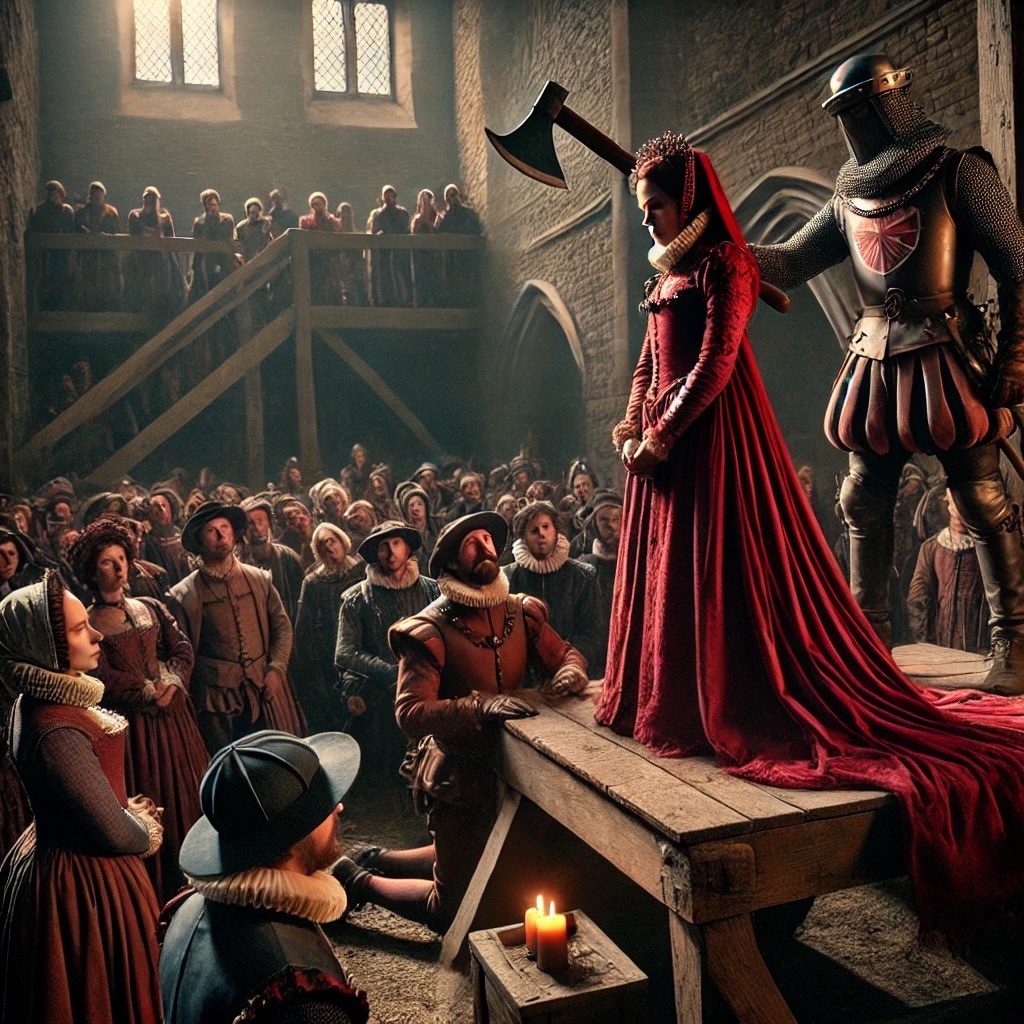
On the morning of February 8, 1587, Mary met her end with remarkable composure. Dressed in a crimson gown symbolizing martyrdom, she climbed the scaffold at Fotheringhay Castle. As she knelt for the executioner’s axe, she uttered prayers, demonstrating the unshakable faith that had both defined and doomed her. The execution was gruesome; it took multiple strikes to sever her head completely. As the executioner lifted her head to the crowd, Mary’s auburn locks detached from her scalp—revealing that she had been wearing a wig, a haunting reminder of the passage of time during her years in captivity.

Mary’s death was not just an execution; it was a message. With her rival gone, Elizabeth’s hold on England solidified, and the Catholic threat against her rule diminished. However, the execution also sowed the seeds of future conflict. Mary’s son, James VI of Scotland, would eventually inherit the English throne, uniting the crowns of Scotland and England. In the end, Mary may have lost her life, but her bloodline endured, shaping the course of British history for generations.

1587 remains a year of infamy, a testament to the ruthless nature of power and the price of political ambition. Mary, Queen of Scots, may have been silenced, but her legacy as a tragic yet formidable figure continues to captivate historians and storytellers alike.

Related Posts

A United Europe: The Birth of the European Union

Elias Rowen

On February 7, 1992, leaders from twelve European nations gathered in Maastricht, Netherlands, to sign a historic agreement that would forever change the political and economic landscape of Europe. The Maastricht Treaty formally established the European Union (EU), creating a framework for deeper integration among member states. This treaty was more than just a document—it was a bold step toward unity, cooperation, and a shared future for millions of Europeans.

The treaty laid the foundation for many of the EU’s defining features, including the introduction of a common currency, the euro, and the establishment of European citizenship. It also strengthened political and economic ties between nations, ensuring greater coordination in foreign policy, security, and trade. For decades, Europe had been a continent divided by wars and political rivalries, but Maastricht signaled a new era—one where countries would work together rather than against one another.

However, the path to unity was not without its challenges. The idea of surrendering national sovereignty to a larger European institution sparked debates and resistance in some countries. Despite these concerns, the Maastricht Treaty was ultimately ratified, and on November 1, 1993, the European Union officially came into existence. It was a defining moment in modern history, proving that even centuries-old rivalries could be set aside in the pursuit of peace and prosperity.

Today, the European Union stands as one of the most significant political and economic alliances in the world. What began as a vision for cooperation in 1992 has grown into a powerful union of over two dozen nations, shaping policies on trade, human rights, and global diplomacy. The Maastricht Treaty was the spark that ignited this transformation, reminding the world that unity is not just an ideal—it is a path to a stronger, more interconnected future.

Related Posts