Category: Education

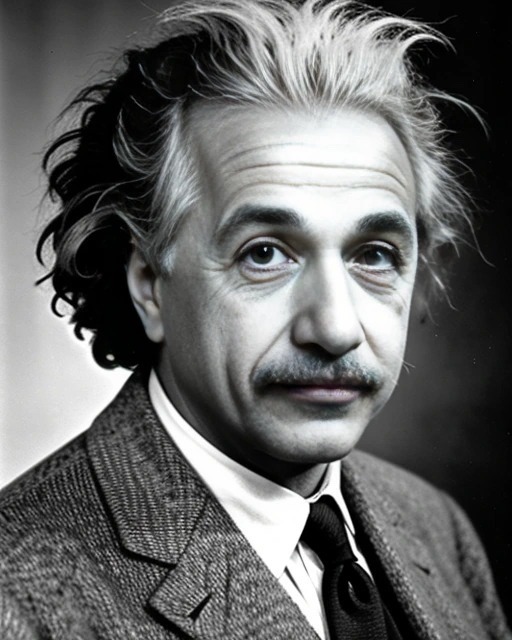
Einstein’s Legacy: Unraveling the Brilliance of a Timeless Mind

Dave

Albert Einstein, an extraordinary physicist, was born on March 14, 1879, in Ulm, Germany. He has left an everlasting imprint on the field of science and is widely regarded as one of the most brilliant minds in history. Through his groundbreaking discoveries, he revolutionized our understanding of the universe, laying the foundation for modern physics. Among his notable achievements, Einstein’s renowned equation, E=mc², introduced the concept of mass-energy equivalence, serving as the cornerstone of the theory of relativity. In 1915, he fearlessly challenged the prevailing notions of space, time, and gravity by publishing his theory of general relativity. This audacious move led to remarkable advancements in cosmology and astrophysics.

Throughout his illustrious career, Einstein made significant contributions to science, putting forth revolutionary theories that continue to shape our comprehension of the natural world. His extensive research on the photoelectric effect, for which he received the Nobel Prize in Physics in 1921, paved the way for the development of quantum theory. In addition to his scientific brilliance, Einstein demonstrated an unwavering commitment to noble causes. He fearlessly voiced his support for civil rights, pacifism, and global disarmament. By believing in the power of human intellect and creativity, and advocating for social justice, he remains an enduring symbol of intellectual curiosity and humanitarianism.

Undoubtedly, Albert Einstein’s multifaceted contributions to science and his profound impact on society have solidified his position as one of the most influential figures of the 20th century.

Related Posts

Tiberius Claudius Caesar Augustus Germanicus: The Complex Legacy of Rome’s Enigmatic Emperor

Dave


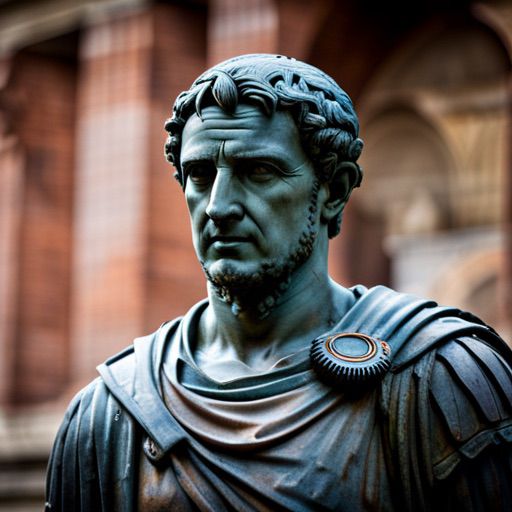
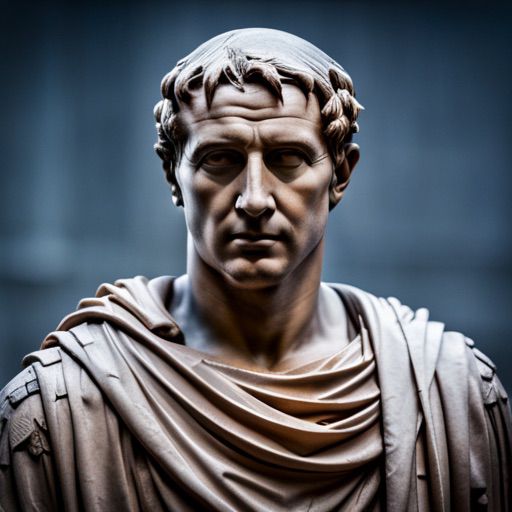
Meet Tiberius Claudius Caesar Augustus Germanicus, also known as Claudius, a Roman emperor who ruled from 41 to 54 AD. Born in 10 BC into the powerful Julio-Claudian dynasty, he was the son of Nero Claudius Drusus, a prominent Roman general, and was destined for great things. However, his family considered him weak and mentally challenged due to his various health problems, which led to him being excluded from public life and not considered a potential emperor.

Despite his family’s opinion, after the assassination of his nephew Caligula, Claudius was declared emperor by the Praetorian Guard. And boy, did he prove them wrong! Despite his reputation as a weak and foolish man, Claudius showed himself to be a capable ruler, known for his administrative abilities and several important reforms, including improving the legal system and expanding the Roman Empire.

Under his rule, Britain was conquered, and significant contributions were made to the construction of important public works like aqueducts and roads. But that’s not all, Claudius was also a scholar and writer. He wrote several works on history and politics, including a 20-volume history of Rome, and was a patron of the arts, encouraging the development of literature and drama in Rome.

However, like any other ruler, Claudius had his flaws. He was criticized for his personal life, including his marriages to several women, some of whom were accused of plotting against him. He was also known for his fondness for gladiatorial games and was accused of being cruel to his opponents.

Despite these criticisms, Claudius is remembered as a successful and important emperor. He was the first Roman emperor to be born outside of Italy, and his reign marked a period of stability and prosperity for the Roman Empire. He passed away in 54 AD, possibly poisoned by his wife Agrippina, who wanted her son Nero to become emperor. Even after all these years, Claudius’s legacy continues to be studied and debated by historians and scholars, and he remains an essential figure in Roman history.

Related Posts

Unyielding Valor: The Saga of William Wallace, Scotland’s Eternal Hero

Dave

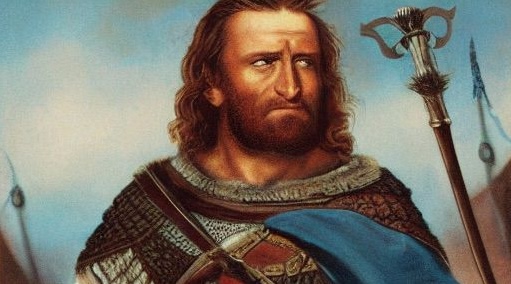
In the annals of Scottish history, one name stands out like a beacon of hope and defiance: William Wallace. Born in the tumultuous era of the late 13th century, Wallace would rise to become a legendary figure, forever etched in the memories of his countrymen.

With a spirit untamed by English oppression, Wallace emerged as a fierce leader, embodying the indomitable Scottish resistance. His presence alone struck fear into the hearts of his enemies. Renowned for his military genius and tactical brilliance, he orchestrated a series of triumphant campaigns against the English forces.

But it was at the Battle of Stirling Bridge where Wallace’s legend reached its zenith. With the odds stacked against them, the Scottish army, led by this fearless warrior, defied all expectations and achieved an astonishing victory. The reverberations of this momentous event echoed throughout the land, igniting a fire of nationalistic fervor that burned brighter than ever before.

Alas, the tides of fortune can be fickle, and Wallace’s glory was short-lived. The Battle of Falkirk dealt a crushing blow to his aspirations, leading to his capture and subsequent execution in 1305. Yet, even in death, his spirit refused to be extinguished.

The tale of William Wallace, the valiant knight who dared to challenge the might of a kingdom, captured the hearts and minds of generations. His legacy became an indelible symbol of Scottish resilience and the fight for independence. From the epic verses of Blind Harry’s “The Wallace” to the silver screen portrayal in the iconic film “Braveheart,” his story has resonated across time.

William Wallace, the embodiment of unwavering commitment and heroic deeds, continues to inspire and captivate. His name lives on, forever etched in the annals of Scottish history, as an enduring symbol of bravery, freedom, and the undying spirit of a nation.

Related Posts

Caligula Unveiled: The Madness and Intrigue of Rome’s Most Infamous Emperor

Dave


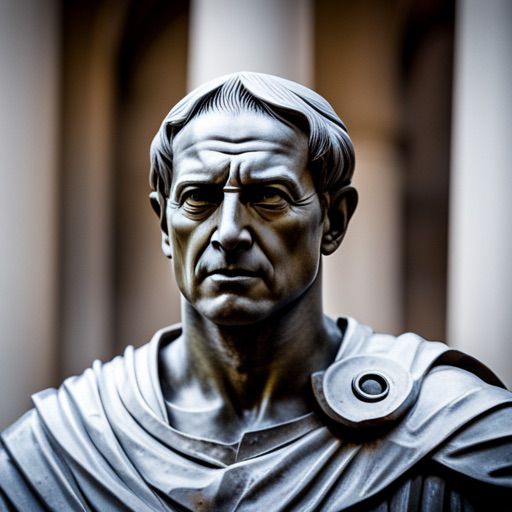
Get ready to witness the rise and fall of one of the most controversial figures in Roman history – Gaius Caesar Germanicus, also known as Caligula. Born in 12 AD as the third son of Germanicus, a beloved Roman general, and the granddaughter of Augustus, the first Roman emperor, Caligula was destined for greatness. With his charming looks, charisma, and wit, he was adored by the Roman people. However, his short-lived reign of only four years, from 37 AD to 41 AD, was nothing short of a rollercoaster ride filled with cruelty, extravagance, and madness.

Caligula’s ascension to the throne was relatively calm. Initially, he was a popular emperor who abolished unpopular taxes, restored democratic freedoms, and initiated massive building projects. However, it wasn’t long before things started spiraling out of control. Caligula’s behavior became increasingly erratic and bizarre, including donning women’s clothing and appointing his favorite horse as a consul.

The emperor’s cruelty was most evident in his treatment of the Roman Senate. He had many senators executed without any reason and publicly humiliated them. Caligula’s incestuous relationships with his sisters and rumored acts of extreme sexual depravity only added to his infamy. His reckless spending and taxation policies also put a tremendous strain on the Roman economy, leaving it in shambles.

But even with all his power, Caligula’s behavior eventually became too much for the people and the Senate to bear. In 41 AD, he met his demise at the hands of members of his own Praetorian Guard. Although his reign was short, Caligula’s legacy continues to fascinate historians and the public alike. He is remembered as one of Rome’s most notorious and eccentric emperors, whose reign serves as a cautionary tale about the dangers of absolute power.

Related Posts

The Roman Praetorian Guard: Elite Protectors of the Emperor

Dave


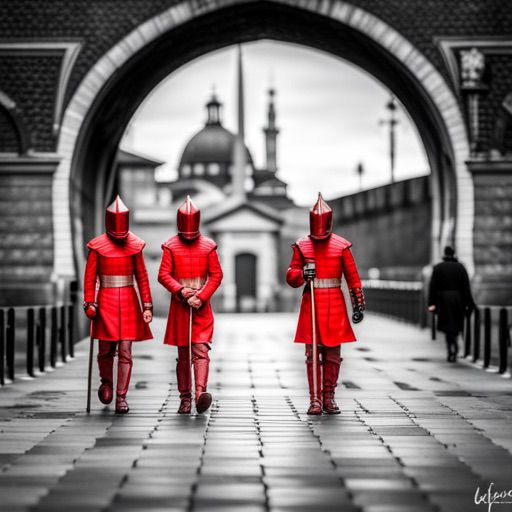
Step back in time to ancient Rome and meet the Praetorian Guard – a fierce group of elite soldiers who served as the emperor’s personal bodyguards. These highly trained and well-equipped soldiers were handpicked from the Roman army’s most experienced and loyal troops, stationed at the Praetorian Camp in Rome.

Created by Emperor Augustus in 27 BC, the Praetorian Guard’s mission was clear: to protect the emperor and his family at all costs. But their role extended far beyond mere protection. These soldiers were also a powerful political force, involved in the selection and deposition of emperors. Their influence was felt throughout the Roman Empire, and their loyalty to the emperor was absolute.

Despite their reputation as a formidable and feared force, the Praetorians were not without their flaws. They were infamous for their corruption and greed, often demanding bribes and special privileges from the emperors they served. However, in AD 41, these guardians of the Emperor did the unthinkable: they assassinated the controversial ruler, Caligula. Renowned for his outlandish cruelty and extravagant lifestyle, Caligula had a notorious reputation for executing prominent senators and indulging in scandalous behavior. The Praetorian Guard, who were responsible for his safety, had finally grown sick of his excesses and decided to take matters into their own hands. It was on January 24, AD 41, as Caligula was departing the theater, that a group of Praetorian soldiers attacked him. The Emperor was stabbed to death, and his uncle, Claudius, was proclaimed as the new Emperor. Throughout their history, they were involved in numerous conspiracies and plots that threatened the stability of the government.

The Praetorian Guard’s actions were both unprecedented and illegal. They had dishonored their oath of loyalty to the Emperor and had taken law enforcement into their own hands. However, their decision was also a reflection of the instability and uncertainty of the times. The Roman Empire was in a state of flux, and the Praetorian Guard was one of the few institutions with the power to act decisively. This pivotal moment in Roman history marked the beginning of a new era of imperial politics.

Despite these shortcomings, the Praetorian Guard remains an important part of Roman history. Their legacy lives on, even after the fall of the Western Roman Empire in 476 AD. So if you’re fascinated by ancient history, take a closer look at the legacy of the Praetorian Guard and discover the stories of these powerful and complex soldiers.

Related Posts

Tiberius Caesar Augustus: Unveiling the Secrets of Rome’s Enigmatic Emperor

Dave


Step back in time to Ancient Rome and meet Tiberius Caesar Augustus, the second Roman Emperor who ruled from 14 AD to 37 AD. Born on November 16, 42 BC, in Rome, Tiberius’ childhood was far from ordinary. His parents divorced when he was young, and his father was exiled for supporting Julius Caesar. Thankfully for Tiberius, his stepfather, Augustus, adopted him and made him his heir in 4 AD.

As Emperor, Tiberius was a military mastermind, leading successful campaigns in Germany, Pannonia, and Illyricum, which helped to expand the Roman Empire’s territory. However, his reclusive nature, paranoia, and cruelty meant he wasn’t popular with the people or the Senate. He withdrew from public life and allowed his Praetorian Prefect, Sejanus, to take on most of his duties. Little did Tiberius know that Sejanus was plotting against him.

Tiberius’ reign was marked by political intrigue and scandals. He had his own son, Drusus, executed on false charges, and the infamous Sejanus Affair saw Sejanus and his family and supporters executed for treason. Scandal also followed Tiberius personally, as he was accused of sexual deviancy and having a relationship with his nephew, Gaius Caesar Germanicus, who he later adopted as his successor.

Despite his mixed legacy, Tiberius was regarded as a capable administrator and military strategist. He paved the way for the political and social changes that would shape the Roman world for centuries to come. Tiberius died on March 16, 37 AD, in Misenum, at the age of 77. His reign marked the transition from the Republic to the Empire, and his successor, Gaius, better known as Caligula, was even more notorious for his excesses and cruelty.

Related Posts

The Rise of Augustus: Unveiling the Legendary Emperor Who Shaped Ancient Rome

Dave


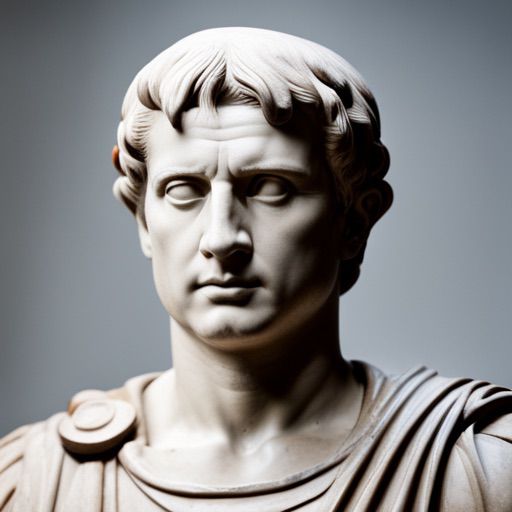
Meet Augustus Caesar, one of the most remarkable individuals in the history of Rome. Born as Gaius Octavius in 63 BC, he inherited great wealth and political power from his great-uncle Julius Caesar after he was assassinated when Augustus was only 18 years old. He quickly established himself as an outstanding politician and military leader, and at age 19, he joined forces with Mark Antony and Marcus Aemilius Lepidus to form the Second Triumvirate.

Augustus’s reign was marked by significant reforms and innovations that transformed Rome into a prosperous and peaceful empire. He restructured the Roman government, implementing a system of provinces and establishing a civil service to manage them. He also introduced a new currency system and constructed an extensive network of roads and aqueducts that connected far-flung territories.

Augustus was a patron of the arts and architecture, commissioning many of the great works of the time, such as the Mausoleum of Augustus, the Temple of Caesar, and the Ara Pacis. His leadership brought a period of peace and prosperity known as the Pax Romana, which was characterized by unprecedented economic growth and social stability.

Despite his many accomplishments, Augustus’s reign was not without controversy. He faced several challenges to his authority, including a revolt led by his daughter Julia’s ex-husband, and a rebellion in Germany led by Arminius. He was also criticized for his authoritarian rule and the ruthless tactics he used to maintain his power.

Augustus Caesar’s impact on Rome and the world cannot be overstated. His legacy lives on in the many structures and monuments he commissioned and in the numerous reforms and innovations he introduced during his reign. Even today, Augustus remains a fascinating and influential figure, and his contributions to history continue to inspire and captivate people worldwide.

Related Posts

Outlaw Pursuer to Western Legend: The Saga of Pat Garrett

Dave

a man wearing a hat

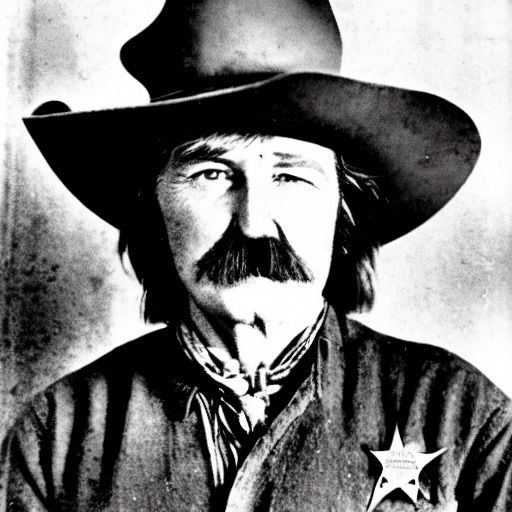
Step into the captivating world of Pat Garrett, an enigmatic figure etched into the annals of American history. Renowned for his pivotal role in capturing and ultimately putting an end to the notorious outlaw, Billy the Kid, Garrett’s life was a thrilling tapestry of adventure and peril. Born on June 5, 1850, in the rugged lands of Chambers County, Alabama, Garrett embarked on a daring journey that led him westward, where he sought his destiny amidst the sprawling expanse of the American frontier.

It was in the untamed territories of New Mexico that Garrett found himself entangled in the volatile realm of the Wild West. The year 1880 marked a turning point in his life as he assumed the esteemed mantle of sheriff in Lincoln County, New Mexico. This fateful appointment would not only shape his future but also reshape the course of history itself.

Garrett’s most legendary feat unfolded in 1881 when he fearlessly pursued and ultimately extinguished the reign of terror orchestrated by the infamous Billy the Kid. With relentless determination coursing through his veins, Garrett successfully hunted down this elusive outlaw, forever securing his own place in the pantheon of esteemed lawmen. The echoes of that decisive moment still reverberate through time, forever etching Garrett’s name in the annals of renown.

Yet, amidst his triumphs, Garrett’s journey was not without its share of tragedy. Personal and professional tribulations dogged his steps, with accusations of corruption and an ill-fated bid for political office casting shadows over his illustrious career. The tapestry of his life was woven with both triumph and turmoil, painting a complex portrait of a man who dared to confront the darkest corners of the human experience.

But fate, as enigmatic as ever, had yet another twist in store for this indomitable lawman. On that fateful day, February 29, 1908, Garrett’s life was abruptly cut short by a bullet’s cruel embrace, shrouding his final moments in an air of mystery. The legacy of Pat Garrett, however, endures as an indelible part of the American Wild West, immortalized as the valiant soul who brought Billy the Kid to justice, upholding the law in a time of unbridled lawlessness.

Step into the untamed frontier, where legends are born and lives are forever entwined in the dance between honor and mayhem. Discover the legend of Pat Garrett, a man whose name and deeds shall forever echo through the corridors of time, reminding us of an era when heroes and outlaws roamed the vast expanse of a nation forging its destiny.

Related Posts

Outlaw Legends: The Wild and Mysterious Life of Billy the Kid

Dave

a person wearing a hat

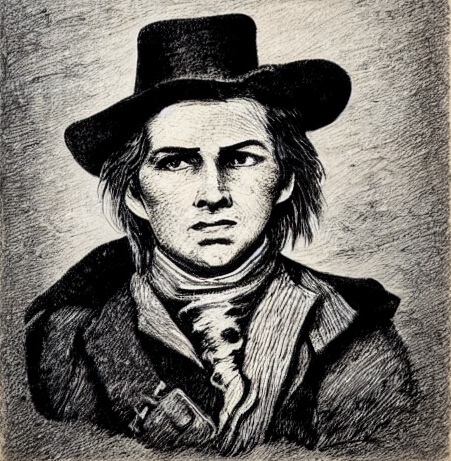
Step into the world of the Wild West, where lawlessness and adventure intertwined, and meet Billy the Kid, a legend in American outlaw history. Born in 1859 as William H. Bonney, he was a man of mystery whose legend grew with each passing tale. In a time marked by chaos, Billy thrived, embracing the untamed spirit of the Wild West.

As a young teen, Billy found himself drawn to a life of crime, stealing horses and dabbling in petty theft. However, it was his involvement in the infamous Lincoln County War that propelled him into the realm of outlaw legends. Fighting alongside a group of cattle rustlers known as the Regulators, Billy’s sharpshooting skills and fearless nature made him a force to be reckoned with.

The Kid’s notoriety skyrocketed when he was accused of killing several men, including a sheriff, during the war. This earned him a reputation as a cold-blooded killer, but it also garnered sympathy from those who saw him as a young rebel fighting against a corrupt system. Some even likened him to the legendary Robin Hood, a symbol of resistance against oppressive authorities.

Billy the Kid’s image as an outlaw with a heart of gold has persisted over the years, fueled by dime novels and immortalized in Hollywood films. However, his life was tragically cut short at the tender age of 21. Sheriff Pat Garrett, tasked with bringing him to justice, shot and killed him. To this day, controversy surrounds the circumstances of his death, with theories suggesting that Garrett’s motives were more personal than legal.

Regardless of the truth, the legacy of Billy the Kid lives on, forever etched in the annals of American folklore. He embodies the spirit of the Wild West, a time when outlaws roamed the land, leaving behind a trail of mystery and legend. Even now, Billy’s captivating story continues to captivate us, serving as a reminder of a bygone era filled with lawlessness and untamed adventure.

Related Posts

United Nations: The Beacon of Hope for Global Peace and Cooperation

Dave

a blue and white sign

The United Nations (UN) extends far beyond its status as a conventional international organization; it emerges as a beacon of hope, born out of the aftermath of the devastating World War II. Its establishment on October 24, 1945, carried with it an explicit mission: to foster peace, security, and cooperation among nations. Nestled amidst the bustling heart of New York City, the UN’s global headquarters serves as a symbol of unity, encompassing a diverse membership of 193 nations. Together, these countries address urgent global concerns through specialized agencies, programs, and bodies spanning various domains, including human rights, health, education, economic development, and environmental protection.

At the core of the UN’s mission resides an unwavering dedication to safeguarding peace and security on a global scale. Be it war-ravaged territories or simmering conflicts, the UN deploys peacekeeping operations, mediates disputes, and delivers essential humanitarian aid. Empowered by the UN Charter, the Security Council possesses the authority to take action, even resorting to military intervention if necessary. However, the UN does face challenges in this domain. Its effectiveness hinges on the collaboration of member states, which can sometimes be hindered by conflicting interests or a reluctance to comply with resolutions.

Beyond its peacekeeping endeavors, the UN assumes the role of an ardent champion for human rights and social progress. The Universal Declaration of Human Rights, a monumental accomplishment adopted by the UN General Assembly in 1948, serves as a guiding principle. Upholding these fundamental rights and freedoms, the UN Human Rights Council diligently monitors and addresses violations across the globe. Dedicated agencies such as UNICEF and the World Health Organization tirelessly advocate for children’s rights and strive to enhance global healthcare. Through initiatives like the Sustainable Development Goals, which tackle pressing issues such as climate change, poverty, and inequality, the UN unquestionably occupies a leading position in the promotion of a better world for all.

The UN not only exists as an abstract organization but also functions as a vibrant platform where nations convene to engage in diplomatic negotiations, exchange ideas, and foster cooperation. The General Assembly, an annual congregation of representatives from each member state, convenes to discuss and make decisions on a wide range of global issues. In the General Assembly, each member state possesses an equal vote, ensuring that smaller nations have an equitable opportunity to voice their concerns and contribute to the decision-making process. Additionally, the UN provides a crucial space for countries to establish diplomatic relations, peacefully resolve disputes, and form multilateral agreements.

Undeniably, the UN has accomplished remarkable feats. However, it faces its fair share of challenges on its ongoing pursuit of fulfilling its noble mission. Financial constraints and the unequal distribution of resources persist due to the UN’s dependence on voluntary contributions from member states. While the UN’s decision-making process embodies democratic principles, it can often be sluggish and entwined in bureaucracy, impeding prompt responses to evolving crises. Furthermore, the effectiveness of the UN is inevitably curtailed by geopolitical tensions and power struggles among member states, as well as the veto power wielded by the five permanent members of the Security Council.

In conclusion, the United Nations remains an indispensable force, ceaselessly promoting peace, security, and cooperation among nations. It serves as a beacon of hope, providing a platform for diplomatic negotiations, confronting global challenges head-on, and upholding the rights of every individual. Despite the hurdles it encounters, the UN stands as a testament to the power of unity, serving as a vital forum where countries can unite, voice their concerns, and collectively work towards a more tranquil and prosperous world.

Related Posts

Ninjas Unveiled: Masters of Shadows and Secrets in Feudal Japan

Dave

During the feudal era in Japan, the emergence of the enigmatic and mysterious figure known as the ninja captured the attention of both historians and culture enthusiasts alike. These stealthy operatives, originating from the Japanese term “shinobi” meaning “one who is concealed,” held an undeniable allure of secrecy and intrigue. Their expertise extended across various fields, including espionage, sabotage, guerrilla warfare, and the sophisticated art of assassination.

Ninjas were not ordinary shadow warriors clad in black; they were highly skilled individuals who possessed exceptional physical prowess, strategic brilliance, and proficiency in handling a wide array of weaponry. Their ability to seamlessly blend into their surroundings by adapting their attire to suit the environment was truly remarkable, making them almost undetectable.

The training of ninjas encompassed a diverse spectrum of skills, with the elusive ninjutsu at its core. This encompassed combat techniques, the art of disguise, the finesse of stealth, and indispensable survival skills applicable in any given situation. However, their expertise extended far beyond physical combat. The ninja arsenal was a testament to their adaptability, incorporating psychological warfare tactics that consistently left adversaries bewildered and outmaneuvered.

In times of war, the value of ninjas was immeasurable. Their role as intelligence gatherers and executors of covert missions played a pivotal part in shaping the outcomes of battles. Throughout history, these extraordinary individuals have become symbols associated with stealth, agility, and unwavering resilience.

Even in the present day, tales of these exceptional warriors continue to captivate our collective imagination, immersing us in a realm of mystery and wonder. Exploring the world of ninjas provides a gateway to endless fascination, inspiring countless individuals with their tales of bravery and ingenuity.

Related Posts

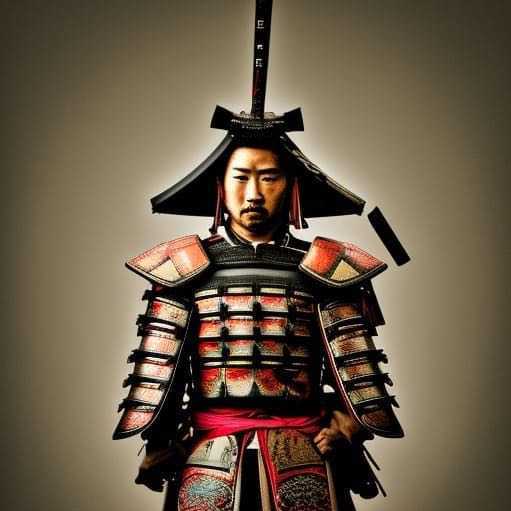
Unveiling the Way of the Samurai: Masters of Honor and Steel

Dave

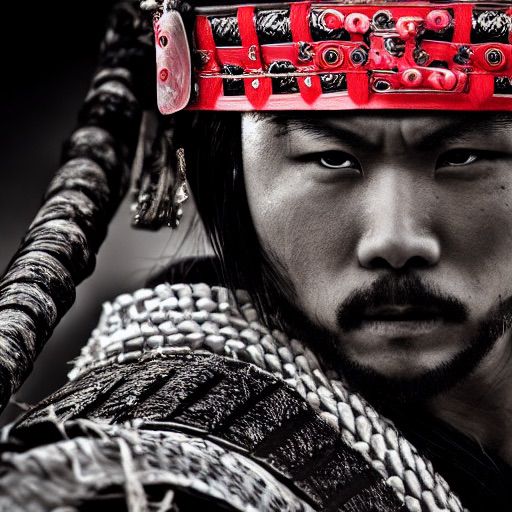
Embark on an enthralling journey into the captivating world of ancient Japan, where the noble samurai stood boldly, admired as legendary figures embodying not only honor and loyalty but also unparalleled martial skill. These historical icons emerged during Japan’s feudal era, rising to the esteemed status of military nobility and reigning as the ruling class throughout the illustrious Edo period.

The samurai were far more than mere warriors; they encapsulated a deep code of conduct known as Bushido. This sacred path emphasized virtues such as unwavering courage, unrelenting self-discipline, and the noble art of self-sacrifice. Their rigorous training encompassed a diverse range of combat skills, including mastery of the sword, the precision of archery, and the elegance of horseback riding. Commanding immense admiration and reverence, their expertise on the battlefield was unparalleled.

However, the essence of a samurai extended far beyond their physical capabilities. It represented a profound combination of moral character and an unwavering commitment to serving their lord with unparalleled loyalty. In the intricate web of social hierarchy, the samurai occupied an elevated position, with the daimyo, the feudal lords, reigning supreme, while the commoners resided at the lower strata.

Beyond the realm of warfare, the samurai assumed pivotal roles as administrators, diplomats, and scholars. These versatile warriors were not just well-versed in combat but also possessed a deep reservoir of knowledge. Their education was comprehensive, encompassing calligraphy, poetry, and the refined art of the tea ceremony. Their pursuit of cultural refinement was as intense as their dedication to martial excellence.

As Japan underwent modernization in the late 19th century, the influence of the samurai began to diminish. Nevertheless, their indomitable legacy continues to captivate the imaginations of people worldwide. They endure as symbols of strength, discipline, and honor, forever leaving their indelible mark in the annals of history.

Related Posts

The Constitution of the United States is one of the Most Important Documents in American History

Dave

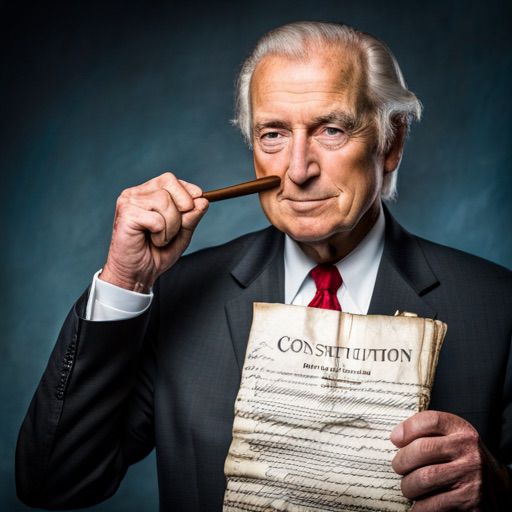
The Constitution of the United States is one of the most important documents in American history. It established the framework for America’s government and has served as a model for democracies around the world. The Constitution was created in a time of great historical significance, and its drafting process was a remarkable achievement. This document outlines the principles and key features that have guided the United States for over two centuries. However, despite the document’s longevity and widespread acclaim, it has faced many contemporary debates and challenges. From debates over interpretation to issues of amendment and modernization, the Constitution remains a living document that continues to shape American society today. In this essay, we will explore the historical context and drafting process of the Constitution, its key features and principles, and the contemporary debates and challenges related to the Constitution.
The drafting of the Constitution can be traced back to the historical context of the American Revolution. The colonists had grown tired of what they perceived as the tyranny of the British government, and as a result, they sought to create a government that would not only protect their rights but also limit governmental power. This led to the drafting of the Articles of Confederation, which turned out to be too weak to effectively govern the United States. As a result, a Constitutional Convention was convened in Philadelphia in 1787 to draft a new constitution. The drafting process was a contentious one, with debates centered around issues such as the distribution of power between the national and state governments, the representation of small and large states, and the protection of individual rights. The delegates to the Convention ultimately compromised on these issues, resulting in the creation of a federal system of government with a system of checks and balances and a Bill of Rights to protect individual liberties. As AL Bannon notes, “the Constitution was a product of compromise and negotiation among diverse interests, and the resulting document reflected a delicate balance of power between the federal government and the states” (12). The Constitutional Convention and the drafting of the Constitution were pivotal moments in American history, laying the foundation for the government that still exists today.

The United States Constitution is a crucial document that outlines the principles and features of the American government. The Constitution consists of seven articles, each addressing a specific aspect of the government’s structure and function. The first three articles establish the legislative, executive, and judicial branches of government, respectively. The fourth article outlines the relationship between states and the federal government, while the fifth article establishes procedures for amending the Constitution. The sixth article addresses the supremacy of federal law, while the seventh and final article outlines the process for ratifying the Constitution. The Constitution also includes several key principles, including popular sovereignty, federalism, separation of powers, and checks and balances. Popular sovereignty, or the idea that the people are the ultimate source of government power, is reflected in the Constitution’s preamble, which begins with the phrase “We the People.” Federalism, or the division of power between the federal government and the states, is established through the Constitution’s allocation of specific powers to each level of government. Separation of powers refers to the division of government into three branches, each with its own distinct powers and responsibilities. Finally, checks and balances ensure that no one branch of government becomes too powerful by allowing each branch to check the powers of the others. Overall, the Constitution’s key features and principles serve to establish a government that is both effective and accountable to the people it serves (McGinnis and Rappaport).

The Constitution of the United States has been the subject of numerous debates and challenges since its inception. One contemporary debate is the interpretation of the Second Amendment, which guarantees the right to bear arms. Some argue that the amendment only applies to the militia, while others believe that it guarantees an individual’s right to own firearms. This debate has been fueled by events such as mass shootings, which have led to calls for stricter gun control laws. Another challenge to the Constitution is the issue of executive power. The presidency has become increasingly powerful in recent years, and some argue that this has led to a violation of the separation of powers outlined in the Constitution. This is particularly evident in the use of executive orders, which allow the president to make policy without the approval of Congress. Finally, the question of the Constitution’s relevance in modern society has been raised. Some argue that the document is outdated and no longer relevant to contemporary issues, while others believe that it is a timeless document that remains relevant today. Ultimately, these debates and challenges highlight the ongoing importance of the Constitution in shaping the future of the United States (Mirosa and Harris).

In conclusion, the Constitution of the United States is a fundamental document that has guided the country for over two centuries. It serves as the foundation of the American government, outlining the powers and limitations of each branch and ensuring a system of checks and balances. It is a testament to the foresight of the founding fathers, who recognized the need for a strong, centralized government while also protecting the rights of the individual citizens. The Constitution has withstood the test of time and remains a symbol of freedom and democracy to people around the world. It is a living document that has been amended and interpreted to reflect the changing needs and values of society. The Constitution remains a cornerstone of American law and politics, and its enduring legacy will continue to shape the nation for generations to come.

Work Cited:

1. Bannon, AL. “The Constitutional Convention: State Delegates and the Debate over the Drafting Process.” Yale Law Journal, vol. 116, no. 8, 2006, pp. 1988-2019. HeinOnline, doi:10.2307/20455625.

2. JO McGinnis, MB Rappaport – Tex. L. Rev., 2001 – HeinOnline.

3. Mirosa, O., & Harris, L. M. (2012). The constitution is dead, long live the constitution! Antipode, 44(4), 1620-1638. doi: 10.1111/j.1467-8330.2012.01048.x Mirosa., LM Harris.”Human right to water: Contemporary challenges and contours of a global debate.”https://onlinelibrary.wiley.com/doi/abs/10.1111/j.1467-8330.2011.00929.x
“Our supermajoritarian constitution.”https://heinonline.org/hol-cgi-bin/get_pdf.cgi?handle=hein.journals/tlr80&section=30
“Designing a constitution-drafting process: lessons from Kenya.”https://heinonline.org/hol-cgi-bin/get_pdf.cgi?handle=hein.journals/ylr116&section=60

Related Posts

Benjamin Franklin: A Trailblazer in American History

Dave

a person posing for the camera

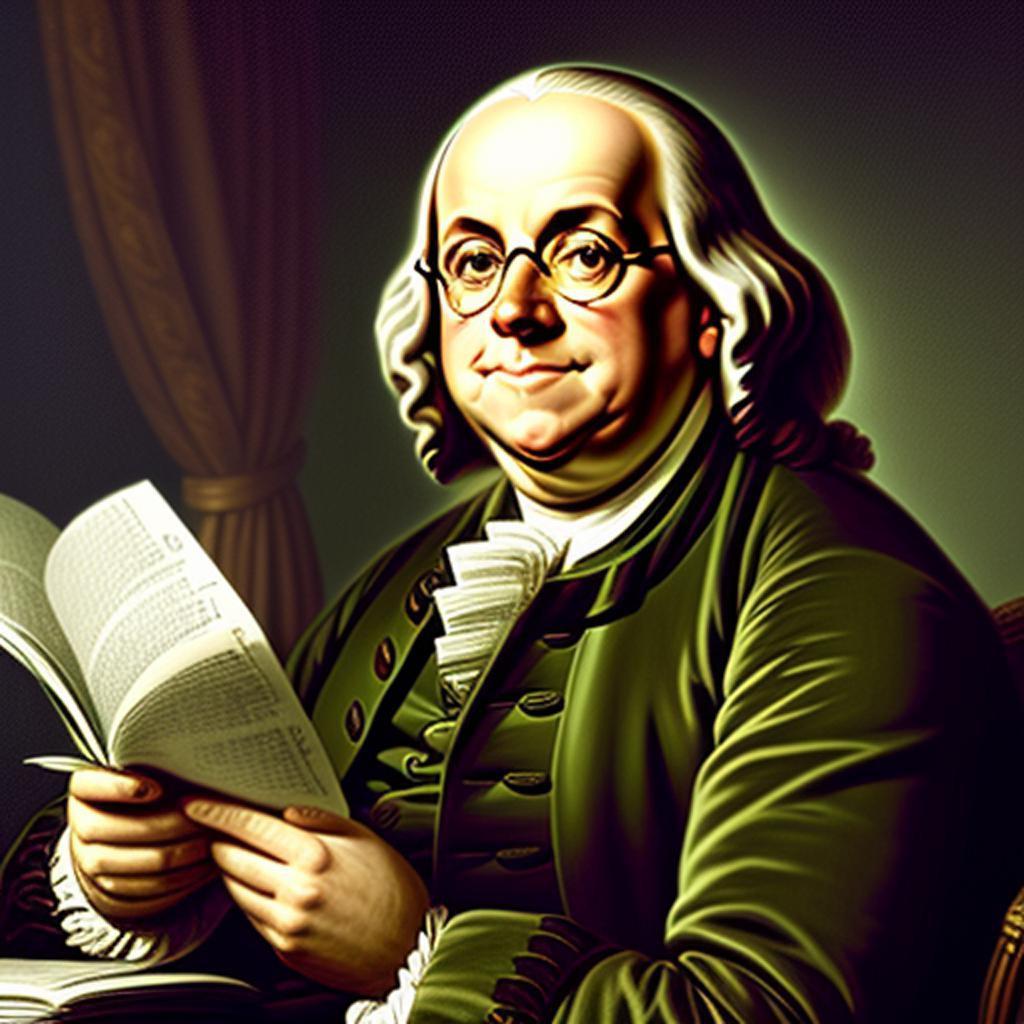
Step into the extraordinary life of Benjamin Franklin, an icon whose brilliance and insatiable thirst for knowledge shaped the very fabric of American history. From humble beginnings to groundbreaking scientific discoveries, from political influence to diplomatic triumphs, Franklin’s impact on society is nothing short of awe-inspiring. In this essay, we will embark on a captivating journey through the early life and education of this self-taught genius, exploring his remarkable contributions to science and inventions that have shaped the modern world, and delving into his influential political career and diplomatic achievements as a founding father. Brace yourself for a comprehensive overview of the extraordinary life and accomplishments of Benjamin Franklin.

Born in 1706 into a modest Boston family, Franklin’s path to success was not paved with privilege. Limited by a lack of formal education beyond the age of ten, Franklin’s journey of self-taught genius was fueled by his insatiable curiosity and determination. With voracious reading and self-study as his weapons, Franklin sought knowledge relentlessly, mastering a diverse range of disciplines including science, politics, and literature. His thirst for learning knew no bounds, borrowing books from friends and acquaintances to broaden his intellectual horizons. Through this process, Franklin became a well-versed scholar in literature, philosophy, and science, setting the stage for his future accomplishments as a writer and inventor. Franklin’s story is a testament to the power of individual initiative and self-motivation in overcoming educational barriers and achieving greatness. Despite lacking formal schooling, his relentless pursuit of knowledge transformed him into a self-taught genius and a pivotal figure in American history.

But Franklin’s impact extends far beyond his journey of self-education. His contributions to science and inventions have left an indelible mark on the modern world. Throughout his life, Franklin conducted groundbreaking experiments and made revolutionary discoveries in various fields, including electricity, meteorology, and optics. In his pursuit of understanding electricity, Franklin’s experiments were nothing short of legendary. His kite experiment, famously demonstrating the connection between lightning and electricity, revolutionized our understanding of this natural phenomenon. This groundbreaking discovery laid the foundation for the development of lightning rods, protecting buildings and structures from the destructive force of lightning strikes. Franklin’s inventions not only ensured the safety of structures but also spurred further scientific inquiry into electricity and its practical applications. Moreover, Franklin’s contributions to meteorology were equally game-changing. Through meticulous observation and the use of innovative instruments, such as thermometers and barometers, he developed a system of weather prediction that continues to be fundamental in modern meteorology. And let’s not forget Franklin’s experiments with lenses and his invention of bifocals, which revolutionized vision correction and set the stage for modern eyeglasses. Benjamin Franklin’s contributions to science and inventions have undoubtedly shaped our understanding of electricity, weather prediction, and vision correction, leaving an enduring legacy on the modern world.

As a founding father, Franklin’s influence extended far beyond the realms of science and inventions. He played a pivotal role in shaping the nation’s politics and diplomatic relations during the Revolutionary War era. In addition to being a signer of the Declaration of Independence, Franklin represented Pennsylvania in the Continental Congress, leaving an indelible mark on the nation’s political landscape. His diplomatic achievements were equally remarkable, as he skillfully navigated international relations during a tumultuous time. Franklin’s legacy as a founding father is a testament to his unwavering dedication to the ideals of liberty, equality, and justice that continue to shape the nation today.

In conclusion, Benjamin Franklin’s life and accomplishments are a testament to his intellect, curiosity, and unwavering dedication to the pursuit of knowledge. From his humble beginnings as a self-taught young man to his groundbreaking scientific discoveries and inventions, to his influential role in shaping the politics and diplomacy of the United States, Franklin’s impact on society cannot be overstated. His journey of self-taught genius, his contributions to science and inventions, and his political career and diplomatic achievements all converge to create a comprehensive portrait of an extraordinary figure in American history. Benjamin Franklin, a trailblazer, a visionary, and a founding father, continues to inspire generations with his enduring legacy.

Related Posts

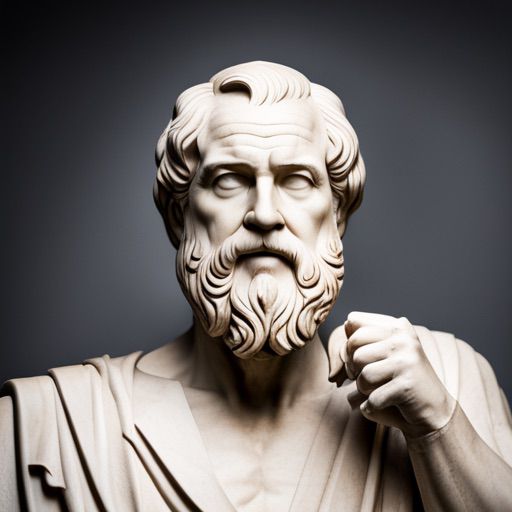
Plato’s Paradigm: Unraveling the Wisdom of Ancient Greece

Dave

a person posing for the camera

Plato, the legendary ancient Greek philosopher, stands tall as one of the most profound and influential thinkers in the history of Western philosophy. Hailing from Athens, he emerged in 427 BCE, immersing himself in the teachings of Socrates while later shaping the brilliant mind of Aristotle. This academic lineage solidified Plato’s pivotal role in the evolution of philosophical thought.

The breadth of Plato’s works, presented in the form of captivating dialogues, spans a vast spectrum of subjects that ignite the imagination. From probing ethics and politics to delving into metaphysics, epistemology, and aesthetics, his intellectual prowess knows no bounds. Among his illustrious creations, “The Republic” reigns supreme, unveiling the very essence of justice and the utopian concept of an ideal state.

Plato’s philosophy stands as a testament to his unique theory of Forms, a radical notion that challenges our perception of the material world. According to him, our senses merely offer a distorted reflection of an immaculate realm filled with eternal and unchanging ideas. This groundbreaking concept would reverberate through the corridors of time, profoundly influencing subsequent philosophers and leaving an indelible mark on diverse academic disciplines, including theology, mathematics, and psychology.

However, Plato’s philosophical musings transcend the realm of abstract ideas. He fervently emphasized the vital significance of virtue and moral education, seeking to nurture individuals who would have a positive impact on society as a whole. His profound insights on education and the pivotal role of philosophers as guardians of the state continue to shape political and social theories, leaving an enduring legacy that spans centuries.

Remarkably, Plato’s intellectual brilliance remains as relevant today as it did over two millennia ago. His philosophical concepts continue to captivate the minds of contemporary thinkers, ensuring his place as a timeless figure in the expanse of human intellect.

Related Posts

Exploring the Pros and Cons of Communism: Theory, Practice, and Controversy

Dave

a close up of a flag
Communism is an ideology and socio-economic system that aims for a classless society where the means of production are owned and controlled by the community as a whole. It is based on the principle of common ownership and the absence of private property. The goal of communism is to create a society where wealth and resources are distributed equitably, and everyone’s needs are met. However, the practical implementation of communism has yielded mixed results throughout history.

Proponents argue that communism, in theory, can create a fairer and more equal society. They believe that by eliminating private ownership and profit-driven motivations, communism can minimize social and economic inequalities. Supporters also claim that communism can lead to the collective advancement of society, where the needs of the community take precedence over individual desires. The emphasis on common ownership and shared responsibility is seen as a way to foster cooperation and solidarity among people.

However, detractors argue that communism, in practice, often leads to authoritarianism, lack of individual freedoms, and economic inefficiency. History has shown that many communist regimes have been characterized by centralized power, limited political freedoms, and suppression of dissent. Critics also point out that the absence of private property can discourage innovation and productivity, as there is no individual incentive to excel or take risks. Additionally, the centralized planning often associated with communism can result in inefficient allocation of resources and lack of consumer choice.

The effectiveness of communism as a system largely depends on its implementation and the specific context in which it is applied. The Soviet Union, for example, experienced economic stagnation and widespread poverty under its communist regime. On the other hand, countries like China and Vietnam have adopted a mix of communism and market-oriented policies, leading to significant economic growth and poverty reduction.

In conclusion, the question of whether communism works is a complex and debated topic. While the principles of communism have the potential to address social and economic inequalities, the practical implementation has often fallen short. The success or failure of communism depends on various factors, including the balance between central planning and individual freedoms, the level of political repression, and the ability to adapt to changing economic conditions. Ultimately, the effectiveness of communism as a socio-economic system remains a subject of ongoing discussion and analysis.

Related Posts

Tips for Effective Time Management

Dave

a close up of a watch

Do you find yourself struggling to get everything done in a day, while others seem to breeze through their tasks with ease? Well, the truth is, time is a valuable commodity that we can never get back once it’s gone. But don’t worry, effective time management is a skill that anyone can learn and improve upon. Are you ready to take the reins and maximize your productivity? Then let’s dive into these ten valuable tips!

First things first, start by setting clear goals, both short-term and long-term. Break them down into manageable tasks and prioritize them based on their importance and urgency. By doing this, you’ll be able to focus on the things that matter most and avoid getting overwhelmed.

The next step is to create a schedule or routine that allocates specific time slots for different activities. Not only will this help you stay organized, but it will also create a sense of structure and set expectations.

One of the biggest challenges to effective time management is overcommitting. So, don’t be afraid to say no to tasks or commitments that don’t align with your goals or priorities. Remember, every “yes” to something is a “no” to something else.

Large projects or tasks can be intimidating, leading to procrastination. To avoid this, break them down into smaller, more manageable parts, and tackle them one step at a time. Celebrate small victories along the way, and you’ll be amazed at how quickly you make progress.

Time-blocking is another effective technique that involves scheduling specific time periods for focused work on particular tasks or projects. Dedicate uninterrupted blocks of time to important activities, minimizing distractions to increase productivity.

Distractions can be a productivity killer, so it’s essential to identify and eliminate potential distractions that hinder your progress. Turn off notifications on your phone or computer, close unnecessary tabs, and create a conducive environment for focused work.

Recognize that you don’t have to do everything yourself. Delegate tasks to capable team members or consider outsourcing certain responsibilities to free up your time for more critical or high-value activities.

Avoid burnout by taking regular breaks. Rest and rejuvenation are essential for maintaining productivity and mental well-being. Incorporate activities like exercise, meditation, or hobbies into your schedule to recharge.

Procrastination can be a significant obstacle to effective time management. Understand your triggers and develop strategies to overcome procrastination, such as setting deadlines, breaking tasks into smaller parts, or using productivity techniques like the Pomodoro Technique.

Finally, regularly assess your time management strategies to identify what works and what doesn’t. Make adjustments based on your experience and changing circumstances. Flexibility and adaptability are key to optimizing your time management skills.

In conclusion, efficient time management is a vital skill that can significantly enhance your productivity, reduce stress, and improve your overall quality of life. By implementing these ten tips, setting clear goals, prioritizing tasks, and adopting effective strategies, you can reclaim control over your time and achieve greater success in both your personal and professional pursuits. Remember, time is a precious resource, so make the most of it!

Related Posts

Unraveling the Timeless Wisdom of Socrates

Dave


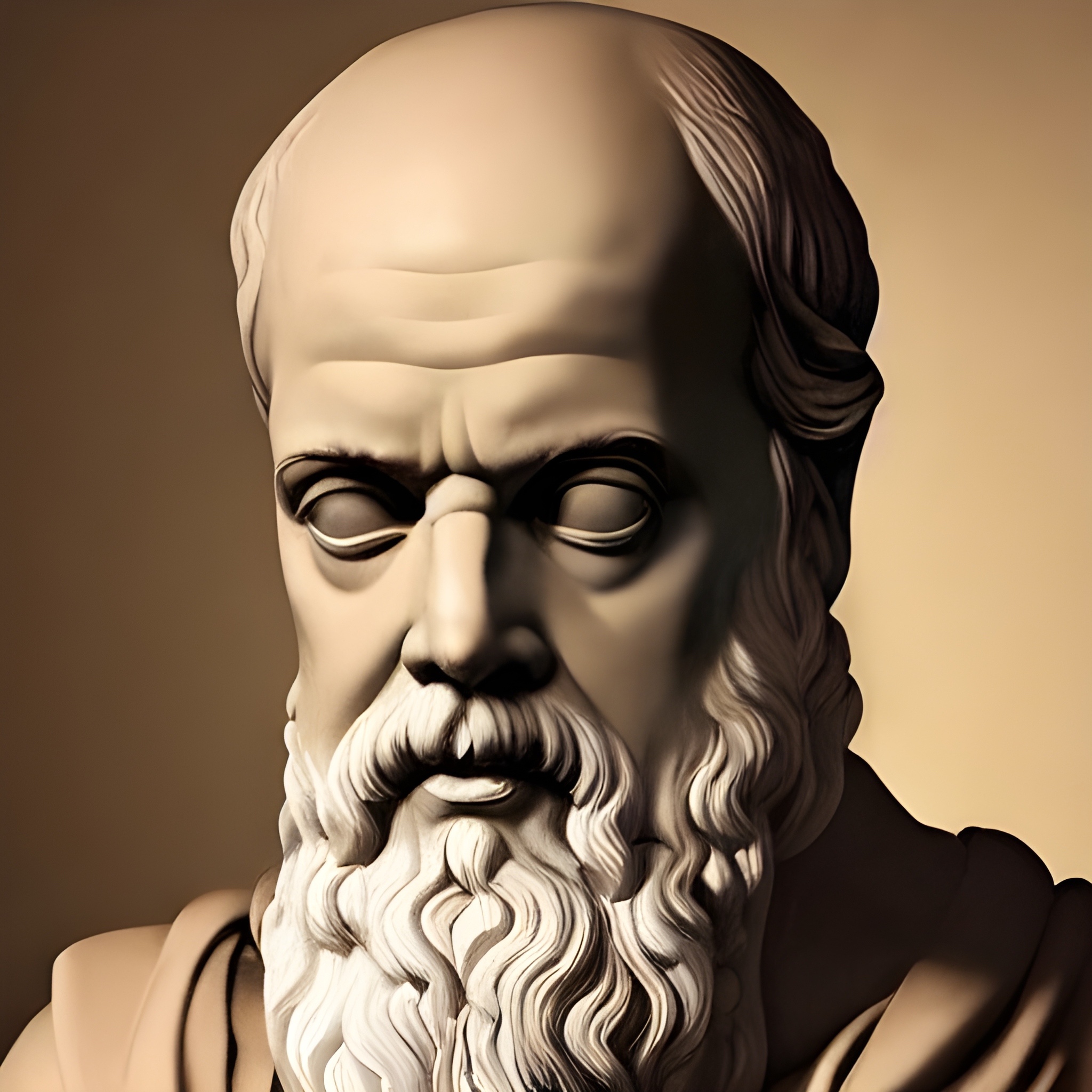
Socrates was a Greek philosopher who lived in Athens during the 5th century BCE. He is widely regarded as one of the most prominent figures in Western philosophy, and his ideas have had a profound impact on the development of the field. Socrates is perhaps most famous for his belief in the importance of questioning and inquiry, which he demonstrated through his use of the Socratic method. This method involved asking a series of questions to arrive at a deeper understanding of a particular topic or idea. Socrates believed that questioning and critical thinking were essential to gaining knowledge and understanding the world around us.

Another notable idea from Socrates was his belief in the importance of living a virtuous life. He argued that the pursuit of wealth, power, and pleasure was ultimately unfulfilling, and that true happiness could only be achieved through living a life of moral excellence. Socrates believed that everyone had the potential to be virtuous, and that by examining one’s own beliefs and behaviors, one could strive to become a better person.

In addition to his ideas about questioning, inquiry, and virtue, Socrates also had strong opinions about the nature of knowledge and wisdom. He famously claimed that he was wiser than anyone else because he was aware of his own ignorance. Socrates believed that true wisdom came from acknowledging one’s own limitations and being open to learning from others.

Finally, Socrates was known for his belief in the immortality of the soul. He argued that the body was mortal and subject to decay, but that the soul was eternal and would continue to exist after death. Socrates believed that the pursuit of knowledge and virtue was not only important for living a fulfilling life, but also for preparing oneself for the afterlife.

Overall, Socrates’ ideas have had a lasting impact on philosophy and continue to be studied and debated today. His emphasis on questioning, inquiry, virtue, wisdom, and the immortality of the soul remain relevant and influential in the modern world.

Related Posts

The Myth, the Monster, and the Symbolic Power of Medusa

Dave

background pattern
The legend of Medusa is a captivating tale that has mesmerized people worldwide for centuries. According to Greek mythology, Medusa was a stunning beauty with luscious hair, but she was cursed by the goddess Athena. The curse transformed her hair into venomous snakes and disfigured her face so horribly that anyone who gazed upon her turned to stone.

Medusa was once a priestess of Athena, but she was punished for being raped by Poseidon in Athena’s temple. Athena’s wrath was so fierce that she transformed Medusa into the monstrous creature that we know today. Medusa’s curse made her an outcast, feared and despised by all who laid eyes on her. She was forced to dwell alone in a cave, shunned by everyone.

Despite her fearsome reputation, Medusa was not malevolent. Instead, she was a victim of circumstance, cursed by a goddess who was envious of her allure and power. Medusa’s story is a heart-wrenching one, a lesson about the hazards of jealousy and vengeance. Her image has been immortalized in art and literature, from ancient Greek pottery to contemporary comic books.

The story of Medusa has inspired countless interpretations throughout the ages. Some see her as a symbol of feminine might, while others consider her a monster to be vanquished. Regardless of how one perceives her tale, it’s undeniable that Medusa remains one of the most captivating and long-standing characters in Greek mythology. Her story has been retold in countless ways, and it continues to enthrall audiences worldwide to this day.

Related Posts

The Rise and Fall of the Samurai: Exploring the Cultural and Political History of Japan’s Elite Warriors

Dave

Get ready to be transported to ancient Japan, where the legendary samurai roamed the land, living by a strict code of honor known as bushido. These warriors were the epitome of bravery, discipline, and loyalty, and were highly respected and admired in Japanese society.

The samurai were not only known for their combat skills, but also for their proficiency in various martial arts, including archery, swordsmanship, and horseback riding. They were trained in the art of warfare, strategy, and tactics, and had to be physically fit and mentally sharp at all times. Their lives were dedicated to serving their lords, and they were willing to risk it all to defend their honor.

The samurai emerged as a powerful force in Japanese society during the feudal era, serving as the ruling class and the protectors of their lords. But as modernization swept across Japan, the role of the samurai changed. They were no longer needed as warriors, and many found themselves without a purpose. Some turned to the arts or business, while others became bureaucrats.

Despite the passing of time, the legacy of the samurai lives on through Japanese culture, martial arts, and popular media. The katana, or samurai sword, is still highly prized as a work of art, and samurai movies and anime continue to captivate audiences around the world. The samurai code of bushido remains a symbol of honor and integrity, inspiring people to act with courage and self-discipline in all aspects of life.

In conclusion, the samurai were a fascinating class of warriors who played a significant role in Japanese history and culture. Their discipline, bravery, and loyalty continue to inspire people around the world, and their legacy will forever be remembered as a symbol of honor and integrity.

Related Posts