Category: Events

California’s Golden Fever: The Spark That Shaped a Nation

Elias Rowen

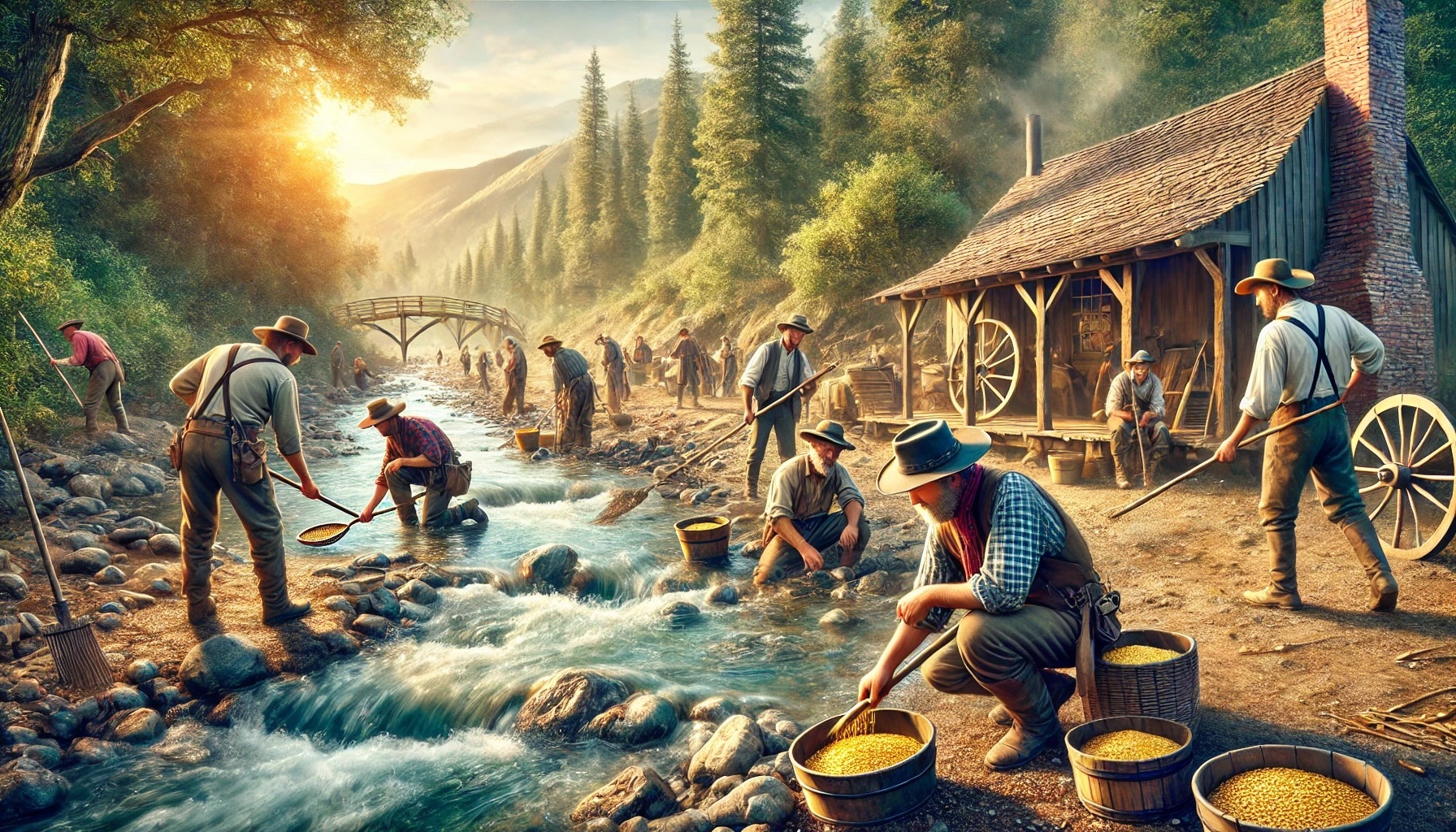
In January 1848, a discovery at Sutter’s Mill near Coloma, California, sent shockwaves through the young United States. James W. Marshall’s unassuming find of shiny flakes in the American River ignited what would become one of the most transformative events in American history: the California Gold Rush. This glittering metal drew dreamers from all walks of life, uniting them in a feverish pursuit of wealth and opportunity.

The Gold Rush wasn’t just about the promise of riches—it reshaped the landscape, economy, and society of California. By 1849, tens of thousands of prospectors from the U.S. and abroad had flooded the region, transforming sleepy towns into bustling hubs overnight. The sheer diversity of those who came—from Chinese immigrants to European adventurers—laid the foundation for California’s multicultural identity.

However, the Gold Rush had its darker side. While fortune smiled on some, many others faced hardship, with their dreams dashed in the harsh realities of mining life. Indigenous communities suffered displacement, disease, and violence as waves of settlers upended their lands. Despite this, the Gold Rush indelibly accelerated California’s path to statehood in 1850, firmly planting it as a critical part of the American story.

Today, the echoes of the Gold Rush still resonate in California’s culture and economy. Its legacy serves as a testament to both the allure of opportunity and the complex history of ambition. Gold may no longer glitter in California’s rivers, but its story shines brightly in the annals of history, reminding us of the human spirit’s enduring quest for prosperity.

Related Posts

The Birth of the Panama Canal: A Monument to Human Ingenuity and Global Connectivity

Elias Rowen

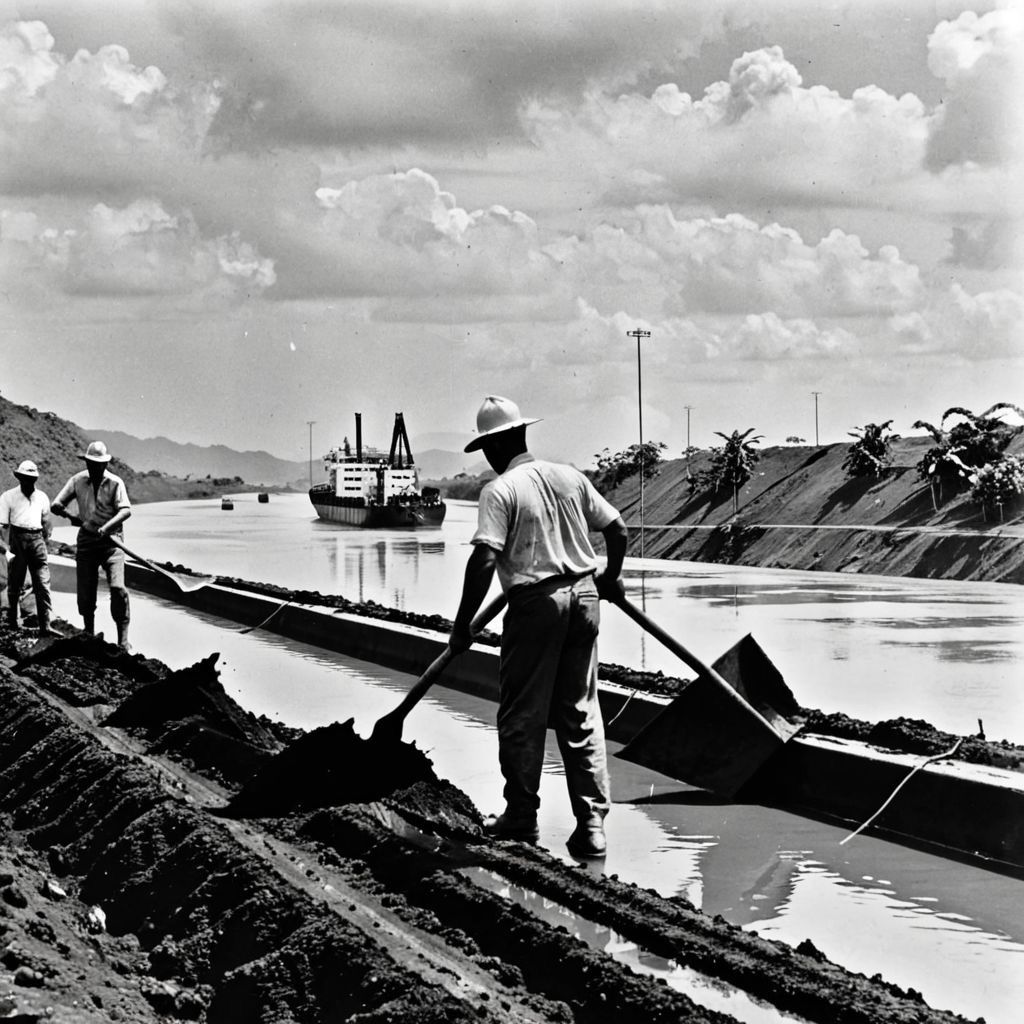
The construction of the Panama Canal stands as one of the greatest engineering feats in human history, forever altering the way goods, people, and ideas move across the globe. Spanning the narrow isthmus of Panama, the canal connects the Atlantic and Pacific Oceans, reducing travel time for ships by thousands of miles. Before its completion in 1914, ships were forced to take the long and perilous journey around the southern tip of South America, the treacherous Cape Horn. The vision for a shortcut through the continent was dreamt up by several generations, but it wasn’t until the late 19th century that the project gained serious momentum under French engineer Ferdinand de Lesseps. His initial attempt to build the canal, however, was marred by technical failures and a devastating loss of life due to tropical diseases such as malaria and yellow fever.

In 1904, the United States took over the project, under the leadership of President Theodore Roosevelt, recognizing the canal’s immense strategic and economic importance. The American effort, led by John Stevens and later George Washington Goethals, overcame countless challenges, from the engineering complexity of digging through mountains to the management of widespread health crises. The U.S. invested heavily in controlling the spread of disease by implementing revolutionary public health measures, including the work of Dr. William Gorgas, whose efforts in eradicating mosquitoes helped make the canal project feasible. By 1914, the Panama Canal was completed, a monumental achievement that reshaped international trade routes and global politics.

The canal’s impact was immediate and profound. It not only facilitated a boom in international commerce, particularly for shipping industries, but also enhanced the U.S. military’s ability to project power across both oceans. Economically, it opened up new markets and drastically reduced the cost of transporting goods, particularly between the East and West coasts of the United States. The canal also had geopolitical ramifications, cementing the U.S. as a dominant force in the Western Hemisphere. In 1999, control of the canal was handed over to Panama, marking a new chapter in the region’s history, yet the canal’s influence on global trade and political relations remains as potent as ever.

Today, the Panama Canal is not just an engineering wonder; it is a symbol of human determination, innovation, and collaboration. It reminds us of the ability to overcome adversity and the far-reaching consequences of ambitious projects that challenge the status quo. As global trade continues to grow, the canal stands as a testament to how one man’s vision can ripple across the world and change the course of history forever.

Related Posts

The Great Blizzard of 1888: A historic snowstorm that affected the northeastern United States

Elias Rowen

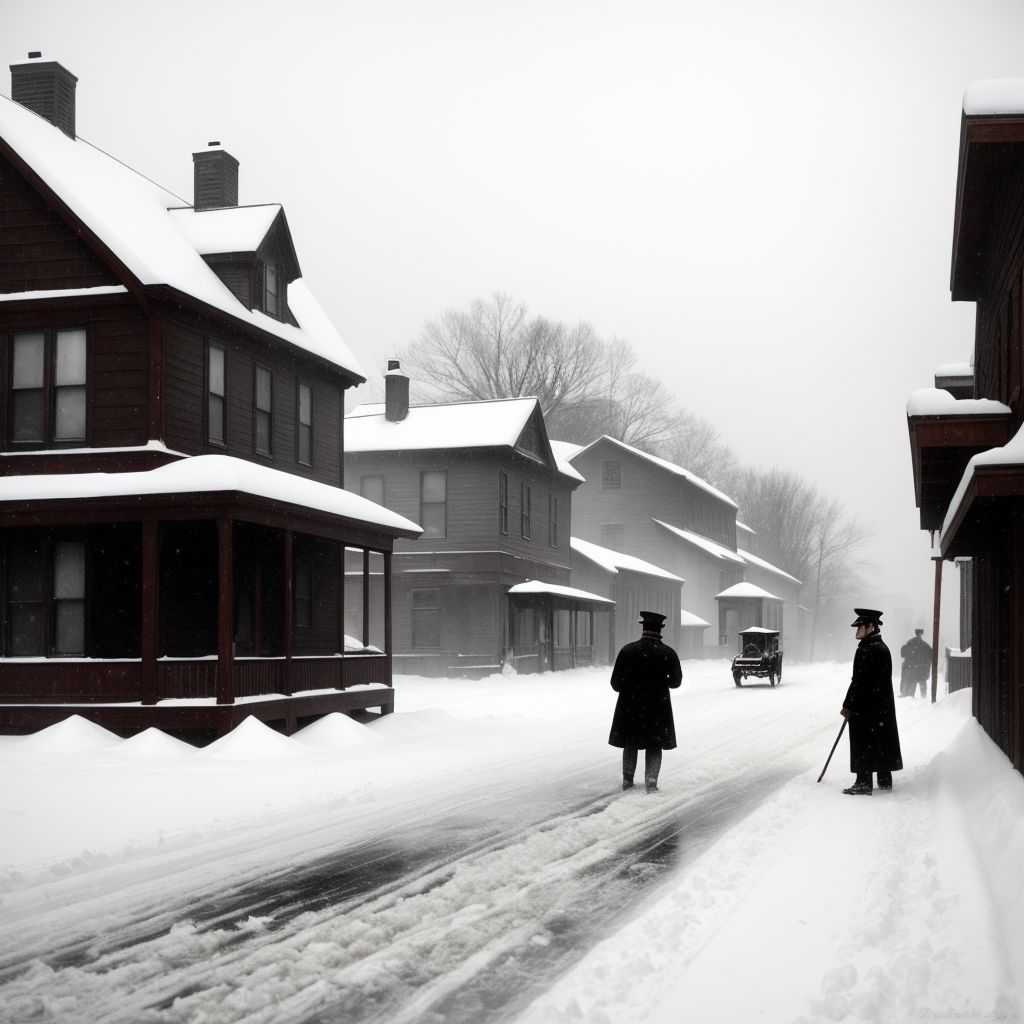
The Great Blizzard of 1888, which struck the northeastern United States in March of that year, remains one of the most powerful and devastating snowstorms in American history. Lasting from March 11 to March 14, the blizzard unleashed massive snowfall, reaching up to 50 inches in some areas, and was accompanied by fierce winds that created snowdrifts as high as 30 feet. It affected an area stretching from the Great Lakes to the East Coast, including major cities like New York, Boston, and Philadelphia. The storm paralyzed transportation systems, disrupted telecommunication lines, and caused widespread power outages. Thousands of people were trapped in their homes, and the loss of life from the storm and its aftermath was tragic, with at least 400 fatalities recorded.

The impact of the Great Blizzard was felt immediately, but its long-term effects were equally significant. The storm exposed the vulnerabilities of urban infrastructure and led to major improvements in snow removal and emergency response systems in cities across the Northeast. The severity of the blizzard also prompted advancements in weather forecasting and the establishment of better communication networks, including the expansion of telegraph lines. In the years following the storm, the event became a powerful symbol of nature’s might and the need for better preparedness in the face of extreme weather.

The Great Blizzard of 1888 serves as a reminder of the unpredictability of nature and the resilience of communities in the face of disaster. It also marks a pivotal moment in the history of meteorology and urban development in the United States, showcasing how even the most powerful storms can lead to progress and innovation. Today, the legacy of the blizzard is remembered not just for its devastation but for the lessons it taught about adapting to the forces of nature and the importance of preparedness.

Related Posts

Chilling Traditions: A Global Journey Through Winter Celebrations

Elias Rowen

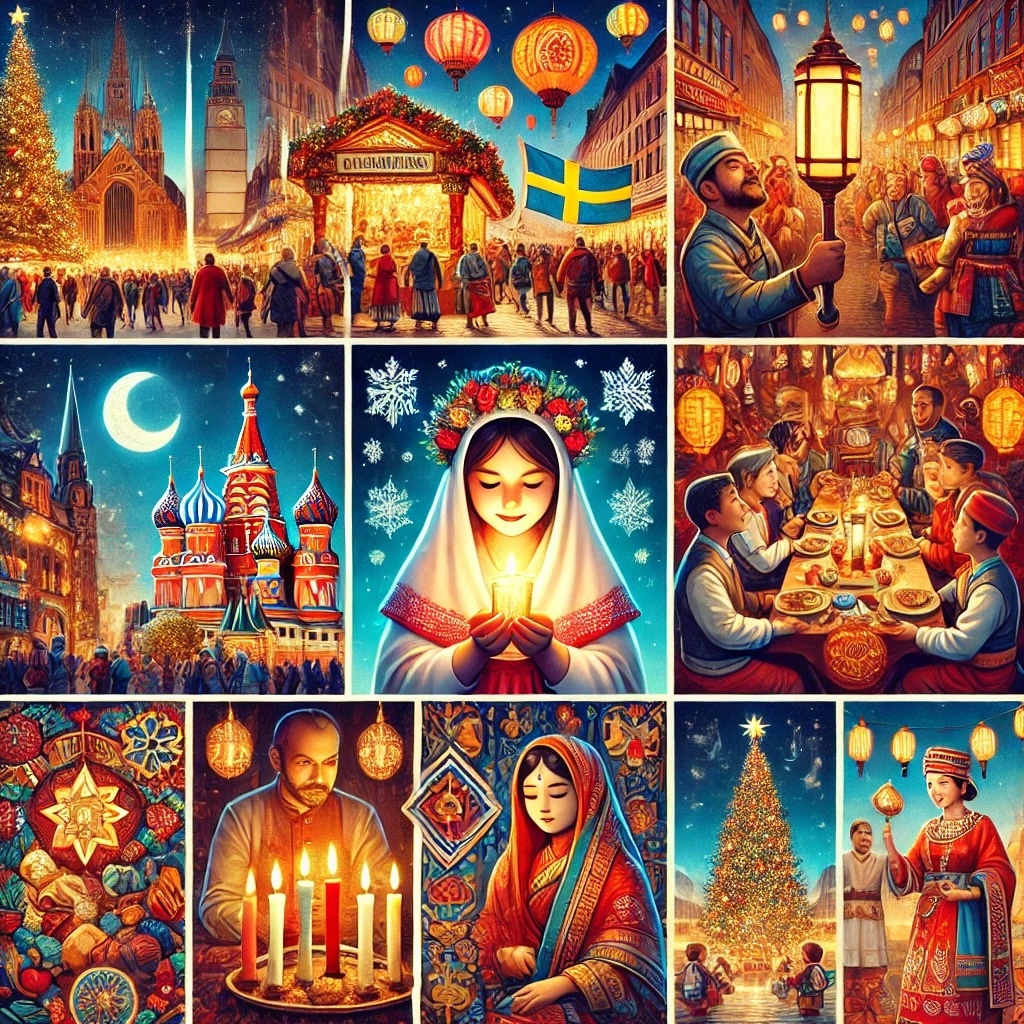
Winter, with its cold embrace and quiet stillness, has long been a season of reflection, renewal, and celebration. Across the globe, cultures have developed unique ways to mark this time of year, weaving together ancient customs, religious practices, and a shared sense of community. The arrival of winter is not only a natural phenomenon but a moment when people come together to embrace the darkness and cold, celebrating hope, family, and the promise of new beginnings.

In Western cultures, the Christmas season is perhaps the most recognized winter celebration. For many, it represents a time of spiritual reflection, celebrating the birth of Jesus Christ, while also embracing secular traditions like gift-giving, feasts, and festive lights. The holiday brings warmth to the coldest of months, and in countries like the United States and the UK, people gather with loved ones around the Christmas tree, sharing meals and creating memories. Similarly, New Year’s Eve, a time for looking forward, is marked by countdowns, fireworks, and the promise of a fresh start.

In Eastern cultures, winter traditions vary greatly, but a common theme is the importance of family and ancestral worship. In China, the Lunar New Year, which falls in late January or early February, is a grand celebration of family bonds, fortune, and good health. The vibrant red decorations, dragon dances, and lavish feasts are accompanied by prayers for prosperity and happiness in the coming year. The Winter Solstice Festival, also known as Dongzhi, is another key event in China, where families come together to eat tangyuan (sweet rice balls) and honor their ancestors, marking the longest night of the year with warmth and togetherness.

Further to the north, in Scandinavian countries like Sweden, Finland, and Norway, the winter months are rich with traditions that honor the darkness while celebrating the return of light. Swedish festivities during Christmas, like the celebration of St. Lucia’s Day on December 13, bring light into the dark days with processions of children wearing candles in their hair, singing carols and spreading warmth through the community. In Finland, the Christmas season is a quiet time focused on family and rest, where many head to their summer cottages for a peaceful retreat, enjoying saunas and hearty meals.

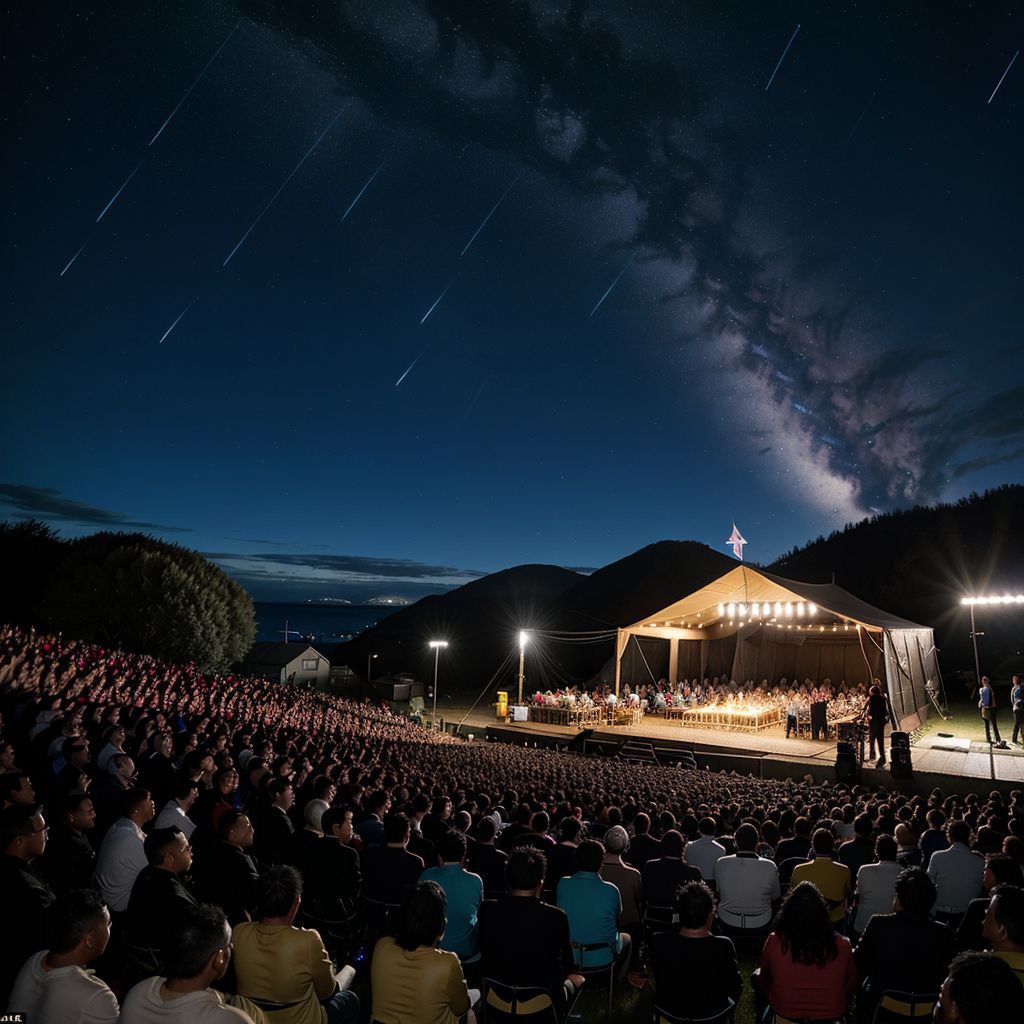
In the Southern Hemisphere, where the winter months are reversed, countries like Australia and New Zealand embrace the winter solstice with festivals that celebrate the coming of longer days. The Māori people, for example, celebrate Matariki, the rise of the Pleiades star cluster, which signals the Māori New Year. This festival is marked by feasts, performances, and reflection on the past year, with a focus on community and environmental harmony.

The common thread running through these diverse celebrations is the emphasis on togetherness, whether it’s through religious rituals, family gatherings, or cultural practices. The cold winter months, often seen as a time of darkness and retreat, are transformed into opportunities for connection, renewal, and gratitude. Each culture’s unique customs offer a window into how humanity has long used winter as a time to reflect on the past and look forward to new beginnings, no matter where in the world they may be.

Related Posts

The Emancipation Proclamation: A Monumental Step Toward Freedom

Elias Rowen

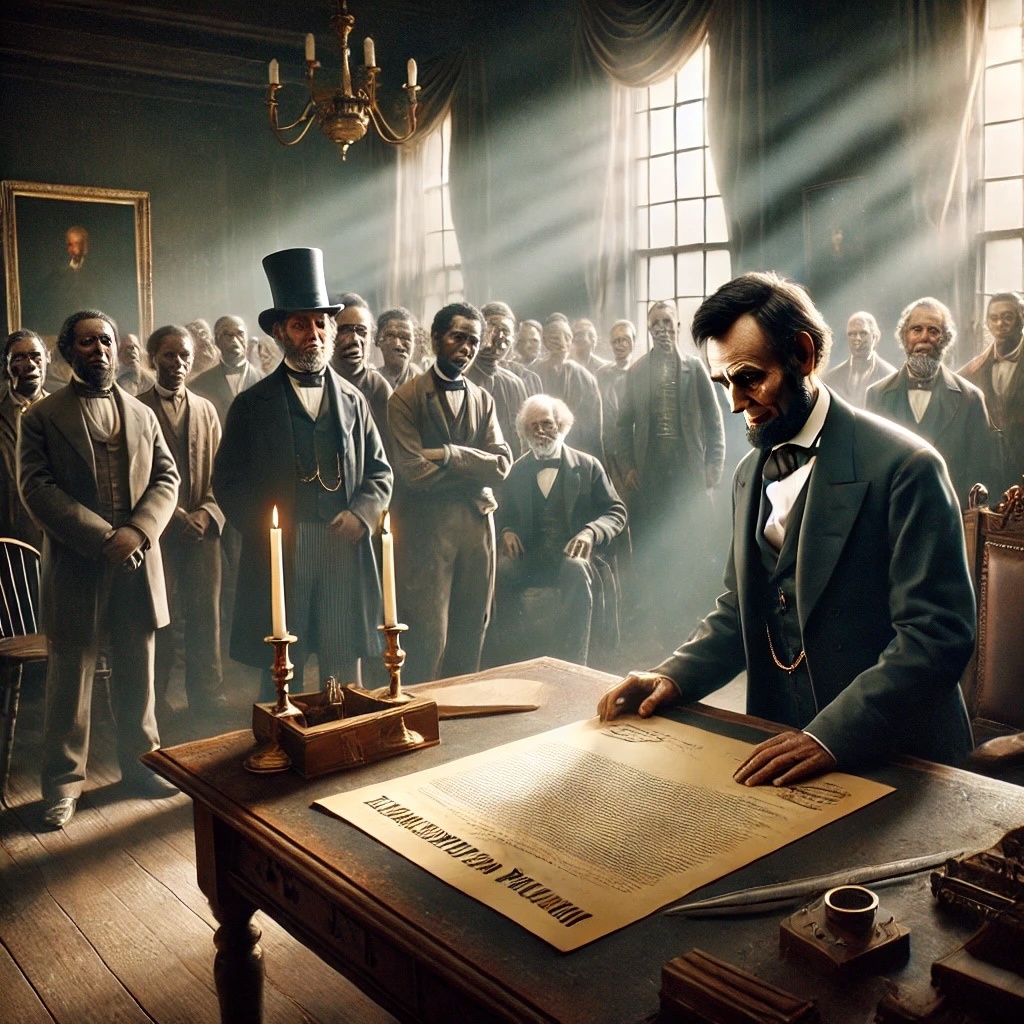
On January 1, 1863, President Abraham Lincoln signed the Emancipation Proclamation, one of the most pivotal documents in American history. This executive order declared that all enslaved individuals in Confederate-held territories were to be freed. While it did not immediately abolish slavery throughout the entire United States, it fundamentally altered the course of the Civil War and redefined the nation’s moral and legal compass. The Proclamation empowered enslaved individuals to escape bondage, offering them the hope of freedom, while also allowing for the enlistment of African American soldiers into the Union army, further strengthening the Union’s efforts.

The significance of the Emancipation Proclamation cannot be overstated. It marked the beginning of the end of an institution that had deeply entrenched itself in the fabric of American society for centuries. Although it faced fierce opposition from Confederate states and some in the Union, it set a powerful precedent for the eventual passage of the 13th Amendment, which would formally abolish slavery in the United States. The document was not only a military strategy but also a moral declaration that reshaped the nation’s identity. For many, it symbolized a turning point where the ideals of liberty and equality began to take precedence over the preservation of an unjust system.

In the years that followed, the Emancipation Proclamation became a beacon of hope for African Americans, inspiring generations to fight for equality and justice. It remains a testament to the enduring struggle for freedom and human dignity, and its legacy continues to influence movements for civil rights across the world.

Related Posts

Unlocking Potential: The Psychology of Lifelong Learning

Elias Rowen

In a world that never stops evolving, the ability to learn continuously is one of the most powerful tools we possess. Lifelong learning is more than a habit—it’s a mindset that can unlock untapped potential, transform careers, and enrich our personal lives. At its core, the psychology of lifelong learning is about curiosity, adaptability, and the courage to embrace challenges. By understanding the mental and emotional drivers behind this practice, we can harness its power to create a fulfilling and dynamic life.

Psychologically, lifelong learning taps into our intrinsic need for growth and self-improvement. Psychologist Abraham Maslow’s hierarchy of needs places self-actualization—achieving our full potential—at the top. Learning new skills, exploring interests, and broadening our knowledge helps us climb closer to that peak. It’s why mastering a language, understanding a new software program, or finally learning to play an instrument feels so rewarding. Each accomplishment isn’t just a skill gained; it’s a step closer to becoming the best version of ourselves.

Adopting a growth mindset, a concept popularized by Dr. Carol Dweck, is key to lifelong learning. People with a growth mindset believe that abilities can be developed through effort and persistence. This perspective encourages resilience in the face of failure, reframing setbacks as opportunities to learn. For instance, a professional who struggles to adapt to a new technology at work but persists in learning it gains not only the skill but also confidence in their ability to overcome challenges. This mental shift allows lifelong learners to thrive in an ever-changing world.

The psychological benefits of lifelong learning extend beyond personal growth. It keeps our brains sharp and engaged, particularly as we age. Studies show that learning new skills strengthens neural connections and even creates new ones, improving memory and cognitive function. On an emotional level, the act of learning can boost self-esteem and combat feelings of stagnation. There’s something profoundly empowering about stepping out of your comfort zone and discovering you’re capable of more than you thought.

Lifelong learning is also a bridge to connection and collaboration. Whether it’s joining a book club, attending workshops, or enrolling in online courses, learning often involves engaging with others who share similar interests. These interactions foster a sense of community and belonging, reminding us that growth is not just an individual journey but a shared experience.

In today’s rapidly changing world, the ability to adapt and grow is more important than ever. From advancing careers to personal fulfillment, lifelong learning equips us with the tools to navigate uncertainty and seize new opportunities. But beyond the practical benefits, it’s the joy of learning itself—the “aha” moments, the small victories, the discovery of hidden talents—that makes the journey worthwhile.

So, whether it’s picking up a new hobby, pursuing a degree later in life, or simply staying curious about the world, the path of lifelong learning is one of empowerment and endless possibility. After all, it’s not about knowing everything; it’s about always being willing to learn.

Related Posts

Global Cheer: Exploring Holiday Traditions Around the World

Elias Rowen

The holiday season brings with it an infectious spirit of joy, love, and togetherness. While many associate the season with traditions like Christmas trees, gift-giving, and festive meals, these customs can look quite different depending on where you are in the world. Each culture has its own way of celebrating, reflecting unique histories, values, and beliefs that make the holiday season even more meaningful. In Germany, for instance, Christmas markets are a beloved tradition, where people gather to sip mulled wine, sample gingerbread cookies, and shop for handcrafted ornaments. Meanwhile, in Mexico, Las Posadas, a nine-night celebration, reenacts Mary and Joseph’s search for shelter, culminating in a joyful feast and the breaking of a piñata. In the Philippines, the holiday season kicks off with a “Simbang Gabi,” a nine-day series of dawn masses leading up to Christmas Eve, followed by a grand feast. In India, Diwali, the festival of lights, brings families together to decorate their homes with oil lamps, exchange sweets, and celebrate the triumph of light over darkness. Meanwhile, in Japan, where Christmas isn’t widely observed as a religious holiday, couples enjoy romantic dinners, and people line up for the popular Christmas cake, a symbol of celebration. Across the globe, these festive traditions offer a beautiful mosaic of cultural practices that highlight the universal desire for love, family, and community, reminding us all that the holiday spirit transcends borders, bringing people together in shared joy.

Related Posts

Red Carpet Christmas: A Guide to Festive Elegance

Elias Rowen

This holiday season, why not embrace the glamour and sophistication of a red carpet experience? There’s something undeniably elegant about stepping into the Christmas season with a sense of grandeur. From dazzling decorations to luxurious outfits, creating a festive atmosphere that feels like an exclusive event is a beautiful way to celebrate the holidays. Imagine your home aglow with shimmering lights, tables set with fine china, and the air filled with a sense of refined celebration. This is the essence of a red carpet Christmas—a holiday gathering that exudes elegance and leaves a lasting impression.

Start by transforming your space into a winter wonderland with sophisticated decorations. Think gold and silver tones, crystal accents, and rich velvet ribbons. A sparkling tree adorned with elegant ornaments, paired with scented candles and lush garlands, can elevate the ambiance of your home. It’s all about creating an atmosphere that feels luxurious yet warm, with every detail designed to make guests feel like they’re part of something special. You can even design a red carpet entrance for your guests to walk down as they arrive, setting the tone for a night of class and cheer.

For the ultimate festive elegance, pay attention to the little touches. Serve champagne in crystal flutes, set a beautiful dinner table with sparkling glassware, and offer gourmet appetizers that make everyone feel like they’re at an exclusive holiday gala. As the evening unfolds, create a playlist of sophisticated holiday music—think jazzy renditions of classic Christmas carols or instrumental tunes that allow the conversation to flow smoothly.

Fashion is another key element in bringing a red carpet Christmas to life. Encourage your guests to dress in their finest holiday attire, whether it’s black-tie or formal cocktail wear. A little sparkle in the form of sequined dresses or metallic ties can add a touch of festive flair, making everyone feel like stars of the night.

A red carpet Christmas isn’t just about appearances; it’s about creating an unforgettable holiday experience where every detail contributes to a sense of festivity, elegance, and joy. It’s the perfect way to elevate the season and make this Christmas a celebration worthy of the silver screen.

Related Posts

Remembering Pearl Harbor: A Day That Lives in Memory

Elias Rowen

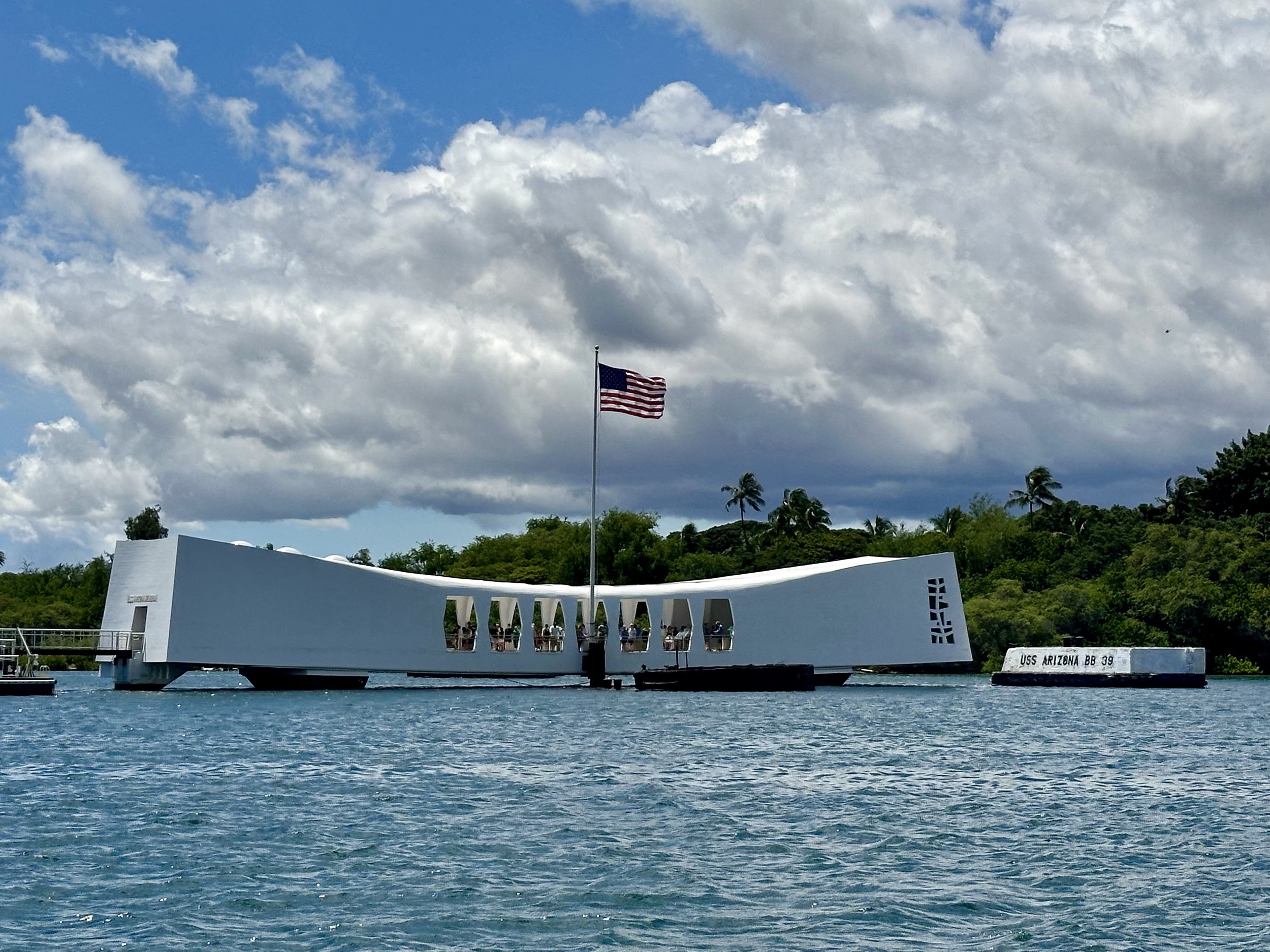
On December 7, 1941, the United States was forever changed when a surprise attack on Pearl Harbor in Hawaii led the nation into World War II. The day, etched in history, left an indelible mark on the lives of those who witnessed it and the generations that followed. For those who lived through it, the events of that day were not just a historical moment—they were personal. Families lost fathers, brothers, and sons; communities grieved the sudden, tragic loss of so many young men who had answered the call to serve. Today, Pearl Harbor stands as a symbol of resilience, sacrifice, and the indomitable spirit of a nation united in the face of adversity.

The attack on Pearl Harbor was a stark reminder of the fragility of peace and the importance of vigilance. In the span of just two hours, Japanese forces launched a devastating strike, bombing military installations and sinking battleships in the harbor. Over 2,400 Americans lost their lives that day, and many others were wounded. The attacks brought the U.S. into the global conflict of World War II, reshaping the course of history and redefining what it meant to fight for freedom. It was a turning point that showed the world the resilience of the American people, who, despite such a devastating blow, would rise to the challenge and play a pivotal role in the eventual defeat of the Axis powers.

Today, Pearl Harbor serves as both a solemn memorial and a source of inspiration. Every year, survivors and their families gather to remember the fallen and honor the bravery of those who fought to protect their country. The Pearl Harbor National Memorial stands as a tribute to the sacrifice made by so many, offering visitors a chance to reflect on the heroism of those who endured the horrors of that fateful day. The attack may have marked the beginning of the United States’ involvement in World War II, but it also marked the beginning of a legacy of perseverance and courage.

As we remember Pearl Harbor, it is not just the soldiers who fought in the Pacific that we honor, but the families, communities, and entire nation that stood together in the wake of tragedy. The memory of that day reminds us of the sacrifices made for the freedoms we often take for granted and the importance of never forgetting the lessons learned from our past.

Related Posts

Bridging Divides: The Strategic Impact of the IISS Manama Dialogue

Dave

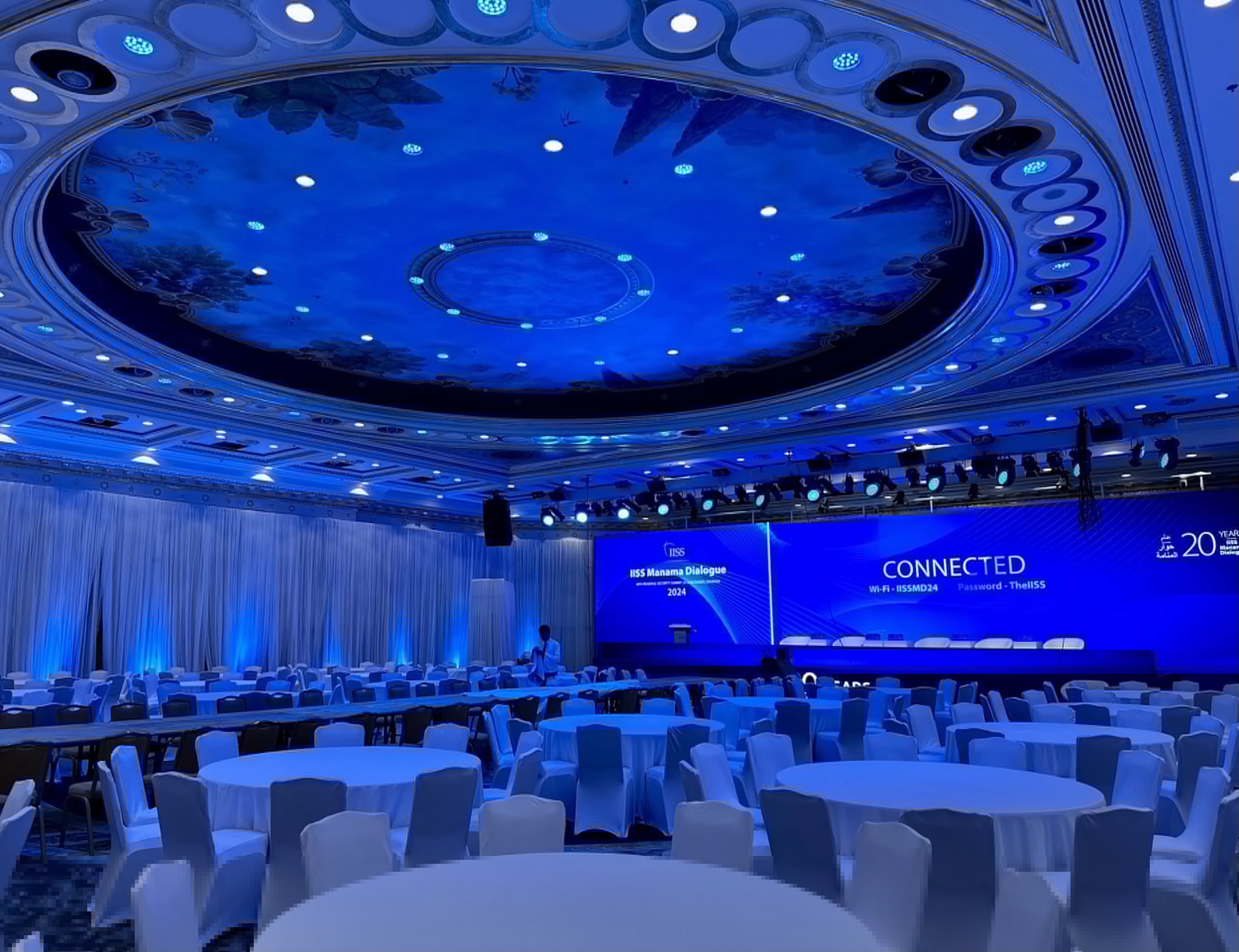
The IISS Manama Dialogue stands as one of the most significant platforms for dialogue and diplomacy in the Middle East, bringing together influential leaders, policymakers, military officials, and experts from across the globe. Held annually in Bahrain, this event fosters crucial discussions surrounding security challenges, regional conflicts, and the broader geopolitical dynamics that shape the Middle East. What makes the Manama Dialogue unique is its ability to bridge divides, offering an inclusive forum where diverse perspectives can converge. By fostering open conversation, the dialogue helps facilitate cooperation between countries, contributing to the development of strategies aimed at addressing some of the most pressing issues in international relations today.

At the heart of the IISS Manama Dialogue is its strategic role in addressing the complex security concerns of the Middle East. The region, often at the crossroads of political, economic, and military power, faces numerous challenges, from regional rivalries to the rise of non-state actors. Through its structured discussions, the dialogue offers an opportunity for countries with varying interests to engage in frank and candid conversations, encouraging collaboration over confrontation. The platform also offers an essential space to discuss broader global security issues, highlighting the importance of multilateral solutions to complex challenges such as terrorism, arms control, and the proliferation of nuclear weapons.

The IISS Manama Dialogue’s impact extends far beyond just policy discussions. It plays a vital role in shaping diplomatic relationships and reinforcing security frameworks in a region often marked by tension and instability. By bringing together representatives from both regional powers and global stakeholders, the dialogue helps create a mutual understanding that transcends political divisions, offering solutions that can help foster long-term peace and stability. Moreover, it strengthens Bahrain’s position as a key player in regional and international diplomacy, showcasing its role as a mediator and a promoter of peaceful solutions.

As the world continues to grapple with complex geopolitical challenges, the IISS Manama Dialogue remains an essential platform for fostering dialogue, building trust, and promoting strategic cooperation. Its unique ability to bridge divides and unite diverse voices around shared security interests makes it a critical tool for shaping a more secure and stable future for the Middle East and the broader global community. By facilitating open and constructive discussions, the dialogue encourages new avenues for diplomacy and conflict resolution, ultimately contributing to a more collaborative approach to global security.

Related Posts

Black Friday Fever: The Consumerism Craze Unpacked

Elias Rowen

Black Friday, once just a day of massive discounts, has grown into a global shopping phenomenon that marks the unofficial start of the holiday season. Each year, stores, both online and in physical locations, offer irresistible deals, drawing in millions of eager consumers. But beneath the excitement of doorbusters and flash sales lies a more complex story about consumerism, the pressure to “buy big,” and the environmental and social consequences of this annual craze. While it can feel exhilarating to score the perfect deal, it’s important to step back and evaluate what Black Friday truly represents in the context of our lives.

For many, Black Friday has become a tradition, a moment to kick off the holiday shopping frenzy with bargains that seem too good to pass up. It’s not uncommon to see long lines at stores, some even camping out overnight, eager to get their hands on electronics, clothes, and gadgets. With the rise of online shopping, the frenzy has only increased, with sites crashing and checkout lines becoming virtual battlegrounds. The competitive rush of securing that must-have item often feels like part of the fun, but it also reveals the power of advertising and retail tactics that push consumers to feel like they need to act quickly or risk losing out on once-in-a-lifetime deals.

The rise of Black Friday has also contributed to a culture of excessive consumption. Marketers have mastered the art of convincing us that we need more, whether it’s the latest tech gadget or another sweater that just “might be on sale for a limited time.” This pressure to constantly buy often leads to impulse purchases, many of which may not have been considered outside the hype of the day. The result? We accumulate items that may not have been necessary, contributing to a growing trend of waste. The excitement of a deal can overshadow the deeper implications of overconsumption, including financial strain, storage issues, and a mounting pile of items that may only be used once or twice before being discarded.

Furthermore, there’s a growing awareness of the environmental impact of Black Friday. The manufacturing, transportation, and disposal of cheap goods come at a significant ecological cost. With every “bargain” comes an environmental footprint, from the resources used to create the product to the packaging waste generated by shipments. As more people embrace sustainability, Black Friday’s massive consumption rate clashes with the desire to be more mindful of our planet. The allure of buying big often distracts us from considering the long-term effects of the stuff we accumulate.

On the social side, Black Friday has increasingly become a spectacle. While the deals may be tempting, there’s a darker side to this consumerist holiday—one that involves overcrowding, chaos, and sometimes even violence. The fight for a discounted product can escalate quickly, leading to physical altercations or dangerous stampedes. This behavior begs the question: At what point do we stop and recognize that the thrill of a sale isn’t worth the cost of human safety or dignity?

As we reflect on Black Friday’s place in our lives, it’s important to strike a balance between enjoying a good deal and maintaining a mindful approach to consumption. Perhaps it’s time to consider alternatives, like supporting small businesses, focusing on experiences over material items, or opting for ethical and sustainable purchases. There are ways to enjoy the perks of the holiday shopping season without falling prey to the relentless cycle of consumerism.

Black Friday doesn’t have to be the pinnacle of our holiday celebrations. With a little self-reflection, we can make better choices and enjoy the holiday season in a way that aligns more with our values and long-term well-being. After all, true joy comes not from what we buy, but from the experiences we share and the values we uphold.

Related Posts

Words Fit for a King: Crafting a Remarkable Conversation

Elias Rowen

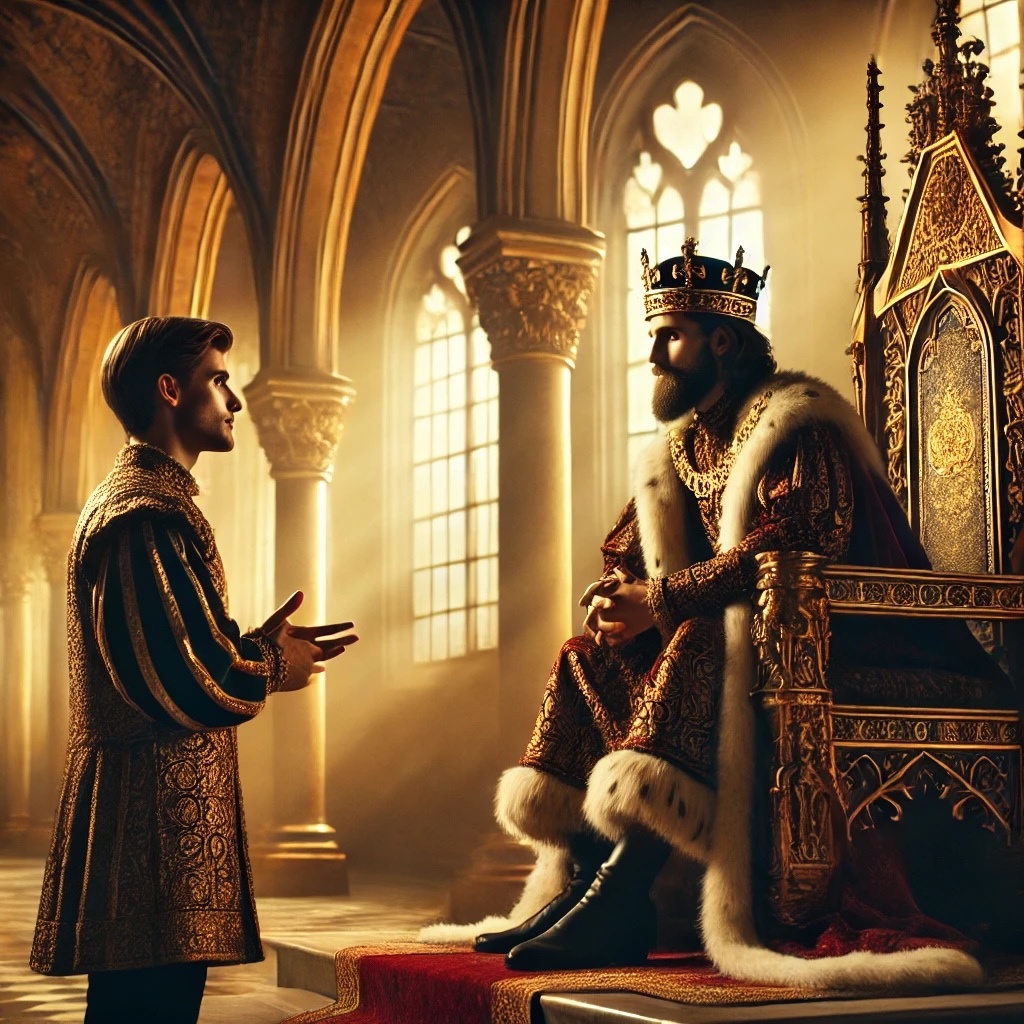
Conversations have the power to build bridges, foster connections, and transform relationships. Whether it’s a casual chat with a friend, a heartfelt discussion with a partner, or a professional dialogue in a boardroom, the way we communicate has a profound impact on the outcome. Crafting a remarkable conversation is not just about what you say, but how you say it. Words, when chosen wisely, have the ability to engage, inspire, and create meaningful exchanges. It’s about striking the right balance between listening and speaking, showing empathy, and knowing when to pause and reflect.

At the heart of a remarkable conversation is the ability to truly listen. In today’s world, where distractions are ever-present, active listening is a lost art. To truly hear someone is to acknowledge their feelings, to understand their perspective, and to validate their experiences. Listening intently allows for more meaningful responses and shows that you value the other person’s input. It also creates space for connection, making the conversation feel less transactional and more genuine. A conversation that flows with mutual respect and understanding is the foundation of any remarkable dialogue.

Equally important is the art of speaking with purpose. When you craft your words carefully, they carry more weight. It’s not just about spitting out facts or sharing opinions, but about using language that resonates with the listener. A thoughtful response can inspire, comfort, or encourage. A well-timed compliment or a simple thank you can have a lasting impact. By speaking with intention and mindfulness, you make sure that your words are not only heard but also felt. This takes practice—paying attention to tone, body language, and choosing the right words that align with your message.

In a remarkable conversation, vulnerability is key. While it’s easy to keep things surface-level, the most memorable exchanges are those where people open up and share their true selves. Vulnerability creates an environment of trust and authenticity, allowing for a deeper connection. When you allow yourself to be real, others feel comfortable doing the same, fostering an atmosphere of mutual respect. These kinds of conversations often lead to stronger bonds, whether they’re with a loved one, a friend, or a colleague.

Humor also plays a vital role in crafting a remarkable conversation. A good laugh has the power to break down barriers and make people feel at ease. Humor can lighten tense moments, offer relief in stressful situations, and bring a sense of joy to the exchange. The key is finding the right balance—using humor to uplift the conversation without detracting from its core message. A well-placed joke or witty remark can leave a lasting impression, making the conversation more memorable and enjoyable.

Finally, timing is everything. Knowing when to speak and when to remain silent is a skill that can elevate any conversation. Sometimes, the most powerful moments come from pauses—allowing space for reflection or letting the silence speak louder than words. Pausing at the right moment can add emphasis, build anticipation, or give the other person time to process. A conversation doesn’t have to be a continuous stream of words to be impactful. Sometimes, the most meaningful exchanges happen in the quiet moments in between.

A remarkable conversation is a balance of listening, speaking with purpose, vulnerability, humor, and timing. It’s an art that requires both practice and patience, but when done right, it can lead to deeper connections and more fulfilling relationships. Whether you’re talking to a friend, a colleague, or a loved one, taking the time to craft a conversation with intention can transform the way you communicate, creating bonds that go beyond words.

Related Posts

Devil’s Night: The Dark History Behind Mischief and Mayhem

Elias Rowen

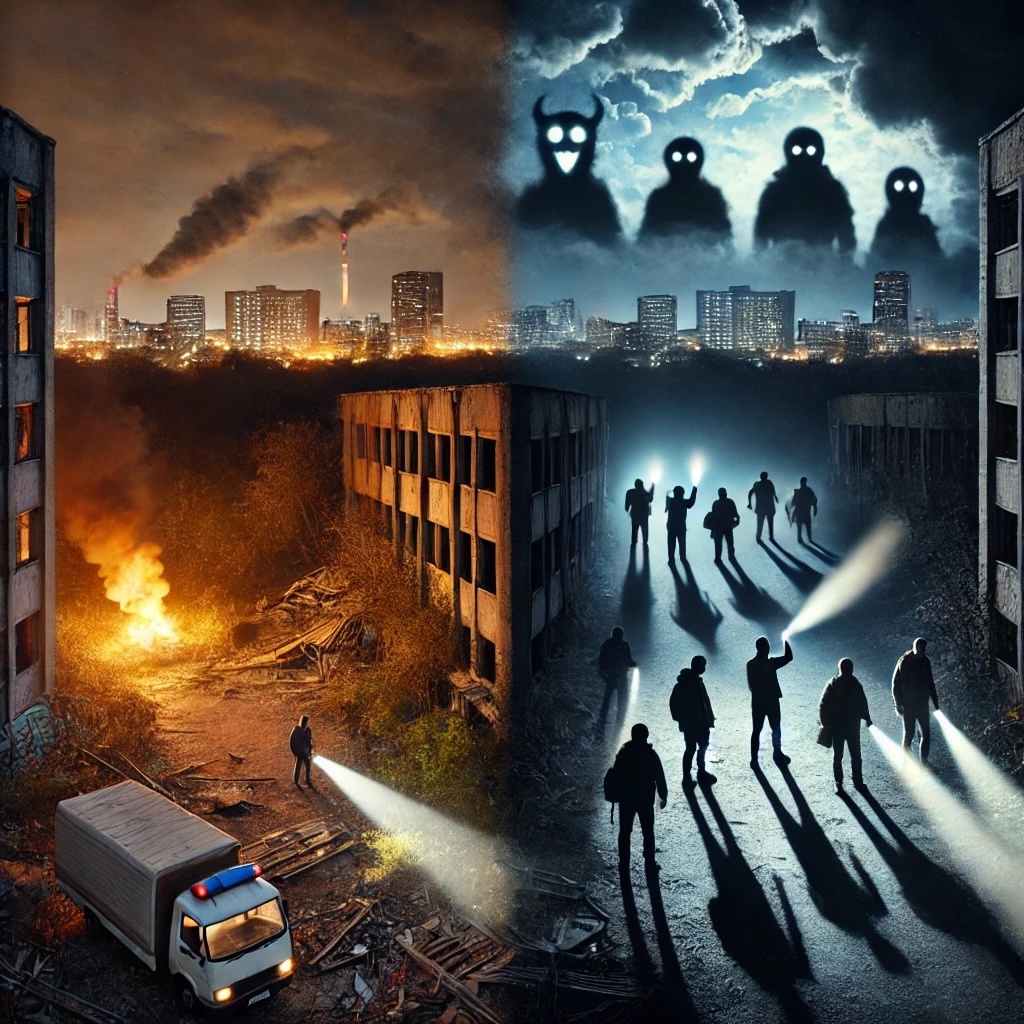
Devil’s Night, the night before Halloween, has a notorious reputation for mischief, pranks, and even arson in certain cities. But how did this eerie tradition start, and why did it take such a dark turn in places like Detroit? To understand, we need to dive into a history filled with youthful rebellion, urban decay, and the thin line between harmless fun and dangerous chaos.

The origins of Devil’s Night can be traced back to early European traditions of “Mischief Night.” Dating back to the 18th century in the UK, the night before May Day or All Hallows’ Eve was set aside for harmless pranks like knocking on doors and hiding objects. The idea was simple: a night of playful trickery to balance the spooky solemnity of Halloween.

When immigrants brought their customs to the United States, Mischief Night became a part of the Halloween festivities. Kids would soap up windows, toilet-paper trees, and engage in relatively innocent pranks. It wasn’t about harm or destruction—just some fun before the candy collection on Halloween night.

However, in the mid-20th century, Devil’s Night took a darker turn, particularly in Detroit. As the city struggled with economic decline, racial tensions, and depopulation, the night became a symbol of deeper unrest. By the 1970s and 1980s, what had once been a night of harmless pranks morphed into something far more dangerous. Arson became rampant, with hundreds of abandoned buildings set on fire each year.

The media spotlight on Detroit’s Devil’s Night painted a bleak picture, and the city’s reputation was deeply affected. Authorities struggled to control the chaos, and for many, it was a sign of a city in crisis. While the fires symbolized a city’s decay, they also represented the anger and frustration of its residents. What had started as mischief became a desperate cry for attention.

By the 1990s, efforts were underway to take back Devil’s Night from the flames. Community leaders and volunteers started patrolling the streets, determined to prevent arson and vandalism. Detroit’s residents banded together in what became known as “Angel’s Night.” By reclaiming the night, they aimed to restore a sense of pride in their city. Slowly but surely, the number of fires declined, and Detroit began to shed the dark legacy of Devil’s Night.

Today, Devil’s Night still exists in the folklore of Halloween, but its destructive legacy is fading. The shift toward community activism, especially in Detroit, shows how a night of mischief can be transformed through collective action and a desire for change.

Devil’s Night is a reminder of how traditions can evolve, sometimes for the worse, and how communities can work together to reclaim what was lost. What started as playful pranks turned into something far more destructive, but through determination and unity, cities like Detroit have worked to rewrite the narrative. The history of Devil’s Night may be dark, but its transformation is a testament to the resilience of communities.

Related Posts

The Salem Witch Hunt: Fear, Hysteria, and the Dark Side of Justice

Elias Rowen

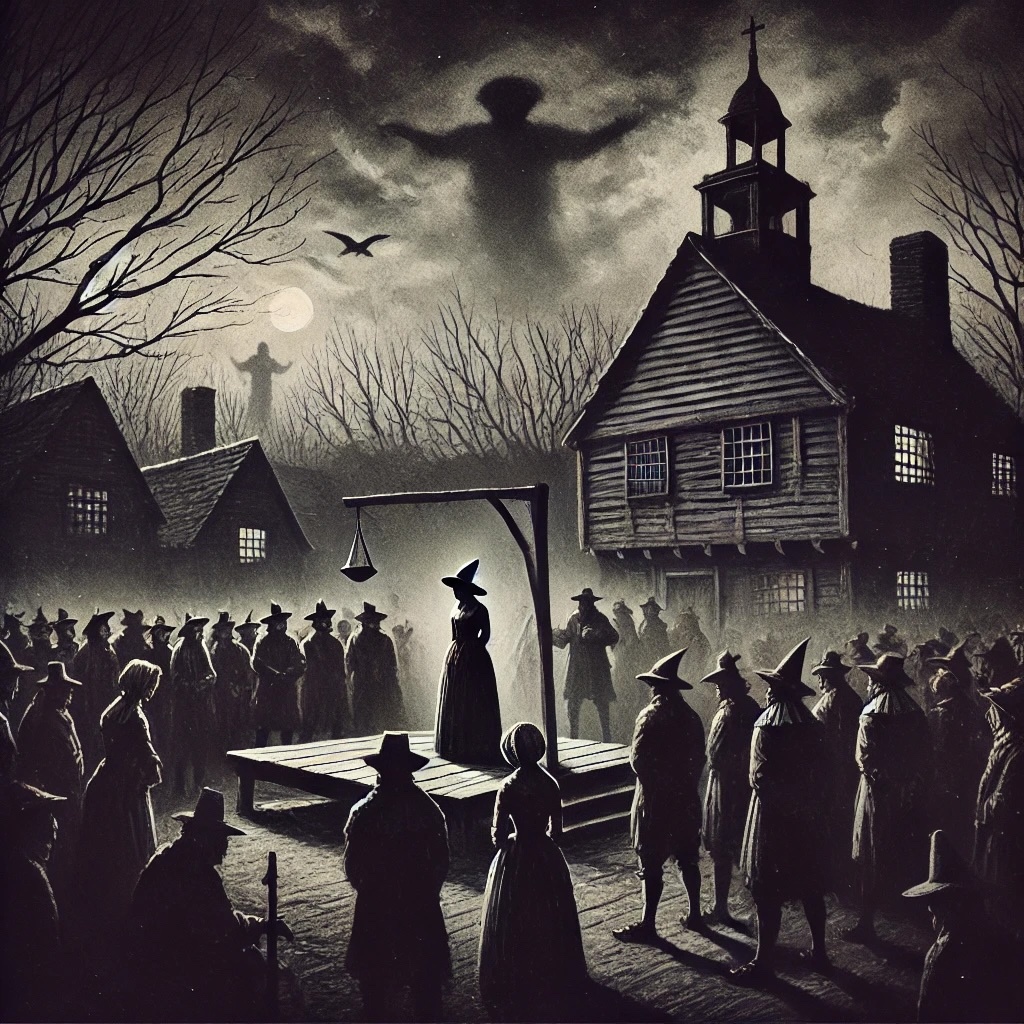
The Salem Witch Hunt is one of the most infamous chapters in American history, a cautionary tale of how fear and suspicion can destroy lives and communities. Taking place in 1692 in the Puritan town of Salem, Massachusetts, the witch trials were a grim reflection of the dangers of mass hysteria, religious extremism, and the miscarriage of justice. The trials led to the execution of 20 people and the imprisonment of many others, all based on shaky accusations of witchcraft.

The climate in Salem was ripe for panic. It was a deeply religious society, with a strict moral code. Puritan leaders believed that evil was constantly at work, and that the devil could possess anyone. At the time, this idea was not just a superstition but a fundamental belief. Combined with political instability, fears of Native American attacks, and disease, these tensions created a perfect storm of anxiety.

The witch hunt began when a group of young girls in Salem Village started behaving strangely, claiming they were being possessed by the spirits of witches. Their strange fits and convulsions were seen as evidence of supernatural forces. These accusations quickly spiraled out of control as more and more people, especially women, were accused of practicing witchcraft. The accused were subjected to trials that lacked fairness or reason, with the word of the accusers often taken as irrefutable evidence. Many confessed under the pressure of torture, fear of death, or the hope of saving their families.

The community’s fear of witchcraft was not new. In Europe, tens of thousands of people had been executed as witches, and the paranoia had crossed the Atlantic. In Salem, the fear spread like wildfire, with neighbors turning on one another. Those who were different or held grudges were often targeted, and accusations became a weapon in personal conflicts. The trials were a reflection of the fear of the unknown, fear of outsiders, and a community under great stress.

However, the madness did not last forever. As the hysteria mounted and more innocent lives were destroyed, some began to question the legitimacy of the accusations. Judges and leaders, including the governor of Massachusetts, eventually intervened, bringing an end to the trials. Years later, the community expressed regret over the trials, and the court acknowledged that the trials were a mistake, but the damage was already done. The Salem witch trials remain a dark stain on the American conscience, a reminder of how easily fear can lead to injustice.

Even today, the term “witch hunt” is used to describe situations where paranoia and fear are used to scapegoat and persecute the innocent. The Salem trials teach us to be vigilant in safeguarding justice, and to resist the dangers of mass hysteria and fear-based actions. History may have moved on from the dark days of Salem, but the lessons remain as relevant as ever.

Related Posts

USS Missouri: The Mighty Mo That Ended a World War

Dave

The USS Missouri, affectionately known as the “Mighty Mo,” holds a legendary place in American naval history. This massive battleship, launched in 1944, became the setting for one of the most significant moments in modern history—the surrender of Japan, effectively ending World War II. On September 2, 1945, amidst the gray skies and the weight of history, representatives from Japan signed the formal documents of surrender on her deck in Tokyo Bay. As the last battleship commissioned by the United States, Missouri wasn’t just a symbol of power but also of closure and peace.

Beyond her historic role, the USS Missouri continued to serve the U.S. Navy in the Korean War and later in Operation Desert Storm, showcasing her incredible adaptability over decades. Today, she rests peacefully as a museum ship at Pearl Harbor, where visitors from around the world can walk the same deck that once witnessed the end of a global conflict. Standing in her shadow, you can’t help but feel the gravitas of history and the awe-inspiring power that the Mighty Mo once wielded. More than just a battleship, the USS Missouri represents resilience, strength, and the enduring spirit of those who fought for peace.

Related Posts

USS Oklahoma BB-37: A Story of Valor and Tragedy

Dave

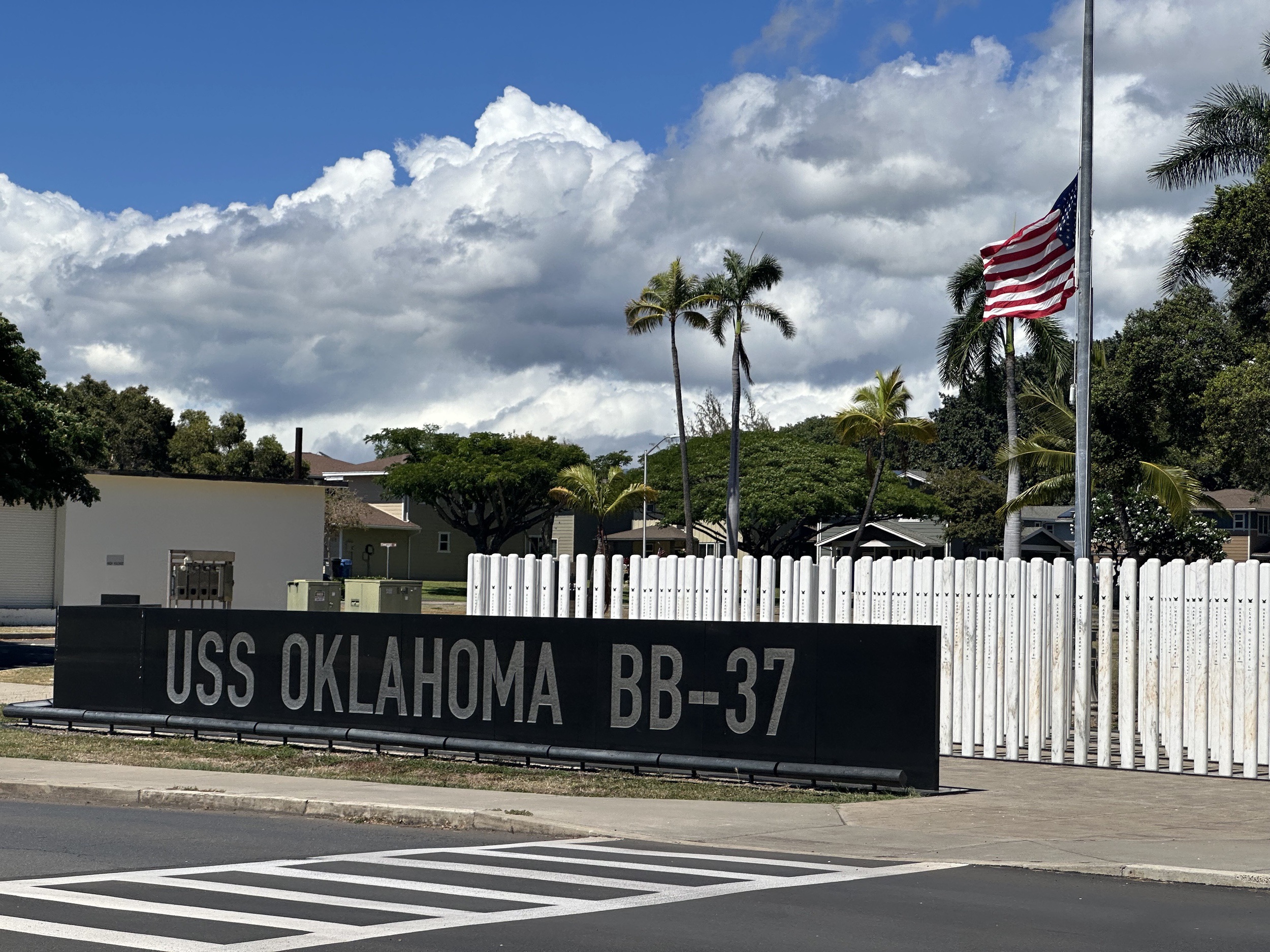
The USS Oklahoma BB-37 stands as a haunting yet heroic chapter in naval history, one often overshadowed by the USS Arizona but no less significant. On December 7, 1941, when the Japanese attack on Pearl Harbor began, the Oklahoma was hit by several torpedoes, causing the massive battleship to capsize in just 12 minutes. Trapped inside the hull, over 400 sailors lost their lives, many never having a chance to escape. Despite the chaos, there were stories of bravery and sacrifice as sailors fought to save their comrades. In the years that followed, efforts were made to right the ship, but the damage was so severe that it was eventually decommissioned and sold for scrap. Though the Oklahoma is no longer physically present, her legacy lives on through the memories of those who served aboard and the survivors who bore witness to that fateful day. Today, the USS Oklahoma Memorial stands near the USS Missouri at Pearl Harbor, ensuring that this battleship’s story of valor and tragedy will never be forgotten.

Related Posts

Remembering the USS Arizona Memorial: A Journey Through Time and Honor

Dave

The USS Arizona Memorial, standing quietly over the sunken remains of the battleship, offers visitors a profound connection to history and loss. Located at Pearl Harbor, Hawaii, this floating tribute honors the 1,177 sailors and marines who perished during the December 7, 1941, attack that propelled the United States into World War II. Though decades have passed, the wreckage still weeps oil into the waters—often referred to as the “tears of the Arizona”—reminding us of the lives cut short on that fateful day. Walking through the memorial, the atmosphere feels heavy, not with sorrow alone, but also with a deep respect for the bravery and sacrifice of those who gave everything. For many, visiting the USS Arizona Memorial is not just a lesson in history but a deeply personal journey, sparking reflection on the cost of freedom and the resilience of the human spirit. Whether you’re a history buff or just someone who seeks to pay their respects, this landmark is a place where stories are remembered, and heroes remain in the hearts of those who visit.

Related Posts

Anchored in History: The USS Arizona’s Recovered Anchor and Its Symbolism

Dave

The recovered anchor of the USS Arizona is more than a piece of metal; it’s a symbol of strength, sacrifice, and remembrance. After the devastating attack on Pearl Harbor, much of the USS Arizona was left submerged, but one of its massive anchors was salvaged, now standing as a poignant reminder of the battleship’s legacy. This 19,585-pound artifact, which once held the mighty Arizona steady, now anchors the memory of those who served aboard her. Today, the anchor sits at the entrance to the Pearl Harbor Visitor Center, where it invites contemplation and reflection from those who visit. Standing next to it, you’re reminded of the sheer scale of the ship and the enormity of the event that claimed so many lives. It’s not just an anchor—it’s a bridge between the past and the present, a tangible connection to the history that shaped our world. The USS Arizona’s anchor is a solemn yet inspiring tribute to resilience and a lasting marker of America’s strength and perseverance through adversity.

Related Posts

Makua and Kila: The Beloved Guardians of Waikiki

Dave

In the heart of Waikiki, the bronze statue of Makua and Kila captures a timeless moment of Hawaiian storytelling and culture. This charming sculpture depicts Makua, a Hawaiian surfer, and Kila, a sealion, both gazing out toward the ocean as if ready for another adventure. Situated near the Honolulu Zoo, the statue is not just a beautiful work of art—it’s a symbol of companionship, loyalty, and the deep connection between the people of Hawaii and the sea. For locals and visitors alike, the statue holds a special place, offering a peaceful reminder of the island’s rich history and the legendary tales passed down through generations. Whether you’re stopping by for a photo or simply to admire the craftsmanship, Makua and Kila bring a quiet, comforting presence to Waikiki’s bustling streets. Their story continues to inspire, standing tall as a testament to the enduring spirit of aloha.

Related Posts

Honoring the Memory: Reflecting on 9/11 and Its Legacy

Elias Rowen

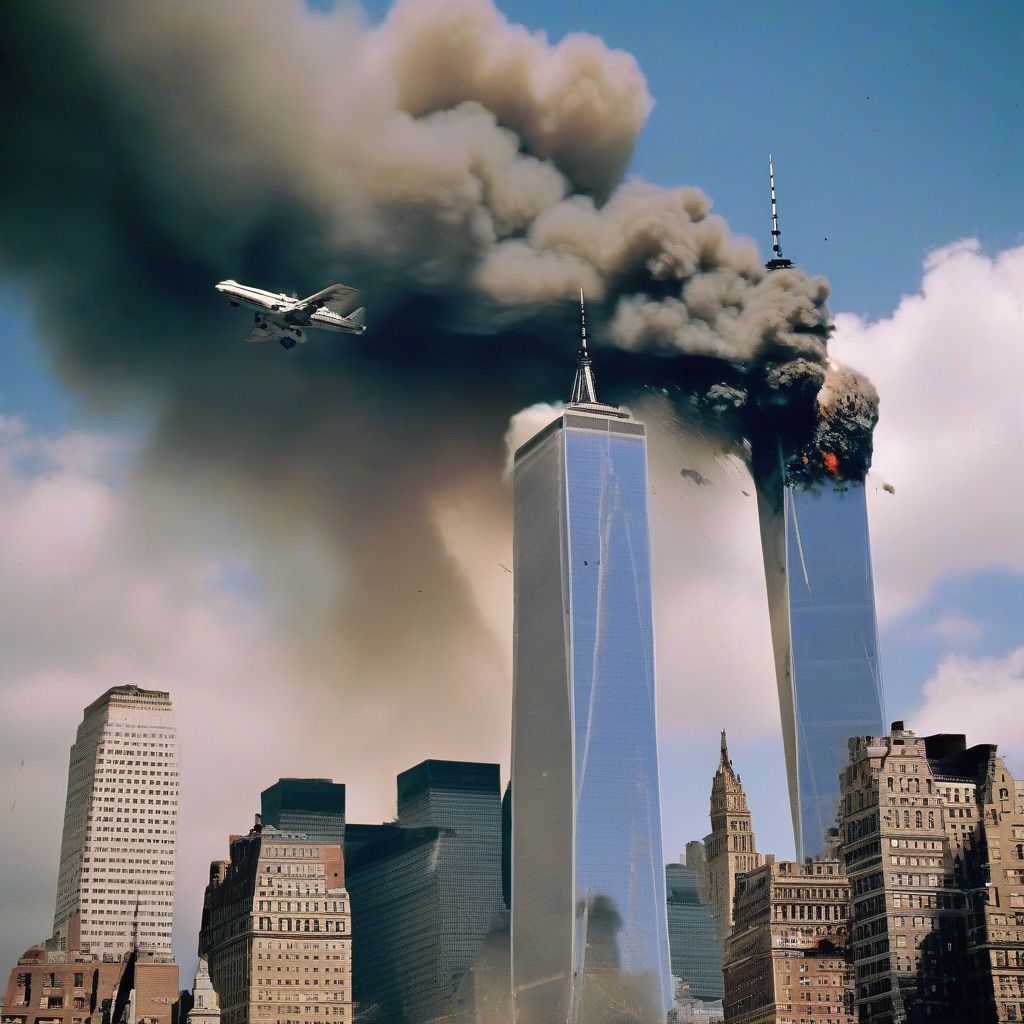
Every year, the memory of September 11, 2001, stirs a collective remembrance that spans across the world. It’s a day forever etched in history—a day of unimaginable loss, but also of extraordinary courage and unity. The tragedy that unfolded that morning left an indelible mark on the hearts of all who witnessed it. Families were torn apart, heroes emerged, and an entire nation stood together in the face of devastation. For many, 9/11 is a reminder of the fragility of life and the strength of the human spirit. It’s not just about remembering what was lost, but also how communities came together in acts of kindness and resilience. As we reflect on this day, we honor the lives lost, the bravery of first responders, and the enduring message that even in the darkest of times, hope and unity can shine through. The legacy of 9/11 continues to shape us, reminding us to cherish every moment, embrace one another, and never forget.

Related Posts