Category: Events

The Incident That Changed Everything: Understanding the Gulf of Tonkin

Dave

In early August 1964, a series of naval skirmishes in the Gulf of Tonkin, just off the coast of North Vietnam, would forever change the course of American history. The first confrontation took place on August 2, when the USS Maddox, a U.S. Navy destroyer, was on a reconnaissance mission in the area. During this mission, the ship encountered three North Vietnamese torpedo boats, leading to a brief but intense exchange of fire. The Maddox emerged largely unscathed, while the North Vietnamese boats sustained damage.

Two days later, on the night of August 4, a second incident was reported. This time, the Maddox, now joined by the USS Turner Joy, claimed they were under attack again by North Vietnamese forces. However, this second encounter has since been surrounded by controversy. Reports from the ships were inconsistent, and some crew members later suggested that they might have been firing at “ghost” radar images or misinterpreting signals in the dark, stormy night. Despite these uncertainties, the U.S. government acted quickly.

President Lyndon B. Johnson used these events to secure the Gulf of Tonkin Resolution from Congress on August 7, 1964. This resolution granted him broad authority to use military force in Southeast Asia without a formal declaration of war. It marked the beginning of a massive escalation of U.S. involvement in Vietnam, turning a relatively small conflict into a full-blown war that would last for years and claim countless lives.

Looking back, the Gulf of Tonkin incident serves as a stark reminder of how quickly events can spiral out of control and how the fog of war can lead to decisions with far-reaching consequences. The debate over what truly happened on that dark night in 1964 continues to this day, making it a critical chapter in the story of the Vietnam War.

This incident is often cited as a pivotal moment that led to the United States’ deep involvement in the Vietnam War. While the initial event on August 2—where the USS Maddox was indeed engaged by North Vietnamese forces—was real, the second reported incident on August 4 is where the controversy lies. Many historians and analysts now believe that the second attack either did not occur at all or was grossly misrepresented.

At the time, reports from the USS Maddox and the USS Turner Joy suggested they were under attack again by North Vietnamese torpedo boats. However, subsequent investigations, including declassified documents and statements from those involved, have cast serious doubt on the validity of these reports. Radar and sonar readings that were initially interpreted as enemy boats were likely due to weather conditions, technical glitches, or misinterpretations by the crew.

Despite the ambiguity surrounding the second incident, President Johnson used it as the basis to push the Gulf of Tonkin Resolution through Congress, granting him broad powers to conduct military operations in Southeast Asia without an official declaration of war. This marked the beginning of a significant escalation in the U.S. military presence in Vietnam.

In retrospect, many view the Gulf of Tonkin incident, particularly the second event, as a misleading or exaggerated pretext for expanding the U.S. role in Vietnam. While it may not have been an outright “lie” in the sense of a deliberate fabrication, the incident certainly played a key role in propelling the United States into a war that would become increasingly controversial over time.

Related Posts

The Bolshevik Revolution: Russia’s Red Dawn

Dave

The Bolshevik Revolution of 1917 was a seismic event that changed the course of Russian and world history. It marked the overthrow of the Russian Provisional Government and the establishment of the world’s first communist state. This revolutionary movement was led by the Bolsheviks, a radical faction of the Russian Social Democratic Labor Party, under the leadership of Vladimir Lenin. The discontent among the Russian population had been brewing for years due to harsh living conditions, widespread poverty, and the heavy toll of World War I. The February Revolution earlier that year had already ended centuries of tsarist rule, but it was the October Revolution that cemented the Bolsheviks’ power.

In the chaos and uncertainty that followed the collapse of the provisional government, the Bolsheviks seized the moment to promote their vision of a classless society. With slogans like “Peace, Land, and Bread,” they rallied the working class and soldiers to their cause. The revolution wasn’t just a simple change of government; it was a profound social upheaval that aimed to dismantle the old order and create a new world rooted in Marxist ideology.

The impact of the Bolshevik Revolution was felt far beyond Russia’s borders. It inspired other revolutionary movements and fundamentally altered global politics, setting the stage for the ideological conflicts of the 20th century, particularly the Cold War. While the Bolsheviks promised a utopia, the reality was a turbulent transition characterized by civil war, economic challenges, and political purges. Nevertheless, the Bolshevik Revolution remains a pivotal moment in history, symbolizing the power of revolutionary ideas and the complex journey toward social and political change.

Related Posts

A Symbol of Peace: The Hiroshima Stone in Wellington Botanical Garden

Dave

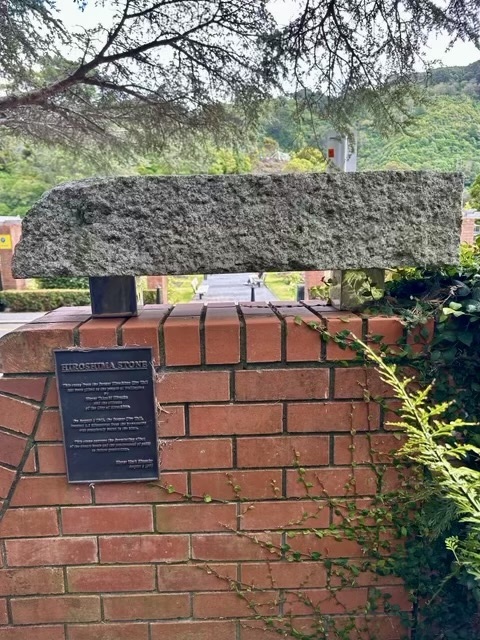
Nestled within the serene Wellington Botanical Garden in New Zealand lies a remarkable symbol of peace and resilience: the Hiroshima Stone. This humble yet profound monument serves as a poignant reminder of the devastating events of World War II and the enduring hope for a world free from nuclear weapons.

The Hiroshima Stone was gifted to Wellington by Hiroshima, Japan, as a token of friendship and a commitment to peace. This stone is not just a piece of the earth; it is a fragment from a city that rose from the ashes of atomic devastation. On August 6, 1945, Hiroshima faced unimaginable destruction when the first atomic bomb was dropped. Despite the horror, Hiroshima rebuilt itself and became a beacon of peace advocacy.

In 1984, the city of Hiroshima presented this stone to Wellington as part of a sister-city relationship. This gesture symbolized the bond between the two cities and their shared desire for a peaceful future. The stone is inscribed with a simple yet powerful message, encouraging visitors to reflect on the consequences of war and the importance of striving for peace.

Located near the Peace Garden within the Wellington Botanical Garden, the Hiroshima Stone provides a quiet spot for contemplation. Surrounded by lush greenery and vibrant flowers, it stands as a testament to the resilience of humanity and the natural world. Visitors often leave flowers or notes, adding their own wishes for peace and remembrance.

The Hiroshima Stone is more than just a historical artifact; it is an educational tool and an emotional touchstone. School groups, tourists, and locals alike visit the stone to learn about the history of Hiroshima and the broader implications of nuclear warfare. It serves as a reminder of the fragility of peace and the necessity of global cooperation to maintain it.

As global tensions fluctuate, the Hiroshima Stone remains a steadfast symbol of hope and perseverance. It reminds us that, despite past atrocities, humanity can learn, grow, and foster a more harmonious world. The Wellington Botanical Garden, with its tranquil beauty, is the perfect setting for such a symbol, encouraging visitors to carry forward the message of peace in their own lives.

For those planning a visit to Wellington, the Hiroshima Stone is a must-see. It is a site not just for history buffs but for anyone who values peace and wishes to honor the memories of those who suffered in Hiroshima. The Botanical Garden itself offers a beautiful escape, with its rich array of plant life and stunning landscapes.

Related Posts

Bridging the Urban-Rural Ideological Divide: Understanding Societal Influences

Elias Rowen

The ideological divide between urban and rural areas can be attributed to various sociological, economic, and cultural factors. Urban environments foster greater diversity, both culturally and economically, leading to more liberal attitudes as residents are frequently exposed to a wide array of ideas and lifestyles. Cities offer extensive educational opportunities, higher concentrations of universities, and access to a plethora of information sources that often encourage progressive thinking. Economically, urban centers are characterized by industries requiring innovation and adaptability, aligning with the forward-thinking nature of liberal ideologies. Conversely, rural areas tend to be more homogenous and community-focused; their economies often rely on agriculture or manufacturing—industries which favor stability over change. This leads residents to adopt conservative values that emphasize tradition, self-reliance, and caution toward rapid social changes. Furthermore, lower population densities in rural regions contribute to stronger interpersonal networks centered around family and local institutions like churches—which historically align with conservative views. Thus, the urban-rural political dichotomy reflects deeper differences in daily experiences, economic structures, social exposure, and cultural priorities that shape distinct worldviews.

Related Posts

Balancing the Benefits and Ethics of Genetic Engineering

Elias Rowen

I will argue that while genetic engineering technologies like CRISPR have the potential to greatly benefit society, their ethical implications must be carefully considered and regulated in order to prevent harm to individuals and society as a whole.

As we live in a time when technology shapes everything we do, genetic engineering has never been more promising a path to revolutionize medicine, agriculture, and a score of other areas. A consistently emerging and garnering of the lion’s share of attention is the stunningly innovative technology called CRISPR-Cas9, which has, in just a few short years, become the go-to tool for editing genes in a way that is both extremely precise and highly efficient. While we embrace opportunities resulting from our ever-advancing knowledge of how to edit genes, the ethical considerations related to these technologies loom large. They hold the potential to rid the world of diseases that affect the human genome and to improve our species overall. The concept of a disease-free world is so desirable that it is easy to forget the mistakes we have made in the past when we took genetics to be a promising foundation for improving health and well-being. If we are not extremely careful in crafting a framework of rules, rights, and responsibilities, we could well find ourselves in another state of unintended consequences—this one more serious than before. This paper looks at how the power of CRISPR technology lies in both its potential to bring about dramatic change and the serious ethical issues that come with it. I will maintain that CRISPR and similar technologies have really cool, world-changing possibilities, but they also come with strings attached. Implausible possibilities must be balanced with hard-to-meet, really important ethical standards. We will sort through this together, so that you come away with a textured understanding of the topic.

In order to better understand the delicate balance that is struck between the upsides and the moral concerns associated with genetic engineering, especially in regards to the rapidly developing CRISPR technology, one must first take stock of the benefits and potential drawbacks of said research. At its genesis, genetic study focused on the identification and diagnosis of hereditary diseases—work not regarded as in any way controversial. Work on cures for hereditary diseases, too, can hardly be seen as a morally compromising act. After all, who would not want to see those stricken by such diseases lead normal and fulfilling lives? Rephrased: The expansion in biotechnology is not limited to the treatment of non-communicable diseases. It also involves “revolutionary advancements” like recombinant drugs and genetic modification of whole organisms such as fruits or animals. These seemingly incredible applications could significantly eliminate public health problems. And they might indeed do so—if, as the paper argues, the rather lengthy list of potential ailments that biotech promises to address is ever realized. Genetic improvements might cause an inappropriate societal divide. We could end up where those who can afford such improvements gain enormous advantages, allowing them to excel in ways that even our current moneyed elite can’t. And, for some of us, there’s just something that seems way more off-kilter about making these sorts of long-term, heritable modifications in a lab versus letting nature and nurture work their messy magic. In summary, the great promise of CRISPR is accompanied by the very great need for stringent regulation. This powerfully innovative technology is potentially world-changing, for it offers society the chance to not just treat genetic diseases but to eliminate them altogether, if we can muster the collective will to do so. It is, therefore, Missouri’s perspective, and my own, that the benefits of CRISPR research are not yet outweighed by the risks. Yet we must remain on high alert because the genie may already be out of the bottle.

To sum up, CRISPR-Cas9 and other genetic engineering methods are causing a paradigm shift in scientific progress. They stand to revolutionize medicine, their advocates say, by enabling researchers to tinker with genes themselves, snipping out pieces they have identified as linked to illness and splicing in healthy substitutes. But promises of a cure may be just the beginning. These are precise tools that can be used to effect a wide range of changes, not only in people’s bodies but also in the natural world and in art—and they are already here, being used with a speed that alarms even some of their enthusiasts. The potential for wiping out genetic diseases and making humans better is alluring. But if we don’t have strong oversight and make sure we’re doing it morally, we could pay a huge price for whatever we gain: We might “enhance” people’s lives in ways that actually diminish their quality, for example. And what if the kinds of mistakes humans are bound to make with that kind of awesome power turn out to be irreversible? The genetic revolution is almost upon us, and it is crucial to be measured in our speed going forward. Just because something is technologically possible does not necessitate that we do it, and playing around with our offspring’s genes is something the scientific, ethical, and social communities need to figure out before CRISPR editing or similar techniques are ready for prime time. We can take genetic engineering’s rearranging of our core atomic makeup to do useful things and still be the kind of society that has its eyes open to a vastly rearranged world.

Related Posts

Flag Day: Celebrating America’s Unity and Values

Dave

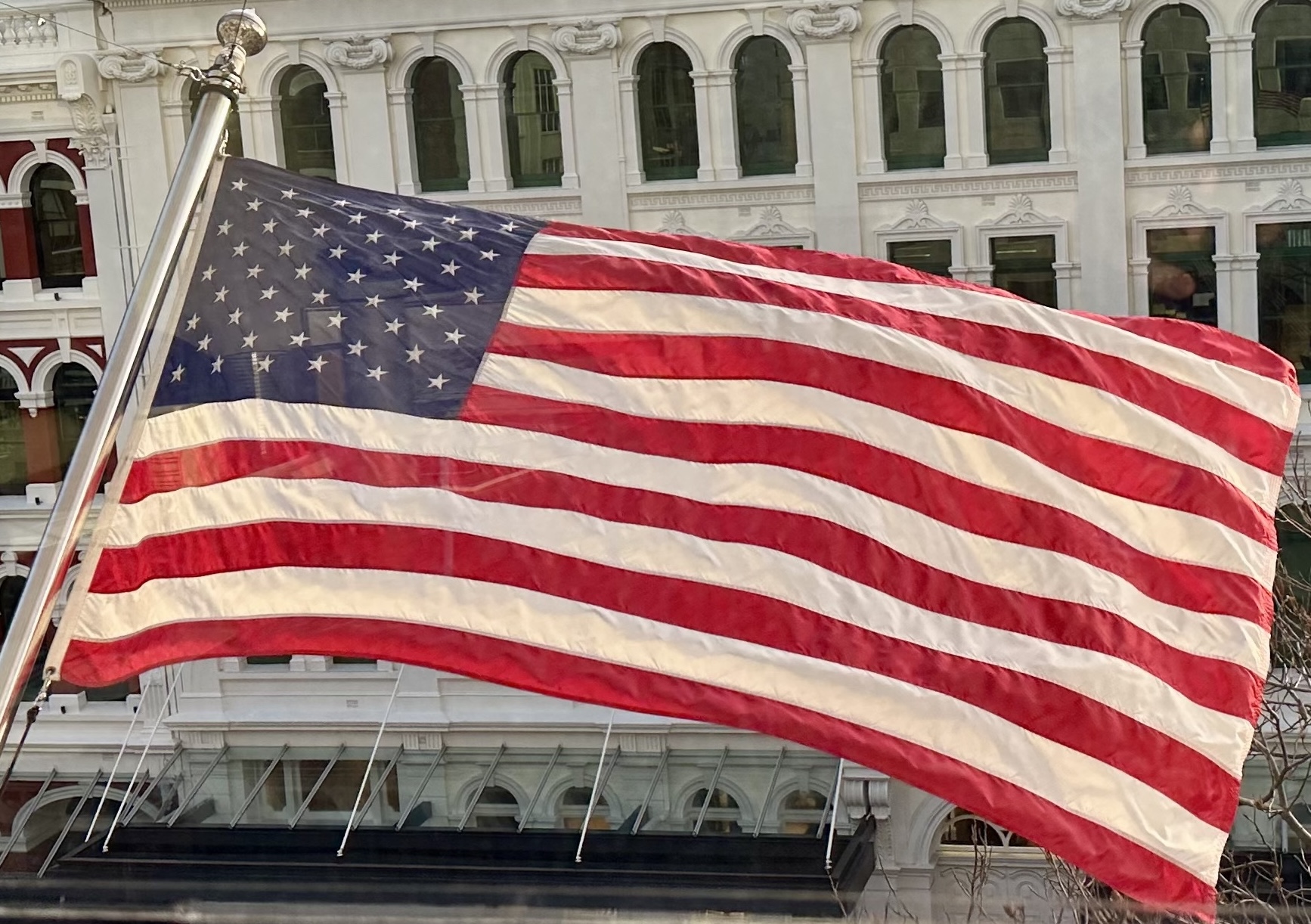
Patriotism and national pride are essential components of American identity, vividly expressed through numerous celebrations and traditions. Among these, Flag Day stands as a potent symbol of the nation’s reverence for its flag and the ideals it represents. Officially inaugurated in 1916 and later codified as National Flag Day by Congress in 1949, the June 14th observance offers Americans a moment to ponder the flag’s historical and cultural import. Though not as widely recognized as Independence Day or Memorial Day, Flag Day presents a unique lens for exploring how parades, flag-raising ceremonies, educational activities, and community events contribute to a collective sense of unity and identity. This essay argues that Flag Day’s diverse ceremonies underscore the significance of patriotism and national pride in the U.S., as they reinforce communal allegiance to the American flag’s emblematic values of freedom, democracy, and resilience.

The celebration of Flag Day unfolds through numerous time-honored traditions and ceremonial practices that encapsulate the essence of patriotism and national pride across the United States. Communities engage in flag-raising ceremonies where citizens converge to pay tribute to their national symbol, nurturing a spirit of unity and reverence. Parades stand as another defining feature of Flag Day, characterized by vibrant displays of American flags and patriotic music, aimed at bolstering public morale and solidarity. Educational activities conducted in schools are particularly impactful, as they educate younger generations about the flag’s historical significance and associated values. This educational focus does more than enlighten students; it also imbues them with a sense of duty to uphold national ideals. These observances indicate that patriotism transcends mere symbolism, elevating it to a shared experience grounded in communal participation and rituals. As such, these practices during Flag Day demonstrate how Americans renew their national pride while affirming their allegiance to foundational democratic principles that unify them.

In summary, Flag Day offers a compelling testament to the persistent relevance of patriotism and national pride within the American ethos. The myriad traditions and ceremonies observed on this day—spanning from parades and flag-raising events to educational programs and community gatherings—serve not only as rituals but as profound expressions of collective identity centered on principles such as freedom, democracy, and resilience. Through the observance of Flag Day, Americans across varied communities reiterate their shared allegiance to the values embodied by their flag. Though it may not command the prominence of holidays like Independence Day or Memorial Day, Flag Day encapsulates a vital aspect of America’s narrative: the constant reaffirmation of unity and commitment to foundational values. Moving forward, it is clear that sustaining such observances is crucial for nurturing an engaged citizenry committed to these ideals in both tranquil and turbulent times. Ultimately, Flag Day functions not just as a historical commemoration but as a critical opportunity for recommitting to the enduring tenets that define American democracy.

Related Posts

Cheers: The Toast that Unites Us Across Time and Cultures

Elias Rowen

The term “cheers” is more than just a casual drinking salutation. Its origins can be traced back to ancient rituals and toasts, dating back several centuries. This tradition has evolved over time, becoming a universal custom of camaraderie and celebration among friends and companions. Let’s take a closer look at the rich history and cultural significance behind this simple yet meaningful word.

In ancient times, toasting was a way to offer good wishes and blessings to the gods and fellow drinkers. This social and spiritual act was practiced by the Greeks and Romans, and it eventually spread to medieval Europe.

During the Middle Ages, toasting became more of a social ritual, with people clinking their glasses to signify trust and camaraderie. It was believed that the sound of the glasses coming together would ward off evil spirits. In fact, some even thought that sloshing drinks into each other’s cups would ensure that no one had poisoned the other’s drink.

The term “cheers” itself has its roots in the Old French word “chiere,” which originally meant “face” or “head.” Over time, it evolved to mean “mood” or “expression.” By the late 14th century, “cheer” in Middle English referred to a person’s facial expression or mood, particularly a happy one.

As the word “cheers” gained popularity, it became associated with the custom of toasting during drinking. This simple but meaningful salutation conveys congeniality and good wishes among drinkers. The act of clinking glasses, accompanied by the utterance of “cheers,” serves as a symbolic gesture, uniting the spirits and intentions of those gathered.

By the 18th century, “cheers” had taken on the meaning of a shout of encouragement or happiness. And by the early 20th century, it had become a common term used to express good wishes before drinking.

The custom of saying “cheers” before drinking is a beautiful combination of ancient rituals and the evolution of language. It reflects our innate desire to share goodwill, trust, and positive feelings with those we are sharing a drink with. So the next time you raise a glass and say “cheers,” remember the rich history and cultural significance behind this simple yet powerful word.

Related Posts

Enchanting Elegance: The Lobby Experience at Royal Orchid Sheraton Hotel, Bangkok

Dave

The lobby of the Royal Orchid Sheraton Hotel in Bangkok is a stunning testament to elegance and luxury, welcoming guests into a world of refined sophistication and Thai hospitality. Here’s a detailed description of what you can expect when you step into this exquisite hotel lobby:

As you approach the Royal Orchid Sheraton Hotel, the grandeur of the lobby entrance is immediately apparent. The hotel’s architecture combines modern design elements with traditional Thai influences, featuring a sleek facade and lush landscaping that sets the tone for a memorable stay.

Upon entering the lobby, you are greeted by a spacious and airy layout that exudes a sense of openness and tranquility. The lobby’s high ceilings and expansive windows allow natural light to filter in, creating a bright and inviting atmosphere.

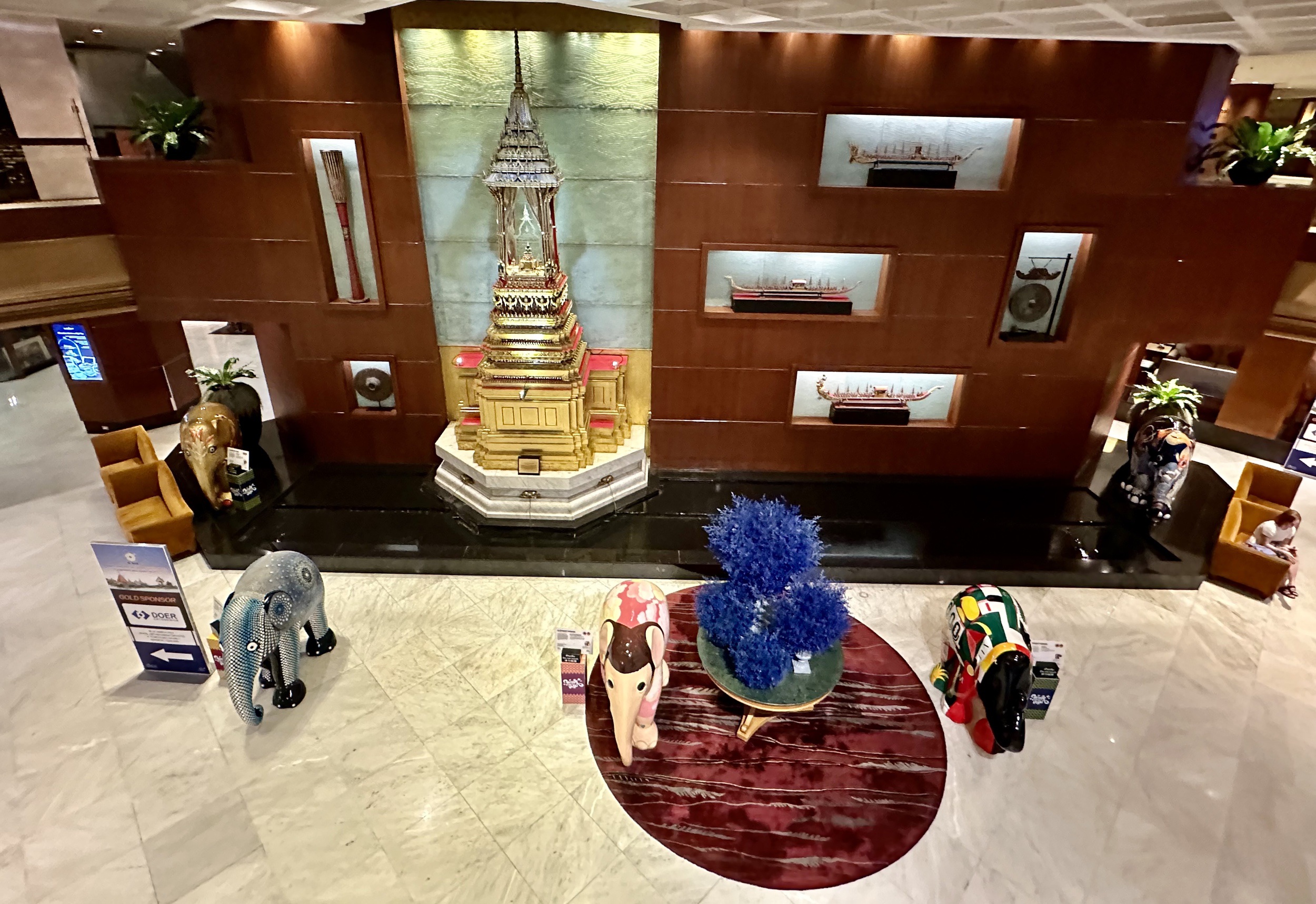
The interior decor of the lobby reflects a harmonious blend of contemporary elegance and Thai cultural motifs. Rich wooden accents, intricately carved furnishings, and Thai artwork adorn the space, providing a glimpse into the country’s artistic heritage.

The hotel staff extends a warm welcome as you arrive, offering attentive service and a genuine smile. The reception area is efficiently managed, ensuring a smooth check-in process for guests.

One of the most captivating features of the Royal Orchid Sheraton Hotel’s lobby is its breathtaking views of the Chao Phraya River. Floor-to-ceiling windows frame panoramic vistas of the river and the bustling cityscape beyond, creating a sense of connection to Bangkok’s lively waterfront.

Throughout the lobby, you’ll find comfortable seating areas where guests can relax and unwind. Plush sofas and armchairs are arranged thoughtfully, inviting you to linger and enjoy the ambiance.

To enhance the tranquil ambiance, the lobby incorporates soothing water features such as ornamental fountains or cascading waterfalls. The gentle sound of flowing water adds a sense of serenity to the space.

The lobby of the Royal Orchid Sheraton Hotel serves as a showcase for local artistry. You may find exquisite floral arrangements, intricate sculptures, or contemporary installations that reflect Thailand’s vibrant arts scene.

The air in the lobby is often subtly scented with fragrant Thai aromas, creating a sensory experience that complements the visual splendor.

In the evenings, the lobby comes alive with live music performances, adding a touch of sophistication and charm. Guests can enjoy a drink from the lobby bar while listening to soothing melodies.

In summary, the lobby of the Royal Orchid Sheraton Hotel in Bangkok is a captivating space that combines luxury, comfort, and cultural authenticity. Whether you’re arriving for business or leisure, the hotel lobby sets the stage for a memorable and immersive experience in the heart of Thailand’s bustling capital.

Related Posts

Harmony in Neutrality: Exploring Ambivalent Spiritual Beings Across Cultures

Elias Rowen

Ambivalent or neutral spiritual beings refer to entities that exist in the realm of spirituality but do not align themselves with either positive or negative forces. These beings are often depicted as having a sense of neutrality, lacking any strong inclination towards good or evil. They are known to possess a balance of energy and are not swayed by external influences. Ambivalent spiritual beings can be found in various mythologies and belief systems across cultures, often playing significant roles in shaping the spiritual landscape. While they may not actively engage in the affairs of humans, they are often seen as observers or mediators, maintaining a sense of equilibrium in the spiritual realm. The neutrality of these beings allows for a unique perspective, as they are not bound by the constraints of a particular moral code or agenda. Instead, they provide a sense of balance and objectivity, offering guidance and wisdom to those who seek it. It is important to note that the concept of ambivalent or neutral spiritual beings is subjective and can vary across different belief systems. However, the presence of such beings highlights the complexity and diversity of spiritual realms, offering a glimpse into alternative perspectives beyond the traditional notions of good and evil.

Related Posts

Good Friday: A Day of Reflection, Repentance, and Spiritual Contemplation

Elias Rowen

Good Friday is a significant day observed by Christians worldwide, commemorating the crucifixion and death of Jesus Christ. It falls on the Friday preceding Easter Sunday and holds immense religious and cultural importance. Good Friday is a somber and reflective day for Christians, as it marks the culmination of Jesus’ earthly journey and the ultimate sacrifice he made for humanity. It is a day of mourning, repentance, and deep contemplation. Christians remember the crucifixion with solemnity, acknowledging the immense suffering Jesus endured on the cross. The name “Good Friday” may seem paradoxical, considering the sorrowful nature of the day, but it is believed to have originated from the term “God’s Friday” or “Holy Friday.” Good Friday is a time for believers to reflect on their faith, seek forgiveness for their sins, and renew their commitment to following the teachings of Jesus. It is a day when churches hold special services, often characterized by prayers, hymns, readings from the Bible, and the reenactment of the Stations of the Cross. Many Christians also choose to observe fasting and abstain from meat or certain types of food on Good Friday as a sign of penance and solidarity with Jesus’ sacrifice. In some countries and cultures, Good Friday is a public holiday, providing individuals with the opportunity to attend religious services, spend time with family, or engage in acts of charity and compassion. Ultimately, Good Friday holds deep spiritual significance, reminding Christians of the immense love and grace offered through Jesus’ crucifixion and inviting them to reflect on their own lives, seek redemption, and strive for a closer relationship with God.

Related Posts

Echoes of Freedom: The Enduring Legacy of Patrick Henry’s Call to Arms

Elias Rowen

“Give me liberty or give me death” reverberates as a resounding declaration credited to Patrick Henry, a true luminary among the founding fathers of the United States. These words, etched in history, emanated from the depths of his soul during a momentous speech at the Second Virginia Convention on March 23, 1775. In that electric atmosphere, Henry’s call to arms reverberated, urging his fellow delegates to seize the moment and confront the shackles of British tyranny head-on.

With unparalleled eloquence and an unquenchable fire within, Henry painted a vivid picture of the colonists’ struggle, emphasizing that all peaceful avenues for resolution had been exhausted. The time had come to rise up, to shed blood and sweat for the cherished ideals of freedom. The crowd was spellbound, gripped by the essence of Henry’s words, encapsulating the very spirit that fueled the flames of the American Revolution—the unwavering thirst for liberty, unyielding in the face of any sacrifice.

From that moment forward, the phrase “Give me liberty or give me death” has transcended the boundaries of time, becoming an anthem for those who champion the preservation and defense of their rights and freedoms. It serves as a poignant reminder of the profound sacrifices borne by the early patriots, etching the indelible importance of individual liberty into the very fabric of our nation.

Patrick Henry’s impassioned plea, resonating through the annals of history, continues to ignite the hearts and minds of generations. It impels them to stand firm in the face of adversity, to rise up and fight unwaveringly for the principles they hold dear. For in those immortal words, we find the embodiment of courage, the embodiment of the unwavering pursuit of what is right and just.

Related Posts

Exploring the Enchantment: Unveiling Polynesia’s Rich Cultural Tapestry

Elias Rowen

Imagine a vast expanse of crystal clear waters, dotted with over 1,000 stunning islands stretching across 15 million square kilometers in the Pacific Ocean. This is Polynesia, a region steeped in tropical beauty and rich cultural heritage. The name itself, derived from the Greek words “poly” meaning many, and “nesos” meaning islands, perfectly captures the essence of this breathtaking destination. It is made up of three distinct groups of islands – Melanesia, Micronesia, and Polynesia – each with their own unique charm and traditions, yet connected by a shared history and cultural ties.

The islands of Polynesia are a haven for nature lovers, with lush rainforests, pristine beaches, and a diverse range of flora and fauna, including many endemic species found nowhere else in the world. But it’s not just the natural beauty that draws visitors to these islands. The people of Polynesia, with their diverse mix of Polynesian, Asian, and European influences, have a deep connection to their land and sea. Their traditional way of life revolves around fishing, farming, and navigation, and their culture is steeped in oral traditions, with storytelling, music, and dance playing a significant role in their society.

One of the most iconic symbols of Polynesia is the outrigger canoe, which has been used for thousands of years for transportation, fishing, and exploration. It is a testament to the early Polynesians’ incredible navigational skills, as they used their knowledge of the stars, winds, and ocean currents to explore and settle new islands. Today, this same spirit of exploration and adventure continues to attract visitors from all over the world to Polynesia.

With a rich history dating back over 3,000 years, Polynesia is a place where ancient traditions and modern influences coexist. It is a popular tourist destination, offering a unique blend of natural wonders, vibrant culture, and warm hospitality. From the stunning landscapes to the warm and welcoming people, there is no shortage of reasons to visit and explore this enchanting region. In conclusion, Polynesia is a true paradise, with its diverse islands, cultures, and traditions waiting to be discovered and experienced.

Countries and territories comprising Polynesia: Samoa, Tonga, Tuvalu, Cook Islands, French Polynesia (includes Tahiti), Niue, American Samoa, Tokelau, Wallis and Futuna, Easter Island (a special territory of Chile).

Related Posts

The Silk Road: A Pathway of Exchange and Cultural Encounter

Elias Rowen

The Silk Road, an expansive network of trade routes spanning Asia, holds immense historical significance. It acted as a conduit for cultural exchange, commercial activities, and intellectual discussions between the East and the West. This paper delves into the intricate nature of the Silk Road, exploring its origins, routes, and lasting impact on global civilizations. From the bustling markets of Xi’an to the vibrant bazaars of Constantinople, the Silk Road facilitated the exchange of goods, ideas, and beliefs, shaping the interconnected world we live in today.

As a symbol of human ingenuity and determination, the Silk Road connected distant civilizations through a complex web of trade routes. Beginning in ancient China, this intricate network of paths traversed vast landscapes of deserts, mountains, and plains, linking the East to the Mediterranean region. Over time, the Silk Road evolved into a hub of cultural interchange, fostering the spread of knowledge, technology, and religious practices.

The origins of the Silk Road can be traced back to the Han Dynasty of China (206 BCE – 220 CE) when Emperor Wu Di sought to establish diplomatic and trade relations with Central Asian kingdoms. Initially centered around silk, a prized commodity in the West, trade on the Silk Road expanded to include spices, precious metals, gemstones, textiles, and exotic goods from various parts of Asia.

The Silk Road encompassed several main routes, each presenting its own challenges and opportunities. The northern route crossed the harsh terrains of Central Asia, connecting China to Persia, Central Asia, and the Roman Empire. The central route passed through the Taklamakan Desert, linking China to the lush oasis cities of Samarkand and Bukhara. Concurrently, the southern route extended through the Indian subcontinent, facilitating sea trade between China, India, and the Arabian Peninsula. Key cities such as Xi’an, Kashgar, Samarkand, and Constantinople emerged as vibrant hubs of trade and cultural fusion along the Silk Road.

Beyond the exchange of goods, the Silk Road served as a conduit for the transmission of ideas, beliefs, and artistic influences. Buddhism spread from India along the Silk Road to China and beyond, leaving its mark on art, architecture, and philosophy. Islamic civilization thrived in the commercial centers of Central Asia, blending elements from Persian, Indian, and Chinese cultures to create a diverse cultural tapestry. The Silk Road also facilitated the sharing of scientific knowledge, including advancements in astronomy, mathematics, and medicine.

The decline of the Silk Road can be attributed to various factors such as the rise of maritime trade routes, political unrest, and shifts in global economic dynamics. With the decline of the Mongol Empire and the emergence of the Black Death in the 14th century, the Silk Road gradually faded from prominence. Despite this, its legacy endures, laying the groundwork for future trends of globalization and cross-cultural interaction. Today designated as a UNESCO World Heritage Site, the Silk Road embodies the enduring connections and collaborative spirit between the East and the West.

In conclusion, the Silk Road stands as a testament to the lasting power of human connections and the ability of cultural exchange to transcend geographical boundaries. Over centuries, this ancient network of trade routes facilitated the exchange of goods, ideas, and beliefs, shaping the course of human history. Reflecting on the legacy of the Silk Road reminds us of the importance of dialogue, cooperation, and mutual understanding in an increasingly interconnected world.

Related Posts

Navigating Globalization: Opportunities and Challenges for Social Institutions

Elias Rowen

The dynamic interplay between the global economy and society offers a tapestry of possibilities and hurdles for social institutions to navigate. Globalization serves as a double-edged sword, ushering in economic prosperity and cross-cultural fertilization while simultaneously sowing seeds of displacement, detachment, and rivalry that can erode local customs and values. This study delves into the intricate impacts of globalization on social institutions, delving into strategies to leverage its advantages while curbing its negative repercussions. Through promoting teamwork, diversity, and flexibility, social institutions can steer through the maze of globalization, paving the way for robust communities in an interconnected era.

The global economy and society have undergone a seismic shift, reshaping the operational landscape for social institutions worldwide. Globalization, characterized by the unbridled movement of goods, capital, knowledge, and people across borders, has spurred economic expansion, technological breakthroughs, and a rich tapestry of cultural interchange on an unprecedented scale in human history.

One of the pivotal benefits of globalization lies in its potential to fuel economic progress and growth. By opening up global markets, businesses can extend their horizons, tap into new consumer bases, and harness diverse talent pools. This not only fuels job creation, innovation, and entrepreneurial spirit but also contributes to overall prosperity and societal well-being.

Furthermore, globalization acts as a catalyst for cultural exchange and diversity, fostering connections and interactions among individuals from varied backgrounds and heritage. This cross-pollination of ideas, values, and viewpoints enriches societies, nurturing mutual understanding and respect across diverse cultures.

Nevertheless, amid the opportunities, globalization poses a set of challenges for social institutions. One of the primary hurdles is the sense of displacement and estrangement experienced by communities grappling with global competition and economic restructuring. The outsourcing or automation of industries and jobs can trigger unemployment, economic instability, and social discord in affected regions.

Moreover, globalization has the potential to undermine local institutions and traditions as global norms clash with traditional beliefs and practices. This clash can lead to a loss of identity and social solidarity as communities grapple with swift social transformations and the erosion of age-old customs.

In response to these challenges, social institutions must evolve and innovate to stay pertinent and efficient in a globalized milieu. This entails fostering partnerships and cooperation with global stakeholders, embracing diversity and inclusivity, and championing local resilience and sustainability.

Furthermore, social institutions wield a pivotal role in offsetting the adverse impacts of globalization and advocating for fair outcomes for all members of society. By championing policies that prioritize social equity, economic justice, and environmental stewardship, social institutions can ensure the equitable distribution of globalization’s benefits, leaving no one behind.

In essence, the intertwined nature of the global economy and society offers both opportunities and challenges for social institutions. While globalization can spur economic growth and cultural exchange, it also brings forth issues like dislocation, alienation, and competition that can weaken local institutions and traditions. Through fostering collaboration, diversity, and adaptability, social institutions can navigate the labyrinth of globalization and cultivate resilient communities in our interconnected world.

Related Posts

The Erosion of Public Trust in Institutions: Challenges and Consequences

Elias Rowen

Scandals, corruption, and perceived incompetence within various institutions, including government, business, and the media, have significantly eroded public trust and confidence. This loss of trust undermines the legitimacy and effectiveness of institutions, further contributing to their erosion. This paper examines the factors contributing to the erosion of public trust in institutions and explores the far-reaching consequences of this phenomenon. By addressing the root causes of distrust and advocating for transparency, accountability, and ethical leadership, this paper aims to promote the restoration of public trust in institutions.

Scandals, corruption, and perceived incompetence within various institutions, including government, business, and the media, have profoundly impacted public trust and confidence in recent years. These instances of wrongdoing and malfeasance have eroded the credibility and legitimacy of institutions, leading to widespread disillusionment and skepticism among the general public.

One of the key factors contributing to the erosion of public trust is the prevalence of scandals and corruption within institutions. High-profile cases of misconduct, fraud, and abuse of power undermine confidence in the integrity and ethical standards of institutions, leading to a loss of faith in their ability to serve the public interest.

Moreover, perceived incompetence and inefficiency within institutions further erode public trust and confidence. Instances of bureaucratic red tape, mismanagement, and failure to deliver on promises contribute to a sense of disillusionment and frustration among citizens, who feel let down by the institutions meant to represent and serve them.

The erosion of public trust in institutions has far-reaching consequences for society. Distrust in government institutions undermines democratic norms and values, weakening the social contract between citizens and the state. This can lead to a breakdown in civic engagement, political apathy, and a loss of faith in the democratic process.

Similarly, distrust in business institutions can harm economic stability and growth, as investors and consumers lose confidence in the fairness and reliability of markets. This can lead to decreased investment, lower consumer spending, and reduced economic opportunity for individuals and communities.

Furthermore, distrust in the media undermines the role of journalism as a watchdog and guardian of democracy. As trust in the media erodes, misinformation and disinformation proliferate, further polarizing society and undermining the public’s ability to make informed decisions.

In response to the erosion of public trust, institutions must prioritize transparency, accountability, and ethical leadership. By addressing the root causes of distrust and promoting integrity and good governance, institutions can begin to rebuild public trust and confidence.

In conclusion, scandals, corruption, and perceived incompetence within institutions have eroded public trust and confidence, undermining the legitimacy and effectiveness of governance, business, and the media. Addressing the root causes of distrust and advocating for transparency, accountability, and ethical leadership are essential steps towards restoring public trust in institutions and rebuilding a stronger, more resilient society.

Related Posts

The Impact of Economic Inequality on Social Institutions in America

Elias Rowen

Economic inequality in America is like a storm cloud looming over our social institutions, casting shadows of doubt, division, and missed opportunities within communities. This study delves into the intricate web of consequences stemming from the ever-widening economic gap, from fraying social bonds to shaking the foundations of trust in crucial establishments like government and the economy. By dissecting how economic inequality impacts our social framework, this research sheds light on the pressing call for fair policies and systemic changes to tackle the root issues of inequality and foster a society that embraces everyone.

The landscape of economic inequality in America paints a stark picture, with profound effects rippling through our social institutions and the very fabric of society. The chasm between the affluent few and the rest of the populace deepens existing divides, shaking the core principles of fairness and equal opportunity. This examination navigates the profound impacts of economic inequality on social institutions and the hurdles it raises in the quest for a more balanced and just society.

At the heart of economic inequality lies the unraveling of social ties within communities. As wealth and opportunity diverge, the tapestry of trust and solidarity weakens, paving the way for increased fragmentation and isolation. This breakdown of social cohesion hampers communities in uniting to tackle shared obstacles, amplifying fractures along lines of race, ethnicity, and income.

The consolidation of wealth and influence in the hands of a privileged few weakens the safety nets crucial for supporting the vulnerable. As resources dwindle for marginalized groups, essential services like healthcare, education, and housing slip further out of reach. This cycle of scarcity deepens disparities, perpetuating cycles of poverty and widening the breach between the privileged and the disadvantaged.

Economic inequality corrodes faith in vital institutions such as government and the economy, painting them as partial to the elite rather than serving the broader populace. Perceptions of corruption and unfairness chip away at institutional credibility, fostering disillusionment and suspicion among the masses.

The persistence of economic inequality stifles avenues for upward mobility, locking access to opportunities behind the gates of socioeconomic status. This cycle perpetuates generations of advantage and disadvantage, stifling progress and reinforcing existing inequalities. The lack of economic mobility not only hampers individuals and families but also stifles societal growth and innovation.

Tackling economic inequality demands a robust suite of fair policies that target the roots of inequality and foster inclusive economic progress. This entails progressive taxation, investments in education and workforce development, and fortifying social safety nets. Equally critical are fair wages, labor rights, and access to affordable healthcare and housing to bridge the gap and pave the way for social mobility.

Economic inequality looms as a formidable adversary to America’s social institutions, jeopardizing trust, unity, and opportunities for growth within communities. The widening wealth chasm not only deepens social rifts but also weakens safety nets and trust in pivotal establishments. Confronting economic inequality necessitates bold, fair policies that champion the needs of all members of society, paving the way for an inclusive and equitable future for all.

Related Posts

Journey Through History: Exploring Camp Russell, Home of Heroes

Elias Rowen


Camp Russell
During World War II the 1st and 2nd Divisions of the United States Marine Corps camped in this area from June 1942 to October 1943.

The 2nd Infantry Regiment was based here at Camp Russell, the 6th Infantry at Camp MacKay across the highway on Whareroa Farm and the 8th Infantry at the northern end of Paekakariki.

The Marines fought at Guadalcanal in 1912, the 2nd Division returning to Paekakariki for rest and recovery during the winter of 1943. Departing again in November 1943, the 2nd Division saw action on Taiawa Atoll, Saipan, Tinian Island and Okinawa, eventually landing at Nagasaki in September 1945 as part of the allied occupation forces. The Divisions casualties during the Pacific campaign were 2,795 killed and 9,600 wounded.

The Wellington Regional Council in association with the Kapiti Coast District Council erected these interpretative displays in the form of a re-recreated camp in June 1992 to mark the 50th Anniversary return visit of servicemen from the United States of America.

Related Posts

Leap Year in the USA: Calendar Tricks, Celestial Dance, and the Quirky Tradition of Proposing Playfully

Elias Rowen

The occurrence of leap year in America unfolds at intervals of four years, presenting itself as a captivating phenomenon deeply intertwined with the Gregorian calendar. This concept, in its essence, aims to harmonize the span of the calendar year with that of the solar year, representing the time taken by Earth to complete its orbit around the radiant sun. By appending an additional day, February 29th, to our calendar every four years, our objective is to rectify the minute discrepancy between the standard 365-day calendar year and the actual length of Earth’s orbit, which approximates 365.24 days. This adjustment assumes a pivotal role in preserving the balance between our calendar and the seasons, ensuring that significant celestial events, including the solstices and equinoxes, transpire at approximately the same junctures every year.

Leap year, an integral part of the American cultural fabric for centuries, bears both pragmatic and symbolic significance. From a practical standpoint, the inclusion of an extra day refines our timekeeping methodologies, guaranteeing long-term precision in calendar calculations. Symbolically, leap year embodies prospects for transformation and fresh beginnings. It often symbolizes a period of embracing risks, making pivotal decisions, and seizing opportunities with unbridled enthusiasm. Within popular culture, leap year is intertwined with unique traditions, one of which entails women initiating marriage proposals on February 29th, thereby subverting customary gender roles associated with such proposals. Although this tradition is not extensively observed in modern times, it effervesces with the playful and whimsical aura of leap year.

To summarize, within the intricate realm of our calendar system, leap year unfolds as a distinct and captivating facet. It serves as a constant reminder of the complexities inherent in timekeeping and offers a gateway to new possibilities, be they practical or symbolic, devoid of any fixed narratives or personal declarations.

Related Posts

Leap Year in Japan: Floating Troubles and Business Bounties on the 29th of February

Elias Rowen

The commemoration of a leap year in Japan may not hold as much prominence as some other culturally significant festivals. However, there are a few intriguing customs and traditions associated with this additional day that make it truly distinctive. One such tradition is known as “nagashi bina,” which can be loosely translated as “floating dolls.” On the 29th of February, which is universally recognized as “nagashi bina no hi,” individuals create small paper dolls that represent themselves or symbolize their troubles. These dolls are then set afloat on rivers or seas, symbolizing the release of negative energy and expressing a desire for a fresh start in the coming year.

Apart from the “nagashi bina” tradition, Japan also embraces the leap year occasion through special events and promotions organized by businesses. Restaurants are tempted to offer extended discounts or design exclusive menus to attract customers. Similarly, shops entice their patrons with enticing sales and captivating promotional offers. Moreover, different cities host cultural events and performances that proudly showcase the rich tapestry of traditional Japanese arts and entertainment.

Taking a broader perspective, it becomes apparent that the celebration of a leap year in Japan, while not as grandiose as other well-known festivities, still holds a significant place in the hearts of the Japanese people. This is evident from the presence of these remarkable customs and the optimistic atmosphere that permeates the occasion, promising rejuvenation and new beginnings.

Related Posts