Category: Fashion

Shades of You: What Your Swimwear Color Says About Your Soul

Dave

Color is everywhere. It speaks to us before we even realize it. It sparks emotions, triggers memories, and often says more about our personalities than words ever could. When it comes to swimwear, the color you choose is far more than a style decision—it’s a whisper from your subconscious, a flash of your inner self brought to the surface. The psychology of color runs deep, and nowhere is it more visible than on a beach where people’s most carefree, confident, and unguarded selves are on full display. What does your favorite swimwear color say about you? It turns out, quite a bit.

We don’t always think about it consciously, but the hues we gravitate toward can tell compelling stories. Some of us reach instinctively for black, a classic, slimming shade that suggests sophistication and strength. Others are drawn to white, the color of clarity, calm, and freshness. Then there are the bold ones—fiery reds, electric blues, tropical greens, and neon yellows—who walk the shoreline like living palettes of passion, playfulness, and individuality. Swimwear isn’t just about fit and function. The color we choose to wrap our bodies in at the beach says something powerful about how we feel inside—and how we want the world to see us.

Let’s start with black, the forever favorite. If you love slipping into a black swimsuit, there’s a good chance you value elegance, minimalism, and timeless style. Black says, “I know who I am, and I don’t need to shout about it.” It’s mysterious and chic, commanding respect while remaining understated. People who favor black often have strong personalities. They’re seen as confident, composed, and possibly a little guarded. On the beach, they might not be the loudest voice or the first to dive in, but they carry an air of quiet power. Their aesthetic is clean, classic, and effortlessly cool. And despite being a “neutral,” black can be incredibly expressive—suggesting depth, intelligence, and a preference for substance over flash.

On the flip side, white is the color of purity and peace. It reflects light and often turns heads for its crisp, fresh vibe. Wearing white at the beach isn’t just a fashion choice; it’s a statement of confidence. You’re not afraid of standing out—white can be unforgiving, but also striking in its simplicity. It evokes innocence, cleanliness, and sometimes a desire for renewal. You might be the person who seeks serenity by the sea, who takes long walks alone with your thoughts, or who prefers meaningful one-on-one conversations over loud group antics. White wearers often appreciate minimalism, clarity, and balance. They may also be perfectionists or dreamers, craving an uncluttered life and clear emotional skies.

Now enter the showstoppers—the ones who love red. Red is the color of fire, passion, and energy. If your go-to swimwear is red, you’re likely a person who enjoys attention, thrives on energy, and lives life with intensity. Red lovers are bold, spontaneous, and fearless. They exude a kind of magnetic confidence that draws people in. On the beach, they’re likely leading the volleyball game, dancing in the surf, or cracking jokes that have everyone laughing. But red isn’t just about extroversion—it’s also about heart. Red wearers can be intensely loyal, loving deeply and with full commitment. They’re not afraid to take risks, and they rarely shy away from challenges. They wear their emotions on their sleeve, or rather, on their swimsuit.

Blue, especially deep or electric blue, tells a different story. If you gravitate toward blue swimwear, you might be calm, reliable, and emotionally grounded. Blue is associated with tranquility, depth, and trust. Blue wearers are often the anchors of their friend groups—the ones others turn to for advice, comfort, or a steady presence. They might not seek the spotlight, but they radiate a kind of serene confidence that puts others at ease. Light blues suggest openness and youthfulness, while darker shades hint at introspection and intelligence. On the beach, you’re just as happy reading under an umbrella as you are swimming laps in the ocean. You appreciate peace, meaningful conversation, and genuine connection.

If green is your color, you’re likely a lover of life. Green swimwear wearers often exude vitality, freshness, and a sense of harmony. They’re grounded yet adventurous, attuned to nature, and often deeply compassionate. Green symbolizes balance, health, and growth, and those who choose it tend to be kind-hearted, open-minded, and resilient. On the beach, they’re the ones who connect easily with others, who love long swims and beach hikes, and who might bring a reusable water bottle and sunscreen made from natural ingredients. They care—not just about how they look, but about how they live. Green wearers are often seen as nurturing and inclusive, bringing calm energy to chaotic spaces.

Yellow is joy. If you find yourself reaching for a yellow swimsuit, chances are you’re optimistic, fun-loving, and full of energy. Yellow is the color of sunshine, of laughter, of spontaneous adventures. Yellow wearers light up a space—not necessarily because they’re loud, but because they radiate positive energy. They’re the kind of people who notice seashells others miss, who start beach games with strangers, who make everyone feel included. Yellow reflects a childlike curiosity, a sense of playfulness, and a bold confidence that doesn’t take itself too seriously. It’s also the color most associated with creativity. If you love yellow, you probably think outside the box, live in the moment, and have a contagious enthusiasm for life.

Pink speaks to tenderness, romance, and compassion. If your swimsuit drawer is stocked with pink, you likely have a warm heart and an affectionate spirit. Pink wearers can be playful or polished, sweet or sophisticated, depending on the shade. Soft pinks suggest nurturing, while bold fuchsias indicate a confident personality that blends femininity with fire. Pink lovers are often empathetic and emotionally expressive, bringing love and kindness to their surroundings. At the beach, they might be the ones helping someone with sunscreen, snapping cute selfies with friends, or organizing the perfect sunset picnic. They wear their hearts close and care deeply, often putting others’ comfort above their own.

Purple, often seen in swimsuits as lavender or plum, indicates a creative and unique soul. If you wear purple, you’re probably not afraid to stand out. You see the world through a different lens, and your swimwear choice reflects that artistic spark. Purple suggests mystery, spirituality, and depth. It’s a favorite of dreamers, thinkers, and those who dance to their own rhythm. You might be a poet, a night owl, or a deep conversationalist who would rather talk about the meaning of life than small talk about the weather. Purple wearers at the beach might be meditating by the tide, drawing in the sand, or listening to music on oversized headphones.

For those who prefer orange, there’s a high chance you’re vibrant, extroverted, and full of life. Orange is energetic, youthful, and adventurous. Orange lovers tend to be social butterflies, extroverts who crave experience and connection. They’re the ones making new friends at the beach bar, organizing impromptu bonfires, or leading a game of beach soccer. Orange reflects a zest for life and a readiness to explore, laugh, and try new things. It’s the color of enthusiasm and warmth—people who wear it tend to be emotionally open and contagiously energetic.

And let’s not forget the prints and patterns—those who don’t stick to one solid color. If you’re a fan of florals, animal prints, tropical designs, or geometric patterns, it likely means you embrace complexity and variety. You don’t want to be defined by one color because you contain multitudes. You enjoy expressing different sides of your personality and might have a playful, spontaneous spirit. Pattern wearers are often storytellers, people who see life as a series of vivid moments. They love surprises, creativity, and embracing whatever mood strikes them. Their swimwear isn’t just fashion—it’s moodwear.

Interestingly, your swimwear color choice might change over time. You might have worn neon colors in your twenties and now gravitate toward muted earth tones. This isn’t random. It’s a reflection of your evolving self—your experiences, maturity, and emotional state. Color preference is fluid. One summer, you might feel bold and fiery, choosing red or orange. Another year, you may long for simplicity and peace, finding solace in whites or blues. Each shift tells a story of who you are in that moment.

Color also interacts with culture. In some societies, red symbolizes luck and celebration. In others, white is worn at funerals, while black is considered elegant and appropriate for all formal occasions. Our personal associations with color are shaped by culture, upbringing, and even pop culture. Maybe your love of purple comes from childhood cartoons. Maybe your preference for blue is tied to your astrological sign. Or maybe yellow reminds you of a cherished memory under the sun.

Swimwear, as intimate as it is visible, becomes a canvas for those colors. And the color you choose can influence how others see you, too. Studies in color psychology show that people often perceive red wearers as more confident, blue wearers as more trustworthy, and black wearers as more authoritative. This means your swimsuit can subtly shift the energy of your beach interactions—how others approach you, how conversations unfold, and how you’re remembered.

Ultimately, though, the most important perception is your own. When you put on a swimsuit in your favorite color and look in the mirror, how does it make you feel? Energized? Beautiful? Strong? The answer to that question is what truly matters. Swimwear color psychology isn’t about boxing you into a category—it’s about helping you understand your inner landscape and how you express it to the world. It’s about confidence, authenticity, and the joy of showing up as yourself.

Next time you shop for a swimsuit or pack for a beach trip, pause for a moment. Think about the color that calls to you. Ask yourself why. Do you need peace? Passion? Playfulness? Do you want to blend in, stand out, or explore a new side of yourself? Let your answer guide you. Let your color be your compass.

Because on the beach, under the sun, with the waves kissing the shore and the sky stretching endlessly above you, there’s no better time to be fully, unapologetically you.

Related Posts

One-Piece vs. Bikini: A Battle of Style, Confidence, and Self-Expression

Dave

Swimwear is more than just fabric stitched together to endure saltwater and sunshine. It’s a personal statement. A declaration of mood, confidence, cultural awareness, and even rebellion. For decades, the beach has served as a runway for two dominating icons: the one-piece swimsuit and the bikini. But when it comes to choosing between the two, it’s not just about body type or trends. It’s about identity. It’s about how you see yourself — and perhaps even more importantly, how you want the world to see you. “Which suits you?” isn’t just a question of cut or color; it’s a mirror held up to your lifestyle, personality, and inner voice. And the journey to find the answer is one filled with history, emotion, fashion, feminism, and sometimes even a bit of struggle.

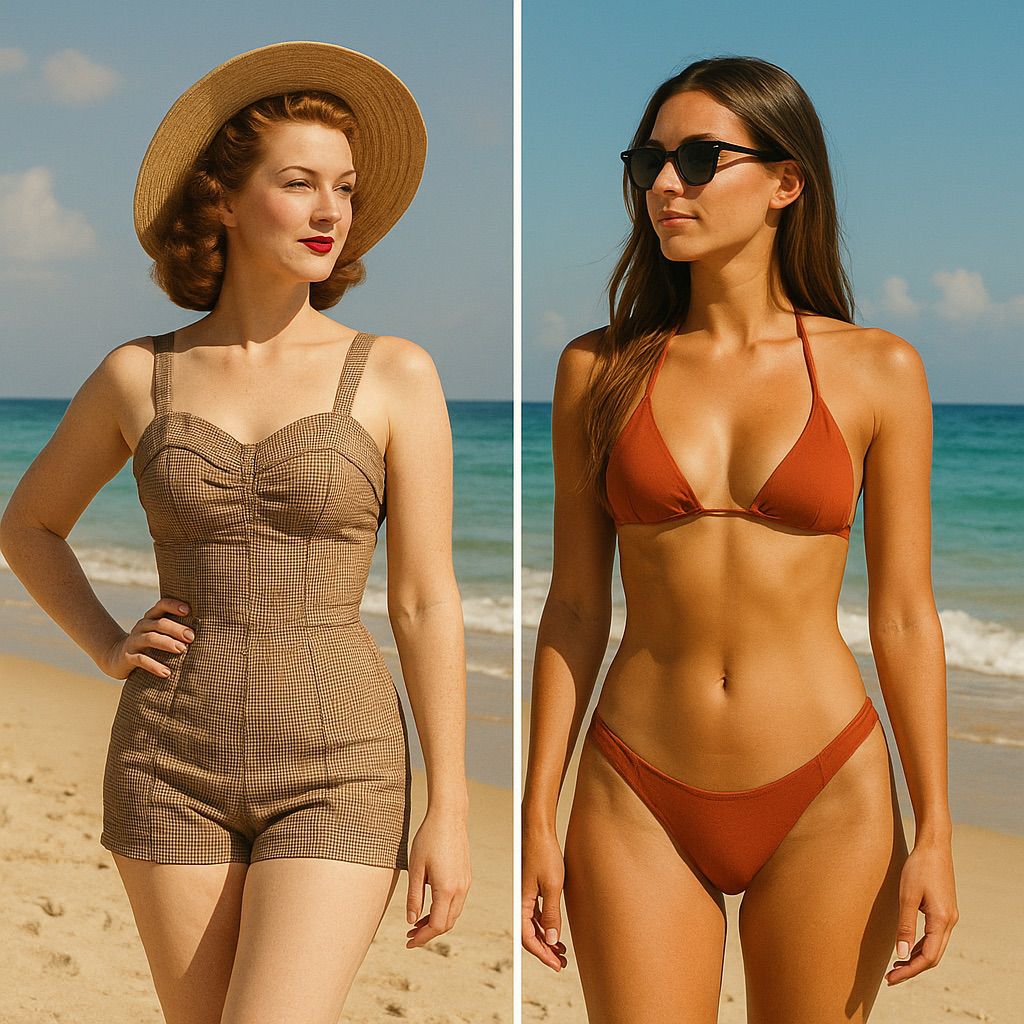
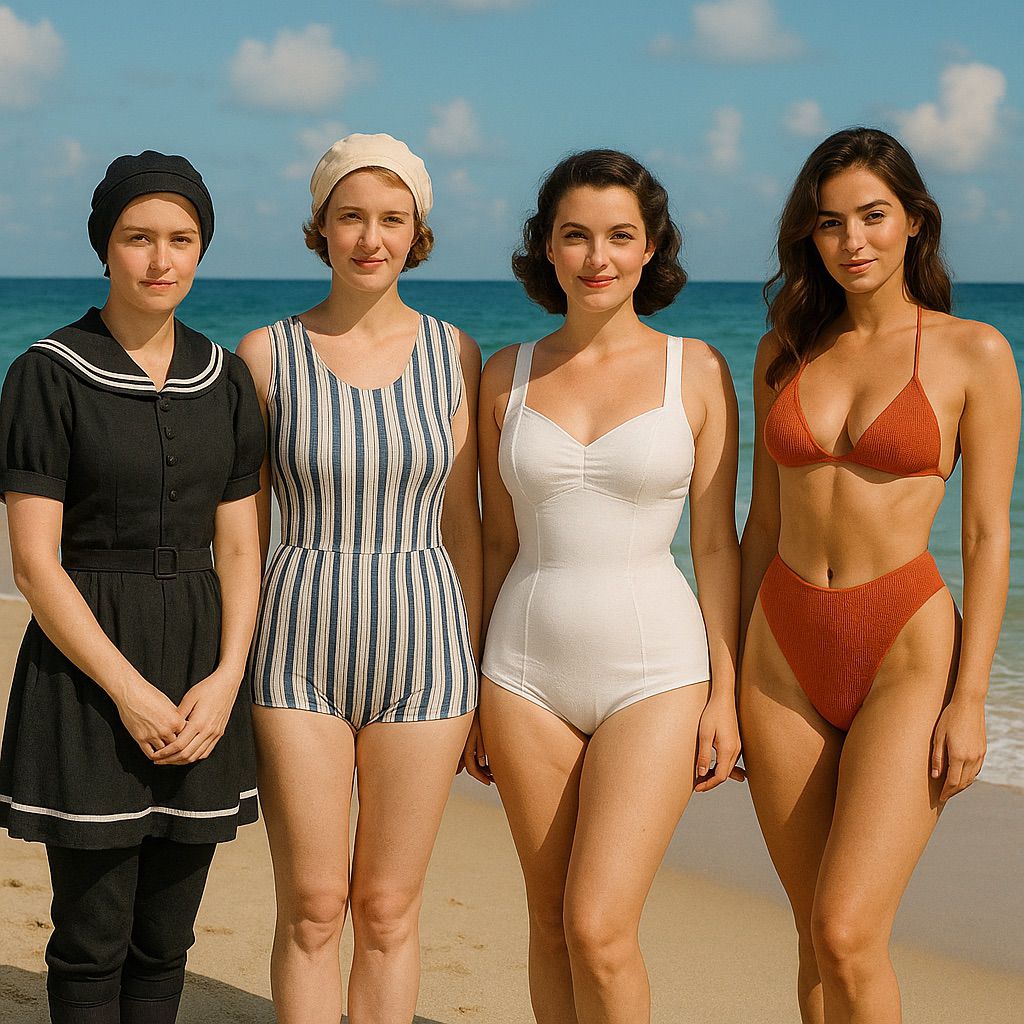
The one-piece swimsuit once reigned supreme. In the early 1900s, modesty and decency ruled the beaches. Women wore full bathing dresses, often with bloomers and caps. The idea of showing too much skin was scandalous, even punishable by fines or arrest in some parts of the world. Over time, swimsuits began to shrink. The roaring 1920s gave us one-piece wool suits that clung to the body but still covered plenty. By the 1930s and 1940s, swimwear designers introduced more flattering cuts and lighter materials, and the one-piece became a canvas for female athleticism, beauty, and confidence.

Then, in 1946, a French engineer named Louis Réard dropped a bombshell — quite literally. He introduced the bikini, named after the Bikini Atoll, where atomic bomb testing had just taken place. He claimed the bikini would be as explosive as the tests. It was tiny, bold, and revolutionary. At first, it shocked the world. The Vatican declared it sinful. Many countries banned it. But slowly and surely, the bikini began to infiltrate the world’s beaches and imaginations, helped along by celebrities like Brigitte Bardot, Ursula Andress, and Raquel Welch, who wore the daring two-piece in ways that redefined feminine power and allure.

So where does that leave us today? In a world where both options sit side-by-side on department store shelves and in Instagram feeds, the debate is alive and well. Choosing between a one-piece and a bikini today isn’t just about fashion — it’s about how each piece makes a woman feel. It’s about comfort, confidence, occasion, and message. Some say the bikini is empowering — an open embrace of the body, imperfections and all. Others argue that the one-piece can feel just as liberating, offering elegance, mystery, and often more support for physical activity. The truth is, each style carries its own emotional weight and story.

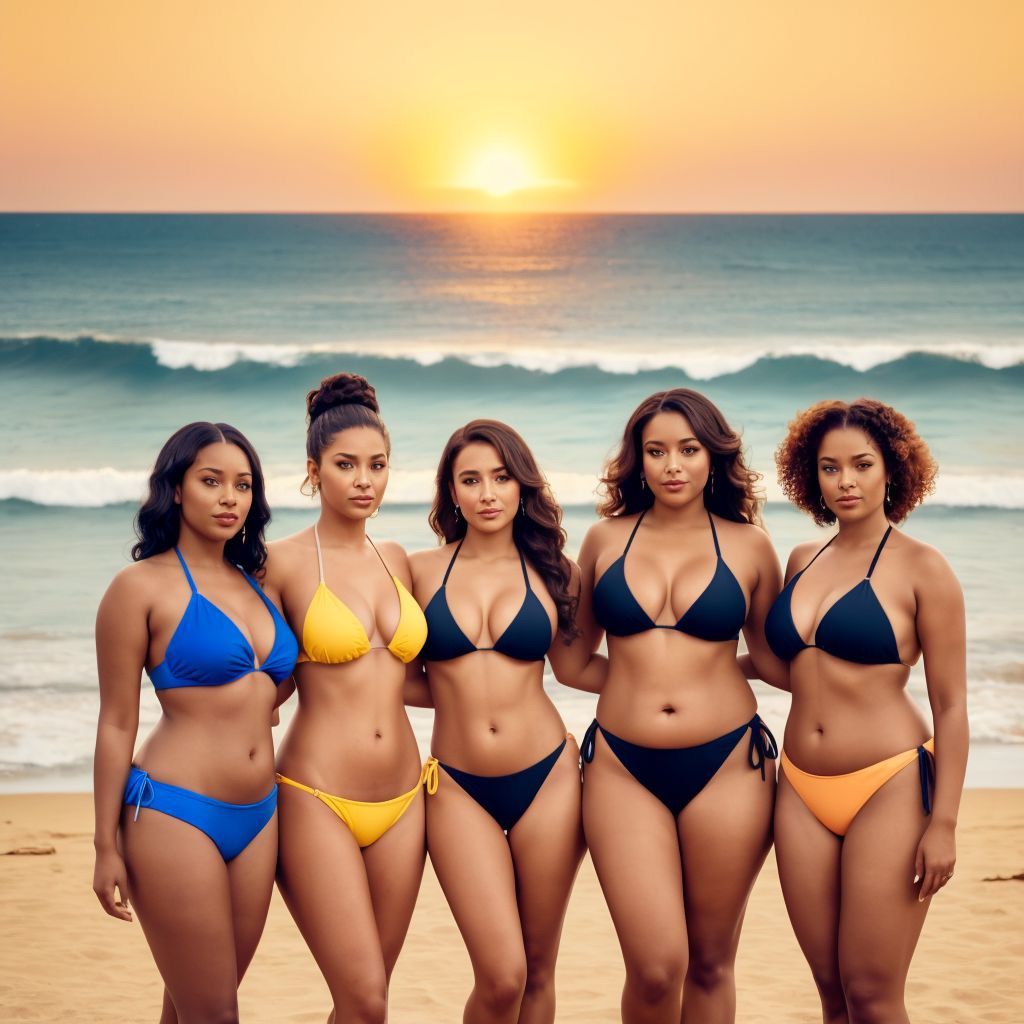
For many women, the bikini represents freedom — freedom from shame, from societal expectations, from the confines of conservative tradition. It’s often associated with youth, confidence, and boldness. Wearing a bikini can feel like an act of self-love, especially in a culture that bombards us with narrow ideals of beauty. It’s not just the realm of twenty-somethings with abs of steel. Women of all ages and sizes are embracing the bikini as a symbol of reclaiming their bodies. This cultural shift is important. No longer does one need to be a swimsuit model to wear a two-piece with pride. Social media has played a huge role here, offering a stage for body positivity movements and real-world representation.

On the flip side, the one-piece has undergone its own transformation. What once was seen as practical and conservative is now being celebrated for its versatility and sleek sophistication. A well-designed one-piece can be just as sexy, if not more so, than a bikini. It hugs curves, creates clean lines, and allows for creative cutouts, plunging necklines, and bold patterns. There’s a timeless charm to it — think Esther Williams doing synchronized swimming routines or Marilyn Monroe lounging poolside. Modern fashion houses are embracing the one-piece as high style. What was once a practical option is now high fashion, and for some, even subversive in its modesty.

Functionality also plays a role. One-pieces are often favored by athletes, surfers, and active beachgoers who want to dive, run, or play without worrying about wardrobe malfunctions. There’s a confidence in knowing you can move freely. But the same can be said for certain bikini styles that offer secure fits. At the end of the day, function meets form — and it all comes down to how you intend to wear your suit.

Then there’s the psychology. What happens in your mind when you slip into a bikini or a one-piece? For some, the bikini might stir anxiety — a fear of judgment, of being “on display.” For others, it could awaken a sense of power — an “I don’t care what anyone thinks” attitude that feels electrifying. The one-piece might bring a sigh of relief, a safety net of coverage, or it might feel like hiding, depending on your mindset. Fashion is rarely just about looks. It’s about how you feel, and the context in which you’re wearing it.

Age is another factor often discussed — and often unnecessarily. Somewhere along the way, society began associating certain age ranges with certain suits. “Bikinis are for the young,” some say, while the one-piece is deemed more “appropriate” for older women. But this notion is outdated and frankly ridiculous. Style has no expiration date. Women in their 40s, 50s, 60s, and beyond wear bikinis, and they look phenomenal doing it — not because of the body they have, but because of the confidence they exude. Likewise, young women in one-pieces can look just as striking, making a choice that suits their mood or comfort. Age should never dictate your style — only your spirit should.

And then there’s the cultural layer. In some countries, the bikini is the norm, embraced without a second thought. In others, it’s still considered provocative or disrespectful. What you wear can be a political statement. For example, women in certain regions have fought for the right to wear swimsuits of their choice, while others fight for the right to wear more modest swimwear, like burkinis. The debate isn’t just bikini vs. one-piece — it’s about freedom of choice, of personal expression, of cultural respect, and of individual comfort.

Let’s not forget the role of the media in shaping our swimsuit perceptions. Advertisements, movies, and even cartoons have shown us certain body types in bikinis and one-pieces, often leaving little room for diversity. But the tide is turning. Brands like Aerie, Chromat, and Savage X Fenty have led the way in promoting inclusive campaigns that celebrate different shapes, skin tones, and identities. Representation matters. It allows more people to see themselves in the suits on the racks — and that, in turn, fosters more freedom in choice.

Some women have both in their wardrobe, choosing one or the other depending on the vibe of the day. Maybe the bikini feels right for a tropical getaway, while the one-piece is the go-to for a family pool party. That’s the beauty of having options. You don’t have to choose just one. You get to choose what suits you — today, tomorrow, and every day after that. And you get to change your mind.

It’s also worth noting how men’s views have shifted, too. For decades, men’s fashion has remained largely unchanged at the beach, but their perceptions of women’s swimwear have evolved. Where once the bikini was ogled and the one-piece overlooked, now many men appreciate the sophistication of a one-piece or the boldness of a bikini equally. Still, women don’t (and shouldn’t) dress for male approval — but the cultural commentary around what’s “attractive” does still ripple through public discourse. That’s why the growing normalization of all bodies in all kinds of swimwear is so crucial.

And what about sustainability? As with all fashion, swimwear is facing the call for eco-conscious change. Some designers are now producing one-pieces and bikinis made from recycled materials like ocean plastics or regenerated nylon. The slow fashion movement encourages fewer, better choices — so some may choose a classic, durable one-piece that lasts years, while others go for versatile bikini tops they can mix and match. Either way, the decision becomes about more than looks; it becomes about values.

At the heart of it all, the choice between a one-piece and a bikini is personal. It’s not about trends. It’s about listening to your body and your heart. It’s about looking in the mirror and liking what you see — not because you look like someone else, but because you recognize yourself. Whether you’re lounging with a cocktail, chasing toddlers through the sand, snapping selfies, or swimming laps, your swimsuit should make you feel good. Not just look good — but feel good. Comfortable. Powerful. At ease in your own skin.

There will always be chatter — about what’s “flattering,” about “beach body” readiness, about what’s hot and what’s not. But the most radical thing you can do is choose what makes you feel alive. Whether it’s a high-waisted retro bikini or a plunging back one-piece, let your swimsuit be your choice, your armor, your celebration. And if one day you feel like switching it up? Do it. Fashion is fluid. Confidence isn’t static. Your swimsuit story is yours to write, and you get to be the main character every summer.

So next time you pack for the beach or scroll online for a new suit, remember this: the real question isn’t whether you’re a one-piece girl or a bikini babe. The real question is — what makes you feel like you? That’s the suit that suits you.

Related Posts

Bikini Confidence: Stories of Real Women Embracing Themselves

Dave

For many women, the act of putting on a bikini isn’t just about dressing for the beach—it’s a radical act of self-acceptance. In a culture obsessed with perfection, where unrealistic beauty standards are paraded across social media and magazine covers, stepping into the sun in two pieces can feel like a quiet rebellion. It’s not about flaunting or conforming—it’s about reclaiming. Bikini confidence is not born in fitting rooms or filtered photos, but in real stories of women who’ve stood in front of mirrors, faced years of self-doubt, and decided they were enough. These are their stories. They are not models. They are mothers, teachers, students, nurses, daughters. They are real. And they are radiant.

Meet Carla, 39, a mother of three from Miami. For years, the beach was a battlefield. “After my third child, my body was… foreign to me,” she says. “Stretch marks, loose skin, a belly that never quite went back to flat—it felt like my old self had disappeared.” Carla stopped wearing swimsuits altogether. Summers were spent on the sidelines, in cover-ups, watching others enjoy the water. “One day, my daughter—she was six—asked why I never swam with her. That hit me. I realized I was teaching her that joy and fun were only for people with perfect bodies. I never wanted that for her.” The next weekend, Carla bought a two-piece. She remembers the nerves, the vulnerability. But she also remembers the feeling of her daughter’s hand in hers as they jumped into the waves. “It wasn’t just a bikini. It was freedom.”

Jasmine, 26, from Portland, spent most of her teens hiding her body under oversized clothes. “I was bullied a lot in school for being curvy. Every insult stuck. I started believing my body was something shameful, something to be covered.” In college, Jasmine joined a body positivity group on campus. “It wasn’t like I suddenly loved myself. But I started questioning why I had to hate myself.” The real turning point came during a beach weekend with friends. “Everyone was in swimsuits, laughing, playing volleyball. I felt the old fear bubbling up. But then one of my friends looked at me and said, ‘You deserve to have fun too.’ That night, I wore a bikini for the first time.” Jasmine cried when she saw the photos from that day—not out of shame, but pride. “I looked happy. Like someone who belonged. And I did.”

Then there’s Linda, 54, a breast cancer survivor from Chicago. After a double mastectomy, she grappled with an identity crisis. “I didn’t recognize myself. I didn’t feel feminine, sexy, or whole.” Support groups helped, but it was a chance encounter on a vacation to Mexico that changed everything. “There was this woman—older than me, loud, laughing, wearing the brightest bikini you could imagine. She caught me staring and said, ‘You’ve got to live, darling. Don’t waste another damn day.’” Linda smiled at the memory. “I bought a bikini the next morning. It felt like I was stitching myself back together, one bold choice at a time.” She now mentors other women going through post-op body changes. “Confidence isn’t the absence of scars. It’s dancing anyway.”

Sophia, 22, is a university student from London who struggles with vitiligo, a skin condition that causes patches of skin to lose pigment. “Growing up, I tried every kind of makeup to cover it. I hated PE, pool parties, anything that showed skin.” A turning point came when she saw a model with vitiligo on a magazine cover. “It was the first time I saw someone who looked like me being celebrated, not pitied.” Sophia started sharing her story on Instagram. “The first time I wore a bikini and posted it, I was shaking. I expected criticism. But instead, I got messages from girls saying, ‘Thank you.’ That’s when I realized—my body isn’t broken. It’s unique. It’s mine.”

And then there’s Ana, 31, from São Paulo. Ana grew up in a culture that celebrated beauty but often defined it narrowly. “I was always athletic, muscular, not the petite, delicate look people expected from girls. I was called ‘manly’ a lot.” She internalized that shame and avoided anything that showed too much skin. “It was my girlfriend who changed things. She would just look at me and say, ‘You’re beautiful. How can you not see it?’” On their anniversary trip to the coast, Ana surprised herself by buying a high-waisted bikini. “I felt nervous walking down the beach at first. But then I saw someone take a candid photo of me laughing. That’s the photo I keep now. Not because I look perfect, but because I look powerful.”

These stories don’t fit into a one-size-fits-all narrative of confidence. Some women wear bikinis with pride, others with tentative bravery. Some wear them to celebrate survival, others to reclaim stolen joy. But what ties them together is the decision to show up—to live fully in the bodies they have, not the bodies they’re told they need to earn.

Bikini confidence doesn’t mean loving every inch of yourself every single day. It means showing up anyway. It means saying, “I deserve to be here”—on this beach, in this moment, in this skin. It’s about pushing back against years of marketing, misogyny, and messages that equated worth with waistlines. It’s about rewriting the rules and recognizing that the only permission slip you need is your own.

And let’s be clear—this isn’t about performative empowerment. It’s not about buying a bikini just to post the “brave” picture online. It’s about the internal shift. The day you go to the pool with your kids and don’t panic. The vacation where you wear what you want instead of what you think hides “problem areas.” The moment you see your reflection and think, “That’s me. And I look good.”

The fashion industry is slowly catching on. Brands are showcasing real bodies, adaptive swimwear, diverse models. But the real revolution is happening in backyards, beaches, and balconies around the world. It’s in women who once dreaded summer now stepping into the sun. It’s in the girl who once said “I can’t” whispering “maybe I can.”

There are still hurdles. Comments, stares, internalized criticism. But every woman who wears a bikini on her terms chips away at that wall. She makes space for someone else. She becomes a lighthouse in a sea of doubt.

There’s power in community, too. Many of the women interviewed said what helped most was seeing others do it first. Representation matters—not just on billboards, but in our lives. Friends who encourage, sisters who hype us up, strangers who smile instead of judge. We rise by lifting each other.

It’s time to shift the conversation from “bikini body” to “body in a bikini.” There is no ideal. No checklist. If you have a body, and you put on a bikini, that’s it. You’ve already arrived.

Bikini confidence isn’t a destination. It’s a decision made over and over again. On the good days, when you strut. And on the hard ones, when you hesitate but go anyway. It’s not loud. Sometimes it’s quiet, private, even shaky. But it’s yours.

So wherever you are in your journey—just beginning, halfway there, or miles down the path—know that you’re not alone. There’s a whole world of women walking beside you, stepping into the sun, one brave choice at a time. And together, we are rewriting what it means to be beautiful.

Related Posts

Barely There, Boldly Heard: The Story of the Thong Bikini

Dave

The thong bikini may be one of the most polarizing items of clothing ever created—provocative, defiant, and unapologetically bold. For some, it’s a scandalous symbol of excess; for others, it’s a badge of body confidence and liberation. But like all garments steeped in controversy, the thong bikini has a complex, layered story that reaches far beyond just fashion. Its journey from obscure performance wear to a staple on beaches and social media feeds is not just about showing skin—it’s about reclaiming it. It’s about how women, in particular, have used a sliver of fabric to push back against societal restrictions on what’s acceptable, desirable, or respectable. Tracing the origin of the thong bikini is like unfolding a tale of resistance, evolution, and empowerment.

The modern idea of the thong bikini can’t be separated from its roots in traditional and indigenous cultures. In various parts of the world, minimal clothing has been worn for centuries—not out of rebellion, but practicality and cultural norms. Indigenous Amazonian tribes, for example, have used narrow back garments as part of their attire long before Western society coined the term “thong.” But it wasn’t until the 20th century that Western designers began crafting swimwear that echoed these forms, tapping into both cultural inspiration and commercial daring.

The first appearance of something resembling a thong in Western culture occurred not on beaches but in performance venues. In the 1930s, New York City mayor Fiorello La Guardia ordered strippers to cover their buttocks. In response, performers started wearing G-string-style garments that technically complied with the law while still maintaining the allure of nudity. This blend of cheekiness and compliance gave rise to a new type of undergarment that would eventually influence swimwear fashion.

The story of the thong bikini, however, truly begins in Brazil in the 1970s—a country already known for its warm beaches, sensual culture, and a distinctive, less-is-more approach to swimwear. The legendary beach culture of Rio de Janeiro served as the perfect incubator for an evolution in style that would shake the world. Brazilian fashion designers and beachgoers embraced smaller and more revealing swimwear, both as a celebration of the body and as a form of rebellion against conservative dress codes. The “fio dental”—literally “dental floss”—was the name affectionately given to the early thong-style bikinis seen on Brazilian shores.

Brazilian women did not just wear these bikinis; they owned them. The thong bikini became a symbol of pride, a way to show confidence and joy in one’s own body. It wasn’t about seduction as much as self-expression. In a society that often praised curves and celebrated vibrant femininity, wearing a thong was less about shocking others and more about feeling beautiful for oneself. By the early 1980s, the style had migrated beyond Brazil, carried by sun-seeking travelers, photographers, and curious fashionistas back to the U.S. and Europe.

In 1981, Frederick Mellinger, the founder of Frederick’s of Hollywood, brought the thong into mainstream American lingerie. It wasn’t long before swimwear designers took notice. The decade was one of extremes in fashion—big hair, bold colors, and increasingly daring cuts. Fitness culture was booming, and sculpted bodies were celebrated everywhere from glossy magazine covers to music videos. Against this backdrop, the thong bikini fit right in. Designers like Norma Kamali and brands such as LA Gear and Body Glove began incorporating thong styles into their swimwear lines. What was once exotic and risqué was becoming fashionable.

But acceptance was far from universal. The thong bikini stirred public debates about decency, morality, and the female form. Cities across the U.S. imposed bans on thong swimwear at public beaches and pools. Headlines warned of its moral implications, framing the trend as a dangerous step toward cultural collapse. And yet, the bans only seemed to increase its mystique. To wear a thong bikini was to defy not just fashion norms, but societal expectations. It was a statement—loud and clear—that a woman’s body was her own.

By the 1990s, the thong bikini had cemented its place in popular culture. Music videos and fashion magazines embraced the trend with a vengeance. Pop icons like Madonna, Cher, and later Jennifer Lopez flaunted thong-style costumes onstage and on red carpets. Supermodels strutted runways in barely-there swimwear. The Brazilian wax—a grooming style that complemented the thong—soared in popularity, further entrenching the aesthetic. The body ideal of the time—toned, tanned, and taut—was tailor-made for thong swimwear.

However, this era also revealed the paradox of the thong bikini. While it offered liberation for some, it imposed expectations on others. Not everyone could or wanted to conform to the body standards it seemed to require. The fashion industry, as well as broader culture, continued to favor a narrow vision of beauty. If you didn’t have the “right” body, critics implied, you didn’t “deserve” to wear a thong. This unspoken rule silenced many and limited the thong’s empowering potential. The same garment that symbolized freedom for one woman could represent pressure and exclusion for another.

As the 2000s unfolded, the thong bikini fell into a kind of cultural limbo. It never disappeared, but it was overshadowed by other swimwear trends—tankinis, boy shorts, retro styles that felt safer, more inclusive. In the age of low-rise jeans and overly airbrushed ads, the thong continued to be popular in nightlife, clubwear, and certain celebrity circles, but it lost the beach-friendly mainstream momentum it once had.

Then, something shifted. The 2010s marked a revolution not just in fashion, but in the very way people saw themselves. The rise of social media gave everyday individuals the power to broadcast their images and tell their stories. Platforms like Instagram and TikTok showcased bodies of all shapes and sizes in every kind of swimwear—including thongs. Hashtags like #bodypositivity and #selflove started trending. Women who had been sidelined from the beauty conversation—plus-size women, women of color, older women, disabled women—were claiming their space and showing up in thongs, proudly and unapologetically.

The evolution of the thong bikini wasn’t just back—it was transformed. It no longer belonged to a narrow category of performers, models, or celebrities. It became a garment of empowerment. Women posted side-by-side photos of their “before and after” bodies not to show weight loss, but self-acceptance. Influencers spoke openly about stretch marks, cellulite, and bloating—normalizing the things traditional media had long hidden. And in this radical honesty, the thong became more than a swimsuit. It became a symbol of truth, vulnerability, and fearless self-expression.

Designers followed suit. Brands began creating thong bikinis in a variety of sizes and cuts to suit more body types. Some included features like extra support, adjustable strings, or thicker fabrics to help wearers feel secure. The fashion industry had finally begun to understand that showing skin wasn’t about flaunting perfection—it was about celebrating what is real. Inclusivity wasn’t a trend anymore—it was a demand.

Today, the thong bikini exists in a vibrant landscape of choices. It’s no longer confined to the beaches of Rio or the nightclubs of Miami. It’s worn in suburbia, on rooftop pools, in vacation photos, and everywhere in between. It’s seen on fitness trainers and cancer survivors, on mothers and teenagers, on the bold and the bashful. For some, it’s still a symbol of sexuality; for others, it’s just the most comfortable way to tan. For many, it’s both.

But even now, the thong bikini is not free from scrutiny. The double standards persist. Men in board shorts rarely spark headlines. But women in thong bikinis still face unsolicited opinions, judgmental glances, or worse—harassment. Parents debate whether it’s “appropriate” for young women. Critics still cry “indecency” in certain municipalities. The conversation hasn’t ended—but it has evolved.

In that way, the thong bikini continues to represent something deeper than style. It’s about bodily autonomy in a world that constantly tries to take it away. It’s about a woman saying, “This is who I am, and I am not here for your approval.” Whether that woman is posting a beach photo, walking along a tropical shore, or simply sunbathing in her backyard, she’s making a statement—loud, clear, and proud.

The thong bikini is not for everyone. It doesn’t have to be. But its story matters, because it tells us something essential about culture, resistance, and the way garments shape identity. A tiny triangle of fabric may seem trivial, but history has shown us time and again that it’s often the smallest things that spark the biggest revolutions. The thong bikini, in all its controversy and celebration, reminds us that fashion is never just about what we wear. It’s about what we’re allowed to wear, what we’re told to hide, and what we choose to reveal—on our own terms.

Related Posts